


PC( Facebook, Instagram)
India boasts an extraordinary diversity of traditional (Lok Sanskriti) and indigenous (Janjatiya) communities, whose literature, oral narratives, ecological wisdom, languages, rituals, and knowledge systems have profoundly shaped civilizational thought for millennia. These expressions-whether spoken, sung, performed, or written serve as a living archive of philosophical insights, environmental ethics, social structures, creative imagination, and intergenerational memory.
Institutions like IGRMS and IGNCA have long been dedicated to preserving, promoting, and disseminating these invaluable knowledge traditions through exhibitions, research, and community-centered initiatives. They provide a crucial national platform to bring indigenous voices into mainstream academic and cultural conversations.
The 10th edition of the festival, themed “Celebrating Janjatiya Literature, Languages, Knowledge Systems & Cultural Heritage” (लोक एवं जनजातीय साहित्य, भाषाएँ, ज्ञान परंपराएँ एवं सांस्कृतिक विरासत), underscores the urgent need to preserve, revitalize, digitize, and globalize endangered and undocumented janjatiya languages and literature. It invites writers, poets, storytellers, researchers, linguists, translators, artists, performers, publishers, and community knowledge keepers from across India.
Key Highlights of the Festival
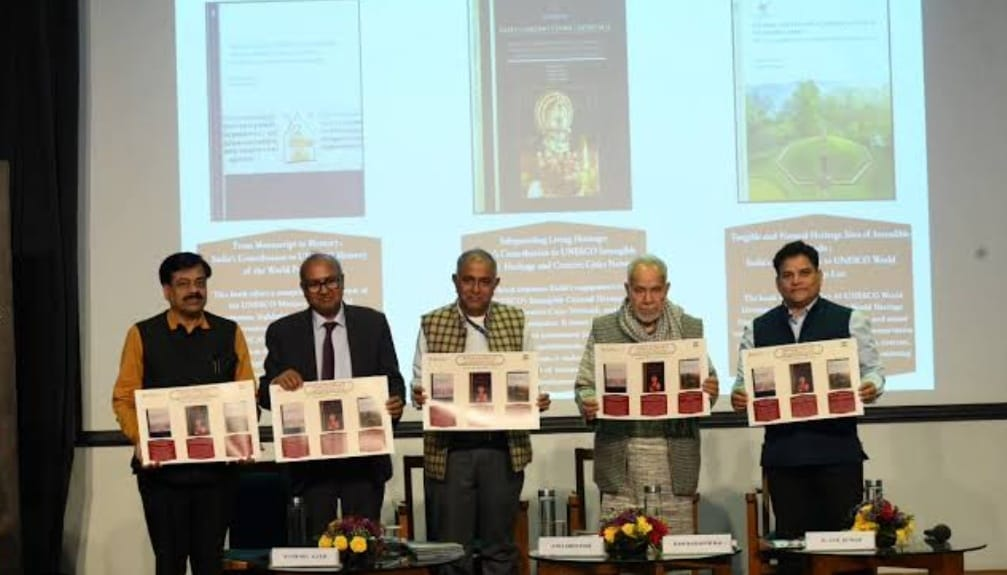
The two-day event features a rich array of activities designed to foster intellectual exchange, cultural immersion, and preservation efforts Cultural Performances – Live presentations of janjatiya and lok community traditions, including music, dance, and rituals that showcase the rhythmic energy and diversity of India’s folk heritage. Book Exhibition and Sale A dedicated showcase of janjatiya and lok literature, offering access to rare, regional, and potentially undocumented works. National Seminar – In-depth academic discussions on the janjatiya and lok communities of India, exploring the role of indigenous languages, oral traditions, and knowledge systems in sustaining cultural identity. Additional elements may include film screenings highlighting tribal storytelling, visual media displays, and digital documentation initiatives to aid in the preservation and revitalization of endangered traditions.
Who Should Attend? Target Audience
The festival is tailored for a diverse group passionate about indigenous and folk heritage.
Lok Sanskriti writers, community representatives, and cultural practitioners.
Scholars, researchers, university academics, and emerging youth scholars. Government and institutional stakeholders. NGOs working in janjatiya (tribal/indigenous) development. Members of the public interested in indigenous literature, languages, and cultural heritage.
This festival offers unparalleled opportunities for networking with tribal writers, scholars, linguists, and representatives from premier institutions like IGNCA and IGRMS. It serves as a space for intellectual dialogue, skill-building through expert panels, exposure to new works, and active contribution to cultural preservation. For writers, researchers, and enthusiasts alike, it promises inspiration, collaboration, and a deeper connection to India’s living cultural memory. Don’t miss this rare platform to amplify indigenous voices and support the revitalization of India’s diverse heritage traditions! Register soon to secure your spot.