

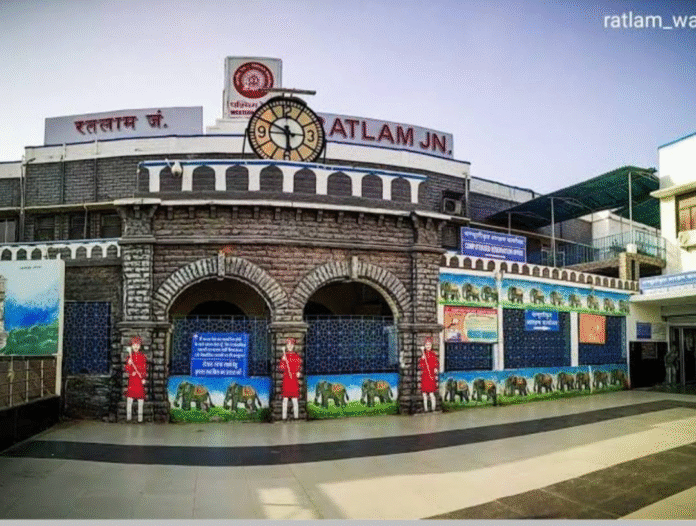
Nestled in the northwestern part of Madhya Pradesh’s Malwa region, Ratlam (also known as RTM) may appear as a modest city, but it plays a major role as a vital railway lifeline linking India’s biggest cities. Often called the “Namkeen Capital” of India, this historic town blends a glorious railway legacy with rich cultural traditions, colonial-era architecture, vibrant markets, and iconic culinary delights. As a key junction on the Western Railway, Ratlam has long served as the beating heart connecting the financial hub of Mumbai, the national capital Delhi, Ajmer, and Khandwa.
A Storied Railway Legacy Spanning Over 130 Years
Ratlam’s transformation into a crucial rail hub began in the late 19th century. The meter-gauge line arrived in 1874, followed by broad gauge in 1893, establishing it as an essential node on the historic Delhi-Mumbai main line.
The Ratlam Division officially formed on August 15, 1956, inaugurated by Shri Thakatmal Jain, then Chief Minister of Madhya Bharat. Today, it stands as one of the most important divisions under the Western Railway zone, with Ratlam Junction (code: RTM) classified as an NSG-3 category station featuring seven platforms.This early 20th-century station building, with its distinctive colonial architecture and prominent clock tower, remains a landmark. Ratlam has earned modern accolades too-it was the first “Clean Train Station” in Indian Railways and hosts a major Diesel/Electric Loco Care Center since 1967.
Recent developments include the 2021 electrification of the Ratlam-Fatehabad-Ujjain section and ongoing proposals for third and fourth lines to ease congestion. Strategically positioned, Ratlam connects to the Delhi-Mumbai Industrial Corridor, underscoring its industrial and logistical importance.
Cultural and Architectural Blend: Old Meets New
Ratlam showcases a harmonious mix of traditional Indian elements and colonial influences from its railway heyday. Surrounding the station are areas with heritage buildings, while the city serves as a gateway to Madhya Pradesh’s cultural diversity.
Vibrant local markets buzz with activity, offering everything from spices and textiles to everyday essentials, reflecting the region’s lively community spirit.
The Crown Jewel of Ratlam’s Heritage: Ratlami Sev
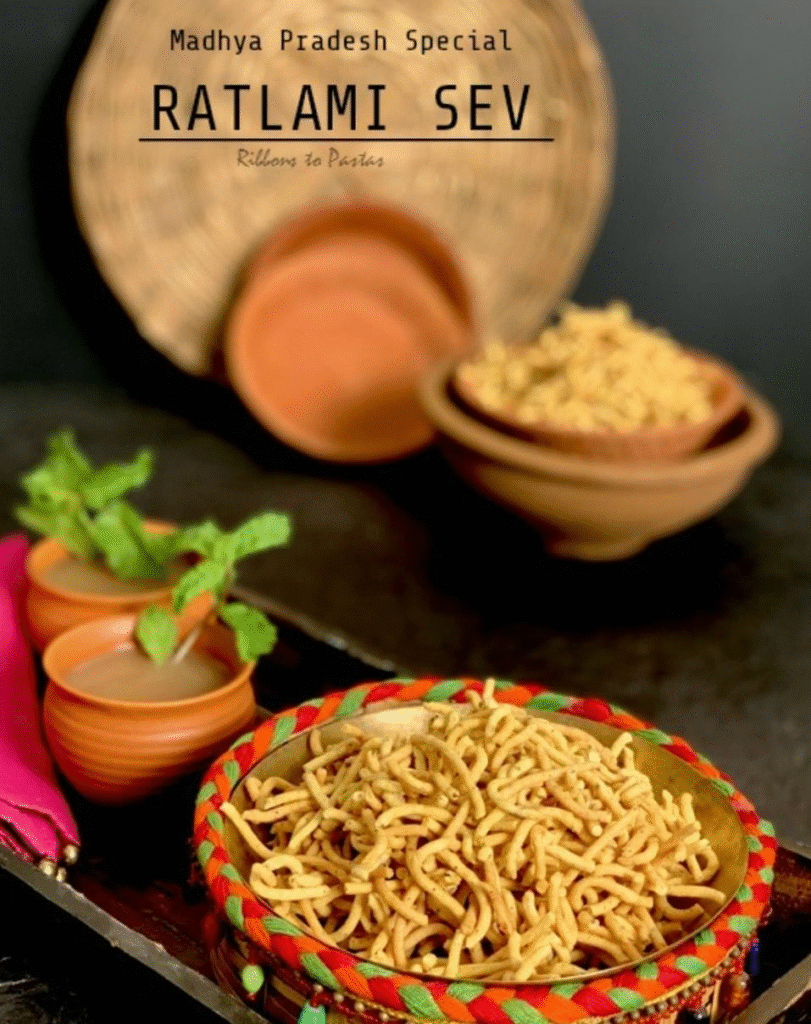
Beyond its rails, Ratlam is synonymous with Ratlami Sev, a crunchy, spicy sev (gram flour snack) that earned a Geographical Indication (GI) tag. Originating in the 19th century-some accounts trace roots even further to tribal Bhil communities or Mughal influences-this namkeen features a distinctive smoky flavor from deep-frying in iron kadhais, with bold notes of hing (asafoetida), black pepper, and clove.
Created initially for Marwari traders needing a portable, flavorful snack, it has made Ratlam the undisputed “Namkeen Capital.”
Promoting Responsible Tourism and Community Empowerment
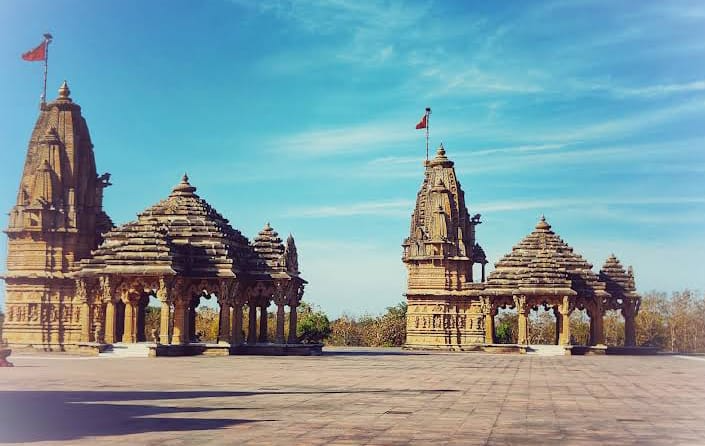
Ratlam aligns with Madhya Pradesh Tourism’s Responsible Tourism Mission (RTM), which emphasizes preserving heritage, empowering local communities, and delivering authentic experiences. Initiatives focus on sustainable practices, skill development, and highlighting local arts, crafts, and cuisine while minimizing environmental impact.Though not always spotlighted like other MP destinations, Ratlam offers genuine cultural immersion through its markets, temples (like Bibrod Teerth and Nageshwar Parshwanath), nearby bird sanctuaries, and, of course, its world-famous sev.
In essence, Ratlam proves that even a smaller city can hold immense significance. As the quiet yet indispensable connector of India’s major rail arteries, it embodies the spirit of connectivity, heritage, and resilience at the very heart of the nation. Whether you’re passing through by train or exploring its flavors and history, Ratlam welcomes you with open tracks and open hearts.