

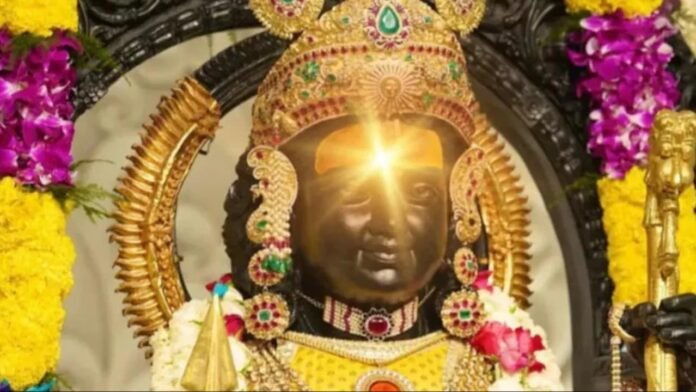
As Ram Navami is observed this year, the sacred city of Ayodhya is once again at the heart of grand spiritual celebrations. On 27 March 2026, lakhs of devotees are expected to gather in the city believed to be the birthplace of Lord Ram, transforming Ayodhya into a vibrant centre of faith, devotion, and cultural splendour.
While the Navami tithi spans 26–27 March, the main public celebrations and arrangements in Ayodhya are aligned for 27 March, ensuring that devotees can participate in the festivities in an organised and accessible manner.
Ayodhya Prepares: A City Immersed in Devotion
In the days leading up to the festival, Ayodhya has been beautifully adorned with lights, flowers, and saffron flags. Temples resonate with continuous recitations of the Ramayan, along with bhajans and chants of “Jai Shri Ram,” creating an atmosphere charged with spiritual energy.
Extensive preparations have been undertaken to manage the massive influx of pilgrims. Authorities have installed large LED screens across key locations, allowing devotees to witness the main rituals even from a distance. Security arrangements have been strengthened, and crowd movement is being carefully regulated through designated routes and queue systems to ensure a smooth and safe experience.
Ram Mandir: The Spiritual Epicentre
At the centre of all celebrations stands the grand Ram Mandir, built at the revered site believed to mark the exact birthplace of Lord Ram.
The temple, a symbol of deep faith and centuries of devotion, will host the most significant rituals of the day. For Ram Navami, special arrangements have been made, including extended darshan hours, continuous pooja, and multiple aarti ceremonies to accommodate the large number of devotees.
The Divine Highlight: Surya Tilak at Madhyahna
One of the most extraordinary moments of the celebration is the Surya Tilak, a unique blend of devotion and scientific precision.
During the sacred Madhyahna Muhurat (around noon), a carefully engineered system of mirrors and lenses channels a beam of sunlight onto the forehead of the Ram Lalla idol, forming a radiant tilak. This phenomenon, lasting a few minutes, symbolically marks the divine birth of Lord Rama and is among the most anticipated events of the day.
Sacred Rituals and Festive Offerings
The day begins early with Mangala Aarti, followed by a series of rituals including abhishekam, Vedic chanting, and continuous recitations. As the day progresses, the atmosphere builds toward the celebration of Ram Janmotsav at midday.
A grand Chhappan Bhog—an offering of 56 traditional dishes—is prepared for the deity, along with large quantities of prasad such as panjiri, which is distributed among devotees.
The moment of Lord Rama’s birth is marked by the sound of conch shells, ringing bells, and collective chants, creating a deeply emotional and spiritually uplifting experience.
Darshan Arrangements and Crowd Management
With lakhs of devotees expected, special measures have been implemented to ensure accessibility and safety. Notably, VIP darshan has been suspended, allowing equal opportunity for all pilgrims to participate.
Multiple darshan slots, extended temple hours, and public viewing arrangements across the city have been organised. Live telecasts and screens ensure that the divine moments can be witnessed by everyone, even amid the large crowds.
A Brief Sacred Legacy: Birth of Lord Rama in Ayodhya
Ayodhya holds unparalleled significance in Hindu tradition as the birthplace of Lord Rama, as described in the Ramayana. It was here that King Dasharatha ruled and where Rama was born during the auspicious Madhyahna period in the Treta Yuga.
This sacred association has made Ayodhya a timeless centre of pilgrimage, where mythology, history, and faith intertwine seamlessly.
A Living Celebration of Faith
Ram Navami in Ayodhya is not merely observed—it is experienced. From the ghats of the Sarayu River to the sanctum of the Ram Mandir, every corner of the city reflects devotion and unity.
As the rays of the sun form the sacred tilak on Ram Lalla’s forehead, the moment becomes a powerful reminder of the enduring presence of dharma and the timeless relevance of Lord Rama’s life and ideals.
Conclusion
On this auspicious occasion, Ayodhya stands as a beacon of faith, drawing millions into a shared celebration of devotion and spirituality. Ram Navami 2026 is not just about commemorating a divine birth—it is about reconnecting with values that continue to guide humanity.
In the city where Lord Ram was born, the festival becomes a profound experience—one that lives not just in rituals, but in the hearts of all who gather to witness it.