

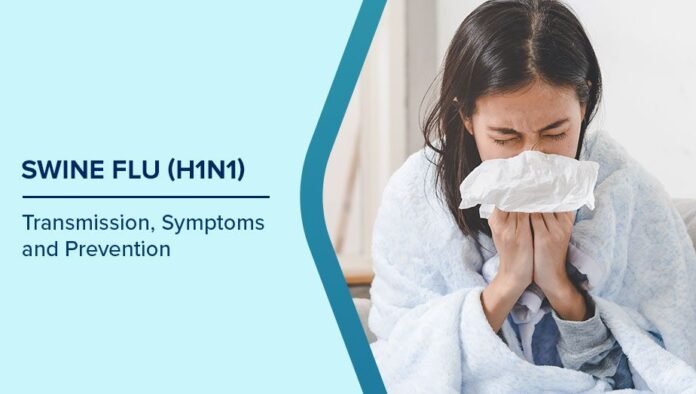
India is witnessing a seasonal rise in H1N1 influenza, commonly known as swine flu, during the monsoon season. Several states, including Delhi, Rajasthan and Karnataka, have reported an increase in cases, prompting health authorities to strengthen hospital preparedness and issue public advisories. While the rise in infections has attracted attention, health officials have emphasised that there is no evidence of a new H1N1 strain circulating in the country. The virus being detected is the familiar A(H1N1)pdm09 seasonal influenza strain.
What is H1N1 or Swine Flu?
H1N1 is a type of influenza A virus that primarily causes respiratory illness. It became globally known during the 2009 influenza pandemic, but the virus has since become part of the seasonal influenza viruses that circulate in human populations.
The infection can range from mild to severe. Many people recover without complications, but influenza can occasionally lead to pneumonia and other serious problems, particularly among vulnerable individuals.
How Does H1N1 Spread?
H1N1 spreads mainly through respiratory droplets and small particles released when an infected person coughs, sneezes, talks or breathes. These particles can reach people nearby, particularly in crowded or poorly ventilated places.
The virus can also spread when someone touches contaminated surfaces and then touches their mouth, nose or eyes. Close contact with an infected person therefore increases the possibility of transmission.
People with influenza can spread the virus before they realise they are sick and while they have symptoms. Crowded indoor environments, schools, workplaces and public transport can therefore facilitate transmission, particularly during periods of increased seasonal activity.
What Are the Symptoms?
H1N1 commonly produces symptoms similar to other forms of seasonal influenza. These can include fever, cough, sore throat, runny or blocked nose, headache, body aches, tiredness and chills. Some people, particularly children, may also experience vomiting or diarrhoea.
Symptoms can vary in intensity. A person with a mild infection may recover within several days, while others can develop complications requiring medical attention.
Who Is at Greater Risk?
Although anyone can contract influenza, certain groups are more likely to develop severe illness. These include young children, older adults, pregnant women and people with underlying medical conditions. Individuals with chronic respiratory, heart, metabolic or immune-related conditions may require particular caution.
During the current rise in cases, health authorities have advised people in vulnerable groups to seek medical advice promptly if they develop significant influenza-like symptoms.
How Can H1N1 Be Prevented?
Simple precautions can significantly reduce the risk of catching or spreading influenza. Regular handwashing with soap and water is one of the most important measures. Alcohol-based hand sanitiser can be used when soap and water are unavailable.
People who are unwell should avoid close contact with others and, where appropriate, wear a mask, particularly in crowded or poorly ventilated environments. Covering the mouth and nose while coughing or sneezing and disposing of used tissues properly can also reduce the spread of respiratory infections.
Good ventilation is particularly important. Opening windows and improving airflow in indoor spaces can reduce the concentration of infectious respiratory particles. Avoiding unnecessary visits to crowded places while experiencing flu-like symptoms can further protect others.
What About Treatment?
Most mild influenza infections can be managed with rest, adequate fluids and appropriate symptomatic care. However, people who develop significant symptoms or belong to a high-risk group should consult a healthcare professional.
Antiviral medicines such as oseltamivir may be prescribed by doctors, particularly when treatment is started early and when a person is at higher risk of complications. Antibiotics do not treat influenza because H1N1 is a virus. They should only be used when a healthcare professional determines that a bacterial infection is also present.
People should also avoid taking prescription medicines or combinations of over-the-counter medicines without appropriate medical advice.
Is There a Need to Panic?
The current increase in H1N1 cases deserves attention, but it does not mean that a new pandemic virus is circulating. According to reports citing the Indian Council of Medical Research, the virus detected is the established seasonal A(H1N1)pdm09 strain and existing influenza vaccines remain relevant.
The majority of influenza infections are mild and self-limiting. Nevertheless, the seasonal increase is a reminder that respiratory infections can spread rapidly, particularly in crowded settings. Awareness, early medical attention for vulnerable people and basic preventive measures remain important.
A Season for Awareness, Not Fear
The rise in H1N1 cases during the monsoon highlights the importance of responsible health behaviour. Staying home when sick, maintaining hand and respiratory hygiene, improving ventilation and seeking medical advice when symptoms become concerning can help reduce transmission.
Most importantly, people should avoid both extremes: there is no need for unnecessary panic, but an increase in cases should not be ignored either. Understanding how H1N1 spreads and taking sensible precautions can help individuals protect themselves, their families and their communities during the seasonal influenza surge.