

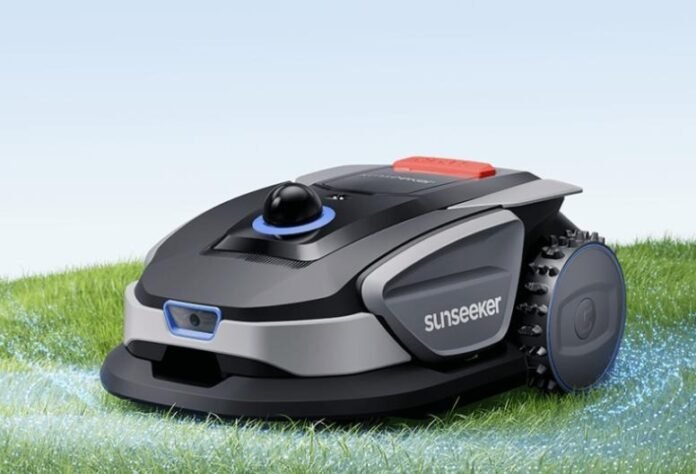
Robot mowers have moved far beyond simple random navigation. Homeowners now choose between standard boundary wire models and advanced GPS robot mowers with precise RTK navigation and smart control. Both options cut the grass for you, but they work in very different ways, especially in how they move, map, and protect your lawn. Understanding these differences helps you pick a mower that fits your garden layout, budget, and tech comfort level. This guide compares navigation style, setup, mowing accuracy, smart features, and lawn suitability so you can see where GPS robot mowers stand apart from traditional models.
Windows workflow note: for driver and device maintenance, this DriverAgent Plus is a useful related reference.
How Do GPS Robot Mowers Work Differently from Standard Models?
GPS, RTK, and Smart Navigation Technology
Standard robot mowers often move in a semi-random pattern. They rely on bump sensors and a boundary wire to stay inside the lawn. This method works, but it wastes time and energy and can miss patches or double-cut others. GPS robot mowers use satellite positioning to know exactly where they are in your garden. Many models add precise RTK navigation, which uses a fixed reference station to correct GPS signals and deliver centimetre-level accuracy. With this technology, the mower follows planned lines, similar to a person mowing in neat stripes. Smart navigation also helps the mower remember obstacles, adapt to lawn shape, and improve efficiency over time through software updates.
Virtual Boundaries vs Physical Perimeter Wires
Traditional mowers depend on a physical perimeter wire installed around the lawn and no-mow areas. You bury or peg this cable into the grass, connect it to the base station, and the mower reads the signal to stay inside the boundary. This setup can take hours and becomes annoying if you redesign flower beds or add new paths. GPS robot mowers use virtual boundaries instead. You set limits in an app or guide the mower once around the lawn to teach it the edge. Precise RTK navigation lets the machine respect these digital borders with high accuracy. When you change the garden layout, you update the map instead of digging up and moving wires.
Mapping, Route Planning, and Mowing Accuracy
Standard wire-based mowers usually drive in random or semi-random paths until they cover the area. They often need more running hours to keep grass even, and you may still see uncut patches along edges, tight corners, or narrow passages. GPS robot mowers first map your lawn, including borders, obstacles, and zones. Using this map, they plan straight, efficient mowing routes that cover the area systematically, similar to a robotic vacuum. Precise RTK navigation keeps the mower on its planned lines and reduces overlap. Many GPS models adjust routes based on grass growth, weather, and usage data. This targeted approach boosts mowing accuracy, shortens mowing time, and leaves a more consistent finish across the entire lawn.
What Benefits Do GPS Robot Mowers Offer Homeowners?
Faster Setup and Easier Lawn Zone Management
Setting up a standard robot mower usually means laying perimeter wire around every edge, island bed, and obstacle. This process can be slow and physically demanding, especially for large or complex lawns. GPS robot mowers shorten setup because they rely on mapping and precise RTK navigation instead of wires. You often walk the mower around the perimeter once, or mark boundaries in an app, and let it generate a lawn map. Creating zones becomes easier too. You can define separate areas, set mowing schedules for each, and adjust cutting height without touching any hardware. If you add a patio or extend a border, you update the digital map rather than re-laying or repairing buried cable.
Better Coverage for Large, Complex, and Multi-Zone Lawns
Traditional mowers cope well with simple, open lawns but struggle with complex layouts. Narrow passages, multiple lawns, or sloped sections can confuse random navigation and wire-based guidance. Some areas may get over-cut, while others stay patchy. GPS robot mowers handle complex and multi-zone layouts more intelligently. After mapping, they know the position of each zone and calculate efficient routes between them. Precise RTK navigation helps the mower move through passages and tight corners without losing its bearings. Many models support large working areas and remember exactly which parts they have cut. This reduces missed spots and cuts down on unnecessary passes. Homeowners with big, intricate gardens see more even coverage and fewer manual touch-ups.
App Control, Security Tracking, and Smart Automation Features
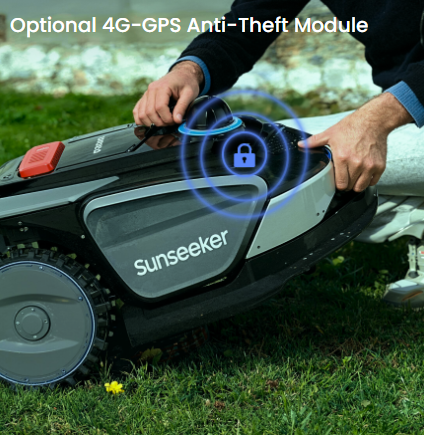
Standard robot mowers often include basic timers and simple control panels on the device. Some have limited Bluetooth apps, but connectivity and features can be restricted. GPS robot mowers usually integrate with full-featured smartphone apps and cloud services. You can start, stop, or schedule mowing from anywhere, adjust settings, and view live status. Built-in GPS and precise RTK navigation also enable location tracking. If someone lifts or moves the mower, you can see where it goes and receive theft alerts. Many models link with smart home platforms, weather services, and voice assistants. They pause automatically in heavy rain, avoid scheduled garden parties, and adapt mowing frequency to grass growth, creating a more automated and secure lawn care system.
Conclusion
GPS robot mowers differ from standard models in how they navigate, set boundaries, and plan mowing routes. Traditional boundary wire machines still offer reliable, affordable automation for simple lawns, but they need more setup time and often run longer to achieve full coverage. GPS and precise RTK navigation bring wire-free installation, accurate virtual boundaries, and efficient, systematic mowing. Homeowners with large, complex, or multi-zone gardens benefit most from these advanced features, along with rich app control and security tracking. By comparing your lawn layout, budget, and tech needs, you can decide whether a GPS robot mower is worth the upgrade.