

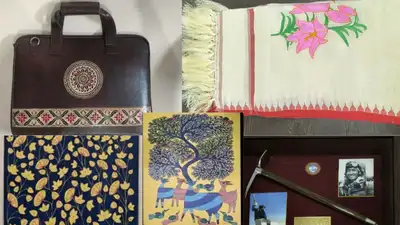
Prime Minister Narendra Modi not only strengthened diplomatic ties during his recent five-nation tour of the UAE, Netherlands, Sweden, Norway and Italy, but also used cultural diplomacy to showcase India’s rich artistic, textile and agricultural heritage through carefully curated gifts presented to world leaders.
The gifts reflected India’s regional diversity, traditional craftsmanship and GI-tagged specialties, turning the visit into a global display of the country’s soft power and cultural identity.
One of the most talked-about moments came in Italy, where PM Modi gifted Italian Prime Minister Giorgia Meloni a traditional Assamese Muga silk stole, renowned for its natural golden sheen and durability. He also presented a Shirui Lily-inspired silk stole from Manipur, highlighting the cultural richness of Northeast India. Alongside these elegant gifts, a playful diplomatic gesture grabbed headlines worldwide when Modi gifted Meloni a packet of “Melody” toffees — a light-hearted reference to the popular “Melodi” nickname associated with the two leaders.
In the UAE, Modi gifted premium Indian mangoes and other agricultural products, underlining India’s vast farming traditions and export potential. The selection symbolised India’s agricultural excellence and the growing economic partnership between New Delhi and Abu Dhabi.
Several gifts during the tour drew from India’s centuries-old artistic traditions. These included Madhubani paintings from Bihar, Odisha’s silver filigree Tarakasi artwork, Pattachitra art on palm leaves, Bidriware craftsmanship, Blue Pottery and Pichwai paintings from Rajasthan. Handcrafted textiles, Ladakhi wool products and Himalayan orchid-themed artworks further reflected India’s regional diversity and artisanal legacy.
PM Modi also highlighted India’s growing focus on millet-based nutrition by gifting millet bars and traditional food products such as Mithila Makhana. Literary and cultural items, including Rabindranath Tagore’s works and Shantiniketan-style handcrafted products, were also part of the diplomatic exchange.
The thoughtfully selected gifts transformed routine diplomatic protocol into a broader cultural statement, projecting India not merely as an economic and strategic power, but also as a civilisation deeply rooted in heritage, craftsmanship and artistic excellence. Through textiles, paintings, handicrafts and regional specialties, the tour effectively carried India’s cultural story to the global stage.