

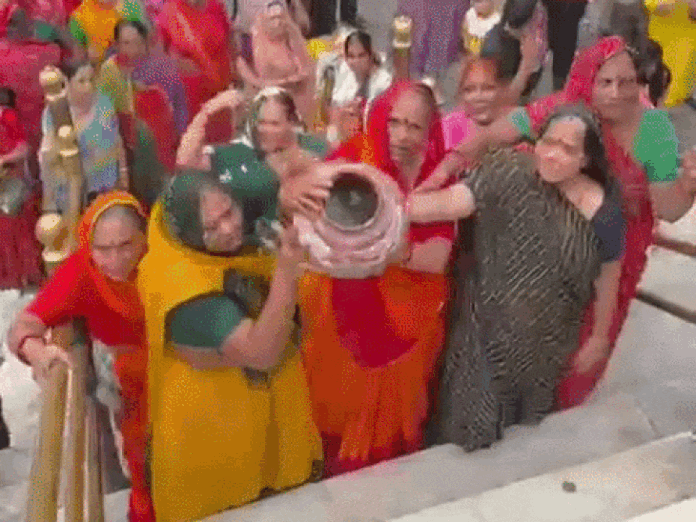
As the monsoon clouds hesitate over the lakes and hills of Udaipur, an age-old folk tradition comes alive in the city’s historic quarters. Far removed from elaborate rituals and grand ceremonies, this unique custom is rooted in faith, community participation, and the enduring hope for timely rainfall. Practised by women of the Rajmaali community, the ritual reflects Mewar’s deep cultural bond with nature and its centuries-old reverence for the rain-giving deity, Lord Indra.
The ritual begins at the iconic Gangaur Ghat on the banks of Lake Pichola. Dressed in colourful traditional attire, women gather to offer prayers to the sacred water source, seeking blessings for abundant rains and prosperity. As part of the worship, they prepare and offer ghughri, a traditional food preparation, symbolising gratitude and devotion.
Following the prayers, the women fill earthen pots (matkas) with water or muddy water and carefully balance them on their heads. They then set out in a lively procession through the narrow lanes of Udaipur’s old city, passing landmarks such as Jagdish Chowk while singing traditional folk songs that have echoed through generations.
The most striking part of the ritual unfolds as the procession reaches bustling markets, temples, and shopfronts. One by one, the women smash the earthen pots outside open shops and temple entrances, splashing water and leaving behind broken clay pieces. To an unfamiliar observer, the act may appear disruptive, but for locals, it is a cherished tradition steeped in symbolic meaning.
According to local belief, the sudden commotion and the instinctive reactions of shopkeepers, whether surprise, annoyance, or even playful scolding, are believed to reach Lord Indra. Folk tradition holds that these spontaneous expressions awaken the rain god, who is then moved to bless the region with generous monsoon showers. Rather than taking offence, most shopkeepers understand the cultural significance of the ritual and willingly accommodate it, often stepping aside or temporarily closing their shutters with a smile.
The tradition is more than a prayer for rain; it is a reflection of Mewar’s collective spirit. In a region where agriculture, water bodies, and daily life have long depended on the monsoon, such customs evolved as expressions of hope, resilience, and harmony between people and nature. Even as modern weather forecasting and urban lifestyles reshape society, rituals like these continue to preserve the region’s intangible cultural heritage.
Every broken earthen pot tells a story of faith passed down through generations. Every folk song sung in the winding streets carries the memories of ancestors who looked to the skies with the same hope. And every procession reminds Udaipur that traditions are not merely relics of the past, they remain living expressions of identity, connecting communities through shared beliefs and collective aspirations.
In the City of Lakes, where every monsoon breathes new life into its landscapes, this remarkable ritual stands as a testament to the enduring power of culture, faith, and the timeless human longing for rain.