

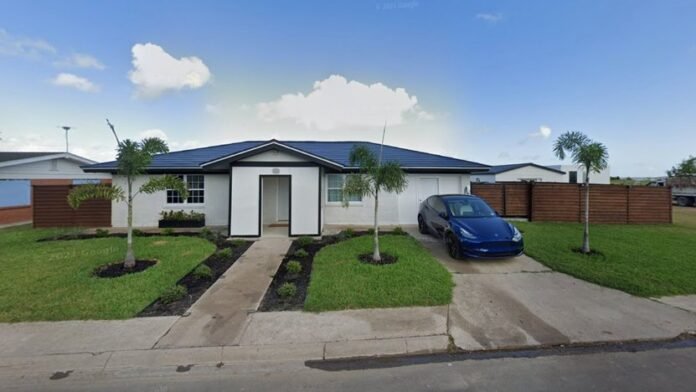
Imagine meeting a millionaire and expecting to find them living in a sprawling mansion with marble floors, private cinemas, luxury cars lined up outside, and every imaginable comfort. Now imagine discovering that they live in a compact house, drive an ordinary car, and spend very little on material possessions.
Surprising? Perhaps. But for many of the world’s wealthiest individuals, this is reality.
While social media often portrays wealth through luxury villas, designer wardrobes, and extravagant lifestyles, many self-made millionaires and billionaires have quietly embraced a very different philosophy,one that values simplicity over showmanship and financial freedom over flashy displays of success.
Research into the habits of self-made millionaires has consistently shown that many prefer living below their means. They believe wealth is not built by spending money to appear rich, but by making thoughtful financial decisions that allow their money to grow over time.
One of the biggest reasons is practical economics. A larger house is not simply a one-time purchase—it comes with ongoing costs such as property taxes, maintenance, insurance, security, utilities, landscaping, and staff. These expenses can run into millions every year. Many entrepreneurs see little value in spending enormous sums on a property that offers few returns beyond prestige.
Instead, they choose to invest in businesses, technology, stocks, real estate, or charitable initiatives that continue to create wealth and opportunities.
Another reason is time.
Running global companies leaves little room to enjoy lavish homes. Many business leaders spend most of their days travelling, attending meetings, or working long hours. A simpler home requires less maintenance and fewer decisions, allowing them to focus their energy where it matters most.
Privacy also plays a significant role. Luxury mansions often attract media attention, tourists, and security concerns. Living in a modest home offers a quieter, more normal lifestyle away from constant public scrutiny.
Minimalism has become another defining characteristic of many successful entrepreneurs. They often believe that reducing unnecessary possessions also reduces unnecessary distractions. A clean, functional living space can improve focus, productivity, and peace of mind.
Several well-known business leaders reflect this mindset. Investor Warren Buffett still lives in the Omaha house he purchased in 1958 for just over $31,000, despite being one of the wealthiest people in the world. Facebook co-founder Mark Zuckerberg has long preferred relatively understated homes compared to many Silicon Valley billionaires, while IKEA founder Ingvar Kamprad became famous for flying economy class, driving older cars, and encouraging frugality despite his enormous fortune.
These examples highlight a common belief among many wealthy individuals: real wealth is not about appearing rich but about having the freedom to make choices without financial pressure.
Elon Musk: The Billionaire Living in a Tiny Texas Home
Perhaps no example illustrates this philosophy better than entrepreneur Elon Musk.
Known for leading companies such as Tesla, SpaceX, xAI, Neuralink, and The Boring Company, Musk oversees businesses collectively worth hundreds of billions of dollars. Yet despite his immense wealth—and despite being widely projected by some analysts as the world’s first potential trillionaire—his personal lifestyle remains surprisingly modest.
In 2020, Musk announced that he intended to sell almost all of his personal real estate, saying he wanted to “own no house.” Over the following months, he sold several luxury properties in California worth millions of dollars, explaining that reducing material possessions would help him focus more fully on his work.
Today, Musk has stated that his primary residence is a prefabricated home measuring around 400 square feet near SpaceX’s Starbase facility in Boca Chica, Texas. Built by the housing company Boxabl, the compact modular home reportedly contains only the essentials—a bedroom, bathroom, kitchen, and living area. Located just minutes from SpaceX’s launch site, the house allows him to stay close to the engineering teams and projects that occupy much of his time.
Although Musk travels extensively and occasionally stays elsewhere for work or family commitments, his choice of residence has become a striking symbol of minimalist living. For someone with the means to own palaces around the world, choosing a compact home reflects a belief that convenience, purpose, and productivity matter more than luxury.
Ultimately, the lifestyles of people like Musk, Buffett, Zuckerberg, and Kamprad challenge one of society’s oldest assumptions—that success must always be visible.
Perhaps true wealth is not measured by the number of rooms in a house or the grandeur of its entrance. Instead, it may lie in something far more valuable: the freedom to live according to one’s own priorities, invest in the future, and focus on what truly matters.