

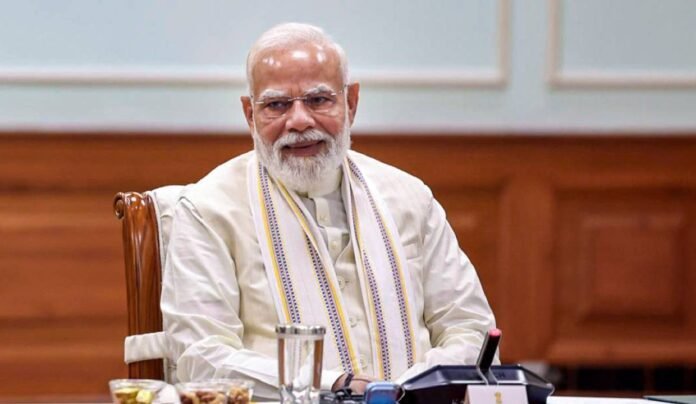
Prime Minister Narendra Modi has completed 12 years in office, a milestone that places him among the most influential leaders in independent India’s history. Having first assumed office on May 26, 2014, Modi has now become the longest-serving elected head of government in the country, leading India through a period marked by economic reforms, digital transformation, infrastructure expansion, and significant geopolitical shifts.
When Modi took office in 2014 after a decisive electoral victory, he promised development, good governance, and a more efficient state. Over the next decade, his government launched a series of flagship programmes aimed at improving financial inclusion, sanitation, healthcare, housing, and welfare delivery. Initiatives such as the Pradhan Mantri Jan Dhan Yojana, Swachh Bharat Mission, Ayushman Bharat, PM Awas Yojana, and Jal Jeevan Mission sought to extend essential services to millions of Indians.
One of the defining features of the Modi era has been the rapid growth of India’s digital ecosystem. The expansion of Aadhaar-linked services, direct benefit transfers, and the success of the Unified Payments Interface (UPI) have transformed the way citizens interact with government services and financial systems. India today processes billions of digital transactions every month, emerging as a global leader in digital public infrastructure.
Infrastructure development has also been a key focus. The past 12 years have witnessed the construction of highways, expressways, airports, railway corridors, metro networks, and logistics hubs on an unprecedented scale. The government has consistently argued that world-class infrastructure is essential for economic growth and global competitiveness.
On the international stage, Modi has overseen a more assertive foreign policy. India has strengthened strategic partnerships with major powers, expanded its role in multilateral forums, and positioned itself as an important voice on issues ranging from climate change to global development. The successful hosting of the G20 Summit and India’s growing influence in international affairs have been cited as major diplomatic achievements.
The period has also seen significant policy decisions, including the implementation of the Goods and Services Tax (GST), the abrogation of Article 370 in Jammu and Kashmir, the Citizenship Amendment Act, and the government’s response to the COVID-19 pandemic. These measures generated both strong support and intense debate, reflecting the transformative and often polarising nature of contemporary Indian politics.
Supporters view Modi’s tenure as a period of decisive leadership, improved governance, and national ambition. Critics point to concerns over unemployment, social tensions, institutional independence, and democratic discourse. These differing perspectives ensure that assessments of his legacy remain the subject of ongoing public and political debate.
Regardless of political viewpoints, there is little doubt that the last 12 years have left a profound imprint on India. The country has undergone major changes in governance, technology, infrastructure, welfare delivery, and international engagement.
As Narendra Modi enters the next phase of his leadership, the focus shifts from achievements of the past to aspirations for the future. With India aiming to become a developed nation in the coming decades, the decisions taken today will shape the country’s trajectory for generations to come. Twelve years on, Modi’s tenure remains one of the most consequential chapters in modern India’s political history.