

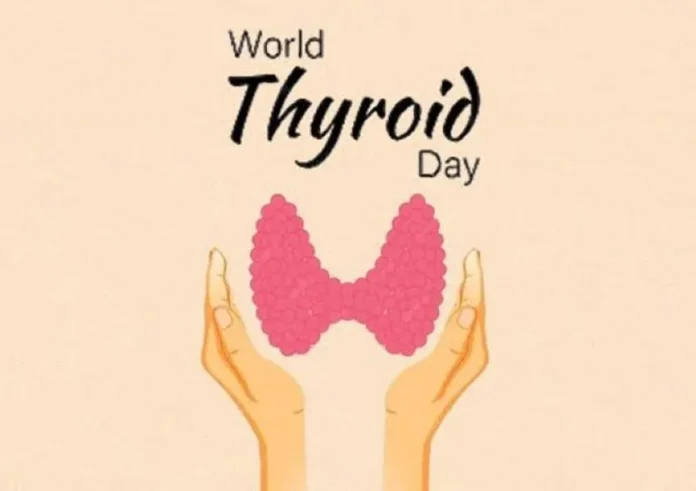
Every year on May 25, World Thyroid Day is observed to spread awareness about thyroid health and the growing number of thyroid-related disorders affecting millions worldwide. Despite being a small butterfly-shaped gland located in the neck, the thyroid plays a crucial role in controlling metabolism, energy levels, heart rate, body temperature and overall hormonal balance. Yet, thyroid disorders often remain undiagnosed because their symptoms are easily mistaken for stress, fatigue or lifestyle-related issues.
What Does the Thyroid Gland Do?
The thyroid gland produces hormones called T3 (triiodothyronine) and T4 (thyroxine), which regulate how the body uses energy. These hormones influence almost every organ system, including the brain, heart, muscles and digestive system. Even slight imbalances in thyroid hormone production can significantly affect physical and mental health.
Common Thyroid Disorders
The two most common thyroid conditions are hypothyroidism and hyperthyroidism.
●Hypothyroidism occurs when the thyroid becomes underactive and produces insufficient hormones. Symptoms may include fatigue, weight gain, hair fall, dry skin, depression and sensitivity to cold.
●Hyperthyroidism happens when the gland becomes overactive, leading to rapid heartbeat, weight loss, anxiety, sweating and irritability.
Other thyroid conditions include goitre, thyroid nodules and thyroid cancer.
Why Thyroid Awareness Matters
Experts estimate that millions of people, especially women, suffer from thyroid disorders globally. In India, thyroid problems are particularly common due to factors such as iodine deficiency, hormonal changes, autoimmune disorders and lifestyle stress. Women are significantly more likely than men to develop thyroid conditions, especially during pregnancy, menopause or after childbirth.
One major challenge is that thyroid disorders are often called “silent diseases” because symptoms develop gradually and are frequently ignored. Timely diagnosis through blood tests such as TSH, T3 and T4 levels can help prevent complications.
Maintaining Thyroid Health
A balanced diet rich in iodine, selenium and zinc supports healthy thyroid function. Foods such as iodised salt, seafood, dairy products, eggs and nuts can help maintain hormonal balance. Regular exercise, stress management and adequate sleep are also important for endocrine health.
Doctors advise against self-medication or relying solely on internet trends for hormone-related conditions. Proper medical guidance and regular monitoring are essential for treatment.
More Than Just a Health Condition
World Thyroid Day serves as an important reminder that hormonal health should not be neglected. As modern lifestyles become increasingly stressful and sedentary, awareness around thyroid disorders has become more relevant than ever.
Early detection, regular check-ups and informed healthcare can greatly improve quality of life for people living with thyroid conditions. Sometimes, understanding a small gland can make a big difference to overall well-being.