

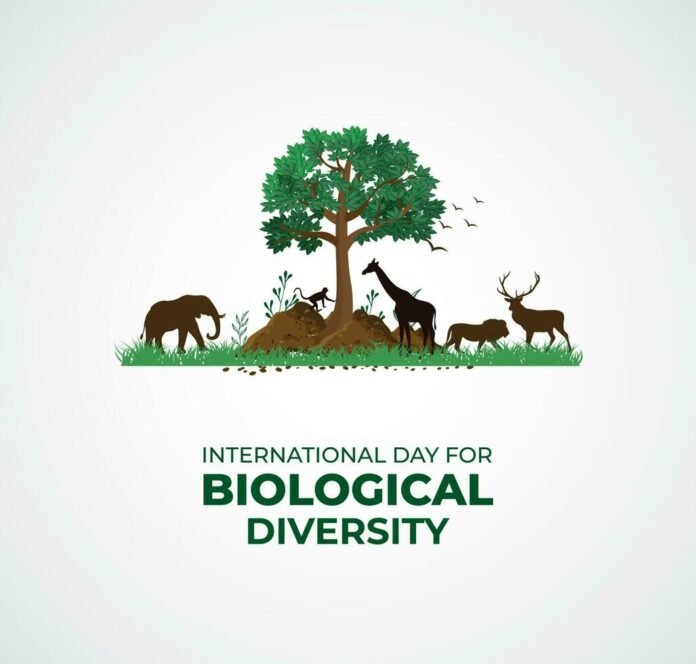
The International Day for Biological Diversity is observed every year on May 22 to raise awareness about the importance of biodiversity and the urgent need to protect the planet’s natural ecosystems. The day highlights how all living organisms — plants, animals, microorganisms, and humans — are interconnected and essential for maintaining ecological balance and sustaining life on Earth.
The observance was established by the United Nations to mark the adoption of the Convention on Biological Diversity in 1992 during the Earth Summit held in Rio de Janeiro, Brazil. Since then, the day has become an important global platform for promoting environmental conservation and sustainable development.
Biological diversity, or biodiversity, refers to the variety of life forms found on Earth, including different species, ecosystems, and genetic variations. Healthy biodiversity supports food production, clean water, climate regulation, medicine, agriculture, and economic livelihoods. Forests, oceans, wetlands, mountains, and grasslands all contribute to sustaining life and protecting environmental stability.
However, biodiversity across the world is facing severe threats due to deforestation, climate change, pollution, urbanisation, habitat destruction, overexploitation of natural resources, and illegal wildlife trade. Scientists warn that many plant and animal species are disappearing at an alarming rate, leading to ecological imbalance and environmental crises.
The International Day for Biological Diversity reminds people that protecting nature is not only about saving wildlife but also about safeguarding human survival. The loss of biodiversity can affect food security, health systems, water availability, and even increase the risk of natural disasters and disease outbreaks.
India, known as one of the world’s megadiverse countries, possesses rich biodiversity ranging from the Himalayas and Western Ghats to mangroves, deserts, forests, and marine ecosystems. The country is home to iconic species such as the Bengal tiger, Asiatic lion, elephant, snow leopard, and one-horned rhinoceros. Conservation programs, wildlife sanctuaries, national parks, and eco-friendly initiatives continue to play a vital role in protecting India’s natural heritage.
Every year, governments, schools, environmental organisations, and communities organise awareness campaigns, tree plantation drives, seminars, nature walks, and educational activities to mark the occasion. The day encourages people to adopt sustainable lifestyles and participate actively in environmental protection.
The International Day for Biological Diversity serves as a reminder that humanity’s future depends on the health of the natural world. Conserving biodiversity is essential for achieving sustainable development and ensuring a healthier, safer, and more balanced planet for future generations.