

India and the Netherlands have signed a major agreement to cooperate on one of Gujarat’s most ambitious infrastructure plans — the Kalpasar Project. The Letter of Intent, signed on 17 May 2026 between India’s Ministry of Jal Shakti and the Netherlands’ Ministry of Infrastructure and Water Management, marks a new step toward transforming the Gulf of Khambhat into a massive freshwater reservoir.
The project is not just about building a dam. It represents a bold attempt to address water scarcity, irrigation needs, transport connectivity and renewable energy generation through a single integrated infrastructure initiative.
What is the Kalpasar Project?
The Kalpasar Project is a proposed multipurpose water infrastructure project in Gujarat. Its central idea is to construct a large dam across the Gulf of Khambhat — also known as the Gulf of Cambay — on India’s western coast.
The aim is to trap freshwater flowing from several rivers into the gulf and create a giant reservoir for irrigation, drinking water and industrial use. If completed, the project would become one of the world’s largest freshwater reservoir schemes built in a marine environment.
Beyond water storage, the project also includes plans for:
- Tidal power generation
- Irrigation infrastructure
- Flood management support
- Improved transport connectivity between South Gujarat and Saurashtra
The name “Kalpasar” is derived from Kalpavriksha, the mythical wish-fulfilling tree in Indian tradition, symbolising abundance and prosperity.
Why is the Netherlands Involved?
The Netherlands is globally recognised for its expertise in water engineering and coastal management. Much of the country lies below sea level, making advanced flood control and water management essential to Dutch survival and development.
Under the new agreement, the Netherlands will provide technical expertise and engineering cooperation for the Kalpasar Project. The collaboration is linked to the India-Netherlands Strategic Partnership on Water, a bilateral framework focused on climate adaptation, sustainable infrastructure and water governance.
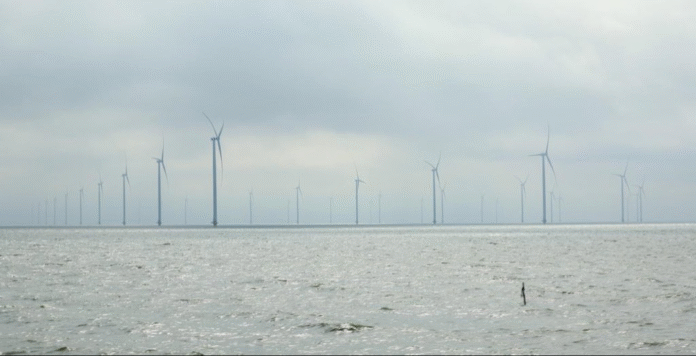
A major inspiration for the cooperation is the famous Afsluitdijk Dam in the Netherlands.
The Afsluitdijk Connection
The Afsluitdijk is a 32-kilometre-long dam built by the Dutch in the early 20th century. It transformed a saline inlet of the North Sea into a freshwater lake, now used for flood protection, water storage and agriculture.
Indian planners see similarities between the Dutch project and the proposed Kalpasar reservoir. Dutch expertise in marine engineering, salinity control and coastal infrastructure is expected to help address the technical challenges of building a freshwater reservoir in the Gulf of Khambhat.
How Will the Project Benefit Gujarat?
The Kalpasar Project is expected to have major economic and environmental impacts across Gujarat.
Irrigation and Water Supply
The project aims to store freshwater from seven rivers flowing into the Gulf of Khambhat. It is projected to provide irrigation benefits to nearly 10 lakh hectares of land across 42 talukas in nine districts of Saurashtra — a region often affected by water scarcity.
The reservoir could also strengthen drinking water supply and support industrial growth in the state.
Improved Connectivity
One of the most discussed features of the project is a proposed transport corridor across the dam.
Currently, travel between South Gujarat and Saurashtra requires a long road journey around the gulf. The Kalpasar structure could reduce the travel distance from nearly 240 kilometres to about 60 kilometres, significantly improving connectivity and logistics.
Renewable Energy Potential
The Gulf of Khambhat experiences strong tidal movements, making it suitable for tidal energy generation. The project includes plans to harness tidal power as a renewable energy source alongside water storage infrastructure.
Challenges and Environmental Concerns
Despite its ambitious vision, the Kalpasar Project has also raised environmental and technical questions.
Experts have pointed to challenges related to:
- Marine ecosystem disruption
- Sedimentation and silt accumulation
- Salinity management
- Coastal biodiversity impacts
- Engineering complexity in high-tide conditions
Large-scale environmental assessment and long-term feasibility studies remain essential before the project can move into full implementation.
Why the Project Matters
As climate change intensifies water stress and extreme weather events, countries are increasingly investing in large-scale water management systems. Gujarat’s long coastline and river systems make it a strategic location for such infrastructure experiments.
The India-Netherlands partnership reflects a growing trend of combining global engineering expertise with local development priorities. If successful, the Kalpasar Project could become one of India’s most transformative water infrastructure projects of the century.
Important Facts
- The Kalpasar Project is proposed across the Gulf of Khambhat in Gujarat.
- The Gulf of Khambhat is also called the Gulf of Cambay.
- India and the Netherlands signed a Letter of Intent on 17 May 2026 for technical cooperation on the project.
- The Netherlands is contributing expertise based on the Afsluitdijk Dam project.
- The project aims to benefit around 10 lakh hectares of agricultural land.
- The proposed transport corridor may reduce travel distance between South Gujarat and Saurashtra from 240 km to 60 km.