

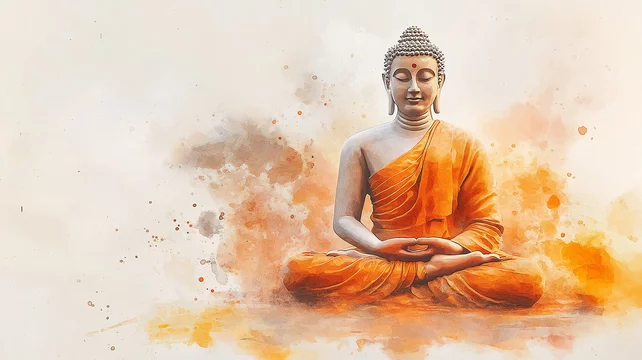
Buddha Purnima, also known as Vesak or Buddha Jayanti, is one of the most sacred and spiritually significant festivals in the world. Celebrated on the full moon day (Purnima) in the Hindu month of Vaishakha (April–May), this day commemorates not just one, but three defining moments in the life of Gautama Buddha—his birth, enlightenment (nirvana), and passing away (mahaparinirvana).
It is a festival that transcends borders, observed with deep reverence across India and many parts of Asia, reminding humanity of the timeless values of peace, compassion, and wisdom.
The Historical and Spiritual Significance
Buddha Purnima marks the life and legacy of Siddhartha Gautama, who was born as a prince in Lumbini (present-day Nepal). Renouncing a life of luxury, he embarked on a spiritual journey in search of truth and liberation from suffering. After years of meditation and self-discovery, he attained enlightenment under the Bodhi Tree in Bodh Gaya and became the Buddha—the “Awakened One.”
What makes this day extraordinary is that all three pivotal events—his birth, enlightenment, and death—are believed to have occurred on the same full moon day, making it uniquely sacred in Buddhist tradition.
His teachings, known as the Dharma, revolve around the Four Noble Truths and the Eightfold Path, guiding individuals toward ethical living, mindfulness, and liberation from suffering.
When is Buddha Purnima Celebrated?
Buddha Purnima is observed on the full moon day of the Vaishakha month. In 2026, it falls on May 1, with the Purnima tithi beginning on April 30 and ending on May 1.
Because it follows the lunar calendar, the date varies each year, but it always retains its spiritual essence.
How is Buddha Purnima Celebrated?
The celebrations of Buddha Purnima are serene, reflective, and deeply spiritual, focusing more on inner peace than outward grandeur.
1. Visiting Temples and Sacred Sites
Devotees visit Buddhist temples and pilgrimage sites such as Bodh Gaya, Sarnath, and Kushinagar. They offer flowers, light lamps, and chant prayers in honour of the Buddha.
2. Meditation and Spiritual Reflection
Meditation plays a central role. Followers spend time in silence, reflecting on Buddha’s teachings and striving for inner clarity and peace.
3. Acts of Kindness and Charity
Buddha Purnima emphasises compassion. People engage in charity—donating food, clothes, and essentials to the needy, and practicing kindness towards all living beings.
4. Rituals and Offerings
Devotees often:
•Dress in white as a symbol of purity
•Offer fruits, flowers, and incense
•Listen to sermons and recite Buddhist scriptures
•Participate in peaceful processions
5. Cultural and Global Observance
Across countries like Sri Lanka, Nepal, Thailand, and Japan, the festival is celebrated with unique traditions—lantern festivals, community feasts, and large-scale prayer gatherings—yet all share the same spiritual core.
Significance in Indian Tradition
While primarily a Buddhist festival, Buddha Purnima also holds importance in Hinduism. In some traditions, Buddha is considered an incarnation of Lord Vishnu, and the day is observed with reverence by Hindus as well.
In India, it is often observed as a public holiday, especially in states with significant Buddhist populations.
The Message of Buddha Purnima
At its heart, Buddha Purnima is not just a celebration—it is a reminder. A reminder that peace begins within, that compassion is a strength, and that wisdom is the path to true freedom.
The teachings of Buddha—mindfulness, non-attachment, and empathy—continue to resonate deeply in today’s fast-paced, often stressful world, offering a timeless guide to living a balanced and meaningful life.
Conclusion
Buddha Purnima is more than a religious observance; it is a universal celebration of enlightenment and humanity. In a world often divided by differences, this sacred day brings people together through shared values of kindness, peace, and understanding.
As the full moon shines brightly on Buddha Purnima, it symbolises the light of wisdom that dispels ignorance—reminding us that the path to harmony begins within each of us.