

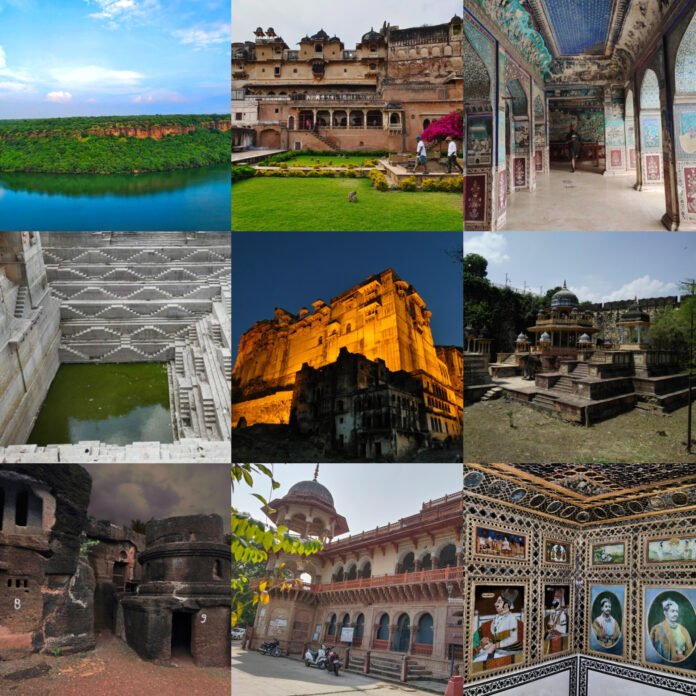
For decades, Rajasthan has been synonymous with sweeping deserts, golden forts, and royal grandeur. Yet, in its southeastern corner lies a region that quietly challenges this image—lush, river-fed, culturally layered, and still relatively untouched. Welcome to Hadoti, a region comprising Kota, Bundi, Baran, and Jhalawar.
Much of this nuanced understanding of Hadoti’s evolving tourism landscape is enriched by insights shared by Neeraj Bhatnagar, Director of The Royal Hadoti Travels and Vice President of the Hadoti Tourism Development Society (HTDS), who has closely witnessed the region’s transformation from an overlooked destination into one of Rajasthan’s most promising tourism frontiers.
Beyond the Desert: A Different Rajasthan
Unlike the arid imagery often associated with the state, Hadoti is defined by the life-giving presence of the Chambal River and its tributaries. The landscape here is dotted with wetlands, fertile plains, forested stretches, and rocky outcrops. During monsoons, the region turns vibrantly green—an unexpected contrast that surprises even seasoned travelers.
“Hadoti has always been rich in culture, wildlife, and heritage, but it remained undiscovered for a long time,” says Neeraj Bhatnagar.
“Now, with better connectivity and awareness, it is finally getting the attention it deserves.”
Historically, limited accessibility kept tourist footfall low. Today, infrastructure developments—especially improved highways and the Delhi-Mumbai Expressway corridor—are placing Hadoti firmly on the tourism map. What was once considered remote is now emerging as a central, well-connected destination.
Kota: Riverfront Revival and Urban Transformation
Often recognized as an educational hub, Kota is redefining itself as a tourism destination.
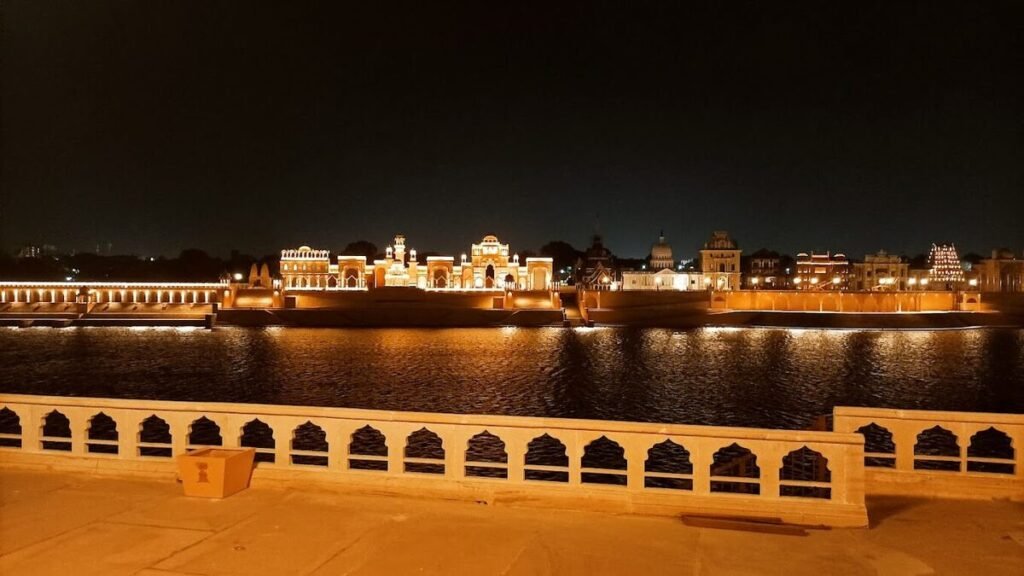
The highlight is the ambitious Chambal Riverfront, a multi-kilometer stretch developed along the river with ghats, architectural facades, cultural spaces, and boating facilities. This project has not only enhanced the city’s aesthetic appeal but also positioned the Chambal River as a central tourism asset.
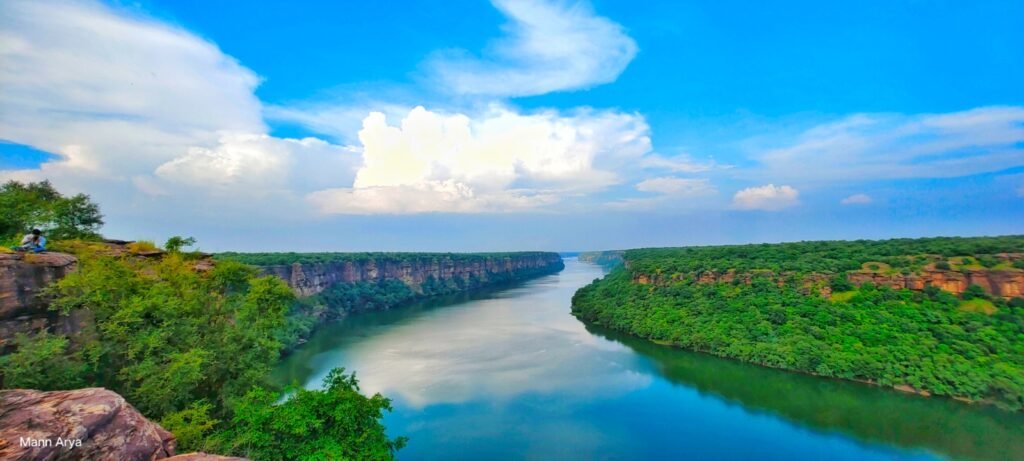
Nearby, the dramatic cliffs of Garadia Mahadev offer one of Rajasthan’s most striking viewpoints, overlooking a deep gorge carved by the river. The city also features attractions like the Seven Wonders Park and well-maintained gardens, making it increasingly attractive for domestic tourism.
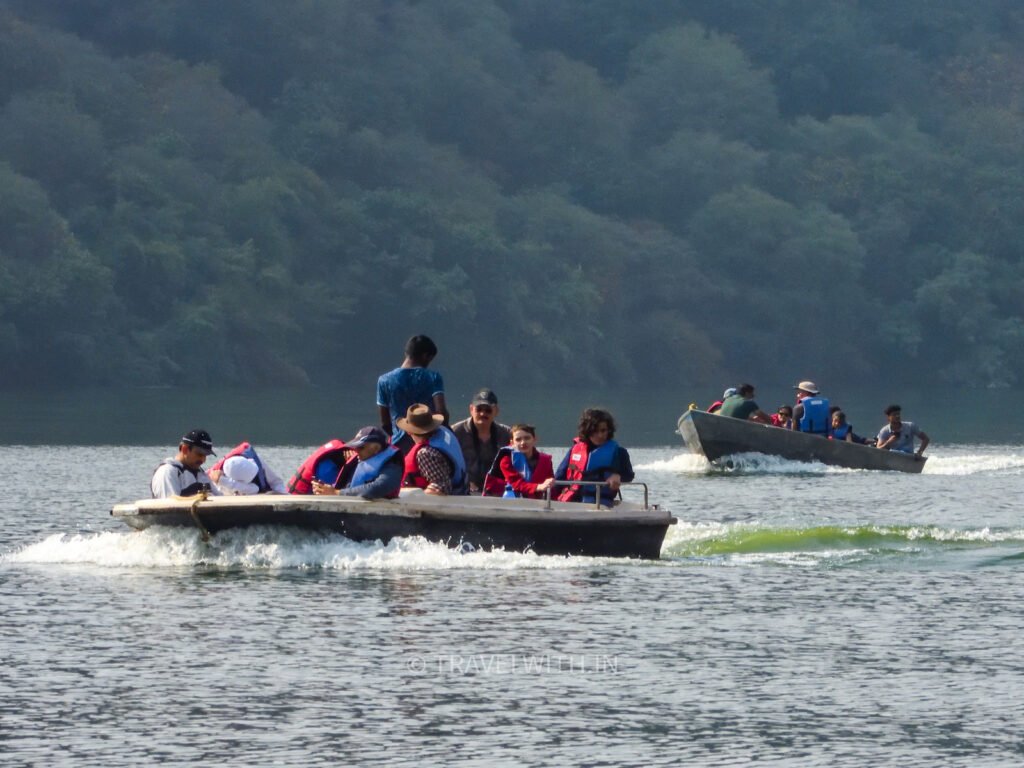
Kota is also the gateway to the National Chambal Sanctuary, where boat safaris reveal a rare ecosystem inhabited by gharials, marsh crocodiles, turtles, and a wide variety of bird species. The sanctuary is one of India’s cleanest river systems, further enhancing its ecological significance.
Bundi: A Living Canvas of Art and Architecture
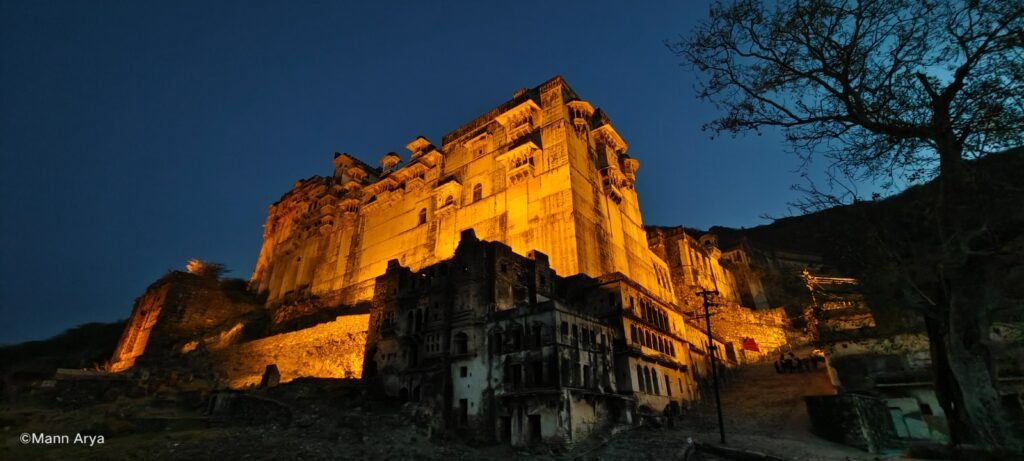
If Hadoti has a poetic heart, it beats strongest in Bundi. Often described as a hidden gem, Bundi is a town where history lingers in every alley, mural, and stepwell.
Dominating the skyline is Taragarh Fort, one of the oldest hill forts in Rajasthan, offering sweeping views of the town below. At its base lies the Garh Palace, renowned for its exquisite frescoes—delicate paintings that narrate tales of courtly life, mythology, and romance.
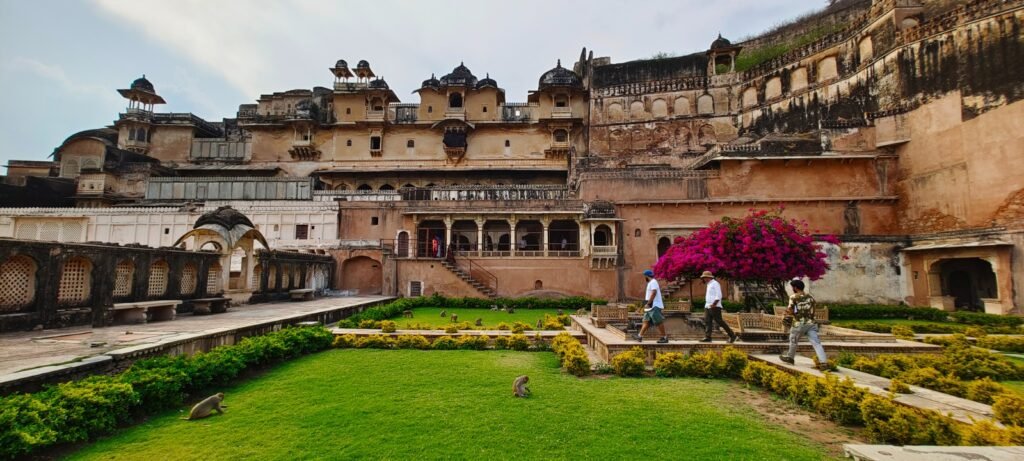
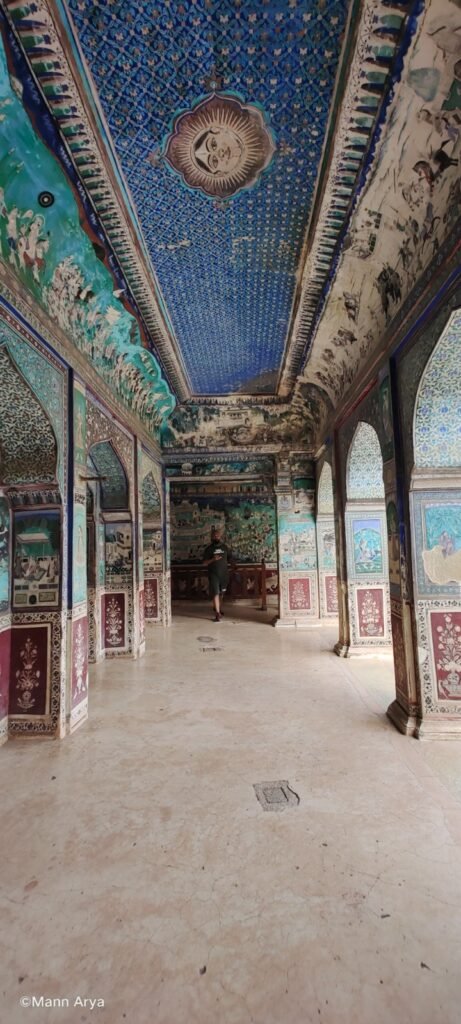
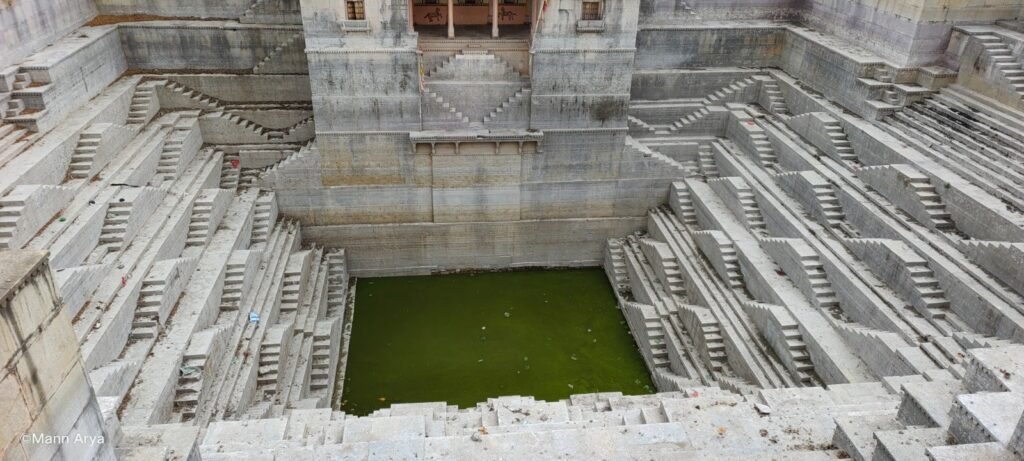
Bundi is also celebrated for its intricate baoris (stepwells), such as Raniji ki Baori, which combine utility with stunning architectural detail. Unlike more commercialized destinations, Bundi retains an authenticity that makes exploration feel personal and immersive.
Baran: Echoes of Ancient Civilizations
Still largely underexplored, Baran offers a rich tapestry of archaeological and spiritual heritage.
Sites like Shergarh Fort reveal layers of history shaped by multiple dynasties. Archaeological surveys have uncovered remnants of ancient temples, Jain sites, and early settlements, pointing to a once-thriving cultural landscape.
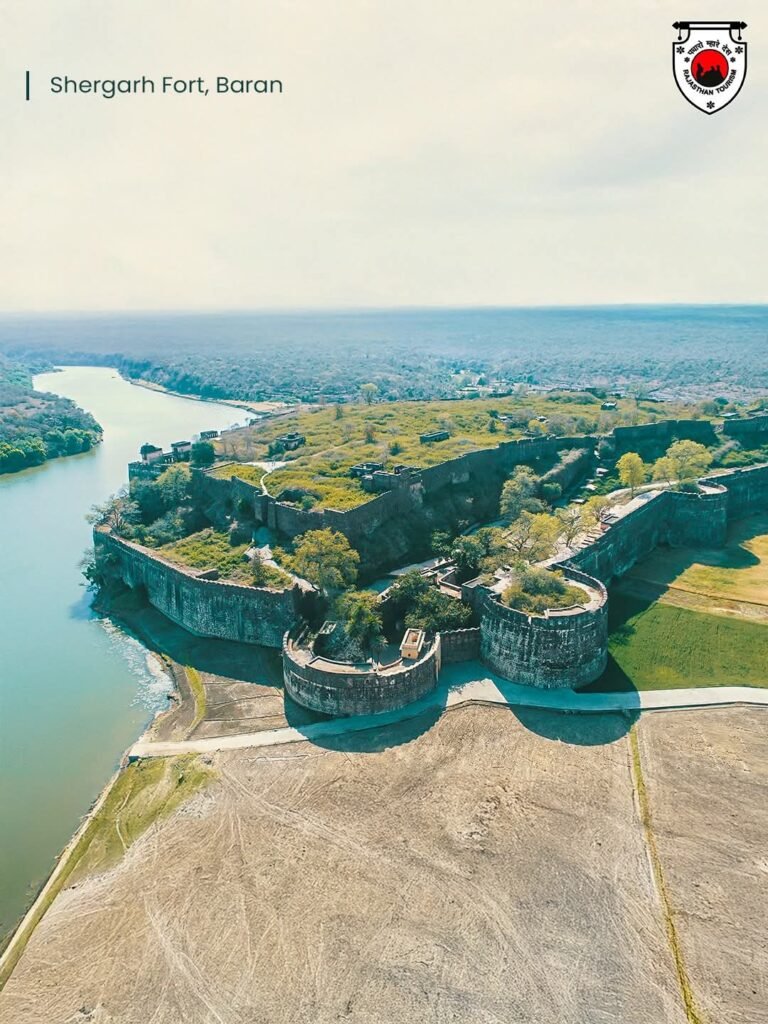
Baran’s quieter profile makes it especially appealing to those interested in offbeat travel, history, and research-oriented exploration. Its temples and ruins stand not as curated exhibits, but as living fragments of the past waiting to be discovered.
Jhalawar: Rivers, Temples, and Fertile Landscapes
Known for its greenery and agricultural richness, Jhalawar presents yet another facet of Hadoti.
The UNESCO-listed Gagron Fort is a standout attraction—uniquely surrounded by water on three sides and a hill on the fourth, making it one of India’s rare water forts. The Jhalawar Fort and palace complex further showcase the region’s architectural elegance.
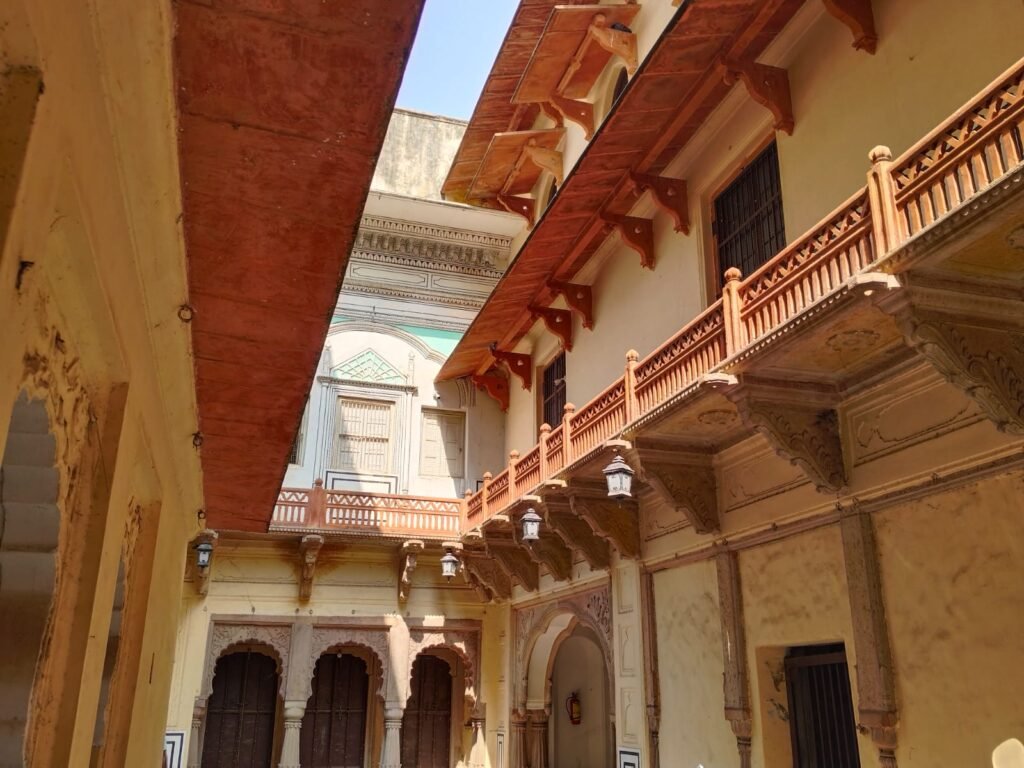
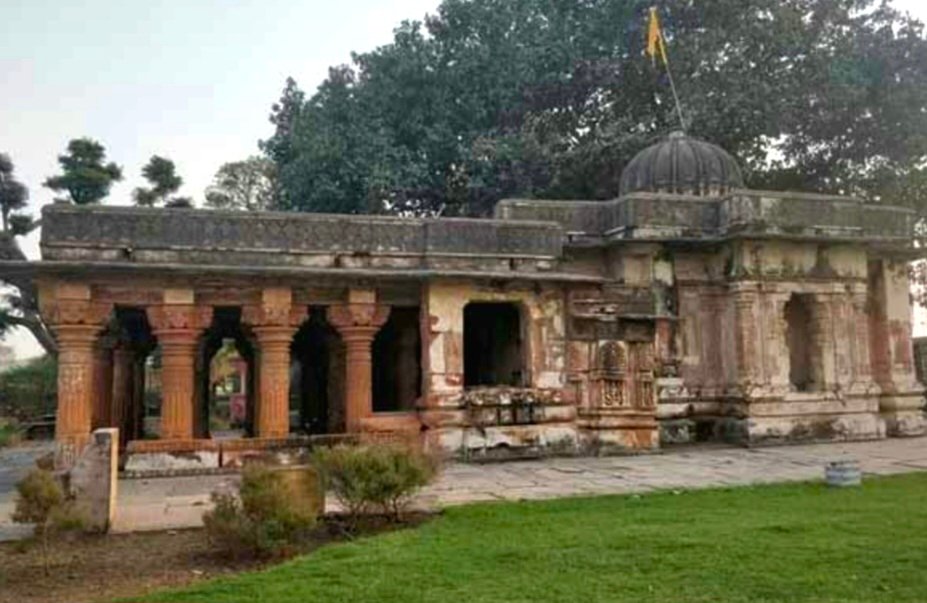
The sacred Chandrabhaga Temple Complex and its annual fair draw pilgrims and visitors alike, blending spirituality with vibrant local culture.
The district’s rivers and fertile land support crops like rice and regulated opium cultivation, contributing to its distinct identity within Rajasthan.
Wildlife, Wetlands, and Eco-Tourism Potential
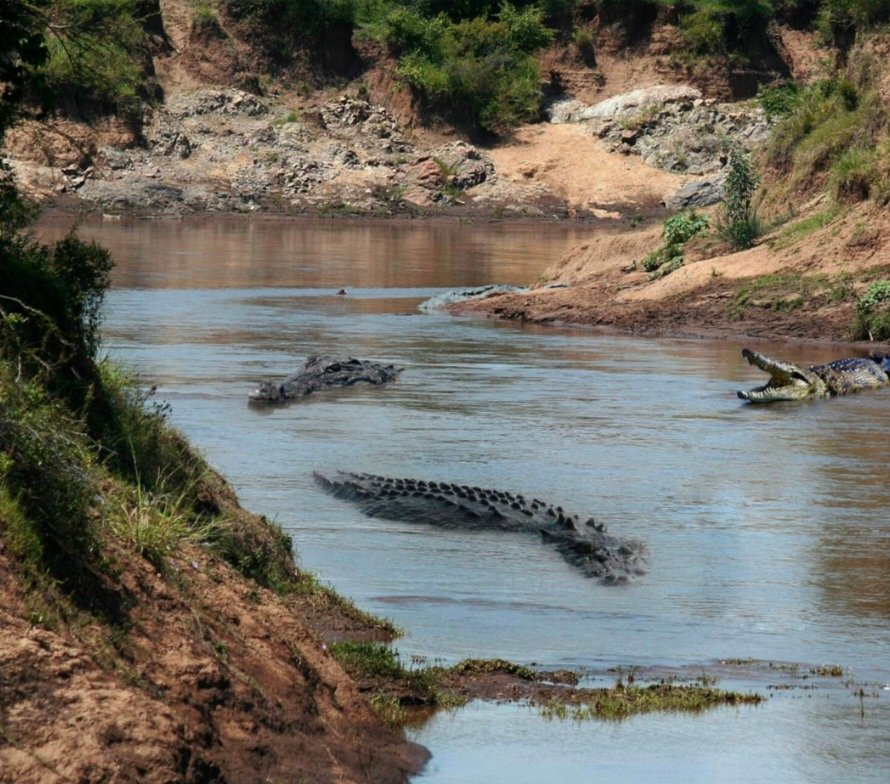
Hadoti’s natural wealth is one of its strongest assets. The forests and river systems support diverse wildlife, including leopards, sloth bears, vultures, and numerous migratory bird species. The presence of marsh crocodiles and even freshwater dolphins in the Chambal adds to the region’s ecological uniqueness.
The Mukundra Hills Tiger Reserve, spanning parts of Kota and Bundi, represents a significant step in wildlife conservation and tourism development. Though still evolving, it signals the region’s growing focus on eco-tourism.
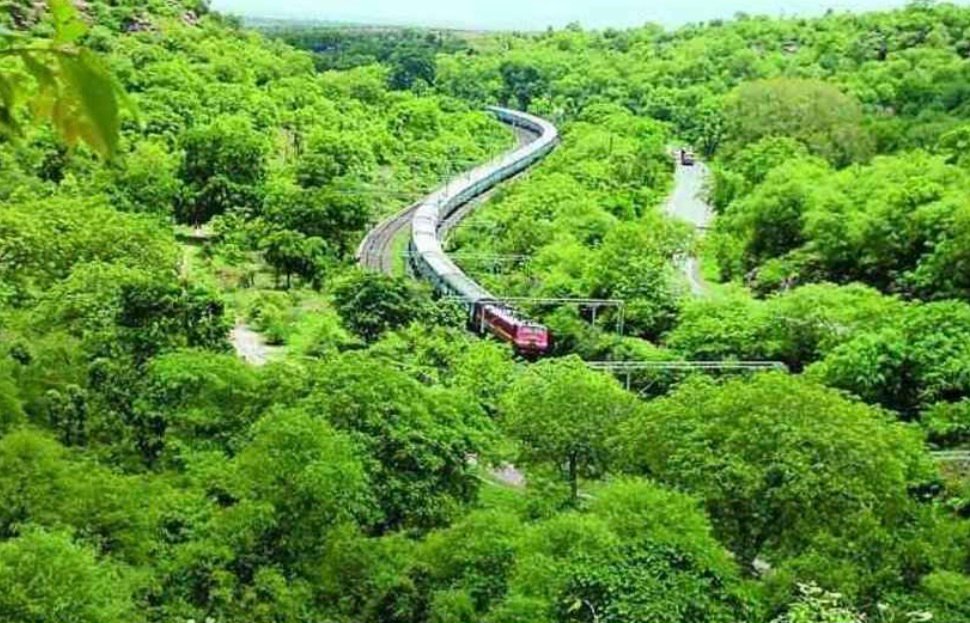
Birdwatching, trekking, and river safaris are gradually gaining traction, offering experiences that are both immersive and sustainable.
Culture, Fairs, and Local Life
Hadoti’s cultural landscape is deeply rooted in tradition yet refreshingly uncommercialized. Events like the Chandrabhaga Fair in Jhalawar, cattle fairs, and local festivals bring together communities in vibrant displays of music, dance, and ritual.
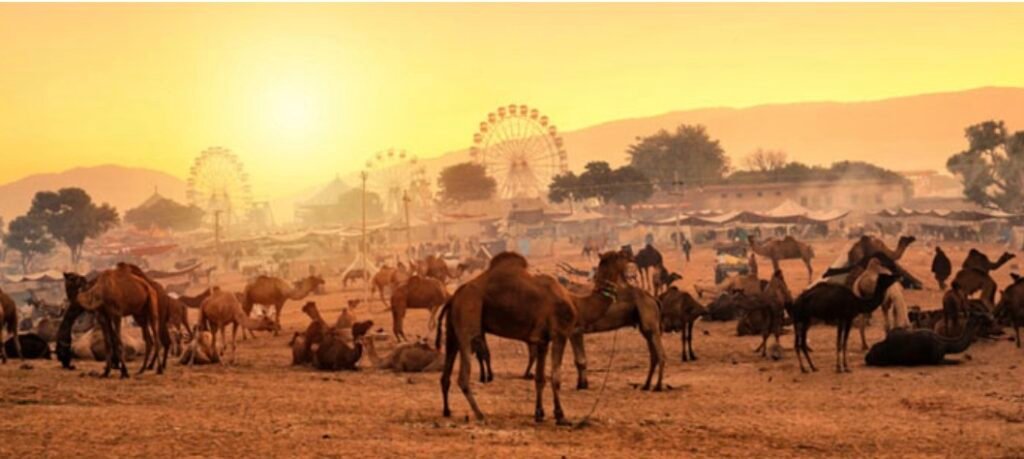
Folk traditions, regional cuisine, and everyday rural life offer travelers an authentic connection to the land—far removed from the curated experiences of more crowded destinations.
Infrastructure, Promotion, and the Road Ahead
Recognizing its untapped potential, both government bodies and regional organizations like the Hadoti Tourism Development Society (HTDS) are actively promoting tourism in the region. Efforts include:
●Development of riverfronts and urban infrastructure
●Heritage conservation and restoration
●Promotion of wildlife tourism and safaris
●Improved road connectivity and accommodation facilities
The Delhi-Mumbai Expressway is expected to be a turning point, placing Hadoti at a strategic crossroads and significantly boosting accessibility.
Rediscovering Hadoti
Hadoti’s story is one of quiet resilience and gradual rediscovery. For years, it remained in the shadows—rich in heritage, nature, and culture, yet overlooked. Today, it stands at the cusp of transformation.
What sets Hadoti apart is not just what it offers, but how it offers it—with authenticity, diversity, and a sense of discovery that is increasingly rare. From the river-carved landscapes of Kota to the painted walls of Bundi, the ancient echoes of Baran, and the fertile beauty of Jhalawar, Hadoti invites travelers to experience a Rajasthan that feels both timeless and new.
As awareness grows and infrastructure improves, the challenge will be to preserve this authenticity while embracing progress. If done right, Hadoti may well become not just another destination—but a defining chapter in Rajasthan’s tourism story.