

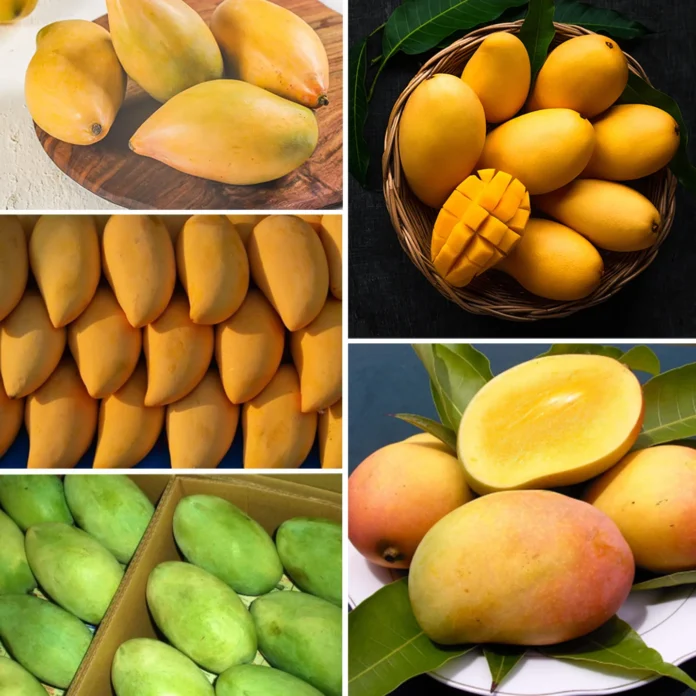
Every summer, across India, a familiar ritual unfolds—markets overflow with golden, fragrant mangoes, households stock up in crates, and the fruit becomes a daily indulgence. Known as the “King of Fruits”, mangoes are not just food in India—they are emotion, tradition, and nostalgia. Yet, behind this abundance lies a fascinating paradox: India produces nearly half of the world’s mangoes but exports only a tiny fraction of them.
A Global Giant in Production
India is the undisputed leader in mango production, contributing around 45–50% of global output and producing over 24 million metric tonnes annually. With more than 1,500 varieties—from Alphonso and Kesar to Langra and Dasheri—the country boasts unmatched diversity and scale.
But surprisingly, less than 1% of this massive production reaches international markets.
The Real Reason: India Eats Its Own Mangoes
The biggest reason is simple—India consumes what it produces. With a population exceeding 1.4 billion, domestic demand is enormous. Mangoes are deeply embedded in Indian culture, cuisine, and daily life during summer.
From aamras in Gujarat to mango shakes in North India, and pickles, chutneys, and desserts across regions, mango consumption is widespread and intense. This leaves very little surplus for export.
In fact, India is not just the largest producer—it is also the largest consumer of mangoes.
Short Shelf Life and Logistical Challenges
Mangoes are delicate fruits with a short shelf life, typically lasting just a few weeks. This makes long-distance transportation risky and expensive. Exporting mangoes requires refrigerated storage, quick logistics, and careful handling—facilities that are still limited in many parts of India.
High freight costs and disruptions in global shipping further complicate exports. In recent times, rising transport costs have even reduced export volumes significantly.
Strict Global Standards
Another major hurdle is international quality standards. Countries importing mangoes demand strict checks on size, appearance, and pesticide levels. They also require specialized treatments like irradiation or vapour heat processing before shipment.
Only a small portion of India’s mango supply meets these stringent criteria, limiting export potential.
Post-Harvest Losses and Infrastructure Gaps
A significant percentage of mangoes in India never even make it to markets due to post-harvest losses, estimated at 25–40%. Poor storage, lack of cold chains, and inefficient supply systems reduce the quantity available for export.
Additionally, India processes only a small share of its mangoes into products like pulp or dried fruit, missing opportunities in global markets.
Global Competition
Interestingly, countries like Mexico, Brazil, and Thailand dominate mango exports, despite producing far less than India. Their advantage lies in better infrastructure, export-oriented farming, and proximity to key markets like the United States and Europe.
A Sweet Yet Self-Sustained System
India’s mango story is unique. Unlike many agricultural giants that focus on exports, India’s mango economy thrives on domestic demand. The country grows the most—and joyfully consumes the most.
In a way, this reflects a rare model of self-sufficiency, where a global leader prioritizes its own people over global markets.
Conclusion
The reason India exports so few mangoes is not a failure—it is a reflection of abundance, culture, and demand. From bustling mandis to family dining tables, mangoes are cherished across the country.
So while the world may crave Indian mangoes, India simply loves them too much to let them go.