

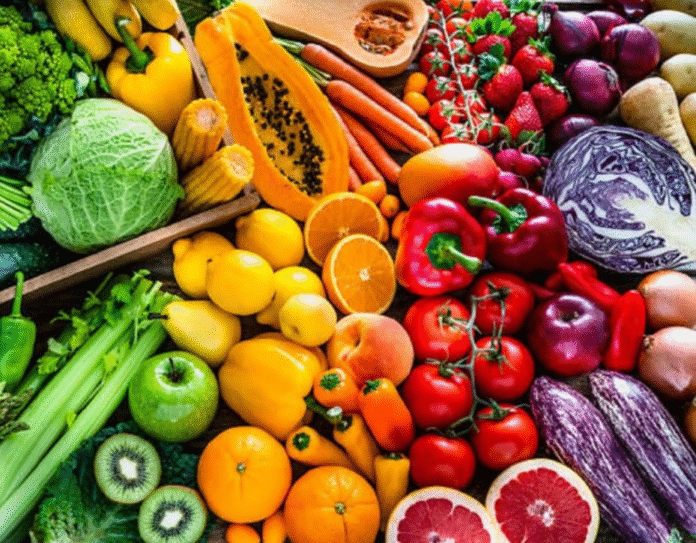
PC(Times Now, Amau Ujala)
The Food Safety and Standards Authority of India (FSSAI) has issued a strong advisory urging all consumers to immediately remove stickers from fruits and vegetables before eating them. The warning highlights that the adhesives used on these Price Look-Up (PLU) labels can leave behind harmful chemical residues that are not safe for consumption.
While these small stickers help supermarkets with tracking, pricing, and identifying whether produce is organic or conventionally grown, experts warn that the glue behind them poses potential health risks especially with repeated exposure. Why FSSAI Wants You to Remove Fruit Stickers the adhesives on fruit and vegetable stickers often contain chemicals, including surfactants, that are not food-grade and are not meant to be ingested. These residues can:
Trap bacteria, dirt, and pesticides underneath the sticker, making them harder to wash away with normal rinsing. Migrate into the produce through the porous skin of fruits and vegetables, especially when exposed to heat or sunlight. Cause digestive issues such as throat irritation, stomach discomfort, or nausea. Pose higher risks to children and the elderly, who may accidentally swallow small pieces or be more sensitive to chemical exposure. FSSAI emphasizes that even if the sticker itself is labeled “food-grade,” the adhesive is not intended for eating. Regular consumption of these residues over time could lead to long-term health concerns.
FSSAI’s Key Safety Recommendations to protect your family’s health, the food regulator advises the following simple but important steps: Remove stickers immediately – Take them off as soon as you bring the produce home. Wash thoroughly Rinse fruits and vegetables under clean running water for at least 5 minutes. Peel when possible Remove the skin or cut away the area where the sticker was attached. Avoid soaps and disinfectants.Never use detergent, soap, or chemical cleaners directly on fresh produce. Check for quality – Don’t assume produce with stickers is premium; stickers are sometimes used to hide defects or decay. For extra cleaning, you can use a mild solution of 50ppm chlorine in warm water, but plain running water remains the primary recommendation.
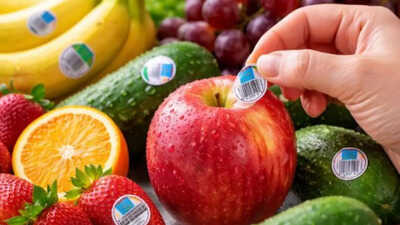
PLU (Price Look-Up) stickers are common in supermarkets and mandis. A 4-digit code (starting with 3 or 4) usually indicates conventionally grown produce, while a 5-digit code starting with 9 means it is organic. However, these convenience labels come with a hidden hygiene cost that many people overlook. In a country where fresh fruits and vegetables are part of daily meals, small changes can make a big difference Always peel or cut the sticker area before eating apples, pears, mangoes, or cucumbers.
Use a clean vegetable brush for firm-skinned produce. Store washed produce properly in the refrigerator. Never leave fruits and vegetables in hot cars or outside where they can attract pests or spoil faster. FSSAI’s timely alert serves as an important reminder that food safety starts at home with basic hygiene practices. While occasional accidental ingestion may not cause immediate harm, being mindful of sticker residues can help reduce unnecessary chemical exposure – especially for children.