

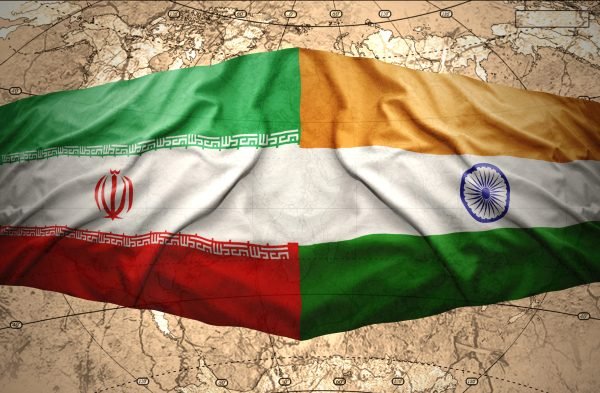
The relationship between India and Iran is one of the oldest and most enduring in the world. Rooted in shared history, culture, language, and trade, it goes far beyond modern diplomacy. Even today, this ancient connection continues to shape strategic and geopolitical realities in Asia.
Ancient Roots of Connection
The origins of India–Iran ties can be traced back to antiquity, when the Indus Valley Civilisation interacted with regions of the Iranian plateau and Mesopotamia. Trade routes across land and sea connected these regions, enabling the exchange of goods such as textiles, beads, and metals.
These early interactions were not limited to commerce. They created a broader cultural network linking South Asia with West and Central Asia. Over time, this exchange of goods also facilitated the movement of ideas, technologies, and social practices, laying the foundation of a long-standing civilisational relationship.
Language and Cultural Influence
A key pillar of India–Iran relations lies in their shared linguistic heritage. Both regions belong to the Indo-Iranian branch of the Indo-Europran languages, reflecting a common origin.
The influence of Persian culture in India became especially prominent during medieval times. Persian served as the language of administration, literature, and governance under several dynasties. Its legacy remains visible in modern Indian languages such as Hindi and Urdu, as well as in poetry, art, and architecture.
While cultural exchanges did occur in both directions, the Persian influence on Indian society was particularly deep. Scholars often describe this interaction as a civilisational continuum, shaped by centuries of sustained engagement.
Shared Communities and Social Links
One of the strongest bonds between India and Iran is rooted in people-to-people connections. The migration of Zoroastrians from Persia to India between the 8th and 10th centuries led to the formation of the Parsi community, which has played a vital role in India’s economic and cultural development.
India is also home to a significant Shia Muslim population, maintaining religious and historical links with Iran. These connections have helped preserve a deeper societal relationship, ensuring that ties between the two nations extend beyond formal diplomacy.
Strategic Importance in the Modern Era
In contemporary geopolitics, India–Iran relations are shaped by trade, energy, and connectivity. Iran was once a major supplier of crude oil to India, although imports have significantly declined due to international sanctions in recent years.
Despite these challenges, trade continues in sectors such as agriculture, pharmaceuticals, and machinery. One of the most important aspects of this partnership is the development of the Chabahar Port, which provides India with strategic access to Afghanistan and Central Asia. This project highlights Iran’s importance in India’s regional connectivity strategy.
Diplomacy Amid Global Challenges
Diplomatic relations between India and Iran were established in 1950 and have remained steady despite global complexities. India has had to balance its relationship with Iran alongside its ties with other global powers, particularly in light of sanctions and shifting geopolitical alliances.
Even so, both countries have maintained dialogue and cooperation, guided by mutual interests and strategic autonomy. This ability to sustain engagement despite external pressures reflects the resilience of their relationship.
Cultural Continuity and Soft Power
Cultural ties continue to play a vital role in strengthening India–Iran relations. Academic exchanges, literary traditions, and cultural institutions help sustain the shared heritage between the two nations.
Persian studies remain significant in India, while Indian cinema, music, and literature enjoy popularity in Iran. These cultural exchanges reinforce the idea that the relationship is not just political, but deeply rooted in shared history and identity.
Conclusion: A Relationship Beyond Time
India–Iran relations stand as a unique example of how ancient civilisational ties can shape modern partnerships. From early trade routes to strategic projects like Chabahar, the relationship has evolved while retaining its historical depth.
In a rapidly changing world, this enduring connection highlights the importance of shared heritage, cultural understanding, and long-term vision. More than just diplomacy, it is a bond that continues to bridge the past and the future.