

PC: (Shivkhori Shrine, Instagram)
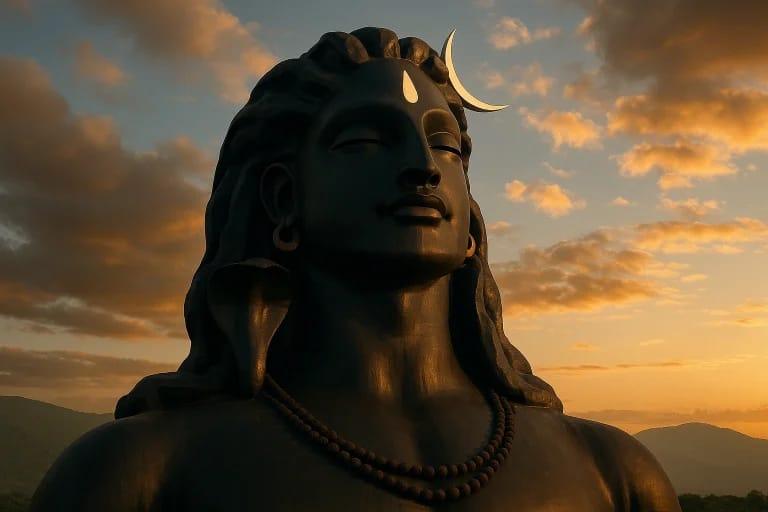
The Great Night of Shiva – A Pan-Indian Spiritual Spectacle
Maha Shivratri, translating to “The Great Night of Shiva,” stands as one of Hinduism’s most profound festivals, dedicated entirely to Lord Shiva. Observed annually during the Phalguna month (typically February-March), it commemorates the divine marriage of Shiva and Parvati while symbolizing spiritual awakening, the triumph of light over darkness, and inner transformation. In 2026, the festival fell on February 15, drawing millions into night-long vigils, fervent prayers, and deep devotion across the length and breadth of India.
Core Rituals: Fasting, Vigil, and Chanting Through the Sacred Night
Devotees across the country observe rigorous practices on this auspicious day. Many undertake a strict fast, limiting intake to fruits, milk, or even a nirjala (waterless) fast for the spiritually intense. The night holds special sanctity, with worshippers staying awake through its four prahars (quarters), chanting the powerful mantra “Om Namah Shivaya,” performing abhishekam (ritual bathing of the Shiva lingam), and offering bilva leaves, flowers, and prayers. These acts represent self-discipline, overcoming ignorance, and seeking higher consciousness.
Celebrations from North to South: Iconic Temples Come Alive
Maha Shivratri transforms major Shiva shrines into vibrant hubs of devotion. In Varanasi’s ancient Kashi Vishwanath Temple, thousands converge for grand rituals, processions along the Ganges ghats, and chants of “Har Har Mahadev.” Ujjain’s Mahakaleshwar Temple hosts the unique Bhasma Aarti at dawn, where the deity is anointed with sacred ash amid massive crowds. Gujarat’s Somnath Temple and Tamil Nadu’s Rameswaram (Ramanathaswamy Temple) witness elaborate ceremonies, long queues for darshan, and special abhishekams, drawing pilgrims seeking blessings from these revered Jyotirlingas.
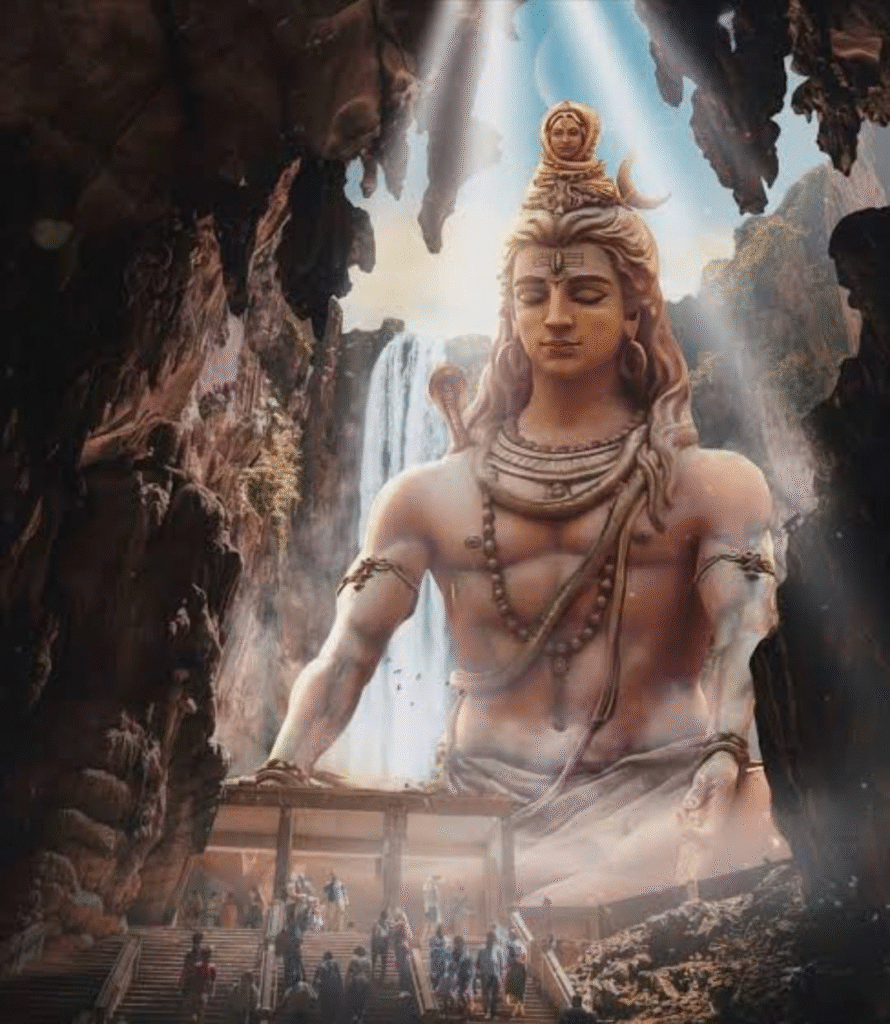
Regional Flavors: Unique Traditions in Kashmir, Tamil Nadu, and Beyond
The festival takes on distinct local hues across regions. In Kashmir, Kashmiri Pandits celebrate it as “Herath,” marked by traditional feasts, walnut-soaking rituals, and family gatherings. Tamil Nadu and Karnataka temples glow with beautiful decorations, cultural programs, and processions. In bustling cities like Mumbai and Delhi, throngs visit prominent sites such as Siddhivinayak (though primarily Ganesha, linked Shiva events occur) and Neelkanth Mahadev, blending urban fervor with ancient piety.
The Deeper Spiritual Dimension: Meditation, Yoga, and Inner Energy
Beyond temple rituals, Maha Shivratri carries a profound spiritual essence. Followers emphasize meditation and yoga, viewing the night’s planetary alignment as a powerful enhancer of spiritual energy. At the renowned Isha Yoga Center in Coimbatore, thousands participate in large-scale meditation programs, guided sessions, cultural performances, and night-long events led by Sadhguru, attracting global seekers for explosive meditations and transformative experiences.
The Ultimate Message: Devotion, Resilience, and Quest for Enlightenment
For millions, Maha Shivratri transcends mere celebration-it’s a call to self-discipline, inner purification, and awakening. Staying awake through the night symbolizes conquering darkness and ignorance, while devotion to Shiva fosters resilience and the pursuit of higher consciousness. From the eternal ghats of Kashi in the north to the southern shores of Rameswaram, this sacred night reaffirms India’s unbroken spiritual heritage, uniting diverse traditions in shared reverence for Lord Shiva. Har Har Mahadev!
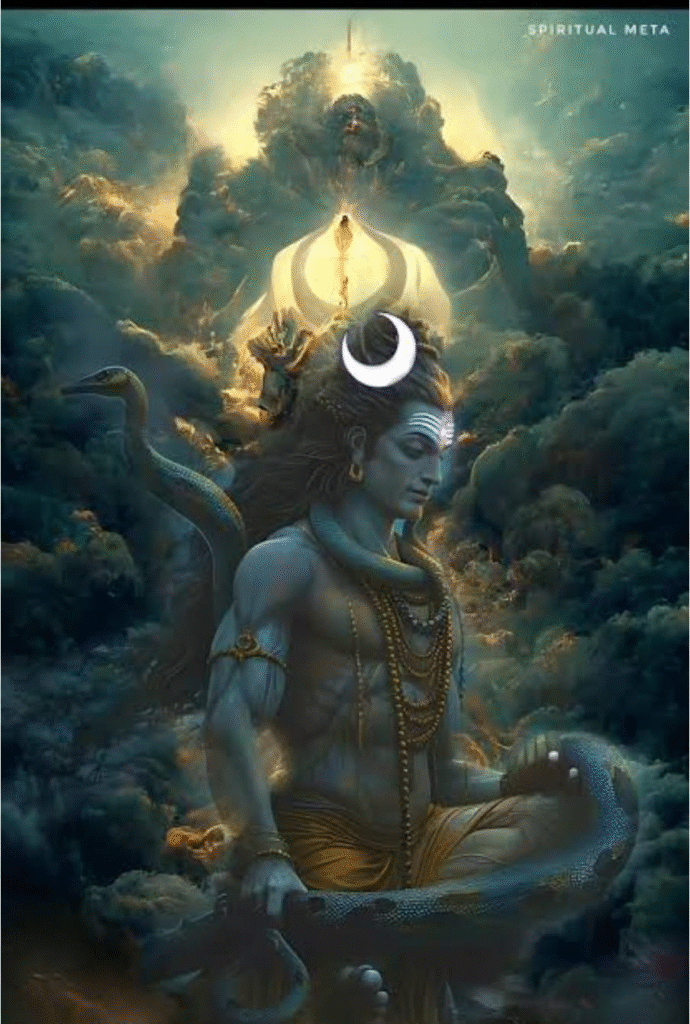
Regional Flavors: Unique Traditions in Kashmir, Tamil Nadu, and Beyond
The festival takes on distinct local hues across regions. In Kashmir, Kashmiri Pandits celebrate it as “Herath,” marked by traditional feasts, walnut-soaking rituals, and family gatherings. Tamil Nadu and Karnataka temples glow with beautiful decorations, cultural programs, and processions. In bustling cities like Mumbai and Delhi, throngs visit prominent sites such as Siddhivinayak (though primarily Ganesha, linked Shiva events occur) and Neelkanth Mahadev, blending urban fervor with ancient piety.
The Ultimate Message: Devotion, Resilience, and Quest for Enlightenment
For millions, Maha Shivratri transcends mere celebration-it’s a call to self-discipline, inner purification, and awakening. Staying awake through the night symbolizes conquering darkness and ignorance, while devotion to Shiva fosters resilience and the pursuit of higher consciousness. From the eternal ghats of Kashi in the north to the southern shores of Rameswaram, this sacred night reaffirms India’s unbroken spiritual heritage, uniting diverse traditions in shared reverence for Lord Shiva. Har Har Mahadev!