

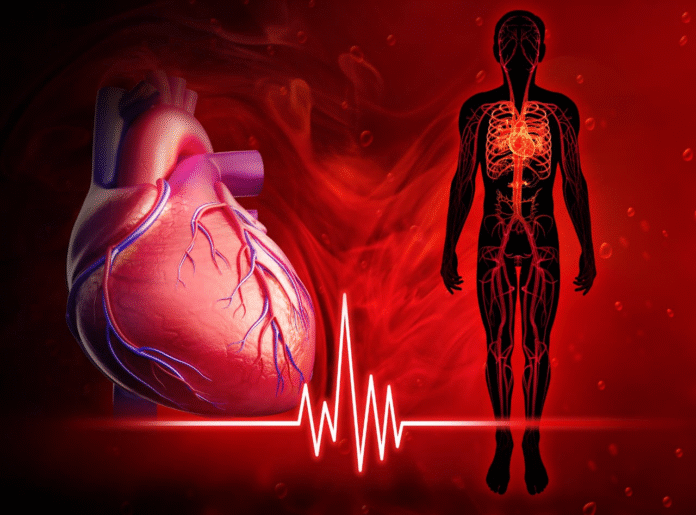
PC:(Sun way medi centre)
A groundbreaking study published in Circulation and funded by the National Institutes of Health (NIH) has unveiled a powerful antidote to cardiac aging: two years of consistent, vigorous exercise can reverse up to 20 years of heart damage in middle-aged, previously sedentary individuals. By focusing on high-intensity interval training and endurance exercises, the study demonstrates that the heart’s elasticity and blood-pumping efficiency can be significantly restored, particularly if exercise begins before age 65. These findings highlight exercise as a vital tool for combating age-related heart decline and preventing serious conditions like heart failure.
Rewinding the Clock on Cardiac Aging
The study’s results offer hope for those looking to rejuvenate their heart health. Through a regimen of consistent exercise, participants saw remarkable improvements in cardiovascular function, countering the stiffening of the heart’s left ventricle—a hallmark of sedentary aging. Key takeaways include:
Reversal of Heart Stiffness: Two years of high-intensity interval training led to a 25% increase in the heart’s elasticity, undoing the stiffening caused by prolonged inactivity.
Enhanced Oxygen Processing: Participants experienced an 18% boost in their heart’s ability to process oxygen, improving overall blood circulation.
Prevention of Heart Failure: The exercise program was shown to reduce the risk of heart failure with preserved ejection fraction, a condition linked to cardiac stiffness.
-Timing Matters: The heart’s adaptability is greatest before age 65, when it remains pliable and responsive to remodeling through exercise.
These findings underscore the transformative potential of sustained physical activity, even when started later in life, as a means to restore youthful heart function.
How Exercise Rejuvenates the Heart
The study sheds light on how exercise works its magic on the aging heart. Through a combination of high-intensity interval training and endurance exercises, participants saw measurable improvements in cardiovascular health. Here’s how exercise achieves these results:
Increased Blood Flow: Regular workouts enhance blood circulation, enabling the heart to pump oxygen-rich blood more efficiently to the body. This increased flow also helps clear circulating tumor cells, potentially reducing the risk of cancer metastasis.
Boosted Cardiovascular Function: Endurance training strengthens the heart, improving its overall performance and capacity to deliver oxygen during physical activity.
Lower Resting Heart Rate: A conditioned heart works more efficiently, requiring fewer beats to circulate blood, which results in a lower resting heart rate and reduced strain on the organ.
Heart Adaptability: The heart responds to training by increasing in size and becoming more malleable, allowing it to adapt to the demands of physical activity.
These mechanisms collectively reverse the damage caused by a sedentary lifestyle, making exercise a cornerstone of long-term heart health.
Practical Implications: Exercise as a Lifeline for Heart Health
The study’s findings position exercise as a powerful, accessible tool for combating age-related cardiac decline. Lead researcher Dr. Benjamin Levine likened consistent exercise to daily hygiene, emphasizing its non-negotiable role in maintaining lifelong health. By incorporating vigorous activities like high-intensity interval training or endurance workouts, individuals can not only improve their heart’s flexibility but also significantly reduce the risk of heart failure.
For middle-aged adults who have led sedentary lives, the message is clear: it’s never too late to start, but starting before age 65 yields the greatest benefits. The study advocates for exercise as a proactive measure to preserve heart function, offering a practical and impactful way to enhance quality of life.
Make Exercise a Daily Habit
This research serves as a wake-up call for those looking to safeguard their heart health. By committing to two years of consistent, vigorous exercise, individuals can turn back the clock on cardiac aging, improve their cardiovascular resilience, and lower their risk of serious heart conditions. As Dr. Levine’s analogy suggests, just as brushing your teeth is a daily necessity, so too is exercise—a simple yet profound habit that can add years of vitality to your life.