

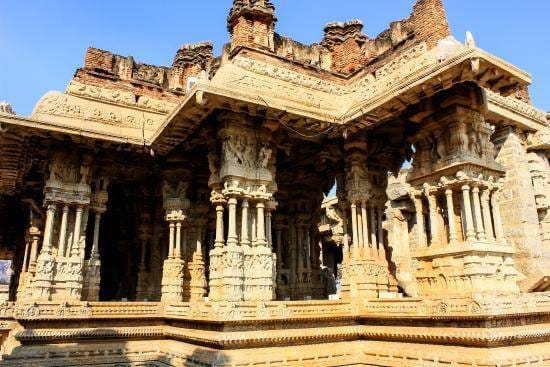
Hampi, the ruined capital of the mighty Vijayanagara Empire (also known as Vijay Nagar, meaning “City of Victory”), stands as one of India’s most captivating historical sites. A UNESCO World Heritage Site in Karnataka, it showcases the empire’s extraordinary achievements in architecture, engineering, and the arts from 1336 to 1646. Founded by brothers Harihara I and Bukka Raya I of the Sangama dynasty, the empire reached its golden age under Krishnadevaraya (1509-1529), celebrated for military prowess, grand temple constructions, and generous patronage of culture. The empire’s decline came after the devastating Battle of Talikota in 1565, when a coalition of Deccan Sultanates sacked the capital, leading to its abandonment.
Among Hampi’s many marvels, the Vijaya Vittala Temple (often called Vittala Temple) remains the most enchanting, particularly for its legendary musical pillars-a 500-year-old acoustic masterpiece that continues to amaze visitors and experts alike.
The Magical Musical Pillars of Vittala Temple
Located in the temple’s Ranga Mantapa (music hall), these 56 intricately carved granite pillars produce distinct musical notes when gently tapped. Often nicknamed SaReGaMa pillars after the Indian classical music scale, they emit sounds ranging from the soft tinkling of bells to deeper drum-like resonances, and even mimic various instruments such as wind, string, and percussion types.
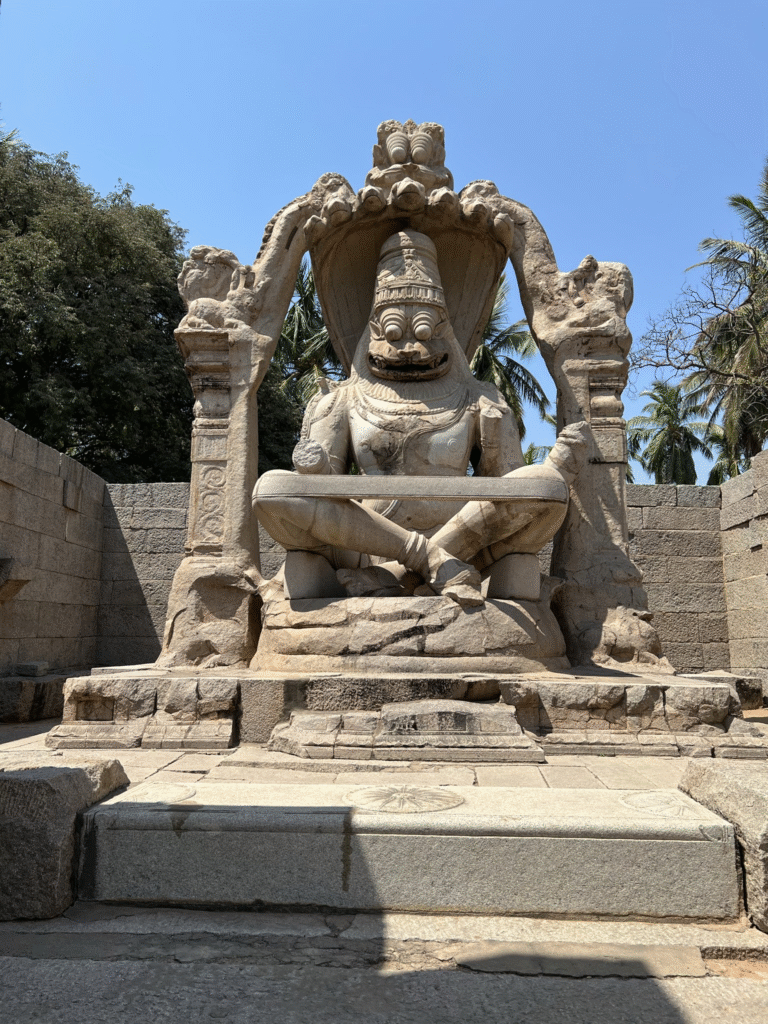
Each main pillar consists of a central supporting column encircled by seven slender, smaller columns -all hewn from a single piece of monolithic granite. The design allows the thinner columns to vibrate freely, creating tuned resonances. Scientific insights point to the granite’s high silica content and traces of metallic ores, which enhance its natural resonant properties, making the stone “sing.” While the exact ancient techniques remain partly mysterious, this reflects the Vijayanagar architects’ profound understanding of acoustics and material science. A popular legend claims that baffled British colonial officials once cut open a couple of pillars-both a larger one and a smaller one-expecting to find hidden bells or hollow chambers. They discovered only solid rock, deepening the enigma rather than solving it. In ancient times, these pillars were reportedly used in royal rituals, where musicians played them for the king, with sounds carrying far across the city, especially at night.
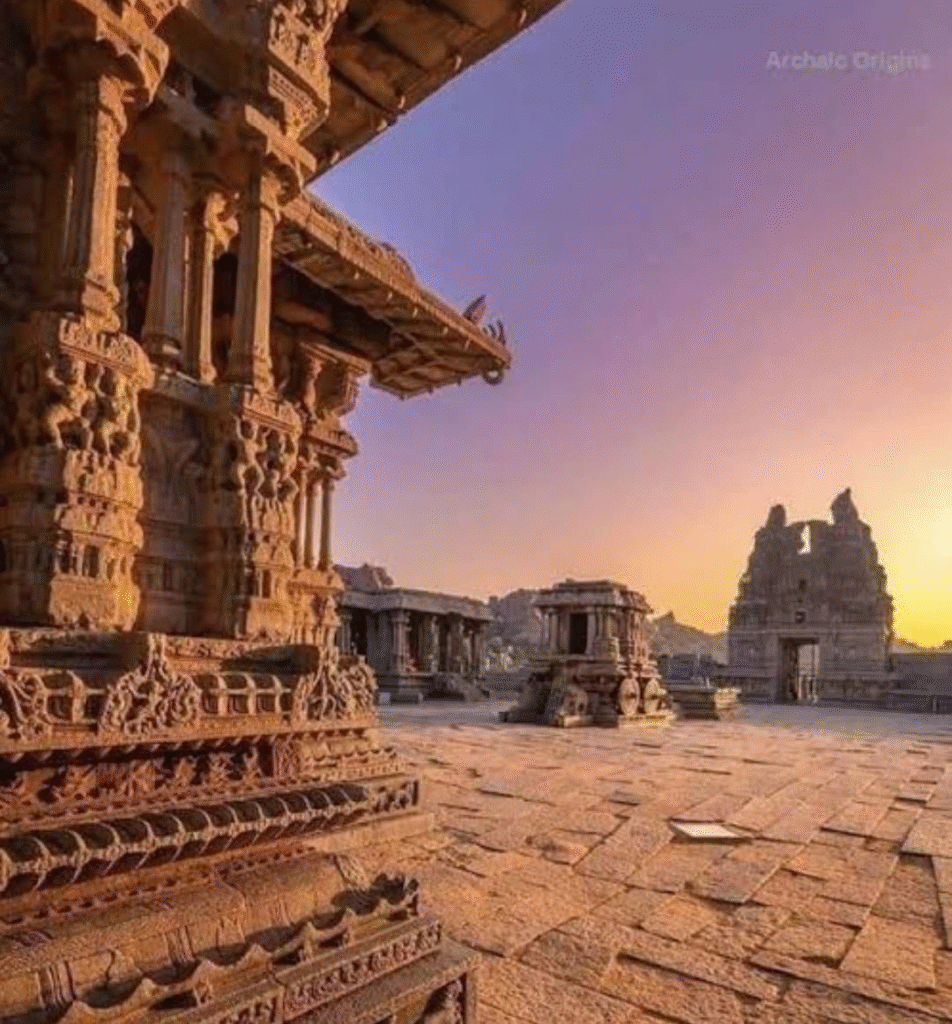
Indo-Islamic Fusion in Hampi’s Royal Architecture
While the Vittala Temple and other religious structures followed traditional Dravidian Hindu styles with towering gopurams and detailed deity carvings, the secular palaces and courtly buildings of Hampi displayed a sophisticated Indo-Islamic (or Indo-Saracenic) fusion. This blend incorporated elements from neighboring Islamic sultanates with local South Indian artistry, creating unique royal structures.
Iconic examples include:The Lotus Mahal, a two-story royal retreat with scalloped arches, cusped balconies, vaulted ceilings, and a lotus-bud-shaped dome-features inspired by Persian and Islamic designs -combined with pyramidal superstructures reminiscent of Hindu shikharas.The Elephant Stables, featuring domed chambers and arched facades.
The Mahanavami Dibba (a massive ceremonial platform), adorned with intricate friezes depicting royal processions: marching elephants, horses, dancers, warriors, and mythical yalis (lion-like beasts), along with scenes of everyday courtly and social life.
These carvings, executed in stucco over stone with floral motifs, scrollwork, and medallions, highlight the empire’s secular artistic flair-focusing on royal grandeur rather than purely divine themes.