

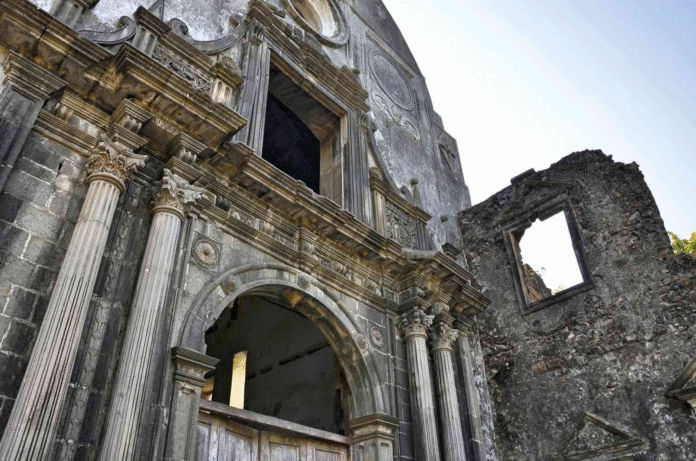
A 475-year-old cathedral in Vasai, Maharashtra, has earned international recognition for its remarkable restoration driven by local community participation. The Our Lady of Grace Cathedral in Papdy village has received the Award of Merit at the 2025 UNESCO Asia-Pacific Awards for Cultural Heritage Conservation, announced in Bangkok.
The recognition celebrates the revival of a rare sixteenth-century Portuguese-era monument through traditional craftsmanship, sustainable conservation methods, and grassroots funding—making it a landmark example of people-powered heritage preservation in India.
Reviving a Portuguese-Era Heritage Landmark in Maharashtra
Built during Portuguese rule, the Our Lady of Grace Cathedral is a significant symbol of the spread of Catholicism along India’s western coast. Unlike modern buildings, the cathedral was constructed without cement or bricks, relying on mud-based stone construction techniques typical of the 16th century.
Over centuries, harsh monsoon weather, ageing materials, and unscientific repairs weakened key structural elements, including the roof, bell tower, façade, corridors, and colonnades. The deterioration threatened both the architectural integrity and the cathedral’s role as a living place of worship.
Traditional Craftsmanship Meets Modern Conservation
The restoration project, costing approximately ₹4.5 crore, focused on stabilising the structure and reversing inappropriate past interventions. Conservation experts restored intricate liturgical carvings, architectural details, and structural components using traditional materials and techniques to maintain historical authenticity.
Led by conservation architect Ainsley Lewis, the project ensured that the cathedral retained its original character while remaining functional for religious services—an approach praised by heritage experts worldwide.
Community-Funded Heritage Conservation Model
One of the most remarkable aspects of the project was community participation and funding. Parish members and church authorities collectively financed the restoration through sustained donations, showcasing a powerful model of stakeholder-driven heritage conservation.
UNESCO’s award jury highlighted the project’s “skilled use of traditional craftsmanship” and its success in reviving the cathedral as a living religious and cultural space. Out of 90 entries from 16 countries, the Vasai cathedral stood out for technical excellence, sustainability, and deep respect for local context.
Global Recognition in UNESCO’s Silver Jubilee Year
The 2025 UNESCO Asia-Pacific Awards marked the silver jubilee of the heritage conservation programme. While the top Award of Distinction went to projects in Japan and China, other recognised sites were located in Malaysia, Nepal, and Vanuatu.
The Vasai cathedral’s Award of Merit places India among leading nations in heritage preservation and highlights the country’s growing emphasis on community-driven conservation.
Why This Cathedral Matters: Key Facts for Students and Exams
- The UNESCO Asia-Pacific Awards recognise excellence in heritage conservation projects across the region.
- Portuguese colonial architecture significantly shaped India’s western coastal regions.
- Vasai (Bassein) was a major Portuguese stronghold in the 16th century.
- Community participation is a key criterion in UNESCO heritage recognition.
- The Our Lady of Grace Cathedral is among India’s notable community-led conservation successes.
A Model for Future Heritage Preservation
The restoration of the Our Lady of Grace Cathedral demonstrates how local communities, traditional knowledge, and modern conservation practices can work together to protect historic monuments. As India strengthens its heritage preservation efforts, the Vasai project serves as a blueprint for sustainable and inclusive conservation worldwide.