

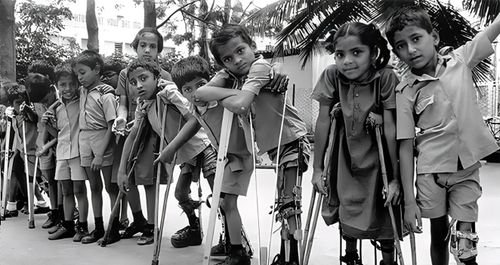
World Polio Day 2026 falls on Saturday, October 24, with the theme “One day, one focus: ending polio for good.” The day is observed every year to raise awareness about polio, honour Dr. Jonas Salk and remind people that timely vaccination is the best way to protect children. Here is everything students need to know about its date, theme, history, importance and prevention, along with India’s awareness efforts.
What Is the Theme for World Polio Day in 2026?
The 2026 theme is “One day, one focus: ending polio for good.” It stresses three priorities:
- Vaccinating every child, including those in remote areas
- Detecting poliovirus early through close monitoring
- Involving families, health workers and governments in immunisation
History of World Polio Day 2026
Rotary International started the day to honour Dr. Jonas Salk, whose team developed the first successful polio vaccine in 1955. The Global Polio Eradication Initiative began in 1988, and wild poliovirus cases have since dropped by more than 99%. Only Afghanistan and Pakistan still report wild polio. India has been certified free of wild poliovirus since 2014.
Why Is World Polio Day Celebrated on 24th October?
The date marks the birth anniversary of Dr. Jonas Salk. Choosing it keeps his contribution to the polio vaccine in public memory.
Difference Between National Polio Day and World Polio Day
| Feature | World Polio Day | National Polio Day (India) |
| Reach | Worldwide | India |
| 2026 date | October 24 | June 28 (plus other rounds) |
| Purpose | Awareness, advocacy and funds for eradication | Giving polio drops at booths to keep immunity high |
| Organisers | Rotary International, WHO, UNICEF, GPEI | Ministry of Health and Family Welfare |
What Is Polio and Its Symptoms?
Polio is a highly infectious disease caused by poliovirus. It mostly affects children below five years who are not fully vaccinated. The virus can attack the nervous system and cause paralysis. If the breathing muscles are affected, the condition can become life-threatening. Early signs can include fever, tiredness, headache, vomiting and stiffness in the neck or limbs. Vaccination is the most effective prevention.
India Programme of Awareness for Polio
India keeps its polio-free status through several programmes:
- Pulse Polio Programme (1995): Children up to five years receive oral polio drops during National and Sub-National Immunisation Days, known as Polio Ravivar. Teams also visit homes and vaccinate at railway stations, bus stands and airports.
- Universal Immunisation Programme: Includes oral polio vaccine and the injectable IPV, introduced nationwide from 2015-16.
- National Polio Surveillance Project (1997): Tracks Acute Flaccid Paralysis cases and tests sewage to catch the virus early.
- Border and transit vaccination: Teams at borders and migrant settlements prevent the virus from re-entering the country.