

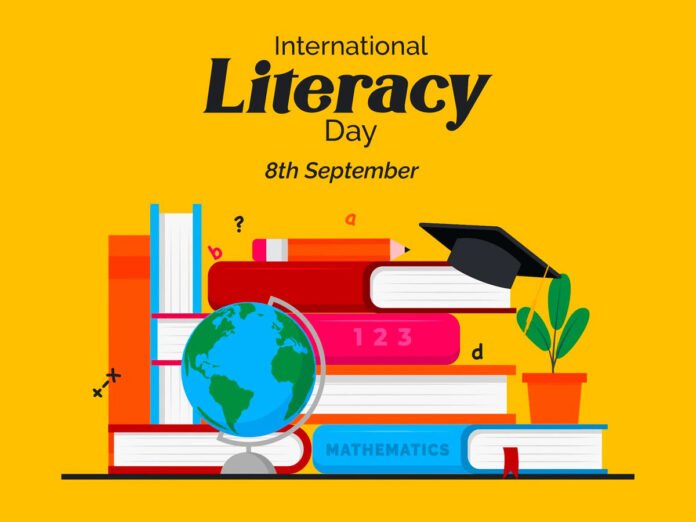
Every year, International Literacy Day is observed on September 8 to highlight the importance of literacy as a fundamental human right and a foundation for individual and social development. Literacy is much more than the ability to read and write. It enables people to understand information, make informed decisions, access opportunities and participate meaningfully in society. In a rapidly changing world, literacy has also expanded to include digital, financial, media and technological skills.
International Literacy Day was proclaimed by UNESCO in 1966 and has since become an important occasion to draw attention to global literacy challenges. The day reminds governments, educational institutions, civil society organisations and communities that education must remain accessible to everyone, regardless of age, gender, economic background or geographical location.
The significance of literacy becomes especially clear when viewed through everyday life. A literate person is better equipped to read a prescription, understand a government form, access banking services, follow agricultural information, use digital platforms or help children with their education. Literacy can therefore directly influence health, employment, financial independence and participation in public life.
Despite considerable progress in education across the world, millions of people still lack basic literacy skills. Children in disadvantaged communities, people living in poverty, women and girls in areas with limited educational access, migrants and adults who missed formal schooling often face greater barriers. Poverty, inadequate infrastructure, social inequalities, conflict and lack of trained teachers continue to affect educational opportunities in many parts of the world.
For India, literacy has been closely connected with the country’s larger journey of social and economic development. Since Independence, India has made significant progress in expanding access to education and improving literacy levels. Government initiatives such as Samagra Shiksha, the National Education Policy 2020 and adult education programmes have sought to strengthen learning opportunities across different sections of society. The ULLAS – Nav Bharat Saaksharta Karyakram focuses particularly on adult education and seeks to promote not only foundational literacy and numeracy but also important life skills.
However, literacy today cannot be measured only by whether a person can read or write a sentence. The digital transformation of society has created a new dimension of literacy. People increasingly need to understand how to navigate the internet, identify misinformation, protect personal information, use digital financial services and evaluate online content. Digital literacy has consequently become an essential part of being able to participate confidently in modern society.
The importance of literacy is also closely linked with gender equality. Educating girls and women can have far-reaching effects on families and communities. Literacy can improve access to information about health and rights, expand employment opportunities and strengthen women’s ability to participate in decision-making. When parents are educated, children are also more likely to receive encouragement and support for their own education, creating a cycle of learning across generations.
International Literacy Day also encourages society to look beyond classrooms. Libraries, community centres, workplaces, digital platforms and local organisations can all become spaces for learning. Adults who did not receive adequate schooling in childhood should have opportunities to continue learning without stigma. Similarly, children need not only access to schools but also quality education that develops comprehension, critical thinking and the ability to apply knowledge in real-life situations.
The theme of literacy is particularly relevant in an age where information is available in unprecedented quantities. Being able to read is no longer enough; people must also be able to understand, question and evaluate what they encounter. From social media posts to financial advertisements and public information, literacy helps individuals distinguish reliable information from misleading claims.
International Literacy Day, therefore, is not simply a celebration of educational achievement. It is a reminder that literacy is a lifelong tool for dignity, independence and opportunity. Building a truly literate society requires investment in schools, teachers, adult education, libraries and digital access, while also addressing the social and economic barriers that prevent people from learning. As the world moves towards an increasingly digital and knowledge-driven future, ensuring that everyone has the ability and confidence to learn will remain one of the most important steps towards a more equal and empowered society.