

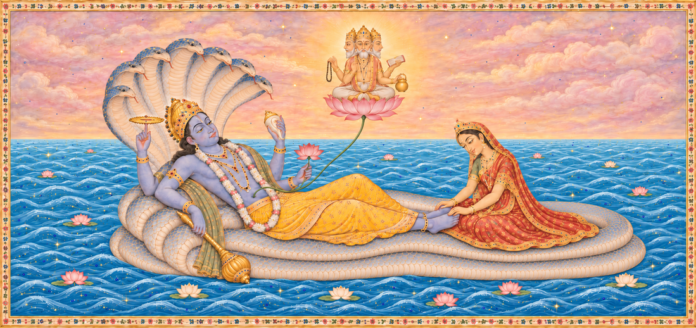
Dev Uthani Ekadashi, also known as Devutthana Ekadashi, Prabodhini Ekadashi and Devauthani Gyaras, is an important Hindu festival celebrated with devotion and religious enthusiasm across India. In 2026, it falls on Friday, November 20, and marks the end of Chaturmas, the four-month period during which Lord Vishnu is believed to remain in Yoga Nidra (divine sleep). The day symbolises the awakening of Lord Vishnu and the return of auspiciousness, marking the beginning of the Hindu wedding season and the resumption of important religious and social ceremonies.
Observed on the Ekadashi (eleventh day) of the Shukla Paksha in the Hindu month of Kartik, Dev Uthani Ekadashi holds special importance for devotees of Lord Vishnu. According to Hindu beliefs, Lord Vishnu enters Yoga Nidra on Devshayani Ekadashi, which falls in the month of Ashadha, and awakens on Prabodhini Ekadashi in Kartik. This period of four months is known as Chaturmas. During this time, many traditional Hindu communities avoid conducting weddings, housewarming ceremonies and other major auspicious functions. With the awakening of Lord Vishnu, these activities are considered favourable once again.
Religious Significance and the Beginning of Auspicious Ceremonies
The festival represents the restoration of cosmic balance and the return of divine energy to the world. Lord Vishnu is regarded as the preserver and protector of the universe in Hindu mythology. His awakening is therefore considered an important spiritual occasion. Devotees believe that worshipping Lord Vishnu on this day brings peace, prosperity, happiness and spiritual blessings to their families.
One of the most significant aspects of Dev Uthani Ekadashi is the beginning of the Hindu wedding season. Weddings, engagements, griha pravesh (housewarming ceremonies) and other auspicious occasions, which are traditionally avoided during Chaturmas, begin again after this day, subject to suitable muhurats. The festival is particularly important for families planning marriages and other major celebrations.
The Tradition of Tulsi Vivah
Dev Uthani Ekadashi is also closely associated with Tulsi Vivah, the ceremonial marriage of the sacred Tulsi plant with Lord Vishnu, represented in the form of Shaligram Shila. In several parts of India, Tulsi Vivah is performed on Ekadashi itself, while other traditions observe it on Dwadashi, the following day.
Tulsi, also known as the holy basil, holds a special place in Hindu households and is worshipped as a sacred plant. According to religious beliefs, Tulsi is considered an incarnation of Goddess Lakshmi and is associated with purity, devotion and prosperity. During the ceremony, the Tulsi plant is decorated with colourful clothes, flowers, ornaments and traditional decorations. Shaligram is placed near the plant, and the marriage is performed with rituals similar to a traditional Hindu wedding. Devotees sing devotional songs, offer prayers and distribute prasad. The ceremony symbolises the union of divine energies and celebrates devotion, harmony and marital happiness.
Rituals and Traditions of Dev Uthani Ekadashi
The day begins with an early morning bath, followed by prayers and preparations for the worship of Lord Vishnu. Devotees clean and decorate their homes and temples, light diyas and offer flowers, fruits, sweets and Tulsi leaves to the deity. Special prayers, bhajans and Vishnu mantras are recited throughout the day.
Many devotees observe a fast on Ekadashi. Depending on their religious traditions and personal capacity, some observe a strict nirjala fast without food or water, while others consume fruits, milk and vrat-friendly food. Grains, rice, pulses and certain other foods are generally avoided during the fast. Devotees also follow a sattvic diet and focus on prayer, meditation and charitable activities.
An interesting tradition associated with the festival is the symbolic awakening of Lord Vishnu. In many households and temples, devotees perform special rituals in which the deity is ceremonially awakened with conch sounds, bells, devotional songs and prayers. Some communities also create colourful rangolis and decorate their courtyards with sugarcane, flowers and traditional lamps. The fast is generally concluded through Parana, the ritual of breaking the fast, on the following day during the prescribed Dwadashi period.
The Story Behind Dev Uthani Ekadashi
According to a popular Hindu legend, Lord Vishnu once entered a deep state of Yoga Nidra on the cosmic serpent Sheshnag in the Ksheer Sagar (Ocean of Milk). During this period, the responsibility of maintaining the universe continued under divine arrangements. After four months, on the eleventh day of the bright fortnight of Kartik, Lord Vishnu awakened from his divine sleep. This event came to be celebrated as Prabodhini Ekadashi, symbolising the awakening of the preserver of the universe.
Another popular legend associated with the observance describes a king whose kingdom experienced hardship when the people neglected the Ekadashi fast. According to the story, the king and his subjects eventually observed the fast with devotion, following which prosperity and happiness returned to the kingdom. The tale highlights the religious belief that sincere devotion, discipline and faith bring spiritual blessings.
Dev Uthani Ekadashi is therefore more than a religious observance. It represents renewal, hope, devotion and the beginning of a new phase of auspicious activities. From the awakening of Lord Vishnu to the celebration of Tulsi Vivah, the festival brings together spiritual beliefs and vibrant household traditions. As families prepare for weddings and celebrations after the four-month pause, the occasion serves as a reminder of the importance of faith, gratitude and the preservation of India’s rich cultural heritage.