Home Blog Page 93

Somnath Swabhimaan Parv Speaks Story of 1,000 Years of Unbroken Faith (1026–2026)

0

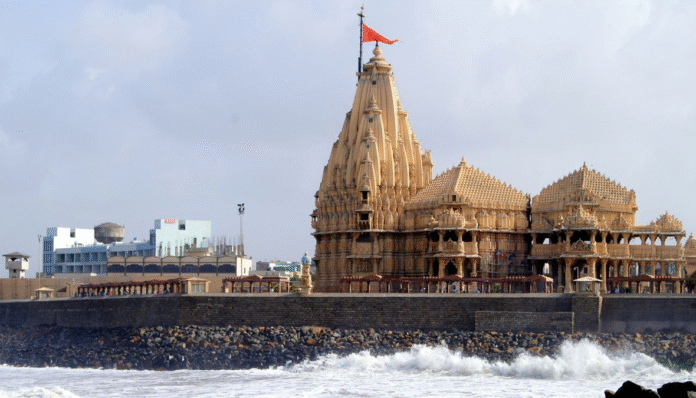
The very name Somnath fills the mind and heart with pride and devotion. Situated at Prabhas Patan on the western coast of Gujarat, Somnath stands as an eternal expression of the soul of India. The Dwadasa Jyotirlinga Stotram mentions the twelve Jyotirlingas of India, and it begins with the line “Saurashtrae Somnatham cha…”—placing Somnath first among all Jyotirlingas. This itself reflects the profound civilizational and spiritual significance of this sacred shrine.

The scriptures proclaim:
“Somalingam naro drishtva sarva-paapaih pramuchyate;
Labhate phalam manovanchhitam mritah swargam samashrayet.”

Meaning, by beholding the Somnath Shivling, a person is freed from all sins, attains fulfillment of virtuous desires, and after death, the soul finds its place in heaven.

Tragically, this very Somnath—once the focal point of faith and prayer for millions—became a target of foreign invaders driven by destruction. The year 2026 holds special significance, as it marks 1,000 years since the first attack on the Somnath Temple. In January 1026, Mahmud of Ghazni launched a brutal assault on the shrine, demolishing it in an attempt to destroy a great symbol of faith and civilization.

The attack on Somnath stands among the greatest tragedies in human history. Yet, even after a thousand years, the temple stands today in all its glory. After 1026, repeated efforts were made across generations to rebuild the temple in its full splendor. The present structure took shape in 1951, making 2026 also the 75th anniversary of Somnath’s reconstruction. On 11 May 1951, the temple was ceremonially reopened in the presence of India’s first President, Dr. Rajendra Prasad, marking a historic moment.

Historical records vividly describe the cruelty and devastation inflicted during the first invasion—accounts that still send shivers down the spine. One can only imagine the profound impact it must have had on the morale of the people and the nation. Somnath was not only spiritually significant but also a center of prosperity and inspiration. Its grandeur was carried far and wide by India’s seafaring traders and merchants.

Despite repeated attacks and a long period of subjugation, the story of Somnath is not one of destruction, but of self-respect, resilience, and unbroken faith. For the last thousand years, it has symbolized the indomitable spirit of millions of Indians. Each time the temple was attacked, brave men and women stood in its defense, offering supreme sacrifices. Time and again, generations rose from the ruins to rebuild and revive it.

Mahmud of Ghazni looted and left, but he could not take away India’s faith in Somnath. On the contrary, that faith only grew stronger. Even in 2026, a thousand years later, Somnath sends a powerful message to the world: those driven by the urge to destroy eventually fade away, while faith endures and shines brighter.

India is fortunate to have given birth to great souls like Devi Ahilyabai Holkar, who ensured that worship at Somnath could continue. In the 1890s, Swami Vivekananda also visited Somnath, an experience that deeply moved him. In a lecture delivered in Chennai in 1897, he said:

“Ancient temples of South India and temples like Somnath in Gujarat will teach you more lessons of wisdom than any number of books.
They bear the marks of hundreds of attacks and hundreds of revivals. Destroyed again and again, they rose from their own ruins—strong and alive as ever. This is the national spirit, the national life force. To follow it fills one with pride; to abandon it is death.”

After Independence, the sacred responsibility of rebuilding Somnath came into the capable hands of Sardar Vallabhbhai Patel. During his visit to Somnath on Diwali in 1947, he resolved that the temple would be rebuilt there itself. Though he did not live to witness its completion, his dream was realized when the temple doors were opened in 1951.

Despite reservations from then Prime Minister Pandit Jawaharlal Nehru, President Dr. Rajendra Prasad stood firm and participated in the ceremony—an act that created history.

Any mention of Somnath remains incomplete without acknowledging K.M. Munshi, whose unwavering support and literary contribution, especially his book “Somnath: The Shrine Eternal,” remains deeply influential.

As Munshi’s title suggests, Indian civilization believes in the immortality of the soul and ideas—“Naineṁ chindanti shastrani, naineṁ dahati pavakah.” The physical structure of Somnath may have been destroyed, but its consciousness remained eternal.

These very values have enabled India to rise stronger through every era. Today, the world looks to India with hope and trust—investing in its youth, embracing its culture, art, music, yoga, and Ayurveda. For solutions to global challenges, the world increasingly turns toward India.

For centuries, Somnath has united people across traditions. Jain scholar Acharya Hemchandracharya once prayed here, expressing reverence to the supreme element free from worldly bonds. Even today, a visit to Somnath brings a deep sense of calm—an indescribable, spiritual experience.

As in 1026, even in 2026 the waves of the Arabian Sea roar with the same intensity, narrating Somnath’s timeless saga. The invaders have turned to dust, remembered only as symbols of destruction, while Somnath continues to shine as a beacon of hope.

Somnath teaches us that hatred and fanaticism may possess destructive power, but faith holds the power of creation. For millions, Somnath remains an eternal call of hope—an inspiration to rise again after every fall.

If a temple shattered a thousand years ago can stand today in full glory, then India too can reclaim the prosperity of its civilizational past. Let us move forward with this inspiration—towards building a Viksit Bharat, guided by timeless wisdom for the welfare of the world.
Delta Force Explained The Elite US Special Forces Unit Behind Maduro’s Capture

0
Delta Force Explained The Elite US Special Forces Unit Behind Maduro’s Capture

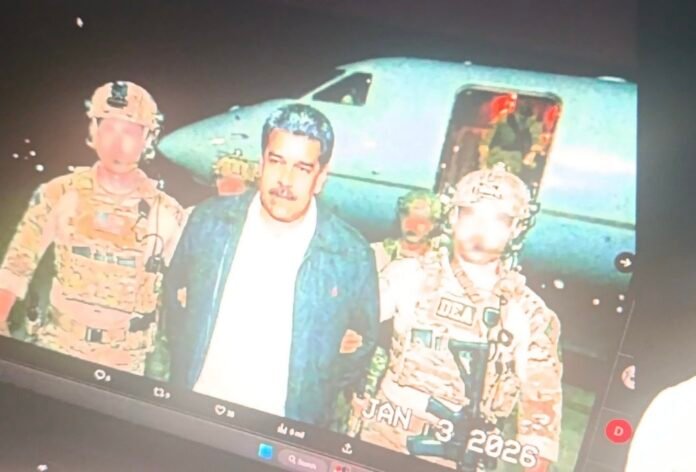
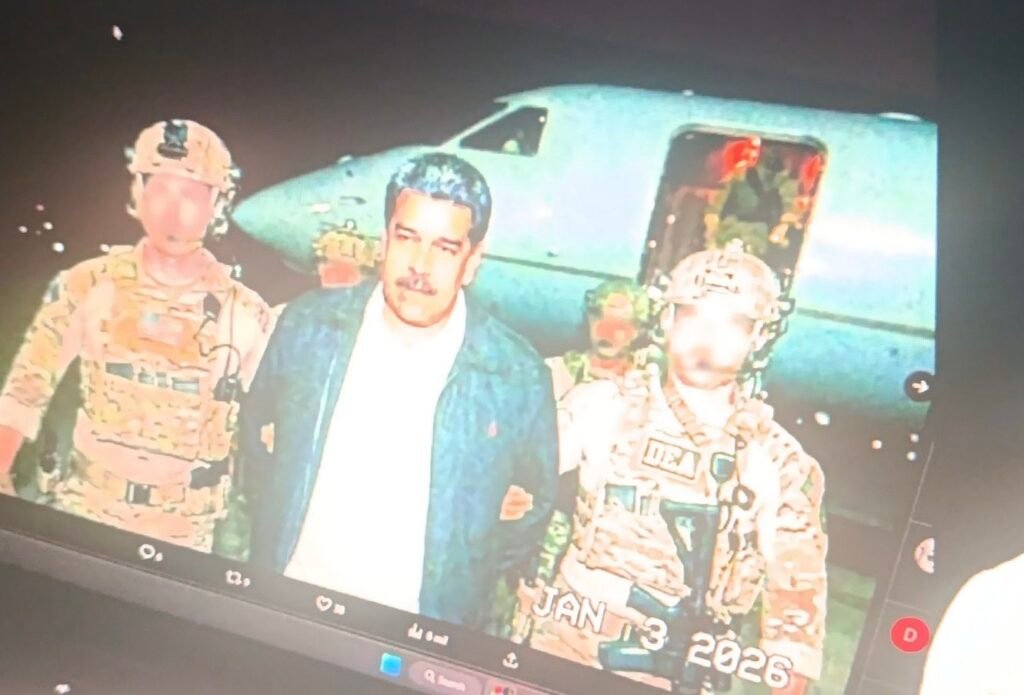
In the early hours of January 3, US forces carried out a dramatic operation in Venezuela that resulted in the capture of President Nicolás Maduro and his wife, Cilia Flores, according to statements from American officials and confirmed by multiple reports. The mission, described as precise, rapid and highly coordinated, was led by one of the most secretive and capable units in the United States military Delta Force.


What is Delta Force


Delta Force is the common name for the 1st Special Forces Operational Detachment-Delta (1st SFOD-D), an elite special operations unit of the United States Army headquartered at Fort Bragg in North Carolina. It is one of the most highly trained and clandestine military teams in the world, often described as Tier One because of its assignment to the most dangerous, sensitive and high-impact missions directed by the U.S. government.


Delta Force was created in the late 1970s after U.S. military leaders recognised the need for a highly specialised force capable of counterterrorism and hostage rescue missions that regular units could not reliably execute. The unit’s formation was influenced by the British Special Air Service (SAS), and it has operated under various names including Combat Applications Group and Army Compartmented Elements.


Delta Force: What makes it unique


Unlike conventional military units, Delta Force recruits from the top performers of other elite forces such as the Army Rangers and Green Berets. Selection is famously demanding, with rigorous physical, mental and tactical evaluations designed to weed out all but the most capable soldiers. Those who pass are trained in close-quarters combat, sniping, explosives, covert infiltration, hostage rescue and unconventional warfare.


Because of its secretive nature, most of Delta Force’s operations are never publicly acknowledged. Only a few missions have become widely known, such as the 2019 raid in Syria that led to the death of Islamic State leader Abu Bakr al-Baghdadi.


The Maduro operation and global reaction


According to U.S. officials, Delta Force operators conducted the raid in coordination with broader military strikes in Caracas, neutralising Venezuelan military responses and securing Maduro with precision. President Donald Trump described the operation as successful and indicated plans for Maduro to face charges in the United States.


The operation has already sparked strong reactions worldwide, with some countries condemning the mission as a violation of sovereignty while others hailed it as a decisive action against alleged criminal activity.


Delta Force remains an enigmatic yet pivotal instrument in U.S. national security, used only when missions require speed, precision and high-risk decision-making in hostile environments.

Tesla Faces Stiff Competition From China As The Global Battery Race Heats Up

0
Tesla Faces Stiff Competition From China As The Global Battery Race Heats Up

Tesla’s long-standing dominance in the electric vehicle space is being challenged as Chinese manufacturers surge ahead in global sales. While the American EV giant has lost its top position in annual battery-electric vehicle numbers, the broader battle over battery technology, scale, and innovation is far from settled.


Tesla slips from the global EV sales lead


In 2025, Tesla’s vehicle deliveries declined for the second year in a row, with sales falling to around 1.64 million units. During the same period, China’s BYD surpassed Tesla by selling more than two million battery-electric vehicles worldwide. This marked the first time a Chinese automaker claimed the top spot, signalling a major shift in the global EV market.


Why Tesla’s momentum slowed


Multiple factors contributed to Tesla’s slowdown. The expiry of key electric vehicle tax incentives in the United States reduced buyer enthusiasm, particularly in price-sensitive segments. Growing competition in Europe and Asia also affected demand, as Chinese brands offered a wider range of models at competitive prices. Additionally, regulatory hurdles and evolving consumer expectations have put pressure on Tesla’s once unchallenged appeal.


China’s rise reshapes the EV landscape


China has emerged as the world’s largest electric vehicle market, supported by strong domestic demand, government backing, and large-scale manufacturing capacity. Companies like BYD benefit from integrated supply chains and aggressive international expansion strategies. Their focus on affordability, rapid innovation, and battery efficiency has helped them gain market share not just in China, but globally.


Why the battery race still matters


Despite losing ground in vehicle sales, Tesla remains a major force in battery and energy technology. The company continues to expand its energy storage business and invest in next-generation battery solutions. Its ambitions extend beyond cars, with long-term plans involving autonomous driving, grid storage, and artificial intelligence-powered mobility.


A competitive future for electric mobility

The global EV market is entering a more competitive phase where leadership will depend on battery performance, cost control, and adaptability. China’s rise has altered the balance, but innovation remains the deciding factor. As manufacturers across regions push technological boundaries, the ongoing battery race promises rapid change and better choices for consumers worldwide.

Maharashtra’s Trailblazing Police Chief Rashmi Shukla Retires After Historic Career

0
Maharashtra’s Trailblazing Police Chief Rashmi Shukla Retires After Historic Career

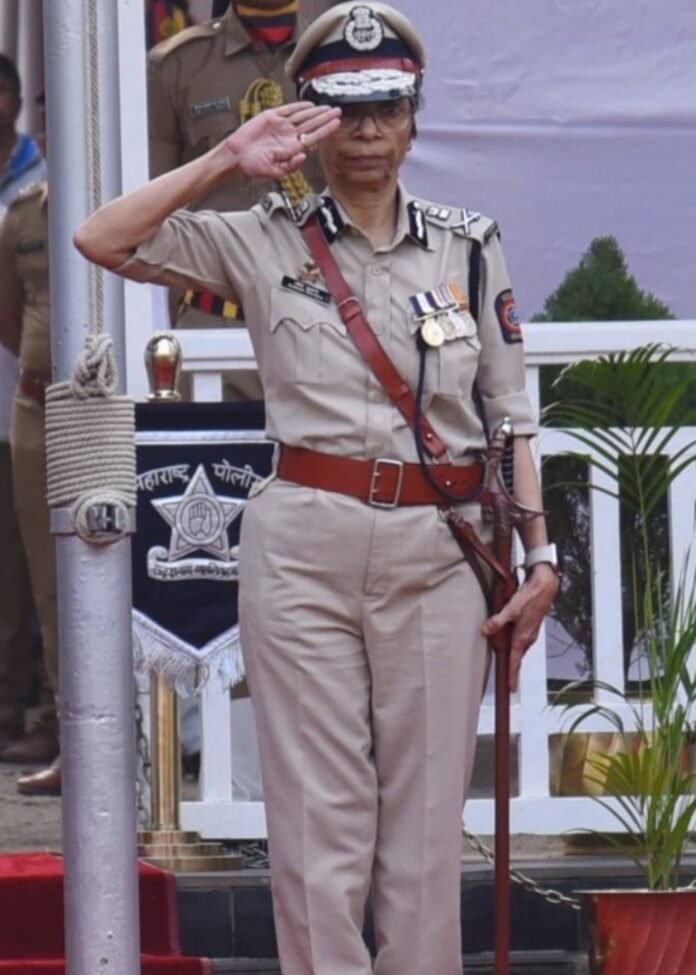
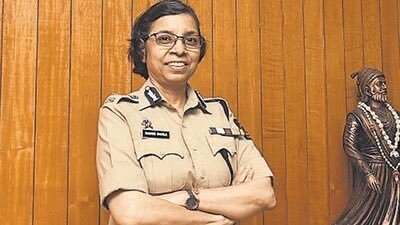
Rashmi Shukla, the first woman to head the Maharashtra Police as Director General of Police, retired on 3 January 2026 after a distinguished 37-and-a-half-year career in the Indian Police Service. Her retirement marks the end of a remarkable journey that broke gender barriers and set new standards for leadership in one of India’s most complex law-enforcement environments.


Rashmi Shukla’s pioneering journey in Indian policing


Rashmi Shukla was born on 30 June 1964 and joined the Indian Police Service in 1988. Over nearly four decades, she held a series of key roles at both state and national levels, demonstrating operational depth, administrative skill and strategic vision. Before becoming Maharashtra’s police chief in January 2024, she led the Sashastra Seema Bal, a paramilitary force responsible for guarding India’s borders with Nepal and Bhutan. She also served as Additional Director-General in the Central Reserve Police Force, and as Commissioner of Police in Pune roles that strengthened her reputation as a seasoned and adaptable officer.


Leading with resilience and experience


Shukla’s tenure reflected both professional achievement and personal resilience. Colleagues described her as a decisive leader who understood the challenges of law and order in the state. Her leadership extended to areas like internal security and community policing, and she was widely admired for her disciplined approach and clear communication with personnel.


Breaking barriers and setting new standards


When she took charge as Director General of Police, Shukla became the first woman to lead the Maharashtra Police a force that serves millions in one of India’s largest and most dynamic states. Her appointment was seen as a milestone for gender representation in Indian law enforcement. Shukla herself would later reflect that the role of DGP was “gender-neutral,” emphasising that the work remained the same regardless of who held the office.

Maharashtra’s Trailblazing Police Chief Rashmi Shukla Retires After Historic Career


Rashmi’s farewell and reflections on service


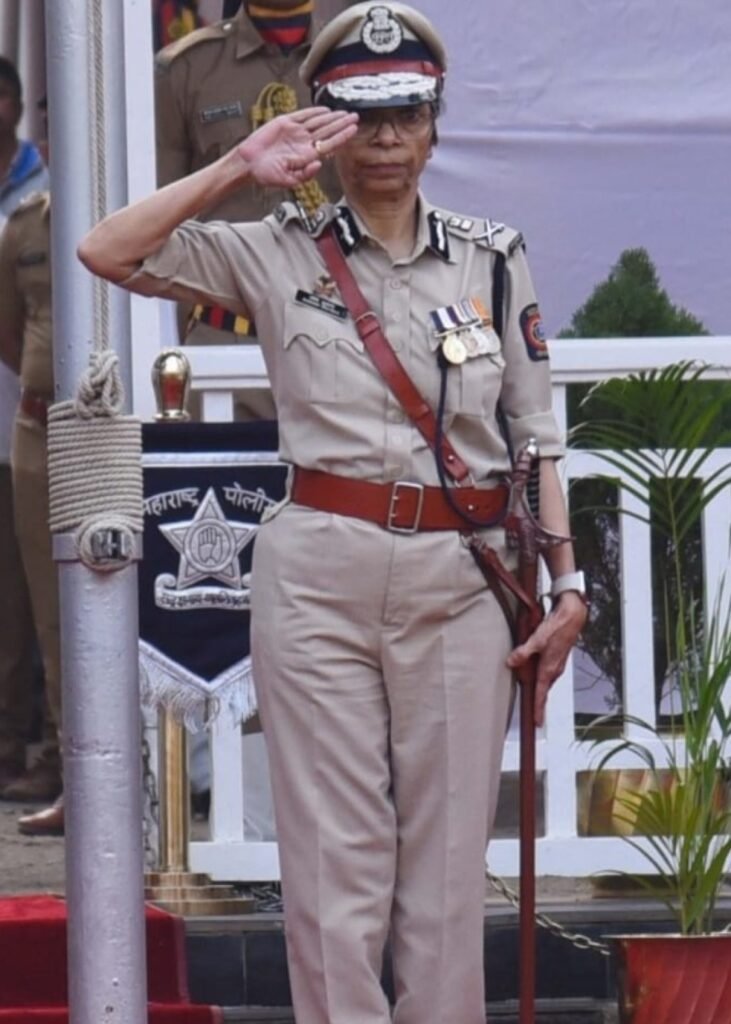
At her farewell ceremony at the Naigaon Police Ground in Bhoiwada, senior officials paid tribute to her long service with a Guard of Honour. In her farewell address, Shukla spoke of her satisfaction with her career and thanked the Maharashtra Police for the support she received over the years. She expressed pride in the teamwork that helped elevate the force and wished good health and success to her colleagues.


Passing the baton to IPS Sadanand


Following her retirement, senior IPS officer Sadanand Date known for his work as a head of the National Investigation Agency was appointed the new Director General of Police for Maharashtra. Date’s appointment signals a continuation of experienced leadership at the helm of the state’s police force.


Rashmi Shukla’s career is a testimony to her resilience, leadership and commitment to public service, and her journey will remain an inspiration for aspiring officers, especially women, in policing across India.

Ikkis Review A Quiet War Story That Opens 2026 With Reflection, Not Noise

0
Ikkis Review A Quiet War Story That Opens 2026 With Reflection, Not Noise

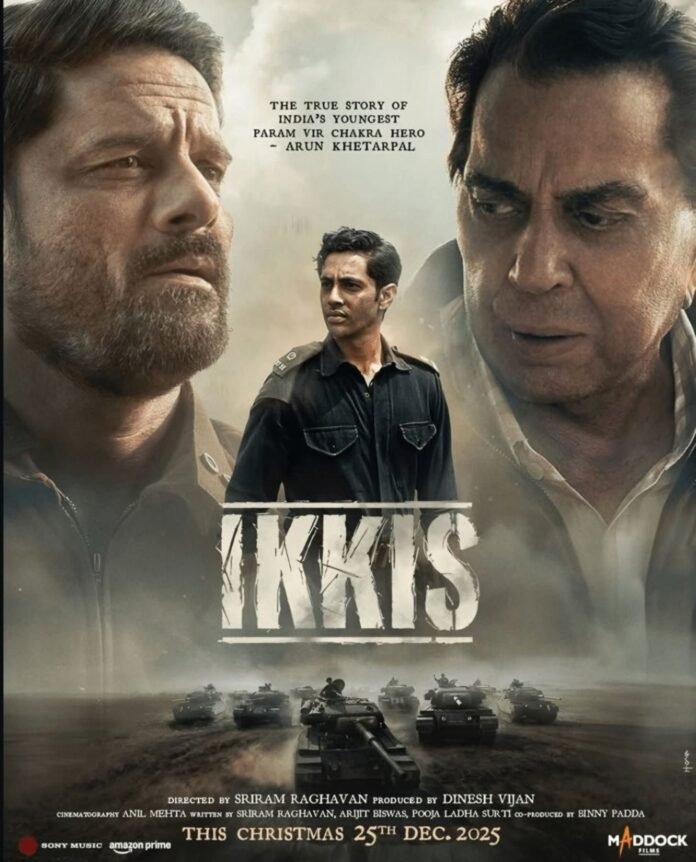
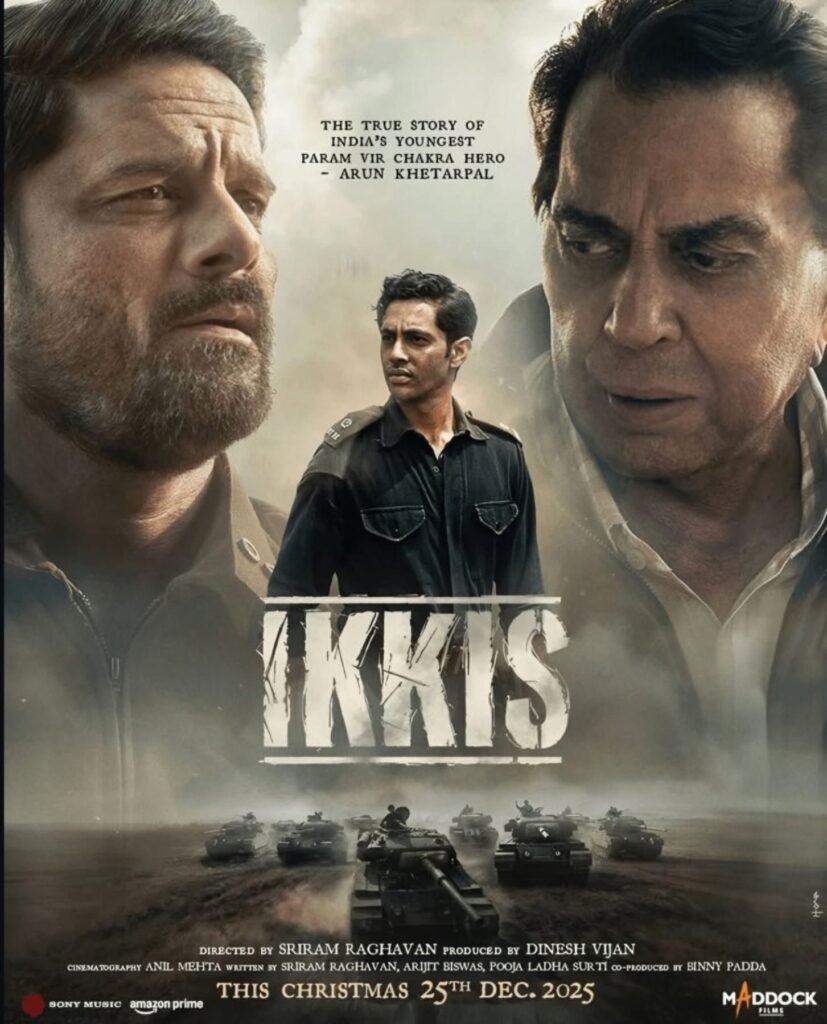
As the first notable Hindi release of 2026, Ikkis arrives without spectacle-driven expectations. Starring Agastya Nanda and Dharmendra, the film chooses restraint over grandiosity, making it clear early on that this is not a conventional war drama. Instead of focusing on victory or bravado, Ikkis places human emotion and moral reflection at the centre of its narrative.


Ikkis: A war film rooted in humanity


Inspired by the life of Param Vir Chakra awardee Second Lieutenant Arun Khetarpal, Ikkis revisits the 1971 Indo-Pak war through a deeply personal lens. The film avoids turning the battlefield into a stage for hero worship. War here is not glorified but questioned. Loss, fear, duty and sacrifice take precedence over action-heavy sequences, giving the story an emotional weight that lingers beyond the screen.


Agastya Nanda shows promise in a restrained role


Agastya Nanda delivers a controlled and sincere performance, portraying a young soldier shaped by responsibility rather than aggression. His portrayal reflects innocence meeting harsh reality, making his character arc believable and grounded. It marks a steady and confident step forward for the young actor, who resists dramatics and lets silence do much of the work.


Dharmendra’s final role adds emotional depth


Dharmendra’s presence gives the film its emotional anchor. Playing the father of the fallen soldier, he brings dignity, grief and warmth without ever appearing overbearing. Knowing this is his final on-screen appearance adds a layer of poignancy, but even without that context, his performance stands out for its simplicity and honesty.


An anti-war message that feels relevant


What sets Ikkis apart is its clear anti-war sentiment. Patriotism is portrayed through empathy and remembrance rather than aggression. The film reflects on what remains after wars end, unanswered grief, families left behind, and the emotional cost that medals cannot erase. This approach feels especially relevant in a time when war narratives often lean towards excess.


A deliberate pace that may divide opinions


The storytelling unfolds slowly, prioritising character over momentum. While some viewers may find the pacing uneven, others will appreciate its intention. The film asks for patience and rewards it with moments of quiet impact rather than dramatic highs.


Ikkis, a thoughtful beginning to the year


Ikkis may not appeal to audiences seeking high-energy action, but it succeeds in offering meaningful cinema. With strong performances and a reflective tone, it sets a thoughtful note for Hindi cinema in 2026, reminding viewers that sometimes the most powerful war stories are the ones that question war itself.

Army Day Parade in Jaipur: A First In 78 Years As Pink City Hosts It Beyond Cantonments As Grand Public Festival

0

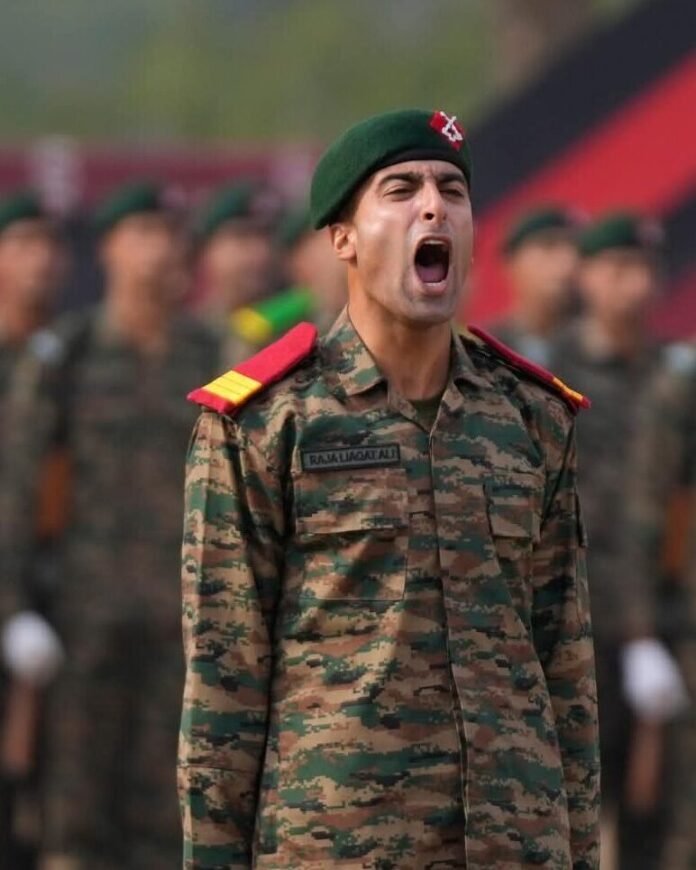
Jaipur is set to witness a historic moment as the 78th Army Day Parade arrives in the city in a way never seen before. For the first time in 78 years of Army Day celebrations, the parade will be held outside army cantonments and organised in a civilian area, right in the heart of Jaipur. This landmark move transforms a traditionally military ceremony into a people’s festival, allowing citizens to directly experience the pride, discipline and strength of the Indian Army.


First-ever Army Day Parade in Jaipur’s civilian zone


The Army Day Parade 2026 will take place along Mahal Road in the Jagatpura area, marking the first time Jaipur hosts this prestigious event. Unlike previous editions confined to cantonments, this year’s parade brings the Army closer to civilians. Residents, students, families and visitors will be able to witness marching contingents, military bands and formations from close quarters, making it an inclusive national celebration.


More than a parade, a festival of national pride


Officials have described the event as more than a ceremonial march. The Army Day celebrations in Jaipur are being curated as a grand public festival showcasing India’s military legacy, modern capabilities and deep connection with citizens. The parade will feature displays of discipline, synchronised marching and military precision, reflecting the ethos of the Indian Army built over decades.


Shaurya Sandhya and the enactment of Operation Sindoor


One of the major highlights will be Shaurya Sandhya, scheduled for the evening of January 15. The centrepiece of this event will be a live enactment of Operation Sindoor. Through a powerful visual presentation, audiences will be shown how the operation was planned and executed, highlighting the courage, strategy and sacrifice of Indian soldiers. This enactment aims to bring real military operations closer to the public in an engaging and impactful manner.


Live streaming across Rajasthan


To ensure statewide participation, digital screens will be installed in gram panchayats across Rajasthan for live streaming of the Army Day Parade and Shaurya Sandhya. This initiative allows people from remote and rural areas to be part of the celebrations, reinforcing the idea that the Army’s legacy belongs to every citizen.


Combat weapon displays and modern warfare insight


Adding to the scale of the event, an exhibition of army weapons and combat equipment will be organised. Visitors will get a rare opportunity to see arms and systems used in real operations, offering insight into modern warfare and the evolving role of the Indian Army.


A historic moment for Jaipur

The 78th Army Day Parade marks a defining chapter in Jaipur’s history. By opening its doors to the public and stepping beyond cantonments, the Army Day celebrations in Jaipur stand as a symbol of transparency, pride and unity, turning the Pink City into the national stage for honouring India’s soldiers

Taking Students to Chandrashekhar Azad Birthplace in Bhavra (Jhabua) is Commendable Initiative: DRM Ashwini Kumar

0

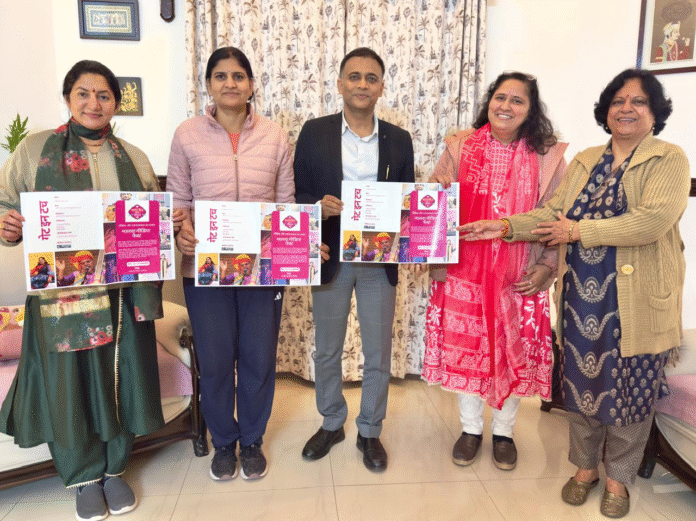
Ratlam Divisional Railway Manager (DRM) Mr. Ashwini Kumar praised the initiative of the Malwa Media Fest (MMF), stating that connecting students with the birthplace of the great revolutionary martyr Chandrashekhar Azad in Bhavra (Jhabua district) is a proud and inspiring endeavor. He said that such initiatives not only connect the younger generation with the glorious history of the country but also foster patriotism and historical awareness among students.

DRM Ashwini Kumar said that in the future, initiatives to take students to historical sites will continue to receive the support of the Ratlam Railway family. He expressed these views on the occasion of the poster release of Malwa Media Fest 3.0 edition. Present on the occasion were Kumar’s wife Dr Archana Sharma, Praveena Davesar, Aditi Davesar, and Archana Sharma, Director of Saksham Sanchar Foundation. During the program, the divisional poster of the Malwa Media Fest was also released, marking an important step in conveying the fest’s activities, objectives, and socio-educational message to the public.

It was informed that the Malwa Media Fest (MMF) will take creatively passionate students to Bhavra, where they will learn storytelling skills at the birthplace of Chandrashekhar Azad. This initiative aims to develop students’ creative expression, narrative skills, and historical understanding.

Notably, the Saksham Sanchar Foundation has been successfully organizing the Malwa Media Fest in Ratlam for the past two years. The foundation has also conducted workshops in the city on theatre and content writing.

This edition of the festival will feature a performance of Kabir bhajans by Padma Shri Prahlad Tipaniya. Additionally, a documentary on the 100th anniversary of the Kakori incident will be screened, and an exhibition on the Indian Constitution will be organized.

On the second day of the festival, special sessions will cover contemporary and intriguing topics, including Operation Sindoor and other covert operations. A musical narrative presentation on the life of Adi Shankaracharya will also be a highlight.

On the third day, sessions will focus on digital books, media, and related topics. The day will also feature a traditional fashion show and a live theatre performance on the life of Rani Abbakka, who dedicated her life to the nation by fighting the Portuguese for nearly 40 years and is regarded as one of India’s first female freedom fighters.

Representatives associated with the Malwa Media Fest, railway officials, media personnel, and other dignitaries attended the event.

Savitri Bai Phule Jayanti: Remembering The Woman Who Taught India To Think Differently

0

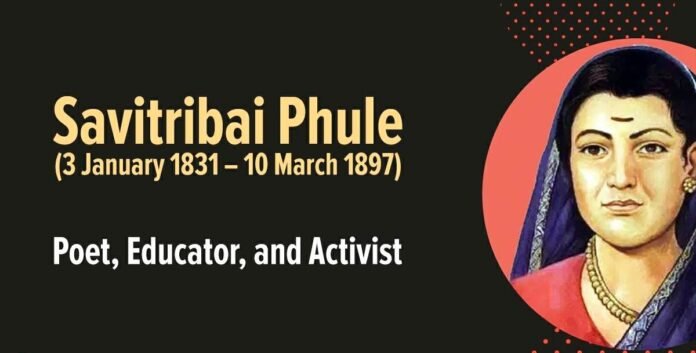
Some revolutions begin quietly, with a book in hand and courage in the heart. Savitribai Phule’s life was one such revolution. On Savitribai Phule Jayanti, India remembers not just the country’s first woman teacher, but a woman who dared to educate when education itself was denied to many, especially girls and the oppressed.

Savitribai’s Early Life

Born in 1831 in Maharashtra, Savitribai Phule grew up in a society where educating women was considered a crime, not a right. She was married at a young age to Jyotirao Phule, who became her strongest ally and partner in reform. At a time when girls were discouraged from even stepping outside their homes, Savitribai picked up a slate and walked to school every day, facing abuse, ridicule, and stones thrown at her. Yet she walked on, changing clothes when they were soiled, and returning to the classroom with unwavering resolve.

Savitribai: The first woman educator of India

In 1848, Savitribai Phule and Jyotirao Phule opened the first school for girls in Pune. This single act challenged centuries of caste and gender oppression. She did not stop there. She taught children from marginalised communities, fought untouchability, and spoke against social evils like child marriage and the ban on widow remarriage. For Savitribai, education was not about literacy alone, it was about dignity, equality, and freedom.

Savitribai: An All-Rounder

She was also a powerful poet and thinker. Through her writings, she urged people to question blind traditions and embrace reason and humanity. Her words were sharp, fearless, and deeply compassionate, reflecting a mind far ahead of its time.During the devastating plague epidemic of 1897, Savitribai once again showed what true leadership looked like. While others fled, she opened her home to the sick and personally cared for patients. She lost her life serving others, a final act that embodied the values she stood for all her life.

Savitri Bai Phule was not just India’s first woman educator. She was a symbol of resistance, courage, and hope. Her legacy lives on every time a girl goes to school, every time education breaks a barrier, and every time someone chooses equality over silence.On her Jayanti, remembering Savitribai Phule is not enough. Reading her, learning from her, and continuing her fight is the real tribute.

5 Simple Ways Retail Businesses Can Boost Sales

0

Pixabay

Boosting sales for your retail business doesn’t need to involve huge renovations or major marketing campaigns. If your end-of-year figures are looking a little low, then there are plenty of ways to increase sales without breaking the bank. It doesn;t matter whether you are a health food store, a smartwatch shop, or a fashion outlet, the fundamentals of retail and customer experience are the same.

This blog article outlines a few simple ways you can get more customers through the door and increase your sales going forward.

Work out what customers want

For your retail business to be successful, you need to help your customers solve a problem. If you can fulfill this need, they will come to you. Use your previous sales data to your advantage, working out what products people buy and which ones are less successful. Focus on keeping best-sellers well stocked and reconsider any slow-moving products.

Many POS machines automatically track sales and inventory, making it easier to see what’s performing well. This can help you make smarter ordering decisions and maximize sales.

Optimise store layout

So many retail business owners fail to realise the impact a store layout can have on customers’ shopping habits. A store that is clean and well-organized makes customers more comfortable and encourages them to spend more time browsing. Use clear signage, logical product placement, and uncluttered aisles to help shoppers find what they need quickly. When customers don’t feel frustrated or rushed, they’re more likely to explore and make additional purchases.

Pay attention to high-traffic areas like entrances and checkout counters. These are ideal spots to highlight popular or seasonal products and encourage last-minute purchases.

Train staff

Your staff can make all the difference between a good and bad shopping experience. We’ve all experienced pushy salespeople who pressure you and don’t give you any space. Train your employees to engage with customers gently, offering advice and being there to answer questions but backing off when required. Make sure staff understand your products inside and out so they can be genuinely helpful and build trust.

Use promotions strategically

Using promotions to boost sales requires a careful balance. Drop the prices too low and your profits will suffer, but don’t drop them enough and you’ll fail to entice many people. Keep promotions clear and easy to understand so people know how much money they can save. If offers are confusing or require too much mental calculation, shoppers will be discouraged. Create a sense of urgency with limited-time offers or encourage multiple purchases with bundle deals. Customers are more likely to buy when they know they are getting a bargain.

Improve the checkout experience

The checkout area is usually the last impression a customer has of your store. Ensure the payment process is smooth to help end the shopping experience on a positive note.  A reliable point of sale machine helps speed up transactions, reduce errors, and will accept multiple payment methods. This results in happier customers who are more likely to return.

Gazetted Holidays 2026 in India: A Year of Festivals, Faith and National Pride

0

As India steps into 2026, the Central Government’s official holiday calendar paints a vivid picture of the country’s cultural diversity, religious harmony and national milestones. Spread across the year, the list of Gazetted (mandatory) and Restricted (optional) holidays gives government employees a clear roadmap to plan work, travel and celebrations.

Gazetted Holidays 2026: Nation and Faith Take Centre Stage

The following table lists all Gazetted Central Government holidays 2026, which are mandatory holidays observed by all Central Government offices across India:

MonthDateDayHoliday Name
January26 JanMondayRepublic Day
March4 MarWednesdayHoli
March21 MarSaturdayId-ul-Fitr (Tentative)
March26 MarThursdayRama Navami
March31 MarTuesdayMahavir Jayanti
April3 AprFridayGood Friday
May1 MayFridayBuddha Purnima
May27 MayWednesdayId-ul-Zuha (Bakrid) (Tentative)
June26 JunFridayMuharram (Tentative)
August15 AugSaturdayIndependence Day
August26 AugWednesdayId-e-Milad (Tentative)
September4 SepFridayJanmashtami
October2 OctFridayMahatma Gandhi Jayanti
October20 OctTuesdayDussehra
November8 NovSundayDiwali (Deepavali)
November24 NovTuesdayGuru Nanak Jayanti
December25 DecFridayChristmas Day

Restricted Holidays 2026

Below is the list of Restricted (Optional) government holidays for Central Government employees in 2026:

MonthDateDayHoliday Name
January1 JanThursdayNew Year’s Day
January3 JanSaturdayHazarat Ali’s Birthday
January14 JanWednesdayPongal / Makar Sankranti
January23 JanFridayVasant Panchami
February1 FebSundayGuru Ravidas Jayanti
February12 FebThursdayMaharishi Dayanand Saraswati Jayanti
February15 FebSundayMaha Shivaratri
February19 FebThursdayShivaji Jayanti
March3 MarTuesdayHolika Dahan
March19 MarThursdayUgadi / Gudi Padwa
March20 MarFridayJumat-ul-Vida
April5 AprSundayEaster Sunday
April14 AprTuesdayVaisakhi / Mesadi
April15 AprWednesdayBahag Bihu
May9 MaySaturdayRabindranath Tagore Jayanti
July16 JulThursdayRath Yatra
August26 AugWednesdayOnam
August28 AugFridayRaksha Bandhan
September14 SepMondayGanesh Chaturthi
October18 OctSundayMaha Saptami
October19 OctMondayMaha Ashtami
October26 OctMondayMaharishi Valmiki Jayanti
October29 OctThursdayKarva Chauth
November9 NovMondayGovardhan Puja
November11 NovWednesdayBhai Dooj
November15 NovSundayChhath Puja
November24 NovTuesdayGuru Tegh Bahadur Martyrdom Day
December23 DecWednesdayHazarat Ali’s Birthday
December24 DecThursdayChristmas Eve

The Central Government of India’s official holiday list for 2026 is a must-have for all employees and departments under the national government. It spreads out gazetted and optional holidays throughout the year, making it easier to plan time off and work schedules.