Home Blog Page 92

Is an Apple a Day Really Good for Your Health?

0

We’re often told that “an apple a day keeps the doctor away”—but does this humble fruit really have such a powerful effect on our health?

Apples are among the world’s most popular fruits. Nearly 100 million tonnes are produced globally each year, and they come in a wide variety of colours, flavours, and textures. For generations, apples have been linked with good health, an idea popularised by a Welsh proverb from 1866: “Eat an apple on going to bed and you’ll keep the doctor from earning his bread.”

But is there real science behind the saying—and are apples healthier than other fruits?

What Makes Apples Healthy?

Apples are rich in phytochemicals, including flavanols, which have been linked to maintaining a healthy weight and reducing the risk of heart disease. They also contain polyphenols such as anthocyanins, which give red apples their colour and are associated with better heart health.

Another notable compound found in apples is phloridzin, which has been shown to help regulate blood glucose levels.

Apples are also high in fibre, particularly pectin. Pectin helps reduce levels of low-density lipoprotein (LDL), often referred to as “bad” cholesterol, and slows the absorption of sugar and fat from food, contributing to more stable blood sugar levels.

What Does the Research Say?

Evidence suggests these nutrients do translate into real health benefits. A 2017 review of five studies found that apple consumption was associated with an 18% lower risk of developing type 2 diabetes. A 2022 review of 18 studies reported that regularly eating apples or apple-derived products, such as juice, can help reduce cholesterol levels—provided the habit is maintained for more than a week.

A healthy diet overall can reduce cancer risk by up to 40%, largely due to bioactive compounds such as phytochemicals, which are abundant in apples. Some studies have even linked apple consumption with a lower risk of certain cancers.

Are Apples Better Than Other Fruits?

While apples are undoubtedly healthy, experts caution against viewing them as nutritionally superior to all other fruits.

“Apples don’t have much vitamin C, and they have no iron or calcium,” says Janet Colson, professor of nutrition and food science at Middle Tennessee State University. “But they contain many other ingredients that promote health and do wonderful things for the body.”

Apples share many beneficial compounds with other fruits and vegetables, including polyphenols, explains Flavia Guzzo, associate professor of plant biology at the University of Verona. Polyphenols act as antioxidants, helping to neutralise harmful free radicals that can damage cells and contribute to chronic diseases such as cancer and heart disease.

Some researchers claim apples have the second-highest antioxidant power among all fruits, and they are an especially important dietary source of phenolic compounds. One study found that people in the US obtain around one-fifth of their total phenolic intake from apples. These compounds have been linked to a lower risk of heart disease, cancer, asthma, diabetes, and obesity.

Another advantage of apples is their accessibility. They are affordable, widely available, and easy to store—making regular consumption more achievable for many people than some other fruits.

Does an Apple a Day Really Keep the Doctor Away?

Despite their benefits, eating an apple every day does not guarantee fewer trips to the doctor.

A 2015 study analysing dietary data from nearly 9,000 people found that apple-eaters were slightly more likely to avoid doctor visits than non–apple-eaters. However, the difference was not statistically significant once factors such as education level and smoking habits were taken into account.

“The relationship is complex,” says Matthew Davis, adjunct associate professor of epidemiology at Dartmouth Geisel School of Medicine. Apple-eaters, he notes, also tend to have generally healthier lifestyles.

As Davis and others have suggested, a more accurate saying might be:
“An apple a day keeps the pharmacist away.”
Republic Day Chief Guest 2026: List of All Chief Guests on Delhi Republic Day Parades

0

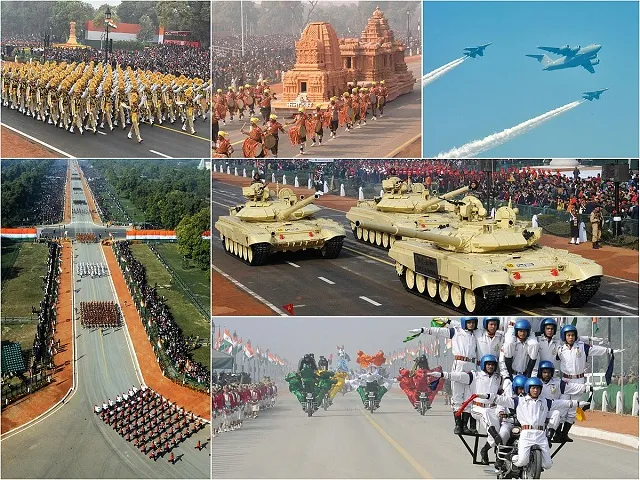
Chief Guests at Delhi Republic Day Parade 2026: Delhi, the capital of India is all set for the grand parade on Kartavya Path (formerly Rajpath) on the occasion of Republic Day. Now, let’s have a look at the list of all Chief Guests on Delhi Republic Day Parades (1950–2026).  

Chief Guests at Delhi Republic Day Parade 2026: This was the fourth occasion where an Indonesian leader was invited after Sukarno (1950), Susilo Bambang Yudhoyono (2011), and other leaders. This has enhanced the relationship between India and Indonesia due to the common interests in the area of defense, trade, and Indo-Pacific.

When Prabowo took office in October 2024, he came on a state visit (January 25-26) meeting the Prime Minister, Narendra Modi, and attending the parade at Kartavya Path.

Another historic moment was the 352 member Indonesian military contingent in the parade-the first time they have attended a Republic Day ceremony outside their own country.

The festivals underlined Swarnim bharat (Golden India): Virasat aur Vikas (the theme) with Prabowo as the guest of honor of the events organised by President Droupadi Murmu.

India as an independent, sovereign, and democratic country implemented its constitution on 26 January 1950. Since then, India being the Democratic Republic celebrates a grand ceremony every year to commemorate Republic Day, and a Foreign Leader is invited every year by the  Indian Government. 

The initial four Republic day parades were held at different places (Red Fort, Ramlila Grounds, Irwin Stadium, Kingsway) between 1950 to 1954. However, in 1955, Rajpath was chosen as the permanent venue for Republic Day celebrations.

On 26 January 1950, Indonesian President Sukarno was the first Chief guest on the very first Republic Day parade of India. Representatives from the United Kingdom and France have been invited 5 times each.

List of all the Chief Guests at the Republic Day Parade (1950-2026)

YearChief Guest Name(s)Country(ies)
1950President SukarnoIndonesia 
1951King Tribhuvan Bir Bikram ShahNepal 
1952No invitation— 
1953No invitation— 
1954King Jigme Dorji WangchuckBhutan 
1955Governor-General Malik Ghulam MuhammadPakistan 
1956R. A. Butler; Kotaro TanakaUnited Kingdom; Japan 
1957Marshal Georgy ZhukovSoviet Union 
1958Marshal Ye JianyingChina 
1959Duke of Edinburgh (Prince Philip)United Kingdom 
1960President Kliment VoroshilovUSSR 
1961Queen Elizabeth IIUnited Kingdom 
1962Prime Minister Viggo KampmannDenmark 
1963King Norodom SihanoukCambodia 
1964Chief of Defence Staff Lord Louis MountbattenUnited Kingdom 
1965Food and Agriculture Minister Rana Abdul HamidPakistan 
1966No invitation— 
1967King Mohammed Zahir ShahAfghanistan 
1968Prime Minister Alexei Kosygin; President Josip Broz TitoUSSR; SFR Yugoslavia 
1969Prime Minister Todor ZhivkovBulgaria 
1970King BaudouinBelgium 
1971President Julius NyerereTanzania 
1972Prime Minister Seewoosagur RamgoolamMauritius 
1973President Mobutu Sese SekoZaire 
1974President Josip Broz Tito; Prime Minister Sirimavo BandaranaikeSFR Yugoslavia; Sri Lanka 
1975President Kenneth KaundaZambia 
1976Prime Minister Jacques ChiracFrance 
1977First Secretary Edward GierekPoland 
1978President Patrick HilleryIreland 
1979Prime Minister Malcolm FraserAustralia 
1980President Valéry Giscard d’EstaingFrance 
1981President José López PortilloMexico 
1982King Juan Carlos ISpain 
1983President Shehu ShagariNigeria 
1984King Jigme Singye WangchuckBhutan 
1985President Raúl AlfonsínArgentina 
1986Prime Minister Andreas PapandreouGreece 
1987President Alan GarcíaPeru 
1988President Junius JayewardeneSri Lanka 
1989General Secretary Nguyen Van LinhVietnam 
1990Prime Minister Anerood JugnauthMauritius 
1991President Maumoon Abdul GayoomMaldives 
1992President Mário SoaresPortugal 
1993Prime Minister John MajorUnited Kingdom 
1994Prime Minister Goh Chok TongSingapore 
1995President Nelson MandelaSouth Africa 
1996President Fernando Henrique CardosoBrazil 
1997Prime Minister Basdeo PandayTrinidad and Tobago 
1998President Jacques ChiracFrance 
1999King Birendra Bir Bikram Shah DevNepal 
2000President Olusegun ObasanjoNigeria 
2001President Abdelaziz BouteflikaAlgeria 
2002President Cassam UteemMauritius 
2003President Mohammed KhatamiIran 
2004President Luiz Inácio Lula da SilvaBrazil 
2005King Jigme Singye WangchuckBhutan 
2006King Abdullah bin AbdulazizSaudi Arabia 
2007President Vladimir PutinRussia 
2008President Nicolas SarkozyFrance 
2009President Nursultan NazarbayevKazakhstan 
2010President Lee Myung‑bakSouth Korea 
2011President Susilo Bambang YudhoyonoIndonesia 
2012Prime Minister Yingluck ShinawatraThailand 
2013King Jigme Khesar Namgyel WangchuckBhutan 
2014Prime Minister Shinzo AbeJapan 
2015President Barack ObamaUnited States 
2016President François HollandeFrance 
2017Crown Prince Sheikh Mohammed bin ZayedUnited Arab Emirates 
2018Leaders from 10 ASEAN countries (e.g., Sultan Hassanal Bolkiah, President Joko Widodo)ASEAN nations 
2019President Cyril RamaphosaSouth Africa 
2020President Jair BolsonaroBrazil 
2021Prime Minister Boris Johnson (visit cancelled due to COVID)United Kingdom 
2022No chief guest (COVID restrictions)— 
2023President Abdel Fattah el‑SisiEgypt 
2024President Emmanuel MacronFrance 
2025President Prabowo SubiantoIndonesia 
2026Ursula von der Leyen; António CostaEuropean Union

The main purpose of inviting a Foreign Leader is to boost bilateral relations and to show the diversity and prosperity of the Indian culture. 

How is the Chief Guest chosen for India’s Republic Day?

The Chief Guest at India’s Republic Day parade is accorded the country’s highest honour in protocol terms but do you know how the Republic Day Chief Guest is chosen?

Six months before Republic Day, the Indian Government sends the invitation to either the Head of State or the Government subject to the kind of relationship India has with the concerned country. 

Before sending the invitation, the approval of the Indian Prime Minister is sought in addition to clearance from the President of India.

Rado Celebrates Togetherness with Katrina Kaif and Hrithik Roshan

0

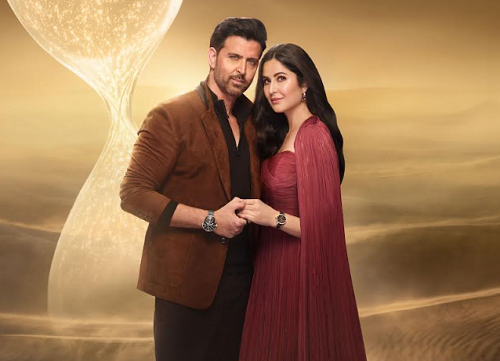
Swiss watchmaker Rado brings together its two global ambassadors, Katrina Kaif and Hrithik Roshan, in a striking new campaign that celebrates connection through contrast. Building on the success of their first collaboration, the latest narrative explores two distinct worlds—opposite in character yet irresistibly drawn to one another—united by a single, defining force: the Rado anchor. A symbol of precision, reliability, and consistency, the anchor becomes the emotional and visual thread linking these parallel journeys.

Two Worlds Apart

The campaign delves into the unique personal universes of Katrina and Hrithik, each shaped by their individual sensibilities and artistic identities. Katrina is portrayed within an architectural landscape of curves, light, and fluid forms—a labyrinth of airy arches draped in white and beige veils. This ethereal setting reflects purity, elegance, and lightness, echoing her distinctive presence. On her wrist, the Centrix Diamonds shimmer subtly, complementing both her refined aura and the serene environment around her.

In contrast, Hrithik is seen in a raw, organic, and powerful landscape defined by volcanic rock formations sculpted over time. This dramatic setting mirrors his depth, strength, and spirit of exploration. He wears the Captain Cook High-Tech Ceramic Chronograph, a robust timepiece designed for adventure, whose bold lines resonate with the intensity and energy of his world.

When Opposites Meet

At first, these two worlds appear to exist in parallel—distinct and disconnected. Yet, an invisible force gradually draws them together. That force is the Rado anchor, more than just a symbol and now a signature element present on all Rado automatic watches. Representing balance and permanence, the anchor transcends time and space, becoming the magnetic core of the campaign. It guides Katrina and Hrithik toward a shared universe—one where contrasts converge, energies complement each other, and individual paths align.

Their meeting is not merely a physical encounter, but a metaphor for harmony born out of difference. It reflects the creation of a new, unified space shaped by movement, connection, and Rado’s enduring elegance.

The Art of Connecting Worlds

Through this campaign, Rado reinforces its philosophy that every watch is an invitation—to explore, to feel, and to connect. Whether defined by softness or strength, delicacy or boldness, lightness or resilience, a Rado timepiece accompanies individuals on their unique journeys while symbolizing the timeless bonds that bring them together.

Inverter Window AC Prices vs Fixed-Speed Units: What’s Worth It?

0

As summer temperatures soar, investing in a reliable air conditioning solution becomes significant for homeowners looking to stay comfortable indoors. Window air conditioners have long been a favorite choice for cooling single rooms, apartments, or small spaces, thanks to their convenience and simple installation. 

Evaluating the window AC’s price early on can help narrow down options that align with both your budget and cooling requirements.

Window air conditioners are generally available in two primary types: inverter units and fixed-speed models. Understanding the difference in both function and price helps you choose what fits your comfort needs and budget. Let’s learn the key differences and determine which option offers the best value.

Understanding Fixed-Speed Window ACs

Understanding how different window AC types function can help you choose the right option for your home and budget. Fixed-speed (non-inverter) window ACs remain a popular choice due to their straightforward operation and affordable pricing. Below is a clear breakdown of their features, benefits, and limitations to help you make an informed decision.

● Simple Operating Mechanism

Fixed-speed, or non-inverter, window ACs are easy to use. They switch on at full power when the room temperature rises above the thermostat setting and turn off once the desired temperature is reached, repeating this cycle to maintain cooling.

● Ideal for Limited or Occasional Use

If you live in an area with mild temperature variations or use the AC only occasionally, a fixed-speed unit can provide effective cooling without excessive investment.

● Lower Energy Efficiency

These ACs are less energy-efficient because the compressor operates at full capacity every time it starts, which can increase power consumption.

The Appeal of Inverter Window ACs

Inverter window ACs are designed for users who prioritize energy efficiency and long-term comfort, even if the price of a window AC is comparatively higher at the time of purchase. With advanced compressor technology and smoother performance, these units offer a modern cooling solution for homes that require consistent temperature control. The points below highlight their key features and benefits to help you decide if an inverter model suits your needs:

1. Variable-speed Compressor Operation

Inverter window ACs use a variable-speed compressor that adjusts its speed according to cooling needs, helping maintain a stable room temperature while using less energy.

2. Improved Energy Efficiency

Energy efficiency is one of the strongest advantages of inverter units. Reduced power consumption over time can balance out the higher window AC’s price associated with inverter models.

3. Cost-effective for Long-term Use

For homes that use air conditioning for long hours or experience intense summer heat, inverter window ACs can prove more economical in the long run.

4. Quieter Performance

The absence of frequent start-stop cycles results in quieter operation, creating a more comfortable indoor environment.

5. Reduced Wear and Longer Lifespan

Smoother compressor functioning leads to less mechanical stress, which can contribute to a longer lifespan compared to fixed-speed units.

Factors to Consider Before Purchasing

When choosing between an inverter and a fixed-speed window AC, the decision should be guided by how and where you intend to use the appliance, as well as the price of a window AC that fits your budget. Each option offers distinct advantages depending on lifestyle, comfort expectations, and usage patterns.

1. Usage Frequency

If the AC is expected to run for long hours each day, such as during peak summer months or in frequently occupied rooms, an inverter model is better suited, even if the price of a window AC is higher initially. 

Its ability to adjust cooling output helps maintain comfort without frequent power surges. Fixed-speed units, on the other hand, are more appropriate for occasional or limited use, where a lower-priced window AC may be preferred.

2. Energy Efficiency

Inverter window ACs typically feature higher Seasonal Energy Efficiency Ratio (SEER) ratings, which indicate more efficient energy use over time. By adjusting compressor speed based on cooling demand, they avoid unnecessary power consumption, making them suitable for sustained operation.

3. Budget Considerations

Fixed-speed window ACs require a lower initial investment, making the price of a window AC more accessible when upfront spending needs to be kept minimal. They deliver effective cooling without additional technology, which can be sufficient for straightforward requirements.

4. Noise Sensitivity

For spaces where quiet operation matters, such as bedrooms, home offices, or study areas, inverter ACs are preferable. Their steady operation reduces noise levels compared to the frequent start-stop sounds associated with fixed-speed models.

5. Longevity and Durability

Inverter ACs operate more smoothly, placing less strain on internal components. This reduced mechanical stress can contribute to better long-term performance and durability. Fixed-speed units may experience more wear due to repeated on-off cycles, especially with heavy use.

Choose the AC That Matches Your Needs and Usage 

Choosing between inverter and fixed-speed window ACs is about balancing immediate affordability with the price of a window AC against long-term comfort and performance. Fixed-speed models suit those seeking straightforward cooling for limited use, while inverter ACs are better suited to frequent operation, stable temperature control, and quieter performance. Factors such as room size, local climate, and daily usage patterns play a significant role in determining which option delivers the best experience.

Taking time to assess your lifestyle and expectations helps ensure better satisfaction over time. For clearer comparisons of features, efficiency, and price across different window AC models, exploring options from a trusted electronics brand like Kelvinator can help you make a well-informed decision.

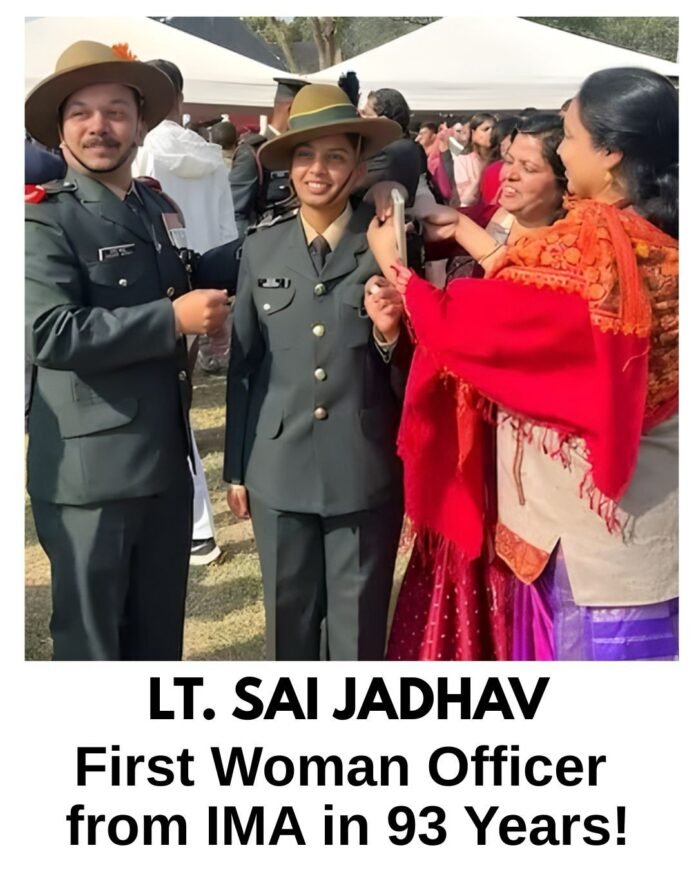
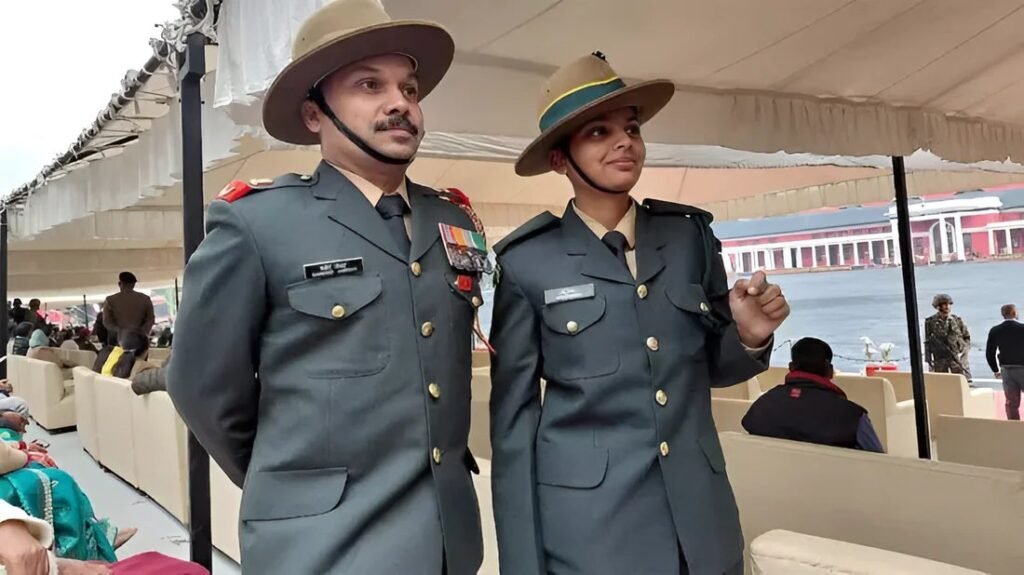
Meet Sai Jadhav The First Woman Territorial Army Officer In IMA’s 93-Year History

0

In a significant milestone for India’s armed forces, Sai Jadhav has scripted history by becoming the first woman Territorial Army (TA) officer to graduate from the Indian Military Academy (IMA) in Dehradun. Her achievement comes nearly a century after the academy was established, marking a moment of pride and progress for gender equality in the country’s defence services.

Breaking barriers at the Indian Military Academy

Sai Jadhav’s journey to this achievement has not been easy. She entered the Indian Military Academy as a TA officer cadet a role that allows civilians with professional expertise to serve in the Army part-time, while continuing their civilian careers. Unlike regular commissioned officers, TA officers balance military training with civilian responsibilities, making Jadhav’s feat all the more remarkable.Having completed the demanding training regime at IMA, Jadhav now holds the distinction of being the first woman in the academy’s 93-year history to earn a TA officer commission. Her achievement reflects a broader shift in the armed forces towards empowering women in roles that were once considered exclusive to men.

A journey of dedication and service

Jadhav’s path to the academy involved rigorous physical and academic preparation, similar to that of regular Army cadets. The training at IMA is known for its discipline-intensive schedule, leadership development and military tactics designed to instill courage, resilience and strategic thinking in future officers. Successfully completing this demanding course demonstrates not only her physical endurance but also her determination and leadership qualities.

Meet Sai Jadhav The First Woman Territorial Army Officer In IMA’s 93-Year History

Balancing civilian life and military ambition

Territorial Army officers are unique because they bring expertise from civilian fields such as engineering, medicine, finance, education, and the arts, while also contributing to national defence when needed. Sai Jadhav’s accomplishment highlights how talented individuals from civilian backgrounds can step up and serve the nation with distinction, while continuing to excel professionally outside the Army as well.

What her achievement means

This moment has been widely welcomed as a milestone for women’s representation in India’s defence forces. It shows that opportunities for women are expanding beyond traditional roles into positions requiring equal courage, strategy and resolve. Jadhav’s success will likely inspire other women across the country to aim for similar heights, reshaping perceptions about gender roles in security institutions.

A source of pride and inspiration

Sai Jadhav’s historic accomplishment at the Indian Military Academy stands as a testament to determination, patriotism and the changing face of India’s armed forces. As the first woman TA officer in nearly a century of IMA history, she not only carries the pride of her own achievement but also becomes a role model for future generations of women aspiring to serve the nation.

Heteroflexibility Explained Why This Is Being Called The Fastest-Growing Sexuality Of The Year

0

A growing number of people around the world are identifying with a sexual identity known as heteroflexibility, which has recently been described as the fastest-growing sexuality according to data from a popular dating app’s annual report. This trend reflects shifting attitudes toward how people understand attraction and challenge traditional labels.

What does heteroflexible mean ?

At its core, heteroflexibility refers to individuals who identify as predominantly heterosexual but open to occasional same-sex experiences, attraction or curiosity. It differs from bisexuality, where a person consistently experiences attraction to more than one gender. Heteroflexible people tend to see themselves as “mostly straight” while acknowledging flexibility in how they connect with others.

A trend growing faster than other identities

Data from the 2025 “Feeld Raw” report, published by the dating platform Feeld, shows that the number of users identifying as heteroflexible rose by around 193 percent over the past year. This surge makes heteroflexibility the fastest-growing sexual identity on the platform for 2025. Analysts suggest that this growth is less about a strict category and more about people seeking labels that reflect their personal experiences with sexuality.

Millennials and geography

The report also found that millennials make up the largest proportion of people identifying as heteroflexible, with Generation Z and older generations following behind. Cities such as Berlin were highlighted as having especially high levels of identification with the term.

Fluidity and personal identity

Experts note that heteroflexibility captures a wider range of experiences, from people who are mostly attracted to the opposite sex but have occasionally felt same-sex attraction, to those who describe themselves as curious or open to experiences outside traditional categories. Some people use the term as a way to articulate attraction without fully adopting broader labels like bisexual or pansexual.

Conversation and complexity

While the rise of heteroflexibility has been welcomed by many as an example of evolving understanding of human sexuality, it has also sparked discussion. Some critics argue that it can overlap with established identities, raising questions about visibility and representation. Others see the trend as reflecting a broader cultural shift toward acknowledging sexual fluidity and personal nuance in how people identify themselves.

What it tells us about today’s attitudes

The growing use of the heteroflexible label suggests that more people are willing to explore and articulate their sexual experiences outside rigid binaries. It highlights a generational trend toward openness, curiosity and personalised identity and underscores how contemporary understandings of sexuality continue to evolve in response to lived experience.

Deepika Padukone Launches Major New Initiative For Emerging Film Talent

0

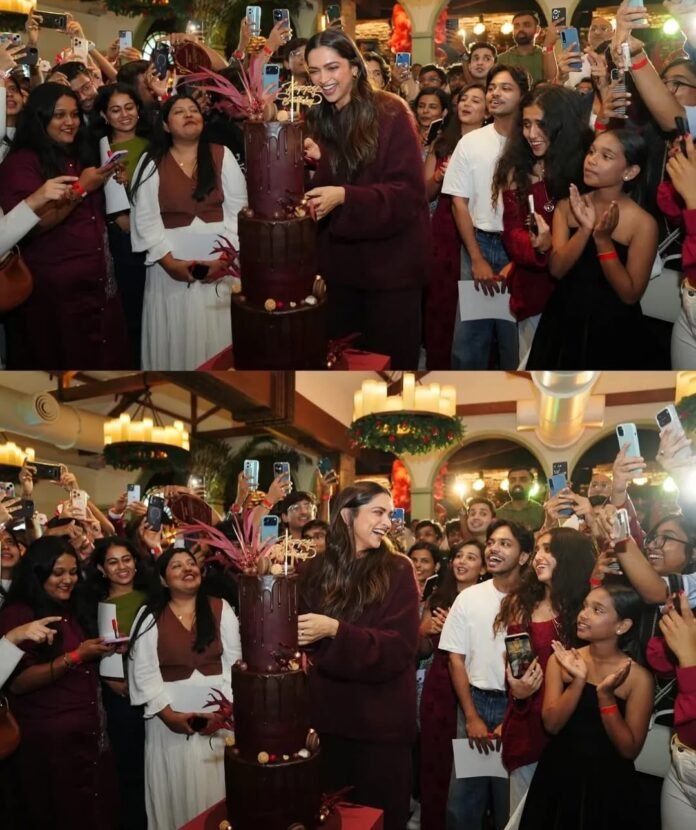
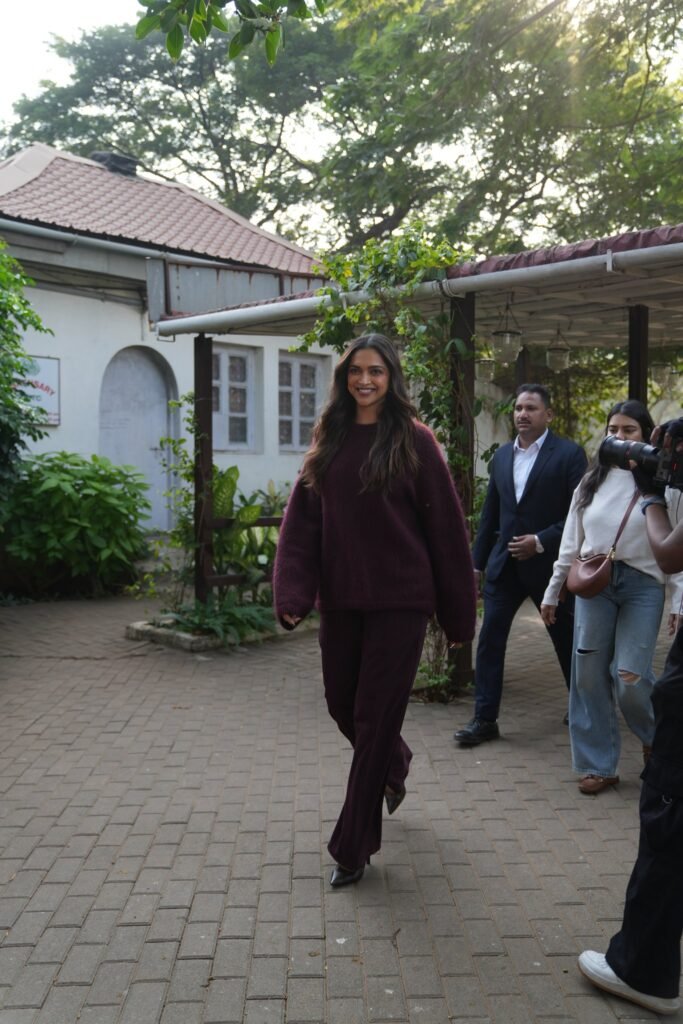
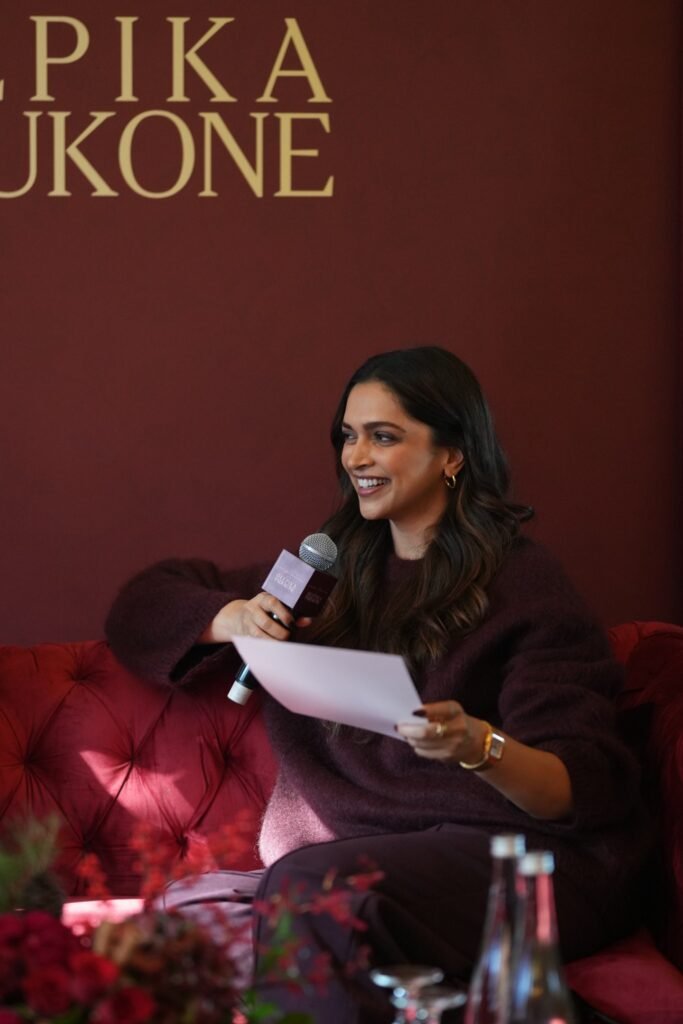
Bollywood star Deepika Padukone marked her 40th birthday on January 5, 2026, with a significant announcement aimed at nurturing the next generation of creative professionals in India’s entertainment industry. The actor-producer unveiled The OnSet Program, a new initiative designed to provide structured opportunities, training and industry exposure for aspiring talent across film, television and advertising.

Nurturing talent behind the camera

The OnSet Program is part of Deepika’s broader Create With Me platform, which focuses on empowering fresh voices and helping them build meaningful careers in creative fields. Rather than concentrating only on acting or celebrity endorsements, the initiative highlights the importance of the often-overlooked technical and creative departments that bring stories to life on screen.

Deepika Padukone Launches Major New Initiative For Emerging Film Talent

How The OnSet Program works

In its first phase, The OnSet Program will support aspiring professionals across multiple key areas, including writing and direction, cinematography (camera and lighting), editing and sound design, art and costume design, hair and make-up artistry, and production management. Participants will have the chance to gain hands-on, on-set experience, bridging the gap between training and professional work.

Deepika shared her vision for the initiative in a video posted on social media, saying that over the past year she felt strongly about “identifying incredible creative talent from across the country and beyond and giving them a platform to be seen, heard and experienced.” She added that she was thrilled to introduce the next generation of creative talent to the world.

Deepika Padukone Launches Major New Initiative For Emerging Film Talent

A platform for new voices and real opportunity

Unlike many celebrity-backed talent hunts that focus on brief competitions or spotlights, The OnSet Program is structured both as a learning programme and a launch pad. Talented individuals who already have foundational skills will be able to use the programme as a springboard to work on real projects, take on larger responsibilities and collaborate with industry professionals.

Applications are open through the initiative’s official portal, where aspiring creators can submit their work and personal stories for consideration. Selected participants will gain exposure to real industry environments, helping them transition from training to professional execution.

Larger implications for Indian entertainment

Deepika Padukone’s initiative comes at a time when the Indian film industry is rapidly evolving, with new creative roles and storytelling formats emerging across digital, television, and advertising platforms. By emphasizing technical and creative crafts, The OnSet Program recognises that strong storytelling needs both visible and behind-the-scenes talent.

With The OnSet Program, Deepika aims to ensure that new voices are not only discovered but also given the resources and space to thrive a move that could reshape how creative professionals enter and grow within the industry.

India Crowned World’s Largest Rice Producer, Overtaking China In A Landmark Agricultural Achievement

0
India Crowned World’s Largest Rice Producer, Overtaking China In A Landmark Agricultural Achievement

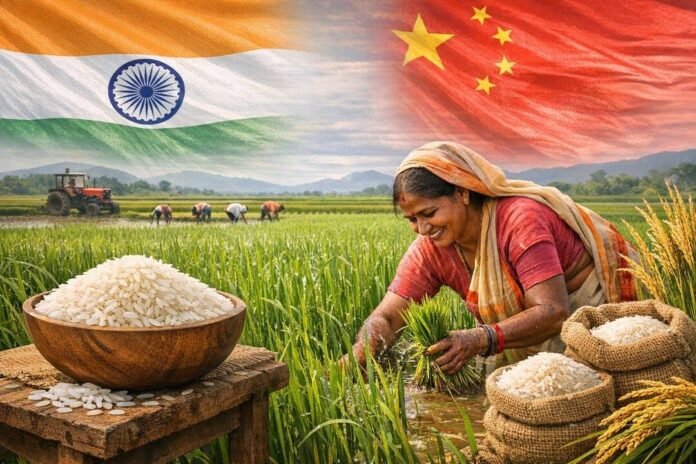
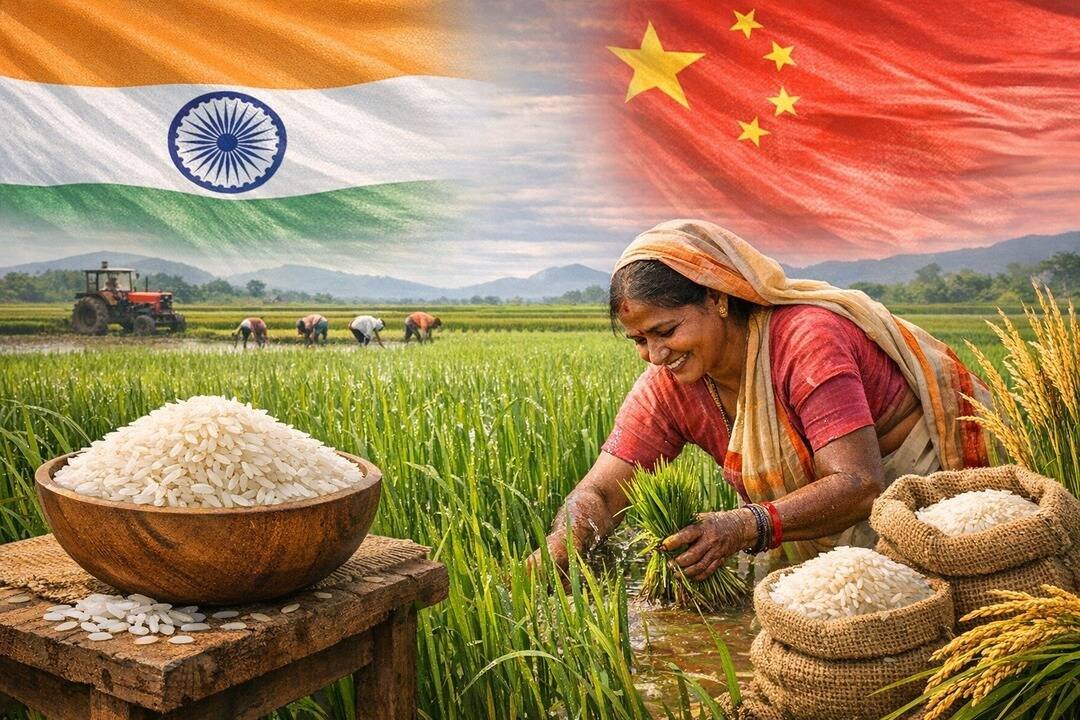
In a major milestone for Indian agriculture, India has officially become the world’s largest rice producer, surpassing China with a record output of 150.18 million tonnes in the 2024-25 crop cycle. Union Agriculture Minister Shivraj Singh Chouhan announced the achievement on January 5, framing it as a historic moment that reflects years of policy focus, scientific innovation and farmers’ hard work.

India overtakes china in rice production

Speaking at an event in New Delhi, Chouhan revealed that India’s rice output now exceeds China’s estimated production of 145.28 million tonnes. The minister described this shift not only as a numeric milestone but as evidence of India’s evolution from a nation once concerned about food shortages to a leading global food supplier. He noted that abundant foodgrain stocks and rising productivity have strengthened India’s food security and export capabilities.

New seed varieties to boost productivity

The announcement coincided with the release of 184 new high-yielding and climate-resilient crop varieties developed by the Indian Council of Agricultural Research (ICAR). These include improved seeds across 25 crops, such as cereals, oilseeds, pulses, fodder and cotton. Chouhan emphasised that these advanced varieties will help farmers achieve higher yields, better quality produce and increased income, while also reinforcing resilience against environmental stresses like drought and soil salinity.

Driving factors behind the milestone

Experts and officials attribute India’s rice production surge to a combination of scientific support, expanded seed technology and sustained policy efforts. Over 3,236 high-yielding varieties have been approved under the current government, outpacing earlier periods, and collaboration between research institutions, state universities and private seed firms has helped bring innovations directly to farmers’ fields.

Impact on farmers and markets

With India now leading in rice output, the country’s role in global food markets is further solidified. Increased production supports India’s bid to expand rice exports, offering opportunities in international markets. At the same time, officials emphasised the need for continued focus on other crops such as pulses and oilseeds to ensure balanced agricultural growth and improved rural livelihoods.

Significance of the achievement

This new ranking ahead of China highlights India’s agricultural transformation and growing influence in global food systems. It reflects not only impressive production figures but also the broader success of targeted agricultural reforms, scientific investment and farmers’ adaptation to innovative practices. As India celebrates this achievement, the focus now includes ensuring sustainability, enhancing farmer support and maintaining momentum across crop sectors.

Power Banks Barred From Flights As Aviation Authorities Tighten Safety Rules

0
Power Banks Barred From Flights As Aviation Authorities Tighten Safety Rules

Passengers carrying power banks may soon need to rethink their travel essentials as new aviation safety rules restrict the use of power banks on flights. The updated guidelines, issued in the interest of passenger safety, focus on the growing concern around lithium-ion batteries and their potential fire risks at high altitudes.

Why power banks are under scrutiny

Power banks operate on lithium-ion batteries, which are known to overheat, short-circuit or catch fire if damaged or poorly manufactured. Over the years, several in-flight incidents across the world involving smoking or burning power banks have raised red flags for aviation regulators. With aircraft cabins being confined spaces, even a minor battery malfunction can pose serious safety threats.

What the new rules say.

Under the revised aviation safety norms, passengers are no longer allowed to use power banks during flights. While carrying power banks in hand baggage may still be permitted under specific capacity limits, their usage for charging phones, tablets or other devices onboard has been restricted. Power banks continue to remain strictly prohibited in checked-in luggage.Capacity limits passengers should knowAviation authorities have reiterated that only power banks within prescribed watt-hour limits are allowed in cabin baggage. Typically, power banks up to 100 Wh are permitted without special approval, while those between 100 Wh and 160 Wh may require airline permission. Devices exceeding this limit are not allowed on board under any circumstances.

What travellers should do before flying

Passengers are advised to check airline-specific guidelines before heading to the airport, as rules may vary slightly between carriers. Charging devices fully before travel, using in-seat charging ports where available, and carrying manufacturer-certified power banks can help avoid inconvenience at security checks.

Why safety comes first

The move reflects a broader push by aviation regulators to minimise onboard fire hazards. Lithium battery fires are difficult to extinguish and can spread rapidly, making prevention critical. By restricting power bank usage mid-air, authorities aim to reduce risks without significantly disrupting passenger convenience.

What this means for frequent flyers

For frequent travellers, the change signals a shift towards stricter enforcement rather than a complete ban. Power banks remain useful for airport use and layovers, but once onboard, passengers will need to rely on aircraft power outlets or conserve battery usage.As air travel continues to grow, safety regulations are evolving alongside technology. The latest rules serve as a reminder that even everyday gadgets must meet strict standards when thousands of feet above the ground.

Makar Sankranti 2026: From Gujarat to Prayagraj, 5 Most Colorful Places to Celebrate the Festival

0

Makar Sankranti 2026 Places to Visit: Makar Sankranti is not celebrated in the same way across India. Every region observes this festival with its own name, traditions, and style of celebration.

Makar Sankranti 2026 Places to Visit:
As soon as the Sun begins its northward journey (Uttarayan), the festive season in India begins, starting with the sacred festival of Makar Sankranti, which will be celebrated on January 14 or 15, 2026. While the festival is observed across the country, it is known by different names and celebrated in diverse ways.

Makar Sankranti symbolizes the transition from darkness to light and from cold to renewed energy. On this day, the Sun enters the zodiac sign Capricorn (Makara), marking the shift from Dakshinayan to Uttarayan, which is considered highly auspicious in Indian tradition.

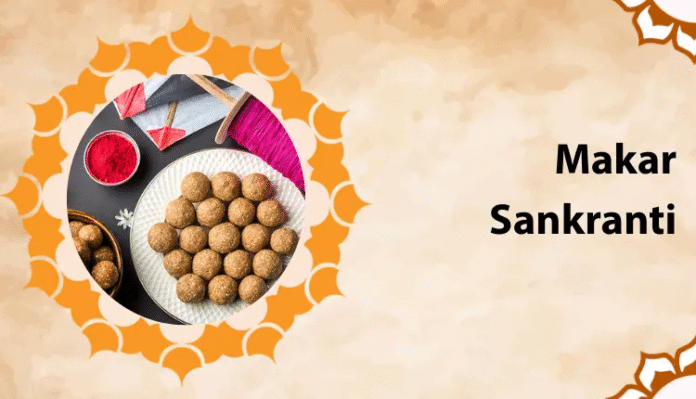
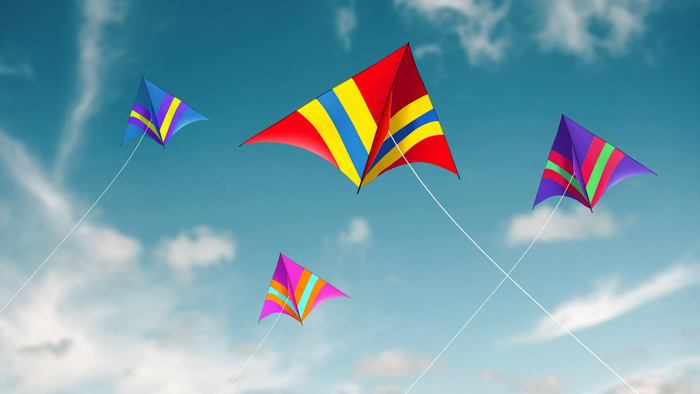
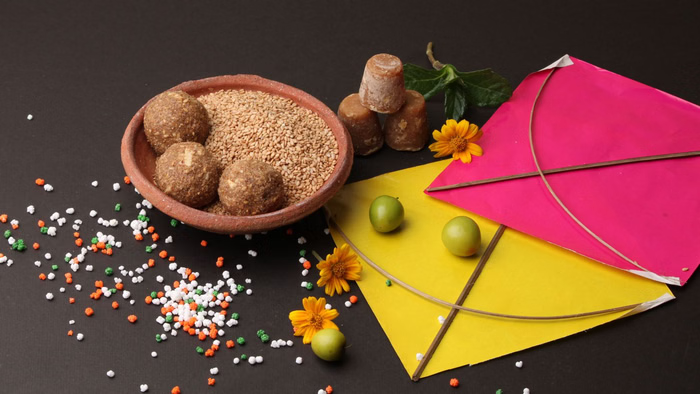
The joy of a new harvest in the fields, the sweetness of sesame and jaggery in homes, and colorful kites filling the sky—Makar Sankranti brings happiness in every form.

However, the festival is not celebrated uniformly across India. Each region embraces it with its own colors, names, and customs. Let us explore the places where the celebrations are especially spectacular.

Gujarat

Makar Sankranti 2026: From Gujarat to Prayagraj, 5 Most Colorful Places to Celebrate the Festival

(Photo: iStock)

In Gujarat, Makar Sankranti is not just a festival but a grand public celebration. Cities like Ahmedabad, Surat, and Vadodara host the International Kite Festival. People fly kites from rooftops, shouting “Kai Po Che.” Traditional dishes like undhiyu, jalebi, and chikki define the celebration. At night, illuminated tukkal (lantern kites) make the sky look magical.

Prayagraj, Uttar Pradesh

Makar Sankranti 2026: From Gujarat to Prayagraj, 5 Most Colorful Places to Celebrate the Festival

In Prayagraj, Makar Sankranti is celebrated with a holy dip at the Sangam. In Uttar Pradesh, the festival is synonymous with sacred bathing. Millions of devotees take a dip at the confluence of the Ganga, Yamuna, and the mythical Saraswati rivers. Charity, donations of food, clothes, sesame seeds, and khichdi hold special significance. The day symbolizes spiritual purification.

Tamil Nadu

(Photo: Amar Ujala)

In Tamil Nadu, Makar Sankranti is celebrated as Pongal, a four-day festival comprising Bhogi, Thai Pongal, Mattu Pongal, and Kaanum Pongal. Sweet Pongal made from the new harvest, worship of cows and bulls, and colorful rangoli designs at home entrances reflect gratitude toward farmers and nature.

Rajasthan

Makar Sankranti 2026: From Gujarat to Prayagraj, 5 Most Colorful Places to Celebrate the Festival

(Photo: Adobe Stock)

In Rajasthan, the festival is a blend of kite flying and folk culture. Jaipur and other cities host kite-flying competitions, folk songs, and traditional cuisine. Women dress in traditional attire and offer prayers to the Sun God, making the celebrations vibrant and culturally rich.