Home Blog Page 897

Do you know micro greens make nutritious gifts during COVID-19 era? Read here for details

0

Do you know micro greens make the best nutritious gifts during COVID-19 era?

Surprised, isnt it? But it is true that micro greens can be gifted as pack to promote health benefits in present times when world is battling the most difficult fight with un unseen enemy.

Even in these testing times, women entrepreneurs continue keeping their spirits up and Jaipur is no exception with women entrepreneurs here devising unique ways to promote their businesses.

Do you know micro greens make nutritious gifts during COVID-19 era? Read here for details
One amongst them is Nisha Chaudhary who has devised a special unique technique of growing microgreens by using tissue papers.
Under this technique, Nisha uses a shallow plastic or cardboard tray and then spreads out 2–3 kitchen paper towels/tissue papers.
Water is sprayed on it lightly which is followed by scattering a handful of your chosen seeds. It’s again being covered with a light layer of tissue paper.
Now, one needs to sprinkle water very lightly from time to time on this base which needs to be kept on your window sill or in a well lit area.
The microgreens are ready in a 4 -5 days. In fact, they are ready to be used when 3- 4 leaves appear.

She says, “Microgreens are fast gaining popularity as they are rich in flavour and add a welcome splash of colour to a variety of dishes.”

Also she has expert skills to plant different saplings in beautiful pots which can be gifted to corporate clients.

This woman entrepreneur is now busy promoting living plants and beautiful designer pots as gifts.

Nisha basically is a landscape designer, is passionate for gardening and for creating beautiful outside spaces. She inspires all to reconnect with outdoor spaces and take care of the greenery around us. She promotes living plants and beautiful designer pots as gifts. Also Nisha creates and maintains functional and aesthetically pleasing outdoor spaces in tiny yards or balconies, large gardens of hotels, schools and office spaces.
Speaking on micro greens, she says, “I chose micro greens because they have a important role in human nutrition and health as their nutrient contents tend to be rich in potassium iron, zinc etc and this all together enhances immunity which is very vital and need of the time especially in the time of COVID,” she says further

The story of Elon Musk who is different from other business leaders in the world

0

This is a story of Elon Musk who while reading books in his childhood developed a keen interest in computing. He was 10 when he developed the code of a video game called Blaster and by 12, he sold the code of this video game to OC and Office Technology magazine at around $500.

That’s the start of the story of Elon Musk who is different from other business leaders in the world.

He is a man with a far-sighted approach who knows how to drive in future by envisioning.

This man lives for earth and has created a solar city which works on sustainable energy creation. His other company includes Tesla Motors which works on sustainable energy consumption as he wants earth to reman pollution free to ensure there is not much dependency on petrol and diesel.

SpaceX, Tesla, and SolarCity, his three companies, are working on his vision to “change the world and help humanity.

His major goals include reduction in global warming via sustainable energy production and consumption and lessening the human extinction rick by building a human colony on Mars.

Interesting? Isn’t it?

There is another interesting fact related to his childhood. It was when he was reading Isaac Asimov’s Foundation series that he drew the lesson that “you should try to take the set of actions that are likely to prolong civilization, minimise the probability of a dark age and reduce the length of a dark age if there is one”.

The man has many credits to his portfolio. He ranked 21st on Forbes List of The World’s Most Powerful People in December 2016, further in 2019, he became the most innovative leader of 2019 on Forbes List and as in mAY 2020, he enjoys net worth of $36.5 billion and has been listed by Forbes as 31st richest man in the world.

The story continues as he has miles to go…

It took 18 years of work for Elon Musk to send humans to space

0

Elon Musk! This is the name being discussed across the globe as this SpaceX Founder has made up a history.

His company, SpaceX on May 30 became the world’s first commercial company to send humans into International Space Station.

However, do you know the hard work which went it creating this success story?

He worked for 18 years to attain this goal! Surprised? Isn’t it?

But yes, it is true that Elon Musk worked for 18 years to accomplish this mission.

In a post-launch press conference held at NASA’s Kennedy Space Center in Florida Saturday, he said, “It’s been 18 years working towards this goal, so it’s hard to believe that it’s happened.”

“I’m really quite overcome with emotion on this day, so it’s kind of hard to talk, frankly, he further said.

Musk was seen choked up with emotions after his organisation launched astronauts to space creating a history for May 30.

His comments came soon after SpaceX Falcon 9 rocket carrying the company’s Crew Dragon spacecraft was launched from Launch Complex 39A on NASA’s SpaceX Demo-2 mission to the International Space Station.
NASA astronauts Robert Behnken and Douglas Hurley onboard.

SpaceX became the ever first private company to launch astronauts for NASA by launching its new Crew Dragon spacecraft with astronauts on board for the first time
There is another credential for the team as Demo-2, the crewed test flight, also became the first crewed launch from the United States ever since the space shuttle program concluded in 2011.

Locusts’ date with Jaipur after over three decades

0

Jaipur, after three decades, had a date with locusts who came in lakhs of numbers to the residential parts of the city, traumatising the residents, who were already reeling under corona fear during lockdown times.

Travelling for hundreds of kilometre in a day, these locusts arrived in India through Iran and Pakistan. People rushed up on their roof tops and started playing vessels to evade these unwanted guests.


Many people were also seen bursting crackers to ensure these insects leave their place.

The gardens of the people were ravaged by the flying locusts who savoured the leaves on plants.

Besides Jaipur, the locusts also marked their presence in other parts of Rajasthan including Ajmer and Nagaur.

They were also seen in Uttar Pradesh and Madhya Pradesh. In fact, Delhi kept waking up next day as officials warned of locust attack, however, the wind and storm ensured safety for capital of India.

Luckily, the rabi crops were recently harvested and hence survived the onslaught.

However, the locusts destroy India’s kharif produce if they are not been controlled by the time the harvesting season arrives.

Meanwhile, the features of these desert locusts are quite different. They can fly for over 130 km in a day. Also they can stay in the air for a long time. Also female locusts can lay eggs around thrice in their lifetime (roughly three to five months), at 6-11 day interval period. Their populations have the capacity to multiply 20-fold in just three months.

Now, imagine, the devastation they can bring in if not been controlled. Farmers will have to pay a heavy price as they have already suffered the worst under lockdown period which has been imposed during COVID-19 time.

So let’s see how these flying attackers can be controlled. Any solutions?

Veer Savarkar: Words fall short to describe the trauma borne by him in Cellular Jail

0

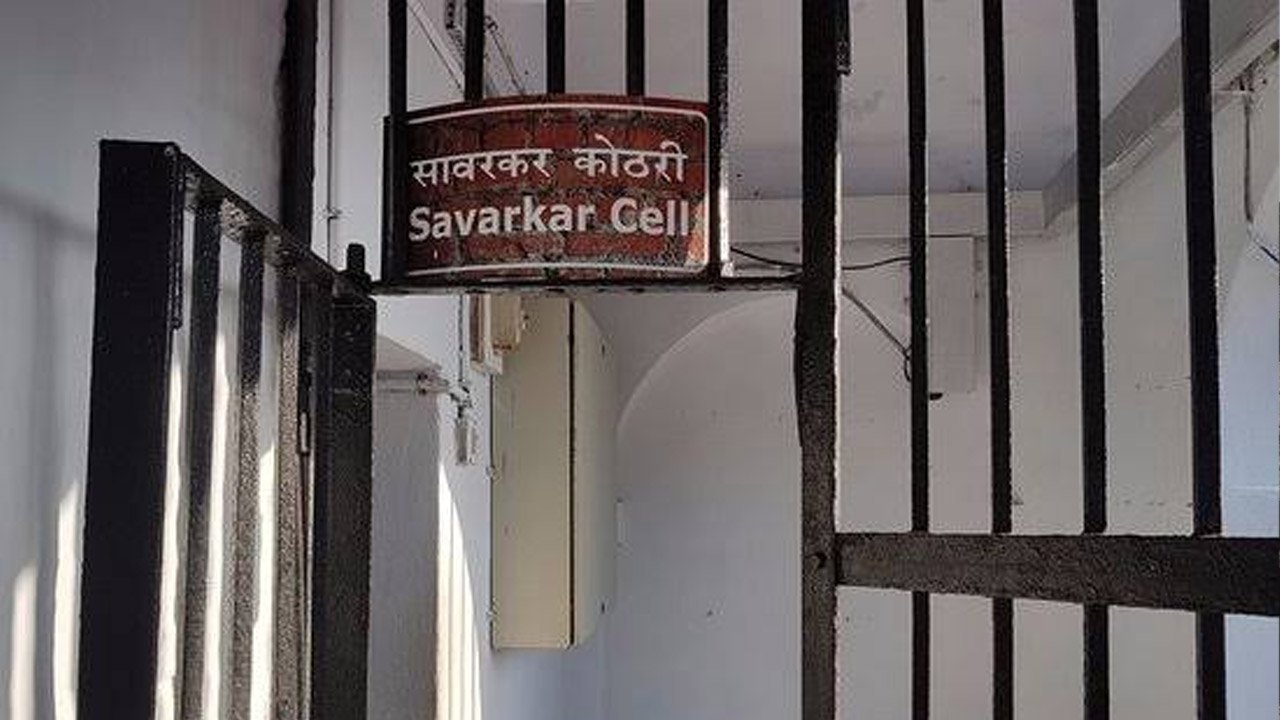
Veer Savarkar: After reading volumes of articles in different publications, I hereby say that words have fallen short to describe the tortures that were mooted on him when he was lodged in Cellular Jail in Andaman and Nicobar island.

You might call me going judgemental but this is what I felt when I visited the Cellular Jail.

The moment I entered into the small cell where he remained jailed for around 13 years, I realised how Britishers acted butchers’ way with prisoners there including with Veer Savarkar.

Even today, this cellular jail depicts the stories of tortures that were mooted on prisoners. The heart sinks listening to the gory stories as narrated by guides while watching the small cells where prisoners were stacked, the iron grills which prisoners must have hold trying to see far off searching for sunlight, the oil mills which they might have worked on with their sweat pouring out, the neck ring shackles which might have left many of them breathless and so on.

The statues of prisoners installed in the jail are enough to take us into that different world where humans were treated worse than animals.

And if there was a man who bore all such tortures for around 13 years from 1911 to 1924 (although he was given punishment for two lifers counting 50 years) and still came out alive, then he must have been no normal man. His grit, determination and strong will power might have been of different level.

Imagine, this man might also have seen the flogging room each day for many years and might have born the brunt of being a silent witness to many of his dear friends slipping down, silently, after being hanged to death, for their only fault– that was– to revolt against clutches of slavery.

At times, he might have missed his brother too, who was in same jail for two years, but that was an unknown fact to him for the norms of the isolation facility were very difficult.

While taking a tour to the Cellular jail, our heartbeat stopped for a second when we came right in front of his cell. We opened our shoes outside his cell, bowed our head in front of his picture and prayed to God to bless our country by giving more such heroes to Mother India so that all butchers existing in present India can be shooed off enabling our country to shine on world map brimming with more such stories of bravery, valour and patriotism.

Over 500 Bollywood, Hollywood, Rajasthani, and South Indian films have been shot in Udaipur which is also called as the “City of Lakes”

0

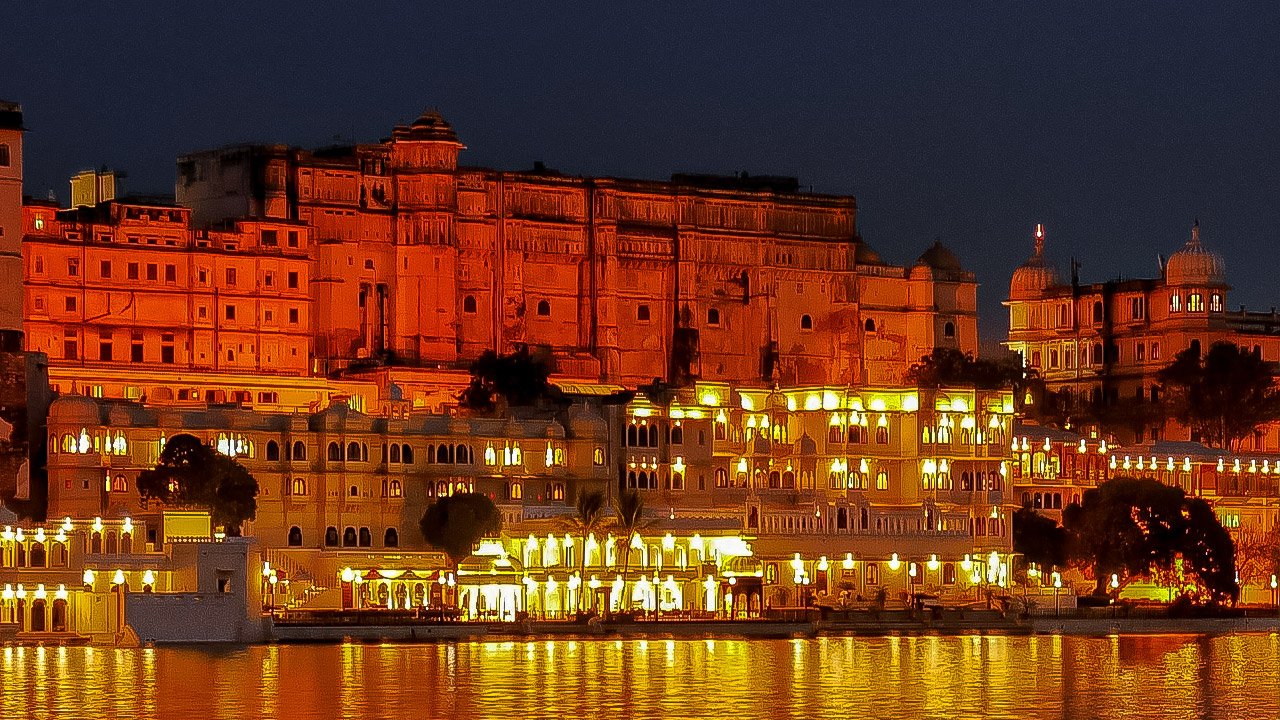
It might surprise you but it is true that over 500 Bollywood, Hollywood, Rajasthani, and South Indian films have been shot in Udaipur which is also called as the “City of Lakes”.

Besides these films, enormous TV Serials, advertisements and music album have been shot in Udaipur in the past 40 years.

The serene beauty, surrounded by pristine hills undoubtedly make this place the best venue for film shoots in Rajasthan.

As this Rajasthan city was once the historic capital of Kingdom of Mewar, it still accommodates the most unique palatial palaces which take you back in the erstwhile world of kings and queens.

In fact, the movies which have been shot here include ‘Guide’ starring Dev Anand and Waheeda Rehman, ‘Khuda Gawah’, starring Amitabh-Sridevi and amid the latest was ‘Yeh Jawani hai Deewani’ with Deepika Padukone and Ranbir Kapoor in the lead role among others.

The list doesn’t end here as it includes ‘Prem Ratan Dhan Payo’, ‘Goliyon ki rasleela’ and many more.

This city has earned its own distinct identity throughout the world due to its scenic and natural beauty.

A recent survey ranked Udaipur third out of the 15 most beautiful cities of the world.

Dubbed as the most romantic spot on the continent of India by British administrator James Tod, Udaipur is a tourist destination well known for its history, culture, scenic locations and palaces which speak stories of erstwhile Rajput era.

Known as city of lakes because of its sophisticated lake system surrounding the city, Udaipur enjoys a strategic geographical advantage and is well connected with nearby cities and States by means of Road, Rail and Air transportation facilities.

Now, people here are demanding a Film City which can change the fortunes of this City of Lakes. Will it blessed to have it or will it have to wait for some more time? Let’s wait and watch!

Bharatnatyam Guru Kanak Sudhakar shares benefits of Dance Movement Therapy

0

Have you ever heard about the Dance Movement Therapy? Do you know why dancing makes you forget your worries?
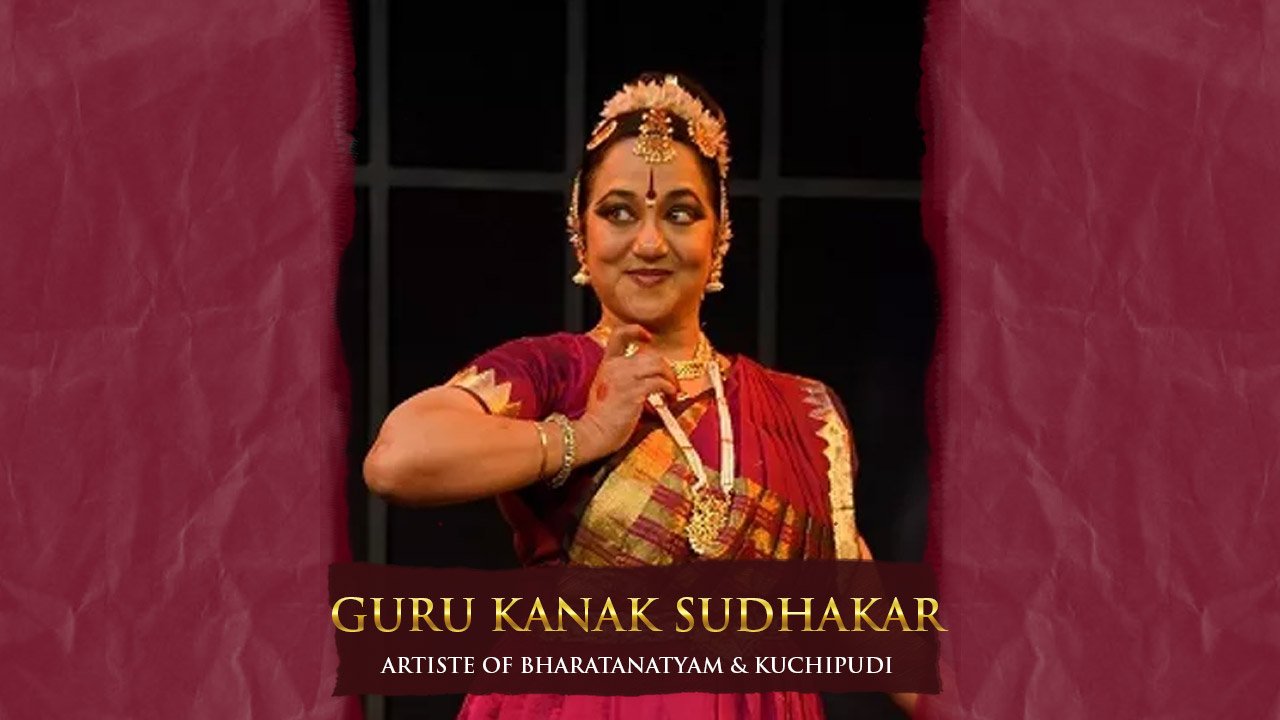
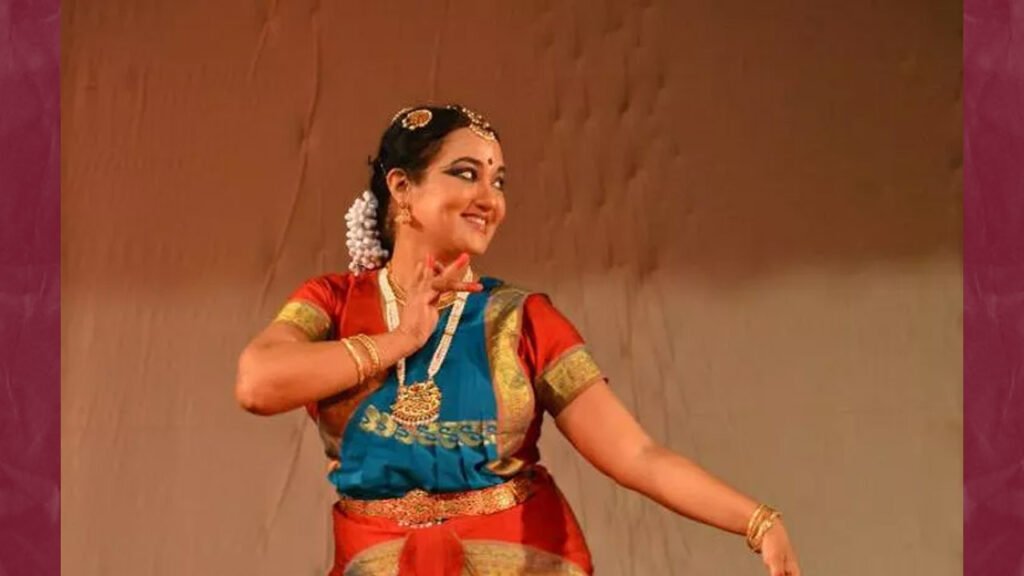
Guru Kanak Sudhakar, a renowned Bharatnatyam Guru from Delhi who is PhD in Therapeutic advantages of Indian Classical Dance, recently answered these questions in a zoom meeting called by Women Mentor Forum, Jaipur, recently.

Kanak Sudhakar, who is PhD in Therapeutic advantages of Indian Classical Dance, shared a few details on this therapy.
She said that Dance Movement Therapy is being employed to heal anxiety, joint pain, obesity, and disorders like dyslexia. Dance is great platform to enhance and increase concentration levels and is even helping people fight Parkinson’s disease.

The dance guru further said that dancing can make you forget your worries and stress especially in present times (COVID-19) as it increases the level of dopamine hormone which is known for giving pleasure affecting our mood.
Dance, in fact, helps achieve the highest level in meditation, she said further adding that the way one taps their feet, is also a kind of acupressure therapy. It gives one great stamina.
This dance guru has pioneered in a form of exercise she calls as the Yogic aerobics.
Answering the participants’ queries in the meeting, she said, “Popularising the classical dance is the responsibility of parents. As in South and Bengal, every child must take up an art form.”

Bharatnatyam Guru Kanak Sudhakar shares benefits of Dance Movement Therapy

She further believed that dance can be taken up at any age.
Renowned dancer Meenakshi Lakhotia also addressed this meeting.

She said that everyone should take up dance as “It is an excellent exercise which improves flexibility, and is good for toning muscles. Dance is an excellent way to earn name, fame and hence can be a great career choice.”
Meenakshi further explained that our classical dances are based on our yogic gurus and have survived for centuries as they were based on scientific principles.

Meenakshi also shared tips to be a good dancer and said, “Your eyes should follow your hands when you dance. Also, you should keep your back straight, your hand and feet movements should be clear, your lip sync and eyes should be used to express the feelings.”

Briefly she took everyone through her journey of becoming a dancer which was quite interesting.

Wanna know the historic tale of how Jaipur turned into ‘Gem City’? Read the story here

0

Jaipur has an interesting historic tale of its emergence as the gem city.

The story goes back to the eighteenth century (first half) when Maharaja Sawai Jai Singh ruled this city.
In an endeavour to sustain Jaipur’s flourishing gem and jewellery trade, he invited jewellers from across India to this city. Since then, jewellers from across the country came and settled in Jaipur, giving this city a rich legacy which continues till today.

The contemporary gem craftsmen mostly come from a long line of jewellers; they are skilled in their art; they cut and shape around 90 per cent of the gemstones used in India’s gem and jewellery trade.
While a few of these gems are mined in India, Jaipur’s traders run a big import industry allowing the local trade to manage the show successfully.
Wanna know the historic tale of how Jaipur turned into ‘Gem City’? Read the story here

The gems, globally imported, are being cut and polished to be given the local specifications in the city’s workshops. The craftsman, irrespective of their caste and creed, work in unison to continue making a mark in cutting and shaping stones in tiny workshops behind their gem-filled stores.

Several of the stones are imported from Brazil and Africa. Also many stones are bought and shipped in from Bangkok.
These stones are first cut to size, then its impurities, spots and blemishes are removed.

Cutting, rough shaping, and then shaping it more closely, to get sharper edges and flat base and polishing are a few stages which help them in giving the flawless shape and transparency in stone.

This industry initially started with a handful of artisans which worked on unpolished precious stones and today, it has turned into the largest industry in Jaipur exporting gems and jewellery of thousands of crores each year.

Wanna know why Johari Bazaar inspires the top accessory designers of the world; here comes the reasons!

0

Wanna know why Johari Bazaar inspires the top accessory designers of the world; here comes the reasons!

Do you know that Johari Bazaar is an inspirational source for the world’s top
accessory designers since last many centuries.

Whenever these jewellers need inspiration, they often turn to Johari Bazaar in Jaipur. This is because each artisan, craftsman, stonecutter, metalworker, and store owner comes with a rich lineage of skilled legacy here.
The secrets of their artistry and craftsmanship have been passed down through many generations. Their unique perspective is that they are used to work with international designers and hence you’ll be surprised to find a wide range of on-trend pieces as well as the more traditional Rajasthani kind in their collection.

In fact, Jaipur, over the centuries, have also emerged as gem capital of the world.
The credit of transforming it as the gem city goes to the most skilled and well-trained craftsmen residing here who have been shaping the dream designs for customers who visit here from different parts of the world. Hence, Jaipur remains to be the ‘gem of the city’, enjoying distinguished distinction of giving the most aesthetic jewellery designs to the world, inspiring many to follow its jewellery trends across the globe.

Wanna see 500 year old printing process? Visit Sanganer and watch the marvel…

1

Want to see a wide variety of folk patterns on pure white cotton? Try visiting Sanganer which has become a hub of block and screen printing. The motifs in Sanganeri print are generally made by using thin black outlines and red dye is used to colour the figures and flowers on cloth.

Sanganeri textile printing is around 5 centuries old which constitute delicate patterns and lines coming along with vibrant coloured designs.

Even today, it holds a prominent place in the world of weavers and craftsmen.

It was developed between the 16th and 17th century following the constant wars between the Mughals and Marathas which resulted in migration of several craftsmen from Gujarat to Rajasthan. Most of them settled in Sanganer which ultimately became its haven and this art has been thriving ever since.

Sanganeri prints once constituted major export products for the East India Company with its trademark being the original dye used for printing designs. Even the European culture accepted the use of this original dye with open hearts and it became a part of their culture too.
Sanganer with a great variety of these prints has now become a hub for home linens and furnishing. The wide variety of bed covers, table cloths etc will leave you spoilt for choice.

The great cultivation in this form of craft, has been around for years, and is almost as old as the country itself. Inspired by the royal patronage and heritage, the rich traders and royal families have been propagating this art . With times, influence of Sanganeri print has spread far and wide into the fundamental nature of Indian culture, legacy and tradition.

The dyers involved in Sanganeri print originally came from Sindh and were from the ‘chippa‘ community with majority of them being Muslims. The beauty of the process is that entire family, including children, are involved in the process. Today, thousands of people are employed in practising this craft working on a professional level.