Home Blog Page 863

Locusts’ date with Jaipur after over three decades

0

Jaipur, after three decades, had a date with locusts who came in lakhs of numbers to the residential parts of the city, traumatising the residents, who were already reeling under corona fear during lockdown times.

Travelling for hundreds of kilometre in a day, these locusts arrived in India through Iran and Pakistan. People rushed up on their roof tops and started playing vessels to evade these unwanted guests.


Many people were also seen bursting crackers to ensure these insects leave their place.

The gardens of the people were ravaged by the flying locusts who savoured the leaves on plants.

Besides Jaipur, the locusts also marked their presence in other parts of Rajasthan including Ajmer and Nagaur.

They were also seen in Uttar Pradesh and Madhya Pradesh. In fact, Delhi kept waking up next day as officials warned of locust attack, however, the wind and storm ensured safety for capital of India.

Luckily, the rabi crops were recently harvested and hence survived the onslaught.

However, the locusts destroy India’s kharif produce if they are not been controlled by the time the harvesting season arrives.

Meanwhile, the features of these desert locusts are quite different. They can fly for over 130 km in a day. Also they can stay in the air for a long time. Also female locusts can lay eggs around thrice in their lifetime (roughly three to five months), at 6-11 day interval period. Their populations have the capacity to multiply 20-fold in just three months.

Now, imagine, the devastation they can bring in if not been controlled. Farmers will have to pay a heavy price as they have already suffered the worst under lockdown period which has been imposed during COVID-19 time.

So let’s see how these flying attackers can be controlled. Any solutions?
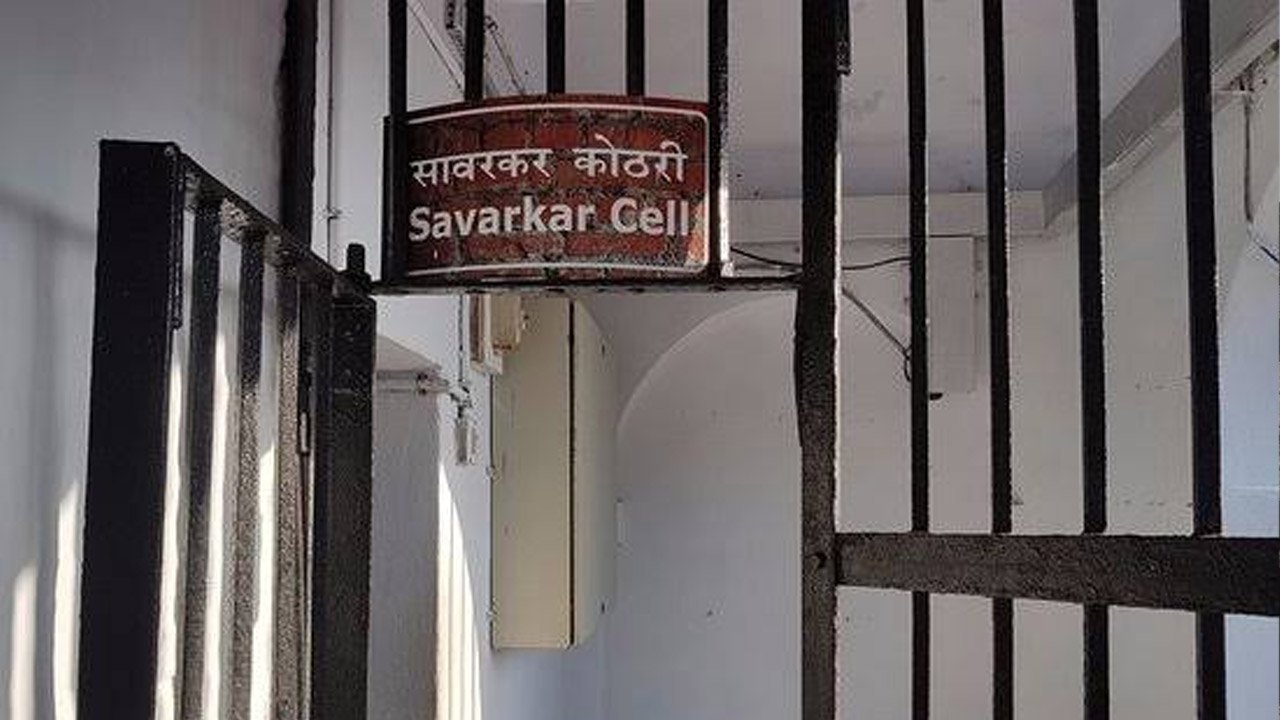
Veer Savarkar: Words fall short to describe the trauma borne by him in Cellular Jail

0

Veer Savarkar: After reading volumes of articles in different publications, I hereby say that words have fallen short to describe the tortures that were mooted on him when he was lodged in Cellular Jail in Andaman and Nicobar island.

You might call me going judgemental but this is what I felt when I visited the Cellular Jail.

The moment I entered into the small cell where he remained jailed for around 13 years, I realised how Britishers acted butchers’ way with prisoners there including with Veer Savarkar.

Even today, this cellular jail depicts the stories of tortures that were mooted on prisoners. The heart sinks listening to the gory stories as narrated by guides while watching the small cells where prisoners were stacked, the iron grills which prisoners must have hold trying to see far off searching for sunlight, the oil mills which they might have worked on with their sweat pouring out, the neck ring shackles which might have left many of them breathless and so on.

The statues of prisoners installed in the jail are enough to take us into that different world where humans were treated worse than animals.

And if there was a man who bore all such tortures for around 13 years from 1911 to 1924 (although he was given punishment for two lifers counting 50 years) and still came out alive, then he must have been no normal man. His grit, determination and strong will power might have been of different level.

Imagine, this man might also have seen the flogging room each day for many years and might have born the brunt of being a silent witness to many of his dear friends slipping down, silently, after being hanged to death, for their only fault– that was– to revolt against clutches of slavery.

At times, he might have missed his brother too, who was in same jail for two years, but that was an unknown fact to him for the norms of the isolation facility were very difficult.

While taking a tour to the Cellular jail, our heartbeat stopped for a second when we came right in front of his cell. We opened our shoes outside his cell, bowed our head in front of his picture and prayed to God to bless our country by giving more such heroes to Mother India so that all butchers existing in present India can be shooed off enabling our country to shine on world map brimming with more such stories of bravery, valour and patriotism.

Over 500 Bollywood, Hollywood, Rajasthani, and South Indian films have been shot in Udaipur which is also called as the “City of Lakes”

0

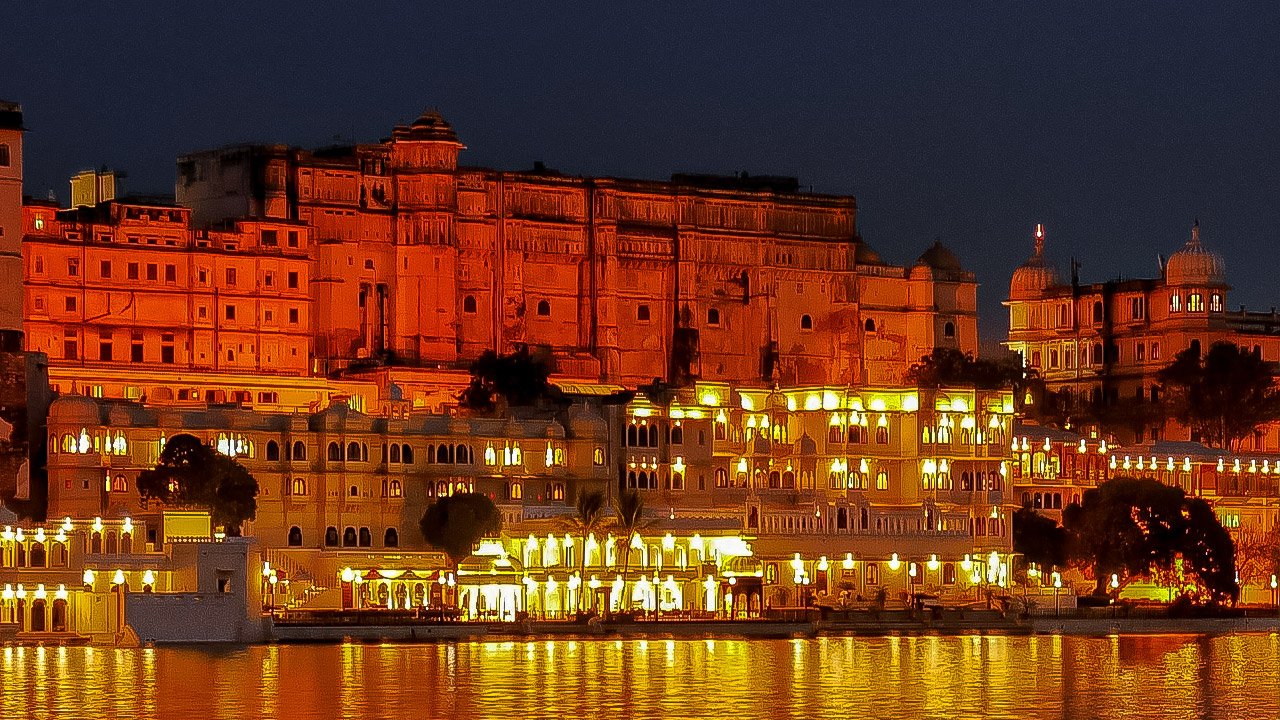
It might surprise you but it is true that over 500 Bollywood, Hollywood, Rajasthani, and South Indian films have been shot in Udaipur which is also called as the “City of Lakes”.

Besides these films, enormous TV Serials, advertisements and music album have been shot in Udaipur in the past 40 years.

The serene beauty, surrounded by pristine hills undoubtedly make this place the best venue for film shoots in Rajasthan.

As this Rajasthan city was once the historic capital of Kingdom of Mewar, it still accommodates the most unique palatial palaces which take you back in the erstwhile world of kings and queens.

In fact, the movies which have been shot here include ‘Guide’ starring Dev Anand and Waheeda Rehman, ‘Khuda Gawah’, starring Amitabh-Sridevi and amid the latest was ‘Yeh Jawani hai Deewani’ with Deepika Padukone and Ranbir Kapoor in the lead role among others.

The list doesn’t end here as it includes ‘Prem Ratan Dhan Payo’, ‘Goliyon ki rasleela’ and many more.

This city has earned its own distinct identity throughout the world due to its scenic and natural beauty.

A recent survey ranked Udaipur third out of the 15 most beautiful cities of the world.

Dubbed as the most romantic spot on the continent of India by British administrator James Tod, Udaipur is a tourist destination well known for its history, culture, scenic locations and palaces which speak stories of erstwhile Rajput era.

Known as city of lakes because of its sophisticated lake system surrounding the city, Udaipur enjoys a strategic geographical advantage and is well connected with nearby cities and States by means of Road, Rail and Air transportation facilities.

Now, people here are demanding a Film City which can change the fortunes of this City of Lakes. Will it blessed to have it or will it have to wait for some more time? Let’s wait and watch!

Bharatnatyam Guru Kanak Sudhakar shares benefits of Dance Movement Therapy

0

Have you ever heard about the Dance Movement Therapy? Do you know why dancing makes you forget your worries?
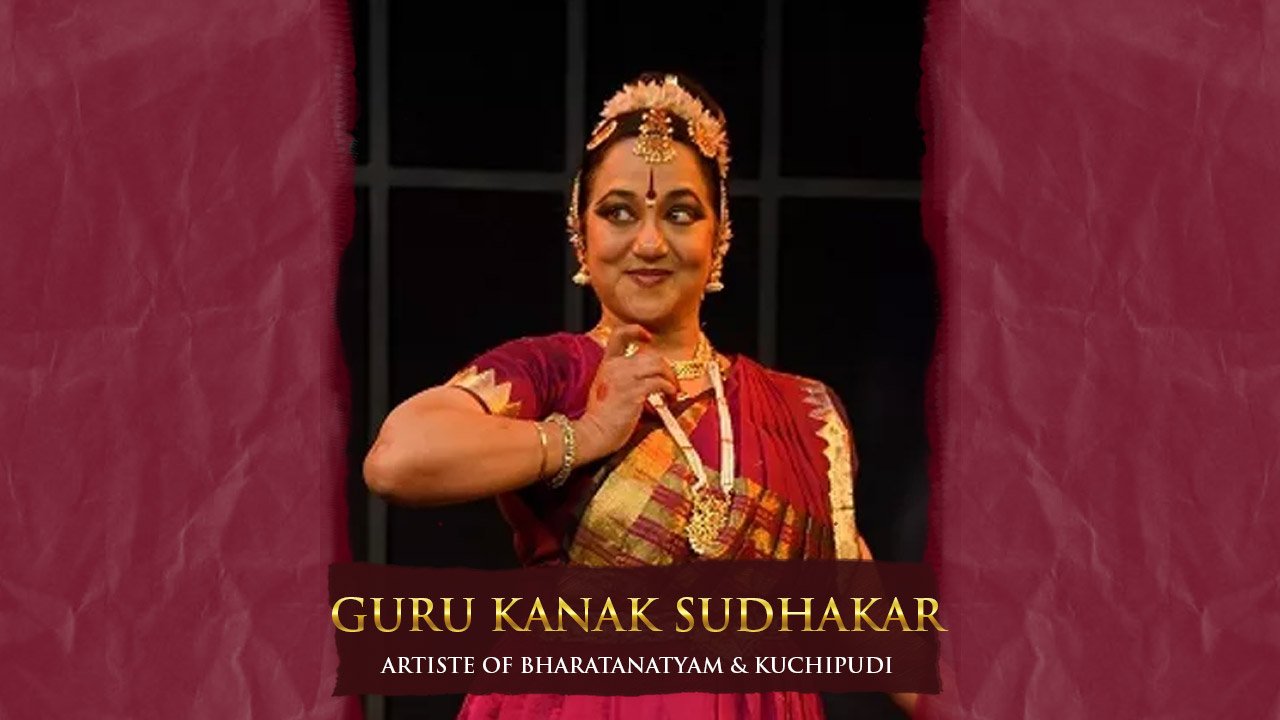
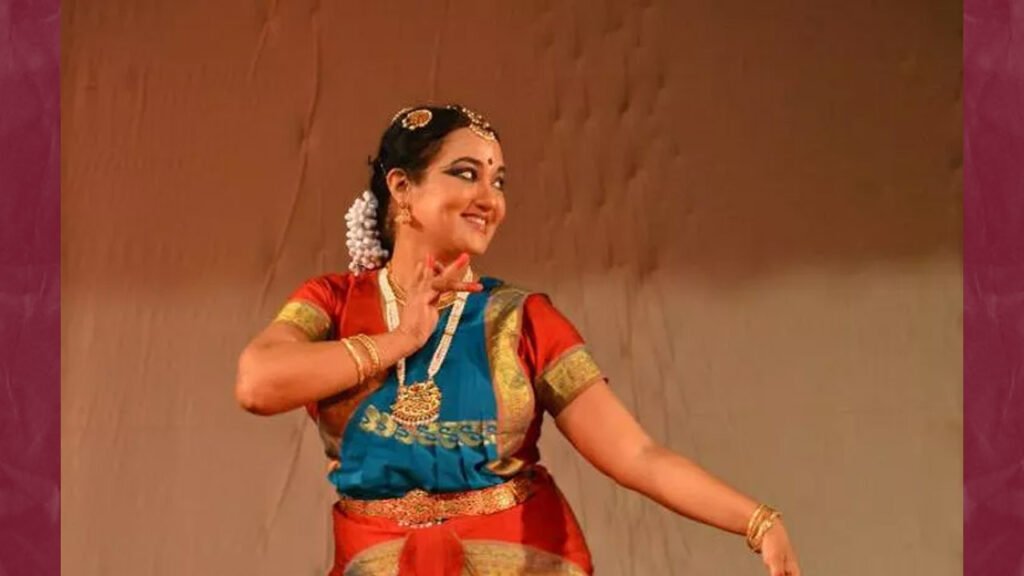
Guru Kanak Sudhakar, a renowned Bharatnatyam Guru from Delhi who is PhD in Therapeutic advantages of Indian Classical Dance, recently answered these questions in a zoom meeting called by Women Mentor Forum, Jaipur, recently.

Kanak Sudhakar, who is PhD in Therapeutic advantages of Indian Classical Dance, shared a few details on this therapy.
She said that Dance Movement Therapy is being employed to heal anxiety, joint pain, obesity, and disorders like dyslexia. Dance is great platform to enhance and increase concentration levels and is even helping people fight Parkinson’s disease.

The dance guru further said that dancing can make you forget your worries and stress especially in present times (COVID-19) as it increases the level of dopamine hormone which is known for giving pleasure affecting our mood.
Dance, in fact, helps achieve the highest level in meditation, she said further adding that the way one taps their feet, is also a kind of acupressure therapy. It gives one great stamina.
This dance guru has pioneered in a form of exercise she calls as the Yogic aerobics.
Answering the participants’ queries in the meeting, she said, “Popularising the classical dance is the responsibility of parents. As in South and Bengal, every child must take up an art form.”

Bharatnatyam Guru Kanak Sudhakar shares benefits of Dance Movement Therapy

She further believed that dance can be taken up at any age.
Renowned dancer Meenakshi Lakhotia also addressed this meeting.

She said that everyone should take up dance as “It is an excellent exercise which improves flexibility, and is good for toning muscles. Dance is an excellent way to earn name, fame and hence can be a great career choice.”
Meenakshi further explained that our classical dances are based on our yogic gurus and have survived for centuries as they were based on scientific principles.

Meenakshi also shared tips to be a good dancer and said, “Your eyes should follow your hands when you dance. Also, you should keep your back straight, your hand and feet movements should be clear, your lip sync and eyes should be used to express the feelings.”

Briefly she took everyone through her journey of becoming a dancer which was quite interesting.

Wanna know the historic tale of how Jaipur turned into ‘Gem City’? Read the story here

0

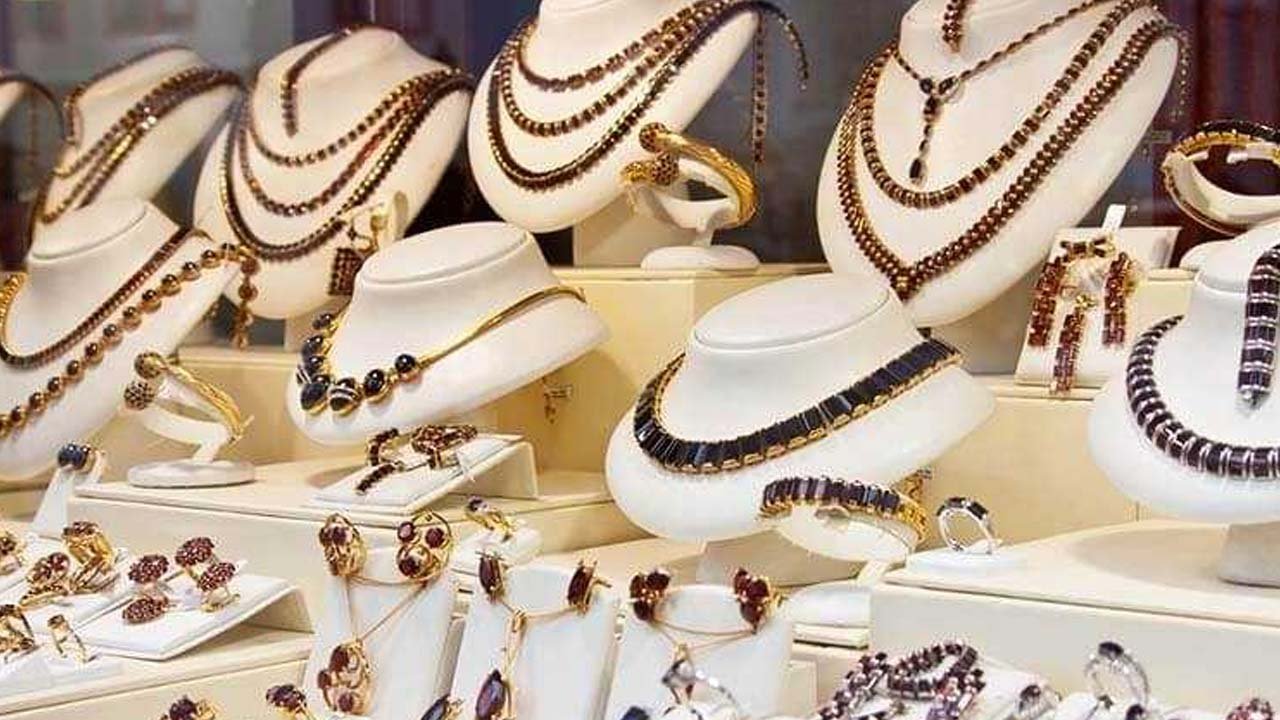
Jaipur has an interesting historic tale of its emergence as the gem city.

The story goes back to the eighteenth century (first half) when Maharaja Sawai Jai Singh ruled this city.
In an endeavour to sustain Jaipur’s flourishing gem and jewellery trade, he invited jewellers from across India to this city. Since then, jewellers from across the country came and settled in Jaipur, giving this city a rich legacy which continues till today.

The contemporary gem craftsmen mostly come from a long line of jewellers; they are skilled in their art; they cut and shape around 90 per cent of the gemstones used in India’s gem and jewellery trade.
While a few of these gems are mined in India, Jaipur’s traders run a big import industry allowing the local trade to manage the show successfully.
Wanna know the historic tale of how Jaipur turned into ‘Gem City’? Read the story here

The gems, globally imported, are being cut and polished to be given the local specifications in the city’s workshops. The craftsman, irrespective of their caste and creed, work in unison to continue making a mark in cutting and shaping stones in tiny workshops behind their gem-filled stores.

Several of the stones are imported from Brazil and Africa. Also many stones are bought and shipped in from Bangkok.
These stones are first cut to size, then its impurities, spots and blemishes are removed.

Cutting, rough shaping, and then shaping it more closely, to get sharper edges and flat base and polishing are a few stages which help them in giving the flawless shape and transparency in stone.

This industry initially started with a handful of artisans which worked on unpolished precious stones and today, it has turned into the largest industry in Jaipur exporting gems and jewellery of thousands of crores each year.

Wanna know why Johari Bazaar inspires the top accessory designers of the world; here comes the reasons!

0

Wanna know why Johari Bazaar inspires the top accessory designers of the world; here comes the reasons!

Do you know that Johari Bazaar is an inspirational source for the world’s top
accessory designers since last many centuries.

Whenever these jewellers need inspiration, they often turn to Johari Bazaar in Jaipur. This is because each artisan, craftsman, stonecutter, metalworker, and store owner comes with a rich lineage of skilled legacy here.
The secrets of their artistry and craftsmanship have been passed down through many generations. Their unique perspective is that they are used to work with international designers and hence you’ll be surprised to find a wide range of on-trend pieces as well as the more traditional Rajasthani kind in their collection.

In fact, Jaipur, over the centuries, have also emerged as gem capital of the world.
The credit of transforming it as the gem city goes to the most skilled and well-trained craftsmen residing here who have been shaping the dream designs for customers who visit here from different parts of the world. Hence, Jaipur remains to be the ‘gem of the city’, enjoying distinguished distinction of giving the most aesthetic jewellery designs to the world, inspiring many to follow its jewellery trends across the globe.

Wanna see 500 year old printing process? Visit Sanganer and watch the marvel…

1

Want to see a wide variety of folk patterns on pure white cotton? Try visiting Sanganer which has become a hub of block and screen printing. The motifs in Sanganeri print are generally made by using thin black outlines and red dye is used to colour the figures and flowers on cloth.

Sanganeri textile printing is around 5 centuries old which constitute delicate patterns and lines coming along with vibrant coloured designs.

Even today, it holds a prominent place in the world of weavers and craftsmen.

It was developed between the 16th and 17th century following the constant wars between the Mughals and Marathas which resulted in migration of several craftsmen from Gujarat to Rajasthan. Most of them settled in Sanganer which ultimately became its haven and this art has been thriving ever since.

Sanganeri prints once constituted major export products for the East India Company with its trademark being the original dye used for printing designs. Even the European culture accepted the use of this original dye with open hearts and it became a part of their culture too.
Sanganer with a great variety of these prints has now become a hub for home linens and furnishing. The wide variety of bed covers, table cloths etc will leave you spoilt for choice.

The great cultivation in this form of craft, has been around for years, and is almost as old as the country itself. Inspired by the royal patronage and heritage, the rich traders and royal families have been propagating this art . With times, influence of Sanganeri print has spread far and wide into the fundamental nature of Indian culture, legacy and tradition.

The dyers involved in Sanganeri print originally came from Sindh and were from the ‘chippa‘ community with majority of them being Muslims. The beauty of the process is that entire family, including children, are involved in the process. Today, thousands of people are employed in practising this craft working on a professional level.

Wear the luxe look with Rajasthani Leheriya this monsoon!

0

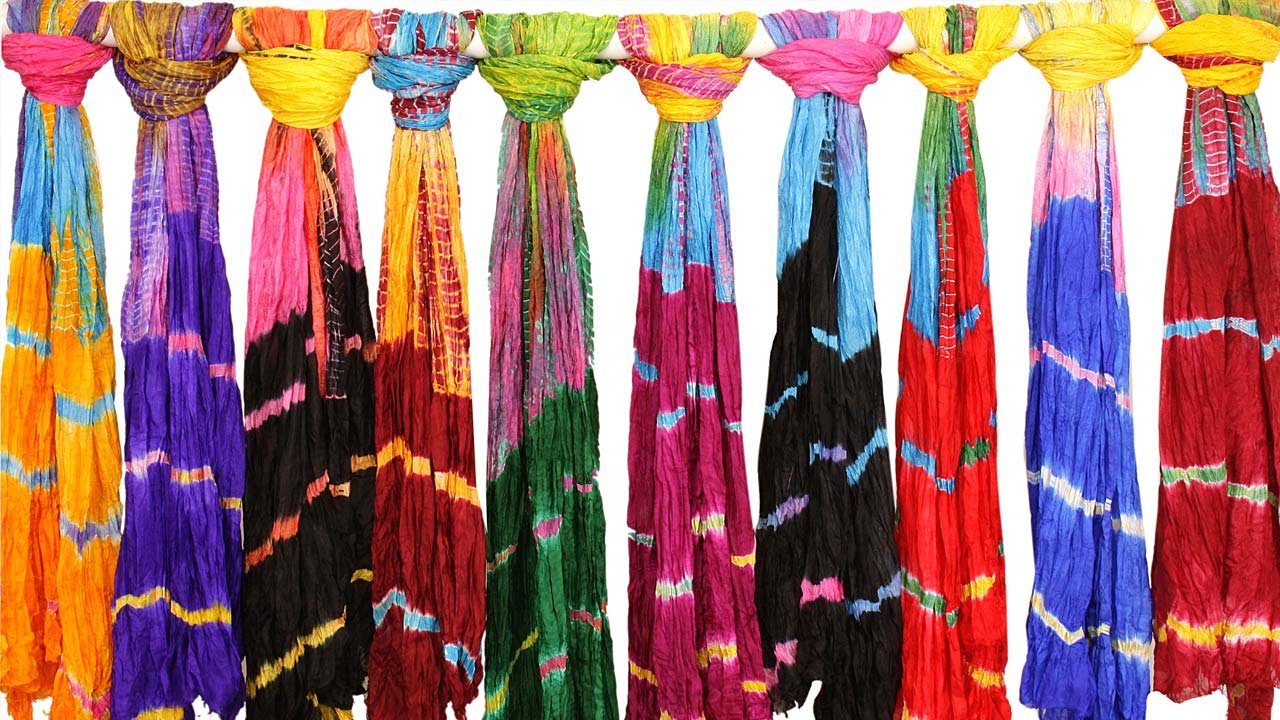
If you ever visit Rajasthan during monsoon, you will see women draped in beautiful sarees with wavy stripes stroked on bright colours.
This soothing design is called Leheriya, a form of tie and dye art discovered in desert state.
Lahariya creates complex wavy patterns aesthetically on a thin cotton or a smooth silk cloth, mostly seen on sarees and turbans. Symbolisig luxe look, Leheriya has now become a designer quotient with all leading designers accommodating it in their ensemble to create a difference!

Its natural, ripple effect accommodated in mesmerizing colours makes it the most unique form and its colour resist dyeing technique is other distinguished feature.
Leheriya was patronized in the nineteenth and early twentieth century by the local traders and merchants who wore turbans of bright Leheriya fabric.
These are harmoniously arranged diagonal stripes, which were originally, dyed in the auspicious colors of yellow and red.
This making process of leheriya is quite interesting and runs smooth in a story form.

The diagonal stripes are first harmoniously arranged, they are then dyed in yellow and red shades.
Dyeing comes with the tie-resist method under which the cloth piece is rolled in a diagonal pattern. A few portions resist the process of binding threads before the dying of cloth starts. The shorter is the distance, the larger are the efforts required to prevent colour spilling. The process is repeated until the fabric attains the requisite number of colours.

The bewitching and brilliant colour combinations of leheriya appeal all with its calm, gentle and restful feel. This traditional style was patronised in the 19th and 20th century with the help of local traders who used to wear bright leheriya turbans.
Leheria turbans were a significant part of male business attire in Rajasthan during the nineteenth and early twentieth centuries.
Today, it is being produced in Rajasthan cities namely Jodhpur, Jaipur, Udaipur and Nathdwara among many others.

Do you know Bandhini is a must-to have-souvenir for guests in Rajasthan?

0

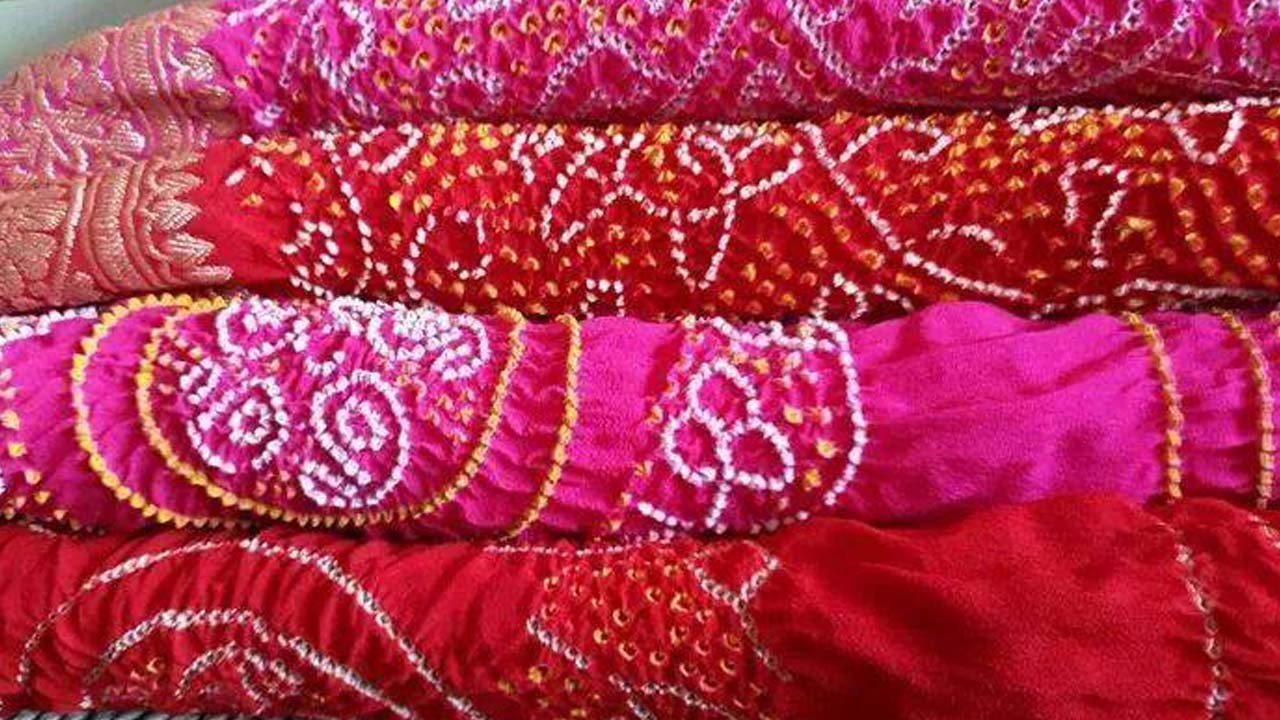
Are you aware of an art form where small dots are being tied on a fabric with the help of thread which is followed by an elaborate dyeing process?

If not, then you should visit Rajasthan to see this beautiful art folding up to bring a beautiful piece of cloth showcasing the rhymes and rhythms of saffron, emerald, sapphire, vermillion and yellow yields. This pristine work of art is a must-to have-souvenir for guests in Rajasthan…

The design is called as Bandhini, which is created on a cloth after tying and plucking thread at regular intervals.
The result is seen in the form of small precise designs made on chosen textile which reveals artwork in its utmost form.

The Bandhini style also merges with symbolism where red represents an attire for Hindu bride, while yellow stands as a code for maternity occasion. In Hindu rituals, red is considered as an auspicious colour for a bride while a yellow colour spells auspicious during different religious ceremonies.
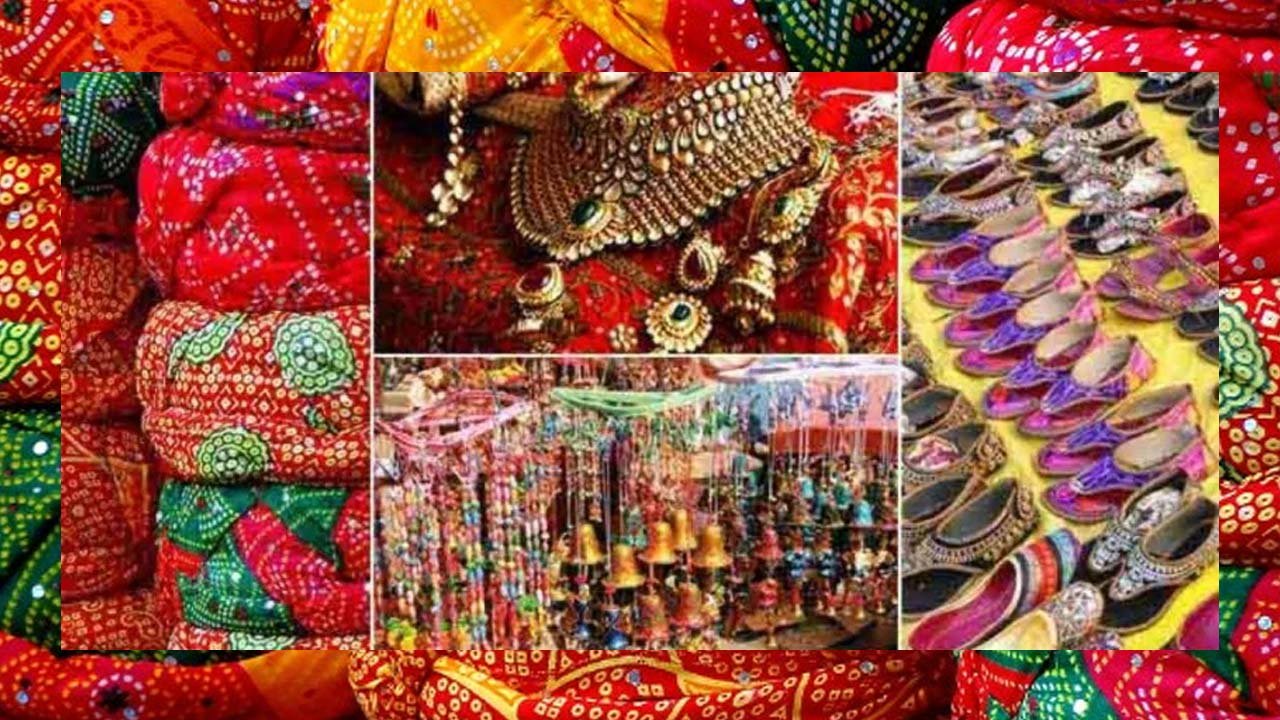
The turbans, sarees, and dupattas use Bandhini styles in diverse colours. Rich embroidery, mirror, and appliqué work add more to the beauty of this art.

What makes Bandhini look appealing is its vibrant colours with its eye-catchy combinations coming with swift swirls and twirls.

‘Bandhini’ has been derived from the Hindi word Bandhan which means ties and relations. An ancient art practised in Western India, it uses a long finger nail, which picks the fabric portion that needs to be tied.

The art connoisseurs have been walking down the rural lanes of this state from distant corners of the world to know more about Bandhini. As they return to their native place, they take many beautiful pieces as the souvenirs to be gifted to their loved ones, while they retain a few which are kept as a legacy they had brought with them from India.

Handshake says good-bye as Namaste replaces it in New Normal

0

We, as humans, have survived many crises. Over the years, we have defeated many pandemics and with our constant efforts, we shall be wining over the COVID-19 crisis too. But for this to happen, presently, we will have to adapt to the New Normal lifestyle on a daily basis. Yes friends! Life won’t be the same and here are the 5 highlights of the New Normal lifestyle post Covid-19 that we will see in the coming times where handshake will be the thing of past. Let’s see the new changes coming in with New Normal:

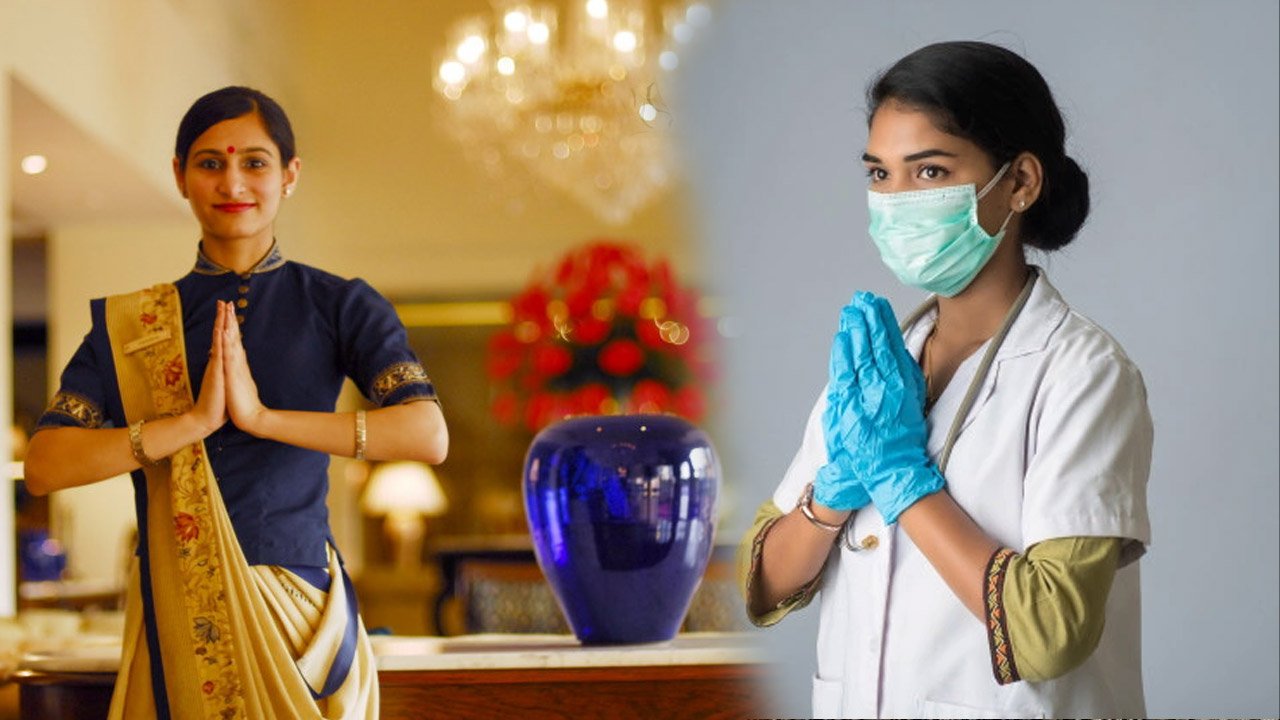
Handshake replaced by Namaste: We saw the likes of Prince Charles greeting people with the Indian Namaste, a traditional greeting style of India where our hands reach is limited to ourselves. Viruses are known to be transmitted by physical contact and therefore in order to keep ourselves and others safe, Namaste is becoming a global norm of greeting people.
Online Teaching for students: Schools are considered as the Temples of Knowledge where students interact with the teachers and play with their classmates while learning a million things besides. They develop their personalities, and make lifelong friends. However, things, it seems, will no longer be the same. We will see that a lot of teaching will be done via online classes on the laptop in order to keep our little ones safe from this pandemic.
Work from home allowed: Internet giant Twitter has allowed its employees ‘Work from Home Forever’. Mostly all offices will go for the ‘only 33% employee attendance’ for a day. This means you will have to go for your office only twice a week. Rest of the time you can work from the comfort of your home and enjoy the extra family time. Yes office gossip and party time will be missed. But then, it will bring families closer who till a few months back, were longing to be together after being busy in their office schedules.
No large weddings, celebrations and tickets for cricket matches: The great Indian fat weddings will be missed! Sad, isn’t it? But what can we do, the government rule says not more than 50 people at a wedding. Weddings and celebrations will become an intimate family affair and stadiums will have no audience for cheering up their beloved cricket teams. Of course we’re going to miss the socializing, but all in the name for a better and healthier future.
Growth of food take-away and online shopping: Going to a restaurant for a nice meal and catching up with friends will be off limits for a while. Restaurants will only provide take-away meals which you can relinquish at home and malls will remain closed giving way to online shopping in a big way. Also we will see the use of online platforms like Facebook, zoom online chat, Whatsapp, etc for socializing in the coming times.
No doubt all these above things are life altering but we can overcome it by the best human traits of ingenuity, resilience and grace. May God bless us.