Home Blog Page 856

Doll Museum in Jaipur: Visit this place to know the world’s diverse culture!

0

Jaipur accommodates the much-acclaimed Doll Museum which has a large collection of dolls and toys belonging to different countries. 

One of the most sought after attractions in the Pink City, this unique museum also showcases the famous puppet culture of Rajasthan in the most brilliant and colourful ways. Let’s discuss the top four facts of this museum:

Dolls from the world: You can find dolls from various parts of the world coming in from different periods and, the traditional puppet dolls of Rajasthan. You can also find dolls from other parts of the world like Germany, Malaysia, America, Mexico, Britain, Afghanistan, Sweden and others

Culture of the world: This museum was built in 20th century to showcase the culture of the world via dolls, which also highlights the attires of the dolls, accessories of the dolls and so on. You can find many dolls that express the culture with different attires from different parts of the country like Maharashtra, Tamil Nadu, Bengal, Gujarat, Assam, Kashmir, Punjab and others. 

Bridal dolls: The bridal dolls from Punjab, Mysore, Kerala, Gujarat and Bengal appeal all. Also there are dolls showcasing the traditional dance forms like Kathakali, Odissi, Bharatnatyam, Kuchipudi and others.

Dolls with favourite superheroes: A new gallery with dolls of children’s favourite superheroes, cartoon characters and so on appeals all with its unique character. The English Puppet gallery is also newly introduced. This gallery holds dolls that are just 2 inches in height.

Reaching Doll Museum?

You can board public buses from any part of the city to reach Ram Niwas Bagh bus stop or Jawaharlal Nehru Marg bus stop. From the bus stop, take a  walk to the museum. 

Best Time to Visit Doll Museum

As this museum is an indoor activity, the season has no impact on the beauty of the place. 

Entry Timing and Fee

The museum is open from Wednesday to Monday, from 9 in the morning to 5 in the evening.

Entry Fee – INR 10 per head for Indians; INR 50 per head for foreigners and INR 20 per head for Indian students. For children below the age of 12, entry fee is INR 5.

24th Indian Birding Fair: Dedicated to Butterfly Conservation

0

Bird Fair ! You must be wondering what can it do and how can it help conservation?

Here comes the answer! It can be a catalyst to restore a lake and mobilize public opinion in favour of avian conservation. The British Birdwatching Fair (hi, Tim Appleton, what next from your stables) did it for the Rutland Water in Leicestershire, UK. The Indian Birding Fair staged it at Man Sagar, a 400-year-old heritage lake at Jaipur, India.

The 24th edition of Indian Bird Fair is being dedicated to Butterfly Conservation. The species receive little attention in India as people remain unconcerned over the trees that serve as Host-Plants for these tiny and fast flying insects. They are smart pollinators and serve as true bio-indicators in environment, states Rahul Sharma, member of the Tourism & Wildlife Society of India (TWSI), main organizer of the Fair.

Why Wildlife Protection Act not allowing butterfly species survive well’

The 24th Fair publication is getting ready to include amazing reading stuff: longest migrant species, a single plant hosting many butterflies (in Sagwara, Dungarpur, Rajasthan as highlighted by Mukesh Panwar), butterfly parks in India and abroad, why the Wildlife Protection Act has not been allowing these species survive well, etc. Many topics are being covered to catch attention of readers. Galloping response to the event as WWF-India’s CEO, Ravi Singh conveyed in an email — be assured of our support.

Tigers can smile differently-courtesy butterfly

Dr. Dharmendra Khandal has highlighted couple of new species identified across the Ranthambhore Tiger Reserve’s landscape:

Dakhan Tricolour Pied Flat and Desert Spotted Small Flat. He did it in association with Dr. Satish Kumar Sharma. He strengthened his contribution by sending a check-list of 59 species of butterflies that cause Tigers to smile differently there.   

Setting up Butterfly Parks

The Bombay Natural History Society (BNHS) has briefed on how to set up butterfly parks. Dr. Raju Kasambe, its assistant director, has shared his plan. Its New Delhi based Conservation Education Centre has sent a narrative of host-plants for butterflies: Sohail Madan and Gita Yadav cheering up the scene.

Making e-event a lesson for many

Nishant Shukla, an edu-advocate for wild species, is dressing up the e-publication. He is tapping a new audience for a webinar on butterflies. Pramendra Khangarot, Senior Teacher at MGD Girls’ School, is willing to bat for the species. What would be a loss for a few thousand student-teacher fraternity (due to present conditions), the e-event can try to be a lesson for many. 

‘Let’s make butterflies darlings in our buildings’

The TWSI President, Anand Mishra has been drumming to canvass among the real estate captains to carefully plant such species of trees, shrubs, bushes and grass that should prove ideal habitat for butterflies. “I am sounding the bugle to make butterflies as our new darlings in all new buildings”, he stated to EB&W.  He belongs to the clan of Rs 3,000-crore group of real estate owners. Wow, if they do what they assure.

Bikaner: Expore undefeated Junagarh Fort, Rat Temple and best camels here!

0

Wanna enjoy the medieval charm of a desert city and admire the beauty of its red sandstone havelis and ancient Jain temples. Visit Bikaner city and enjoy exciting camel safaris. Here, we bring in the major attractions you should not side step while in Bikaner.

Junagarh Fort

Bikaner’s Junagarh has never been conquered throughout its history. A 986m wall surrounds the fort with 37 bastions and a dry moat making it virtually impenetrable. A vast complex of palaces, suites, towers, balconies and courtyards with their carvings still intact will take you in the mighty world of kings and queens

The Diwan-i-Khas (Hall of Private Audience) has a glimmering gold ceiling and houses the silver cushioned throne of the maharaja. The Phool Mahal (Flower Palace) is also a grand piece of architecture.

The Badal Mahal (Palace of the Clouds) has walls thoroughly painted with fluffy blue clouds. The Hawa Mahal (Palace of the Winds) has ancient Islamic art patters on its ceiling with scenes depicting Krishna dancing. The blue tiles found here were imported from China and Europe.

Timings: 10 AM – 5:30 PM

Entry Fee: INR 50 for Indians; INR 300 for Foreigners

Karni Mata Temple

This temple is situated in the South of Bikaner, 30kms away, in the town of Deshnok. Karni Mata, believed to be an incarnation of Goddess Durga, is thronged by lakhs of visitors to see another marvel, a massive population of rodents that co-exist with the travelling pilgrims. This temple has over 20,000 rats that scurry across the temple floors, completely at home with the crowds. The pilgrims worship these creatures and feed them prasad (religious food offerings) in the form of sugar balls.

Timings: 4:30 AM – 10 PM

Entry Fee: Free

Read more on Karni Mata temple here: https://ebnw.net/rajasthan/karni-mata-mandir-rat-temple-in-deshnok-rajasthan-history-facts-aarti-hd-photos-video/

National Research Centre on Camel

The NRCC has been doing some groundbreaking work with regard to the desert animals and the 8km trip here is definitely worth your time. With over 200 camels, at different stages of maturity, you will learn a thing or two about how important these animals are to Rajasthan. Try fresh camel milk ice cream which will be a once-in-a-lifetime experience!

Timings: 12 PM – 6:30 PM

Entry Fee: INR 30 for Indians; INR 100 for Foreigners

Rampuria Havelis

These are the red sandstone mansions of opulenc which has the beautiful jharokias (casements) and the gumaharias (basements). This group of havelis (aristocratic mansions) was constructed in the 15th century for the wealthy Rampuria family. The red sandstone gives Rampuria Havelis a mesmerising view glow while its drawing rooms, courtyards and balconies are worth exploring.

Timings: Open through the day

Entry Fee: Free

Top 4 National Parks of Rajasthan

0

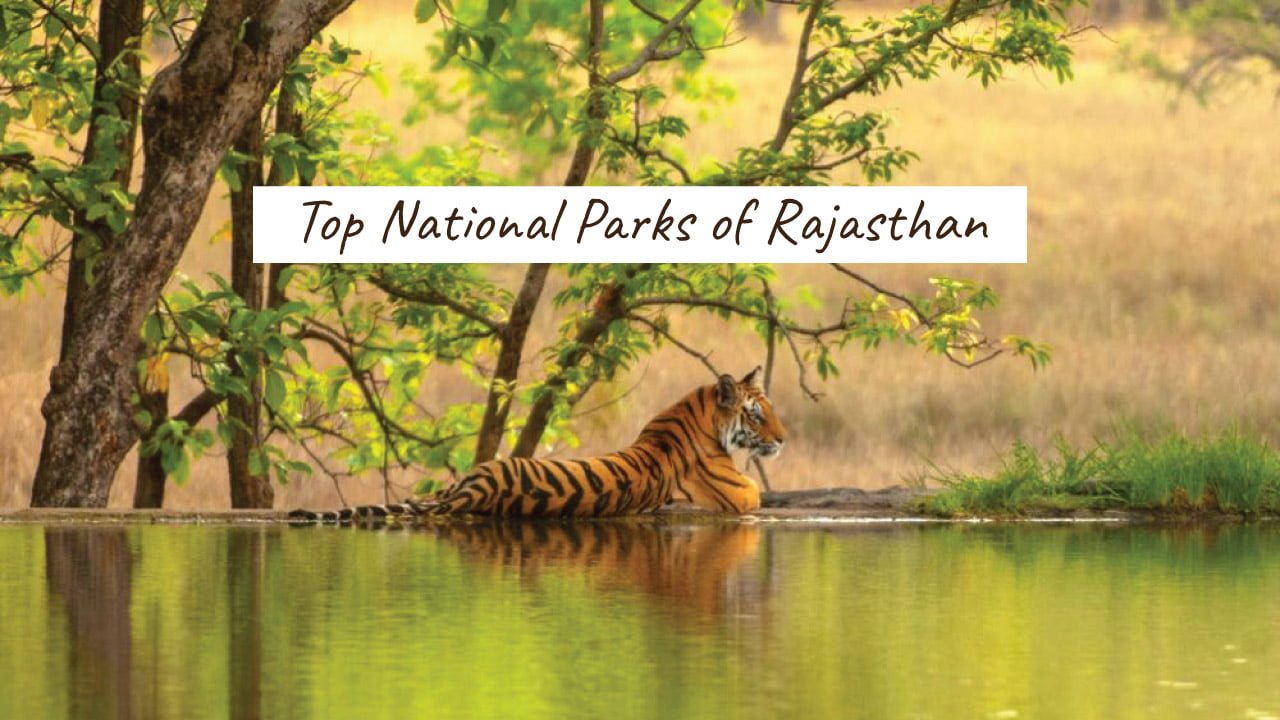
Top 4 National Parks of Rajasthan, besides being the land of forts and palace, is also land of jungles accommodating many diverse species. Millions of tourists visit this place to trace and track the Big Cat. Let’s discuss the top four National Parks of the region:

The Ranthambore National Park

Top 4 National Parks of Rajasthan

Being one amongst the largest and most important national parks in the country, it is one of the most popular wildlife sanctuaries in Rajasthan, situated in the Sawai Madhopur district. This park is best known for its tiger population. The national park is home to a large number of species including chitals, sloth bears, hyenas, sambars, wild boars, nilgai, leopards and tigers.

Best time to visit: 1st October to 30th June
Opening and closing hours : 7 a.m. to 6 p.m.
Type of Wildlife Safari : Canter (20 seater), Jeep (6 seater)

Highlights of the park :

  • One amongst the best sanctuaries to spot Indian Tigers
  • Discover more than 500 species of flowering plants
  • Spot several endangered wildlife species
  • Finest Resorts amidst the Wildlife

The Sariska Tiger Reserve

Top 4 National Parks of Rajasthan

The Sariska Tiger Reserve: Situated in the Alwar district, it is one of the important national parks in Rajasthan. It was the hunting grounds of the State of Alwar. 

The Sariska Tiger Sanctuary fact is the first ever Tiger Reserve in the country where tiger relocation and rehabilitation has been carried out successfully

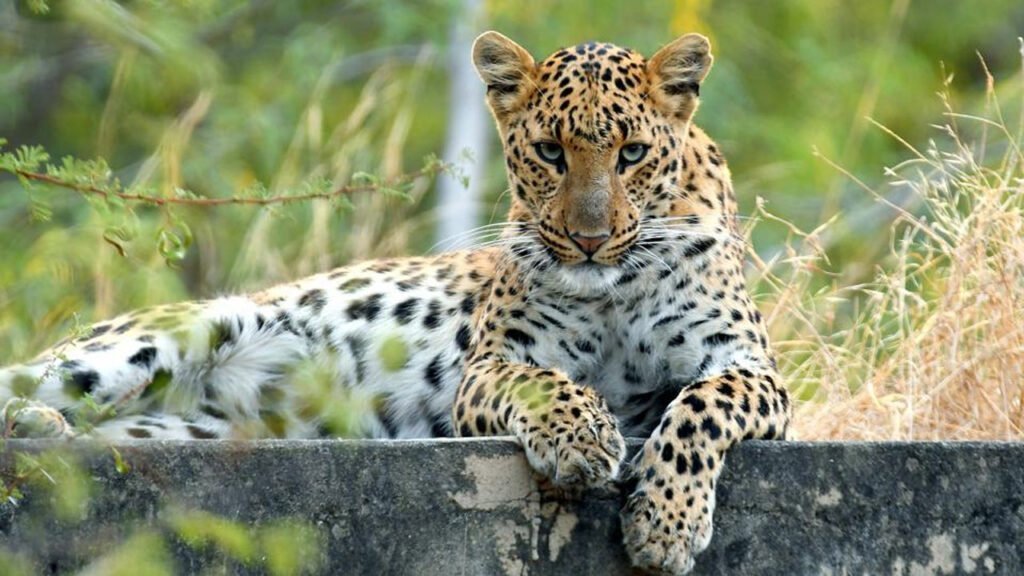
The most attractive feature of the Sariska Tiger Reserve is its population of Royal Bengal Tigers and other wild animals including Rhesus monkeys, Hanuman langurs, hares, wild boars, chousingha or the four horned antelope, chinkara, nilgai, sambhar, golden jackals, striped hyenas, caracal, jungle cats and leopards.

Best time to visit : 1st October to 30th June
Opening and closing hours : 8:00 AM to 6:30 PM
Type of Wildlife Safari : Jeep

Highlights of the park :

  • The first ever relocated home of the Royal Bengal Tigers
  • Explroe the beauty of the enchanting Aravalli Range
  • Spend a day amidst several rare and endangered species
  • Visit several historical places and temples near the park

The Desert National Park

Top 4 National Parks of Rajasthan

The Desert National Park:  Situated near the town of Jaisalmer, the Desert National Park sprawls over an area of 3162 square kilometres and has a unique landscape which is one of the greatest attractions for tourists from all over the world. While around 20 per cent of the park is constituted of sand dunes, the rest of the landmark comprises of fixed dunes, intermedial areas, salt lake bottoms and craggy rocks. It is an excellent example of the desert ecosystem.

This park has beautiful collection of plant and animal fossils which are as old as 180 million years. The most important attraction here is the Great Indian Bustard, which is a magnificent bird found in very few numbers. 

Best time to visit : October to February
Opening and closing hours : 12 pm to 5 pm
Type of Wildlife Safari : Jeep and Horse

Highlights :

  • Great Indian Bustard, one of the rare birds found only in India
  • Chinkaras and other lively species of Deer
  • Sam Sand Dunes
  • Bird watching near the GadsisarSagar Tank
  • Jeep safari

The Keoladeo Ghana National Park

Top 4 National Parks of Rajasthan

The Keoladeo Ghana National Park: Formerly known as the Bharatpur Bird Sanctuary, this place is home to a large number of migratory birds during the hibernal season and attracts a large number of ornithologists from all over the country and the world during the migratory season.

Being home to as many as 230 avian species, the bird sanctuary also accommodates 379 floral species,  366 bird species and several animals. The sanctuary is one of the richest areas of avian habitation in the world.  

Best time to visit : October to February

Opening and closing hours : 6:00 AM – 6:00 PM

Type of Wildlife Safari : Camel and Jeep

Highlights of the park :

  • UNESCO World Heritage Sites in India
  • Over 370 species of exotic birds
  • Is an important centre for ornithologists
  • Experience bicycle and rickshaw safari in the park
  • Enjoy boat safari in rains
  • Paradise for the bird watchers

5 Best Honeymoon Places in Rajasthan to Let You Enjoy Romantic Voyage

0

5 best honeymoon places in Rajasthan : Rajasthan, a land of red stone forts and white marble palaces, offers the best honeymoon destinations where you can celebrate the best days of your life. A grand welcome, a great treatment and amazing hospitality shall leave you stunned. Let’s discuss the five places where you can you can start your romantic voyage:

Jaisalmer Romantic Places

Jaisalmer Romantic Places

Wanna see the perfect amalgamation of folk dance, camel safari and desert camps along with mesmerising sand dunes giving a breathtaking view? Visit Jaisalmer and don’t miss the beautiful sunrise.

Hand in hand, watch the pristine attractions in this golden city which include Jaisalmer Fort, Bada Bagh, The Massive Five-storied Patwon ki Haveli, Desert Nation Park and Gadsisar Lake. 

You can also enjoy a wonderful camel ride or can opt for camping in desert for a night or two to dance with folk dancers.

Mount Abu Romantic Places

5 Best Honeymoon Places in Rajasthan to Let You Enjoy Romantic Voyage

This is yet another beautiful destination which has Green Aravalli Mountain Ranges and Nakki Lake in its vicinity which add further beauty to this place.

What adds beauty to this place are attractions such as Dilwara Jain Temples, Mount Abu Wildlife Sanctuary, Nakki Lake, Achalgarh, Gurushikher, Trevor’s Crocodile Park and different others. The hot air balloon ride and romantic boat ride are yet another experiences which you will add up in your memories for ever.

Jaipur Romantic Places

5 Best Honeymoon Places in Rajasthan to Let You Enjoy Romantic Voyage

Jaipur: Also called as the Pink City, Jaipur is one of the most beautiful and cherished tourist places in the nation. Its beautiful palaces, forts, mansions, heritage hotels, ancient marketplaces and its handicraft items give spectacular views. The walled city is UNESCO world heritage site which makes it one amongst the most beautiful cities where red-stone houses and pink color buildings leave you mesmerised with its charm.

Explore Sheesha Restaurant, Central park, Nahargarh Fort, Smriti Van, Sisodia Rani Garden, Jai Singh Palace, Birla Mandir, Jaigarh Fort, Hawa Mahal and other such places.

Udaipur: Udaipur is known all across the world for royal romanticism. Famed as one of the perfect destinations for the couples in Rajasthan, you can enjoy a romantic boat ride in the placid waters of Lake Pichola and treat your eyes with wonderful views around. The splendid gardens spread around and the rich cultural heritage sites speak the stories of regal history.

The best time to visit here is from the month of September to March. 

Bikaner: Bikaner is known for its temples, forts, palaces, and beautiful museums. The city is also home to the good quality of camels.

You can hop on to the back of your camel, and explore the country side. Places like Lalgarh Palace, Rampuria streets and Junagarh Fort should never be missed to make a visit.

The best time to visit this place is during the month of October 

Best Places to Visit in Jaisalmer Fort : Desert Festival 2021

2

Do you know that the descendants of the then maharajas’ workers are still inhabiting the Jaisalmer Fort and running soaps and stalls within the walls?

Also, a total of 99 big bastions are found here across the winding streets, temples and palaces which have been carved out of yellow sandstone. Let’s figure out five best places of the old city, peppered with sandstone havelis, undulating dunes, wind turbines, and villages of the omnipresent Thar Desert present in the Golden City which will take you into the glorious past of India:

Jaisalmer Fort

Jaisalmer Fort

The Fort sitting atop the Trikuta Hill is also called as the Sonar Quila (Golden Fort) which has been the epicentre of a number of wars between the Rathores and Mughals. The bastion is surrounded by two imposing walls and one enters through a number of sky-high gates that lead to an airy inner courtyard. The fort has been declared as a UNESCO World Heritage Site in 2013.

The main courtyard takes you to the seven-storied Maharaja Mahal, the king’s former palatial residence which has now been converted into the Fort Palace Museum. 

The Diwan-i-Khas (Hall of Private Audience), with a collection of rare Rajput stamps, and Diwan-i-Am (Hall of Public Audience) with rich porcelain tiles work speak of Jaisalmer’s opulence. The 7 Jain Temples within the fort date back to the 12th and 16th century.

Timings:

Fort Palace Museum: 8 AM – 6 PM (April – October), 

9 AM – 6 PM (November – March); 

Jain Temples: 8 AM – 12 PM (Chandraprabhu, Rikhabdev, Gyan Bhandar), 

11 AM – 12 PM (other temples)

Entry Fee:

Fort Palace Museum: INR 100 for Indians,

 INR 500 for Foreigners (audio guide included); 

Jain Temples: INR 50 for Indians, INR 200 for Foreigners

Salim Singh ki Haveli: Standing out as a magnificent example of Rajput architecture, the 300-year-old haveli is narrow along the lower floors and then blooms into arched balconies and light blue cupolas.

Salim Singh was a prime minister of Jaisalmer whose poor behaviour with the locals led him to be murdered on orders of the maharaja. Although he wasn’t a pleasant person to be around, his havelis are aesthetically carved. No mortar was used in the construction of this mansion and locals call in Jahaj Mahal.

Timings:

8 AM – 6 PM

Entry Fee:

INR 10-50 for Indians; INR 100 for Foreigners

Patwon ki Haveli: This makes the largest aristocratic mansions in the Golden City. Constructed in the 1800s by the Patwa brothers who were brocade and jewellery merchants, this haveli stands out as an architectural wonder among all the places to visit in Jaisalmer.

While the exterior walls of these mansions as arresting as possible. Patwon ki Haveli has intricately carved windows and balconies, while the interior contains a tiny museum, mirror work, and a few crackling paintings.

Timings:

9 AM – 6 PM

Entry Fee:

INR 50 for Indians; INR 200 for Foreigners

Nathmal Ki Haveli: This is a mansion that a mansion that still houses residents. The 19th century haveli has the beautiful paintings on the first floor that made use of nearly 1.5kg of gold!

Timings:

8 AM – 7 PM

Entry Fee:

Token payment

Gadi Sagar Lake: This is the 14th century tranquil reservoir which was built in 1367 by Maharaja Gadsi Singh to provide water to the old city. The reservoir is dotted with shrines and temples erected by the inhabitants in honour of this man-made oasis. Hire a boat and while away your time at this picturesque location. Gadi Sagar is one of the most mesmerising places to visit in Jaisalmer.

Timings:

8 AM – 9 PM

Entry Fee:

Free

When Bhavya Lal, NASA acting chief, quoted India among space faring nations…

0

Bhavya Lal, the Indian-American appointed as NASA’s acting chief of staff,
will be responsible for the day-to-day operations at NASA’s headquarters and will work towards shaping the strategic direction of the space agency.

Bhavya contributed a lot in making space tourism a reality.

She once quoted India in the summer 2016 issue of the journal Issues in Science and Technology and noted that in the next 10-15 years, the US government might not be the principal hub of the space community.


In same article, she said that space ambitions were no longer restricted to major space-faring nations, but included countries such as India, Israel. South Korea, the UK and Singapore which started showing growing expertise in space exploration and in technology development.

She wrote on the progress made by private companies such as SpaceX, Virgin Galactic and Blue Origin to make this space tourism a reality.

Alwar has it all: Jungles, palaces, ‘Fairy Queen’ & Akbar, Aurangzeb swords too!

0

Alwar, one of the oldest Rajasthani kingdoms, has its roots going back to 1500 B.C. A city soaking in history, gives a sense of quietude as you stroll through the ancient palace soaking in the charms of its colourful bazaars. The museum here houses the swords of Mughal emperors Akbar and Aurangzeb too.

Alwar also makes the final destination for the Fairy Queen- a retro locomotive said to be the oldest in the world and constructed in 1855! The journey begins in New Delhi and comes to a halt in the City of Rajputs.

Here’s the only list you need for places to visit in Alwar, its secrets tucked away from the maddening crowd.

Bala Qila Alwar

Bala Qila Alwar

Towering 300m above the city, Bala Qila’s is a massive bastion which predates the rise of the Mughals and its impressive ramparts run for a good 5kms. Mughal emperors, Akbar and Babur spent time here. While Emperor Jahangir spent his three years of exile at Salim Mahal situated within the walls of this fort. While the name ‘Bala’ means young, the fort is ancient, being constructed in the 1500s.

How to reach here: 

You can either hire a rickshaw for a longer 7km ride or you could make the steep climb yourself and save time. 

Bala Qila was constructed on the foundations of a 10th century battlement and the structure is steeped in history. 

There are six entrances and once you’re within its walls, the marble columns and exquisite latticed balconies are a joy to behold.

Timings: 10 A.M. – 5 P.M.

Entry fee: Entry is free. All you need to do is get permission from the police superintendent’s office in the City Palace complex. This is pretty easy to manage.

City Palace Alwar

City Palace Alwar

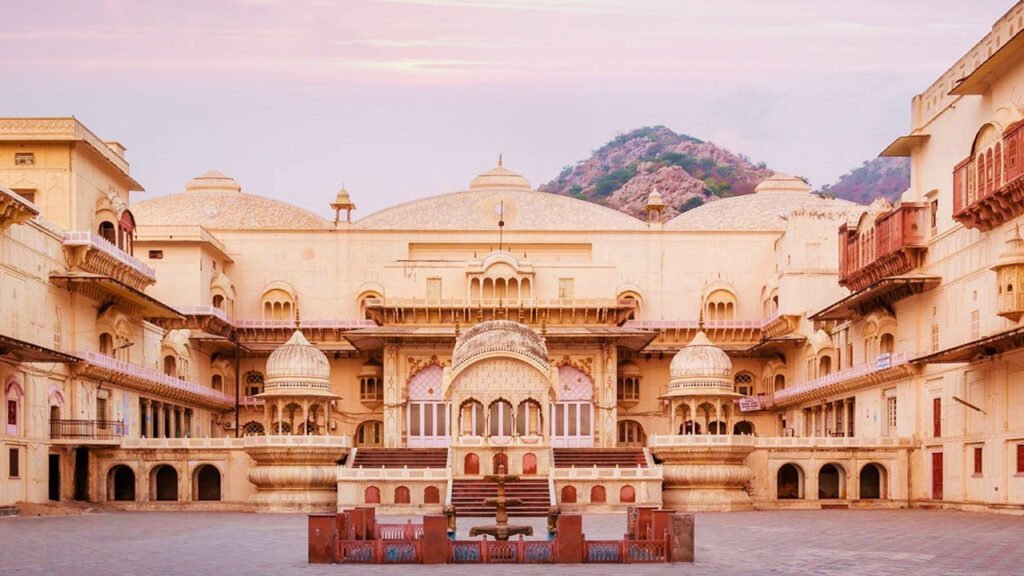
Wanna see the geometric whirlwind of pavilions and ghats? Visit Vinay Vilas Mahal, or the City Palace, which sits on the bottom of Bala Qila. 

Constructed in 1793, the City Palace has 15 large towers and 51 smaller towers that give this structure an air of regality. The marble pavilions, intricate murals, lotus flower bases and airy courtyard make this a must visit destination in Alwar. The palace now houses the offices of the District Collectorate, making it one of the most beautiful government offices in the country.

With the Rajput-Mughal architecture, this palace also has Sagar Kund, the artificial lake. The City Palace is one of the most historically important places to visit in Alwar.

Timings:

10 A.M. – 5 P.M. (closed on Mondays)

Entry Fee:

INR 5 for Indians; INR 50 for Foreigners

Sariska National Park

Sariska National Park

Situated across 866 sq km, this National Park  has everything from jungle safaris to ancient temples. It is home to a variety of wild animals in the midst of stunning scenery. Located within the soft folds of the Aravalli Hills, a jungle safari will help you spot the rare Indian Eagle-Owl, peacock, sambhar, nilgai, jackal, wild boars, monkey, leopard and the majestic tiger.

As of August 2018, Saris Tiger Reserve is home to four tigers, eight tigresses and two cubs. It is the first tiger reserve in the world to have successfully completed a tiger relocation scheme. 

Timings:

6 A.M. – 3 P.M. (1st October – 30th June)

Entry Fee:

INR 105 for Indians; INR 570 for Foreigners.

City Palace Museum

City Palace Museum

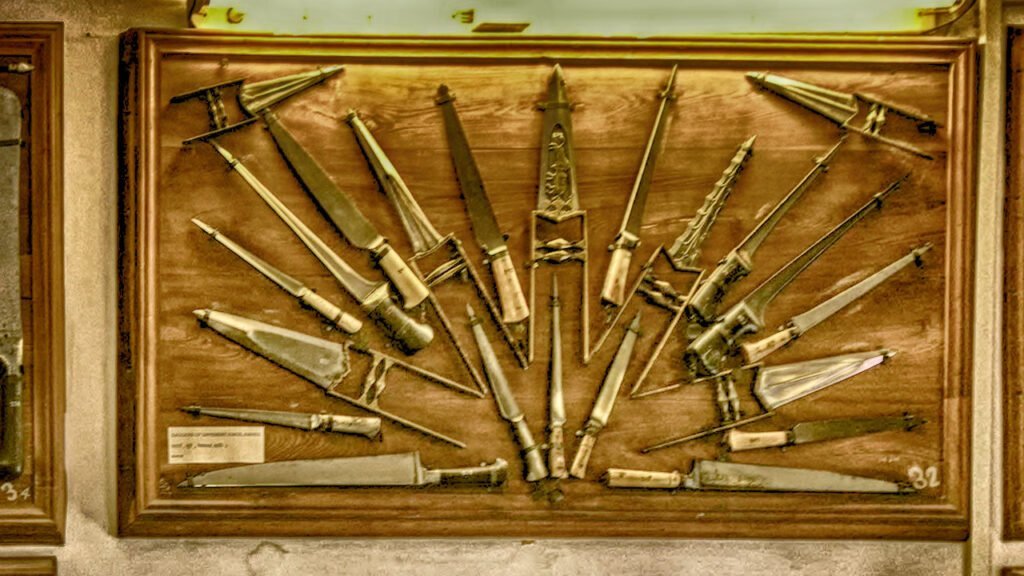
Within the sprawling gates of the City Palace , there is a government-run museum that contains relics such as royal ivory slippers, glorious weaponry, royal attire,   erotic miniatures, a 11th century Vishnu sculpture and widescreen paintings of royal processions.

The museum is on the top floor of the City Palace and you can reach it by taking the ramp from the main courtyard. The City Palace Museum accommodates ancient coins, manuscripts, inscriptions and stone sculptures. Swords belonging to Emperor Aurangzeb and Akbar are also on display here.

Timings: Tuesday – Sunday; 9:45 A.M. – 5:15 P.M.

Entry Fee: INR 50 for Indians; INR 100 for Foreigners

Read more on: https://ebnw.net/travel/fairy-queen-train-rajasthan-worlds-oldest-working-steam-engine-built-in-1855/

Nahargarh Fort: Relish the experiential retreat offering thrill, adventure & excitement in Jaipur

0

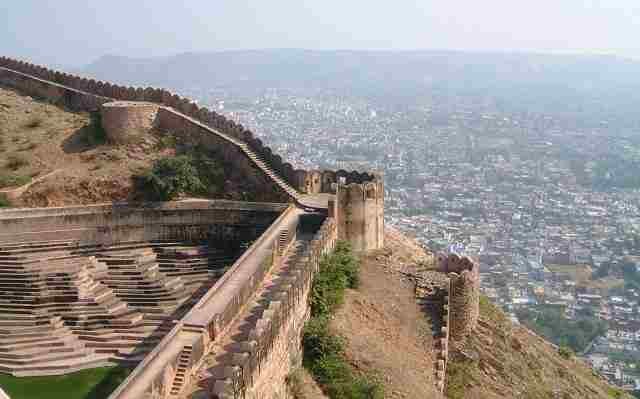
Nahargarh Fort situated on the Aravalli hills offers you an experiential retreat as you drive off city life to reach to this architectural wonder.

Overlooking a beautiful lake, Nahargarh Fort offers a visual treat by capturing the entire city from a hill top. In fact, the sunset from the fort terrace is a sight which you should never miss for anything else when here.

A food court and a restaurant at the top of the fort further offers an excellent view. In fact, this is one fort which offers adventure, thrill, excitement, horror stories and much more to the avid traveller:

History of Nahargarh Fort

Nahargarh in literal form means ‘abode of tigers’. 

As per the legends, this fort was named as Nahargarh after the spirt of a Rathore, Nahar Singh started haunting the site during the construction of the fort . Strange phenomenons were occurring in those times as the daily construction work was destroyed in the night by some unseen forces.

Local people confirm that the fort was first named Sudarshangarh, however,  it was later named as Nahargarh after the spirit of Nahar Singh Bhomia, a prince, who was haunting the place and destroyed the construction. As believed, a temple was constructed  in the fort premises to appease the spirit. 

Significance of Nahargarh Fort

Nahargarh Fort is home to Jaipur’s first wax museum called as Sheesh Mahal (the palace of mirrors). The sheesh mahal, designed to honor the Mughal and Rajput architecture, showcases a massive 25 million glass pieces, carved with intricate designs and gold polishing.

The wax museum encompasses many well-known personalities including the likes of Amitabh Bachchan. The museum also has detailed backdrops and well-designed sets along with the life like replica of many national heroes.

Sheesh Mahal in other parts of Rajasthan does not have a glass floor and hence this makes it a unique place to visit.

Further Nahargarh fort along with Amer Fort and Jaigarh Fort formed the defence to the then capital when Amer stood tall as the capital of the Rajput. The city was bustling with activity and markets in the 1600s.

How to Reach Nahargarh Fort

Located 6 KM outside the city of Jaipur, the drive to the fort from the city centre is more than just picturesque. With nature’s bounty spread around and peacocks dancing by the roadside, an uphill drive through the forest will leave you in awe of its beauty

Meanwhile, the best way to reach the destination is to hire a cab. Even autos can take you to the fort entrance. There are shuttles also available from the foot of the hill.

Nahargarh Fort Entry and Timings

Nahargarh fort remains open from 10 00 AM in the morning to 5 30 PM in the evening. The entry fee for overseas tourists is INR 200 and students are INR 25.

The wax museum and Sheesh Mahal are situated near the entrance of fort. The entrance fee for each is INR 350.

Best Time to Visit the Nahargarh Fort

Best time to visit the Nahargarh Fort is during winter as the weather remains pleasant through out the day. The fort forms a perfect location to spend an entire day. You can couple it with the two forts nearby, Amer and Jaigharh.

It is advisable to first visit Nahargarh fort. You can spend the morning there and have lunch there. There after you can move to Jaigarh which is only a KM from Nahargarh.

Most Significant Aspect of Nahargarh Fort

The abode of tigers has an amazing view. Earlier it was a lonely place with magnificent structures and a few places to eat. But now the fort is bustling with noise due to the recent opening of the glass palace and wax museum.

All about Nahargarh Fort

  • Famous for : Monument Fort / Fortress History & Culture
  • Fee : INR 200 for Foreign Tourists and INR 50 for Indians
  • Visiting Time : All days 10:00 AM – 5:30 PM
  • Visit Duration : Around 2 – 3 hour

Budget 2021-22: Know how it’s different in 5 ways !

0

Finance Minister Nirmala Sitharam presented the budget 2021-22 on February 1 announcing slew of reform measures. Here are the 5 ways how the Budget 2021-22 is different from the other budget sessions:

  • For the first time in India, the finance minister replaced her signature ‘bahi khata’, and opted to carry the the documents in a tablet which was wrapped in a red-coloured cover with national emblem
  • For the first time in India, the finance minister replaced her signature ‘bahi khata’, and opted to carry the the documents in a tablet which was wrapped in a red-coloured cover with national emblem
  • For the first time in India, the finance minister replaced her signature ‘bahi khata’, and opted to carry the the documents in a tablet which was wrapped in a red-coloured cover with national emblem
  • For the first time in India, the finance minister replaced her signature ‘bahi khata’, and opted to carry the the documents in a tablet which was wrapped in a red-coloured cover with national emblem
  • For the first time in India, the finance minister replaced her signature ‘bahi khata’, and opted to carry the the documents in a tablet which was wrapped in a red-coloured cover with national emblem