Home Blog Page 840

India’s first undersea tunnel to be built in Mumbai by 2023

0

Come 2023, Mumbai will accommodate India’s first undersea tunnel, which will be part of the the city’s Coastal Road project.

The twin tunnels have a length of 2.07 km of which one kilometre will be under the sea. They are being built as part of the Mumbai Coastal Road Project, a 10.58-km stretch starting from the Marine Drive promenade to the Worli-end of the Bandra-Worli Sea Link. 

The road will comprise land-filled roads on areas reclaimed from the sea, bridges and tunnels and is part of a plan to link South Mumbai with North with a toll-free freeway that is expected to ease up traffic in Mumbai, which is one of the most congested cities in the world. 

It is the first undersea road tunnel in the country to pass through Arabian Sea near Girgaon Chowpatty and will start from Priyadarshani Park and end at Netaji Subhash Road in Marine Drive.

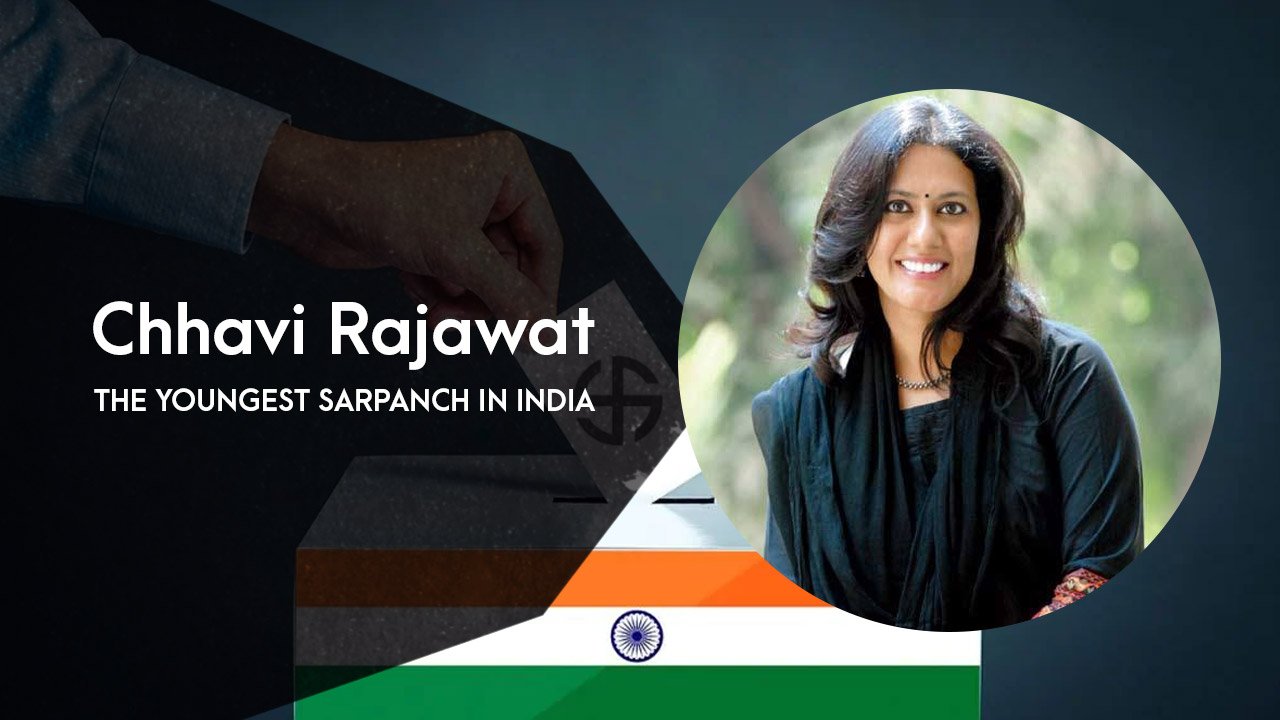
Where is Chhavi Rajawat, the youngest sarpanch, of India?

0

Chhavi Rajawat, the youngest sarpanch in India, who scripted a success story by bringing winds of change in her ancestral village of Soda in Rajasthan and made regular media headlines, is now being discussed for her absence from the media lights.

Chhavi did quit her cushy corporate career to devote her time to make the villagers financially self-sufficient to lead a quality socio-economic life.

She challenged the stereotype image of a sarpanch as she never wore a ‘ghoonghat’ and roamed around in jeans.

She further challenged all kinds of gender bias and worked on core areas such as water, sanitation, electricity and roads in order to ensure that the villagers lead a quality life.

She also partnered with the concerned stakeholders to get toilets constructed in the village, besides working to improve the condition of roads.

However, since last few years, her absence is being discussed widely around as no one holds clue what are the present projects she working on.

While some say, she was busy collecting funds, others say she has been engaged in teaching. 

A few prominent media houses tried to contact her, but to no avail. Hence where is she and what is she upto is being discussed widey.

But it is a fact that nation needs more such change makers to script more such success stories.

IAS Kuldeep Ranka presently Principal Secretary to CM Rajasthan

0

Kuldeep Ranka is 1994 IAS officer who is serving as the Principal Secretary to CM Ashok Gehlot a few days after the formation of Congress government in the state.

Kuldeep Ranka is serving as the principal secretary to the Rajasthan Chief Minister Ashok Gehlot.

A 1994 batch IAS officer, Ranka is the first officer from Rajasthan to become the Chief Secretary of the CMO.

Earlier, he served as the principal secretary for tourism and forest in the desert state

This is the first time in Rajasthan when a native of state has become the Principal Secretary to the CM. 

Before this, the natives of Rajasthan have never got a chance to serve this post. 

Ranka pursued B.Tech in Computer Science, prepared for the Civil Service while studying in the library and reading room of the Information Center situated in Jaipur. He succeeded in the UPSC exam in his first attempt. 

Due to his administrative efficiency, he has also been very popular while serving as district collector in Pali, Jaisalmer, Udaipur and Bundi.

Ranka is very popular among his colleagues due to his working methodology.

IAS Rohit Kumar Singh appointed as Additional Secretary in Union Ministry of Culture

0

IAS Rohit Kumar Singh for Central deputation to the post of Additional Secretary in the Union Ministry of Culture

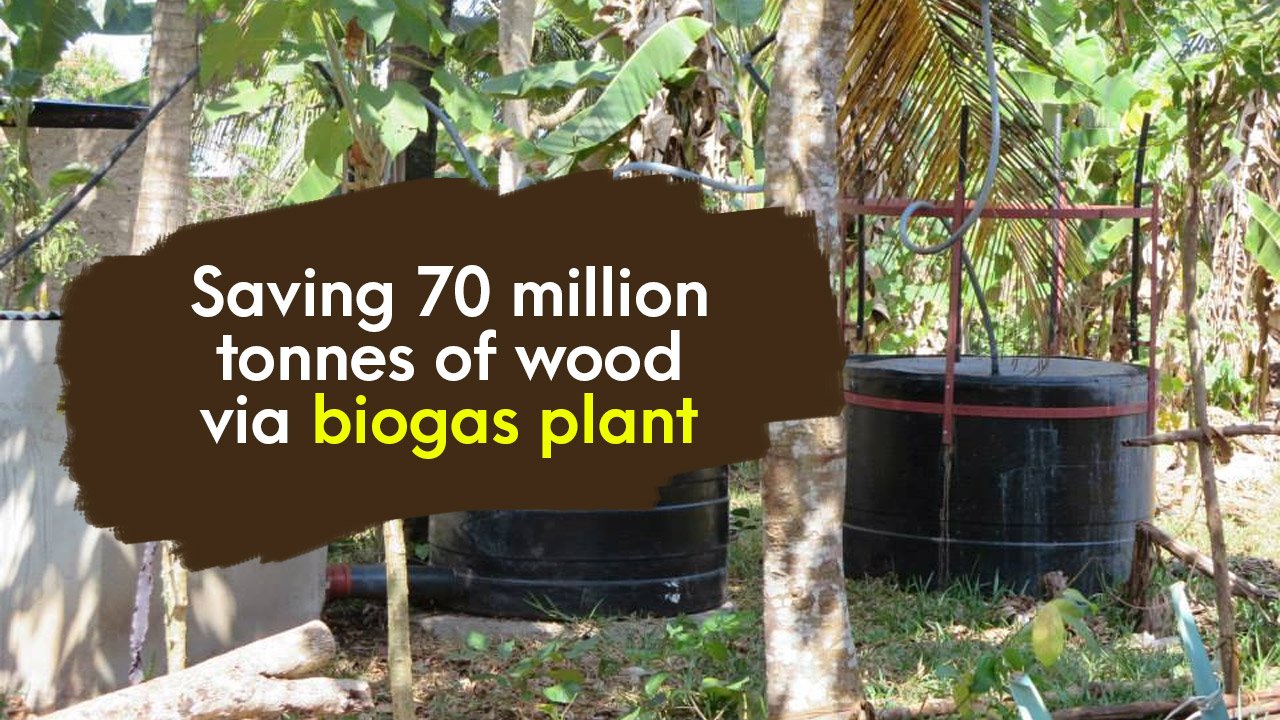
Brilliant Bharat: Saving 70 million tonnes of wood via biogas plant

0

Approximately 70 million tonnes of wood can be saved from a biogas plant being run by cow dung which will save about 30 million trees from being cut. The production of about 30 million tons of carbon dioxide can also be stopped with it

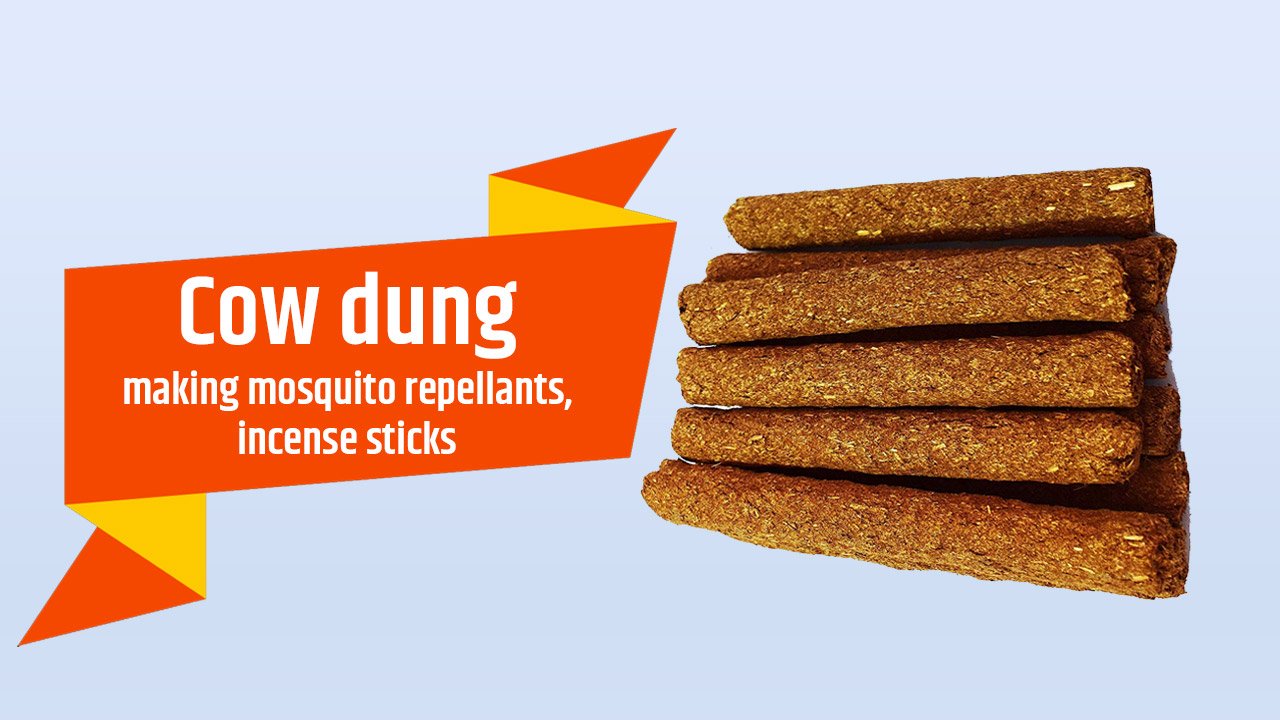
Brilliant Bharat: Cow dung making mosquito repellants, incense sticks

With the use of lac in cow dung, items like gumla, laxmi-ganesh, kamaldan, dustbin, mosquito repellent incense sticks, candle stand etc. are being made. Training is made to make products made of cow dung at BioVed Agricultural Technology and Science Research Institute, Sringavepur in Kaurihar block of Prayagraj district. Dr. Himanshu Dwivedi, managing director of the institute, says that the dumpling pot is becoming popular. After making the flowerpot from cow dung, lacquer is coated on it.

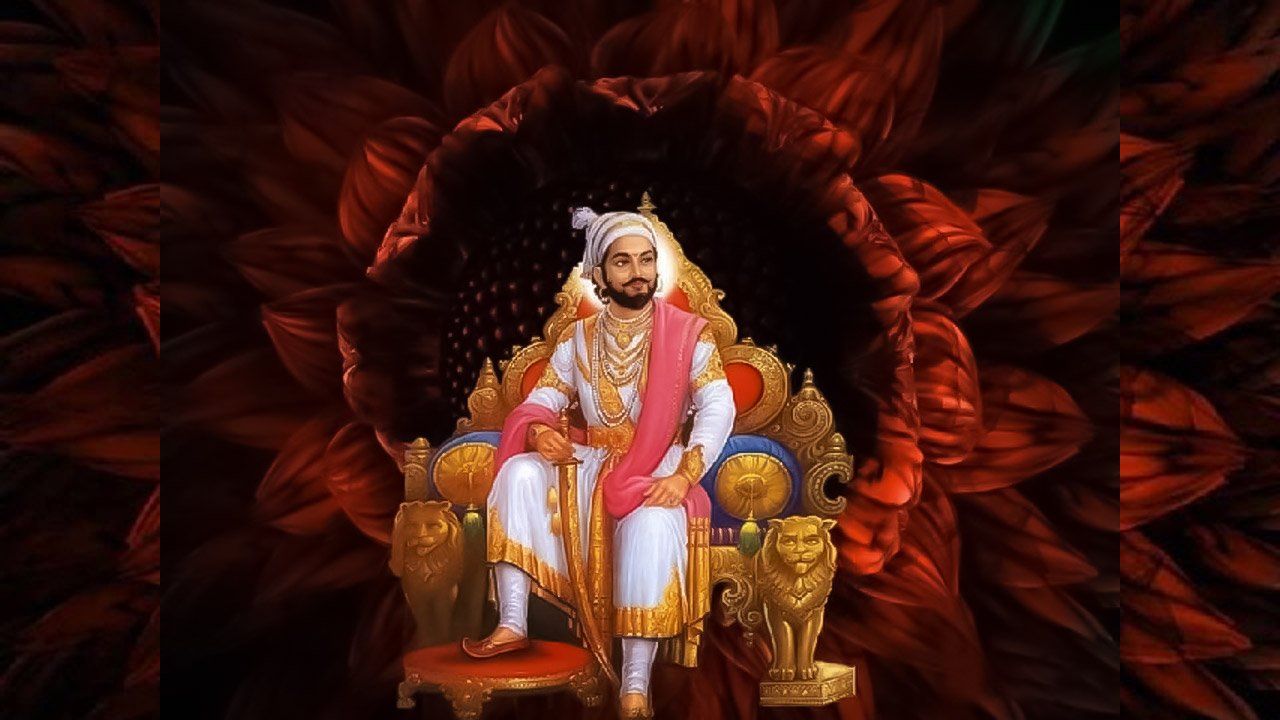
Shiv Jayanti 2021: Facts about the Chhatrapati Shivaji Maharaj

0

Chhatrapati Shivaji Maharaj, the founder of the Maratha Kingdom, celebrates his Tithi-based Jayanti on March 31. 

The great warrior was born on February 19, 1630 and the day is celebrated as Shivaji Jayanti in India, particularly in the state of Maharashtra. 

This year, that is 2021, Shivaji’s tithe based Jayanti is being celebrated on March 31. 

Let’s know a few more facts about the great Maratha warrior:

  • Shivaji Bhonsale  was born in the hill-fort of Shivneri,
  • Shivaji was said to be completely devoted to his mother Jijabai, who was deeply religious. His upbringing introduced him to Hindu epics of Ramayana and Mahabharata, which are said to have influenced his own views on Hindu values.
  • Shivaji was skilled in mapping out military missions. He was extremely skilled at guerilla-style warfare and planned stealthy war operations.
  • Shivaji successfully expanded the Maratha empire by capturing and building magnificent forts. Every year on Shivaji Jayanti, people of Maharashtra celebrate his birth anniversary by gathering at the forts Shivaji captured and built.
  • During India’s struggle for independence, Bal Gangadhar Tilak invoked Shivaji and celebrated him as a figure of courage and valour in the face of oppression.

Brilliant Bharat: Cow dung making mosquito repellants, incense sticks

0

With the use of lac in cow dung, items like gumla, laxmi-ganesh, kamaldan, dustbin, mosquito repellent incense sticks, candle stand etc. are being made. Training is imparted to make products made of cow dung at BioVed Agricultural Technology and Science Research Institute, Sringavepur in Kaurihar block of Prayagraj district.

Dr. Himanshu Dwivedi, managing director of the institute, says that the pots made of cowdung are becoming popular. After making the flowerpot from cow dung, it is coated by lac

Brilliant Bharat: CFL Bulb battery run by cow urine

0

A CFL bulb has been made in Kanpur’s Gaushala, which runs on batteries. This battery is charged with cow urine. A CFL bulb burns for 24 hours with half a litre of urine.

Salasar Balaji Temple Churu: The mythological tale of Rajasthan

0

Tying coconuts can help fulfil your wishes in Salasar Balaji Temple situated in Churu.

Are you aware of the story behind the Salasar Balaji temple which is dedicated to the Lord Hanuman in Rajasthan?

There is a legend that those tying coconuts in colourful red cloth get their wishes fulfilled in this temple and there is an interesting story behind this ritual.

Once upon a time, a Jagirdar of Sikar, Rao Raja Devi Singh wished to have a son. He heard about Balaji and came to this place and tied a coconut on a tree to fulfil his wish and was later blessed with a son Rao Raja Laxman Singh after ten months. Thus the custom of tying coconuts to fulfil wishes continues at the temple from that time onwards.

Situated in the Churu district of Rajasthan, the temple complex is an art of architecture being built with brick, mortar and marbles. The use of mosaic, white marble and gold and silver wares in the sanctum, walls and gate of the temple are  just jaw dropping.

Salasar Balaji Temple Churu: The mythological tale of Rajasthan

There are many rituals of worship in this temple which is now known as a religious circuit in the region because of many temples located nearby includes the pilgrim centres of Rani Sati temple, Jeen Mata and Khatushymaji, which are located close to it.

The idol of Balaji in fact was founded by a farmer while ploughing the land.

Initially a small construction, the temple of Salasar Balaji is now a Shakti Sthal.

Of many rituals and traditions performed at the temple, the most widely followed is the tying of coconuts with sacred thread (moli) in the temple premises by a large number of devotees. It is widely believed that such practice helps them to fulfil their wishes if done with sincere faith.

The other widely followed practice is the offering of food by the devotees to their deity, referred to as savamani. Though the food is mostly prepared by the cook of the temple kitchens, the process is now being outsourced to several independent shopkeepers and food-caterers due to the increasing number of offerings every day. Several delicacies like Dal, Bati, Churma, Boondi, Peda and Laddu is chosen for Savamani. The food after first being offered to the deity, is later used as part of family celebrations, distributed over to family and relatives or donated to the needy.

. 

Shri Khatu Shyam Ji (Shyam baba) : One of the most sacred temple in India

0

The Khatushyam Temple is a revered place in the village of Khatushyamji, situated in Sikar district of Rajasthan. The village is quite popular with pilgrims. 

Devotees believe it houses the miraculously rediscovered head of Barbarika or Khatushyam, a character from the Mahabharata.

Khatushyam, basically, is a manifestation of Barbarik, the grandson of Bhima and Hidimba which is quite famous in Rajasthan and Haryana.

The place where the head of Barbarik was found is now called Shyam Kund. It is a beautiful Kund. There are two Kunds or Ponds – one for men that are shown in the image above and the other one for women. This complex houses temple to Gayatri Devi and coconuts can be seen here everywhere.

There is an idol of Krishna with the head of Barbarik at his feet – in a way telling the story of the place.