Home Blog Page 84

What Is the International Space Station (ISS)? Key Facts You Should Know

0

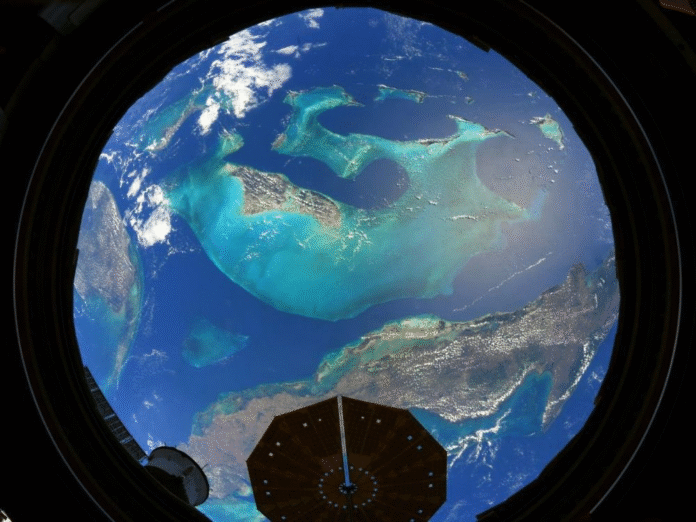
The International Space Station (ISS) is one of humanity’s most ambitious scientific projects in space. Orbiting the Earth at high speed, the ISS serves as a permanent laboratory in space, where astronauts conduct experiments that are impossible to perform on Earth.

A Global Space Collaboration

The ISS has been built jointly by 18 countries, including the United States, Russia, France, and other international partners. It stands as a symbol of global cooperation in science and space exploration.

Orbit and Speed

The space station orbits the Earth at an altitude ranging between 330 km and 435 km. Traveling at an astonishing speed of 28,163 km per hour, the ISS completes one full orbit around the Earth every 90 minutes, meaning astronauts witness about 16 sunrises and sunsets each day.

Construction and History

  • The first control unit of the ISS was launched in 1998 using a Russian rocket.
  • On November 2, 2000, astronauts arrived for the first time to stay aboard the station for experimental purposes.
  • By 2011, the ISS was fully completed and operational.
  • At any given time, up to six astronauts can live and work aboard the station.

Life on the ISS

The ISS is equipped with six sleeping rooms, two bathrooms, and a gym. Due to microgravity, astronauts must exercise at least two hours daily to prevent muscle and bone loss.

Size, Cost, and Weight

  • The ISS is approximately 109 meters long.
  • Its total construction cost is estimated at $150 billion, making it the most expensive man-made structure ever built.
  • If weighed on Earth, the station would weigh about 420,000 kilograms.

Record-Breaking Missions

  • On September 2, 2017, astronaut Peggy Whitson set a record by spending 665 days in space, the longest by any astronaut aboard the ISS.
  • Astronaut Scott Kelly experienced a temporary increase in height by about two inches after spending a year in space, due to spinal elongation in microgravity. His height returned to normal within two days of returning to Earth.

Why the ISS Matters

The ISS plays a crucial role in advancing medical research, climate studies, physics, and space technology. Experiments conducted aboard the station help scientists understand how the human body reacts to long-term space travel—knowledge that is essential for future missions to the Moon and Mars.
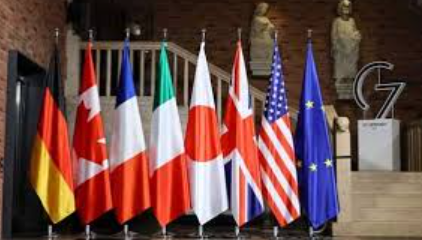

France’s G-7 Agenda and the Return of ‘Global Imbalances’: Old Problem, Wrong Diagnosis?

0

On January 1, France assumed the presidency of the G-7, the long-standing forum of advanced economies. Paris has placed “global imbalances” at the centre of the group’s agenda—specifically, the large current-account surpluses and deficits of countries such as China and the United States. The theme evokes memories of 2006, when similar anxieties dominated global economic discussions, just before the global financial crisis erupted two years later.

Politically, the choice is understandable. If US President Donald Trump and European leaders can still agree on anything, it is that China’s trade surpluses pose a challenge. For President Emmanuel Macron, the agenda also serves a domestic purpose—deflecting attention from France’s own fiscal difficulties while projecting leadership on the world stage. Economically, however, whether global imbalances deserve this renewed prominence is far less clear.

Are global imbalances really back?

By headline numbers, today’s imbalances appear smaller than those of the mid-2000s. The International Monetary Fund estimates the US current-account deficit at about 4.6% of GDP in 2025, below its 2006 peak of 6.2%. China’s surplus, meanwhile, has fallen to around 3.3% of GDP, compared to nearly 10% in 2006.

But these ratios alone are misleading. China’s share of global GDP has tripled since 2006 at current prices—the metric that matters for traded goods. Adjusting for scale, China’s surplus today has an impact on the world economy comparable to that of 2006. Since the US and China together account for roughly 40% of global output, the combined imbalance between them is not far from pre-crisis levels.

Lessons from 2008: imbalances were not the real culprit

Yet history cautions against drawing a straight line from imbalances to crisis. The global financial crisis was not caused by current-account deficits and surpluses, but by reckless risk-taking, opaque financial instruments and lax regulation—especially in advanced economies.

Fast forward to today, and risks to financial stability are again visible: the rapid growth of private credit markets, inadequate oversight of crypto assets, complex and circular financial flows linked to data centres and semiconductor investments, and a loosening of bank supervision in the US. These dangers echo the past, but they are largely independent of global imbalances.

Where imbalances and financial risk intersect

One area does link imbalances to instability: the surge in US investment in data centres and advanced chips. Such investment accounted for nearly 80% of the increase in US final private domestic demand in the first half of 2025. Since the US current-account deficit reflects the excess of investment over saving, this investment boom has mechanically widened the deficit.

Reducing investment would shrink the deficit—but at the cost of slower US growth, which would harm both the American economy and the rest of the world. This underlines the danger of treating imbalances as a problem to be “corrected” without regard to their underlying drivers.

The Lawson Doctrine revisited

This debate recalls the Lawson Doctrine, named after Nigel Lawson, who argued that current-account deficits are benign if they reflect strong investment rather than weak saving. Subsequent experience added a crucial caveat: investment-driven deficits are safe only if the investments are productive.

China Satellite Tracks Final Breakup of Giant Iceberg A23a

0

China’s Fengyun-3D meteorological satellite has detected that iceberg A23a, once the largest iceberg in the world by surface area, has entered the final stage of disintegration. Recent satellite observations indicate that the massive ice body, which detached from Antarctica nearly four decades ago, is rapidly shrinking and may completely disappear in the coming weeks.

Satellite Observations Confirm Rapid Shrinkage

According to data released by the China Meteorological Administration, true-colour images captured by the Fengyun-3D satellite on January 14 revealed that A23a’s main body has reduced to around 506 square kilometres. This marks a dramatic decline from its original size of about 4,170 square kilometres when it broke away in 1986. Just three weeks earlier, the iceberg still covered nearly 948 square kilometres, highlighting the speed of its ongoing disintegration.

Role of Fengyun-3 Satellite Constellation

The monitoring has been conducted using the Fengyun-3D, part of China’s Fengyun-3 satellite constellation, which has tracked A23a continuously since 2023. The satellite provides high-resolution imagery with a spatial resolution of 250 metres, allowing scientists to closely analyse changes in the iceberg’s structure and surface conditions. Experts note that the rate of breakup accelerated sharply earlier this year.

Why A23a Is Breaking Apart

Scientists attribute the rapid fragmentation primarily to hydrofracturing. This process occurs when meltwater accumulates on the iceberg’s surface, forming ponds and glacial lakes that exert pressure on internal cracks. Satellite imagery has shown blue meltwater pooling in A23a’s central region, trapped by natural ridges along its edges. Seasonal factors are also playing a role, with summer conditions in the Southern Hemisphere bringing clearer skies, higher air temperatures, and warmer seawater exceeding 3°C, all of which accelerate melting.

Facts

  • A23a was the world’s largest iceberg by area after calving in 1986.
  • It broke away from Antarctica’s Filchner Ice Shelf.
  • Hydrofracturing is a key mechanism behind iceberg breakup.
  • Polar-orbiting satellites monitor cryospheric changes.

From Antarctic Giant to Near Extinction

A23a separated from the Filchner Ice Shelf in Antarctica in 1986 and drifted for decades across the Southern Ocean. According to Zheng Zhaojun of China’s National Satellite Meteorological Center, the iceberg is now nearing complete disintegration. Ocean currents are carrying smaller fragments toward warmer northern waters, further weakening the remaining ice. The event underscores the vulnerability of large Antarctic ice masses to climatic and oceanic changes.

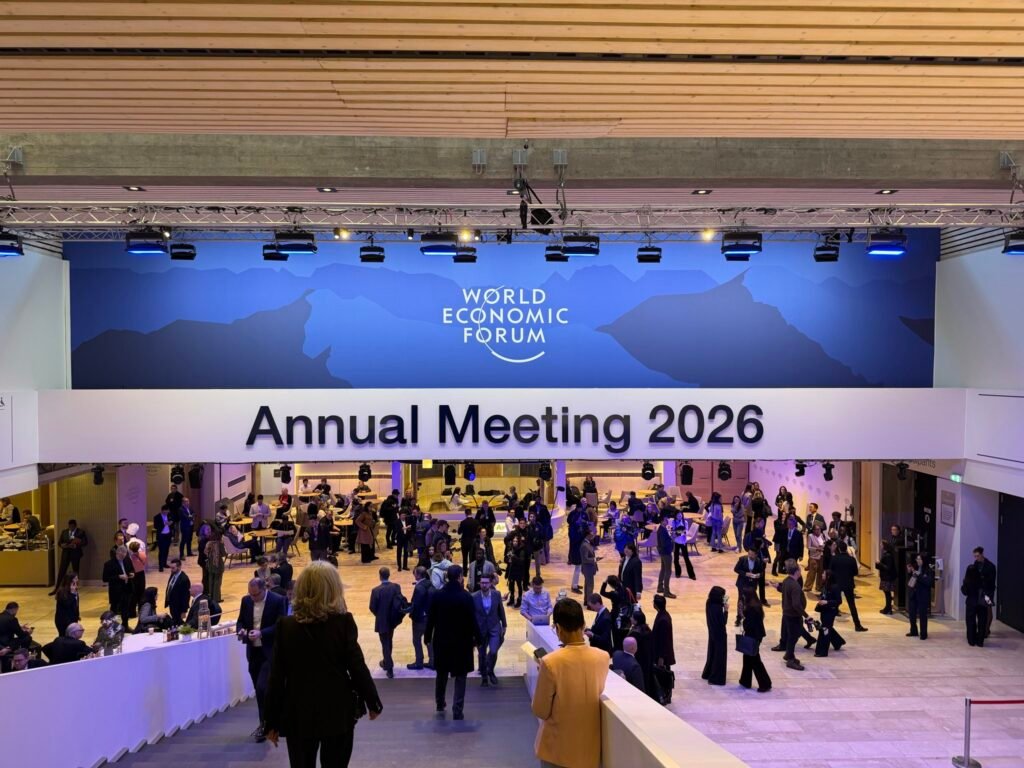
World Economic Forum Annual Meeting 2026 What to expect at Davos who’s attending and why it matters

0
World Economic Forum Annual Meeting 2026 What to expect at Davos who’s attending and why it matters

The World Economic Forum (WEF) Annual Meeting 2026 is underway in Davos-Klosters, Switzerland, bringing together political leaders, business executives, thinkers and influencers from around the world. Running from January 19 to 23, this year’s summit, the 56th edition takes place under the theme “A Spirit of Dialogue”, emphasising cooperation amid global uncertainty.

Record turnout of world leaders and top CEOs

Organisers say the scale of participation is unprecedented. Nearly 3,000 participants from over 130 countries are expected, including a record 400 senior political leaders, close to 65 heads of state and government, senior ministers, central bankers, trade officials, labour representatives and civil society figures. Leaders like US President Donald Trump, French President Emmanuel Macron, Canadian Prime Minister Mark Carney and European Commission President Ursula von der Leyen are among the high-level attendees.

The business contingent is equally significant, with almost 850 top CEOs and chairpersons and nearly 100 leading unicorn and tech pioneers attending. Big names from the technology world include executives and innovators linked with Microsoft, NVIDIA, Anthropic, Amazon and Meta, reflecting the event’s focus on innovation and economic transformation.

Agenda shaped by dialogue cooperation and global risks

This year’s WEF meeting is designed to provide a platform for dialogue on pressing economic, geopolitical and technological challenges. Organisers have emphasised the need for cooperation in areas like economic growth, investment in people, responsible innovation, and prosperity within planetary limits. Sessions will explore global economic trends, AI regulation, climate transition, geopolitical risks, public-private collaboration and strategies to unlock inclusive growth.

Why Davos matters in 2026

Davos has long been a gathering where global elites exchange ideas, shape agendas and build coalitions on issues from trade to climate change. In 2026, its significance is heightened by rising geopolitical fragmentation, technological disruption and persistent global inequality. The forum’s aspiration to create a neutral space for discussion comes at a time when dialogue rather than confrontation is seen as crucial for navigating shared challenges such as future pandemics, energy transitions and workforce shifts.

India’s expanding presence and state delegation efforts

India has sent a broad and powerful delegation to Davos, marking one of its most significant representations yet. Alongside central government ministers like Ashwini Vaishnaw, Shivraj Singh Chouhan and Pralhad Joshi, over 100 Indian CEOs including Mukesh Ambani and N Chandrasekaran are engaging with global investors and thought leaders. States such as Assam, Kerala and Maharashtra are utilising the platform to pitch investment opportunities, advance MoUs and showcase regional strengths like ease of doing business and tech innovation.

Broader impact beyond Davos slopes

While critics argue that talk often outweighs action, Davos remains influential in setting global policy discourse and connecting leaders across sectors. With hundreds of sessions livestreamed publicly and diverse voices included in debates, the Annual Meeting continues to shape how governments, businesses and civil society tackle 21st-century priorities.

Trump’s Second Term and the World of Three: Why a G2 Has Become a G3 Problem

0

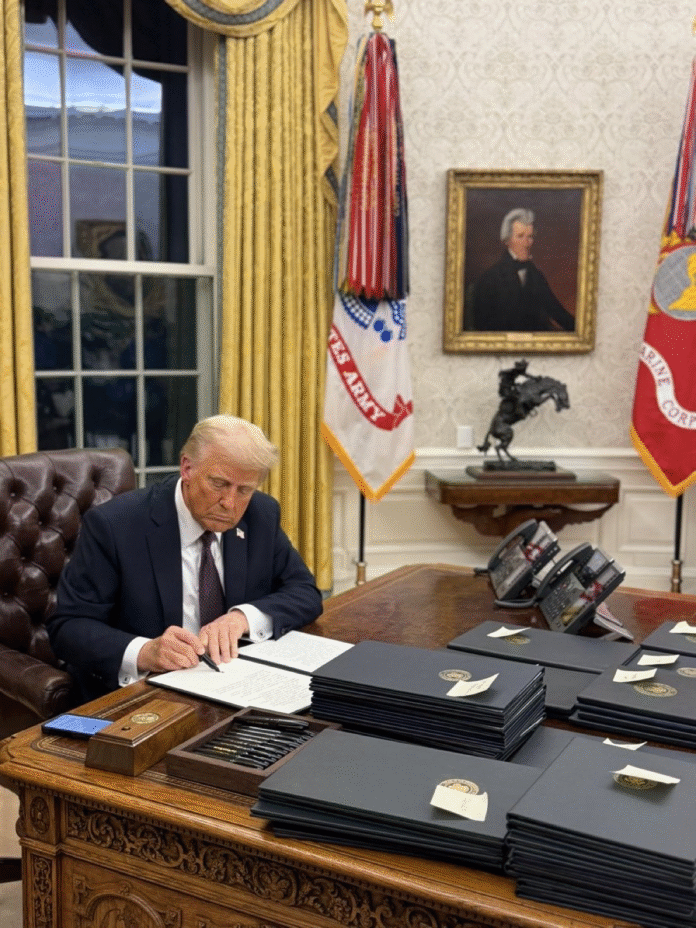
As Donald Trump completes one year of his second term as US President, the central question confronting the world is whether his second year will be as disruptive as the first. Early signals suggest continuity rather than correction. Trump has revived a blunt conception of power, choosing muscle over money as his primary instrument of statecraft. This choice has far-reaching implications, not just for the US, but for a global order that is no longer bipolar, yet not comfortably multipolar either.

Power, money and muscle: a revealing choice

Traditionally, great powers rely on two enduring tools: economic influence (money) and coercive strength (muscle). China, for decades, has leaned heavily on money—patient capital deployment, infrastructure financing, trade integration and manufacturing dominance. The US under Trump has moved decisively in the opposite direction.

Muscle works fast. It shocks, coerces and compels. Money works slowly, shaping incentives and dependencies over time. The contrast reveals deeper cultural orientations: impatience versus patience. But this choice also exposes a structural weakness. The US retains unmatched military muscle but faces fiscal constraints and rising debt. China commands vast financial resources but lacks comparable military reach. India, like most other countries, has neither at scale.

This asymmetry defines today’s geopolitical reality.

Why the “G2” illusion has collapsed

For years, analysts spoke of a “G2” world dominated by the US and China. That idea is now obsolete. The world has effectively become a three-player system: the US, China, and everyone else combined. Economists and political theorists have long warned that three-player systems are the most unstable.

This instability is not new. One of the most intuitive depictions appears in 1984 by George Orwell. Written in 1949, the novel imagines a world divided into three blocs—Oceania, Eurasia and Eastasia—where two are always allied against the third. Alliances shift, enemies change, but conflict is permanent. Technology enables surveillance, control and behavioural conformity. The resemblance to today’s world is unsettling.

The economics of three players: ice creams and horses

Economics offers parallel insights. The American economist and mathematician Harold Hotelling illustrated instability through his famous “ice cream vendors on a beach” model. With two vendors, stability emerges as each occupies half the market. Introduce a third, and equilibrium collapses. Each keeps repositioning to maximise advantage, leaving the system in constant flux.

This idea, known as “minimum differentiation”, holds only in two-player settings. Add a third, and balance becomes elusive.

Singapore Is Top On The Responsible Nations’ Index While India Ranks 16th

0

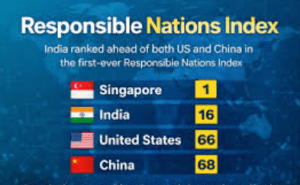
Singapore has emerged as the world’s most responsible nation, while India secured the 16th position in the newly released Responsible Nations’ Index (RNI), a global assessment that shifts focus from power and wealth to ethical and responsible governance. The index was formally launched in New Delhi by former President Ram Nath Kovind, marking the debut of a novel framework for evaluating national conduct.

Global Rankings and India’s Position

Singapore ranked first among 154 countries, followed by Switzerland and Denmark in second and third positions respectively. The Central African Republic was placed last. India, ranked 16th, performed ahead of major global powers such as the United States at 66th and China at 68th. Pakistan stood at the 90th position, highlighting sharp regional contrasts in governance responsibility.

Concept and Philosophy of the Index

The Responsible Nations’ Index is designed to evaluate how responsibly nations exercise power towards their citizens, the global community, and the planet. Addressing the launch event, Kovind emphasised that the index is intended as a moral mirror rather than a competitive scoreboard. He underlined ethical governance, inclusive development, and sustainability as core pillars for shaping future national and global outcomes.

Framework and Methodology

The index has been developed by the think tank World Intellectual Foundation in academic collaboration with Jawaharlal Nehru University, with methodological validation by Indian Institute of Management Mumbai. It is anchored in three core dimensions—internal responsibility, environmental responsibility, and external responsibility—operationalised through seven dimensions, 15 aspects, and 58 indicators.

Important Facts

  • The Responsible Nations’ Index assesses 154 countries.
  • It focuses on responsibility, not economic or military power.
  • The index has three core dimensions: internal, environmental, and external responsibility.
  • India ranked ahead of the US and China in the inaugural edition.

Shift from Power to Responsibility

According to WIF founder Sudhanshu Mittal, the RNI represents a paradigm shift in global assessments by asking a fundamental question: how responsibly does a nation exercise its power? The index aims to promote ethical governance, humane development, and global stewardship, reinforcing the idea that prosperity without responsibility is ultimately unsustainable.

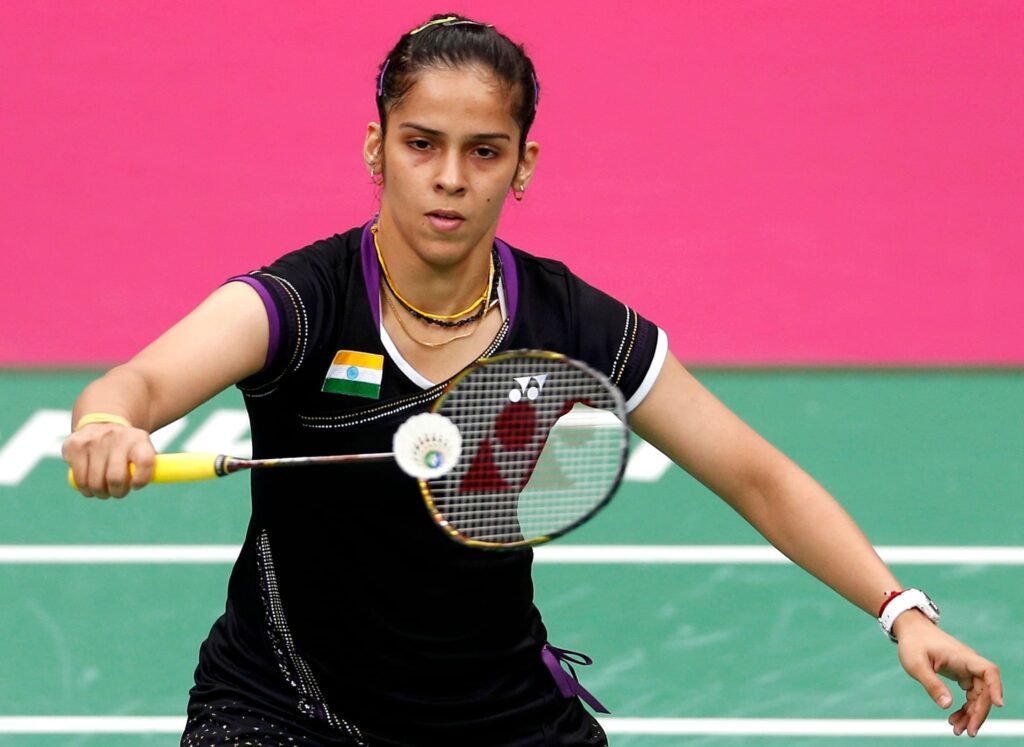
Saina Nehwal Confirms Retirement From Competitive Badminton Ends Iconic Era For Indian Sport

0
Saina Nehwal Confirms Retirement From Competitive Badminton Ends Iconic Era For Indian Sport

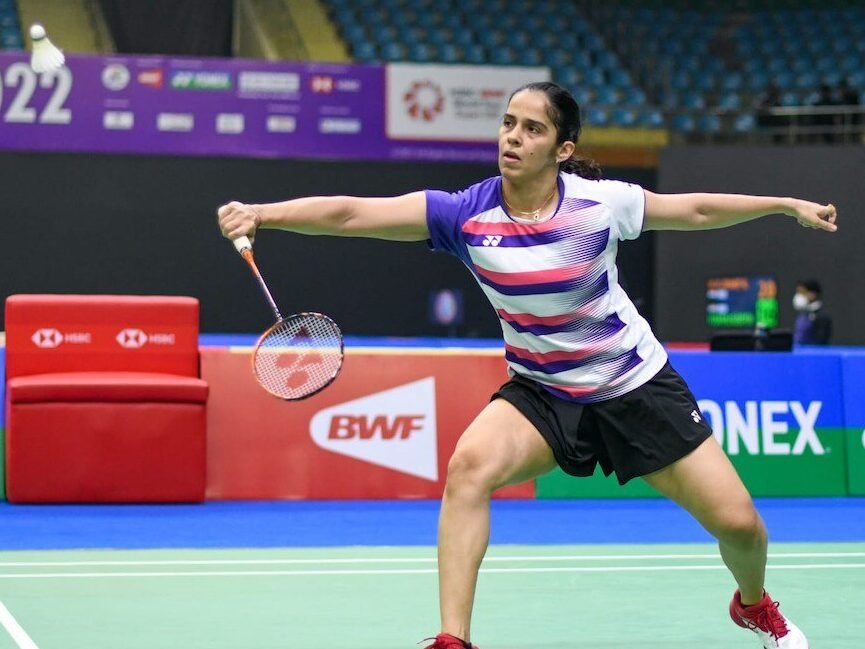
Legendary Indian shuttler Saina Nehwal has officially confirmed her retirement from competitive badminton, bringing to a close a career that transformed the sport in India and inspired a generation of athletes. The 35-year-old Olympic medallist made the announcement on a podcast, explaining that persistent knee degeneration and chronic injuries made it impossible for her body to sustain the demands of elite training and competition.

Decision shaped by health and years of physical strain

Saina’s retirement follows nearly two years away from international competition, with her last professional match played at the 2023 Singapore Open. She revealed that her knees long affected by injury can no longer endure high-intensity workouts, with severe cartilage degeneration and arthritis limiting her ability to train. “Your cartilage has totally degenerated and you have arthritis,” she said, adding that she simply cannot push her body the way top-level badminton requires anymore. Nehwal felt that her absence from competition had already made her situation clear, so an official retirement announcement was not strictly necessary but was now confirmed for clarity.

Historic achievements and sporting firsts

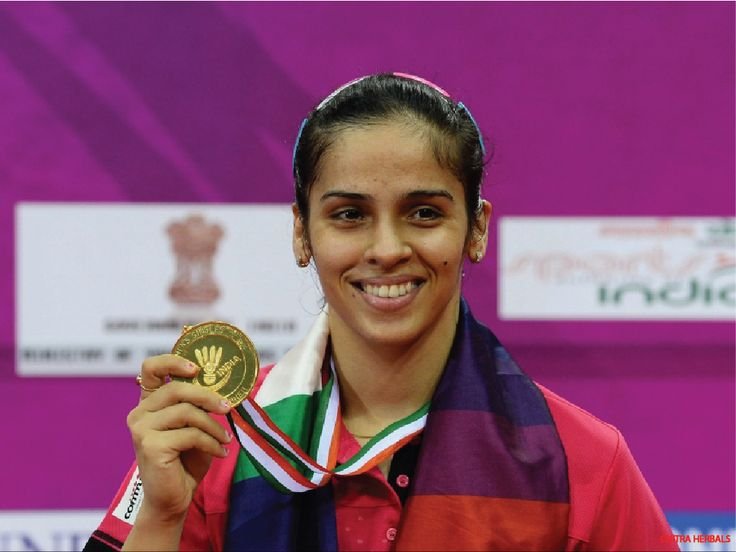
Saina Nehwal’s list of achievements is unrivalled in Indian badminton history. She became the first Indian woman shuttler to win an Olympic medal, capturing bronze at the 2012 London Olympics, a moment that changed India’s engagement with the sport and inspired countless young players. She scaled the world rankings to become world No. 1 in 2015, the first Indian woman to do so, and amassed medals at major global events including World Championships silver in 2015 and bronze in 2017, as well as bronze at the 2018 Asian Games.

Her success also includes becoming the first Indian female to win a BWF Super Series title at the 2009 Indonesia Open, establishing her as a consistent force on the global circuit.

Saina Nehwal Confirms Retirement From Competitive Badminton Ends Iconic Era For Indian Sport

Impact beyond medals inspiring a generation

Saina’s influence extended far beyond her own results. She played a pivotal role in popularising badminton in India, helping elevate it from a niche sport to one followed passionately nationwide. Her rise sparked greater investment in coaching, infrastructure and youth development, and her fearless style of play pushed Indian shuttlers onto the world stage. She became a role model for girls and boys alike, symbolising that Indian athletes could compete with the best in the world.

Saina Nehwal Confirms Retirement From Competitive Badminton Ends Iconic Era For Indian Sport
Legacy and future directions

With her retirement, India bids farewell to one of its most successful and influential sports icons. Her decision rooted in respect for her body and love for the sport ends a remarkable chapter marked by perseverance, excellence and national pride. As Saina steps away from competitive play, her legacy will remain a benchmark for future generations as Indian badminton continues to thrive and produce global champions.

Abu Dhabi is World’s Safest City for 10th Consecutive Year. Know Reasons and Policies of the City…

0

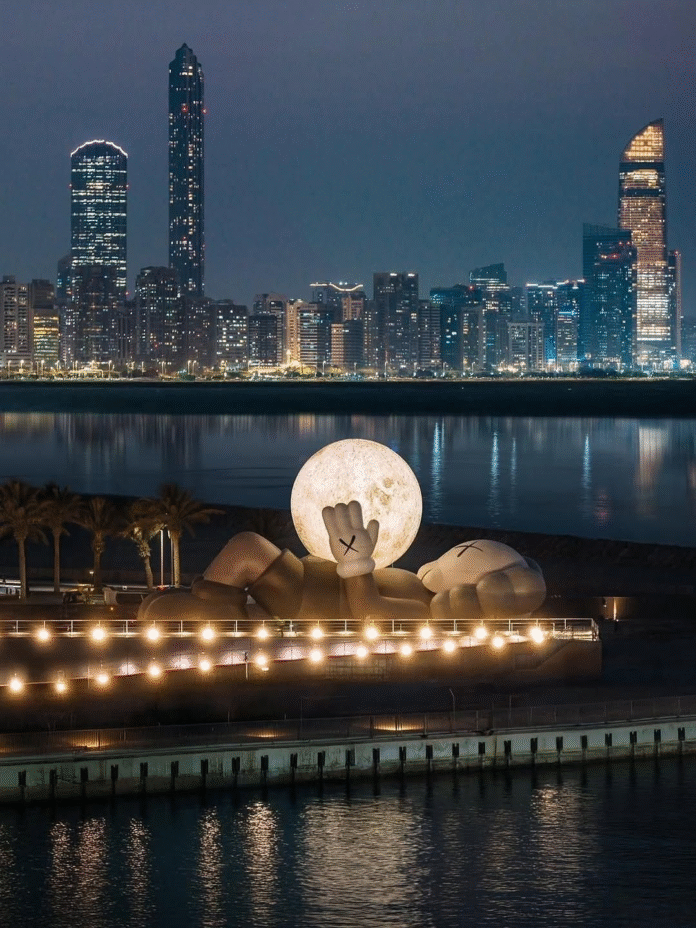
Abu Dhabi has once again secured the top position in the global safety rankings, being crowned the world’s safest city for the tenth straight year. The recognition comes from the latest Numbeo Global Safety Index 2026, reinforcing the UAE capital’s reputation for public security, low crime, and high quality of urban life.

Global Ranking and Index Overview

According to the Numbeo Global Safety Index, Abu Dhabi ranked first among more than 400 cities evaluated across over 150 countries. The index assesses factors such as perceived crime levels, safety while walking alone during the day and at night, and overall public confidence. Abu Dhabi’s consistent dominance since 2017 places it well ahead of major global cities and confirms its position as a benchmark for urban safety.

Technology-Driven Policing and Prevention

A key factor behind Abu Dhabi’s sustained performance is its integration of advanced technology into policing and city management. The city employs artificial intelligence, predictive analytics, and real-time surveillance to anticipate risks and respond swiftly to incidents. Authorities emphasise preventive policing, ensuring that potential threats are addressed before escalating. This approach allows safety to be experienced as reassurance rather than visible enforcement, contributing to high public trust.

Community Engagement and Urban Design

Beyond technology, Abu Dhabi’s safety model rests on strong community engagement and thoughtful urban planning. Police authorities work closely with residents, businesses, and institutions to align security measures with local needs. Well-lit public spaces, organised neighbourhood layouts, and mixed-use developments enhance visibility and reduce crime opportunities. These elements collectively support safety in residential areas, business districts, and tourist zones alike.

Imporatnt Facts for Exams

  • Abu Dhabi topped the Numbeo Global Safety Index for the 10th consecutive year.
  • The index evaluates over 400 cities across 150+ countries.
  • Key indicators include safety while walking alone during day and night.
  • Technology-led preventive policing is central to Abu Dhabi’s safety model.

Safety as a Pillar of Liveability and Growth

Abu Dhabi’s long-standing safety record has strengthened its appeal as a destination for investment, tourism, and long-term residence. High levels of personal security support economic activity, nightlife, and public life, while also influencing expatriates’ decisions to settle in the UAE. Alongside other safe cities in the country, Abu Dhabi reflects a national emphasis on low crime, public trust, and stable governance, positioning the UAE as a global leader in urban and national safety.

Republic Day 2026: IAF to Display Operation Sindoor Formation

0

India’s 2026 Republic Day Parade on Kartavya Path will mark a significant shift in how military strength is presented to the public. For the first time, the Indian Air Force will showcase an operational formation based on “Operation Sindoor”, highlighting real-world battle integration rather than traditional static displays. The move reflects India’s evolving defence communication strategy and focus on modern warfare preparedness.

Operation Sindoor as the Parade Narrative

Operation Sindoor was a high-precision tri-services military campaign launched in May 2025 following a major terror attack in Pahalgam. Owing to widespread public interest, the operation has been chosen as the central narrative of the Republic Day military segment. According to Defence Secretary Rajesh Kumar Singh, the parade will present a sequential story of how a modern battle unfolds, from reconnaissance and logistics to long-range strikes and integrated air power.

Shift from Static Displays to Live Battle Logic

The 90-minute parade is designed to move away from stereotyped presentations towards a more interactive and explanatory format. Live commentary will accompany the display, helping viewers understand how equipment, manpower, and technology are actually deployed during combat. This approach aims to improve public understanding of contemporary warfare and joint operations, particularly the coordination between land, air, and logistics elements.

Air and Ground Power on Display

A major highlight will be the Indian Army’s phased Battle Array, presented alongside an aerial battle array by the Indian Air Force. The flypast will feature frontline aircraft including Rafale, Su-30, and MiG-29 fighter jets, along with Apache and Light Combat Helicopters. Strategic and maritime platforms such as C-130, C-295, and P-8I aircraft will also participate. Specialised animal contingents, including Zanskar ponies and Bactrian camels, will showcase logistical capabilities in high-altitude and desert terrain.

Imporatnt Facts

  • Operation Sindoor was launched in May 2025 after a terror attack in Pahalgam.
  • The 2026 Republic Day Parade adopts a battle-sequence narrative format.
  • The Indian Air Force will display an operational aerial battle formation.
  • Live commentary will explain modern joint warfare concepts.

Broader Themes and International Presence

The 2026 celebrations also commemorate the 150th anniversary of “Vande Mataram”, which forms the overarching theme of tableaux and cultural performances. Thirty tableaux will be presented, including 17 from States and Union Territories. About 2,500 artists will participate in a mega cultural programme. European Council President Antonio Costa and European Commission President Ursula von der Leyen will attend as chief guests, coinciding with the India–EU Summit.

Harry Styles Announces New Album Kiss All The Time Disco Occasionally, Teases Evolution Of Sound

0
Harry Styles Announces New Album Kiss All The Time Disco Occasionally, Teases Evolution Of Sound

Global pop icon Harry Styles has once again set the music world buzzing with the announcement of his next studio album titled Kiss All the Time – Disco, Occasionally. Revealed through his official social channels, the announcement marks another bold chapter in the artist’s genre-blending journey and promises to take listeners on a dance-infused yet emotionally rich musical ride.

Disco vibes with a modern twist

The title Kiss All the Time – Disco, Occasionally immediately signals something vibrant and retro-inspired, suggesting a strong disco influence while keeping room for emotional nuance and musical variation. Fans and critics alike are already pointing to the disco reference as an indication that Harry is embracing the rhythmic, feel-good energy of the 1970s dance era but with his own contemporary twist.

Harry’s music has steadily evolved since his early solo work after leaving One Direction. While his previous albums have drawn from folk, rock, pop and even balladic influences, this new project appears poised to lean into groove-oriented rhythms and an upbeat aesthetic. By weaving disco elements with modern production and his signature lyrical style, Kiss All the Time is shaping up to be both a celebration and a reinvention.

Creative vision and artistic growth

In teasers shared across social platforms, Styles hinted that the album is a reflection of both joy and introspection hence Disco, Occasionally. The phrase suggests that while the music will make you want to dance, it will also touch deeper emotional chords. This duality reflects Harry’s broader artistic vision: to create pop music that makes you feel alive while still resonating on a personal level.

Anticipation from fans and critics

Since the announcement, social media has been flooded with excitement, with fans speculating about collaborators, potential singles and how the album’s sound will compare to Harry’s past work. Many are especially eager to hear how the disco influence will blend with his established pop-rock identity. Music forums and fan pages are already sharing theories about the tracklist, cover art aesthetics and release timeline.

What’s next for Kiss All the Time

While an official release date has not yet been confirmed, the buzz suggests it may drop in 2026, possibly aligned with tour announcements or festival appearances. Given Harry Styles’ track record of genre-crossing innovation, Kiss All the Time – Disco, Occasionally is already being touted as one of the year’s most anticipated albums.As anticipation builds, one thing is clear: Harry Styles continues to evolve, surprise and inspire, turning every announcement into a cultural moment.