Home Blog Page 762

Beating the Retreat 2022: Laser and Drone Shows to commemorate 75th year of Independence for India

0

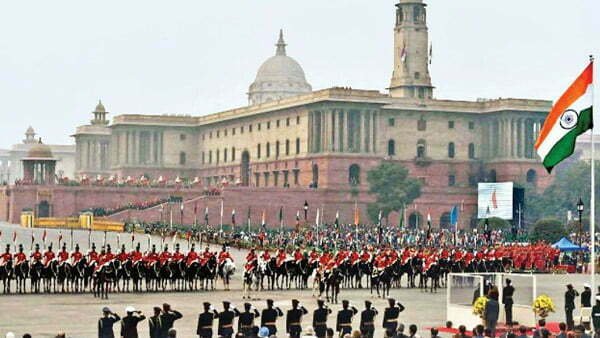
Beating the Retreat 2022 ceremony shall mark the culmination of Republic Day celebrations on January 29 in New Delhi. Marking centuries-old military tradition, Beating The Retreat ceremony dates back to the days when troops disengaged from a battle at sunset. These troops ceased fighting, sheathed their arms and withdrew from war grounds as soon as the buglers sounded the “retreat”.

Let’s see how the ‘Beating the Retreat’ ceremony will be unique this year…

1. The ceremony this year will feature a spectacular laser show and a mesmerising drone show.

2. The ‘Made in India’ drones shall make Indians proud at Vijay Chowk. According to officials, viewers will witness a show of nearly 1,000 drones on 29 January.

3. This will be for the first time in history of India that the Beating Retreat ceremony will have a laser show and a drone show organised with background music. 

4. Also, there will be a laser projection mapping show to commemorate 75 years of independence for the first time on the parapet of the north block and the south block

5. The drone show will be 10 minutes long and will showcase government achievements via many creative formations in the dark sky.

6. India will be the fourth country after China, Russia and the UK to carry out such a large-scale show

India: Bask in the beauty of these top five valleys…

0
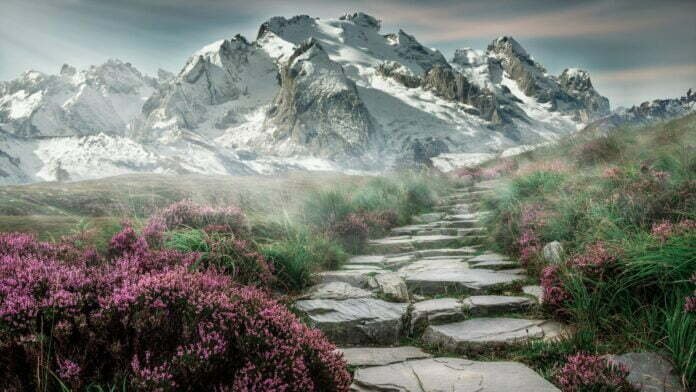
rock in between grass and flower
Photo by kinkate on Pexels.com

India is a land blessed with natural beauty which comprises waterfalls, rivers, sea, forests, valley’ etc. The EBNW Story features five must-visit photogenic valleys of India which give breathtaking views with its surrounding scenic locations.

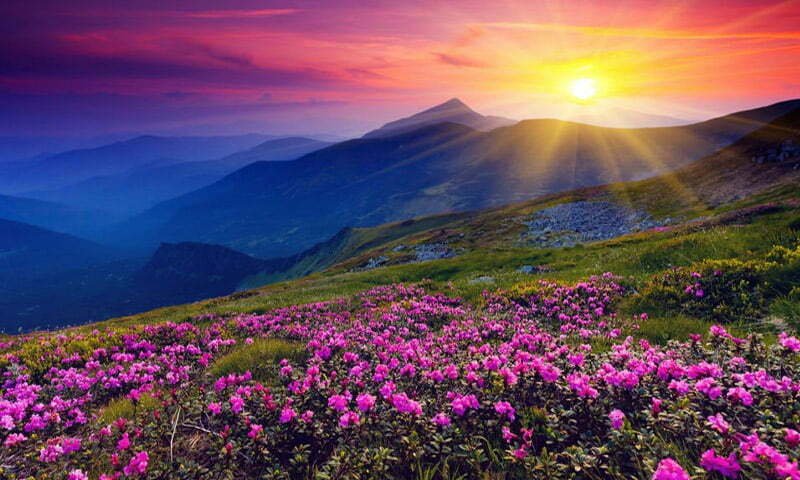
1. Valley of flowers, Uttarakhand 

India: Bask in the beauty of these top five valleys...

Bask in the beauty of varied variety of flowers here. The pristine flora surrounded by snowy mountain shall leave you bemused with beauty.

Location– It is located in Chamoli in the state of Uttarakhand 

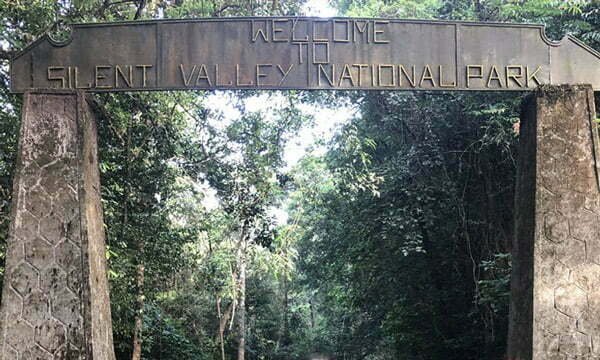
2. Silent Valley Kerala

India: Bask in the beauty of these top five valleys...

This valley in God’s Own Country is yet another must visit place which has scenic locations. Covered with mountains and variety plants, it gives mesmerising views. Also you will find some rare species of flora and fauna here.

Location – The Silent Valley National Park is located in the Kundali Hills of the Western Ghats in Kerala. 

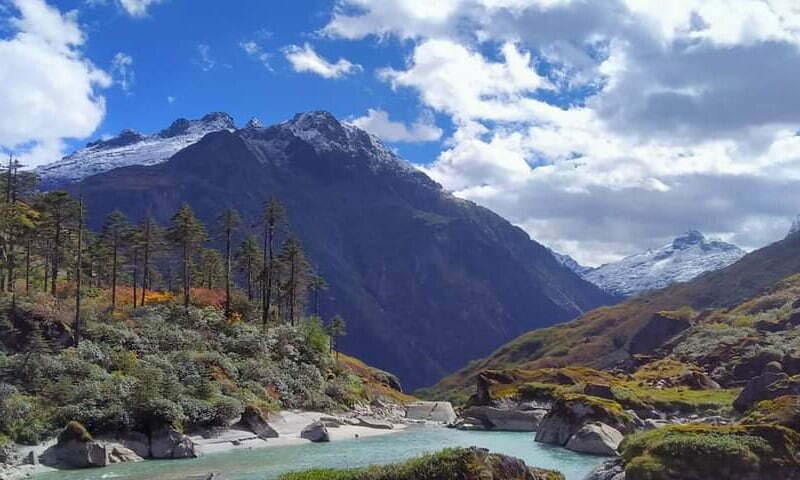
3. Dibang Valley, Arunachal Pradesh 

Kissed by nature and beautiful surroundings, this valley is named after River Dibang which merges waters from three rivers viz, Dri, Mathun and Talon.  The rich wildlife makes it noticeably different from other valleys of India. The valley is situated at the Indo- China border. 

Location- 204 km from Roing , this valley is situated in Arunachal Pradesh. 

4. Spiti Valley, Himachal Pradesh

India: Bask in the beauty of these top five valleys...

The trip to Himachal Pradesh is incomplete if you don’t visit this enchanting valley. It is surrounded with snow capped mountains. One can have adventurous cycling tour in this beautiful valley. 

Location-  It is located in Himalayas in the Spiti district in northern Indian state, Himachal Pradesh. 

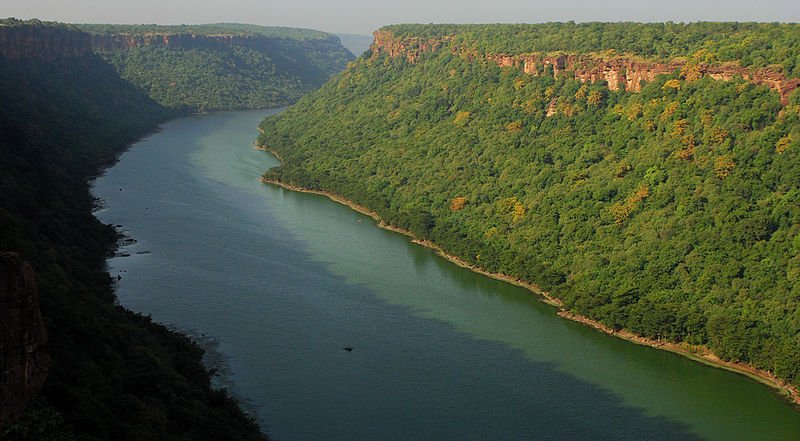
5. Chambal Valley Madhya Pradesh 

India: Bask in the beauty of these top five valleys...

With the incredible variety of flora and fauna, this valley is the main point of attraction of Madhya Pradesh. Covered with the lush greenery, this valley gives all the vibes you have ever dreamt of. 

Location- In the heartland of India which is Madhya Prades

Bamanwas village in Rajasthan produced around 200 officials, who are currently serving India in diverse roles

0
Image: Govt College Bamanwas

‘Bamanwas’ is a small village situated in Sawai Madhopur district of Rajasthan from where around 200 administrative officers are serving the nation.

On January 26, 2022, Charan Singh Meena, IPS Odisha cadre working as SP in Bhadrak, (from sawai Madhopur, Rajasthan ) has been awarded Governor medal for his outstanding performance as SP.

The story of Bamanwas in fact is quiet interesting as many families have their sons serving India as IAS, IPS or other officers

There is a family where two brothers became Director General of Police, while the third brother became the Chief Secretary of the state. Both brothers who became Director General of Police became MPs after retirement, one of them reached the rank of Union Minister of State for Finance.

A brother of the same family was posted in Mumbai as a customs officer, while another brother retired from the post of secretary at the center.

Namonarayan Meena, the eldest of five sons of Shriram Meena, resident of Bamanwas village, became the Director General of Police of the state after becoming an IPS officer and then became an MP by winning the Lok Sabha elections from Sawai Madhopur on a Congress ticket. Meena was also the Minister of State for Finance in the Manmohan Singh government.

His younger brother Harish Meena also became the Director General of Police of the state after becoming an IPS officer. Harish contested the last Lok Sabha elections on a BJP ticket and defeated his own younger brother Namonarayan Meena. Namonarayan was a Congress candidate. One of his brothers, OP Meena, became the Chief Secretary of the state and retired.

There are 50 families of the village whose members either became IAS or became IPS and IRS, some went to railway service. Some members of these families are posted in various administrative services of Rajasthan. The people of this village say with great pride that in most of the states of the country, a person from Bamanwas village will be found sitting at some post. Four MPs were made from this village, these include Jaskaur Meena, Usha Meena, Ramkunwar Meena and Chuttan Lal Meena. Jaskaur, presently MP from Rajasthan, was also a minister in the Vajpayee government. In the same village Bharatlal Meena became MLA thrice and Naval Kishore Meena twice.

List of movies releasing February 2022

0

Some of the most awaited and exciting movies are ready to be released this year on com8ng February.

Let’s take a look at list of upcoming films in February 2022:

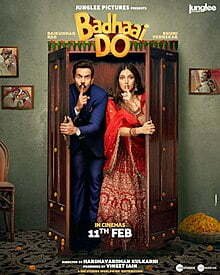
Badhaai Do:

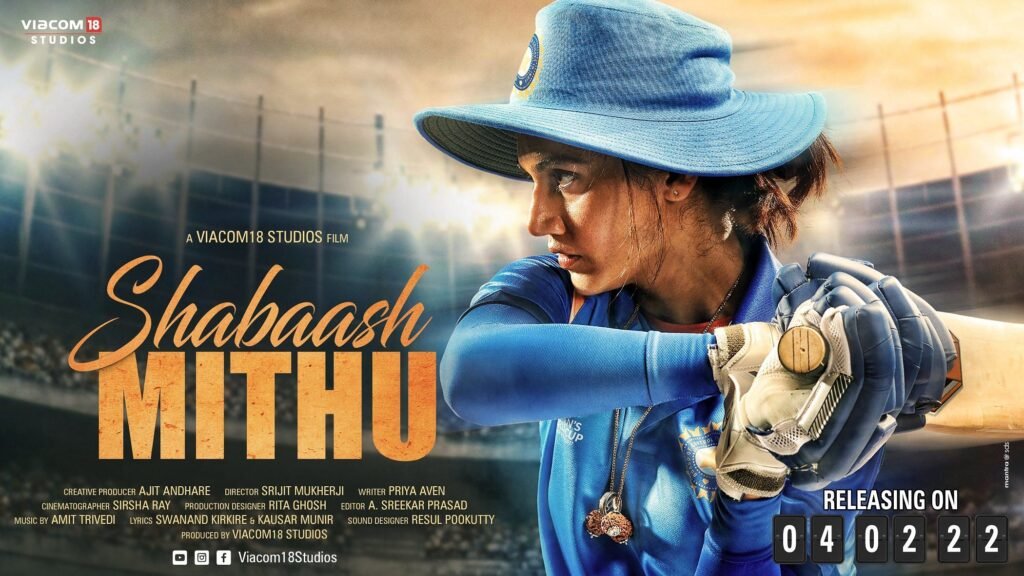
Shabaash Mithu :

List of movies releasing February 2022

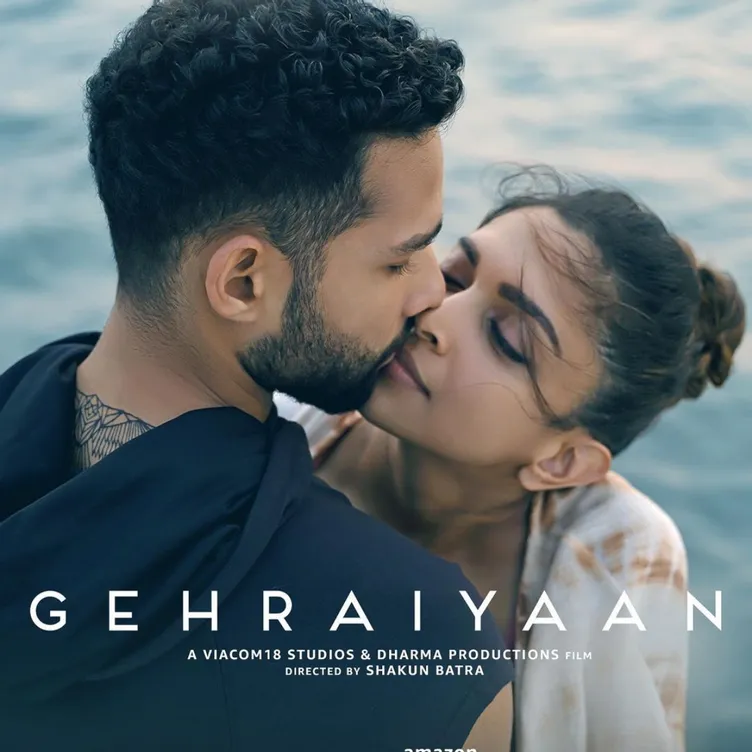
Gehraiyaan :

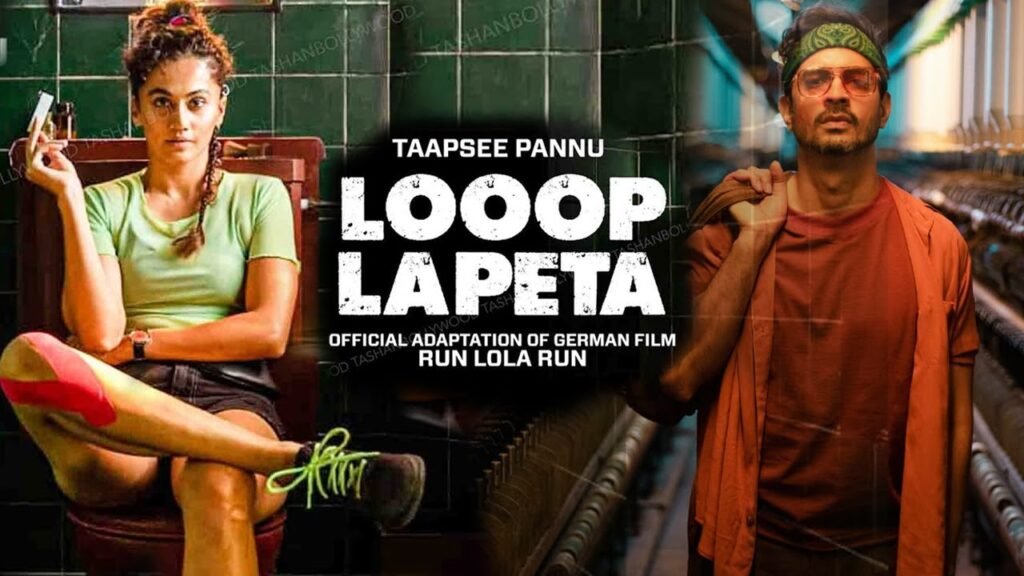
Looop Lapeta :

List of movies releasing February 2022

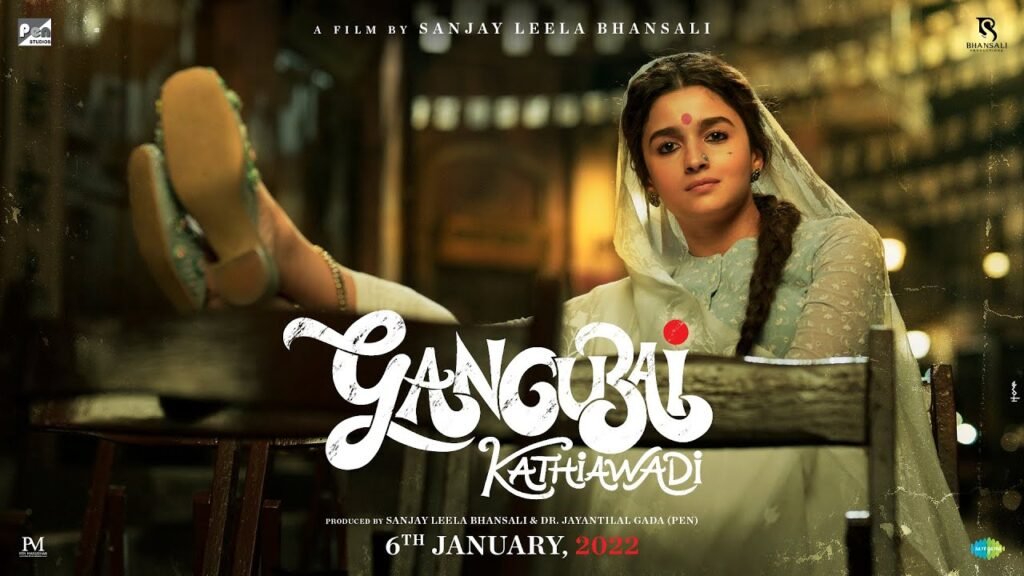
Gangubai Kathiawadi :

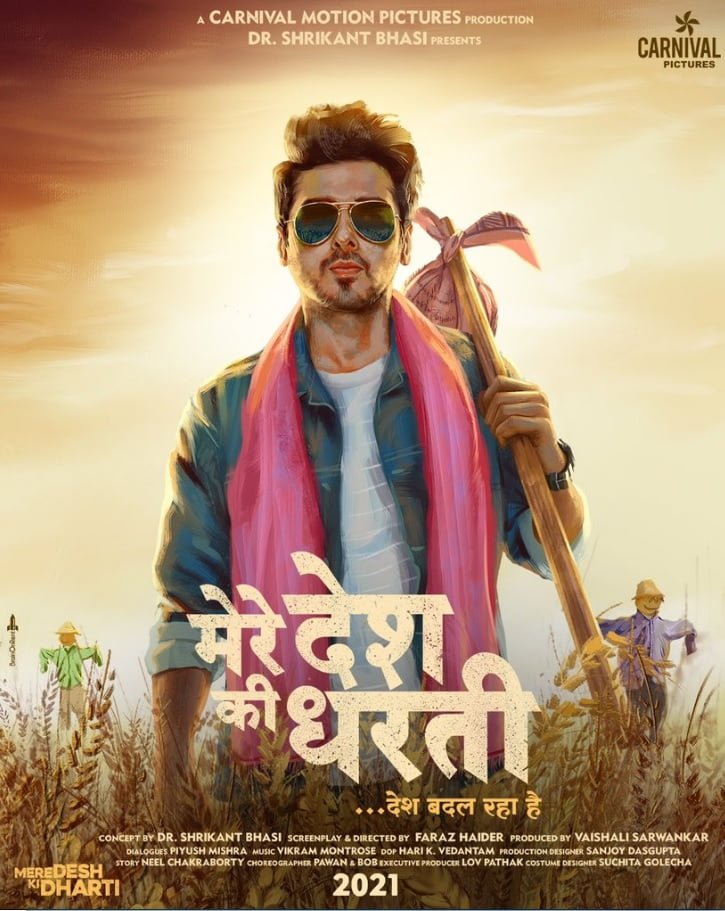
Mere Desh Ki Dharti :

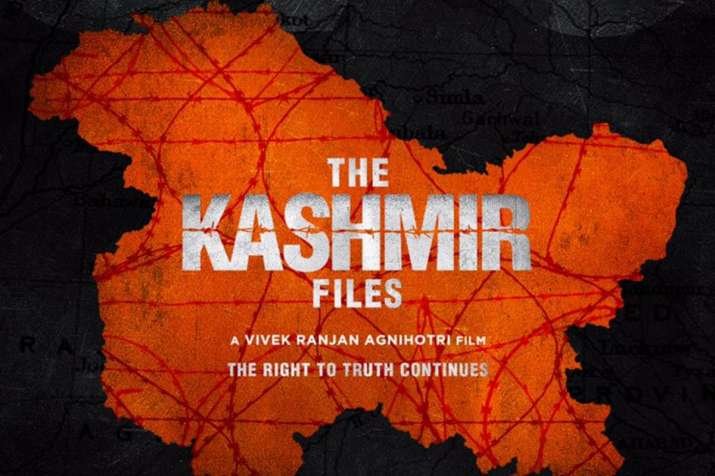
Kashmir Files :

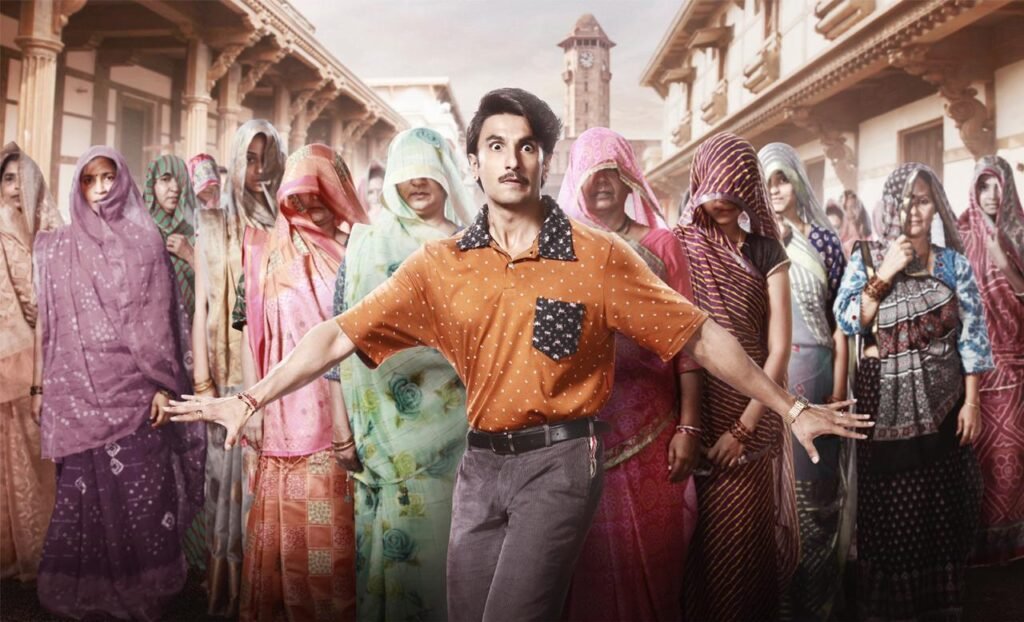
Jayeshbhai Jordaar :

List of movies releasing February 2022

Tiger 3 :

List of movies releasing February 2022

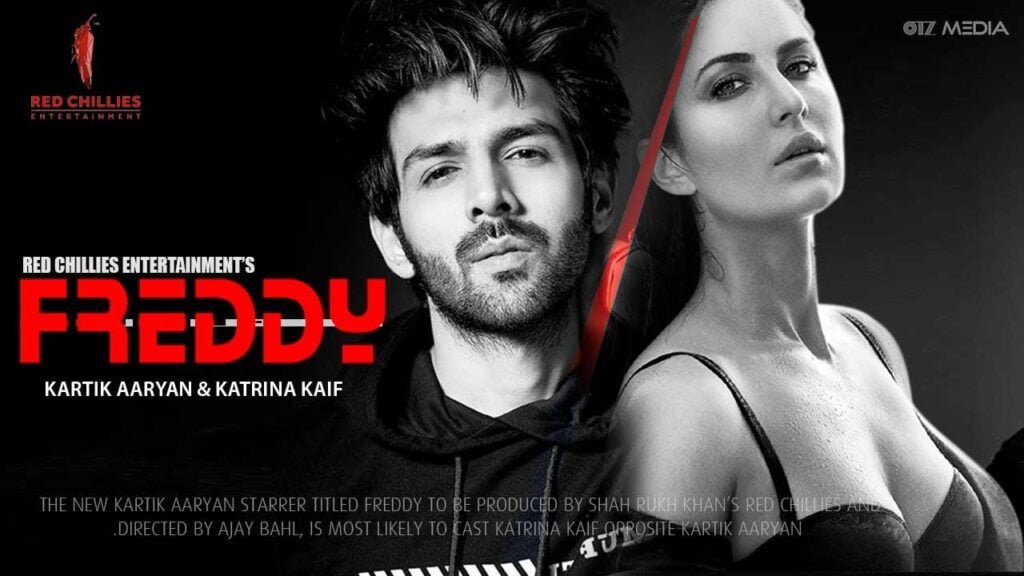
Freddy :

List of movies releasing February 2022

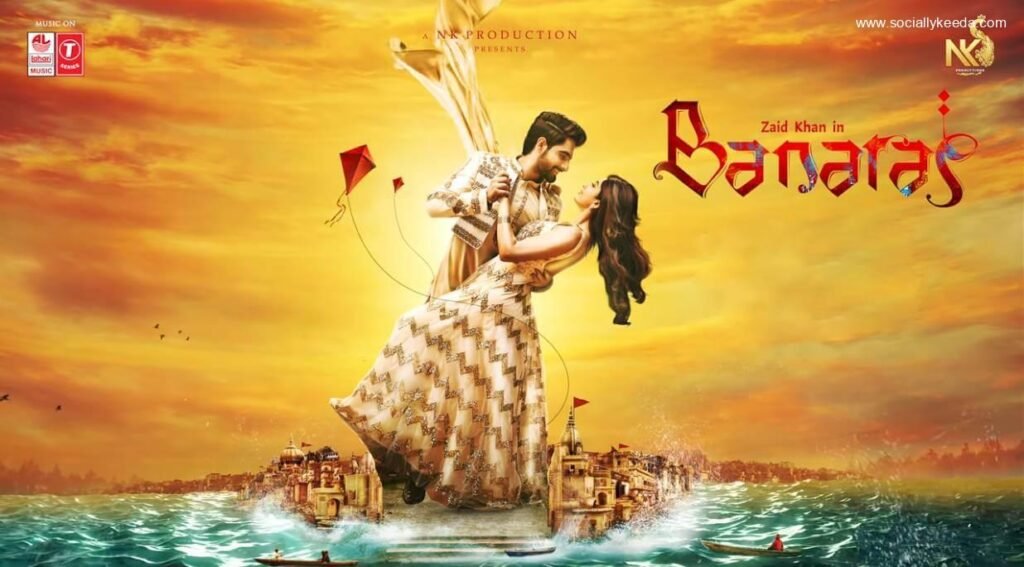
Banaras :

List of movies releasing February 2022

The Write Circle first session of 2022 hosts Jane De Suza with Rukma Prince

0

The Write Circle hosted Jane De Suza in conversation with Rukma Prince in the first session for 2022.

Jane De Suza, a beloved and bestselling author, moved to Singapore a short time before the pandemic and before she could absorb moving to a new country, the pandemic hit and she has been in Singapore ever since. Her latest book When the World Went Dark talks about loss to children in a balanced humorous way. As the pandemic unfolded, she could see that adults were struggling to talk to children about loss and death. She used her penchant for humour to ease children into a topic that could be too much of a dark cloud to dispel.

Jane brings in a range of characters to each of her books; from young, spunky teens to 30-something housewives. It would be too autobiographical to write in the voices she knows so she loves to slip into the skins of other people. 

Flyaway Boy is about a boy who inhabits a different world in this mind. It is a bestseller and very well received critically, being shortlisted for and winning prizes, because it’s about a child who thinks differently. He doesn’t fit into the boxes his parents, other children and his school expected him to fit into. Surprising to Jane, there were scores of people telling her how much they loved the book and how they related to the story. Of her set of characters in The Midnight Years, each is a kind of stereotype of teens, and rather than being alienating, the stereotypes have the reader looking at a little bit of themselves in each character.

Her two sons, their friends and other young children she knows are often Jane’s sounding board for her books. On dialogue, cover art, etc. she readily changes what wouldn’t fit into a young person’s world. For Jane, it is priceless to receive feedback from readers before the book is out; not many have that privilege.

In the Spy Who Lost Her Head, Gulabi is a memorable, colourful character from a small town. Jane’s young life, lived in a small town in North India, influenced her writing. The women she saw there weren’t always the quiet, oppressed caricatures people make them out to be. They were feisty, with a raunchy sense of humour and it is that zest that makes Gulabi’s hilarious story unputdownable.

Jane started her career with blogging. She was at home with her first baby, and motherhood wasn’t anything she expected it to be. She started writing about her life and the realities of motherhood humorously. As with her books today, her readers, many new and not-so-new mothers, felt an immediate sense of kinship with a woman who thought motherhood would bring a rosy glow to her life and found she was quite mistaken.

She can see now that humour could have been a defence mechanism for her growing up. It is a great tool to bring down people’s walls and be able to have a conversation with them. She uses it now to tackle difficult subjects in her writing. She has written about autism, loss, death for children and made the subjects approachable for children and adults alike.

Jane had expected her latest foray into screenwriting to be an easy task, since she’s already an accomplished writer but found herself in very different waters. Books look inward and it is easy to fill two pages on someone picking up a glass of water, embellishing the action with inner thoughts and machinations.  On the screen, there are no inner thoughts to show and writing each movement of the character is tougher. She would love her next project to be a psychological thriller with romance but meshing the two worlds is proving to be tricky.

Growing up, Jane would read anything and everything, including the labels on bottles. She loved books on nature and wildlife. A habitual eavesdropper, Jane talks to everyone she encounters. All these bits of information are put away like a bird building a nest, helping her write her diverse cast of characters.

Jane’s easy-going personality cast a warm glow on the evening, and viewers had more questions than there was time.

Jane De Suza is a best-selling author, columnist and creative consultant. She has been credited as one of the few women writers in India to combine humour with thought-provoking insights: The Midnight Years is on young adult mental health, Flyaway Boy and When the World went Dark bring hope into issues like grief and stereotyping. The Spy who Lost her Head and Happily Never After are of special interest to women, and the SuperZero series and Uncool for children.

Jane is a management grad from XLRI, works as creative director with leading advertising agencies, has a satire column with The Hindu, had a parenting column with Good Housekeeping and is currently working on a film.

Rukma Prince is a PhD scholar studying English literature. Her areas of interest include contemporary South Asian fiction, memory and trauma studies, human rights narratives and the sociology of literature. In a former life, she worked as Editorial Manager at Siyahi.

 The Write Circle is organized by Prabha Khaitan Foundation, in association with Shree Cement, Siyahi, Ehsaas Women of Jaipur and Spagia Foundation.


January 26 special: When Ae Mere Watan ke Logon left Pt Nehru teary-eyed

0

January 26, 1963 scripted a history in India as renowned singer Lata Mangeshkar also known as ‘Nightangle of India’ sang the melodious yet patriotic song ‘Ae Mere Watan Ke Logon’ for the first time at the National Stadium in New Delhi which left Pt Jawaharlal Nehru teary eyed.

This song always invokes patriotism in each citizen of India. Let’s know a fascinating story behind the song ‘Ae Mere Watan ke Logo.’ 

It has been written by famous Kavi Pradeep after the Indo China War of 1962 as a tribute to soldiers who died saving the country. Almost 1000s of soldiers were martyred during the war which made Pradeep write the lyrics of this song. 

The song undoubtedly acts as a wake up call to country’s people reminding them of sacrifices of soldiers.

Pradeep has a strong desire that the song should be sung by Lata Mangeshkar as her voice could do justice to the lyrics. When Lata jii first heard this song, she broke down in tear and without a doubt she agreed to sing the song. 

After days of  practice, in 1963, Lata Mangeshkar first sung the song in front of Pt Jawahar Lal Nehru and thousands of people during the Celebration of Republic day. The song brought tears in the eyes of every single person present over there. Sadly Pradeep ji never got the appreciation he actually deserved as he wasn’t invited to the event at National Stadium. But he got an opportunity to sing the song in a school function he attended. 

However, the government of India bestowed Pradeep jii with Rashtriya Kavi Award. 

Republic Day 2022 : From 1000 drones show to 75 aircrafts ready to mark 4 days grand celebrations

0

India will mark this year its 73rd Republic Day with grand four days celebrations at Rajpath, Delhi. Beginning with the annual parade on 26th January to continuing the ceremony with air shows by the Indian Army, Indian Navy and Indian Air Force and ending the grand celebration with the Retreat ceremony on January 29.

This year with the grand parade we will see a total of 75 aircraft from IAF, Army and Navy flying above the sky. This will mark one of the largest flypast ever done on Republic Day.

The 75 aircraft will symbolize Azadi ka Amrut Mahotsav celebrations that is the 75 years of Independence. There will be seven jaguar fighter aircraft flying in the “Amrit” formation.

The flypast will begin with a Dhwaj formation with four Mi-17 aircraft which is further followed by the formation of Rudra and Rahat with 4 and 5 Advanced Light Helicopters (ALH).

It is also reported that apart from 75 aircraft flypast on January 26, a drone show on January 29 will be done to celebrate the Beating the Retreat ceremony, in which a show with 1000 drones will be displayed at the Vijay Chowk.

The Beating Retreat Ceremony is and old military tradition organised every year after the Republic Day Celebration on January 29 which marks the return of the Army to its barracks. 

The drones which has been developed by Botlab Dynamics, an IIT Delhi start-up will mark the first one of such drones show of India. So far only three countries ( US Russia and China) have carried such similar displays using drones. The drone show will be presented with the help of IIT Delhi.  

Top 7 architectural wonders of India

0
Konark Sun Temple

The Taj Mahal counts under 7 wonders of the world, however, other than Taj Mahal, there are several beautiful architectural wonders in India which bespeak the spectacular design story of our country with their stunning architecture. Aakanksha Umath reports…

1. Konark Sun Temple, Orissa 

Located on the coast of Bay of Bengal in Odisha, Konârak Sun Temple is a monumental testimony of Sun God’s chariot which lures many tourists due to its architectural excellence. The exquisite artistry still remains a wonder for leading architects.

Constructed in 13th century by Raja Narsimha Deva, Konark was chosen as its place of construction because it has been described as the holy seat of Surya in various ancient texts. Designed in typical Kalinga style, the Konark Sun Temple is built in the form of a mammoth chariot that Surya rode. As per legends, Surya rode across the sky on his chariot pulled by 7 horses. A few texts say that the 7 horses represent the 7 days of the week, while others say that 7 horses represent the 7 components of white light that we know as the VIBGYOR. The platform of Konark is engraved with a total of 24 wheels of the chariot. Hence, the numbers 7 and 24 hold a lot of significance here.

2. Khajuraho monuments, MP 

The monuments represents outstanding testimony of Chandela Rajput dynasty. 

Most of these temples were built between 885 AD to 1050 AD. Famous for Nagra Style architecture, carvings and erotic sculptures, these temples are dedicated to two religions Hinduism and Jainism. Carvings at Khajuraho depict all aspects of life but the erotic sculptures often get highlighted as they appear extensively on the exteriors of the temples. These monumental representations of power of imagination of man deserve to find a mention in seven manmade wonders of India.  

3. Ajanta Caves, Maharashtra 

There is a multitude of caves in India.  Ajanta caves is one of them. The most ancient and well known cave of India is declared as a world heritage site by UNESCO. A beautiful showcase of carvings, sculptures and wall paintings, this cave comprises remnants of Jainism, Buddhism and Hinduism. Around 102 km away from Aurangabad city, this place is blessed with nature as well as man made architectures. 

4. Gommateshwara statue, Karnataka

A 57-feet high monolithic statue on Vindhyagiri hill, Gommateshwara statue is carved on a single block of granite which is a wonder in itself. This beautiful statue is tallest monolithic statue in India. One can see the grand statue from the distance of 30 km. Commissioned by the Ganga dynasty minister and commander Chavundaraya, it was constructed in 981 AD in Hassan district of Karnataka. The beautiful deity of Bahubali has ringlets of curly hair and large elongated ears. 

5. Hampi, Karnataka 

The ancient village in Karnataka, Hampi is dotted with numerous ruined ancient temple. Its ruins belonging to the erstwhile medieval Hindu kingdom of Vijaynagar makes it famous. It has been declared as the World Heritage site for its excellent workmanship. Also, Hampi accommodates the most famous Vijaya Vittala Temple which has 56 Musical Pillars also known as the SaRiGaMa Pillars which have been named on seven musical notes. These pillars produce musical tones when struck with a thumb.

6. Harmandir Sahib Golden Temple 

Harmandir Sahib also called as Darbar Sahib is a pristine house of worship considered as the most important pilgrimage site for Sikhs. The temple is situated in the centre of a holy pond which makes it feel as it it has occupied a small island in the centre of the tank, or pool, which is called as the Amrita Saras (“Pool of Nectar”)—that is the source of the city’s name. The pond is connected to land by a marble causeway running across the water of the pool.

Harmandir means everyone’s house. The Golden Temple is spiritually the considerable shrine in Sikhism.  

7. Nalanda University, Bihar 

Nalanda University is situated 95 km away from capital of Bihar. This university was renowned center of education during the period of Gupta empire. Inspired by the highly organised methods of vedic learning, people from China, Korea, Tibet used to study here. The university was attacked by some Muslim invaders in the 12th century. 

The Nalanda Mahavihara site in Bihar, comprises the archaeological remains of a monastic and scholastic institution dating from the 3rd century BCE to the 13th century CE. It includes stupas, shrines, viharas (residential and educational buildings) and important art works in stucco, stone and metal.

Hukumchand Patidar: A visionary redefining organic farming trends…

0

Hukumchand Patidar, a farmer from Manpura village in Rajasthan’s Jhalawar district, is the man with a mission who redefined organic farm mantra in Rajasthan and converted land in his village as chemical free patch.

Hukumchand Patidar: A visionary redefining organic farming trends...

Now, he has been assigned the task of designing the curriculum on organic farming for India’s agricultural universities.

Interestingly, he is class Xth drop out and is least worried about the fact that he holds no degree. “I have been trained reading ancient texts and manuscripts which speaks significance of organic farming and I shall share the same with my colleagues in the panel,” he said.

The module he is working on, including natural and cow dung-related agriculture, shall be introduced in schools, colleges and universities.

Patidar advocates using ‘panchgavya’ or the five elements derived from cows to nourish the soil and make crops healthier.

A consultant to Rajasthan’s four agricultural universities on the subject of organic farming, Patidar decided to foray into organic farming in 2005 even as his family and friends opposed the idea of experimentation fearing losses.

Unaffected by fear of failure, he started organic farming on a small patch of 25-hectare farm and today Patidar, besides earning in millions, also exports the produce to Japan, Germany and Switzerland.

In fact, his organic produce fetches him 40 per cent higher rate than crops grown through the conventional method of farming.

Patidar, hence, has been felicitated with the Padma Shri in 2018 for his efforts towards promoting organic farming at his farm — Swami Vivekananda Jaivik Krishi Anusandhan Kendra.

He says he decided to get into organic farming after realising that “conventional farming was proving dangerous and its harmful effects were quite visible on the health of people and environment”.

“I realised that land productivity was deteriorating with conventional agriculture that uses chemicals and the soil was being harmed while crops were becoming poisonous,” he added.

Therefore, he started organic farming and helped turn his native village of Manpura into a fully chemical free farm patch.

Looking at his achievements, he has been included in the national curriculum committee set up by the Indian Council for Agriculture Research as he has expertise in growing organic oranges, pulses, onion, coriander and fennel, the bulk of which is exported to Europe.

Onion, Palak and moong dal pakoras: Know recipes of these rainy & winter delights

0

Onion and moong dal pakoras are favourites of many of us and if its biting cold or else if its pouring outside, these crunchy delights shall definitely make your day.

Let’s know about this 3 pakoda to have with kadak chai 

Onion, Palak and moong dal pakoras: Know recipes of these rainy & winter delights

Onion Pakoda 

Ingredients:- 

Besan (gram floor) 

Onions 

Ajwain 

Salt 

Chilli and curry leaves 

Undoubtedly Onion Pakoda make the first choice of Indians. It is an Indian appetiser that is made from Onion. It is served with some chutneys and like other Indian recipes, its name varies in different states. The other name of this delight is Kanda bhaji, Ulli Vada etc. It is one snack that is easy to prepare and tastes good. You can find the stall for Onion Pakoda in almost every corner of India. 

Palak Pakoda 

Ingredients:- 

spinach leaves, tightly packed, chopped

besan

semolina

hing

turmeric powder

chilli powder

Salt and Ajwain 

These spinach pakora make for a great tea-time snack & can be served with Indian masala chai and onions or a coriander chutney. ‘ This is the first choice of Indians and easy to make. No state usually claim rights because it is famous cuisine across India. 

Moong Dal Pakoda 

Ingredients :-

Moong Dal 

Red chilies 

Onion 

Garlic and ginger 

Garam Masala 

Curry leaves 

Salt 

This crunchy and tasty pakoda is made with moong dal which is definitely a good choice for snack . These vadas are ideal evening snack recipe which tastes great with Kadak Chai. Moong dal fritters are the most popular pakora in western India especially in Gujarat and Rajasthan.