Home Blog Page 71

Neelkanth Form of Shiva’ Life Philosophy Says ‘Hold Back Poison But Never Spew It in world’

0

Lord Shiva is simplicity itself—kind, compassionate, and yet supremely powerful. His presence is not confined to temples; he exists in forests, villages, cities, streets, and even in every particle of existence. In remote jungles, wildlife photographs often show animals near Shiva temples, as if even the fiercest creatures bow before him. After all, Shiva is Pashupatinath, the lord of all beings.

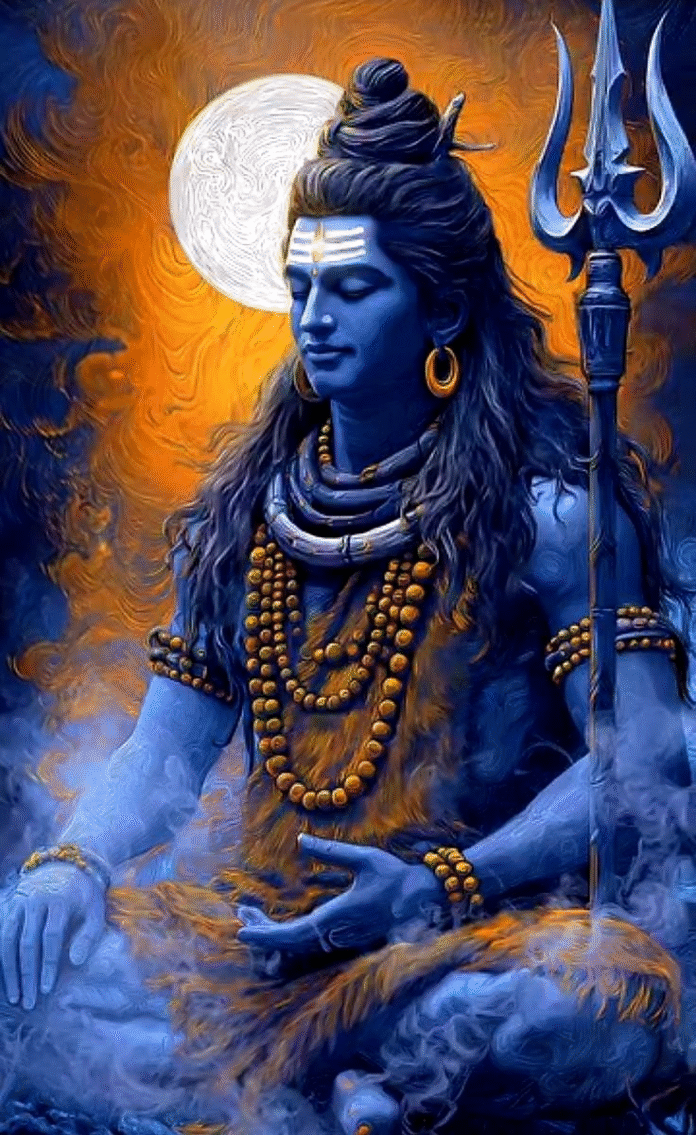
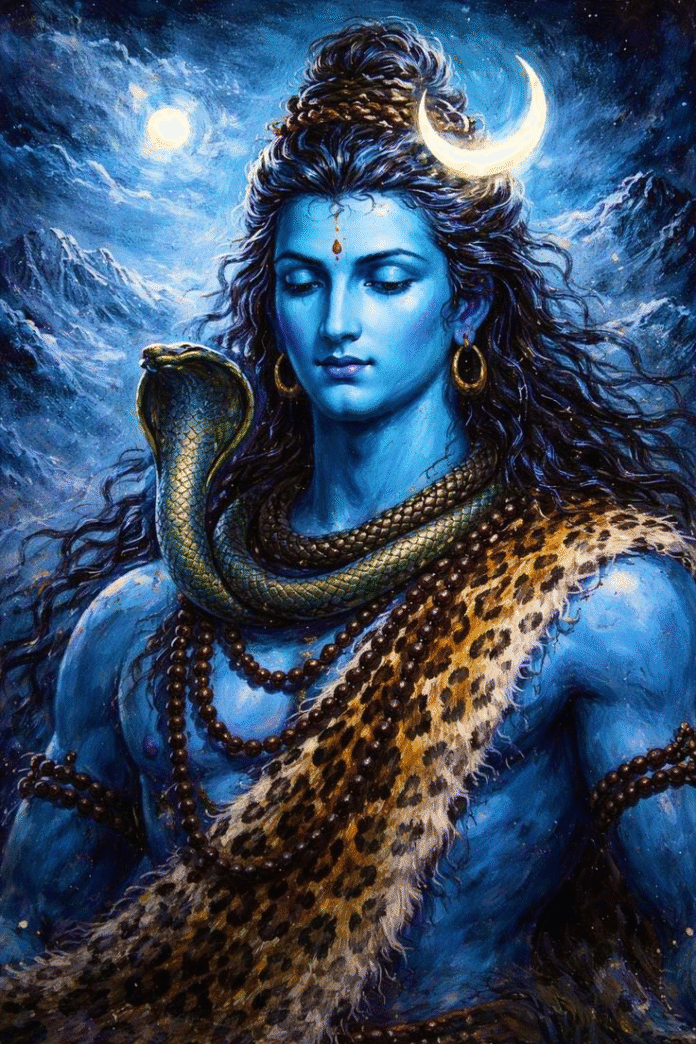
Shiva’s physical form is unique and symbolic—ashes smeared on his body, matted hair tied in a topknot, the crescent moon on his head, a serpent as his sacred thread, and poison held in his throat. This is the form of Neelkanth, the blue-throated one.
Today, we are not discussing why Shiva became Neelkanth. That story is well known.

Instead, we ask: What does Neelkanth teach us? What should we learn from the blue throat of Shiva? These lines well elaborates on what Neelkanth means:

Shiv se milne se pehle tumhe Shiv sa banna hoga,
zehar nahi peena bas zehar si baaton ko peena hoga.
Man mein uthe shabdon ke chakravaat,
filhaal ugalna nahi halaahal,
dhairya ka saath rakhna hoga.
Kadvi baaton ko rok kanth mein,
Neelkanth sa banna hoga,
Shiv se milne se pehle tumhe Shiv sa banna hoga.
Tabhi kahi jaakar Shiv se milan sambhav hoga.

(Do not drink poison—drink poisonous words.
A storm of words rises in your mind.
Do not spit out poison.
Be patient.
Hold bitter words in your throat.
Become Neelkanth.
Worshiping Shiva is easy, but becoming like Shiva is difficult. His Neelkanth form teaches us the art of restraint, patience, and inner strength.)

In life, most relationships are built on words. Conversations, stories, arguments, memories—everything is an exchange of words (vyavahar). But sometimes, harsh or abusive words from others ignite poisonous thoughts within us. In that moment, we are tempted to respond with even more poisonous words.


One careless sentence can destroy relationships forever. One angry reply can poison minds for a lifetime.
Shiva teaches us a different path. He teaches us not to spew poison back into the world. Instead, hold it within, without letting it harm others. The blue throat is a symbol of self-control, emotional maturity, and spiritual strength.
Neelkanth does not mean suppressing emotions—it means transforming poison into silence, wisdom, and compassion.


The Greatest Lesson of Neelkanth
The Neelkanth form is not just mythology—it is life philosophy.
The power to tolerate poison, but not to spread it.
The strength to stay calm when provoked.
The wisdom to hold bitterness, not pass it on.
Because before meeting Shiva, you must become like Shiva.
And only when you become Neelkanth, can you truly understand Mahadev.
Neelkanth Form of Shiva' Life Philosophy Says 'Hold Back Poison But Never Spew It in world'

(The writer of this article is Rohit Awasthi )

The Stillness Within: A Mahashivratri Reflection

0

Mahashivratri is often called the Great Night of Shiva, but for those walking the path of Yoga, it is the night of the Adiyogi. We do not see Shiva merely as a mythological figure or a deity of legends; we see him as the source of a science that allows human beings to transcend the limitations of the body and mind.

Long before religions were formed, Adiyogi sat in the heights of the Himalayas. He did not offer beliefs—he offered a path, a map of inner evolution. He realized that the same cosmic energy that moves the stars also flows within our breath. When we practice Yoga, we are simply walking the footprints he left behind thousands of years ago.

On this sacred night, there is a natural upward movement of energy. It is a time to keep the spine erect, the mind alert, and the heart open. It is a reminder that we are not isolated, struggling individuals, but part of a vast, eternal silence that underlies all creation.

A Poetic Tribute to the Source

The mountains hold their breath tonight,
Beneath a sliver of silver light.
No rituals, no complex spells—
Just the place where the inner spirit dwells.

He sat in ice, he sat in flame,
Before the world had given a name.
The first to turn the gaze within,
To show where soul and stars begin.

You are the dance, you are the dark,
The steady flame, the sudden spark.
On this great night, we stay awake,
For every breath and step we take.

From Adiyogi’s ancient grace,
We find our home, we find our place.
Not in the clouds or far away,
But in the pulse of every day.

Wishing you all a night of deep transformation, inner light, and eternal peace.
Jai Bholenath!

The Stillness Within: A Mahashivratri Reflection

The writer of this article is Adv. Pranita Deshpande
📧 advpranita@gmail.com

Shivaratri Special: Feel Cosmic Energy of Consciousness And Silent Force Behind Creation, Transformation and Truth…

0

Shiva is not just a mythological figure or a deity confined to temples and rituals. Shiva represents the infinite cosmic energy that exists within and around us—the stillness before creation, the force that sustains existence, and the power that transforms everything back into its source. To understand Shiva is to understand life itself.

In Vedic philosophy, Shiva is described as the ultimate consciousness—formless, timeless, and boundless. He is not limited by identity, appearance, or personality. He is the space in which everything exists. Just as the universe continuously expands and dissolves, Shiva symbolizes the eternal rhythm of creation, preservation, and transformation.

The image of Shiva in deep meditation reflects the state of pure awareness. It teaches that beneath the noise of thoughts, roles, and responsibilities lies a silent yet powerful presence. When we connect to this stillness, we connect to our highest intelligence. In a world driven by speed and stimulation, Shiva reminds us that clarity is born in silence.

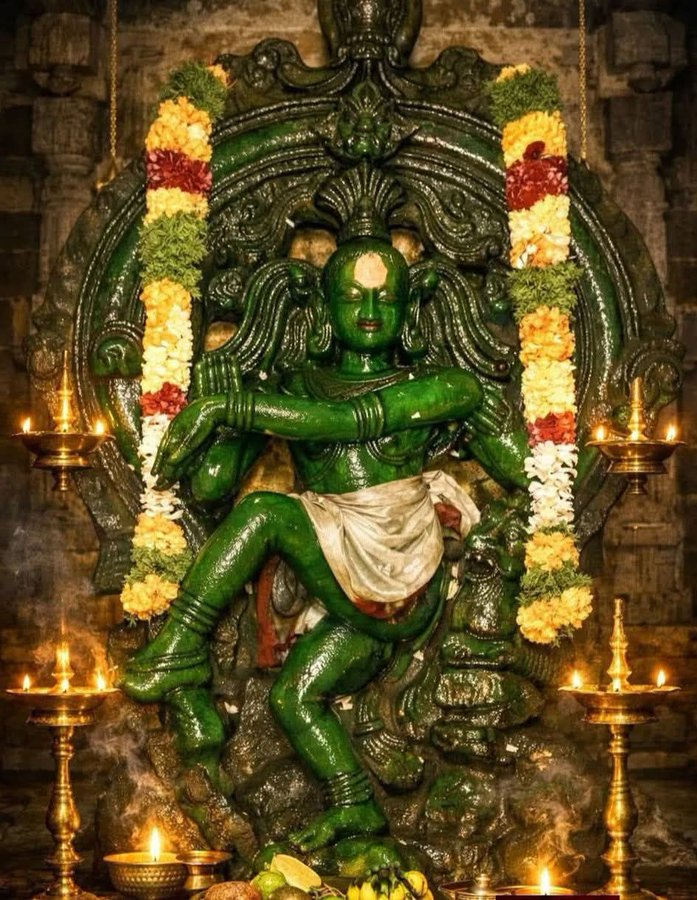
As Nataraja, the cosmic dancer, Shiva embodies the movement of the universe. Every atom vibrates, every planet rotates, every life evolves in a constant dance of energy. This dance is not random—it is a harmonious flow of destruction and creation. Old forms dissolve so new possibilities can emerge. In our lives too, breakdowns often become breakthroughs.

Shivaratri Special: Feel Cosmic Energy of Consciousness And Silent Force Behind Creation, Transformation and Truth...

The story of Neelkanth, where Shiva holds poison in his throat, symbolizes emotional alchemy. Life inevitably brings pain, negativity, and chaos. Shiva does not reject it, nor does he let it spread. He contains it and transforms it. This is the highest form of inner strength—responding with awareness rather than reacting impulsively.

Shiva also represents balance. In the form of Ardhanarishvara, Shiva-Shakti—half masculine and half feminine—he signifies the union of logic and intuition, strength and softness, action and receptivity. True wholeness is not choosing one over the other, but integrating both.

Unlike conventional ideals of perfection, Shiva embraces the rawness of existence. He resides in cremation grounds, wears ash, and keeps serpents close—reminding us that life and death, beauty and destruction, light and darkness are all parts of the same reality. When we stop resisting life’s dualities, we discover freedom.

At a deeper level, Shiva is the energy of awareness within every human being. It is present when we pause before reacting, when we choose truth over comfort, when we let go of ego, and when we act from compassion instead of fear. The more conscious we become, the closer we come to experiencing Shiva—not outside, but within.

Living with Shiva as a guiding energy means living authentically. It means detaching from unnecessary noise, mastering the mind, and aligning with a higher purpose. It means understanding that destruction is not always negative—it is often a sacred clearing for growth. It means learning to sit in silence, observe life without judgment, and respond with wisdom.

Shiva is not something to be believed in; he is something to be experienced. He is the cosmic pulse in meditation, the courage in transformation, the calm in chaos, and the truth beyond illusion.

When a person begins to live consciously—observing thoughts, managing emotions, balancing energies, and aligning actions with purpose—they begin to live in the state of Shiva.

Shivaratri Special: Feel Cosmic Energy of Consciousness And Silent Force Behind Creation, Transformation and Truth...

The writer of this article is Sonal Agarwal Rawat,
Pregnancy Wellness Expert, Life Coach, TEDx Speaker,
Founder, MothersVibe

No Money, No Friends”: Rajpal Yadav Surrenders to Tihar Jail in Long-Running Cheque Bounce Case

0

PC(IMDb, Amar Ujala )

Actor Walks Into Custody After Court Rejects Final Plea

No Money, No Friends": Rajpal Yadav Surrenders to Tihar Jail in Long-Running Cheque Bounce Case

Bollywood actor Rajpal Yadav surrendered before authorities at Tihar Jail on Thursday following his conviction in multiple cheque bounce cases. The surrender came after the Delhi High Court refused to grant him further time to clear long-pending dues, making it clear that legal accountability applies equally to celebrities and common citizens.

The Case That Began With a Film Dream

The legal battle dates back to 2010, when Yadav borrowed ₹5 crore from Murali Projects Pvt Ltd to finance his directorial venture Ata Pata Laapata.Under the agreement, the actor committed to repaying 8 crore. Unfortunately, the film failed to perform at the box office, leaving him under severe financial stress.

Bounced Cheques Trigger Legal Action

Following the film’s failure, the production firm alleged that seven cheques issued by Yadav towards repayment bounced. This led to criminal proceedings under Section 138 of the Negotiable Instruments Act, which deals with cheque dishonour cases. 2018 Conviction: Jail Term for Actor and Wife. In April 2018, a Magistrate’s Court convicted Rajpal Yadav and his wife, sentencing them to six months’ imprisonment. The actor challenged the verdict through multiple appeals and legal remedies, which resulted in.

No Money, No Friends": Rajpal Yadav Surrenders to Tihar Jail in Long-Running Cheque Bounce Case

Partial Payments, Mounting Frustration

During the prolonged legal process, Yadav repaid parts of the outstanding amount. Notably, he deposited ₹75 lakh in 2025. However, the court observed repeated delays and missed deadlines, questioning the actor’s seriousness in settling the matter. Over time, the unpaid amount continued to swell, further complicating his legal position.

High Court Draws the Line

On February 4, 2026, Justice Swarna Kanta Sharma of the Delhi High Court dismissed Yadav’s final request for a one-week extension to arrange funds. The court firmly stated that repeated leniency cannot be granted, regardless of an individual’s fame or public image, and directed the actor to surrender immediately.

From Laughter to Legal Trouble

Known for making audiences laugh through his comic roles, Rajpal Yadav’s real-life story has taken a grim turn. His surrender marks the end of a long legal chapter that began with cinematic ambition but ended in financial collapse and imprisonment.

Madhya Pradesh’s Groundbreaking Leap: Growing Potatoes Without Soil for Healthier, Virus-Free Crops

0

PC(Beeplip, Projekt Atol )

Madhya Pradesh's Groundbreaking Leap: Growing Potatoes Without Soil for Healthier, Virus-Free Crops

Potatoes Grown in Mid-Air – A Farming Miracle in Gwalior researchers at Rajmata Vijayaraje Scindia

Agriculture University in Gwalior, Madhya Pradesh, have pioneered an innovative technique to cultivate potatoes suspended in the air using an advanced aeroponics unit. This breakthrough soilless method promises to deliver virus-free, high-quality seed potatoes, tackling persistent challenges in traditional potato farming and boosting food security in India.

What is Aeroponics? The Science of Growing Without Soil

Aeroponics involves growing plants without any soil the roots hang freely in the air and are regularly misted with a nutrient-rich water solution. Unlike conventional farming that relies on soil for nutrients, this system delivers minerals directly to the roots in a precisely controlled environment, maximizing efficiency and plant health.

The Magic Behind Air-Grown Potatoes: More Oxygen, Faster Growth

The core principle of aeroponics lies in exposing plant roots to maximum oxygen while providing exact amounts of water and nutrients. This results in superior oxygen availability compared to soil-based methods, leading to accelerated growth, better nutrient uptake, and healthier plants. The entire process occurs in enclosed setups like greenhouses or net houses, where factors such as temperature, humidity, and misting cycles are meticulously managed.

Madhya Pradesh's Groundbreaking Leap: Growing Potatoes Without Soil for Healthier, Virus-Free Crops

Not as Futuristic as It Sounds – A Brief History of Aeroponics

While the idea may seem cutting-edge, aeroponics has roots dating back to the 1920s, when early experiments explored root development in air-based systems. The term “aeroponics” was officially coined in 1957, and commercial applications emerged in the 1980s. Today, the technology is widely adopted globally, particularly for producing premium planting materials in controlled settings.

Why Potatoes Specifically? Combating Diseases in Traditional Seed Production

Potatoes are typically propagated using seed tubers, which often carry viruses and diseases across generations, reducing crop quality and yields. Aeroponics enables the production of clean “minitubers” – small, disease-free potato seeds – in a sterile, controlled environment. These high-quality minitubers can then be multiplied in open fields, resulting in stronger, more productive crops for farmers.
Madhya Pradesh Takes the Lead: Optimizing Local Seed Production

The university’s aeroponics unit focuses on enhancing potato seed production tailored to local needs, rather than inventing the method anew. Compared to traditional nursery techniques, aeroponic systems yield far more seed potatoes while consuming significantly less water and space – a game-changer for resource-constrained regions.

Ongoing Research and Real-World Impact in the State

Research into aeroponic potato cultivation is actively progressing in Madhya Pradesh. In 2024, the Central Potato Research Institute’s Regional Station in Gwalior experimented with various planting and irrigation strategies to scale up minituber multiplication under net-house conditions. Such efforts are strengthening seed supply chains and elevating overall crop quality for local farmers.
The Future of Sustainable Farming in India

As climate change, shrinking arable land, and water scarcity intensify, soil-free innovations like aeroponics could become vital for sustainable agriculture. By enabling efficient, disease-resistant production, this Madhya Pradesh breakthrough paves the way for a more resilient and productive food system across the country.

Shivratri 2026: The Eternal Force Powering India’s Temple Economies and Cultural Imagination

0

India’s spiritual landscape has always been intertwined with its economic rhythms, but perhaps no deity shapes this sacred-economic continuum as profoundly as Shiva. From Varanasi to Ujjain, from the icy heights of Kedarnath to the remote routes of Kailash–Mansarovar, Shiva’s pilgrimage circuits are not just sites of devotion—they are engines of local prosperity, cultural continuity, and creative expression.

A Spiritual Magnet That Moves Millions — and Markets

Shiva temples collectively draw hundreds of millions of pilgrims every year. The surging footfall in places like Kashi Vishwanath, Mahakaleshwar, Kedarnath, and dozens of Jyotirlingas triggers a cascading economic effect on hospitality and stays, transport networks, local crafts and cuisines and micro-businesses tied to rituals, offerings, logistics, and services.

Entire cities—Varanasi, Ujjain, Rameshwaram, Somnath—thrive on this cyclical pilgrimage economy, where faith directly supports livelihoods.

The Philosophy That Absorbs Venom, Not Spreads It

Shiva’s economic influence is matched only by the depth of his philosophy. He is the deity who drinks the world’s poison—the halahala churned from the cosmic ocean—to save creation. He absorbs negativity, instead of multiplying it.

In an age when outrage often travels faster than reasoning, Shiva offers a counter-culture. His message is disarmingly simple:
Strength is not in retaliating with venom—it is in holding it without letting it spill onto the world.

This idea has shaped generations of Indians, influencing social behavior, interpersonal ethics, and even political metaphors.

The Cosmic Dancer Who Moves Civilizations

Shiva’s dance—Nataraja—is not a performance; it is a philosophy. It speaks of creation, preservation, destruction, illusion and liberation. In that dynamic pose lies the universe’s pulse. This symbol has traveled from Chola temples to global museums, from classical stages to contemporary design. It inspires dancers, physicists, sculptors, architects, and innovators—each seeing in Shiva’s dance the blueprint of cosmic energy.

Shiva is not frozen in ancient stone; he is alive in contemporary culture.
His imagery—rudraksha, dreadlocks, ash, tiger skin, damru, trishul—has become an aesthetic embraced by youth across the world.

From pop culture to graphic tees, from meditation retreats to fusion music, Shiva’s cult blends spirituality with style. His presence is not merely religious—it is emotional, symbolic, and coolly counter-cultural.

Why He Is Called Bholenath — the Innocent Lord

Despite being the destroyer of illusions and the supreme ascetic, Shiva is affectionately called Bholenath, the innocent one.
Because he gives easily.
Forgives easily.
Loves fearlessly.
And stands by even those who come to him flawed and broken.

This openness makes his temples feel accessible:
No elaborate rituals required,
No intermediaries needed,
No conditions attached.

That emotional simplicity is one of the biggest drivers of Shiva devotion—and by extension, Shiva-centered temple economies.

The Bottom Line

Shiva is not just a deity—he is a cultural force whose philosophy, imagery, and spiritual gravity shape vast economic landscapes. His temples sustain cities, his symbols influence art and fashion, and his compassion molds the collective conscience.

In every pilgrim who walks toward a Jyotirlinga, in every artisan who carves his form, in every dancer who evokes Nataraja, and in every seeker who whispers “Har Har Mahadev,” the story continues—timeless, powerful, and profoundly human

Historic Milestone: Darjeeling Toy Train Welcomes Its First Woman Ticket Examiner in 145 Years

0

PC( The news mill, The news indian Express)

Historic Milestone: Darjeeling Toy Train Welcomes Its First Woman Ticket Examiner in 145 Years

Breaking Gender Barriers on the UNESCO Heritage Tracks

The UNESCO World Heritage Himalayan Railway (DHR), affectionately known as the “toy train,” has achieved a significant milestone by appointing its first-ever woman Travelling Ticket Examiner (TTE) in its 145-year history.

Sarita Yolmo Takes Charge on Historic Route

Sarita Yolmo, a veteran employee of the Northeast Frontier Railway (NFR), made her debut in this new role by conducting the toy train from New Jalpaiguri (NJP) to Darjeeling on February 5, marking a proud moment for women in Indian Railways.

Pride and Excitement in Her Own Words

“I am proud to be the first woman TTE in a Darjeeling Himalayan Railway toy train in its history,” Yolmo shared with PTI over the phone. DHR official Prateeksha Chhetri confirmed that Yolmo is indeed serving as the first woman TTE in the toy train service.

Mixed Emotions on a New Challenge

Yolmo expressed feeling both thrilled and anxious when offered the opportunity to work on the prestigious UNESCO heritage railway service.Although she hails from Darjeeling, she had no prior experience on the DHR and had only traveled on the toy train as a passenger before.

Historic Milestone: Darjeeling Toy Train Welcomes Its First Woman Ticket Examiner in 145 Years

Solo Trailblazer on the Scenic Journey

She is currently the only woman TTE on the NJP-Darjeeling route, which spans around eight hours one way and can extend longer due to occasional delays. Yolmo operates on a rotational basis for the daily service, handling the morning train from NJP and returning the next day after an overnight halt in Darjeeling, the charming “Queen of the Hills. “Deployment Through NJP’s Ticket Inspector Office TTEs for the NJP-Darjeeling route are assigned by the Chief Travelling Ticket Inspector (CTTI) office at NJP, where Yolmo is posted.

Overcoming Anxiety with Determination

“Though I had no prior experience of working as a TTE in trains, I gathered courage and took responsibility for the passengers as the first woman TTE in the toy train service,” she said. “I was a little anxious on my first journey, but I felt very good after completing the route and reaching Darjeeling,” she added.

A Long and Dedicated Career Path

Yolmo joined the NFR in April 1991 in the printing press department at Kurseong. Following the closure of the railway press, she transitioned to the commercial department at NJP, where she worked in enquiry, station checking, and announcement roles.

Family Roots in the Region

A resident of Siliguri-the gateway to the hills and Northeast-Yolmo is a mother to a daughter who is studying while working abroad. Her husband is a retired DHR employee who served as an engineer at the Tindharia workshop before his posting to Siliguri. This achievement not only highlights Yolmo’s dedication but also represents a powerful step toward greater gender inclusion in India’s historic railway operations.

What is Valentine’s Day? Know Its Early History, Symbols and Significance in Present Times…

0

Valentine’s Day, celebrated annually on 14 February, is a festival dedicated to romantic love, friendship, and admiration. On this day, people express their affection by sending heartfelt messages, cards, flowers, and gifts to partners, family members, and friends. Couples often spend special time together to celebrate and honour their love.

The Early History of Valentine’s Day

Valentine’s Day is named after Saint Valentine, a Catholic priest who lived in Rome during the 3rd century. Over time, various stories about his life developed into the legend we know today.

During this period, many Romans were converting to Christianity. However, the Roman Emperor Claudius II remained pagan and imposed strict laws on Christians. He believed Roman soldiers should be fully devoted to Rome and therefore banned them from marrying.

According to legend, Saint Valentine defied this order by secretly performing Christian marriage ceremonies for soldiers. This act earned him a reputation as a defender of love and commitment. Eventually, he was discovered and imprisoned.

While in jail, Valentine is said to have cared for fellow prisoners and befriended the jailer’s blind daughter. Legend holds that he miraculously restored her sight. Before his execution on 14 February, 270 AD, he allegedly wrote her a farewell message signed, “From your Valentine” — a phrase that remains famous today.

How Did Valentine’s Day Develop?

More than 200 years later, 14 February was officially declared Saint Valentine’s Day. By then, Rome had become Christian, and church leaders sought to replace pagan festivals. A fertility celebration traditionally held in mid-February was abolished, and the day was dedicated to Saint Valentine, securing its place in the Catholic calendar.

In the Middle Ages, the English poet Geoffrey Chaucer was among the first to connect Saint Valentine with romantic love. His writings helped establish the tradition of courtly love, where affection and admiration were expressed, often secretly. This custom spread across Europe, giving rise to poetry readings and romantic traditions associated with 14 February.

Valentine’s Day Symbols

Over time, the tradition of expressing love through handwritten notes evolved into sending specially designed Valentine’s Day cards. These early cards were handmade and often featured sentimental verses praising the beauty and virtues of the recipient.

Common symbols of Valentine’s Day include:

  • Hearts – representing love
  • Cupid – symbolising desire and affection
  • Red roses – expressing deep romantic love
  • Lace and ribbons – signifying elegance and devotion

These symbols remain globally recognised emblems of love.

Valentine’s Day in Contemporary Times

Today, Valentine’s Day is celebrated in many countries around the world, though traditions vary. In some cultures, the day honours not only romantic relationships but also friendships and family bonds.

Common modern traditions include:

  • Exchanging Valentine’s cards and gifts
  • Giving flowers, especially red roses
  • Romantic dinners or home-cooked meals
  • Picnics or weekend getaways
  • Luxury hotel stays
  • Creative marriage proposals

Many couples choose Valentine’s Day as a meaningful occasion to propose marriage. From mountaintop proposals to billboard messages, these gestures are often designed to be romantic and unforgettable.

In Essence

Valentine’s Day has evolved from a historical legend into a global celebration of love in all its forms. Whether through a simple message, a thoughtful gift, or a grand romantic gesture, 14 February continues to be a special day dedicated to expressing affection and appreciation.

Happy Valentine’s Day 2026: Wishes, Images, Quotes, WhatsApp Status, Messages, Photos, Greeting Cards To Share With Your Special One

0

Valentine’s Day, observed annually on February 14, is a worldwide celebration dedicated to expressing love and affection. 

Named in honour of Saint Valentine, this occasion provides couples with a special time to celebrate their relationships, while also allowing friends and family to express their appreciation for one another, thereby strengthening the connections we hold dear.

Happy Valentine’s Day 2026 Wishes, Images, Quotes, WhatsApp Status, Messages, Photos, Greeting Cards: Valentine’s Day, annually celebrated on February 14, is all about celebrating connections which make us feel loved and cherished. As we’re looking ahead to celebrate Valentine’s Day, here is a list of wishes that one can share with their loved ones.

Happy Valentine’s Day 2026: Wishes, Images, Quotes, WhatsApp Status, Messages, Photos, Greeting Cards To Share With Your Special One

Romantic Messages for Your Partner

You are the reason my heart beats faster, and my soul feels at peace. Happy Valentine’s Day to my everything.

In a world full of temporary things, you are my forever. I love you more with every passing year. Every moment spent with you feels like a beautiful dream I never want to wake up from.

You haven’t just changed my life; you’ve become my life. Happy Valentine’s Day, my beautiful love.

My favourite place to be is wherever you are. Thank you for being the highlight of my 2026.

Happy Valentine’s Day 2026: Wishes, Images, Quotes, WhatsApp Status, Messages, Photos, Greeting Cards To Share With Your Special One

Loving you is as natural as breathing and just as essential. Happy Valentine’s Day!

Sweet Wishes for Husband and Wife

Our love story is my favourite book. I can’t wait to write the rest of the chapters with you.

To my partner in life and my love for all time: Thank you for building this beautiful life with me.Happy Valentine’s Day to the one who has seen me at my best and my worst and loved me through it all. Happy Valentine’s Day to the one who has seen me at my best and my worst and loved me through it all.

To my amazing husband/wife: You are my rock, my home, and my heart. Here’s to us in 2026.

Marriage is an adventure, and there is nobody else I’d rather have as my co-pilot. I love you! Marriage is an adventure, and there is nobody else I’d rather have as my co-pilot. I love you!

Beyond the chores and the routine, you are still the person who makes my world spin. Happy Valentine’s Day.

Love Quotes for Your Partner

I have seen the best of you, and I have seen the worst of you, and I choose both.

Whatever our souls are made of, yours and mine are the same.I would rather spend one lifetime with you than face all the ages of this world alone. I would rather spend one lifetime with you than face all the ages of this world alone.

You are the finest, loveliest, tenderest, and most beautiful person I have ever known; and even that is an understatement.

If I had a flower for every time I thought of you, I could walk through my garden forever.

To the world, you may be one person, but to me, you are the world.You’re the piece of me I didn’t know was missing until I found you. You’re the piece of me I didn’t know was missing until I found you.


Radio Reimagined: The Timeless Voice in a Digital World – Celebrating World Radio Day 2026

0

PC( Indian T.V Radio, Times Now)

World Radio Day: A Global Tribute to Radio’s Enduring Power

Today, on February 13, we celebrate World Radio Day, an annual tribute to one of the most enduring and accessible mediums of communication. Observed every year on this date, it commemorates the establishment of United Nations Radio in 1946. Proclaimed by UNESCO in 2011 and endorsed by the United Nations General Assembly through resolution A/RES/67/124 in 2012, World Radio Day highlights radio’s power to celebrate humanity’s diversity, foster democratic discourse, and serve as a platform for voices that might otherwise go unheard.

2026 Theme: Al Enhances, But the Human Voice Leads

The theme for 2026 is “Radio and Artificial Intelligence: Al is a tool, not a voice.” This forward-looking focus explores how Al enhances radio production, distribution, and reach while reaffirming that the true essence of radio lies in its human voice -building trust, emotion, and connection that technology alone cannot replicate.

From Marconi’s Sparks to Global Companion

Radio’s journey began in the late 19th century when Guglielmo Marconi pioneered wireless signal transmission over long distances. What started as a scientific marvel quickly evolved into a global mass communication powerhouse. By the 1920s, radio entered homes worldwide, becoming a daily companion delivering news, music, drama, and education. It shattered literacy barriers-listeners didn’t need to read to access knowledge. Farmers adopted modern techniques, students tuned into lessons, and citizens stayed connected to world events.

Radio Reimagined: The Timeless Voice in a Digital World - Celebrating World Radio Day 2026

Radio’s Heroic Role in Crises and Change

During wars and crises, radio proved indispensable, broadcasting accurate information and rallying communities. Leaders like Franklin D. Roosevelt used “fireside chats” to foster trust and unity. In developing nations, it became a voice for the voiceless, driving health awareness, social change, and rural empowerment. Even today, radio’s accessibility and affordability keep it vital in areas with limited internet.

Nostalgic Memories: Radio as Childhood’s Window to the World

For many, radio evokes cherished childhood memories. In an era before widespread internet and smartphones, it was our window to the world-informing, educating, and connecting people across distances. It filled homes with stories, songs, and shared moments, creating an intimate bond through the human voice.

Thriving in the Digital Age: Radio’s Smart Evolution

In the current digital age, radio thrives by adapting and evolving. Traditional FM/AM stations now blend with online platforms, mobile apps, and podcasts, reaching audiences instantly worldwide. It remains the most accessible medium-affordable, battery-powered, and reliable in remote areas or during disasters, where it delivers life-saving information when other systems fail.

Empowering Communities and Voices Worldwide

Community radio stations empower local voices, promote culture, education, health, and inclusion, especially in developing regions. Initiatives like UNESCO’s recognition underscore radio’s role in peace, dialogue, and sustainable development. With digital radio and podcasting on the rise, younger generations rediscover audio content via smartphones, smart speakers, and cars. Radio’s human touch, credibility, and emotional resonance keep it trusted amid social media’s noise.

India’s Proud Milestones in Radio History

In India, milestones highlight radio’s enduring legacy. The country’s first community radio station was inaugurated on February 1, 2004. Adding to the celebration, Ram Singh Bouddh from Amroha, Uttar Pradesh-known as the “Radio Man of India”-earned Guinness World Records recognition in 2025 for the world’s largest collection of 1,257 radios.

A Timeless Call: Celebrate the Human Voice of Radio

As we mark World Radio Day 2026, let’s honor radio not just as a medium, but as a timeless companion that informs, entertains, educates, and unites us. In an Al-driven future, it reminds us that while tools advance, the human voice remains irreplaceable. Tune in, reflect, and celebrate the enduring power of radio!