Home Blog Page 71

Champawat Saras Corbett Festival 2026: A Vibrant Celebration of Culture, Adventure, and Winter Tourism in Uttarakhand

0

PC: (Instagram)

Dehradun, Uttarakhand – Uttarakhand Chief Minister Pushkar Singh Dhami virtually inaugurated the Champawat Saras Corbett Festival-2026 (also known as Champawat Saras Corbett Mahotsav-2026) from his camp office in Dehradun. The festival, running from February 18 to 24, 2026, is being held at the ground near the Central Water Commission Office in Tanakpur, Champawat district.

In his address, CM Dhami expressed confidence in the infectious enthusiasm and celebratory atmosphere filling every household in Champawat. He highlighted the unique charm of Holi celebrations in Kali Kumaon, which stand out for their distinctive cultural blend rarely seen elsewhere in India. The Chief Minister described the event as far more than a week-long gathering-it is a dynamic showcase of Uttarakhand’s rich cultural heritage, pristine natural beauty, women’s empowerment, youth energy, and the vision of a self-reliant state.This year’s festival incorporates elements of a “Winter Corbett Festival” to boost winter tourism in the region. By spotlighting Champawat’s proximity to wildlife areas and its historical ties to conservation legend Jim Corbett, the event aims to draw visitors during the quieter, cooler months and establish year-round tourism.

Blending Adventure, Culture, and Empowerment

The Mahotsav places Champawat firmly on the national adventure tourism map with thrilling activities such as paragliding, mountain biking, hot air ballooning, river rafting, paramotoring, bird watching, and trekking. CM Dhami expressed optimism that these initiatives will create fresh employment opportunities for local youth and promote sustainable livelihoods.

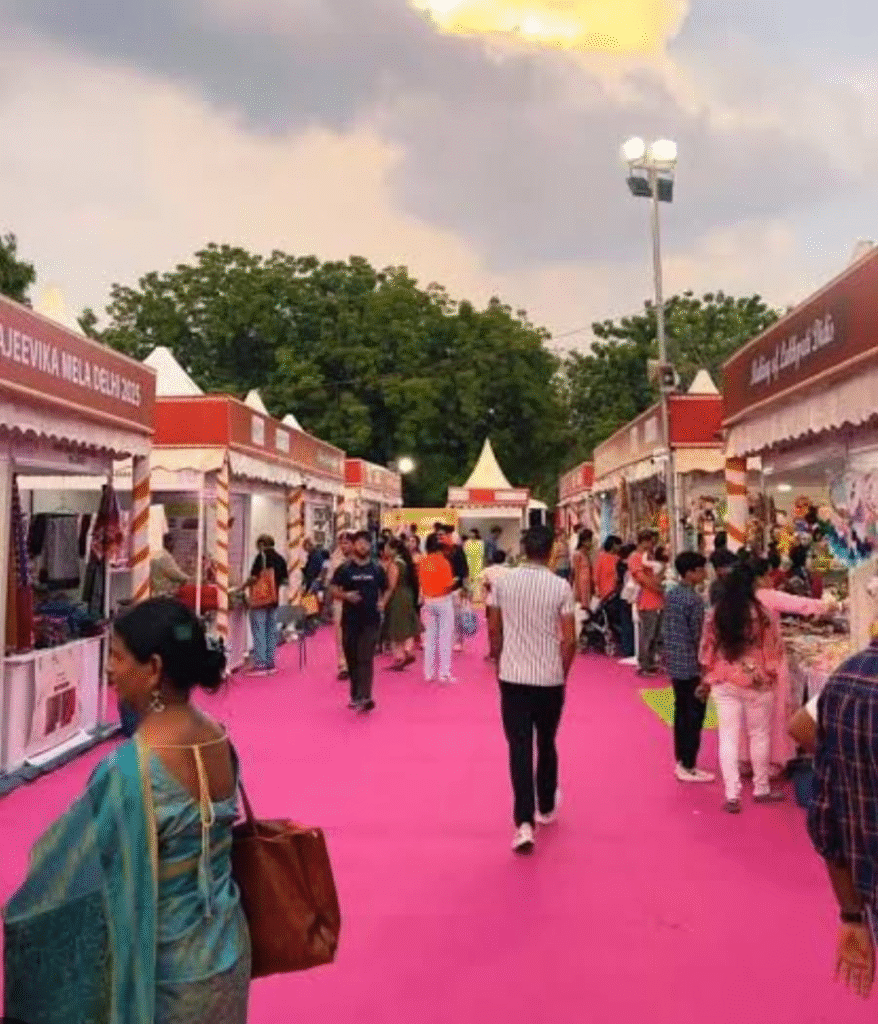
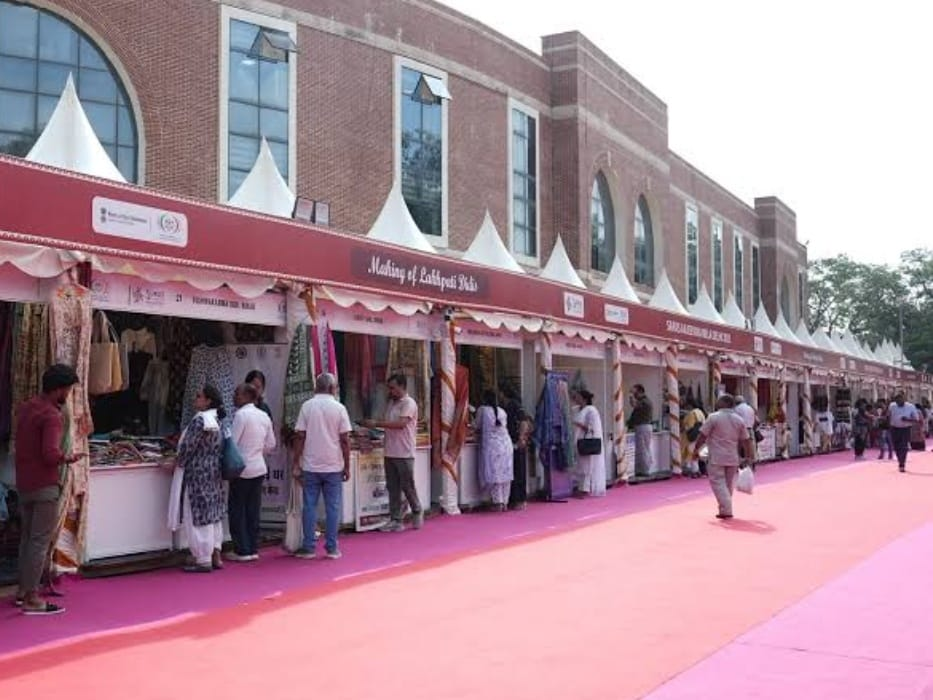
A key focus is on empowering local artisans, self-help groups, and rural entrepreneurs. Dedicated stalls and exhibitions showcase traditional Himalayan crafts, woolen textiles, organic products, and indigenous handiwork, bridging the gap between age-old craftsmanship and modern markets. The festival aligns with the “Vocal for Local” ethos, elevating regional products to a wider audience.

Visitors can savor a diverse food festival featuring traditional and popular cuisines from across India, along with local culinary delights that preserve and promote Uttarakhand’s food heritage.
Champawat Saras Corbett Festival 2026: A Vibrant Celebration of Culture, Adventure, and Winter Tourism in Uttarakhand

Rich Cultural Showcases and Community Engagement

The event brings Kumaoni culture to life through folk music, traditional dances, interactive displays, Madhubani painting workshops, modern art exhibitions, quiz competitions, science shows, and vibrant folk performances. These elements serve as both entertainment and educational tools, fostering deeper appreciation for the Himalayan lifestyle.

Wildlife Conservation and Eco-Tourism Emphasis

Drawing on the region’s storied wildlife legacy-particularly the famous 1907 incident where Jim Corbett eliminated a man-eating tigress in the Champawat-Lohaghat area-the festival advances tiger conservation and wildlife awareness. Eco-friendly practices are prioritized, with promotions of low-impact activities like nature trails, bird watching, and responsible tourism to protect the pristine environment.
Champawat Saras Corbett Festival 2026: A Vibrant Celebration of Culture, Adventure, and Winter Tourism in Uttarakhand

Economic Boost and Infrastructure Push

The Saras Corbett Festival is strategically designed to stimulate economic growth by attracting visitors nationwide, boosting demand for hospitality, transport, and retail. Infrastructure upgrades-including roads, sanitation, and information centers-are underway to ensure seamless accessibility and an enhanced visitor experience.

In essence, the Champawat Saras Corbett Mahotsav 2026 promises a perfect fusion of culture, tradition, spirituality, youth dynamism, entrepreneurship, and adventure. It stands as a milestone in promoting eastern Kumaon’s untapped potential, empowering communities, and building a sustainable tourism model for Uttarakhand’s future. Whether you’re seeking thrilling adventures, cultural immersion, or serene winter escapes in the Himalayas, this festival offers something for everyone.
Trump Imposes Temporary 10% Tariff on All Imports After Supreme Court Strikes Down Emergency Levies

0

PC: (The Economic Time, India Today)

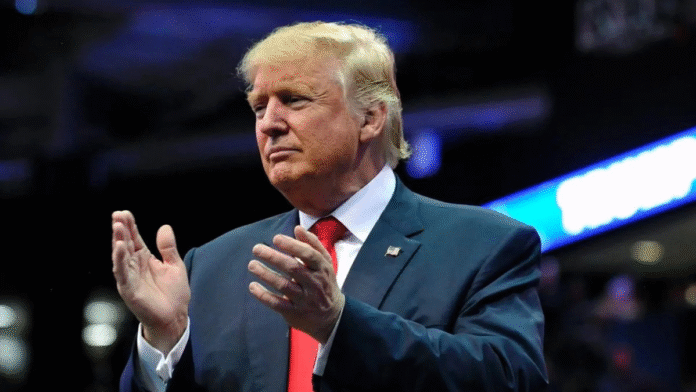
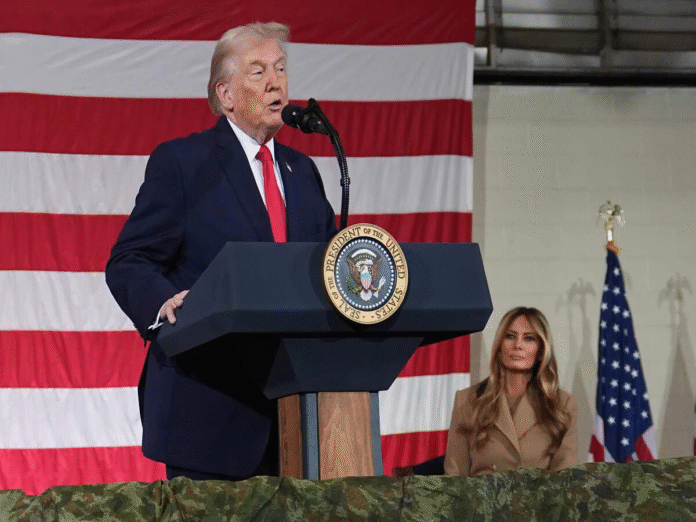
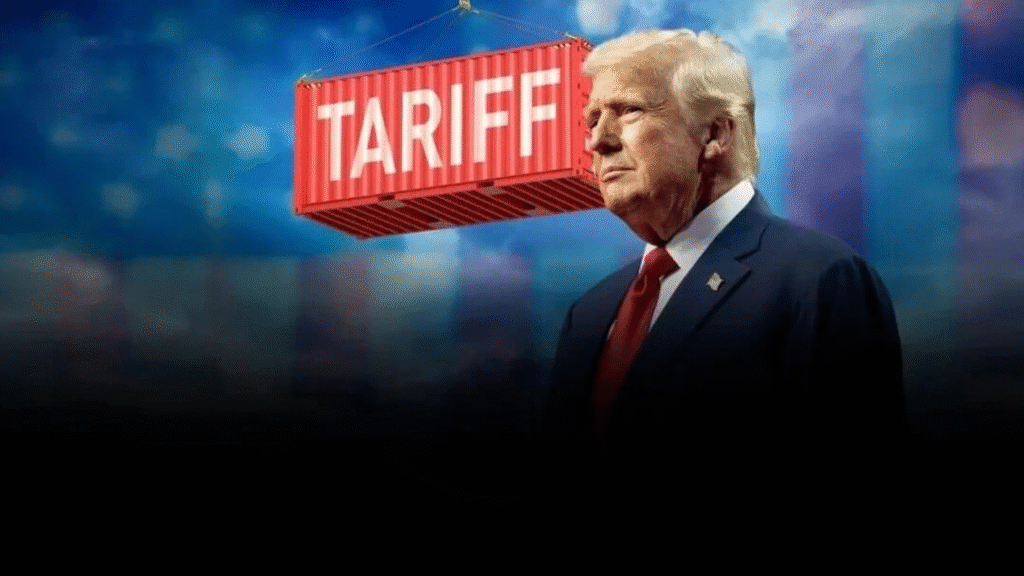
On February 20, 2026, U.S. President Donald Trump announced a new 10% additional tariff on imports from all countries, describing it as an extra layer over and above existing duties. This move came hours after the U.S. Supreme Court invalidated his prior sweeping tariffs imposed under the International Emergency Economic Powers Act (IEEPA).

Supreme Court Delivers Major Setback

In a landmark 6-3 ruling in Learning Resources, Inc. v. Trump, the Supreme Court held that the IEEPA does not authorize the president to impose tariffs. The decision, authored by Chief Justice John Roberts and joined by Justices Amy Coney Barrett and Neil Gorsuch along with the three liberal justices, struck down billions in “reciprocal” and fentanyl-related duties that had been in effect for about a year.

Trump’s Sharp Rebuke of the Justices

Trump responded with fierce criticism, calling the ruling a “disgrace” and labeling the justices who sided against him as unpatriotic. He highlighted the unusual 6-3 split, where two conservative justices joined the liberal bloc, and vowed to protect American interests through alternative means.

Trump Imposes Temporary 10% Tariff on All Imports After Supreme Court Strikes Down Emergency Levies

New Tariff Invokes Rarely Used Authority

The new 10% global tariff is being imposed under Section 122 of the Trade Act of 1974, which permits a temporary import surcharge of up to 15% for 150 days to address serious balance-of-payments deficits. This marks the first time a president has invoked this provision for such broad duties.

Effective Date and Scope

The additional duties are scheduled to take effect on February 24, 2026. Trump emphasized that all existing tariffs-such as those under Section 232 (national security, e.g., steel and aluminum) and Section 301 (unfair trade practices)-remain in “full force and effect.”
Key Exemptions in Place

The new 10% tariff will generally not apply to goods covered by the USMCA (U.S.-Mexico-Canada Agreement) or certain agricultural products and other exempt items previously carved out, providing some relief for North American trade and specific sectors.

Financial Fallout from the Ruling

The Supreme Court’s decision could require the U.S. government to refund between $142 billion and $175 billion to importers who paid the now-invalidated IEEPA tariffs in 2025. Trump suggested this refund process might drag on in litigation for years.

Market Response and Investor Sentiment

U.S. stock markets reacted positively to the invalidation of the emergency tariffs, with the S&P 500 and Nasdaq posting gains. Investors viewed the ruling as a potential easing of inflationary pressures from the broadest duties.

Long-Term Trade Strategy

During the 150-day window of the new temporary tariff, the administration plans to initiate new Section 301 investigations aimed at establishing more permanent-and potentially higher-tariffs on unfair trading practices by other countries and companies.

What Lies Ahead

The new levies are limited to a maximum of 150 days without congressional approval for extension. Trump has signaled a protracted legal battle over tariff refunds while pivoting to preserve his aggressive trade agenda through other statutory tools. This rapid response underscores ongoing tensions between executive trade powers and judicial oversight.

Ranvir Sachdeva: Who is This Youngest Speaker at India AI Impact Summit 2026

0

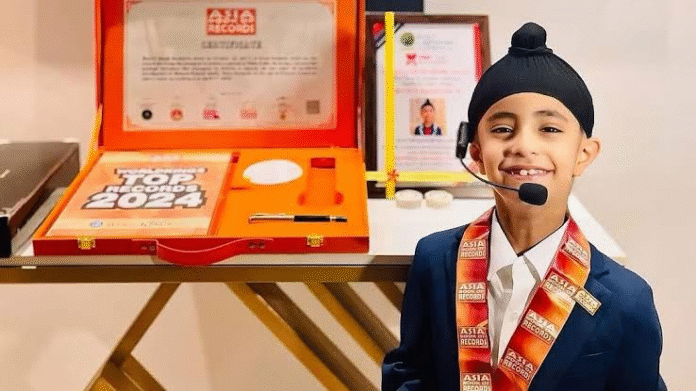
Eight-year-old coding prodigy Ranvir Sachdeva made history at the India AI Impact Summit 2026, becoming the youngest speaker to address the prestigious global gathering at Bharat Mandapam, New Delhi. Surrounded by global technology leaders, policymakers, and innovators, Ranvir presented his vision of connecting ancient Indian philosophy with modern Artificial Intelligence (AI).

In his keynote address, he spoke about India’s unique approach to AI development and shared insights into an Indian AI model use case. He also highlighted the importance of AI literacy and its role in driving economic growth and innovation.

Engagement with Global Technology Leaders

Ranvir’s participation at the summit brought him face-to-face with global tech leaders, including Google CEO Sundar Pichai and OpenAI CEO Sam Altman.

Earlier, he interacted with Salesforce CEO Marc Benioff and International Telecommunication Union (ITU) Secretary-General Doreen Bogdan-Martin at the AI for Good Global Summit in Geneva. In 2024, he also met United Nations Secretary-General António Guterres, marking his growing international recognition.

Early Start in Coding and Innovation

Ranvir began coding at the age of three. In 2023, at just five years old, he showcased his coding skills during Apple CEO Tim Cook’s visit to New Delhi for the opening of Apple’s retail store.

At the age of six, he became the world’s youngest TEDx speaker, addressing topics related to technology and innovation. He also developed a prototype rocket concept for Mars exploration, which received recognition from NASA’s Jet Propulsion Laboratory (JPL).

Recognition and Achievements

In 2022, Ranvir won a gold medal as a “Super Presenter” in the Global Reading Challenge. His ability to integrate philosophy, science, and technology has earned him visibility on national and international platforms.

Important Facts

  • Artificial Intelligence (AI): Machine systems capable of performing tasks that normally require human intelligence.
  • International Telecommunication Union (ITU): A specialised United Nations agency for information and communication technologies.
  • NASA Jet Propulsion Laboratory (JPL): A leading centre for robotic space exploration missions.
  • Bharat Mandapam: A major international conference and summit venue in New Delhi.

Symbol of Youth Participation in AI

Ranvir Sachdeva’s participation at a global AI platform highlights the increasing involvement of young innovators in emerging technologies. His journey reflects India’s emphasis on nurturing early technological talent and promoting AI awareness among the next generation.

International Mother Language Day 2026 -Empowering Young Voices for Linguistic Diversity

0

PC: (Vedantu, News18)

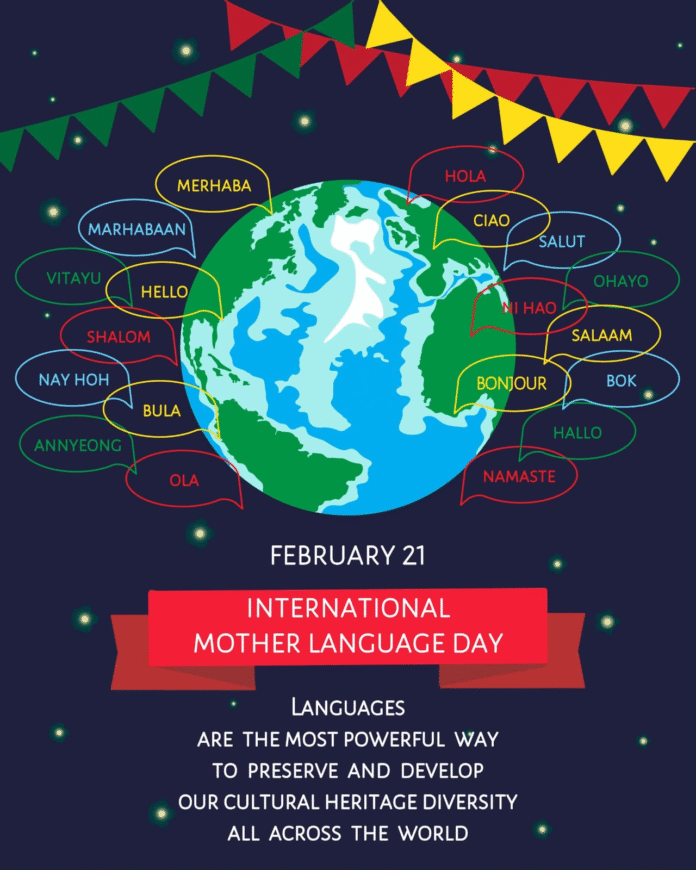
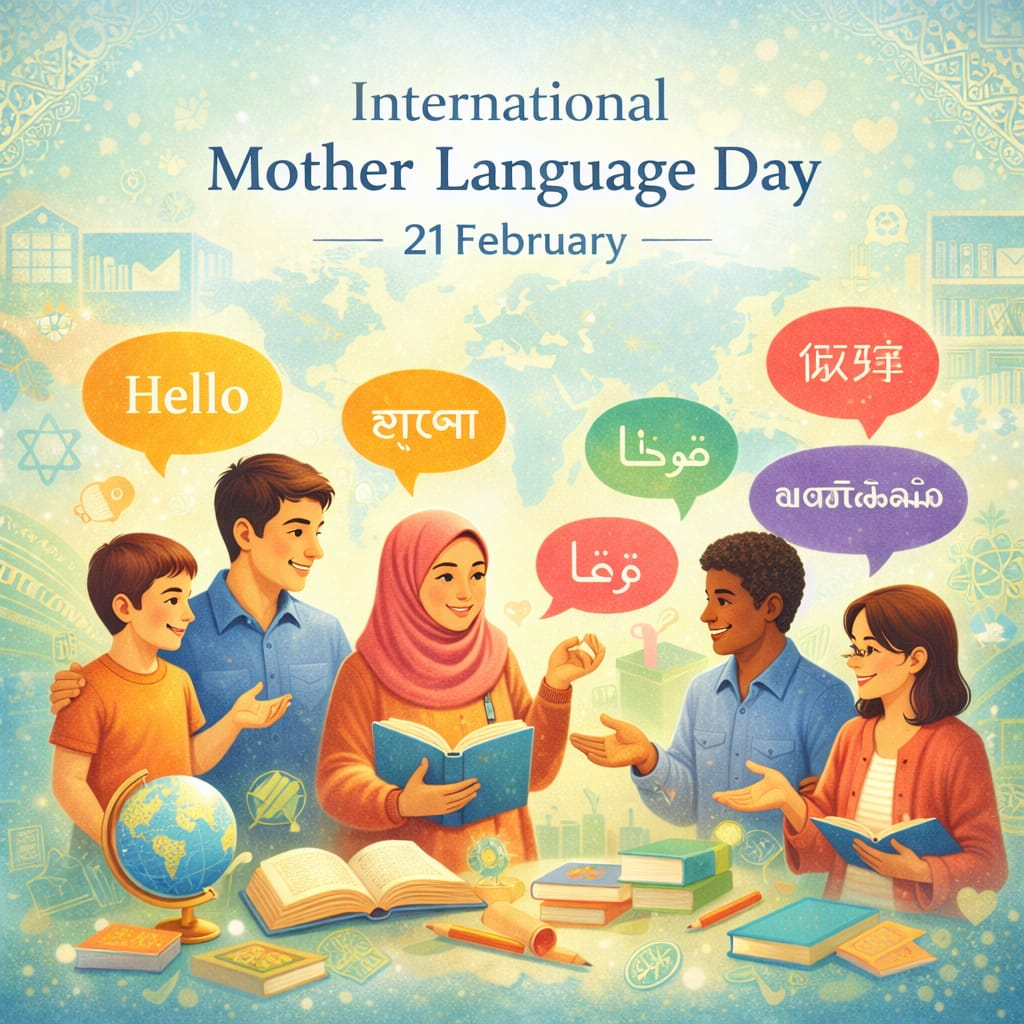
Every year on February 21, the world observes International Mother Language Day to celebrate linguistic and cultural diversity while promoting multilingualism. This day honors the sacrifices made for mother tongues and raises awareness about the urgent need to preserve languages, as UNESCO estimates that one language disappears every two weeks-an irreplaceable loss to humanity’s cultural heritage.

The Origins and History

The observance traces its roots to Bangladesh in 1952. Students in Dhaka protested peacefully to demand official recognition for the Bengali (Bangla) language. Police opened fire, killing several protesters in what became known as the Language Movement. In memory of this struggle, UNESCO proclaimed February 21 as International Mother Language Day on November 17, 1999. It was first celebrated globally in 2000, and the United Nations General Assembly formally recognized it in 2002.
The 2026 Theme: “Youth Voices on Multilingual Education”

This year’s theme, “Youth voices on multilingual education”, places young people at the center of the global conversation on languages. As the linguistic landscape evolves due to migration, technology, and greater awareness of multilingualism’s benefits, youth are emerging as key defenders and revitalizers of languages.

Key focus areas for 2026 include:

Empowering Youth: Young people are actively creating digital content, using social media, podcasts, Al tools, and online platforms to preserve and promote mother tongues.

Why It Matters

International Mother Language Day 2026 -Empowering Young Voices for Linguistic Diversity

Languages are more than communication tools-they carry culture, history, identity, and knowledge.
Whether spoken by millions or just a few thousand, every language enriches our collective heritage.
Multilingualism promotes tolerance, understanding, and social cohesion, while mother-tongue-based education improves access to learning and helps preserve endangered languages.

How to Celebrate International Mother Language Day

Speak, read, or write in your mother tongue-share basic phrases with friends or teach them to children. Organize or join workshops, seminars, poetry readings, or cultural events focused on local languages. Start learning a new language, especially an endangered or indigenous one, to aid preservation efforts. Attend multicultural festivals, enjoy music, films, or literature in different languages. Use social media to promote linguistic diversity-share stories, translations, or content in multiple languages.
Explore UNESCO’s resources, including libraries of indigenous languages, and read/share stories from diverse cultures.

International Mother Language Day reminds us that our mother tongues are our roots and strength. In 2026, let’s amplify youth voices and work together to build a more inclusive, multilingual world. Your language matters-speak it, preserve it, and pass it on!

Himachal Handicrafts & Handloom: Where Mountains Weave Stories

0

In Himachal Pradesh, every thread, stone, and metal piece carries a story—of kings and craftsmen, of temples and traditions, of mountains that shaped art for centuries. The state’s handicrafts and handloom are not just souvenirs; they are living legacies of Himalayan culture.

The Chamba Rumal: A Needle Wonder

Imagine an embroidered cloth so perfect that both sides look identical. That is the Chamba Rumal, a masterpiece once patronised by the rulers of the Chamba kingdom. Traditionally gifted at weddings, these rumals feature scenes from mythology, floral patterns, and royal court life.

Crafted on muslin or khaddar fabric, artisans use a unique double satin stitch technique that creates mirror-like embroidery on both sides. Each rumal is framed with a decorative border, making it a treasured heirloom rather than just a handkerchief.

Miniature Paintings: The Poetry of Pahari Art

The Pahari miniature paintings of Himachal are like visual poetry. Early paintings from the 17th century burst with bold colours and dramatic expressions—elongated eyes, oval faces, and striking backgrounds.

By the 18th century, the Guler and Kangra schools introduced a softer, more naturalistic style with lyrical lines and delicate shades. These paintings often depict Radha-Krishna, royal courts, and nature, capturing the romance of the Himalayas in tiny frames.

Metal Craft: Temples Forged in Tradition

Himachal’s metal craft dates back over a thousand years. From bronze statues of deities to intricate temple doors, metal artisans shaped the spiritual landscape of the region.

The Repoussé technique, where metal is hammered from the reverse side to create raised designs, can be seen in temples like Jwalamukhi, Bhimkali, and Vajreshwari Devi. A golden canopy gifted by Mughal Emperor Akbar at Jwalamukhi Temple stands as a shining example of this royal craftsmanship.

Jewellery: Silver Stories of the Hills

Himachali jewellery is bold, beautiful, and deeply symbolic. Tribal communities wear chunky silver necklaces, amulets, bangles, and forehead ornaments as part of everyday attire and rituals.

The jewellers of Kangra, Chamba, and Kullu were famous for enamelling with deep blue and green hues. Traditional pieces like chandanhaars (long silver chains) and peepal-leaf forehead ornaments reflect devotion to the mother goddess and nature.

Stone Carving: Temples Carved from Mountains

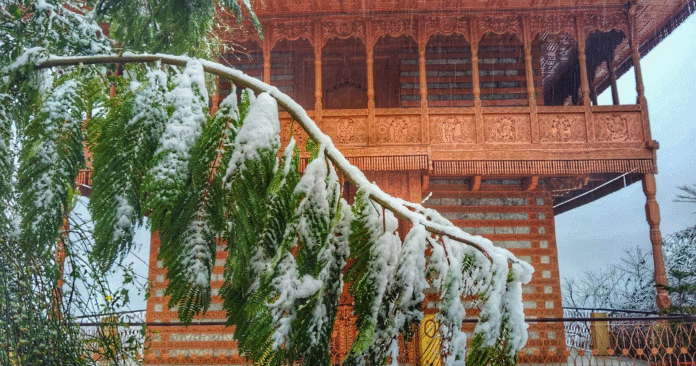
Stone carving is etched into Himachal’s landscape—literally. From the rock-cut Masroor temples to Baijnath and Naggar temples, the state is dotted with architectural marvels.

Artisans also carved everyday items like grinding stones, stoves, and storage pots, proving that art in Himachal was never limited to palaces—it was part of daily life.

The Iconic Himachali Cap: A Crown of Culture

More than just headgear, the Himachali Topi is a symbol of identity. Worn during weddings, festivals, and fairs, these colourful caps were originally designed to protect from cold winds.

Decorated with peacock feathers, brooches, or Himalayan Brahma Kamal flowers, the cap is one of the most popular souvenirs representing Himachal Pradesh.

Kullu Shawls: Threads of the Himalayas

Kullu shawls are famous worldwide for their bold geometric patterns and vibrant colours. Earlier plain, they evolved into patterned masterpieces after Bushehari craftsmen introduced new weaving techniques.

Made from sheep wool, Angora, Yak wool, and luxurious Pashmina, these shawls range from everyday wear to luxury fashion pieces. Each shawl takes weeks to weave, making it a labour of love.

Pullas: Grass Shoes of the Mountains

In the high mountain passes of Jalori and Bashleo, locals wear Pullas—traditional grass footwear made from wild plant fibres and goat hair. Warm, durable, and eco-friendly, these shoes reflect the Himalayan way of life, where nature and necessity meet craftsmanship.

A Living Heritage

Himachal’s handicrafts and handloom are not relics of the past—they are living traditions. Each piece carries the hands, hearts, and heritage of mountain artisans who continue to keep these crafts alive despite modern challenges.

So, the next time you pick up a Kullu shawl or a Chamba Rumal, remember—you are holding a piece of the Himalayas

Trump Speaks: Top 10 Statements After SC Overturns Tariff Order

0

Three hours after the US Supreme Court’s decision to overturn the tariffs, US President Trump held a press conference and announced the new tariffs. Here are 10 statements he made after SC have its verdict.

  1. “This is very disappointing.”
    Trump expressed deep dissatisfaction with the Supreme Court ruling that struck down his global tariffs.
  2. “I am ashamed of some of the judges on this court.”
    He openly criticized the judges who voted against his tariff policy.
  3. “They are a disgrace to our country.”
    Trump accused the judges of weakening America’s economic strength.
  4. “They lack the courage to do what is right for our country.”
    He questioned the judges’ patriotism and decision-making.
  5. “These judges are pets of the radical left.”
    Trump alleged political bias behind the court’s decision.
  6. “They are not loyal to the Constitution.”
    He claimed the judges failed to uphold constitutional values.
  7. “I don’t need Congress to enforce these tariffs.”
    Trump said he could implement tariffs using presidential powers.
  8. “There will be no change in the India trade deal.”
    He called PM Modi a “good friend” and said bilateral relations remain strong.
  9. “Foreign countries will surpass the US if tariffs are not imposed.”
    Trump warned that America’s industries would suffer without protectionist policies.
  10. “Presidents should have taken this step many years ago.”
    He blamed past US leaders for allowing other nations to take advantage of the US economy.

Snapshot:

  • Trump announced a new 10% global tariff on all countries just three hours after the Supreme Court struck down his previous tariff order.
  • The Supreme Court ruled (6–3) that only Congress has the constitutional authority to impose taxes and tariffs.
  • The new tariff will be implemented under Section 122 of the Trade Act of 1974, which allows temporary tariffs during economic emergencies.

International Mother Language Day 2026: Know Theme, Significance and Quotes

0

International Mother Language Day is observed annually to promote linguistic and cultural diversity and multilingualism. UNESCO estimates that 8,324 languages exist worldwide, with around 7,000 still in use. Yet, only a few hundred languages are used in education and public life, and fewer than 100 languages are active in the digital world. On average, one language disappears every two weeks, taking with it an entire cultural and intellectual heritage.

Multilingual and multicultural societies thrive through languages that transmit traditional knowledge and preserve culture sustainably.

2026 theme: Youth voices on multilingual education

International Mother Language Day 2026 Significance: Safeguarding Linguistic Diversity

Languages are deeply connected to identity, communication, social integration, education, and development. However, globalization is threatening many languages, leading to their disappearance. When a language dies, valuable traditions, knowledge, memory, and unique ways of thinking are lost.

International Mother Language Day 2026 History

International Mother Language Day was proclaimed by UNESCO in November 1999, inspired by an initiative from Bangladesh. The United Nations General Assembly welcomed the proclamation in 2002.

In 2007, the UN General Assembly urged all Member States to promote the preservation and protection of all languages used by people worldwide. It also declared 2008 as the International Year of Languages, with UNESCO as the lead agency.

Today, languages are recognised as essential for development, cultural diversity, intercultural dialogue, inclusive knowledge societies, and quality education. They also help mobilise political and scientific efforts toward sustainable development.

International Mother Language Day Wishes and Quotes

  • Our mother language is what gives us our identity and we must always be proud of it. Wishing you a very Happy International Mother Language Day to you all.
  • This International Mother Language Day, we celebrate every language that carries love, support and promises across borders. And we’re proud to help you deliver yours home.

Watch in Pics & Videos Indian Air Force Airshow in Jaipur: Aerial Stunts By Real Life Heroes Win Millions of Hearts…

0

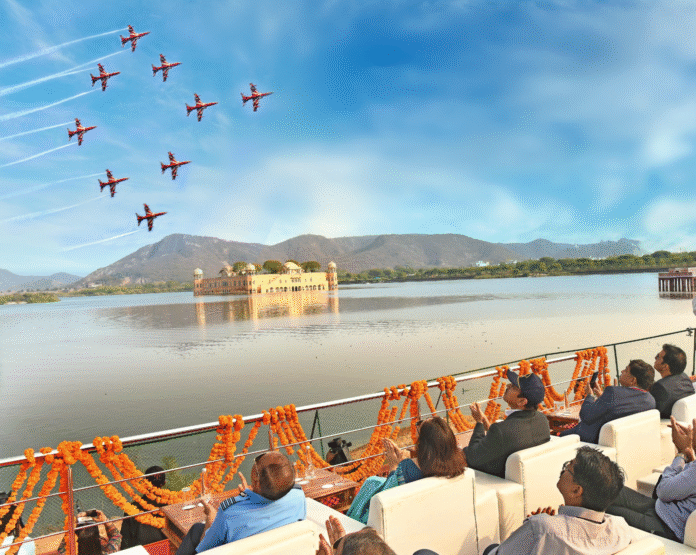
The Indian Air Force held a spectacular air show at Jal Mahal in Jaipur on Friday where indigenous Made in India helicopters pierced straight through heart leaving an unforgettable impression in mind. Nine aircraft from the Suryakiran Aerobatics Team and five helicopters from the Sarang Helicopter Display Team enthralled the audience with breathtaking aerial stunts while forming Trishool, I for India and a beautiful heart.

The location was perfect, on top of Jal Mahal, where proud Aravalis stood still to watch the thundering entry of these copters which came buzzing from left, right and centre, leaving goozebumps for audience.

The show began with five Sarang helicopters taking off from Nahargarh Base. The helicopters formed an ‘I’ formation in the sky, followed by a stunning double arrow cross. The heart-pitching formation, in which two helicopters created a heart pierced by an arrow, drew loud cheers from the crowd. The helicopters also saluted the nation by releasing red and white smoke to the song “Maa Tujhe Salaam.”

Soon after, nine Suryakiran aircraft made a grand entry in the Tejas formation, showcasing the team’s precision and coordination. This was followed by an impressive barrel roll formation that captivated spectators. The aircraft performed 18 manoeuvres at an altitude of around 1,000 feet, maintaining a breathtakingly close distance of just five metres between them.

In one act, three aircraft flew in perfect rhythm, appearing as a single plane in the sky before splitting in different directions. In another daring display, four aircraft crossed each other at extremely close range. Later, five aircraft created a double corkscrew formation resembling the structure of DNA.

The grand finale featured nine aircraft forming a tricolour formation, offering a glimpse of the national flag in the sky. The Jaipur show marked the 801st performance of the Suryakiran team. Notably, three of the nine Suryakiran pilots are from Jaipur, making the event even more special for the local audience.

From the cockpit, Squadron Leader Sanjesh Singh announced, “I am making a Marwari entry,” while Wing Commander Rajesh Kalra greeted the crowd with, “Khamma Ghani Jaipur, thank you. Jai Hind.”

A large number of people gathered around Jal Mahal to witness the air show. Rescue teams were stationed on boats in the lake as a precautionary measure. Among those present was Sachit, the son of Squadron Leader Sanjesh Singh, who attended wearing a red uniform.

Earlier, Sarang team commentator Pallavi explained that “Sarang” is a Sanskrit word meaning peacock and represents professionalism, discipline and coordination within the Indian Air Force. The team made its international debut at the 2004 Asian Aerospace Show in Singapore and has since conducted over 1,200 demonstrations worldwide. The Sarang team flies the indigenously developed Advanced Light Helicopter Dhruv, manufactured by Hindustan Aeronautics Limited.

AI Impact Startup Book Launched at India AI Impact Summit

0

The Ministry of Electronics and Information Technology (MeitY) has unveiled the “AI Impact Startup Book” at the India AI Impact Summit 2026, presenting a comprehensive mapping of India’s artificial intelligence and deep-tech startup ecosystem. The compendium captures the scale, diversity and global footprint of Indian AI ventures, marking a milestone in documenting the country’s transition from experimentation to globally competitive innovation.

The publication consolidates insights from a wide sample of startups and identifies emerging sectoral and technological trends. It positions India as an increasingly significant hub for AI-driven solutions across public and private domains.

Mapping India’s Expanding AI Ecosystem

The report highlights strong representation in healthcare AI, alongside rapid progress in foundation models, databases and indigenous AI infrastructure. Startups are also developing waste-tech solutions, voice- and vision-based applications tailored to Indian contexts, and edge AI integrated with hardware systems. Nearly 47 per cent of early-stage ventures maintain a strong local presence, while 68 per cent of growth-stage startups operate internationally, signalling expanding global linkages.

The compendium also notes the geographical spread of innovation beyond metropolitan centres, reflecting a broader democratisation of India’s technology ecosystem.

From Infrastructure to Impact

Abhishek Singh, Director General of the National Informatics Centre (NIC), Additional Secretary at MeitY and CEO of India AI, stressed that AI success must be measured by citizen impact rather than infrastructure creation alone. He underscored the importance of deploying AI in healthcare, agriculture, education and employment.

The compendium serves as a repository of AI solutions, enabling ministries and state governments to assess maturity and real-world performance for population-scale deployment. Language-enabled agricultural advisory systems were cited as examples of AI’s potential to bridge last-mile gaps across diverse linguistic communities.

Scaling Use-Case Driven Innovation

The next phase of India’s AI journey will focus on connecting solution providers with implementing agencies and moving beyond pilot projects. The report lists 100 AI solutions and sets an ambitious target of scaling at least 10 impactful solutions within 12 to 18 months. This approach aims to position India as a global “use-case capital” for applied AI innovation.

Important Facts

  • MeitY is the nodal ministry for India’s AI and digital governance initiatives.
  • National Informatics Centre (NIC) functions under MeitY.
  • The AI Impact Startup Book maps 100 Indian AI solutions.
  • Healthcare and foundation models are key growth areas in India’s AI ecosystem.

Policy Support and Global Ambitions

Insights shared by industry contributors indicate eight major trends, including indigenous foundation model development, expanding edge AI innovation and strong international operations among growth-stage firms. The launch reflects the increasing maturity of India’s AI startup landscape, supported by enabling policy frameworks, Digital Public Infrastructure and strengthened international collaboration, signalling a decisive shift towards scalable and globally competitive AI solutions.

Rajkiya Itkhori Mahotsav: Know its Significance, History and Cultural Performances…

0

The three-day Rajkiya Itkhori Mahotsav commenced in Chatra district on Thursday, drawing participation from senior state leaders and local residents. The annual cultural festival was inaugurated by Jharkhand finance minister Radha Krishana Kishore in the presence of excise minister Yogendra Prasad and Chatra Member of Parliament Kalicharan Singh.

The event celebrates the region’s cultural, spiritual and tourism heritage, with a special focus on the historic Bhadrakali Temple at Itkhori.

Inaugural Ceremony and Key Announcements

During the opening ceremony, the ministers jointly launched the official website of the Bhadrakali Temple, aimed at promoting religious tourism and improving digital outreach. A coffee table book highlighting the temple’s history, architecture and spiritual significance was also released.

Addressing the gathering, dignitaries underlined the importance of preserving local traditions while strengthening tourism infrastructure. They emphasised that festivals such as Itkhori Mahotsav contribute to regional development and employment generation.

Cultural Performances Mark Opening Day

The first day featured vibrant cultural performances, including traditional folk dances and musical presentations by local artists. Performers showcased state’ indigenous heritage, drawing applause from large crowds.

Organisers have lined up spiritual discourses, cultural exhibitions and tourism-related activities over the next two days. Handicraft stalls and local food counters have also been set up to promote regional artisans and self-help groups.

Religious and Historical Significance of Itkhori

Itkhori holds a unique place in Jharkhand’s religious landscape. The Bhadrakali Temple is believed to be associated with Hindu, Buddhist and Jain traditions. Archaeological remains in the area indicate ancient settlements and religious activity dating back centuries.

The state government has increasingly positioned Itkhori as a spiritual tourism hub, integrating infrastructure upgrades with heritage conservation efforts.

Important Facts

  • Itkhori is located in Chatra district of Jharkhand.
  • Bhadrakali Temple reflects syncretic influences of Hinduism, Buddhism and Jainism
  • Jharkhand was carved out of Bihar in 2000 as India’s 28th state.
  • State-sponsored cultural festivals promote regional tourism and heritage conservation.

Boost to Local Tourism and Economy

The Rajkiya Itkhori Mahotsav is expected to attract visitors from across Jharkhand and neighbouring states. Officials stated that improved digital access through the temple’s website would help pilgrims plan visits more efficiently. With sustained promotion and infrastructure support, Itkhori is poised to strengthen its position as a prominent cultural and spiritual destination in eastern India.