Home Blog Page 66

AI Impact Startup Book Launched at India AI Impact Summit

0

The Ministry of Electronics and Information Technology (MeitY) has unveiled the “AI Impact Startup Book” at the India AI Impact Summit 2026, presenting a comprehensive mapping of India’s artificial intelligence and deep-tech startup ecosystem. The compendium captures the scale, diversity and global footprint of Indian AI ventures, marking a milestone in documenting the country’s transition from experimentation to globally competitive innovation.

The publication consolidates insights from a wide sample of startups and identifies emerging sectoral and technological trends. It positions India as an increasingly significant hub for AI-driven solutions across public and private domains.

Mapping India’s Expanding AI Ecosystem

The report highlights strong representation in healthcare AI, alongside rapid progress in foundation models, databases and indigenous AI infrastructure. Startups are also developing waste-tech solutions, voice- and vision-based applications tailored to Indian contexts, and edge AI integrated with hardware systems. Nearly 47 per cent of early-stage ventures maintain a strong local presence, while 68 per cent of growth-stage startups operate internationally, signalling expanding global linkages.

The compendium also notes the geographical spread of innovation beyond metropolitan centres, reflecting a broader democratisation of India’s technology ecosystem.

From Infrastructure to Impact

Abhishek Singh, Director General of the National Informatics Centre (NIC), Additional Secretary at MeitY and CEO of India AI, stressed that AI success must be measured by citizen impact rather than infrastructure creation alone. He underscored the importance of deploying AI in healthcare, agriculture, education and employment.

The compendium serves as a repository of AI solutions, enabling ministries and state governments to assess maturity and real-world performance for population-scale deployment. Language-enabled agricultural advisory systems were cited as examples of AI’s potential to bridge last-mile gaps across diverse linguistic communities.

Scaling Use-Case Driven Innovation

The next phase of India’s AI journey will focus on connecting solution providers with implementing agencies and moving beyond pilot projects. The report lists 100 AI solutions and sets an ambitious target of scaling at least 10 impactful solutions within 12 to 18 months. This approach aims to position India as a global “use-case capital” for applied AI innovation.

Important Facts

  • MeitY is the nodal ministry for India’s AI and digital governance initiatives.
  • National Informatics Centre (NIC) functions under MeitY.
  • The AI Impact Startup Book maps 100 Indian AI solutions.
  • Healthcare and foundation models are key growth areas in India’s AI ecosystem.

Policy Support and Global Ambitions

Insights shared by industry contributors indicate eight major trends, including indigenous foundation model development, expanding edge AI innovation and strong international operations among growth-stage firms. The launch reflects the increasing maturity of India’s AI startup landscape, supported by enabling policy frameworks, Digital Public Infrastructure and strengthened international collaboration, signalling a decisive shift towards scalable and globally competitive AI solutions.
Rajkiya Itkhori Mahotsav: Know its Significance, History and Cultural Performances…

0

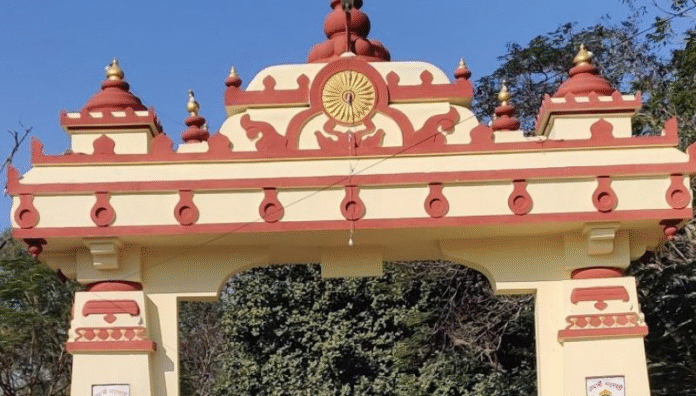
The three-day Rajkiya Itkhori Mahotsav commenced in Chatra district on Thursday, drawing participation from senior state leaders and local residents. The annual cultural festival was inaugurated by Jharkhand finance minister Radha Krishana Kishore in the presence of excise minister Yogendra Prasad and Chatra Member of Parliament Kalicharan Singh.

The event celebrates the region’s cultural, spiritual and tourism heritage, with a special focus on the historic Bhadrakali Temple at Itkhori.

Inaugural Ceremony and Key Announcements

During the opening ceremony, the ministers jointly launched the official website of the Bhadrakali Temple, aimed at promoting religious tourism and improving digital outreach. A coffee table book highlighting the temple’s history, architecture and spiritual significance was also released.

Addressing the gathering, dignitaries underlined the importance of preserving local traditions while strengthening tourism infrastructure. They emphasised that festivals such as Itkhori Mahotsav contribute to regional development and employment generation.

Cultural Performances Mark Opening Day

The first day featured vibrant cultural performances, including traditional folk dances and musical presentations by local artists. Performers showcased state’ indigenous heritage, drawing applause from large crowds.

Organisers have lined up spiritual discourses, cultural exhibitions and tourism-related activities over the next two days. Handicraft stalls and local food counters have also been set up to promote regional artisans and self-help groups.

Religious and Historical Significance of Itkhori

Itkhori holds a unique place in Jharkhand’s religious landscape. The Bhadrakali Temple is believed to be associated with Hindu, Buddhist and Jain traditions. Archaeological remains in the area indicate ancient settlements and religious activity dating back centuries.

The state government has increasingly positioned Itkhori as a spiritual tourism hub, integrating infrastructure upgrades with heritage conservation efforts.

Important Facts

  • Itkhori is located in Chatra district of Jharkhand.
  • Bhadrakali Temple reflects syncretic influences of Hinduism, Buddhism and Jainism
  • Jharkhand was carved out of Bihar in 2000 as India’s 28th state.
  • State-sponsored cultural festivals promote regional tourism and heritage conservation.

Boost to Local Tourism and Economy

The Rajkiya Itkhori Mahotsav is expected to attract visitors from across Jharkhand and neighbouring states. Officials stated that improved digital access through the temple’s website would help pilgrims plan visits more efficiently. With sustained promotion and infrastructure support, Itkhori is poised to strengthen its position as a prominent cultural and spiritual destination in eastern India.

Harmanpreet Kaur Scripts History: Becomes Most-Capped Player in Women’s International Cricket

0

PC: (Black Hat, WION)

Harmanpreet Kaur Scripts History: Becomes Most-Capped Player in Women's International Cricket

Historic Milestone: Surpasses Suzie Bates with 356th International Appearance

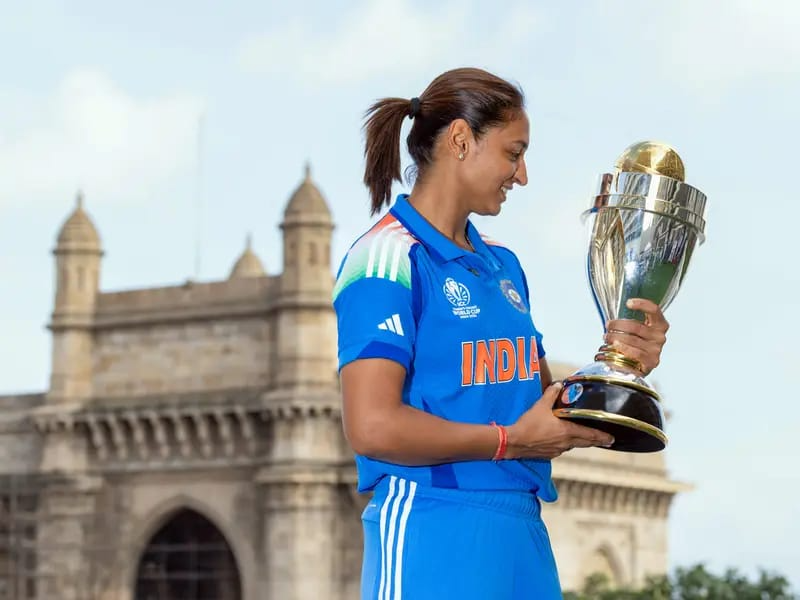
On February 19, 2026, Harmanpreet Kaur etched her name into the record books by playing her 356th international match during the second T201 against Australia at Manuka Oval in Canberra. The 36-year-old all-rounder surpassed New Zealand legend Suzie Bates, who previously held the record with 355 matches. Harmanpreet now leads the all-time list ahead of Australia’s Ellyse Perry (349 matches) and former India captain Mithali Raj (333 matches).

Glorious Career Journey: From Debut to World Cup-Winning Captain

Harmanpreet Kaur has been a cornerstone of Indian women’s cricket since her debut in 2009. As a top-order batter and right-arm off-spinner, she has played 6 Tests, 161 ODIs, and 189 T20 Is (as of February 2026). Under her captaincy, India lifted the 2025 Women’s T20 World Cup, won the Women’s Asia Cup in 2012, 2016, and 2022, and secured the gold medal at the 2022 Asian Games. Her leadership also delivered India’s first bilateral WODI away series win over England since 1999 (2022), the first-ever Test victory against Australia (2023), and the first WT201 series win over England (2025).

World Cup Triumph: India’s First ICC Title Under Her Leadership

In November 2025, Harmanpreet Kaur captained India to their maiden ICC Women’s Cricket World Cup title (T20 format) with a commanding 52-run victory over South Africa in the final. This historic achievement was complemented by a silver medal at the 2022 Commonwealth Games. She also became the first Indian woman to score over 3,000 runs in T20’s and holds the record for the most runs in Women’s World Cup knockout matches (331).

Harmanpreet Kaur Scripts History: Becomes Most-Capped Player in Women's International Cricket

Padma Shri Honour and Enduring Legacy

In 2026, Harmanpreet was conferred with the Padma Shri, India’s fourth-highest civilian honour, in recognition of her outstanding contribution to cricket. Her consistency, leadership, and milestone performances have firmly established her as one of the greatest icons in the history of women’s cricket.

Humble Beginnings: From Punjab to Global Stardom

Born on March 8, 1989, in Moga, Punjab, Harmanpreet grew up in a modest Sikh family. Her father, Harmandar Singh Bhullar-a former volleyball and basketball player who later worked as a clerk-played a pivotal role in nurturing her talent despite societal resistance to girls playing sports. Her mother, Satwinder Kaur, is a homemaker, and she has a younger sister, Hemjeet Kaur. Harmanpreet began formal training at Gian Jyoti School Academy under coach Kamaldeesh Singh Sodhi, often practicing and playing against boys during her early years.

Education and Early Struggles

Harmanpreet completed her early education at Hans Raj Mahila Mahavidyalaya in Jalandhar. She later joined the Gian Jyoti School Academy-about 30 km from her home-for dedicated cricket training. She claims to have earned a Bachelor of Arts degree through distance education from Chaudhary Charan Singh University between 2009 and 2011, though the degree later became the subject of controversy. In 2014, she moved to Mumbai and joined Indian Railways, a step that provided financial security and allowed her to focus fully on her cricketing career.
Family Backbone: The Support That Fueled Her Rise

Harmanpreet’s family remained her biggest strength throughout her journey. Her father ignored societal criticism and encouraged her passion for the game. Her sister and brother offered constant emotional support. Coach Kamaleesh Singh Sodhi, whom she considers a godfather figure, provided free training and facilities in her formative years. This unwavering family and coaching support helped her overcome numerous challenges and emerge as a global cricket superstar.

Historic Meeting Strengthens India-Serbia Ties Amid Al Impact Summit

0

PC: (X)

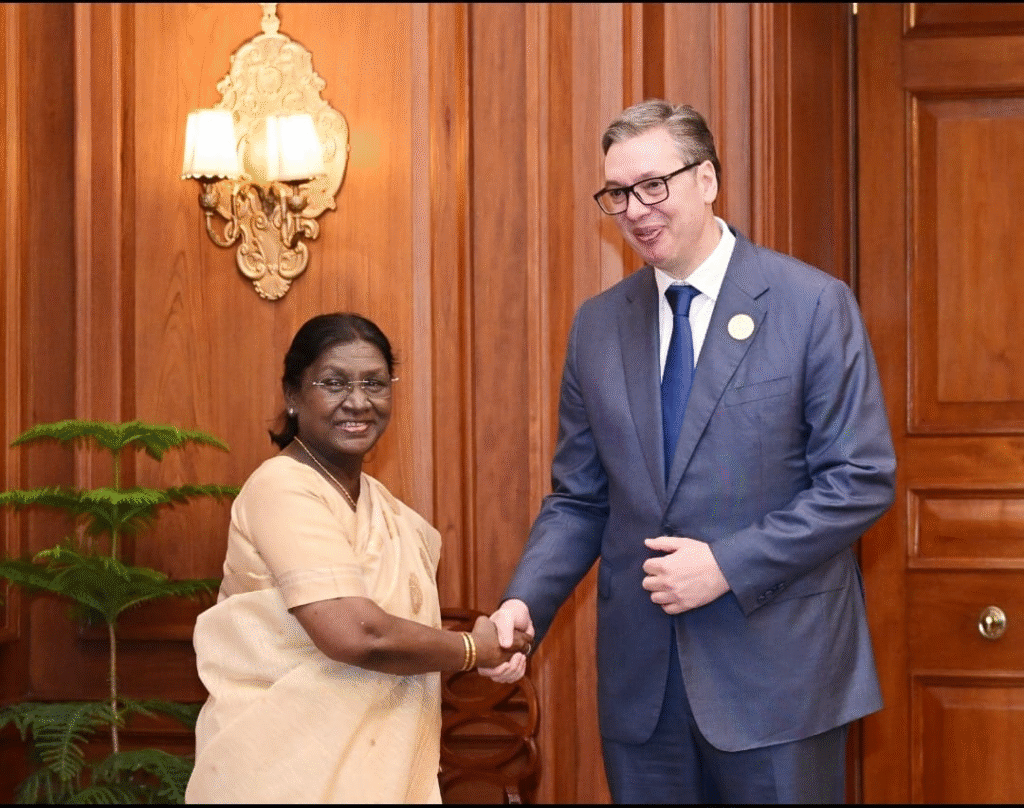
Historic Meeting Strengthens India-Serbia Ties Amid Al Impact Summit

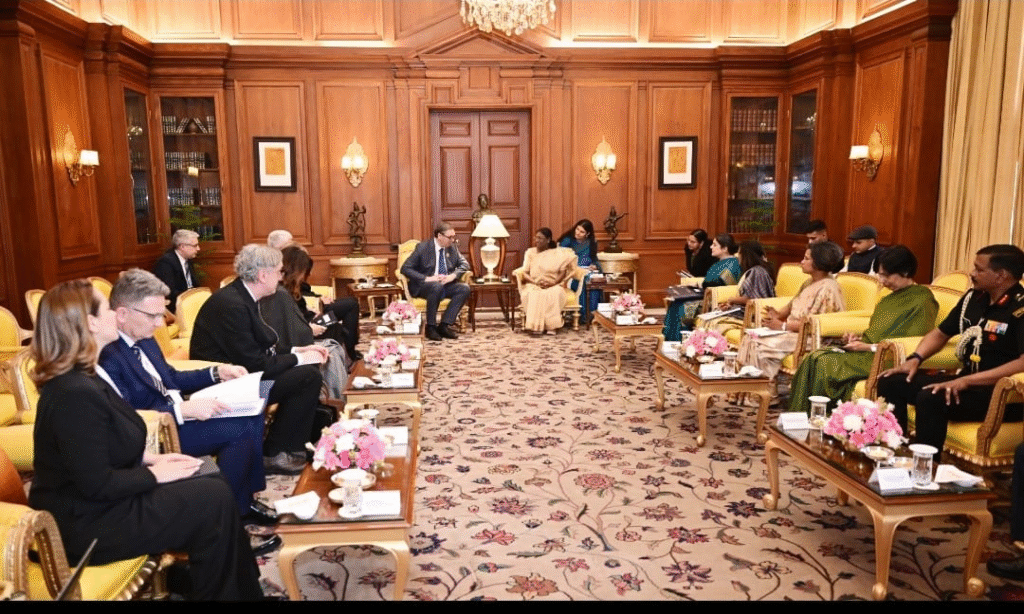
Yesterday, February 19, 2026, President Aleksandar Vučić of the Republic of Serbia held a warm and substantive meeting with President Droupadi Murmu at Rashtrapati Bhavan in New Delhi. The engagement, coinciding with President Vučić’s participation in the India Al Impact Summit 2026, symbolizes the deepening strategic partnership between the two nations.

Special Bond from Non-Aligned Movement to Global South

President Murmu warmly welcomed President Vučić, recalling the shared legacy as co-founders of the Non-Aligned Movement. This historical foundation of mutual respect, independence, and solidarity continues to guide both countries as influential voices in the Global South, championing equitable development, multipolar world order, and the priorities of emerging economies in an evolving international landscape.

Deepening Collaboration in Artificial Intelligence

A central focus of the discussions was the transformative potential of Artificial Intelligence (AI). President Murmu highlighted India’s pioneering advancements in Al innovation, digital public infrastructure, and skilled talent as ideal complements to Serbia’s growing strengths in technology research, application development, and European connectivity. Both leaders agreed on the value of joint initiatives in ethical Al governance, collaborative R&D, capacity building, and real-world deployments to drive inclusive growth while mitigating risks such as bias and digital inequality.

Historic Meeting Strengthens India-Serbia Ties Amid Al Impact Summit

Strong Potential for Expanding Trade and Investment

The presidents identified vast untapped opportunities to boost bilateral trade and investment. Promising sectors for enhanced cooperation include:

Information Technology and fintech to accelerate digital transformation. Manufacturing and infrastructure projects. Agriculture and biotechnology for sustainable food security and innovation. Pharmaceuticals to strengthen affordable global healthcare. Tourism to promote cultural exchange and mutual understanding. Education through university partnerships, student exchanges, and skill development programs. These complementary strengths-India’s vast innovation ecosystem and Serbia’s strategic position and industrial expertise-position the partnership for significant economic gains.

Agreement to Further Deepen Bilateral Ties

Both leaders expressed firm conviction that the India-Serbia relationship holds immense scope for expansion across multiple domains. They reaffirmed their shared commitment to sustained high-level dialogue, concrete projects, and multifaceted cooperation that delivers tangible prosperity, innovation, and stability to the citizens of both countries.

Recalling Warm Hospitality During 2023 Visit

President Murmu fondly reminisced about her official visit to Serbia in June 2023, extending heartfelt thanks to President Vučić and the Serbian government for their exceptional hospitality. That visit, filled with meaningful engagements and cultural warmth, continues to strengthen the personal and institutional bonds between the two nations.

Delhi Expands Atal Canteens: 25 New Outlets Launched, Bringing Total to 71

0

PC: (ETV Bharat, Hindustan Times)

Delhi Expands Atal Canteens: 25 New Outlets Launched, Bringing Total to 71

New Delhi, February 19, 2026: The Delhi government has taken a major step towards ensuring no one in the national capital goes to bed hungry. On Thursday, Chief Minister Rekha Gupta, along with Lieutenant Governor Vinai Kumar Saxena and Urban Development Minister Ashish Sood, inaugurated 25 new Atal Canteens across the city. This expansion brings the total number of operational Atal Canteens to 71, significantly boosting the reach of this welfare initiative.

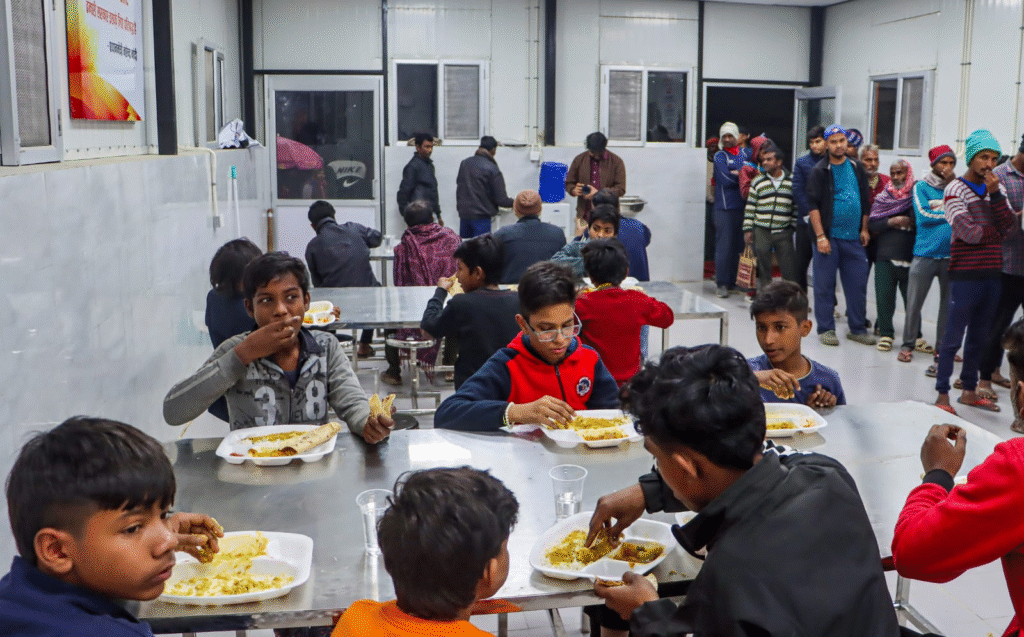
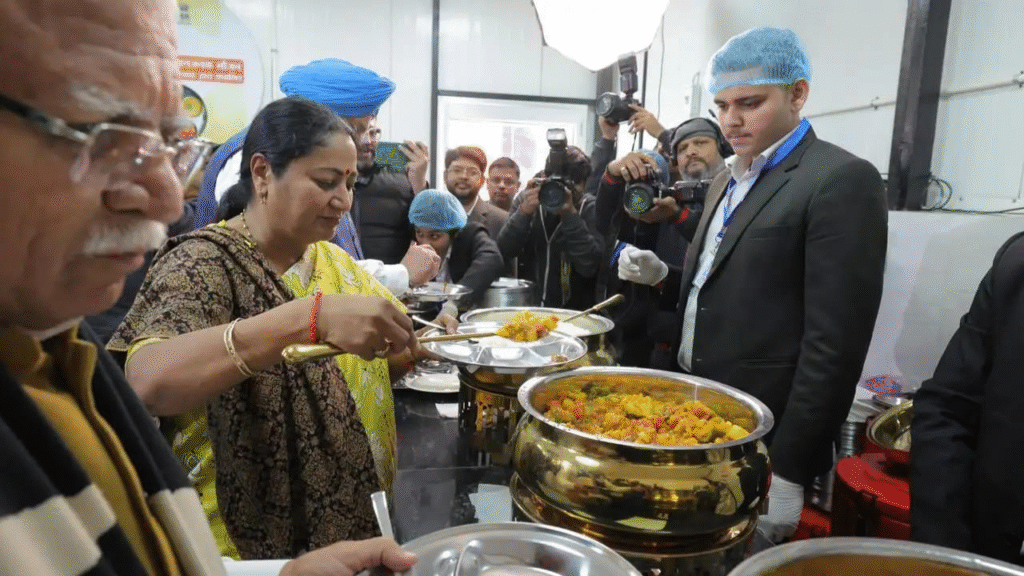
The canteens were launched digitally from Nursery Basti in Krishna Nagar, with dignitaries later sharing a meal with beneficiaries at a canteen in Geeta Colony. The scheme, inspired by former Prime Minister Atal Bihari Vajpayee’s vision and launched on his birth anniversary (December 25, 2025), aims to provide dignified, affordable, and nutritious food to the city’s most vulnerable residents.

Affordable and Nutritious Meals for All

Each Atal Canteen offers a wholesome vegetarian thali – including dal, rice, roti, and vegetables – for -just 5 per plate. The government subsidizes ₹25 per meal to make this possible. Managed by the Delhi Urban Shelter Improvement Board (DUSIB), these facilities emphasize hygiene, quality, and transparency through digital token systems, computerized billing, and CCTV surveillance.

With each canteen serving around 1,000 meals daily, the network now caters to approximately 70,000 to 71,000 people every day. The primary beneficiaries include daily-wage laborers, migrant workers, rickshaw pullers, street vendors, construction workers, and students from economically weaker sections.

Delhi Expands Atal Canteens: 25 New Outlets Launched, Bringing Total to 71

Chief Minister Rekha Gupta’s Vision

Chief Minister Rekha Gupta described the expansion as a fulfillment of Atal Bihari Vajpayee’s dream and a tribute to hardworking citizens. “In just one year of our government, we have opened 71 Atal Canteens, while the previous regime left files pending for 11 years,” she said. “This is about speed, scale, and serving with dignity. We aim to reach 100 canteens soon so that no needy person in Delhi sleeps hungry.”

Lieutenant Governor VK Saxena’s Emphasis

Lieutenant Governor Vinai Kumar Saxena called the initiative a significant milestone, highlighting how ₹5 meals provide real relief to laborers and the underprivileged. “These canteens ensure clean, nutritious food reaches those who need it most,” he noted, adding that this is just the beginning, with further expansion planned.

Minister Ashish Sood on Public Welfare

Urban Development Minister Ashish Sood described the Atal Canteens as more than a policy – it’s a commitment to public welfare under the leadership of Prime Minister Narendra Modi and Chief Minister Rekha Gupta. “Around 70,000 people benefit daily now, and with 100 canteens, the numbers will grow further,” he said. “The Urban Development Department is dedicated to meaningful change and strengthening services for Delhi’s residents.”

Modern Features and Future Goals

The canteens are equipped with modern infrastructure to maintain quality and accountability. The government has allocated over ₹104 crore for the scheme’s operations. The target is to establish 100 Atal Canteens across Delhi, ensuring wider coverage and greater impact on food security. This initiative reflects Delhi’s commitment to inclusive growth, dignity, and zero hunger – turning the vision of a “Viksit Delhi” into reality, one affordable meal at a time.

Atal Canteens: Feeding the Hungry with Dignity and Hope!

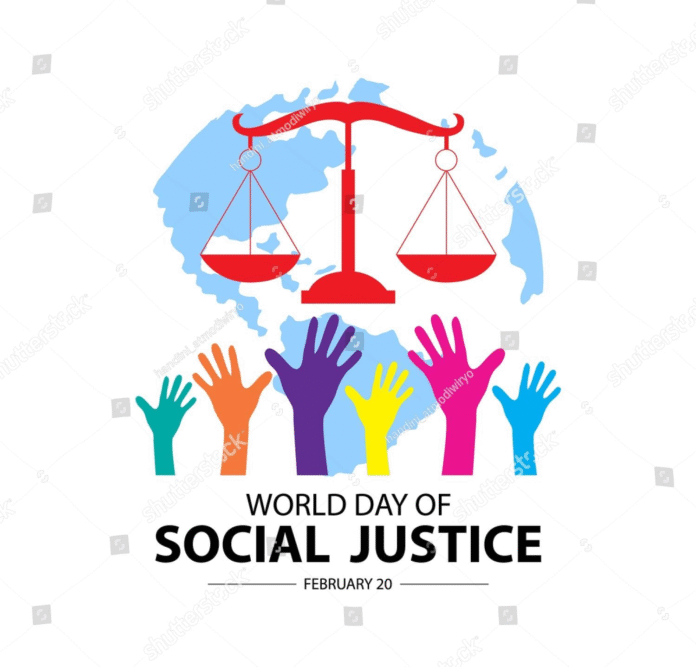
World Day of Social Justice 2026: Renewing Our Commitment to a Fairer World

0

PC: (Matters of India, Shutterstock)

Marking a Global Call for Equality and Inclusion

Observed annually on February 20th, the World Day of Social Justice is a United Nations initiative that serves as a powerful global call to action. It urges societies to tackle pressing issues like poverty, exclusion, unemployment, and inequality while fostering solidarity, harmony, and equal opportunities for all.

The Origins and Evolution of This Important Day

Declared by the United Nations General Assembly on November 26, 2007, the World Day of Social Justice officially began in 2009. Inspired by the 1995 Copenhagen World Summit for Social Development and the ILO’s 2008 Declaration on Social Justice for a Fair Globalization, it promotes fair and inclusive globalization to build a more equitable world.

Core Objectives: Building Equality and Dignity for Everyone

The day aims to promote equality by eliminating discrimination based on caste, gender, religion, or socio-economic status. It focuses on eradicating poverty and unemployment, ensuring decent work opportunities and social security for vulnerable groups, protecting human rights for dignified living, integrating marginalized communities into the mainstream, and encouraging governments to adopt and implement fair policies.

World Day of Social Justice 2026: Renewing Our Commitment to a Fairer World

The Pivotal Role of the International Labour Organization (ILO)

The ILO plays a central role in advancing social justice through its Decent Work Agenda, which champions productive, secure, and respectful employment with fair wages and safe conditions. It promotes social protection floors to combat poverty, implements the 2008 Declaration for fair globalization, leads the Global Coalition for Social Justice, addresses challenges from Al, climate change, and informal economies, and fosters social dialogue among governments, employers, and workers.

2026 Theme: Renewed Commitment to Social Development and Social Justice

In 2026, the observance emphasizes a “Renewed Commitment to Social Development and Social Justice,” building on the Second World Summit for Social Development and the Doha Political Declaration. It calls for overcoming persistent inequalities, reducing labor market informality, ensuring decent work for all, and strengthening global cooperation to translate commitments into real action for inclusive growth.

How You Can Celebrate and Contribute to Social Justice

Spread awareness through social media, workshops, or discussions on key issues. Organize educational events like debates or essay competitions in schools and colleges on equality and justice. Volunteer with NGOs supporting disadvantaged communities, speak out against discrimination in your surroundings, and engage in policy debates on education, health, and other areas to advocate for meaningful reforms.

This day reminds us that true progress lies in collective efforts toward a society where everyone enjoys fairness, dignity, and opportunity-let’s renew our commitment today for a more just tomorrow.

Bihar Showcases AI-Powered Remote E-Voting System at India AI Impact Summit 2026

0

Bihar has taken a major step in digital governance by showcasing an AI-powered mobile-based remote e-voting system at the India AI Impact Summit 2026. Presented by the Bihar State Election Commission, the system is designed to enhance voter accessibility and participation by enabling citizens to vote securely through their smartphones.

The platform was first deployed during the 2025 urban local body elections and is being considered for wider use in future Assembly elections.

India’s First Mobile-Enabled Remote Voting Platform

Bihar’s model is being positioned as India’s first mobile-enabled remote voting system. The dedicated Android application, “e-Voting SECBHR”, has been developed by the Centre for Development of Advanced Computing (C-DAC) in collaboration with the State Election Commission.

The initiative aims to help voters who are unable to visit polling booths, including migrant workers, students, senior citizens, pregnant women, persons with disabilities and the critically ill.

Verification Process and Technology Framework

To cast a vote, users must download the official application and verify their identity through OTP authentication, followed by AI-based facial recognition and live selfie verification, matched with the Electors Photo Identity Card (EPIC) database.

The system uses dual encryption, liveness detection and blockchain-backed storage. Votes are encrypted, anonymised and stored on a decentralised ledger, with decryption allowed only after polling ends through multi-factor authentication and digital signatures by authorised officials. An audit trail similar to VVPAT has also been integrated.

Security and Privacy Measures

Election officials claim blockchain technology ensures tamper resistance, as altering a vote would require rewriting the entire distributed ledger. Voter identity is separated from ballot choice to maintain secrecy, while post-poll hash verification ensures transparency.

Key Facts

  • EPIC: Electors Photo Identity Card issued by the Election Commission
  • C-DAC: Under the Ministry of Electronics and Information Technology
  • Blockchain: Decentralised ledger for secure data storage
  • VVPAT: System to verify votes in Electronic Voting Machines

Concerns and Limitations

Despite strong safeguards, experts have raised concerns about impersonation risks, device sharing, facial recognition errors and biometric data privacy. Currently, the system is limited to Android devices, which may affect universal access. During the pilot phase, 3,830 mock registrations were completed out of 14,804 attempts, indicating technical feasibility but room for improvement.

Brazilian Carnival Breaks Records: 65 Million Attendees, Grand Samba Celebrations Across Cities

0

The world-famous Brazilian Carnival, one of the largest and most vibrant festivals on the planet, has reached its peak, drawing record-breaking crowds and transforming cities into hubs of music, dance and culture. The carnival began on February 13 and will continue until February 21, with celebrations spanning multiple cities, including Rio de Janeiro, São Paulo and Salvador.

This year, the festival is witnessing an unprecedented turnout, with an estimated 65 million people expected to participate nationwide. In Rio de Janeiro alone, nearly 8 million visitors are anticipated, making it one of the biggest editions in recent years. More than 4,000 artists and performers are participating in various parades, street parties and cultural events across Brazil.

Samba Schools and Grand Parades

The heart of the carnival in Rio lies at the iconic Sambadrome, where 12 elite samba schools are competing in the main parade competition. Dozens of other samba schools are participating in lower divisions, showcasing elaborate floats, costumes and choreographed performances.

Each major samba school employs thousands of professionals, including dancers, musicians, costume designers, artisans, tailors and set makers. Reports suggest that the budget of a rising samba school, Padre Miguel, is estimated at around ₹1.9 billion, highlighting the massive scale and economic significance of the event.

Economic Boost and Employment

The carnival also provides a significant boost to Brazil’s economy. In Rio alone, around 70,000 temporary jobs are created every year in sectors such as security, cleaning services, event management, hotels, restaurants and street vending.

Brazilian Carnival is not just a cultural spectacle but also a major economic engine, drawing tourists from across the globe and showcasing Brazil’s rich traditions of samba, music and artistic expression.

Key U.S. Allies Skip Trump’s ‘Board of Peace’ Summit, Raising Global Concerns

0

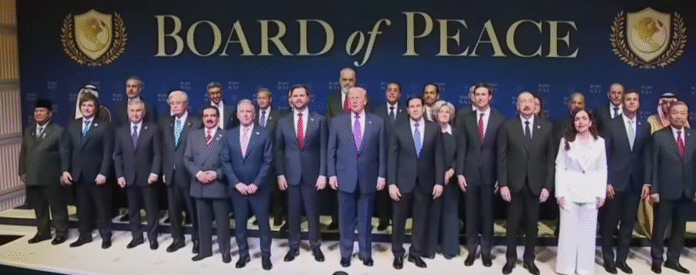
Former U.S. President Donald Trump’s ambitious new global initiative, the “Board of Peace,” held its first high-profile meeting this week in Washington, but the gathering was marked as much by notable absences as by its attendees.

While leaders from countries such as Hungary, Argentina, Turkey, Egypt, Pakistan, Armenia and the United Arab Emirates joined the summit, several of America’s closest allies chose to stay away, signaling deep skepticism about the project’s intent and structure.

Major Western Allies Decline to Join

Among the most prominent countries that skipped Trump’s peace initiative were:

  • United Kingdom
  • France
  • Norway
  • Sweden
  • Slovenia

These nations reportedly declined participation over concerns that the Board of Peace could undermine the role of the United Nations in global conflict resolution. Some also criticized the board’s charter for failing to clearly address the Gaza conflict, despite the summit’s stated focus on the fragile ceasefire in the region.

The Vatican also turned down Trump’s invitation. Pope Leo XIV’s office expressed concern that crisis management should primarily remain under the authority of the United Nations, rather than a new parallel structure led by the United States.

European Union Keeps Distance

The European Union chose not to formally join the Board of Peace, although it sent European Commissioner Dubravka Šuica to attend the meeting as an observer. Italy also participated in a limited observer role, signaling cautious engagement rather than full endorsement.

Canada Excluded from the Board

In a surprising twist, Canada was not merely absent but excluded altogether. Trump withdrew Canada’s invitation last month after Canadian Prime Minister Mark Carney warned of a potential “rupture” in the global order during a speech at the World Economic Forum. The move highlighted growing diplomatic tensions between Washington and Ottawa.

Russia Uncertain, Not Present

Russia also skipped the first summit. Although invited, Moscow said it was still evaluating its long-term position. Russian Deputy Foreign Minister Sergey Ryabkov confirmed that Russia would not participate in the inaugural meeting, adding uncertainty over whether the Kremlin would eventually join the initiative.

Criticism Over Legitimacy and Representation

Human rights experts and critics have questioned the legitimacy of the Board of Peace, calling it a potentially “colonial” framework that risks sidelining existing international institutions. Others have raised concerns about the lack of Palestinian representation in the Gaza-related decision-making process.

Despite the criticism, Trump expressed optimism, calling the initiative “one of the most important things” he would be involved in and insisting it could bring peace “all over the world.”

A Divisive Start

The absence of key U.S. allies underscores the diplomatic challenges Trump’s Board of Peace faces. While some countries see it as a bold attempt to reshape global peace efforts, others fear it could fragment international cooperation and weaken established multilateral institutions.

As the world watches, the success or failure of Trump’s ambitious peace body may hinge on whether skeptical allies eventually choose to engage—or continue to stay away.

Modi-Macron Milestone: ‘Special Global Strategic Partnership’ Announced – 114 Rafale Jets, Helicopter Factory, and Al Health Center Usher in New Era

0

PC: (France 24, Awaz the Voice)

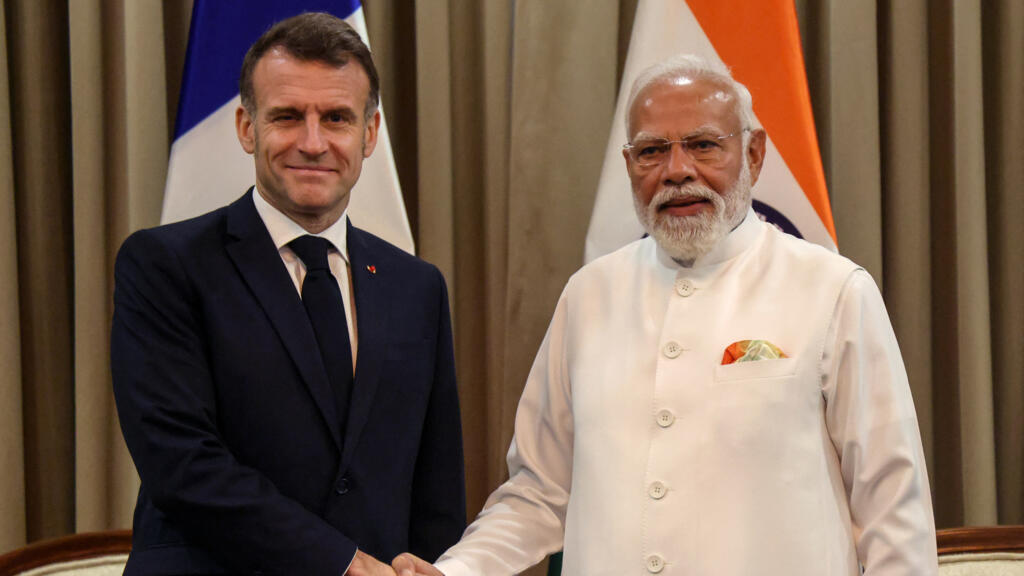
Modi-Macron Milestone: 'Special Global Strategic Partnership' Announced – 114 Rafale Jets, Helicopter Factory, and Al Health Center Usher in New Era

India and France have elevated their bilateral relationship to a Special Global Strategic Partnership, marking a significant milestone in their ties. This upgrade reflects deepening cooperation across defense, artificial intelligence (AI), technology, energy, and global issues amid a rapidly changing world order.

French President Emmanuel Macron’s three-day official visit to India from February 17-19, 2026, concluded with this historic announcement. The visit, his fourth to India since taking office, focused on shifting from traditional buyer-seller relations to joint production, innovation, and shared strategic visions -particularly in defense manufacturing under the “Make in India” initiative and “sovereign and inclusive” Al development.

Key Defense and Industrial Breakthroughs

A major highlight was the move toward co-production in defense. PM Narendra Modi and President Macron inaugurated India’s first private-sector helicopter manufacturing facility: a Final Assembly Line (FAL) for H125 helicopters in Vemagal, Karnataka. This facility is operated by Tata Advanced Systems in partnership with Airbus.

Other significant agreements included:

A joint venture between Bharat Electronics Limited (BEL) and Safran to manufacture HAMMER missiles in India. Advanced discussions on procuring 114 additional Rafale fighter jets for the Indian Air Force, emphasizing at least 50% indigenous content. Progress on acquiring 26 Rafale-Marine jets for the Navy and additional Scorpene-class submarines.
These deals signal a strategic pivot toward collaborative manufacturing and technology transfer, strengthening India’s defense self-reliance.

Al, Technology, and Innovation Focus

Al emerged as a central theme. President Macron was a key participant at the Al Impact Summit 2026 in New Delhi, where he lauded India’s “India Stack” as a global benchmark for digital identity and payments.

Modi-Macron Milestone: 'Special Global Strategic Partnership' Announced – 114 Rafale Jets, Helicopter Factory, and Al Health Center Usher in New Era

Key initiatives launched include:

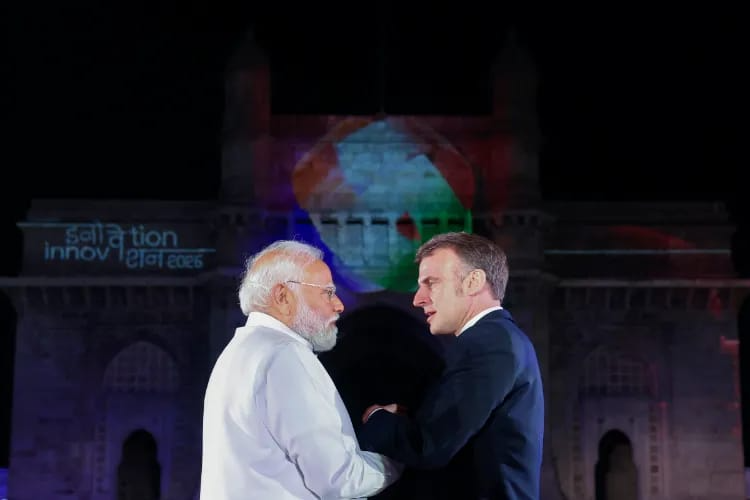
The Indo-French Centre for Al in Health at AIIMS, New Delhi. The “India-France Year of Innovation 2026” in Mumbai to foster startup ecosystems, research, and collaboration. A joint commitment to developing secure, trustworthy Al that addresses the global digital divide and promotes sovereign capabilities. France’s adoption and expansion of India’s Unified Payments Interface (UPI) was also highlighted to simplify transactions for Indian tourists.

Economic, Diplomatic, and Resource Cooperation

The leaders signed an amendment to the Double Taxation Avoidance Agreement (DTAA) to boost bilateral investments. They also inked a Joint Declaration of Intent on critical minerals and rare earths exploration and processing.
Diplomatically, President Macron invited PM Modi to the G7 Summit hosted by France later in 2026. Space cooperation was reaffirmed through the TRISHNA satellite project.

Climate, Energy, and Global Alignment

Both nations recommitted to the Paris Agreement, renewable energy, and civil nuclear cooperation-including the Jaitapur Nuclear Power Plant and Small Modular Reactors (SMRs). They welcomed joint efforts under the International Solar Alliance and the Coalition for Disaster Resilient Infrastructure, both based in New Delhi.
On the Indo-Pacific, they emphasized a free, open, and rules-based order, with closer coordination via the India-Middle East-Europe Economic Corridor (IMEC) and trilaterals with Australia and the UAE.
The leaders expressed concern over the Ukraine war, calling for dialogue-based peace, supported a two-state solution in West Asia, and condemned terrorism with France extending solidarity after recent attacks in India.

Strengthening People-to-People Connections

Cultural and educational ties were prioritized. France aims to host 30,000 Indian students by 2030 (up from 10,000). New initiatives include academic partnerships, skill development, and a National Centre of Excellence in Aeronautics in Kanpur. Cultural exchanges will intensify through exhibitions, museum collaborations, and celebrations marking 30 years of strategic partnership in 2028.
This Special Global Strategic Partnership positions India and France as pivotal partners in addressing technological shifts, sustainable development, and global governance challenges in the coming decades. The visit underscores their shared commitment to strategic autonomy, innovation, and a multipolar world.