Home Blog Page 65

100 Million Strong: Modi Becomes the Most Followed World Leader on Instagram

0

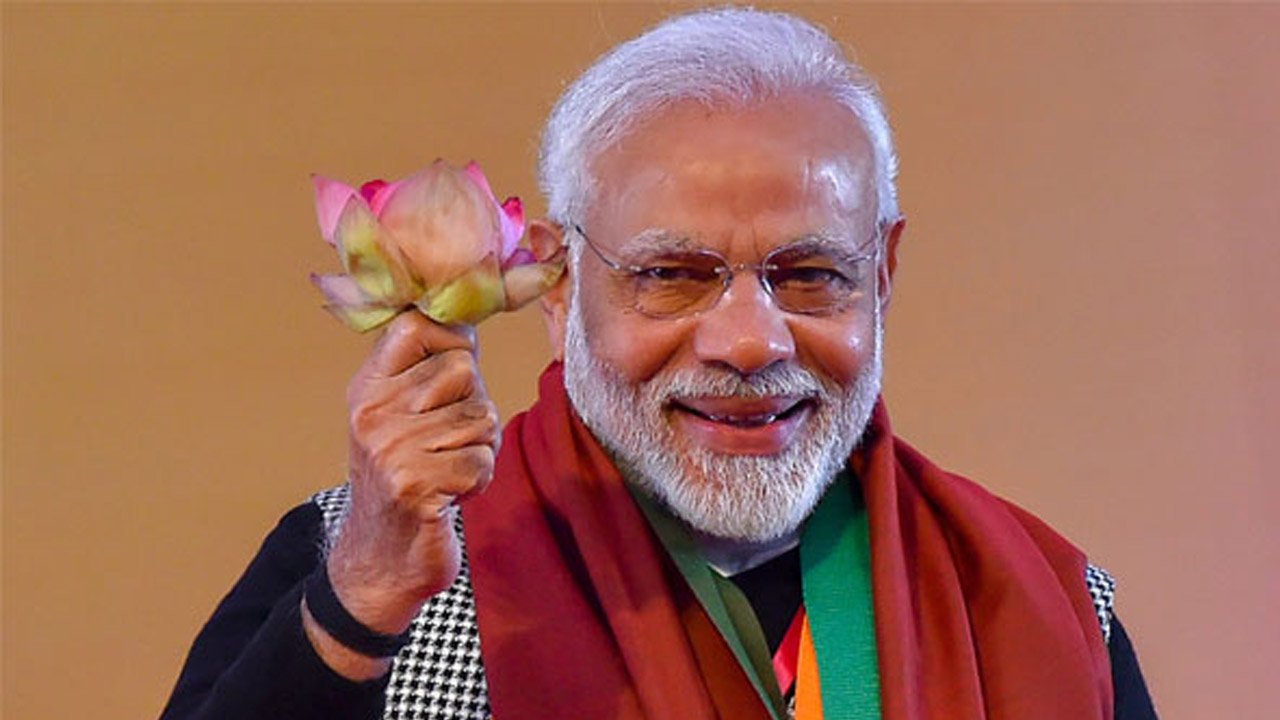
In a milestone moment for digital politics, Prime Minister Narendra Modi has officially become the most followed world leader on Instagram, crossing the remarkable 100 million followers mark. With this feat, Modi has not only dominated the electoral map in the real world but also firmly established himself as the most influential political figure on social media.


Modi joined Instagram in 2014, shortly after assuming office as Prime Minister. Over the years, his account has grown into a powerful communication tool, now featuring thousands of posts that document everything from high-level diplomatic meetings and global summits to cultural celebrations, festival greetings, and candid behind-the-scenes moments. His feed blends governance with storytelling- crisp visuals, short impactful captions, and emotionally resonant imagery that connects with India’s youth-heavy digital population.

The USP of his Instagram presence lies in its accessibility and consistency. Whether it is a photograph from a G20 summit, yoga sessions on International Yoga Day, or moments with schoolchildren and sportspersons, the content humanises leadership while reinforcing authority. His posts frequently garner millions of likes and interactions within hours, reflecting both strong engagement and a well-strategised digital outreach model.

Globally, the gap between Modi and other leaders is striking.

US President Donald Trump has around 40+ million followers, while Indonesian President Prabowo Subianto has approximately 15 million. Brazil’s President Luiz Inácio Lula da Silva and Turkey’s Recep Tayyip Erdoğan trail further behind with follower counts in the low millions. No other serving head of government currently matches Modi’s three-digit-million milestone.
Within India, other prominent political leaders on Instagram include Uttar Pradesh Chief Minister Yogi Adityanath with over 16 million followers, and Congress leader Rahul Gandhi with around 12–13 million followers- impressive numbers, yet significantly behind the Prime Minister’s digital dominance.

As politics increasingly shifts to reels, stories, and scrolls, Modi’s Instagram rise reflects a broader transformation in global leadership branding. In an era where perception travels at the speed of a swipe, India’s Prime Minister has proven that his popularity extends far beyond rallies and ballots- it now thrives in algorithms and timelines across the world.
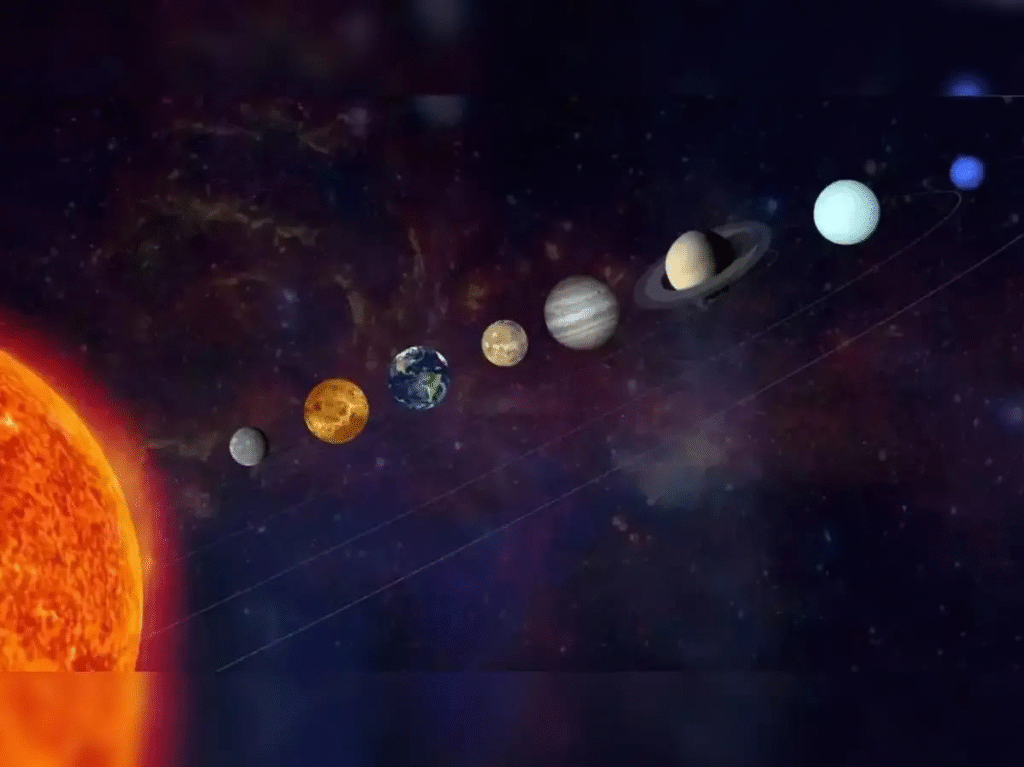
Rare Six-Planet Alignment: A Stunning Planetary Parade Visible in India on February 28, 2026 – How to Watch

0

PC: (The Economic Time, Times Now)

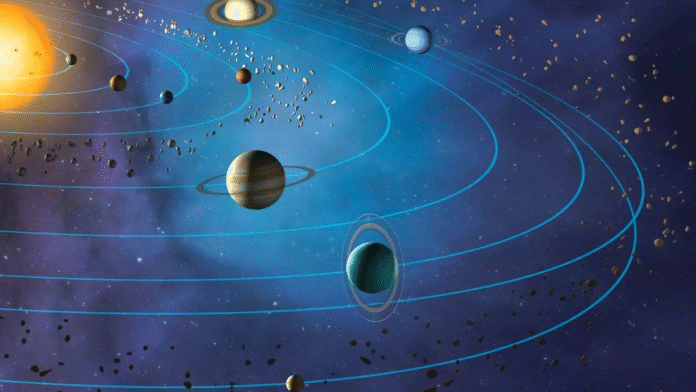
Get ready for a breathtaking cosmic show! On February 28, 2026, six planets in our solar system-Mercury, Venus, Jupiter, Saturn, Uranus, and Neptune -will align on one side of the Sun, appearing to form a graceful arc in the evening sky. This rare event, popularly known as a planetary parade or planetary alignment, promises to mesmerize stargazers worldwide, including those in India, weather permitting.

What is a Planetary Parade?

A planetary parade (also called a planetary alignment) occurs when multiple planets appear close together in the night sky from Earth’s perspective, creating the illusion of a straight line or arc. This happens because all planets orbit the Sun in roughly the same plane (the ecliptic), but at different speeds. Over time, their positions sync up visually.
While true perfect alignments in 3D space are extremely rare, these visual parades are more common-but still special when six or more planets participate. Bright inner planets like Venus and Jupiter often steal the show with naked-eye visibility, while distant ones like Uranus and Neptune require binoculars or telescopes.
These events don’t happen every year, making a six-planet lineup a noteworthy treat for astronomy enthusiasts.

The February 28, 2026, Planetary Parade: Key Details

This impressive six-planet alignment peaks shortly after sunset on February 28, 2026. The planets will form an arc across the western to southwestern sky:

Low near the horizon (west): Mercury, Venus, and Saturn (huddling close after sunset). Higher up: Jupiter shining brilliantly (often near the Moon for added drama). Along the arc: Fainter Uranus and Neptune (best with optical aids). Four planets-Mercury, Venus, Jupiter, and Saturn -should be visible to the naked eye under clear conditions, with Jupiter being the easiest and brightest to spot. Uranus and Neptune will need binoculars or a telescope, and patience is key for Mercury, which sets quickly.

Rare Six-Planet Alignment: A Stunning Planetary Parade Visible in India on February 28, 2026 - How to Watch

Will It Be Visible in India?

Yes! Skywatchers in India can witness this mesmerizing event if the weather cooperates (clear skies are essential). The alignment will be visible across the country, though light pollution in cities may make fainter planets harder to see.

Best Time to Watch in India

Peak date: February 28, 2026. Optimal window: 30-60 minutes after local sunset (roughly 6:15 PM to 8:00 PM IST, varying slightly by city-check your local sunset time). Timing is critical, as some planets (especially Mercury and Venus) set soon after the Sun, giving only a short viewing window.

How to Watch the Rare Celestial Event

Find the right spot: Head to a rooftop, open field, or park with a clear, unobstructed view toward the western to southwestern horizon. Avoid city lights if possible-darker locations enhance visibility. Direction to look: Face west/southwest right after sunset. Scan for the bright “stars” that are actually planets. Tools to bring: Binoculars are highly recommended for a clearer view of the full lineup (especially Uranus and Neptune). A telescope will reveal even more detail. Tips for success: Arrive early, let your eyes adjust to the dark (about 20-30 minutes), and use apps like Stellarium or Sky safari for precise positions based on your location.

This planetary parade is a reminder of the dynamic beauty of our solar system-don’t miss your chance to witness it! Share your sightings and enjoy the cosmic wonder on February 28, 2026. Clear skies to all

Rashmika Mandanna-Vijay Deverakonda Wedding: Why Couples From Across The World Rush to Udaipur to Say ‘I Do’

0

As wedding festivities shimmer amidst the royal skyline of Udaipur, the city once again finds itself in the national spotlight with the much talked about celebrations of actors Rashmika Mandanna and Vijay Deverakonda reportedly unfolding amidst its palatial grandeur.

While social media buzzes with glimpses of decor, designer outfits and celebrity guests, the larger story goes beyond just one high-profile wedding. It is about why Udaipur continues to be India’s most coveted wedding destination- a city where every love story feels larger than life.

Often described as the “City of Lakes,” Udaipur offers something few places can replicate: the seamless blend of heritage, romance and luxury. The pristine waters reflecting golden sunsets, the architectural magnificence towering over the old city, and the soft Aravalli hills framing the horizon, every backdrop here looks like it belongs on a cinematic canvas. For couples seeking a wedding that feels like a royal saga, Udaipur provides the perfect stage.

According to Gunjan Sabikhi, a wedding planner and veteran in the travel trade, “Udaipur offers an extraordinary range of venues — from luxury hotels to historic forts and grand palaces. Such pristine settings are a blessing for solemnising traditional weddings. That is why couples and guests travel to Udaipur from across the world to say ‘I do.’”

Luxury hospitality plays a defining role in this popularity. Iconic properties in Udaipur such as The Taj Lake Palace, The Oberoi Udaivilas, The Leela Palace, Raffles, ITC Mementoes Ekaya, Jagmandir Island, Taj Fateh Prakash, Shiv Niwas Palace and many more have redefined destination weddings. These venues offer not just accommodation, but curated experiences- from traditional Rajasthani folk performances and themed sangeet nights to bespoke decor concepts and gourmet culinary spreads. Every function, whether mehendi or reception, becomes an immersive cultural celebration.


But Udaipur’s charm isn’t limited to luxury alone. The city has built a strong ecosystem around the wedding industry. Event planners, decor specialists, photographers, folk artists and hospitality professionals work in seamless coordination, ensuring that celebrations unfold flawlessly. The pleasant weather during peak wedding season, especially from October to February, adds to the appeal, making outdoor ceremonies and lakeside vows comfortable and picturesque.

Udaipur is beautiful. Forts, palaces, lakes, lush greenery and Aravali around make it a perfect wedding destination and hence all india customers come to us, says Vijay Singh, owner of Rana Ji An Exclusive Royal Wedding Showroom.

He adds cricketer Ajay Jadeja’s brother recently visited us and ordered for traditional wears for his son’s wedding here. There is a lot of demand of traditional wear, said Singh.

There is also a certain emotional and symbolic value attached to tying the knot in Udaipur. Rajasthan’s regal legacy carries with it an aura of timeless commitment and grandeur. Couples are not just booking a venue; they are stepping into a narrative- one where traditions meet trend, and heritage meets haute couture. The result is a wedding that feels both rooted and contemporary, intimate yet extravagant.

Social media has further amplified Udaipur’s wedding appeal. Drone shots of mandaps floating by the lake, brides entering through palace corridors, and fireworks illuminating historic domes quickly turn into viral moments. In the era of Instagram reels and cinematic wedding films, aesthetic storytelling has become as important as the ceremony itself, and Udaipur delivers effortlessly.

From Bollywood celebrities to business magnates and young urban couples chasing their dream celebration, the city continues to host weddings that set new benchmarks in style and scale. With every high-profile event, Udaipur reinforces its reputation as the ultimate wedding capital of India.
In a time when weddings are no longer just rituals but grand experiences, Udaipur stands unmatched. It doesn’t merely offer venues; it offers a royal beginning.

Rashmika Mandanna-Vijay Deverakonda Wedding: Why Couples From Across The World Rush to Udaipur to Say 'I Do'

(The writer of this article is Kanan Rathore)

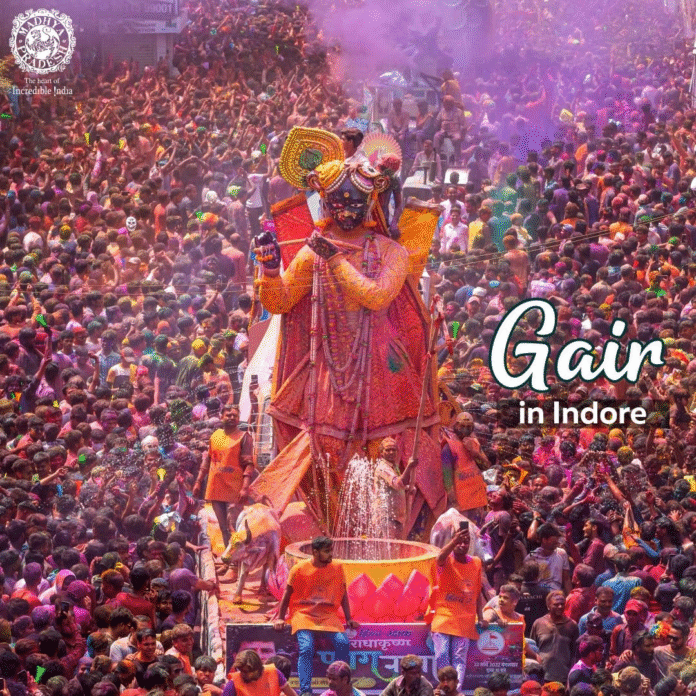
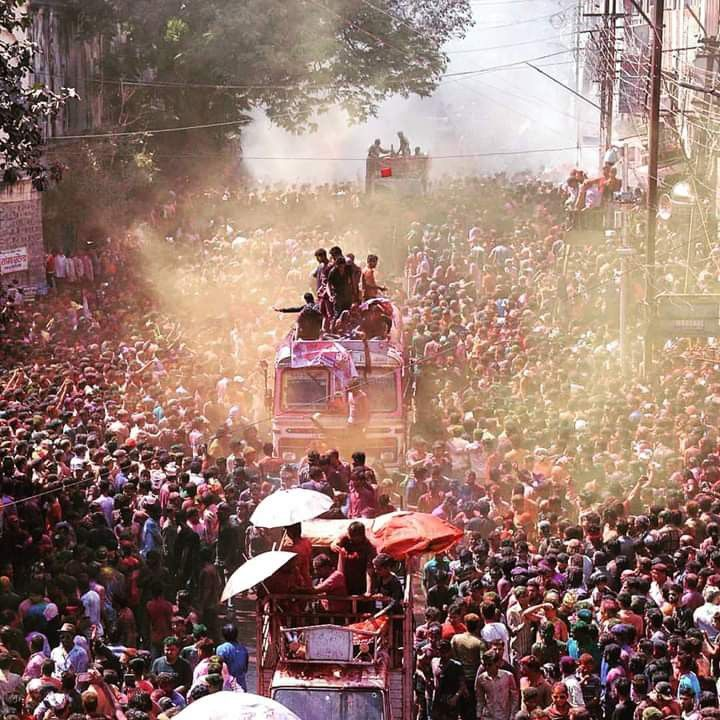
The day Indore turns into a living rainbow – where strangers vanish and everyone becomes family under showers of gulal!

0

PC : (X, Pinterest)

In the heart of Madhya Pradesh, Indore doesn’t just celebrate Holi – it saves its grandest explosion for Rang Panchami, the fifth day after Holi. That’s when the iconic Gair (also called Ger or Fag Yatra) takes over the city in a 300-year-old Holkar royal tradition that has become one of India’s most spectacular cultural carnivals.
This is not ordinary color play. This is history marching through the streets with dhol-tasha thunder, color cannons blasting herbal gulal high into the sky, and lakhs of people dancing as one.

Rajwada Palace: The Royal Heartbeat of the Gair

At the centre of everything stands the majestic Rajwada Palace – Indore’s most famous landmark and the starting point of the royal procession since 1747. Built by Malhar Rao Holkar, this seven-storey architectural masterpiece beautifully fuses Maratha, Mughal and French styles. The lower floors are solid stone; the upper three were originally wooden (badly damaged in the 1984 fire and beautifully restored). In front of its grand gate stands the towering statue of Rani Ahilyabai Holkar, surrounded by fountains and cascading waterfalls. Every Rang Panchami, the palace is lovingly wrapped in plastic sheets to protect its heritage while thousands gather around it for the grandest show in central India.

What is Gair? The Beautiful Meaning Behind the Madness

“Gair” is a Marathi word that literally means “stranger”. But on Rang Panchami, the message is powerful: there are no strangers here everyone is family, everyone is equal, everyone is drenched in the same colours.During the Holkar era, the Maharaja would step out of Rajwada with a 20-gun salute. Bullock carts loaded with herbal colours, fragrant waters and flowers would follow as the royal family played Holi with common citizens – deliberately breaking every social and class barrier. After independence, mill workers and local leaders revived the tradition around 1950. Today it belongs to the people and they have made it bigger and brighter than ever.

The Modern Gair Spectacle – Like Holi on Steroids!

The day Indore turns into a living rainbow - where strangers vanish and everyone becomes family under showers of gulal!

On Sunday, 8 March 2026, the streets of old Indore explode:

Hundreds of dhol-tasha players create non-stop rhythmic energy. Thousands of “Huriyare” (colour players) in traditional attire dance, perform folk moves and showcase akhara skills. Massive water tankers, tractors and colour cannons shoot jets of herbal gulal and scented water high into the air – soaking people on balconies and rooftops. The entire procession winds through the narrow lanes around Rajwada, turning the whole area into a sea of red, pink, yellow and green.

It’s rightly called a symbol of culture, unity and festivity. The Indore administration is even working to get this unique tradition included in UNESCO’s Intangible Cultural Heritage list.

Why Indore Loves Gair More Than Holi Itself

While Holi celebrates the victory of good over evil, Rang Panchami and the Gair focus on spiritual cleansing and unbreakable community bonding. It is the day Indore proves that colours can erase every difference. This is why people come from across India and abroad. This is why the entire city waits for this one day with child-like excitement.

Don’t Miss It in 2026!

Date: Sunday, 8 March 2026
Main Venue: Rajwada Palace & Old Indore Streets.

Spring’s Fiery Magic: The Dazzling Story of India’s Palash Blooms

0

PC : (Instagram, Pinterest, Dreamstime.com)

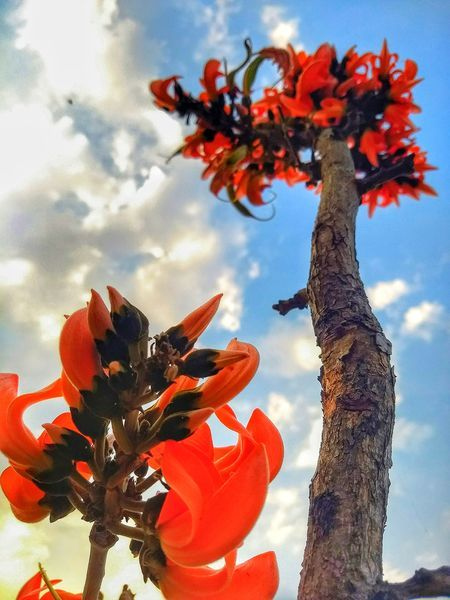
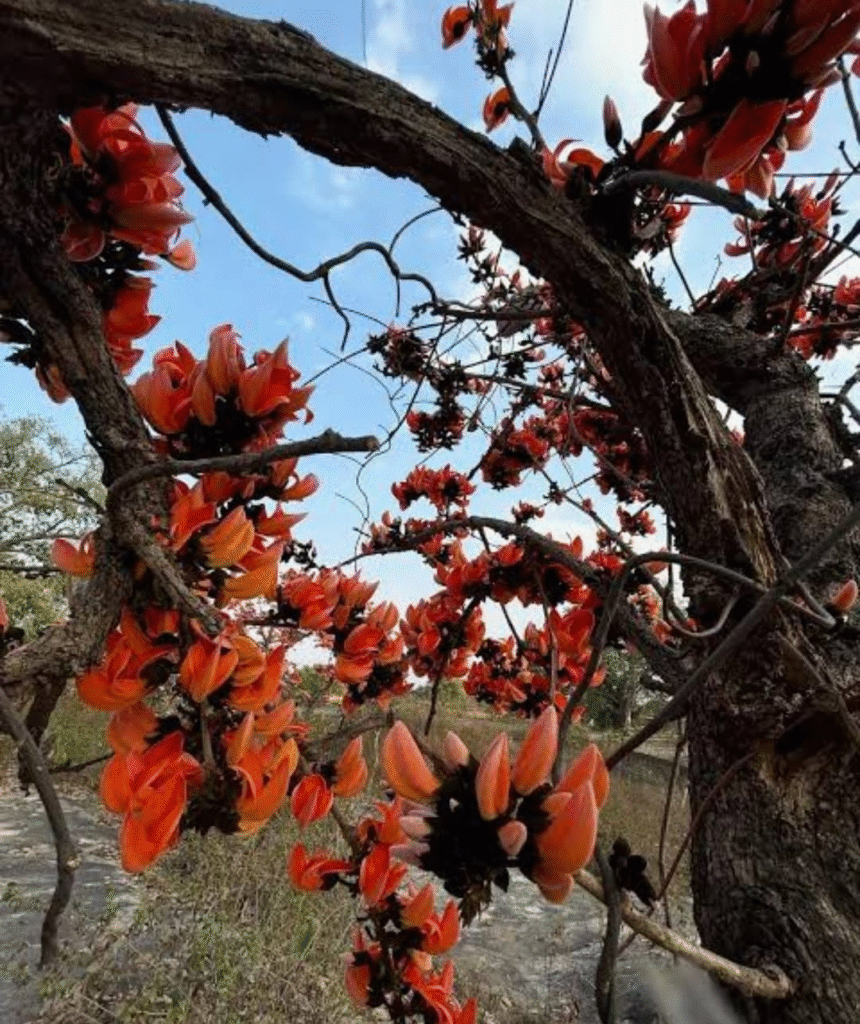
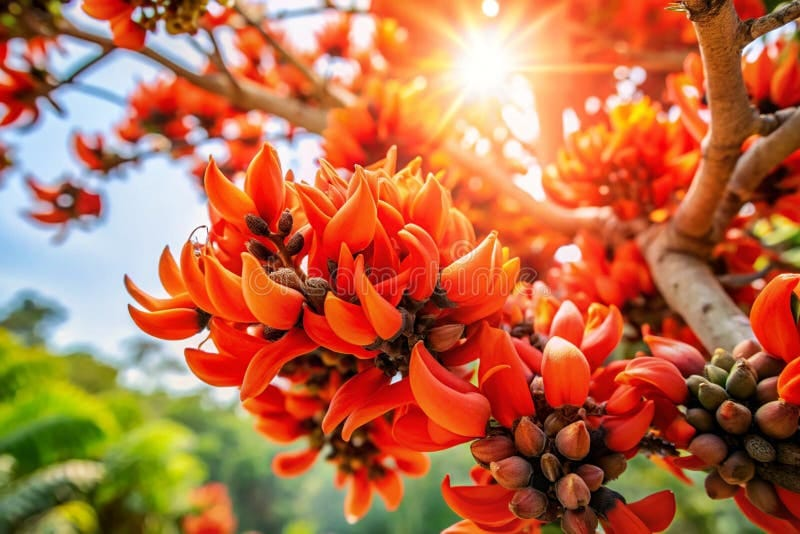
Palash flowers, popularly known as Tesu, Dhak, or Flame of the Forest (scientific name: Butea monosperma), are among the most breathtaking gifts of Indian nature. When these trees burst into bloom during spring, entire forests transform into a sea of vibrant saffron-orange, earning them the poetic nickname “Jungle ki Aag” (Fire of the Jungle). The sight is so spectacular that it feels as if the woodland is literally ablaze with colour and energy.

Vasant Ritu: The King of Seasons and the Arrival of Palash

Vasant (spring) is rightly called the King of Seasons in India. Spanning February to March (Phalgun-Chaitra), it brings pleasant weather – neither too cold nor too hot. Fresh green leaves appear, mango trees bloom with fragrant buds, cuckoos sing, and fields of yellow mustard flowers sway in the breeze. This season symbolises joy, renewal, and new beginnings. Major festivals like Vasant Panchami, Maha Shivratri, and Holi are celebrated with great enthusiasm.

It is during this magical time that Palash trees bloom, turning dry forests into glowing orange canopies. These trees are found across India’s plains, dry deciduous forests, and up to 4,000 feet in the hills especially in Jharkhand, Uttar Pradesh, Madhya Pradesh, Rajasthan, West Bengal, and many other states. In fact, Palash is the state flower of Jharkhand.

Spring's Fiery Magic: The Dazzling Story of India's Palash Blooms

Religious & Cultural Significance: Home of the Trinity and Holi’s Natural Colours

It is believed that the tree is the abode of the Holy Trinity – Brahma, Vishnu, and Shiva. White Palash flowers are especially dear to Goddess Lakshmi; offering them on Fridays brings wealth, happiness, and peace. Devotees use the flowers for Lord Shiva’s abhishek (ritual bathing) and for Shani Dev remedies on Saturdays to reduce the effects of Sade Sati and other malefic influences.
During Holi, Palash flowers are soaked in water to create beautiful, skin-friendly natural colours – the same vibrant orange-red that lights up the festival of colours. The flowers are also used in havans, auspicious rituals, and temple offerings.

Medicinal Benefits: Nature’s Own Pharmacy

Modern research and Ayurveda both praise Palash flowers for their powerful healing properties. They are rich in anti-inflammatory, antimicrobial, antioxidant, and liver-protective compounds. Regular use is traditionally believed to help with reducing joint pain and arthritis inflammation. Supporting liver health. Healing stomach ulcers and digestive issues. Managing blood sugar levels in diabetes. Improving skin glow and fighting allergies. Boosting overall immunity (thanks to vitamin C, flavonoids, and carotenoids).Enhancing vitality and sexual health.

Spring's Fiery Magic: The Dazzling Story of India's Palash Blooms

A Perfect Blend of Beauty, Faith & Wellness

Palash is far more than just a pretty flower – it is a living symbol of Indian culture, festivals, spirituality, and natural healing. Every spring, when the forests catch fire with its blooms, it reminds us of nature’s incredible power to refresh, heal, and delight the soul.

Why Is Bill Gates Trending? Apology, Past Affairs and Epstein Link Explained

0

Microsoft co-founder Bill Gates, currently ranked the 18th richest person in the world with an estimated net worth of $107.3 billion (as per Forbes), is trending after publicly acknowledging past personal controversies and expressing regret over his association with convicted sex offender Jeffrey Epstein.

What Did Bill Gates Say?

During a town hall on February 24, Gates admitted to having two affairs with Russian women during his marriage to Melinda French Gates. He also reiterated regret over meeting Epstein in the past.

Gates clarified:

  • The relationships were personal and unrelated to Epstein’s crimes.
  • He had no knowledge of Epstein’s illegal activities at the time of their association.
  • Epstein later became aware of the affairs through Gates’ former aide and science adviser Boris Nikolic.

According to Gates, one of the women was a Russian bridge player he met through competitive bridge tournaments, while the other was a Russian nuclear physicist he encountered during professional engagements.

The Epstein Association

Gates has previously described his meetings with Epstein as a “mistake.” Epstein, who was arrested on federal sex trafficking charges in 2019, died later that year in jail. Gates has maintained that he deeply regrets ever meeting him.

The renewed comments have brought the issue back into public discussion, fueling online debate.

The Superyacht Angle

Gates has also been in the spotlight over reports about his hydrogen-powered superyacht, “Breakthrough” (Project 821) — a 390-foot vessel valued at approximately $645 million.

The yacht was designed to operate on advanced hydrogen fuel-cell technology and was promoted as a sustainability-focused project. However, reports suggest Gates never personally used the yacht before it was listed for sale in 2025.

Gates’ Current Net Worth

As per Forbes’ latest ranking, Gates remains among the world’s wealthiest individuals, currently positioned 18th globally with a fortune exceeding $107 billion.

Why He’s Trending Now

Bill Gates is trending for three main reasons:

  1. His public acknowledgment of past affairs.
  2. Renewed regret over his association with Jeffrey Epstein.
  3. Continued public interest in his wealth, philanthropy, and high-profile lifestyle assets.

Despite controversies, Gates remains a leading global philanthropist through the Bill & Melinda Gates Foundation and continues to be an influential figure in technology and global health.

Total Lunar Eclipse 2026 Date and Time in India: When and Where to Watch the Blood Moon

0

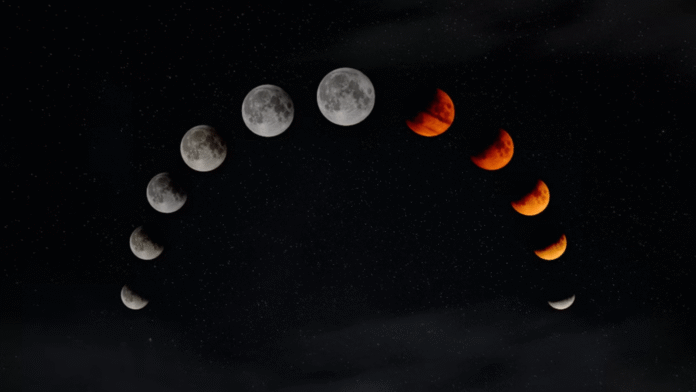
Skywatchers in India are in for a celestial treat. The first total lunar eclipse of 2026 will occur on March 3, and while lunar eclipses happen several times a year worldwide, not all are visible from India. That’s what makes this one special.

In India, a lunar eclipse is known as Chandra Grahan, and the good news is that you can watch it with the naked eye. No telescopes, no special glasses. Just a clear sky and a view of the eastern horizon.

What Is a Lunar Eclipse?

A lunar eclipse happens when the Earth moves between the Sun and the Moon, casting its shadow on the Moon’s surface.

During totality, the Moon can turn a deep reddish colour — a phenomenon popularly known as a “Blood Moon.” This red glow occurs because sunlight passing through Earth’s atmosphere bends and filters out blue light, leaving behind reddish tones.

Lunar Eclipse 2026: India Timings (IST)

According to available astronomical data, the eclipse will follow this schedule:

  • Start of penumbral phase: 4:58 pm
  • Start of total eclipse: 4:58 pm
  • Maximum phase: Around 5:10 pm – 5:25 pm
  • End of totality: 5:32 pm
  • End of penumbral phase: 7:53 pm

Important Note:

In most parts of India, the Moon will be rising during the eclipse, which means viewers will catch only the final phase of the event. The most noticeable changes will appear around sunset and moonrise, lasting roughly 20 minutes.

There’s no need to stay up late — just step outside at dusk and look east.

Where Will It Be Best Visible?

While most of India will witness a partial view at moonrise, the Northeast region is expected to get the best experience.

Cities Likely to See 100% Totality:

  • Dibrugarh
  • Dispur
  • Guwahati
  • Itanagar
  • Shillong

In these cities, the Moon is expected to be fully covered by Earth’s shadow for a brief period before sunset transitions into evening.

How to Watch the Lunar Eclipse

Watching a lunar eclipse is simple:

  • No protective eyewear required (unlike a solar eclipse).
  • Binoculars can enhance the view but aren’t necessary.
  • Find an open space with a clear view of the eastern horizon.
  • Hope for clear skies!

You may notice the Moon gradually darkening and then glowing red as the eclipse peaks.

Why This Eclipse Matters

For many parts of India, this will be a short viewing window — but it’s a rare reminder of the beauty of celestial mechanics. Sometimes, the most spectacular events require nothing more than stepping outside and looking up.

Mark your calendar for March 3, 2026, and don’t miss this brief but stunning sky show

Movie Review: The Kerala Story 2 — A Film That Sparks Deep Emotion Amid Ongoing Debate

0

The Kerala Story 2: Amid the ongoing controversy surrounding The Kerala Story 2 in India even before its official release, I had the opportunity to watch the film during a special screening at Cinepolis cinema in Jaipur. Perhaps it is human instinct that draws us closer to what is being debated the most. When a film becomes the centre of controversy, curiosity naturally follows. With that same mindset—and still carrying the haunting memories of The Kerala Story—I went in to watch the sequel.

The first installment had already sent shivers down my spine. The emotional intensity of its storytelling lingered long after the credits rolled. That experience, more than the controversy, compelled me to watch The Kerala Story 2.

A Story That Leaves You in Tears

This time, the film’s emotional core lies heavily on the anguish of parents. I found myself literally in tears watching three sets of parents who, despite giving their daughters the best education, love, and freedom, feel helpless and defeated when their daughters choose to walk away from their families to pursue relationships against their wishes.

The storyline revolves around three Hindu women from different parts of India who fall in love with Muslim men, defying their families’ concerns. The narrative then traces what the film portrays as their gradual distancing from their traditions, growing isolation, emotional manipulation, and eventual disillusionment.

One particular scene that leaves viewers stunned is where a Hindu woman is allegedly forced to eat beef—an act loaded with deep religious and cultural sensitivities in India. The moment is crafted to provoke strong emotional reactions and underline the perceived cultural rupture experienced by the character.

Between Reality and Narrative

Supporters of the film argue that it reflects documented cases and raises uncomfortable but necessary questions. Critics, however, contend that it risks inflaming communal sentiments and presenting a one-sided narrative. The legal and political controversy surrounding the film only adds another layer to its public perception.

Yet, when you sit in the theatre and watch the story unfold, the dominant emotion is not politics—it is pain. The pain of parents who feel abandoned. The pain of daughters who find themselves alone, disconnected from their families and communities. The film suggests that in the pursuit of love and independence, the protagonists end up sacrificing education, career, happiness, and familial bonds.

A Portrait of Family and Faith

The film also attempts to present what it describes as the openness and liberal values within Hindu families—showing parents who educate their daughters, support their ambitions, and, in one case, even adopt their daughter’s child despite knowing his father’s intentions of luring Hindu women and marrying them to create more babies, aimimg at increasing population of his community.

The narrative further references cases where alleged conversion networks were exposed, positioning these incidents as a broader societal concern. Whether one agrees with this portrayal or questions its framing, the film undeniably seeks to provoke thought and conversation.

Final Verdict

Despite the ongoing legal and ideological debates, The Kerala Story 2 is a film that pierces the heart. It is emotionally charged, unapologetically provocative, and designed to raise uncomfortable questions about love, faith, family, and freedom of choice.

Whether you watch it to understand the controversy or to form your own opinion, this is a film that demands a reaction. It may divide audiences, but it will not leave them indifferent. A caring parent will definitely return with a heavy heart from movie theatre, vowing to give the best to his daughter, best in terms of values, teachings and religious teachings too so she knows difference between right and wrong and doesnt get swayed away with the tag word ‘secular’.

Rating: 3.5/5
For its emotional impact, performances, and its ability to ignite conversation—even if not everyone agrees with its perspective

The Fascinating History Behind Kerala Becoming Keralam After 2,000 Years

0

The Union Cabinet has approved a proposal to officially rename the southern state of Kerala as “Keralam”, restoring the name used by its people in Malayalam for centuries. While the change may appear minor, it reflects a deep historical, cultural, and constitutional journey spanning more than 2,000 years.

Ancient Origins of the Name ‘Keralam’

Historians trace the origin of the name Keralam to two major theories:

1. The Chera Dynasty Theory (Most Credible)

The widely accepted theory links the name to the Chera dynasty, one of the three great ancient Tamil dynasties.

  • The region was believed to be called Cheralam, meaning “land of the Cheras.”
  • Over centuries, linguistic changes transformed Cheralam into Keralam.
  • The earliest historical reference appears in Emperor Ashoka’s Rock Edict II (3rd century BCE), which mentions a southern ruler as “Keralaputra.”

2. The Coconut Land Theory (Folk Etymology)

A popular folk explanation suggests the name comes from:

  • Kera (coconut tree)
  • Alam (land)
    Meaning “Land of Coconuts.”
    However, historians consider this a later cultural interpretation rather than the original origin.

How ‘Keralam’ Became ‘Kerala’

The current name “Kerala” is largely a colonial-era spelling. British administrators modified local names for easier pronunciation, dropping the final “m” sound.

When the state was formed on November 1, 1956, under the States Reorganisation Act, the anglicised name “Kerala” was officially recorded in the Indian Constitution, although locals continued to use “Keralam” in daily speech.

Decades-Long Push for Restoration

The move to restore the original name has been ongoing for years:

  • August 2023: Kerala Assembly passed a unanimous resolution seeking the name change.
  • June 2024: A second resolution was adopted.
  • The proposal received cross-party support from LDF, UDF, and the state BJP unit.

Chief Minister Pinarayi Vijayan has been a strong advocate of the change, calling it a cultural correction.

What Happens Next? Constitutional Process

After Union Cabinet approval, the process will follow constitutional steps:

  1. The President will refer the Kerala (Alteration of Name) Bill, 2026 to the Kerala Legislative Assembly for its views.
  2. The bill will then be introduced in Parliament.
  3. Once Parliament passes it, “Keralam” will officially replace “Kerala” in:
    • The Constitution
    • Government records
    • Maps and official documents

Why This Matters

The renaming is more than symbolic. It reflects India’s broader trend of restoring indigenous names and correcting colonial-era spellings, similar to changes like Bengaluru, Chennai, and Mumbai.

For Kerala’s people, it is a return to linguistic and cultural identity—a name they have used for centuries.

UK’s New Travel System: Know What Is ETA and How to Get It…

0

A new travel system for visitors to the UK comes into force from Wednesday for citizens of dozens of countries like the US and Australia. The government says electronic travel authorisation (ETA) will improve the immigration system.

What is an ETA and who needs one?

An ETA is a digital permission to travel to the UK. From 25 February, most people who have been able to travel to the UK visa-free until now will need an ETA. The new rules apply to people from 85 different countries.

Once approved, your ETA will allow you to stay in the UK for up to six months. It will be valid for two years, or until your passport expires, and allows multiple journeys to the UK.

The visit can be for things like tourism, business or short-term study. It can also be for people who cross the border and travel through the UK as part of a journey, although people transiting through UK airports and who don’t need to go through border security will not need an ETA. Longer trips and visits for work or longer study will require a visa.

People who usually need a visa to travel to the UK will still need a visa to travel to the UK. They will not need to apply for an ETA as well. British or Irish citizens will not need an ETA or a visa to visit the UK or to travel through it. There are a few other exceptions, such as those with settled status or children travelling from France on a school trip.

The scheme was launched in October 2023 but the government says it was “not strictly enforced to give visitors ample time to adjust to the new requirement”.

However, in November, the government said ETAs would be mandatory from 25 February.

The government says ETAs will streamline the immigration system, speed it up and make it more secure.

How do I get an ETA and how much does it cost?

Getting an ETA costs £16, but the government has said it plans to increase the fee to £20 in the future.

To apply, the government recommends downloading the app from Google Play or the Apple App Store.

You will need to provide contact and passport details, provide a suitable photo, and answer a set of questions.

You must travel using the same passport you used when you applied for the ETA.

The government says most people will get an automatic answer in minutes when using the ETA app, but it recommends people apply at least three working days before travelling.

If a person’s ETA application is rejected, the government says they will be told the reason and can apply again.

However, if a person’s ETA application is refused, they cannot appeal and instead need to apply for a visa to visit the UK.