Home Blog Page 64

World’s Richest Village Is in India: Inside Madhapar, Where Every Home Is a Millionaire Household

0

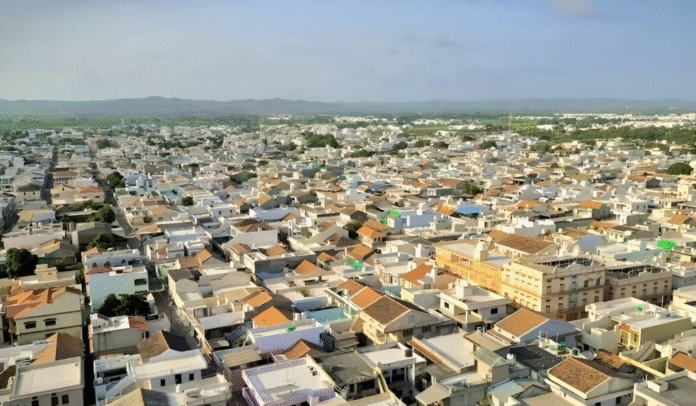
Do you know that the richest village in the world lies in India? Shocked? Fine… Let us tell you that it is a reality. In fact, when we think of villages, we often picture quiet farmlands, simple homes, and slow-paced rural life. But in the heart of Gujarat lies a village that completely rewrites this image. Madhapar, located in Kutch district, is often called the world’s richest village, where nearly every household is a lakhpati or crorepati and local banks hold deposits of more than Rs 5,000 crore.

Far from being a typical rural settlement, Madhapar boasts modern facilities that rival many Indian cities—top schools, healthcare centers, wide roads, and thriving businesses. With a population of around 92,000 people and nearly 7,600 households, the village has 17 bank branches, making it one of the most financially vibrant rural communities in the world.

The Secret Behind Madhapar’s Incredible Wealth

The prosperity of Madhapar lies in its people and their global connections. A large number of families from the village have relatives living abroad in countries like the UK, USA, Canada, Africa, and Gulf nations. These NRIs have built successful careers overseas but never forgot their roots.

Instead of cutting ties, they continuously send money back home—not just for family support, but also to fund education, healthcare, infrastructure, and community projects. Their collective efforts have transformed Madhapar into a model village that blends global wealth with local values.

A Village With a Rich History and Strong Roots

Madhapar’s legacy dates back to the 12th century, when it was founded by the Mistri community of Kutch, famous for their architectural skills and temple construction across Gujarat. Even today, the village proudly preserves its traditions, culture, and community spirit while embracing modern development.

Tradition Meets Modern Success

What makes Madhapar truly special is not just its wealth—but its mindset. Despite its prosperity, the village remains deeply rooted in tradition, community service, and collective growth. Residents believe in sharing success, building institutions, and uplifting future generations.

Madhapar stands as a powerful example of how diaspora connections, community unity, and cultural pride can transform a small village into a global symbol of prosperity.
Pride for Maharashtra: 475-Year-Old Vasai Cathedral Wins UNESCO Honour

0

PC: (Tripadvisor, Facebook)

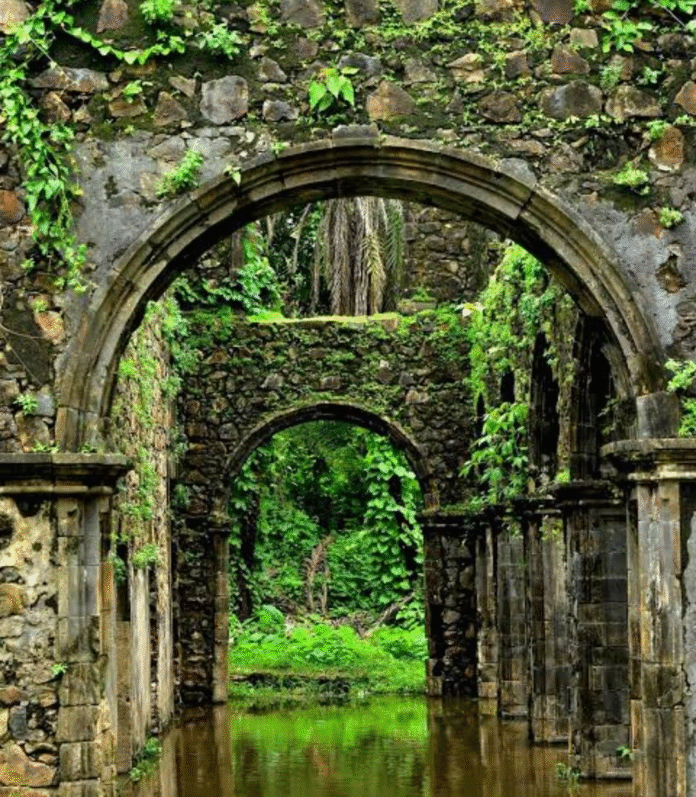
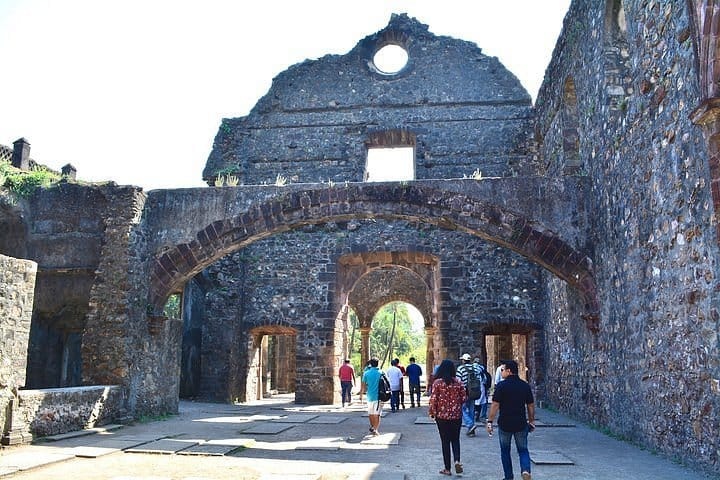
In a moment of immense pride for Vasai and Maharashtra, the centuries-old Our Lady of Grace Cathedral has earned global acclaim. Announced recently in Bangkok as part of the UNESCO Asia-Pacific Awards for Cultural Heritage Conservation (marking the program’s silver jubilee), the cathedral secured the Award of Merit for its thoughtful, community-funded conservation efforts.

A Timeless Gem of Portuguese Legacy: Inside Our Lady of Grace Cathedral

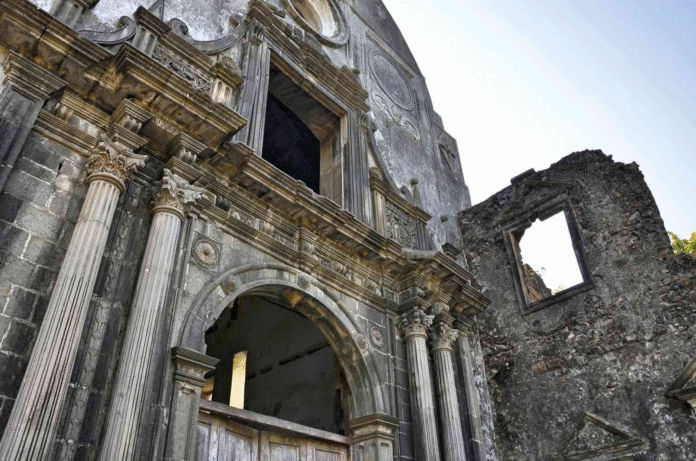
Located within the historic Vasai Fort in Papdy village (about 80 km from Mumbai), this 16th-century gem stands as one of the most significant remnants of Portuguese-era architecture in India. Also known as the Cathedral of Saint Joseph (elevated to cathedral status in 1998), it remains an active place of worship while attracting history enthusiasts, tourists, and photographers drawn to its grand arches, detailed stonework, and towering façade.

From 1565 Foundations to Gothic Grandeur: The Cathedral’s Storied Past

Founded by the Jesuits in 1565 and rebuilt in 1597, the stone structure-constructed without cement using traditional mud-based techniques-reflects Gothic and Manueline styles blended with local influences. Its grand façade features tall arched doorways and windows, creating a sense of height and openness, while the rugged yet majestic appearance comes from locally sourced stone.

UNESCO’s Prestigious Nod: Award of Merit for Community-Led Restoration

The 475-year-old Our Lady of Grace Cathedral was recently honoured with the 2025 UNESCO Asia-Pacific Award of Merit for its community-led restoration. The recognition highlights outstanding efforts in preserving India’s colonial architectural legacy through local dedication and traditional methods.

Reviving History with Tradition: How Locals Saved a Centuries-Old Masterpiece

Over the years, monsoons and earlier inappropriate repairs had weakened elements like the roof, façade, corridors, colonnade, and intricate interior liturgical features (including the main altar, side altars, pulpit, and ceiling). The restoration project, costing around Rs 4.5 crore and driven entirely by the local parish community and donations, revived these using skilled traditional craftsmanship-no modern cement was used, preserving the original authenticity.

Pride for Maharashtra: 475-Year-Old Vasai Cathedral Wins UNESCO Honour

What UNESCO Said: Praising the Revival of Faith and Craftsmanship

The UNESCO jury citation noted: “The conservation of the Our Lady of Grace Cathedral, a tangible testament to the establishment of Catholicism in Maharashtra, is noteworthy for reviving a sixteenth-century structure that embodies the architectural legacy of the Portuguese colonial architecture in India. Of particular significance is the thoughtful restoration of the cathedral’s interior… The skilled use of traditional craftsmanship, especially in the hand-carved renewal of liturgical elements, successfully reinstated the interior as a living place of worship and communal devotion.”

Global Spotlight Ahead: How This UNESCO Win Will Boost Vasai Tourism

UNESCO’s recognition will elevate Vasai Cathedral’s profile on the world stage. Sites with such accolades often see a surge in domestic and international visitors, as the tag signals exceptional historical, cultural, and architectural value. For Vasai, it underscores community power in heritage preservation-proving that when people unite, miracles happen-and reinforces India’s growing role in sustainable conservation.

A Testament to Community Power: Vasai’s Enduring Legacy Shines Worldwide

From Portuguese history to enduring faith, this award is more than an honour-it’s a celebration of Vasai’s resilience, devotion, and collective effort! A true symbol of pride for Maharashtra and India.

Soundala Village in Maharashtra is State’s First Caste-Free Village

0

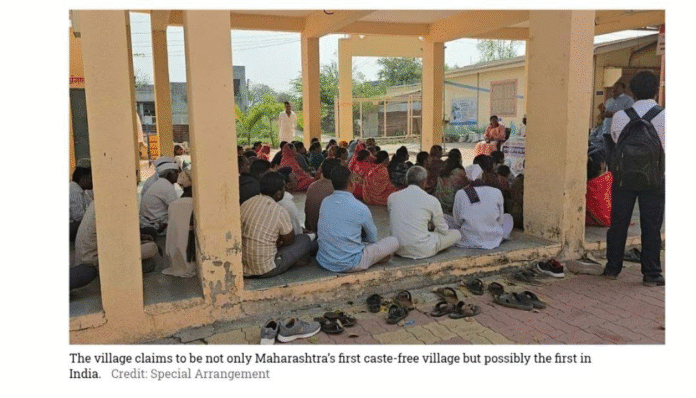
In a significant social reform initiative, Soundala village in Maharashtra has declared itself a “caste-free” village. The unanimous resolution, passed by the Gram Sabha on 5 February 2026, commits the community to rejecting caste-based distinctions and promoting equality under the motto “Aamchi jaat… manav” — meaning “my caste is humanity”. The move has drawn attention as a grassroots effort to redefine local identity around shared human values.

Unanimous Gram Sabha Resolution

Soundala, located in the Ahilyanagar district of Maharashtra, adopted the resolution through a collective decision of villagers from diverse social backgrounds. The declaration formally renounces caste discrimination and social exclusion in all forms.

Public spaces and facilities — including schools, temples, water bodies, community halls, cremation grounds and government services — are now committed to equal access for all residents, irrespective of caste, religion, creed or race. The village administration has also pledged to address caste-based grievances and monitor derogatory social media content to maintain communal harmony.

Constitutional Ideals at the Core

The resolution draws inspiration from the Preamble to the Indian Constitution, which enshrines the values of liberty, equality and fraternity. By aligning its governance principles with constitutional ideals, Soundala seeks to institutionalise equality at the grassroots level.

Although the village has historically reported limited caste-based conflict, leaders described the move as preventive rather than reactive. The emphasis is on fostering unity and ensuring that discrimination does not take root in the future.

Earlier Social Reform Initiatives

Soundala has previously adopted progressive resolutions challenging entrenched social norms. In 2024, the village supported widow remarriage and prohibited the use of degrading or abusive language within the community. These measures had already positioned the village as an example of local-level reform.

Civil society groups have suggested recognising 5 February as “International Caste-Free Day”, reflecting the symbolic value of the initiative beyond the village.

Important Facts

  • The Preamble of the Indian Constitution emphasises justice, liberty, equality and fraternity.
  • Gram Sabha is the general assembly of all registered voters in a village.
  • Caste-based discrimination is prohibited under Article 15 of the Constitution.
  • Social reform movements in India have historically targeted caste hierarchy and untouchability.

Significance for Social Equality in India

Soundala’s declaration represents a symbolic yet meaningful step in addressing caste as a continuing social reality in India. By asserting a collective identity rooted in humanity rather than birth status, the village has contributed to ongoing national conversations on equality, dignity and social justice.

World Understanding and Peace Day 2024: History, Significance, and Celebrations

0

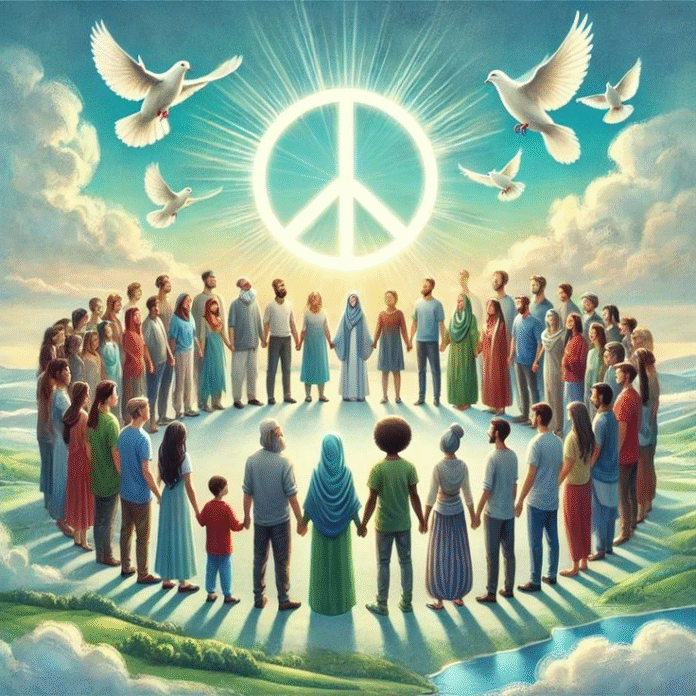
World Understanding and Peace Day is observed every year on February 23 to commemorate the founding of Rotary International and its mission to promote peace, goodwill, and humanitarian service worldwide. The day marks the anniversary of the first Rotary Club meeting held in Chicago in 1905.

The 59th World Day of Peace (January 1, 2026), celebrated by the Vatican, features the theme: Peace be with you all: Towards an ‘unarmed and disarming’ peace”. This theme calls for rejecting violence, fostering dialogue, and building peace through justice, love, and humilit

World Understanding and Peace Day 2026: History

Rotary International was founded on February 23, 1905, when Paul Harris, Gustavus Loehr, Silvester Schiele, and Hiram Shorey met in Room 711 of the Unity Building in downtown Chicago. This historic meeting led to the formation of the first Rotary Club.

The club was named “Rotary” because members initially rotated their meeting locations among their offices. Over time, Rotary expanded beyond the United States, and its name evolved from Rotary Club to International Association of Rotary Clubs, and eventually Rotary International.

Paul P. Harris envisioned a group of business professionals free from political and religious boundaries, focused solely on friendship, service, and community development. His vision later grew into a global network dedicated to peacebuilding and humanitarian causes.

World Understanding and Peace Day 2026: Significance

World Understanding and Peace Day highlights the importance of global harmony, dialogue, and conflict resolution. Rotary International continues to play a key role in promoting peace through education, community service, and international cooperation.

Some key aspects of its significance include:

  • Promoting global peace and understanding among communities and nations.
  • Encouraging individuals to contribute toward conflict resolution and harmony.
  • Supporting education and research through Rotary Peace Centers at universities worldwide.
  • Selecting 75 scholars annually for the Rotary Peace and Conflict Resolution Program to study peacebuilding and diplomacy.

Rotary also focuses on six major humanitarian areas:

  • Disease prevention and treatment
  • Water and sanitation
  • Maternal and child health
  • Basic education and literacy
  • Economic and community development
  • Peace and conflict prevention/resolution

World Understanding and Peace Day 2026: Celebrations

Rotary Clubs across the world organize events and activities to mark this day. Common ways to observe the day include:

  • Attending seminars, lectures, and awareness programs on peace and conflict resolution.
  • Participating in community service projects that promote social harmony.
  • Engaging in educational initiatives, art programs, and youth discussions on peacebuilding.
  • Spreading awareness about the importance of unity, cooperation, and mutual understanding.

Why World Understanding and Peace Day Matters

This day serves as a reminder that peace begins with understanding, dialogue, and collective action. Rotary International’s initiatives demonstrate how individuals and communities can contribute to a peaceful and sustainable world.

Farhan Akhtar-backed Manipuri film ‘Boong’ wins BAFTA Award in London

0

In a landmark achievement for Indian cinema, ‘Boong’, a Manipuri-language coming-of-age film, has won the Best Children’s & Family Film award at the 2026 British Academy of Film and Television Arts (BAFTA) Awards. The victory marks a significant global recognition for regional Indian storytelling on an international stage.

Triumph Over Global Blockbusters

Directed by Lakshmipriya Devi and produced by Ritesh Sidhwani and Farhan Akhtar, the 2024 film secured the award ahead of major international contenders including ‘Zootopia 2’, ‘Lilo & Stitch’, and ‘Arco’. The category featured strong competition from high-profile Hollywood productions, making the win particularly notable.

The award was presented in a memorable moment by the fictional character Paddington Bear, who delivered a light-hearted monologue while announcing the winner. The nominations for the BAFTAs were revealed earlier in January.

Story Rooted in Manipur’s Realities

‘Boong’ centres on a young schoolboy navigating racial tensions and the socio-political complexities of life along the Manipur border. The narrative follows his emotional journey as he confronts prejudice, uncertainty and fractured family ties.

Set against a backdrop of social strain, the film blends a child’s perspective with deeper themes of identity, belonging and resilience. Its grounded storytelling and regional authenticity have been widely praised for bringing underrepresented narratives to a global audience.

Global Spotlight on Regional Indian Cinema

The win underscores the growing international recognition of Indian regional cinema beyond mainstream Hindi-language films. By winning in a family-focused category, ‘Boong’ has highlighted the universality of its themes despite its rooted cultural context.

The film’s production team described the nomination earlier as an honour, and the eventual win reflects the expanding global footprint of Indian storytellers in prestigious award circuits.

Important Facts

  • BAFTA stands for the British Academy of Film and Television Arts.
  • Manipur is a northeastern state of India bordering Myanmar.
  • Children’s and family films often address social themes through accessible narratives.
  • Indian regional cinema includes films made in languages other than Hindi.

Milestone for Indian Film Industry

The success of ‘Boong’ at the BAFTA Awards 2026 represents a milestone for Manipuri cinema and Indian regional filmmaking. It signals broader global acceptance of diverse Indian narratives and reinforces the country’s growing influence in international film platforms.

Veera Raja Veera Controversy: What It Is and Why AR Rahman Agrees to Credit Junior Dagar Brothers

0

The controversy surrounding “Veera Raja Veera”, a song from the Tamil film Ponniyin Selvan II, has sparked a major debate over inspiration, originality, and cultural ownership in Indian classical music.

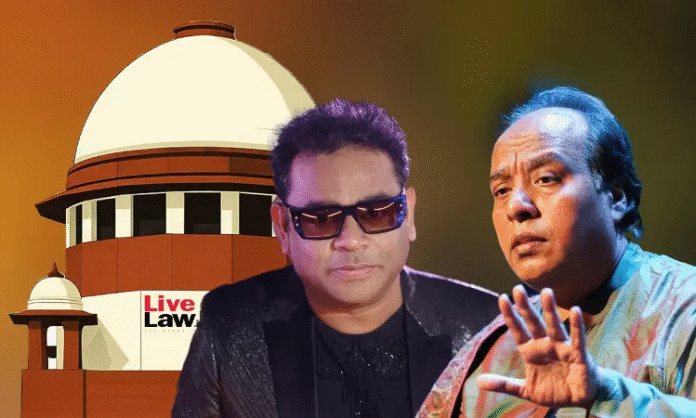
Legendary composer A. R. Rahman recently agreed before the Supreme Court of India to publicly credit the Junior Dagar Brothers for their influence on the composition, following a court directive. The apex court ordered that updated credits be added across all music platforms, OTT services, and social media within five weeks, even as the larger copyright dispute continues.

The case was filed by Ustad Faiyaz Wasifuddin Dagar, heir to the renowned Dagar lineage, who alleged that the song borrowed key elements from the traditional Dhrupad piece Shiv Stuti, including melodic patterns, rhythmic structure, and musical expression rooted in the Dagarvani tradition.

Rahman’s legal team has maintained that the song is an original composition inspired by classical traditions and that no individual or family can claim exclusive ownership over shared cultural heritage. The Supreme Court’s order to credit the Dagar Brothers does not determine copyright infringement, and the main lawsuit remains pending. The controversy has reignited discussions on intellectual property rights in classical music, the ethics of artistic inspiration, and the recognition of traditional artists in contemporary compositions, making it one of the most significant cultural and legal debates in India’s music industry in recent years.

475-Year-Old Vasai Cathedral Wins UNESCO Honour for Community-Led Restoration

0

A 475-year-old cathedral in Vasai, Maharashtra, has earned international recognition for its remarkable restoration driven by local community participation. The Our Lady of Grace Cathedral in Papdy village has received the Award of Merit at the 2025 UNESCO Asia-Pacific Awards for Cultural Heritage Conservation, announced in Bangkok.

The recognition celebrates the revival of a rare sixteenth-century Portuguese-era monument through traditional craftsmanship, sustainable conservation methods, and grassroots funding—making it a landmark example of people-powered heritage preservation in India.

Reviving a Portuguese-Era Heritage Landmark in Maharashtra

Built during Portuguese rule, the Our Lady of Grace Cathedral is a significant symbol of the spread of Catholicism along India’s western coast. Unlike modern buildings, the cathedral was constructed without cement or bricks, relying on mud-based stone construction techniques typical of the 16th century.

Over centuries, harsh monsoon weather, ageing materials, and unscientific repairs weakened key structural elements, including the roof, bell tower, façade, corridors, and colonnades. The deterioration threatened both the architectural integrity and the cathedral’s role as a living place of worship.

Traditional Craftsmanship Meets Modern Conservation

The restoration project, costing approximately ₹4.5 crore, focused on stabilising the structure and reversing inappropriate past interventions. Conservation experts restored intricate liturgical carvings, architectural details, and structural components using traditional materials and techniques to maintain historical authenticity.

Led by conservation architect Ainsley Lewis, the project ensured that the cathedral retained its original character while remaining functional for religious services—an approach praised by heritage experts worldwide.

Community-Funded Heritage Conservation Model

One of the most remarkable aspects of the project was community participation and funding. Parish members and church authorities collectively financed the restoration through sustained donations, showcasing a powerful model of stakeholder-driven heritage conservation.

UNESCO’s award jury highlighted the project’s “skilled use of traditional craftsmanship” and its success in reviving the cathedral as a living religious and cultural space. Out of 90 entries from 16 countries, the Vasai cathedral stood out for technical excellence, sustainability, and deep respect for local context.

Global Recognition in UNESCO’s Silver Jubilee Year

The 2025 UNESCO Asia-Pacific Awards marked the silver jubilee of the heritage conservation programme. While the top Award of Distinction went to projects in Japan and China, other recognised sites were located in Malaysia, Nepal, and Vanuatu.

The Vasai cathedral’s Award of Merit places India among leading nations in heritage preservation and highlights the country’s growing emphasis on community-driven conservation.

Why This Cathedral Matters: Key Facts for Students and Exams

  • The UNESCO Asia-Pacific Awards recognise excellence in heritage conservation projects across the region.
  • Portuguese colonial architecture significantly shaped India’s western coastal regions.
  • Vasai (Bassein) was a major Portuguese stronghold in the 16th century.
  • Community participation is a key criterion in UNESCO heritage recognition.
  • The Our Lady of Grace Cathedral is among India’s notable community-led conservation successes.

A Model for Future Heritage Preservation

The restoration of the Our Lady of Grace Cathedral demonstrates how local communities, traditional knowledge, and modern conservation practices can work together to protect historic monuments. As India strengthens its heritage preservation efforts, the Vasai project serves as a blueprint for sustainable and inclusive conservation worldwide.

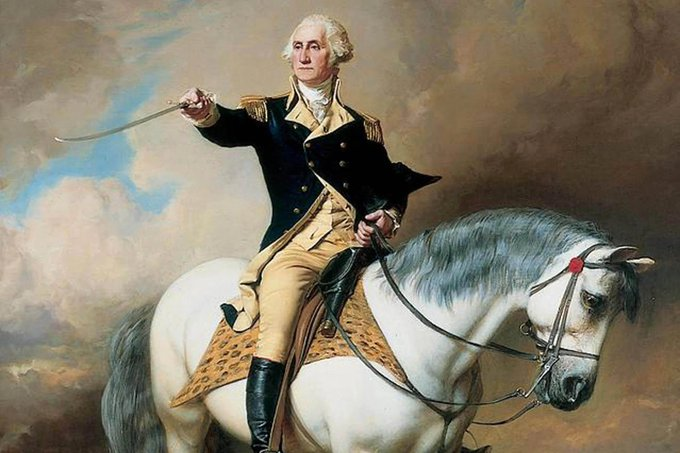
George Washington Birthday: Know His Vision Behind the White House

0

As the United States marks major milestones in its journey toward 250 years of independence, few landmarks capture the nation’s democratic spirit like the White House. Yet, one fascinating fact often surprises people: George Washington, America’s first president, never lived in the White House—despite being its chief visionary and driving force behind its creation.

In the United States, 22 February marks the birth anniversary of George Washington, the first President of the United States. While it is officially observed as part of Presidents’ Day on the third Monday in February, many still acknowledge the specific date.

This feature explores Washington’s crucial role in shaping the iconic presidential residence and how his democratic ideals influenced its design and legacy.

George Washington and the Birth of the American Presidency

When George Washington took office in 1789, the United States was an untested experiment in democracy. There was no precedent for a president, no established federal bureaucracy, and no symbolic center of power.

Washington spent his first term defining the role of the executive branch and building the foundations of the federal government. Among his priorities was creating a permanent residence for the nation’s leader—one that reflected republican values rather than royal grandeur.

A Democratic Vision, Not a Palace

Washington was deeply concerned about how the presidency would be perceived. He wanted to avoid any resemblance to European monarchies, where lavish palaces symbolised absolute power.

To achieve this, Washington rejected overly grand architectural proposals, including those by a French architect, and instead selected James Hoban, an Irish-born architect living in South Carolina. Hoban’s design was elegant yet restrained, reflecting the ideals of a democratic republic rather than a monarchy.

Choosing the Location and Supervising Construction

By 1792, the cornerstone of what would become the White House was laid in Washington, D.C.—a site personally chosen by George Washington. He took a hands-on approach to the project, overseeing aspects of carpentry, brickwork, and stone masonry.

Historians often compare his involvement to how he managed his Mount Vernon estate—methodical, detail-oriented, and deeply invested in the outcome.

Why Washington Never Lived in the White House

Construction of the White House took nearly eight years. By the time it was ready for occupancy, Washington had already completed his presidency. John Adams, the second president of the United States, became the first resident of the unfinished executive mansion in 1800.

Since then, every U.S. president has lived in the White House, making it one of the most enduring symbols of American leadership.

How the White House Evolved Over Time

The White House has undergone major transformations over the centuries:

  • 1814: British forces burned the building during the War of 1812; it was later rebuilt.
  • 1817–1829: The South and North Porticos were added under Presidents James Monroe and Andrew Jackson.
  • 1901–1902: President Theodore Roosevelt officially named it the “White House” and built the West Wing.
  • Early 1900s: President William Howard Taft introduced the first Oval Office.

Despite expansions and renovations, Washington’s original democratic vision remains central to its identity.

World Thinking Day 2026: History, Theme, Significance, and All You Need To Know…

0

Celebrating global unity and leadership, World Thinking Day 2025 highlights the power of young minds to drive change. From its rich history to its modern significance, here’s everything you need to know about this inspiring movement shaping the leaders of tomorrow.

Celebrating global unity and leadership, World Thinking Day 2026 highlights the power of young minds to drive change

On 22nd February every year, World Thinking Day is celebrated by millions of Girl Guides and Girl Scouts worldwide. The day aims at fostering global friendship, raising awareness about global issues, and empowering young girls to become strong leaders and change agents.

The theme for World Thinking Day 2026 is 

Our Friendship

HISTORICAL BACKGROUND

The start of World Thinking Day dates back to 1926 when 4th International Conference of Girl Guide/ Girl Scouts was held in the United States. Delegates from different countries came together and recognised that there was need for a special day that could appreciate and support global guiding/scouting movement.

February 22nd was chosen because it is also Lord Robert Baden-Powell, who created scouting movement’s birthday, as well Olave Baden-Powell, who became its first Chief Guide globally.

SIGNIFICANCE AND PURPOSE

World Thinking Day plays an important role in promoting unity amongst people of different cultures. It has several purposes:

  • Encouraging global friendship: This day encourages girl guides from around the world to connect.
  • Addressing global issues: The World Association of Girl Guides and Girl Scouts (WAGS), each year, chooses a theme linked to an important global concern.https://akm-img-a-in.tosshub.com/sites/indiatoday/banner/preferred-source-new.html?v=1.014
  • Raising funds: The event encourages financial contributions to support international projects that help empower girls all over the world.
  • Inspiring leadership: It motivates young women to take active roles in their communities and advocate for positive change.

WORLD THINKING DAY THEMES

Since 1932, World Thinking Day has featured annual themes focusing on various social, environmental, and economic challenges. Some recent themes include:

  • 2021: Peacebuilding
  • 2022: Our World, Our Equal Future
  • 2023: Our World, Our Thriving Future
  • 2024: Our World, Our Thriving Planet

Each theme aims at inspiring action and reflection amongst young members while addressing current global issues.

HOW WORLD THINKING DAY IS CELEBRATED

World Thinking Day celebrations occur around the globe with activities centred on education, advocacy, and community service. Common ways of observing the day include:

  • Candlelight ceremonies – Symbolising unity amongst sisters worldwide
  • Fundraising and donations – Supporting girl empowerment initiatives in impoverished neighbourhoods
  • Educational workshops – Discussing global problems and possible solutions
  • Cultural exchange programmes – Encouraging interaction amongst members from different nations
  • Social media campaigns – Awareness spreading via hashtags and online movements

For years, World Thinking Day has made a great difference in the lives of millions of young girls as it has helped build leadership skills, enhance self-esteem, and promote consciousness about global issues.

These activities instil teamwork, compassion, and they advocate for others, which has far-reaching effects on their personal and professional development.

World thinking day is beyond celebration because it is a force that emphasises how powerful young women are when they want to make positive changes.

By participating every year in this event, Girl Guides and Girl Scouts re-affirm their dedication to global citizenry, leading and making the world a better place. As the movement expands, World Thinking Day will continue to serve as a guiding light for generations yet unborn full of optimism.

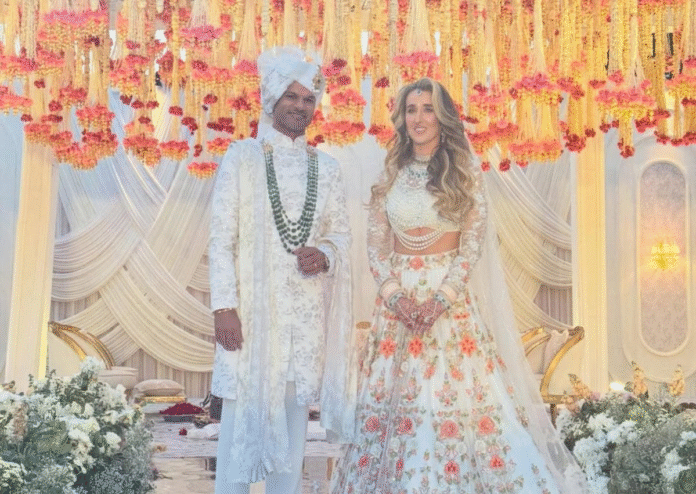
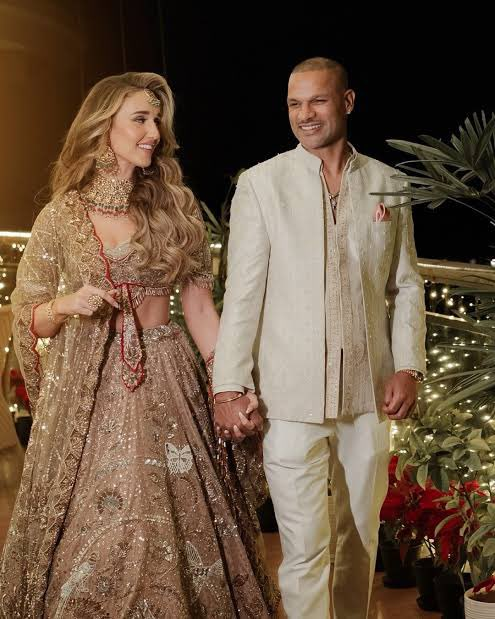
In Pics and Videos: Shikhar Dhawan Marries Longtime Girlfriend Sophie Shine in Intimate Ceremony

0

The former Indian cricket star, known as ‘Gabbar,’ tied knot with an Irish business executive and influencer Sophie Shine on Saturday in the Delhi-NCR region after pre-wedding haldi and sangeet festivities. They met years ago in Dubai, went public in 2025, and announced their engagement in January 2026. Fans shared warm congratulations, celebrating Dhawan’s new chapter following his 2024 retirement and divorce from his first wife, with whom he shares a son.

In Pics and Videos: Shikhar Dhawan Marries Longtime Girlfriend Sophie Shine in Intimate Ceremony