Home Blog Page 617

Diwali 2023: Jaipur Markets Shine Bright for 8 Days, Drawing Crowds Late into the Night

0

As the festive season of Diwali approaches, the city of Jaipur is adorned with the vibrant hues of celebration. The enthusiasm for Diwali is palpable in its markets, which are being transformed into mesmerizing spectacles of light and color. The magic of Diwali will come to life as the city’s markets flick the switch on November 8, and this year, they will remain illuminated for an extended period of 8 days, extending the festive spirit well into the night, until 1 am.

Festive Preparations:

Jaipur is buzzing with preparations for Diwali. The markets have been meticulously decorated, turning them into enchanting wonderlands. The streets of MI Road, Chandpol Bazaar, Tripolia Bazaar, Gangauri Bazaar, Chauda Rasta, and Johari Bazaar are all decked out for the festivities. This year, the markets will be illuminated for 7 to 8 days, with lights adorning the streets from November 8 to 13. MI Road, in particular, will continue to dazzle with its radiant lights until November 15, allowing visitors to revel in the splendor of the season well into the late hours of the night.

A Message of Civic Responsibility:

In the midst of the Diwali decorations, a valuable message is being conveyed to the people – the importance of voting. Banners promoting voter turnout will be prominently displayed at shops, and shopkeepers will encourage their customers to exercise their right to vote.

Chandpol Bazaar: An Artistic Extravaganza:

Chandpol Bazaar is in the final stages of elaborate decoration. The market will light up on November 9 and continue to gleam until November 13. Visitors can look forward to more than 15 beautifully crafted tableaux showcasing various deities. From a depiction of the churning of the ocean to a miniature Metro train and iconic landmarks like Hawa Mahal, Albert Hall, Mysore Palace, and even a Titanic ship – the market promises a feast for the eyes. Notably, a Pushpak Viman will also grace the market, adding a touch of mythology to the festivities.

MI Road: A Mile of Radiance:

MI Road, known for its timeless charm, will be illuminated for about three kilometers with natural milky light from November 8. The market is bedecked with special lights on both sides, stretching from Ajmeri Gate to the Government Hostel intersection. This year, MI Road will outshine all previous Diwali celebrations by continuing to glow until 1 am.

Johri Bazaar: Luminous Lampscape:

Johri Bazaar, known for its exquisite jewelry, is undergoing its final transformations to become a shimmering spectacle. The market will radiate with the brilliance of a thousand lamps, as one side is adorned with lights, giving the ambiance of Diwali itself. As the sun sets, the market will come alive with lamps, bringing an enchanting and warm glow to the surroundings. Lights in Johri Bazaar will shine from November 8 to 13.

Lalji Saand Ka Rasta: A Bridal Makeover:

Even in the smaller markets of Jaipur, there’s a friendly competition to deck the streets with Diwali glory. Lalji Saand Ka Rasta has been given a special bridal makeover, transforming the market into a bride itself. The streets are adorned with attractive decorations, and as night falls, the moon and stars twinkle amid the radiant lights.

Jaipur is all set to shine brighter than ever this Diwali, and the extended lighting hours provide an excellent opportunity for residents and visitors alike to immerse themselves in the joyous festivities of the season. Diwali in Jaipur is not just a festival; it’s a grand, illuminated celebration of life, culture, and tradition.

Top 5 places to visit in India during winters

0

India offers a diverse range of winter destinations, each with its unique charm and attractions. Here are the top 5 places to visit in India during the winter months:

Certainly, here are more detailed descriptions of the top 5 winter destinations in India:

1. Kashmir, Jammu, and Ladakh:

   – Kashmir: Often referred to as “Paradise on Earth,” Kashmir is a stunning winter destination. The region experiences heavy snowfall, creating a picturesque landscape. Srinagar, the summer capital, is equally enchanting in winter with its frozen Dal Lake, making it ideal for a shikara ride. Don’t miss the historic Mughal gardens covered in a blanket of snow.

   – Gulmarg: Just a short drive from Srinagar, Gulmarg is a paradise for snow sports enthusiasts. It offers excellent skiing and snowboarding opportunities, with the Gulmarg Gondola being one of the highest cable cars in the world.

   – Ladakh: While not easily accessible in winter due to harsh weather conditions, Ladakh offers a surreal and desolate beauty for the adventurous traveler. You can explore Buddhist monasteries like Thiksey and Hemis, or experience the frozen Pangong Lake.

2. Manali, Himachal Pradesh:

   – Manali is a renowned hill station in Himachal Pradesh, known for its scenic beauty. During winter, it transforms into a snowy wonderland, offering a range of winter activities, including skiing, snowboarding, and snowshoeing.

   – The Solang Valley and Rohtang Pass are nearby attractions, perfect for thrilling adventures in the snow. You can also soak in the Vashisht Hot Water Springs to warm up after a day of activities.

3. Auli, Uttarakhand:

   – Auli is a lesser-known gem for winter sports in India, located in Uttarakhand. It boasts pristine slopes that are perfect for skiing and snowboarding. The Garhwal Himalayas provide a breathtaking backdrop for these winter adventures.

   – The Auli Ropeway is one of the longest and highest cable cars in Asia, offering spectacular views of the surrounding mountains. The best time to visit for winter sports is from December to February.

4. Shimla, Himachal Pradesh:

   – Shimla, the capital of Himachal Pradesh, is a charming winter destination. The town’s colonial architecture, including the Ridge and the Mall Road, is beautifully adorned with snow, creating a fairy-tale-like atmosphere.

   – The Kalka-Shimla toy train ride is a delightful way to experience the winter wonderland. You can also explore nearby destinations like Kufri for its scenic beauty and Chail for its historic Chail Palace.

5. Rann of Kutch, Gujarat:

   – The Rann of Kutch is a unique winter destination. During winter, this otherwise arid region gets transformed into a vast, white salt desert. The Rann Utsav, a cultural festival that celebrates the region’s heritage, takes place during this time, featuring traditional music, dance, and handicrafts.

   – The salt desert provides an otherworldly experience, especially under the full moon, when the landscape sparkles. It’s a great place to stargaze and immerse yourself in the culture of Gujarat.

When planning your trip to these destinations, be sure to check weather conditions and accessibility, and consider any special activities or festivals happening during your visit to make the most of your winter experience in India.

Delimitation Commission shaping the political landscape of India. Know how…

0

The term “delimitation” might not be a common topic of conversation, but it plays a pivotal role in shaping the political landscape of a country. In essence, delimitation refers to the process of defining boundaries and limits for electoral constituencies. Its primary goal is to ensure fair representation of changing population dynamics, ultimately safeguarding the principle of “One Vote One Value.” Delimitation stands as a cornerstone of democratic governance, preventing any single political party from gaining an unfair advantage in elections.

In the Indian context, the responsibility for this essential process falls on the shoulders of the Delimitation Commission. Comprising a retired Supreme Court judge, the Chief Election Commissioner, and State Election Commissioners, this commission plays a crucial role in redrawing assembly and Lok Sabha constituency boundaries based on the most recent census data.

The significance of this exercise cannot be overstated. It serves as the bedrock of democratic principles, ensuring that every citizen’s vote carries an equal weight in the democratic process. This safeguards the essence of democracy, where each voice, regardless of location or demographic, is given equal importance in shaping the nation’s future.

Appointed by the President of India, the Delimitation Commission’s decisions hold legal authority, immune to challenge in any court of law. However, the process is not without its complexities and challenges. One notable issue is the freeze on the number of seats in Lok Sabha and state assemblies, which relies on outdated census data. This has led to concerns about unequal representation, as states with growing populations are still represented by a single legislator. This problem is set to persist until 2026.

The freeze on seat numbers has illuminated the need for a national consensus to address these concerns well before 2026. A discussion involving all stakeholders is imperative to adapt the delimitation process to the changing needs and demographics of India’s diverse population. A forward-looking approach can ensure that the spirit of democracy is preserved, and the electoral system remains a true reflection of the nation’s evolving landscape.

Delimitation is more than a technical process; it is a fundamental element of democratic governance, guaranteeing fair representation and equal voting power for all citizens. As India continues to progress and its population burgeons, the need to refine the delimitation process becomes increasingly apparent. In doing so, the nation can uphold its democratic values, empowering every citizen with a voice in shaping the nation’s future.

ETPBS helping service voters to cast their votes in India…

0

Do you know about ETPBS? Okay, then let’s know more on it from Priyanshi Pareek’s informative article..

What is ETPBS?

Electronically Transmitted Postal Ballot System (ETPBS) is the one-way electronic transmission of the Postal ballots to the Service Voters. The Service Voter then cast their vote and send it to the respective returning officer via Post. The complete process is secured by way of multiple checks and transmission protocol to ensure safe transmission. Upon receipt of the postal ballot at the counting centres, the returning officer validates the receipt by a series of QR codes with that of the transmitted system.

Who is a Service Voter?

Persons working in Central Forces under Arms Act and Government officials deployed in Embassies outside the country are classified as Service Voters and are provisioned for online enrolment. 

Features of ETPBS

  • Service voters can avail of the ETPBS service from anywhere outside their constituency.
  • System facilitates the creation of service voter electoral roll data.
  • It is easy, efficient and hassle-free.
  • It is a secure system, having two-layer security.
  • OTP is required to download an encrypted Electronically Transmitted Postal Ballot file.
  • Secrecy is maintained and no duplicacy is possible due to the QR code.
  • A PIN is required to decrypt, print and deliver ETPB.

ETPBS important facts

  • It was for the first time in 2019 that the Electronically Transmitted Postal Ballot System was used for registering the votes of the Service voters
  • While in the 2014 General Election, 13,27,627 registered Service Electors were enrolled. This IT flagship programme, ETPBS, enabled 18,02,646 service voters to register their votes in the 2019 General Elections
  • Of the total voters registered in 2019:
  • 10,16,245 were from the Ministry of Defence
  • 7,82,595 from the Ministry of Home Affairs (Central Armed Police Forces)
  • 3539 of Ministry of External Affairs
  • 267 of State Police
  • A total of 18,02,646 postal ballots were dispatched electronically through ETPBS for the 2019 General Elections and in return, 10,84,266 e-postal ballots were received indicating a 60.14% turnout. This was way more in comparison to the 4% turnout of service voters in the 2014 General Election

Understanding the Significance of Election Duty Certificates in Elections

0

An Election Duty Certificate, also known as an Election Duty Identity Card, is an official document issued to individuals who are assigned election-related duties. These duties typically include working as poll officials, election observers, or in various administrative roles during an election. Election Duty Certificates serve as proof of one’s authorized involvement in the electoral process and can provide various benefits. Here’s a sample article on the topic:

Elections are the cornerstone of any democratic society, and they require the dedicated efforts of countless individuals to ensure a fair and transparent voting process. Among these individuals are the unsung heroes of democracy who take on election-related duties. Election Duty Certificates play a vital role in acknowledging and facilitating their contribution.

What is an Election Duty Certificate?

An Election Duty Certificate also referred to as an Election Duty Identity Card, is an official document issued by election authorities to individuals assigned various election-related responsibilities. These responsibilities can encompass a wide range of roles, including polling officers, election observers, administrative staff, security personnel, and more. The certificate is a mark of recognition for the services rendered during the election process.

importance of Election Duty Certificates:

 Identification and Authorization:  Election Duty Certificates serve as proof of one’s authorized involvement in the election process. These documents contain essential information about the individual, including their name, photograph, role in the election, and the specific election they are assigned to.

 Access to Restricted Areas:  In the interest of security and maintaining the integrity of the electoral process, certain areas are restricted to authorized personnel only. Election Duty Certificates grant individuals access to such areas, allowing them to perform their duties effectively.

Facilitation and Support: Holding an Election Duty Certificate can make the election process more convenient for those performing election-related tasks. It may be required to avail of various facilities, such as transportation and accommodations, that are provided by election authorities.

Recognition of Service:  Election Duty Certificates also serve as a token of appreciation for individuals who contribute to the smooth conduct of elections. It acknowledges their service and dedication to upholding the democratic values of the nation.

Obtaining an Election Duty Certificate:

The process of obtaining an Election Duty Certificate typically involves the following steps:

Appointment: Individuals are appointed to election-related duties based on their qualifications and experience. They receive a formal letter of appointment, which specifies their role in the election.

Documentation: Once appointed, individuals are required to submit the necessary documents and photographs to the election authorities to facilitate the issuance of the Election Duty Certificate.

Distribution: Election Duty Certificates are distributed before the election, ensuring that individuals have their credentials ready before they begin their duties.

Election Duty Certificates are an essential part of the electoral process, recognizing the hard work and dedication of those involved in ensuring free and fair elections. They not only facilitate the performance of election-related duties but also stand as a testament to the commitment of individuals who play a crucial role in upholding democracy.

In the democratic journey of any nation, Election Duty Certificates serve as a badge of honour, symbolizing the commitment of countless individuals who work tirelessly behind the scenes to ensure that the voice of the people is heard through the ballot box.

Dubai Mall: Where Shopping Meets Grandeur

0

Dubai, a city renowned for its opulence and extravagance, is home to the world’s most colossal retail, entertainment, and leisure destination—the Dubai Mall. Nestled in the shadow of the Burj Khalifa, the world’s tallest building, this sprawling marvel beckons visitors from around the globe. It’s not just a mall; it’s an experience, and in this article, we’ll take you on a journey through the grandeur of the Dubai Mall.

Retail Paradise:

Covering over 1 million square meters, which is equivalent to 200 football pitches, Dubai Mall is a shopper’s paradise. With more than 1,200 retail stores, including two major department stores, and hundreds of food and beverage outlets, it’s easy to see why this mall is the world’s largest. For lovers of high fashion, over 70 signature outlets await your attention, including the first Middle Eastern outlets of renowned brands like Bloomingdale’s and Galeries Lafayette.

Fashion Avenue, a dedicated area, showcases the latest collections from world-famous brands like Versace and Burberry, ensuring fashion enthusiasts find their retail haven. If you’re looking for the finest gold jewelry or the latest in footwear, you’ll find it in the Gold Souk and Level Shoes, respectively.

Dubai Mall Zabeel: A Grand Expansion:

The grandeur of Dubai Mall expanded further in 2019 with the unveiling of Dubai Mall Zabeel. This significant expansion introduced new lifestyle experiences, dining options, retail choices, and 3,000 additional parking spaces. The Zabeel extension added almost 15,000 square meters of lifestyle space, adorned with an incredible array of art and linked to the main mall by a fully air-conditioned link bridge.

Entertainment Galore:

Dubai Mall is not just about shopping; it’s an ultimate family entertainment destination. The Dubai Aquarium and Underwater Zoo, an Olympic-sized Dubai Ice Rink, KidZania for children’s ‘edutainment,’ and a massive indoor cinema complex are just some of the ways to keep everyone busy. Be sure not to miss the indoor fountain, one of the mall’s most photographed spots, or The Village with its retractable roof that opens in the winter months to offer shoppers an outdoor experience.

Dining Delights:

With over 200 dining options, Dubai Mall caters to every palate. From fast food and snack stalls to delightful cafes and fine dining restaurants, you’ll find a vast range of dining choices. Some restaurants offer stunning views of The Dubai Fountain and the Burj Khalifa, making dining here an unforgettable experience.

In 2023, Dubai Mall introduced its Chinatown district, the first of its kind in Dubai. Adorned with traditional Chinese features, a giant panda sculpture, and striking neon lights, it’s home to a variety of Chinese and Asian street food, including the Dubai branch of Singapore’s Michelin-starred eatery, Hawker Chan.

Nearby Hotels:

The Dubai Mall is conveniently connected to the five-star Address Dubai Mall, offering easy access for both hotel guests and mall visitors. Several other hotels, such as Address Downtown and Palace Downtown, are located nearby, providing accommodation choices to suit every preference.

Getting to Dubai Mall:

Getting to Dubai Mall is a breeze, with various public transportation options, including the Dubai Metro, which has a dedicated station at the mall, and multiple bus routes with stops nearby. If you prefer driving, there are well-marked car parking entrances. Dubai Mall is easily accessible from prominent landmarks like Burj Khalifa, Souk Al Bahar, and Dubai Opera.

Dubai Mall is more than a shopping destination; it’s a testament to Dubai’s ambition and a hub for retail, entertainment, and leisure that embodies the city’s larger-than-life spirit. Whether you’re a fashion enthusiast, a family looking for a day of fun, or a gourmet explorer, the Dubai Mall has something to offer everyone. Don’t miss the chance to experience this monumental retail and entertainment haven on your next visit to Dubai.

Whale Shark: The Gentle Giant of India’s Waters

0

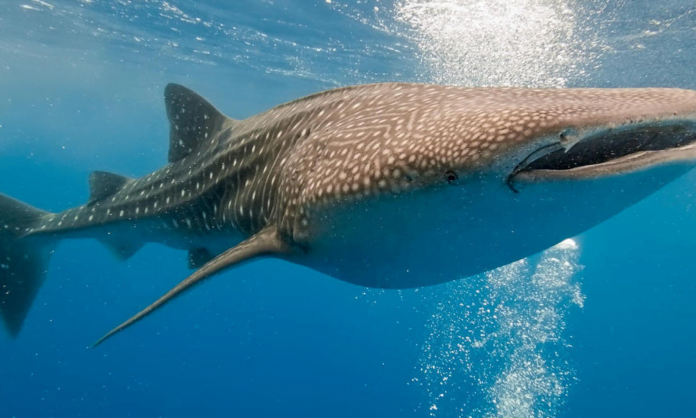
In the azure waters of India’s coastal regions, a magnificent and gentle giant reigns supreme—the Whale Shark (Rhincodon typus). As the largest fish species on the planet, these awe-inspiring creatures are not only remarkable for their colossal size but also for their intriguing biology and conservation significance. In this article, we delve into the world of the Whale Shark, exploring its characteristics, habitat, and the efforts being made to protect this charismatic species.

The Giant of the Seas:

The Whale Shark is a true titan of the oceans. These majestic creatures can reach staggering lengths of up to 40 feet or more, with some individuals weighing as much as 20 tons. Their distinctive appearance, marked by a wide mouth, striking white spots on their dark skin, and a gracefully sweeping tail fin, makes them easily recognizable. Despite their massive size, Whale Sharks are docile filter feeders, subsisting primarily on plankton, small fish, and other microscopic organisms.

Indian Waters: A Heaven for Whale Sharks:

India boasts a diverse range of marine ecosystems, making it a vital habitat for the Whale Shark. These gentle giants are commonly found along the coasts of India, with specific hotspots that draw researchers, conservationists, and eco-tourists alike. Some of the prime locations for Whale Shark sightings in India include the Andaman and Nicobar Islands, Gujarat, and the Gulf of Kutch.

The Gulf of Kutch, in particular, is renowned for its significant population of Whale Sharks. Their presence in these waters has not only captivated marine enthusiasts but has also inspired a range of research and conservation efforts to ensure their survival.

Conservation Challenges:

While Whale Sharks are incredible and resilient creatures, they face numerous challenges in the modern world. The primary threats to their well-being include bycatch in fishing nets, habitat degradation, climate change, and pollution. These factors have led to a decline in Whale Shark populations globally.

Protecting the Gentle Giant:

Recognizing the importance of preserving this majestic species, India has taken several steps to protect the Whale Shark. The species is safeguarded under various national and international conservation regulations, such as the Wildlife Protection Act of 1972 and the Convention on International Trade in Endangered Species (CITES). These legal frameworks aim to restrict activities that harm or exploit these gentle giants.

Moreover, local communities, marine researchers, and environmental organizations have joined forces to establish marine protected areas, enforce fishing regulations, and promote sustainable tourism practices in regions frequented by Whale Sharks. This collaborative approach is vital to ensure the long-term survival of this iconic species.

The Significance of the Whale Shark:

The Whale Shark is not merely an emblematic species for India but a symbol of the country’s commitment to marine conservation. By safeguarding these gentle giants and their habitats, India is contributing to the global effort to protect marine biodiversity and ensure the well-being of these remarkable creatures.

In conclusion, the Whale Shark, the biggest fish in India, is a true marvel of the natural world. Its enormous size and gentle disposition make it a favorite subject of marine enthusiasts, conservationists, and researchers. The conservation efforts in place are a testament to the collective commitment to preserving these magnificent creatures and the marine ecosystems they call home. As we strive to protect the Whale Shark, we also send a message of hope for the future of our oceans and their magnificent inhabitants.

Ninth G20 Parliamentary Speakers’ Summit (P20) and Parliamentary Forum

0

Priyanshi Pareek reports on the 9th G20 Parliamentary Speakers’ Summit and Parliamentary Forum..

What is G20?

The Group of Twenty (G20) plays a key role in all major international economic issues. Collectively, G20 members represent 85% of global economic output, two-thirds of the world’s population and 75% of international trade. The forum initially focused on broad macroeconomic issues, but it has expanded its agenda to include trade, climate change, sustainable development, health, agriculture, energy, the environment and anti-corruption.

Aim of G20 Speakers’ Summits 

G20 Speakers’ Summits (P20) aim to bring a parliamentary dimension to global governance, raise awareness, build political support for international commitments, and ensure that these are effectively translated into national realities. The Summits also seek to promote inter-parliamentary cooperation, enhance engagement between governments, parliaments and other stakeholders in the implementation of various G20 outcomes, and advance the 2030 Agenda for Sustainable Development.

The host of Ninth P20 Summit

The Ninth P20 Summit was hosted by Parliament of India in cooperation with IPU on 13-14 October 2023 in New Delhi. The Summit was preceded by a Parliamentary Forum on 12 October 2023. The theme of the Summit is Parliaments for One Earth, One Family, One Future, which draws inspiration from the ancient Indian philosophy of Vasudhaiva Kutumbakam (The World is one Family).

The Summit hosted four high-level sessions on Accelerating SDGs; Sustainable Energy Transition; Women led Development; and Transformation in Peoples’ Lives through Public Digital Platforms. A Parliamentary Forum also organized on ‘LiFE’ (Lifestyle for Environment) as a pre-Summit event to promote adoption of sustainable lifestyles and sustainable patterns of production and consumption.

Inauguration

Prime Minister Shri Narendra Modi inaugurated the 9th G20 Parliamentary Speakers’ Summit (P20) on 13 October 2023 at Yashobhoomi, New Delhi at around 11 AM. The summit was hosted by the Parliament of India under the broader framework of India’s G20 Presidency.

Theme

The theme of the 9th P20 Summit was “Parliaments for One Earth, One Family, One Future.” The event was attended by Speakers of Parliaments of G20 members and invitee countries. The Pan-African Parliament took part in the P20 Summit for the first time after the African Union became a member of G20 at the New Delhi G20 Leaders’ Summit on 9-10 September 2023.

The thematic sessions during this P20 Summit focused on the following four subjects – Transformation in People’s Lives through Public Digital Platforms; Women-led development; Accelerating SDGs; and Sustainable Energy Transition.

A pre-summit Parliamentary Forum on LiFE (Lifestyle for Environment) was held on 12 October 2023 to deliberate upon initiatives towards a greener and sustainable future in harmony with nature.

Who is the father of Yoga?

0

Yoga, an ancient practice that encompasses physical, mental, and spiritual elements, has gained immense popularity worldwide for its transformative benefits. Rooted in India’s rich traditions, yoga has transcended cultural boundaries, bringing balance and wellness to countless lives. While the practice of yoga has evolved over the centuries, it remains deeply rooted in its origins. But who can be credited as the founder of yoga? The answer to this question depends on whether we consider it from a historical and scriptural perspective or from the lens of modern times.

Shiva: the ultimate beginner

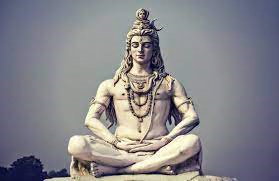
In the realm of scriptures and beliefs, Lord Shiva takes the center stage as the progenitor of yoga. He is often referred to as “Adiyogi Shiva,” signifying the first yogi. According to ancient texts and revered beliefs, Lord Shiva is the ultimate source of yoga. It is said that Shiva achieved complete enlightenment around 15 thousand years ago, as mentioned in a poem from that era. He is depicted as the embodiment of the perfect yogi, the one who illuminated the path of spiritual awakening and inner harmony.

Over time, the principles and teachings of yoga from the ancient scriptures have metamorphosed into what we now recognize as modern yoga. Modern yoga draws inspiration from the beliefs and practices of the yoga schools, incorporating a diverse array of methods, asanas (postures), and mindfulness activities.

Modern Yoga and Yogis

When it comes to identifying the father of modern yoga, two prominent figures are often mentioned: Patanjali and Tirumalai Krishnamacharya.

Patanjali, an iconic figure in the history of yoga, is credited with the authorship of the “Yoga Sutras.” These Sutras are a collection of aphoristic Sanskrit verses that delve into the philosophy and practice of ancient yoga. While they don’t go into detailed descriptions of the physical postures we commonly associate with yoga today, they provide profound insights into the mental and spiritual aspects of the practice. Patanjali’s Yoga Sutras are revered by modern yoga practitioners for their timeless wisdom and guidance.

Tirumalai Krishnamacharya, another prominent figure, is widely regarded as the father of modern yoga, especially in various regions of India. He was a multifaceted personality, serving as a yoga instructor, ayurvedic healer, and scholar. Krishnamacharya played a pivotal role in reviving and popularizing yoga in the 20th century. His teachings and innovations in yoga postures and techniques have left an indelible mark on the modern yoga landscape. His approach to yoga emphasized adapting the practice to suit individual needs, paving the way for the diverse styles of yoga that exist today.

In essence, the lineage of yoga is a rich tapestry woven with the contributions of ancient sages, scriptural wisdom, and the evolution of modern interpretations. Whether we acknowledge Lord Shiva as the original yogi, credit Patanjali for his profound philosophical insights, or honor Krishnamacharya for his pioneering efforts in modern yoga, it’s clear that yoga’s heritage is a fusion of timeless tradition and contemporary adaptation.

As yoga continues to flourish across the globe, practitioners are encouraged to explore its depths, appreciating the ancient wisdom while embracing the innovations of modern yoga. In doing so, they can experience the physical, mental, and spiritual benefits of this time-honored practice, which remains a timeless path to well-being.

Kerala on High Alert as Zika Virus Detected in Karnataka

0

The southern state of Kerala is on high alert as the Karnataka health department raises concerns about the Zika virus’s potential spread. This alert comes after the detection of the Zika virus in a mosquito in Chikkaballapur district, Karnataka, setting off alarm bells in the region. The virus was found in a sample taken from Talakayalabetta village in Sidlaghatta Taluk. In this article, we will delve into the details of the Zika virus, its symptoms, health risks, and what people need to be aware of in the wake of this alert.

Understanding the Zika Virus

Zika virus is primarily transmitted by the Aedes mosquito, which is also responsible for the spread of other diseases like dengue and chikungunya. The virus is known to cause a range of symptoms in those infected. These symptoms typically include a rash, fever, conjunctivitis (red eyes), muscle and joint pain, malaise, and headaches that can last for two to seven days. However, it’s important to note that many people who contract the virus may not develop any noticeable symptoms, making it challenging to identify and control its spread.

The Health Risks of Zika Virus

While Zika virus infection may seem mild in many cases, it can lead to severe health problems. Pregnant women are particularly vulnerable, as infection during pregnancy can lead to miscarriage, stillbirth, and birth defects. According to the World Health Organization (WHO), Zika infection during pregnancy can cause infants to be born with microcephaly and other congenital malformations. Microcephaly is a condition in which a baby’s brain growth slows down or stops in the womb, leading to significant developmental issues.

In addition to the risks to pregnant women, Zika virus infection is associated with Guillain-Barré syndrome, a neurological disorder that can cause muscle weakness and paralysis. This further highlights the need for vigilance and preventive measures to mitigate the virus’s impact.

Environmental Factors and the Spread of Zika

One factor contributing to the spread of vector-borne diseases, like Zika, is the rapidly changing climate. As global temperatures continue to rise, regions that were once unsuitable for disease-carrying mosquitoes are becoming more hospitable to them. These mosquitoes can thrive in warmer and more humid conditions, leading to an increased risk of disease transmission. As a result, we are witnessing the expansion of diseases like Zika to new geographic areas.

Prevention and the Absence of a Vaccine

Currently, there is no vaccine or specific treatment for Zika virus infection. In light of this, prevention becomes the most critical strategy for controlling its spread. Preventive measures include reducing mosquito breeding sites, using mosquito repellents, wearing protective clothing, and taking precautions to avoid mosquito bites. This is especially crucial for pregnant women and individuals living in or traveling to areas where Zika is known to be circulating.

The detection of Zika virus in Karnataka’s Chikkaballapur district has put the neighboring state of Kerala on high alert. With the potential health risks associated with Zika, particularly for pregnant women, it is crucial to take preventive measures seriously. In the absence of a vaccine or specific treatment, staying informed and implementing mosquito control measures is the best defense against this emerging threat. As experts point to climate change as a contributing factor to the spread of vector-borne diseases, addressing these environmental challenges is equally important in the fight against Zika and other similar diseases.