Home Blog Page 591

Looking Into Spiritual Depths | Gumi Kund, Ujjain

0
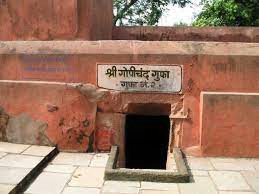
Gumti Kund,Ujjain

-Mitali Mishra 

What is Gomti Kund? 

Once, in the ashram of Maharishi Sandeepani, there was a beautiful pond known as Gumti Kund. Lord Shri Krishna himself established it. One day, Lord Shri Krishna observed that Maharishi Sandeepani went to perform various morning rituals, including bathing in the Gomti River using his yogic powers. Lord Shri Krishna felt distressed seeing his guru having to travel such a distance every day for bathing. He requested Maharishi Sandeepani to explain the reason for his distant bathing ritual. Maharishi Sandeepani explained that since his childhood, he had grown up near the banks of the Gomti River by the grace of his gurus. He received his desired abilities through their blessings and hence, it became his custom to bathe in the waters of Gomti Maya every morning. 

Lord Shri Krishna offered to manifest the waters of Gomti Maya there itself through his grace and blessings, sparing Maharishi Sandeepani the need to travel. Initially sceptical, Maharishi Sandeepani agreed to Lord Shri Krishna’s proposal. After bathing in the Gomti River, Maharishi Sandeepani left his water pot and wooden sandals at the riverbank and returned to his ashram. Lord Shri Krishna, awaiting his return, greeted him with reverence and then invoked the presence of Gomti Maya’s waters. He shot an arrow so swiftly that it pierced through the Earth to the netherworld, creating a massive chasm resembling a cow’s mouth, from which a stream of water flowed. This stream gradually formed a large reservoir, later known as Gumti Kund. 

Upon seeing the miraculous transformation, Maharishi Sandeepani realised the sanctity of Gomti Maya’s waters. Since then, he revered Lord Shri Krishna and Lord Shiva inwardly, acknowledging their blessings. The spot where Lord Shri Krishna used to wash his angavastram and where his footprints naturally appeared on a stone slab still exists in Gumti Kund. This legendary site is where Maharishi Sandeepani and Lord Shri Krishna used to meditate together. 

Architectural Beauty 

The architecture surrounding the Kund reflects the rich cultural heritage of Ujjain, with intricate carvings and sculptures adorning its periphery. Devotees often offer prayers and light lamps around its serene banks, creating an aura of spirituality and reverence. The structures surrounding the Kund often include pavilions, known as mandapas, where devotees can sit and meditate, seek blessings from priests, or participate in religious ceremonies. These mandapas are adorned with elaborate pillars, domes, and arches, showcasing the architectural prowess of ancient artisans. 

The Serenity 

It’s a serene spot where people gather to establish a connection with something greater than themselves; it’s not just any pond. 

With the passage of time, Gumti Kund has stood vigilant over the city for ages. It is more than just a body of water; it is a haven of calm and understanding as well as a symbol of faith.

The ability of Gumti Kund to unite people is what makes it unique. When you visit Gumti Kund, you feel that you’re a part of something bigger, regardless of who you are or where you’re from. It serves as a reminder that everyone in this vast planet is connected. It seems as though time slows down at Gumti Kund. You can pause to reflect on life, ponder the secrets of the cosmos, and experience a greater sense of divine connection. But Gumti Kund is more than just a location—it’s a place brimming with legends and recollections. Every ripple in the water represents a person who has found serenity or a sense of community. 

It serves as a reminder that there is always somewhere to turn for comfort and hope, regardless of the difficulties we encounter. 

The Visit Guide 

Located in Ujjain, Madhya Pradesh, it’s accessible by road, rail, or air. Indore Airport is the nearest, about 55 km away, with taxis and buses readily available. From Ujjain Railway Station, it’s a short drive. Numerous accommodations are available in Ujjain for a convenient stay. Timing and transport options ensure a hassle-free visit to the sacred Gomti Kund. 

The best time to visit the Gumti Kund in Ujjain is during the Kumbh Mela, which occurs every 12 years, attracting millions of pilgrims. Other auspicious times include major Hindu festivals like Mahashivaratri and Navratri. Cooler months, from October to March, offer more comfortable weather for sightseeing. These times provide an opportunity to experience the spiritual ambiance and vibrant atmosphere surrounding the Kund. Ultimately, the choice depends on personal preferences, but attending during festivals or the Kumbh Mela ensures an unforgettable experience of devotion and cultural richness.
Amer Kunda Craft Village- A New Place to Explore in Jaipur

0
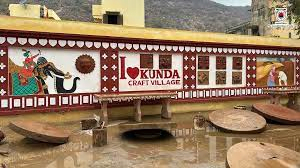
Amer Kunda Craft Village

Monalika Medatwal

Amer Kunda craft village, located near Jaipur in the state of Rajasthan, has a rich history deeply rooted in traditional craftsmanship. The village is renowned for its skilled artisans who have been practicing their crafts for generations.

The history of Amer Kunda dates back centuries, to the time when the Amer Fort, one of Jaipur’s most iconic landmarks, was constructed by Raja Man Singh I in the late 16th century. The artisans who worked on the fort settled in the surrounding areas, including Amer Kunda, and began practicing their crafts, passing down their knowledge and skills from one generation to the next.

Over time, the village became known for its exquisite handicrafts, including block printing, pottery, jewelry making, and textile weaving. These crafts flourished under the patronage of the royal families of Rajasthan, who valued and supported the artisans’ work.

During the British colonial period, the Amer Kunda artisans faced challenges as industrialization and modernization began to impact traditional craftsmanship. However, the artisans persevered, adapting their techniques to meet changing market demands while still preserving the authenticity of their crafts.

 Present Day -In recent decades, with renewed interest in traditional Indian handicrafts both domestically and internationally, Amer Kunda has experienced a revival. Artisans continue to produce high-quality handmade products that showcase the rich cultural heritage of Rajasthan.

Today, Amer Kunda craft village attracts visitors from around the world who come to admire the artisans at work and purchase unique handmade items. The village serves as a testament to the enduring legacy of craftsmanship in Rajasthan and the importance of preserving traditional arts and culture.

Popular things at Amer Kunda craft village for visitors- Among its most famous offerings are exquisite block-printed textiles, intricately crafted pottery, dazzling jewelry, and finely woven textiles. These artisanal creations showcase the rich cultural heritage of Rajasthan, characterized by bold colors, intricate designs, and skilled craftsmanship passed down through generations. Visitors to Amer Kunda can explore bustling markets filled with these unique handmade treasures, offering a glimpse into the timeless traditions of the region. With its remarkable craftsmanship and cultural significance, Amer Kunda craft village stands as a testament to Rajasthan’s enduring artistic legacy.

Rajasthan’s Architectural Gem: Doodh Talai Musical Garden

0

The perfect holiday destination varies for everyone; some seek tranquillity, others crave nature or music. Imagine a place where calmness fills the air, water brings serenity, nature surrounds you, and music sets the rhythm – Dudh Talai Musical Garden offers this unique experience.

Dudh Talai Musical Garden, crafted by the Urban Development Trust of Udaipur, is a captivating rock and musical fountain garden providing breathtaking city views. Witness the mesmerizing sunset and the beauty of Lake Pichola, enhancing your cherished experience. Situated near Maharana Fateh Singh’s residence, Shiva Niwas Palace, it offers a blend of scenic charm and cultural richness.

Architecture

Dudh Talai Musical Garden stands as a striking example of modern architecture in Rajasthan, nestled amidst small hillocks. This stunning attraction is part of Dudh Talai Lake, sharing a common link road with Manikya Lal Verma Garden, Pandit Deendayal Upadhyay Park, and Karni Mata Temple. Adjacent to Manikya Lal Verma Garden, the musical fountain within Pandit Deendayal Upadhyay Park, crafted by ‘Yagnik Mechanical Engineering Works,’ adds to the allure of this cultural and architectural marvel.

History

Dudh Talai Musical Garden, also known as Pandit Deendayal Upadhyay Park, holds the distinction of being the first garden in Rajasthan featuring a musical fountain. This fountain serves as a captivating source of entertainment, providing a visually delightful experience when accompanied by lights and music.

Entry fees and timings

Dudh Talai Musical Garden welcomes visitors every day from 9 AM to 10 PM. During the summer, the musical fountain operates at 7:00 PM, and in winter, it starts at 6:30 PM.

For entry, the fee for Indian adults is Rs. 20, and for children, it’s Rs. 10. Foreign citizens are charged Rs. 30 per person for admission.

Things to do at the Musical Garden

  • Dudh Talai Lake provides a diverse range of activities, including camel riding, savouring authentic Rajasthani cuisine, boating, and horse riding options.
  • Explore Manikya Lal Verma Garden, established in 1995, which conveniently connects to Dudh Talai Musical Garden and Karni Mata Temple through a link road.
  • Indulge in the joy of a ropeway ride, seamlessly connecting Pandit Deendayal Upadhyay Park to the Karni Mata Temple.

Knowing the Mystries of Bharthari Caves in Ujjain

0
Bhathari Cave

Khushi Sharma: Ujjain a city steeped deep into history and spirituality has been a destination for pilgrims and seekers of knowledge from a while ago. Nestled within this ancient city lies a hidden gem tucked away on the outskirts the Bharthari Caves, a site shrouded in mystery and allure. As a curious student, eager to explore the lesser-known facets of India’s cultural history I embarked on a journey to explore these caves. Intent is to unravel its hidden stories and discover the essence of ancient allure. 

Here I am going to unveil the mystery and take all of you on very interesting cave expedition full of astonishing facts and stories of the place.

 Arrival in Ujjain

Journey begins with the bustling streets of Ujjain, where the fragrance of incense sticks and sounds of temple bells filled the air. Known for rich cultural heritage and a significant pilgrimage site, Ujjain served as the perfect backdrop for the adventure. Now comes the time to set out towards heart of the city Bharthari Caves, located approximately 5 to 6 km from the city center.

Historical Background of Bharthari Caves

Before venturing into the heart of the city, it was essential to understand the historical significance of the Bharthari Caves. Named after the sage Bharthari, the caves are believed to have been his abode during period of self-imposed exile for 12 years. He retreated to these caves to pursue a life of asceticism and meditation. Bharthari was the younger brother of the renowned King Vikramaditya. He was a revered poet and philosopher. The evidence of human habitation has been found dating back to the 6th century BCE (Gupta period).

Bharthari, a revered figure in Indian literature, philosophy, and spirituality, left an indelible mark on these Caves. His renowned work, “Vairagya Shatak,” reflects the essence of renunciation and detachment, themes that perfectly resonate within the silent corridors of the caves.

Exploring the Caves

Upon reaching Bharthari it left me awe-struck. Situated amidst rocky terrain, the caves exuded an ancient charm that hinted at stories they held within. 

On approaching towards the entrance to Bharthari Caves, the air seemed to change, laden with a sense of mystery. Caves have been revered as sacred site by devotees and pilgrims. Pilgrims often visit the caves to pay homage to Bharthari and seek blessings for health, prosperity, and spiritual fulfillment. The place was full of devotees reached there with curiosity in their heart and sparkle of astonishment in their eyes after having the glimpse of caves. 

One of the striking features was the simplicity of the caves, in stark contrast to the ornate temples dotting landscape of Ujjain. The quietude within these rock walls served as reminder of the ascetic life that Bharthari is said to have led. These caves are divided into multiple chambers, each holding its own secrets and stories within them.

After navigating through the interconnected chambers, I couldn’t help but to appreciate marvel of timeless beauty encapsulated in these ancient rock-cut structures.

Mysteries Unveiled

After interacting with the locals knowing their stories and beliefs about the caves many mysterious things have come to my knowledge adding a good touch to exploration. Many shared anecdotes passed down through generations, highlighting the significance of various stories about Sage Bharthari and that place. 

Story of reason behind asceticism of Bharthari

There are many interesting stories about the asceticism of Bharthari. People say he had two wives but became enamoured with beautiful Pingala and married her. 

One day  Guru Gorakhnath reached court of Raja Bharthari was honoured in grand manner as per scriptural authorities. Pleased with his service, Guru offered him a fruit that when eaten will always keep young, youthful and virile.

Raja Bharthari at receiving divine fruit decided to give that to his lovely Pingala he wished her to always remain beautiful. Pingala had her heart on Kotwal (Chief guard) of kingdom which Bharthari was unaware of. She decided to give fruit to Kotwal thinking that he will continue to fulfil her desires for long time.

But Kotwal was in love with a prostitute and gave the fruit to her thinking that his wants and needs will be fulfilled by her. The prostitute thought that if she eat this fruit, the hellish existence that she lived in would haunt her forever and thought that king is the most deserving contender for this miraculous fruit as he would take care of all his subjects for a long time.

Prostitute surrendered the fruit to him. Raja was bewildered and asked how she came into possession of fruit. Once the mystery was unravelled, Raja realizing betrayal of his wife developed vairagya (dispassion) at once and handed over his entire kingdom to Vikramaditya.

He went away to do penance in cave on the banks of holy Kshipra river and it was here that the great king turned ascetic sat for tapaha for 12 years. Seeing the shakti (energy) of his tapas it is said that Indra, king of the Devas became fearful suspecting Bharthari wanting to snatch his title and kingdom. Indra used his thunderbolt to strike cave where sage was meditating causing stone to fall. Sage using his tapobala held stone in his hand

At end of cave is the statue of Bharthari and near the statue if looked carefully, is another cave that is believed to be the way to the Char Daams from here.

 Journey provided not only glimpse into past but also opportunity for self-reflection. It underscored the importance of preserving our cultural heritage and the need for continued exploration and documentation of such lesser-known sites.

Final Thoughts

My exploration of Bhartari Caves in Ujjain was a journey of self-discovery and cultural immersion. The ancient caves, with their historical significance and spiritual ambiance, offered a unique perspective on India’s rich tapestry of traditions. The experience served as a testament to the importance of unearthing and preserving these hidden gems that contribute to the mosaic of our cultural heritage. As I left Bhartari Caves, I carried with me not only memories of a captivating adventure but also a deepened appreciation for the historical treasures that lie scattered across the landscapes of India

Expedition into Ujjain, proved to be a transformative experience. From spiritual ambience to  encounters with locals and the quest for hidden truths, every aspect of the journey contributed to a deeper understanding of this historical site. The Bhartari Caves stand as a testament to the confluence of history, spirituality, and the enduring human quest for meaning.

Abu Dhabi to get first Hindu temple on Valentine Day

0

The inaugural ceremony of the first grand Hindu temple in Abu Dhabi, a predominantly Muslim country, the United Arab Emirates (UAE), is set for February 14th. The Swami Narayan Temple, crafted by three thousand artisans across various locations in Sirohi district, including Pindwara, Amli, Moras, Kojra, Parlai, and Sarupganj, will be inaugurated by Guru Param Pujya Mahant Swami Maharaj and Prime Minister Narendra Modi.

During the consecration of the BAPS Hindu Temple, Mohammed bin Rashid Al Maktoum, the Prime Minister of the United Arab Emirates, has declared that the emirate’s district Al Minhad will be renamed as Hind City. This temple, showcasing Vedic architecture infused with Arabic symbols, provides a window into India’s diverse culture and rich history.

As per Yogi Kishore Swami from the BAPS organization, the temple’s carvings offer glimpses into tales from the Ramayana, Mahabharata, and various mythological stories. Constructed in accordance with the ancient Hindu ‘Shilpa Shastra’—a Sanskrit architectural text—the temple beautifully incorporates elements from Arab, Egyptian, Mesopotamian, Aztec, and Indian civilizations.

Additionally, this architectural masterpiece features a blend of Italian and Indian stone. Upon entering the temple, the focal point is the remarkable mound structure crafted from the sand sourced from the seven emirates.

Speciality: Waterfall as a symbol of Ganga, Yamuna and Saraswati.

The temple creatively represents the origins of the Ganga, Yamuna, and Saraswati rivers, symbolized through a captivating waterfall. Adorning the exterior are 96 bells, harmoniously resonating with the spiritual atmosphere. Under the majestic presence of seven peaks, deities, including Swaminarayan, Ram, Sita, Krishna, and Ayyappan, will be enshrined. The architectural marvel includes two domes, namely the ‘Dome of Harmony’ and ‘Dome of Peace,’ enhancing the sacred ambiance of the temple.

CM to lay foundation for Metro extension from Sitapura to Ambabadi

0
Jaipur Metro from Sitapura to Ambabadi

Monalika Medatwal

Deputy Chief Minister and Finance Minister Diya Kumari, while presenting the interim budget in the Assembly, has announced plans to expand Phase-2 of the proposed metro in Jaipur (from Sitapura to Ambabadi) to Vidyadhar Nagar. The first DPR of Phase-2 was prepared during the Ashok Gehlot government’s tenure. 

In 2012, a 23-kilometre track was proposed in the DPR prepared by the Delhi Metro Rail Corporation (DMRC). The cost was around Rs 10,400 crore but in revised DPR, the cost has come down to Rs 6500 crore

Officials of the urban development and housing (UDH) department stated that because of two reasons another DPR for this project was necessary. First, in the Interim Budget on Thursday, the government extended the proposed route of the Line 2 on its north western side – from Amabari to Vidyadhar Nagar.

 Second, owing to a few infrastructure-related projects – like the Signal-free Traffic Projects at the Laxmi Mandir Tiraha and at the B2B Bypass on Tonk Road – the alignments of the earlier proposed route need to change.

“The last time the DPR was prepared in 2021, the project cost was reduced to Rs 4,600 crore from Rs 10,000 crore. After almost three years, following the mandatory realignments of routes and because of the extension announced, the project cost would definitely increase,” said a UDH department 

First, in the 2021 DPR, it was decided that the entire stretch of Line 2 would be elevated and there won’t be any underground stations. Metro Line 2 would interchange with Line 1 at Chandpole Station, not at Sindhi Camp station. Second, a few stretches of the route had been realigned to bring down cost. Third, the size of metro stations of Line 2 had been reduced.

According to this plan, the Line 2 would run for a stretch of 23.51km from Indian Gate (Sitapura Industrial Area) to Ambabari. With the new announcement, this metro line would now cover 25 km.

First ever ‘Pizza ATM’ opens in Chandigarh

0
First Pizza ATM

Chandigarh’s Sukhna Lake has become the talk of the town, not just for its scenic beauty but for introducing North India’s first-ever ‘Pizza ATM.’ Installed by the Chandigarh Industrial and Tourism Development Corporation (CITCO), this innovative vending machine can whip up a delicious pizza in just three minutes, adding a dash of culinary excitement to the picturesque surroundings.

The brainchild behind this unique concept, Dr. Rohit Sharma, licensee of iMatrix World Wide, revealed that the inspiration for the Pizza ATM came from France. However, due to the initial cost, they decided to build the machine themselves at their Mohali-based factory. This pizza vending machine, the first of its kind in North India and currently the only operational one in the country, has already gained immense popularity since its installation last month.

Sharma shared, “The vending machine, on an average, is currently preparing around 100 pizzas a day. During the weekends, the number goes up to anything between 200-300.” He emphasized that the machine is not just a novelty but offers affordability, with prices approximately 35% lower than popular pizza chains like Domino’s and Pizza Hut.

Describing the automated process, Sharma explained, “Once a person enters the kind of pizza he would like to have, a robotic arm picks up the pizza base with the requisite topping, bakes it, and serves it in just three minutes.” The machine can prepare up to seven pizza bases with toppings simultaneously.

Interestingly, iMatrix World Wide had previously introduced a similar machine at a Mumbai railway station. Unfortunately, due to the impact of Covid, the response dwindled, leading to the closure of the kiosk. However, the Pizza ATM at Sukhna Lake is thriving, catering to the cravings of both locals and tourists alike.

CITCO officials noted that Sukhna Lake, being a hotspot for tourists, attracted a significant demand for various cuisines, making it an ideal location for the pizza vending machine. The concept, derived from Europe, offers an all-vegetarian menu with diverse pizza varieties.

The terms and conditions outlined by CITCO place the responsibility on the licensee to cover operational expenses, including staffing, training, uniforms, and other associated costs. Additionally, the licensee must ensure the upkeep of the pizza kiosk, including maintenance, repairs, cleanliness, and the installation of amenities like lighting, music systems, and a digital display for customer convenience.

As the aroma of freshly baked pizzas wafts across Sukhna Lake, the Pizza ATM stands as a testament to innovation meeting gastronomic delight, creating a unique and memorable experience for all pizza enthusiasts.

Lakshadweep islands set for major upgrade! 

0

Monalika Medatwal reports on this topic…

India has planned a Rs 3,600- crore-plus infrastructure upgrade for the Lakshadweep islands to transform them into a tourist hub. The development includes the establishment of port facilities at Androth, Kalpeni, and Kadamat islands, as vell as the construction of beachfront and peripheral roads at Kadamat Island (East), Agatti Island (East), and Kavaratti Island.

According to an ET report, the funds for these projects will be sourced from the Sagarmala scheme for port development.

 A total of 13 projects have been identified for the 36 Lakshadweep islands, which cover an area of 32 square kilometres and are located 220-440 km off the Kerala coast in the Arabian Sea Finance Minister Nirmala Sitharaman had previously announced in her Interim Budget 2024 speech a focus on developing port connectivity, tourism infrastructure, and amenities on the islands, including Lakshadweep, to promote domestic tourism and generate employment.

The Sagarmala plan was launched in July 2015 and is a central sector scheme of the Ministry of Ports, Shipping, and Waterways. It aims to promote port-led development in India by harnessing the country’s coastline, potentially navigable waterways, and strategic location on international maritime trade routes.

Under the Sagarmala scheme, financial assistance is provided to projects with high social impact, even if they have low internal rate of return. So far, a total of 171 projects worth Rs 4,525 crore have received support, with 55 projects already completed. There are more than 800 projects worth Rs 5.8 lakh crore that are planned for implementation under the Sagarmala scheme, of which 241 projects worth Rs1.22 lakh crore have been completed.

Dancing Colours: A Vibrant Tale of Holi

0

India’s Holi, the festival of vibrant colours, signifies the arrival of the joyous Spring season. It holds special significance as the favourite festival of Lord Krishna. For an enchanting experience of this celebration, there’s no better place than the land of Shri Krishna. Mathura stands out as a vibrant hub where Holi is celebrated with unparalleled zeal, offering a blend of fun and frolic.

It’s undeniably the perfect destination during this season! With colours and mischief filling the air, the sweet aroma of treats, and joyous faces exchanging greetings, everyone aspires to be part of this incredible extravaganza. This month-long fiesta kicks off in February and culminates with the grand Mathura Holi celebrations in March. Encompassing the entire Brij Bhoomi, from Gokul and Vrindavan to Barsana, Nandgaon, and Mathura, the month-long events at these places captivate all who attend. Notably, international TV teams, esteemed dignitaries, photographers, and tourists from every continent flock to Mathura annually to witness this spectacular celebration!

Barsana’s Lathmar Holi, followed by the spirited festivities in Nandgaon, is truly exhilarating! The unique ‘Falen Ki Holi’ unfolds in the Falen village, 40 km from Mathura, where a barefoot, bare-bodied priest walks through a mound of fire, believed to be blessed by a saint for fire immunity, akin to ‘Prahlad.’ This astonishing event promises to surpass all the chills and thrills you’ve experienced! Lastly, ‘Dauji Huranga,’ played in the village of Lord Krishna’s elder brother Baldeo, also known as ‘Dauji,’ guarantees to immerse your senses in a vibrant splash of colours!

Braj Holi Schedule

17th March, 2024 – Barsana Laddu Holi

Sriji Temple Barsana

‘Ladoo Holi’ at Shri Ji temple in Mathura’s Barsana is a joyous affair. A local emissary, known as a ‘Panda,’ invites people from Nandgaon to join Holi. Upon the Panda’s return, a warm welcome ensues with laddoos and gulal. At Ladli Mandir, thousands gather to witness the start of Laddoo Holi, where the priest of Radha Rani Temple becomes the focus, bombarded with laddoos. Devotees enthusiastically participate, believing they are playing Holi with Lord Krishna himself.

18th March, 2024 – Barsana Lathmar Holi

The celebration entails women playfully showering sticks on men, who engage in a lighthearted defence. This festival serves as a powerful symbol of unity, brotherhood, and love. Despite its playful nature, the event conceals underlying themes of mutual love, trust, and respect.

19th March, 2024 – Nandgaon Holi (Lathmar)

Lathmar Holi in Nand Bhawan

20th March, 2024 – Vrindavan Holi

The Banke Bihari temple in Vrindavan is the focal point for Phoolon Ki Holi, bustling with activity on the celebration day. Gates open at 4:00 pm, prompting eager attendees to queue early for the anticipated flower shower. Upon entry, the main event unfolds with temple priests on the first floor showering flowers on devotees for 15 to 20 minutes.

21st March, 2024 – Mathura Holi

The sanctuary doors swing open at 10 am, with a lively crowd already gathered outside, engaging in Holi festivities and colouring anyone daring to cross the street. While much of it is enjoyable, the atmosphere can quickly turn chaotic. Typically, local men and children actively participate, and women are notably absent. However, several tourist women enthusiastically join in the celebration.

22nd March, 2024 – Gokul Holi

In Gokul, Holi is marked by the use of organic colours, often derived from flowers like tesu (Flame of the Forest). According to legend, Lord Krishna engaged in Holi celebrations with dried tesu flowers, and it is a longstanding belief that the Hindu deity continues to play Holi with his devotees in Gokul.

24th March, 2024 – Holika Dahan

Maha Holika Dahan is performed in Phalen village. People playing Holi reach here barefoot and play Holi. After this, a glimpse of Dwarkadhish temple of Mathura appears.

25th March, 2024 – Braj Holi

Dhulandi Festival is observed nationwide, occurring a day following Holika Dahan, and it symbolises the onset of spring.

In Brij, Holi is celebrated with Flowers (Abir Gulal) and Colourful Water festivities.

Know Prime Features of Animal Hospital to be launched by Ratan Tata

0
Ratan Tata

After stepping down as chairman of Tata Sons, Ratan Tata shifted his focus to a passion project close to his heart – the establishment of an animal hospital in Mumbai. This dream is now set to become a reality with the imminent inauguration of the Tata Trusts Small Animal Hospital in Mahalaxmi.

Named the Tata Trusts Small Animal Hospital, this initiative, spearheaded by Ratan Tata, has been constructed in Mumbai at a cost of Rs 165 crores. Spanning 2.2 acres, it will serve as one of the few hospitals catering to the medical needs of dogs, cats, rabbits, and other small animals, operating round the clock.

As per reports from TOI, the hospital is scheduled for inauguration in the first week of March.

Ratan Tata, known for his fondness for animals, shared insights into his vision for this project and why he felt a facility for small animals was essential in Mumbai.

“A pet is no different from a member of one’s family today. As the guardian of several pets throughout my life, I recognize the need for this hospital,” articulated the 86-year-old philanthropist.

Tata’s vision for a world-class animal hospital was shaped by personal experiences, including the time he had to transport a pet to the University of Minnesota for a joint replacement. Reflecting on this, he stated, “But I was too late, and so they froze the dog’s joint in a particular position. That experience enabled me to see what a world-class veterinary hospital was equipped to do.”

The new animal hospital has forged partnerships with five veterinary schools in the UK, including the Royal Veterinary College London, for training purposes. It will provide a range of services encompassing surgical, diagnostic, and pharmacy facilities, along with comprehensive multidisciplinary care.

Reports suggest that similar hospitals will be established under this initiative, forming the largest chain of animal hospitals in India, spanning major cities and states.