
Home Blog Page 589

Celebrating 34 Years of Empowering Entrepreneurs: SIDBI Marks Another Milestone

0

Mumbai, Maharashtra, India

Small Industries Development Bank of India (SIDBI) proudly commemorates 34 years of fostering entrepreneurship, innovation, and economic growth in India. Since its inception in 1990, SIDBI has been instrumental in transforming the landscape of MSME financing and development in the country.

Established under the SIDBI Act of 1989, SIDBI has continuously evolved to meet the dynamic needs of the MSME sector, playing a pivotal role in driving economic growth, generating employment opportunities, and fostering inclusive development across India.

Over the past three decades, SIDBI has successfully implemented various initiatives and schemes aimed at providing financial assistance, capacity building, and technological support to MSMEs. These initiatives have not only facilitated access to credit but have also enhanced the competitiveness and sustainability of MSMEs, thereby contributing significantly to the country’s socio-economic progress. In celebrating 34 years of unwavering commitment, SIDBI acknowledges the invaluable support and collaboration of its stakeholders, including the Government of India, state governments, partner financial institutions, industry associations, and, most importantly, the MSME community.

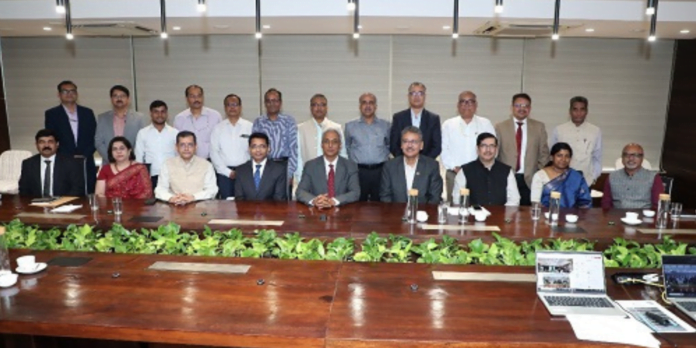
To mark the occasion, a celebration was held on 2nd April 2024, marking the virtual assembly of SIDBI officials from pan India. During the event, Shri S. Ramann, CMD, SIDBI, expressed his gratitude, emphasizing the institution’s dedication to fostering the growth of MSMEs as a crucial driver of India’s economic prosperity. Mr. Ramann stated, “As we commemorate this significant milestone, we renew our pledge to empower MSMEs and champion entrepreneurship for India’s economic advancement.” He highlighted the importance of formalizing informal entities and announced increased resources allocated to initiatives such as PRAAYAS and the innovative digital platform, GST SAHAY.

Furthermore, Shri. Ramann underscored SIDBI’s successful engagement with FinTech companies and reiterated the institution’s unwavering support for smaller entities grappling with high interest rates. In addition to CMD’s remarks, Shri Sudatta Mandal, DMD, celebrated SIDBI’s achievement of surpassing a balance sheet milestone of Rs. 5.2 lakh crore. He emphasized the institution’s commitment to streamlining credit delivery processes for exponential growth.

Shri. Prakash Kumar, DMD, elaborated on SIDBI’s evolving role under the Development Financial Institution (DFI) banner, praising visionary leadership for guiding its transformation. The event featured insightful presentations from department heads of various verticals, including Digital Initiatives, NBFC, Partner Lending, Green Climate Finance, and Programmes for Development and Impact.

Looking ahead, SIDBI remains resolute in its mission to catalyze MSME growth, nurture entrepreneurship, and contribute to building a robust and resilient Indian economy.

About Small Industries Development Bank of India (SIDBI)

SIDBI is the Principal Financial Institution for Promotion, Financing and Development of the MSME sector. SIDBI has been playing a significant role in developing the financial services for MSME sector through various interventions including Refinance to Banks, Credit Guarantee programs, Development of the MFI sector, Contribution to Venture capital/AIF funds, MSME ratings, promoting digital lending ecosystem, etc. The Bank has proactively been working towards Energy Efficiency (EE) in MSMEs since 2005-06 using support of multilateral institutions like World Bank, ADB, GiZ, FCDO, JICA, AFD, KfW etc. for energy efficient projects. Furthermore, SIDBI has been touching the lives of citizens across various strata of society through its integrated, innovative, and inclusive approach. Be it traditional, domestic small entrepreneurs, bottom-of-the-pyramid entrepreneurs, to high-end knowledge-based entrepreneurs, SIDBI has directly or indirectly impacted the lives of Micro and Small Enterprises (MSEs) through various credit and developmental measures.

The Inspiring Journey of Nykaa Founder, Falguni Nayar

0
Falguni Nayar

Falguni Nayar’s story is one of determination, resilience, and the power of seizing opportunities. From her successful career as an investment banker to her entrepreneurial venture with Nykaa, she has defied norms and created a revolution in India’s cosmetics industry.

Early Life and Career

Born into a Gujarati family in Mumbai, Falguni Nayar was exposed to the world of business from a young age, witnessing her father’s endeavors firsthand. After completing her education, including a Master’s from the prestigious Indian Institute of Management Ahmedabad, she embarked on a career in finance.

Her path led her to a prominent position as an investment banker at Kotak Mahindra Capital. Despite achieving success in her corporate career and being a mother to two children, Falguni Nayar harbored entrepreneurial aspirations.

The Birth of Nykaa

In 2012, at the age of 50, Falguni Nayar took a leap of faith and founded Nykaa, envisioning it as a comprehensive platform for beauty and wellness products. The journey wasn’t without its challenges. From facing initial setbacks to navigating the complexities of starting a new venture, she persevered with unwavering determination.

Nykaa, derived from the Sanskrit word ‘Nayaka,’ meaning being in the spotlight, aimed to revolutionize India’s beauty retail landscape. Despite humble beginnings and a small team, Falguni Nayar’s vision and strategic approach propelled Nykaa towards success.

Growth and Success

Nykaa’s growth trajectory has been nothing short of remarkable. From humble beginnings to becoming India’s largest online cosmetics seller, the company’s journey reflects Falguni Nayar’s astute business acumen.

Despite facing challenges, including technical glitches and initial struggles, Nykaa’s popularity soared, thanks to its diverse product range and commitment to quality. In 2020, Nykaa achieved the milestone of becoming India’s first woman-led unicorn, marking a significant achievement in the country’s startup ecosystem.

Reasons behind Nykaa’s Success

Falguni Nayar’s strategic decisions and deep understanding of the market have been instrumental in Nykaa’s success. Timing played a crucial role, with Nykaa addressing the gap in India’s beauty retail sector at the right moment.

The company’s focus on quality, diverse product range, and effective marketing strategies contributed to its rapid ascent. Her extensive corporate experience and market insights guided Nykaa’s growth trajectory, ensuring its position as a market leader.

Impact of Nykaa

Beyond financial success, Nykaa’s impact extends to social and market change. The company has generated employment opportunities and created a loyal customer base, catering to diverse beauty needs.

With initiatives like skin care tips, beauty services, and fashion festivals, Nykaa has become synonymous with quality and customer satisfaction. Its inclusive approach, offering products for all skin types and genders, reflects Falguni Nayar’s vision of making beauty accessible to all.

Nykaa’s Future Plans and Vision

Looking ahead, Nykaa aims to expand its global footprint and enhance its product offerings. With plans to open more offline stores and tap into international markets, the company continues to chart new territories under Falguni Nayar’s leadership.

Summing Up

Falguni Nayar’s journey from investment banking to entrepreneurship exemplifies the spirit of resilience and innovation. Her success with Nykaa serves as an inspiration to aspiring entrepreneurs, especially women, reaffirming that age and gender are no barriers to achieving one’s dreams.

As Nykaa continues its upward trajectory, fueled by Falguni Nayar’s vision and leadership, it remains a shining beacon of India’s startup landscape, proving that with determination and vision, anything is possible.

Story of Dadu Salgar, the Man Who Redefined the Tea Experience

0
Dadu Salgar

Maharashtra is gradually becoming the new land of entrepreneurs. And what really proves that? It is the several success stories that its youngsters are weaving. Dadu Salgar is one of them. From a struggling son of a farmer in a drought-prone area to the owner of a thriving business empire, Dadu Salgar, a name known to no one some years ago, has become an entrepreneurial brand known to everyone today! His brand Salgar Amruttulya is a name synonymous with excellence, perseverance, dedication, and vision. Here’s how we attempted to unearth the story and multi-faceted entrepreneurial spirit of this tea tycoon from Maharashtra.

Some people simply don’t need jobs to survive. They are entrepreneurs at heart who think differently about their destiny and embark on a path less walked. Often, they begin alone, start small and gradually grow to become employment generators, instead of seekers. Dadu Salgar is one such name that emerged on the entrepreneurial horizon of Maharashtra a few years ago. He is the founder of Salgar Amruttulya, a brand that doesn’t merely sell tea but redefines the tea experience with its exquisite taste.

Dadu’s journey commenced a few years ago. From being a nobody to becoming a top-notch businessperson with an extensive entrepreneurial expanse, Dadu is an example for everyone who dreams big and also those who wait for jobs to fall on their laps.

The tea business he is known for today isn’t his first venture. Dadu started with grape farming that yielded nothing but learning. With that experience, he reached Kolhapur to paint the picture of his destiny on a slightly broader canvas.

He started by working as a security guard and selling sweetcorn and sugarcane juice. The business worked and earned him some money. Next, he invested in the share market. However, that attempt to make wealth became futile. And if that wasn’t enough, the loss of the space to sell sugarcane juice proved another blow!

Additionally, he worked as an ATM guard in Pune, tried his hand at goat rearing, sold boiled sweet corn, nursery plants, wooden toys, etc., until finally, the breakthrough idea of selling tea (as an off-season business) occurred to him.

Dadu invested the time to learn and develop new skills. Accordingly, he developed a new flavor that he asked his friends, relatives, vendors, roadside people, etc., to try and feed him back with their suggestions. It took him around five months to develop the delightful taste that his brand delivers today.

And then, there was no looking back! Dadu embarked on an entrepreneurial journey for which he is known today. He started with three tea centers under the brand Salgar Amruttulya Tea. The tea struck the chords with everyone. The success of these three centers spread the word about the brand. While people started thronging the counters to relish the tantalizing tea, Salgar also received numerous franchise applications. Thus, a new horizon of opportunities was waving at Salgar!

When we asked Dadu about his success, the stalwart in every sense humbly replied, “When a commoner like me, who had nothing but his vision and dreams, could achieve success, everyone can! Even after being acclaimed as a successful brand and exemplary entrepreneur, I still feel I have a long way to go in making Salgar an international brand with franchises and outlets worldwide. I am working towards it. I know I have God with me, looking at everything I do. He is strict enough to make me fail and learn and generous enough to give me the strength to turn those failures into success!

Further, he added, “I’ve had my journey from a modest bicycle to the lavish Ford Endeavor. But that’s what people see. My business isn’t just about me but also my family that continues to support me behind the scenes. Achieving success as a first-gen entrepreneur requires a robust support from the family who makes sacrifices at every stage while you are out to conquer the world.” “I also thank my employees, who are an extended family for me. While I drive the strategy, they steer the customer satisfaction part of our brand. Furthermore, I am proud about the fact that 96 percent of Salgar Amruttulya’s employees are women. So, ours is a brand that truly empowers women.”

Catch the man in action on his LinkedIn Profile, where he shares tips and helps budding entrepreneurs with his extensive knowledge of Business. He, unlike other self made entrepreneurs, is very vocal about his struggles and hardships, he regularly posts on his LinkedIn Profile – Dadu Salgar

About Salgar Amruttulya Tea

Salgar Amruttulya Tea is a prominent tea brand with 400+ outlets in five states. The tea is known for its premium tea powder and the use of chemical-free spices, sugar and unadulterated milk. The brand ensures hygiene, quality, and prompt customer service, due to which it has set benchmarks in this rapidly emerging segment. Visit Salgar Tea to learn more about the brand.

World Autism Awareness Day 2024

0
World Autism Awareness Day 2024

Every year on April 2nd, the world comes together to observe World Autism Awareness Day, a significant occasion dedicated to spreading awareness and understanding about autism spectrum disorder (ASD). This day holds immense importance as it sheds light on the challenges faced by individuals with autism and emphasizes the need for acceptance and support within society.

History and Purpose

The history of World Autism Awareness Day traces back to November 1, 2007, when the United Nations General Assembly passed a resolution to designate April 2nd as a day to raise public awareness about autism. This initiative aimed to promote a better understanding of autism, dispel myths surrounding the disorder, and encourage societal acceptance and support for individuals living with ASD.

The Rising Prevalence of Autism

Over the years, the prevalence of autism has been on the rise globally. According to the Centers for Disease Control and Prevention (CDC), more children are being diagnosed with autism than ever before. While increased awareness plays a role in this trend, other factors such as environmental influences, genetic predisposition, and improved diagnostic criteria also contribute to the rising numbers.

In India, studies published in the Indian Journal of Paediatrics indicate a prevalence rate of approximately 1 in 68 children, with boys being more commonly affected than girls. This underscores the need for greater awareness and support systems to address the growing challenges faced by individuals with autism in the country.

Understanding Autism Spectrum Disorder

Autism spectrum disorder encompasses a wide range of developmental disabilities that affect the way individuals communicate, interact, and perceive the world around them. While each person with autism is unique, common characteristics include difficulties with social interaction, communication challenges, and repetitive behaviors.

Empowering Autistic Voices

The theme for World Autism Awareness Day 2024 is ‘Empowering Autistic Voices,’ highlighting the importance of providing support and opportunities for individuals with autism to lead meaningful and fulfilling lives. By amplifying their voices and acknowledging their talents and contributions, society can create a more inclusive environment that embraces neurodiversity.

Dispelling Myths and Reducing Stigma

One of the key objectives of World Autism Awareness Day is to dispel myths and misconceptions surrounding autism. Education and awareness efforts help debunk stereotypes and reduce stigma, paving the way for greater acceptance and understanding within communities.

Moving Forward

As we commemorate World Autism Awareness Day in 2024, it is crucial to recognize the significance of this observance in fostering a more inclusive society. By promoting acceptance, providing support, and empowering individuals with autism, we can work towards building a world where everyone, regardless of their neurodiversity, is valued and respected.

What Cuisines are made on Cheti Chand?

0
Foods eaten on Cheti Chand

This year, Cheti Chand was celebrated on April 9th, marking the beginning of the Sindhi New Year. The date of the festival is determined by the lunar cycle of the lunisolar Hindu calendar, falling on the first day of the year in the Sindhi month of Chet.

History and Significance

Cheti Chand is celebrated as the birthday of Ishtadeva Uderolal, also known as Jhulelal. According to legends, Sindhis believe that Uderolal was born in 1007 after they prayed to the Hindu God Varun Devta. They prayed to the Lord on the banks of the River Indus to save them from persecution by the Muslim king Mirkshah. It is believed that the River God told the people that a divine child would be born in Nasarpur, who came to be known as Saint Jhulelal, and he would save them from the tyrant.

During Cheti Chand, Sindhis celebrate by praying to the God of water for protection against forced conversions. The festival involves fasting, making offerings, and praying to the God of water. People worship near water bodies, like rivers, lakes, and ponds, lighting Jyot Jagan (a diya made of wheat flour with five wicks) and offering Behrana Sahib, which includes an oil diya, cardamom, sugar, fruits, and Akho. The Behrana Sahib is then immersed in the water, and Pallav is sung to seek blessings from the Lord.

Food made on Cheti Chand

Dal Pakwan

A beloved favorite often featured as an appetizer in numerous pubs across India and globally, Dal Pakwan is a traditional Sindhi breakfast dish. It consists of deep-fried, crispy flatbread accompanied by three varieties of lentils – chana dal, moong dal, and green moong dal. Served atop the flatbread, it is garnished with green chutney and sweet tamarind chutney for a flavorful touch.

Seyal Mutton

This renowned Sindhi dish is enjoyed throughout the year and during festive occasions. Seyal meals feature a gravy infused with caramelized onions. Non-vegetarians often include mutton, while vegetarians savor Seyal bhindi. Some enthusiasts experiment by incorporating makhana (foxnuts) and aloo (potatoes) into the gravy for added variety and flavor.

Sai Bhaji and Bhuga Chawal

A nutritious one-pot meal crafted with simplicity, Sai Bhaji features lentils, spinach, and various green leafy vegetables. Typically accompanied by Bhuga Chawal, a Sindhi pulao enriched with caramelized onions, ghee, and spices, this dish offers a wholesome and flavorful dining experience.

Sevyun Patata

Yet another timeless mithi-namkeen delicacy is Sevyun Patata, crafted from vermicelli roasted in ghee. Sweetness is infused with sugar, water, and cardamom, making it a delightful breakfast choice. It’s traditionally accompanied by fried potatoes seasoned simply with chili powder, coriander, turmeric, and salt.

Gaur Dance of Madhya Pradesh’s Cultural Heritage

0
Gaur Dance

Gaur Dance, also known as Bison Dance, stands as one of the most captivating cultural expressions of Madhya Pradesh, deeply rooted in the traditions of the region. Primarily performed by the Bison Horn Marias of South Bastar, this mesmerizing dance form embodies the hunting spirit of the tribe, depicting scenes of valor and harmony.

Named after the ferocious bison, ‘Gaur,’ the dance unfolds with the sounding of bamboo trumpets or horns, inviting participants and spectators alike into a realm of rhythmic motion and symbolic storytelling.

Male performers, adorned in head-dresses embellished with stringed ‘cowries’ and peacock feathers, lead the dance with vigorous movements reminiscent of the mighty bison. They wield flutes and drums, setting the tempo for the electrifying performance. As the beats resonate, women dancers join the fray, bedecked in brass fillets and bead necklaces, adding grace and elegance to the spectacle. Carrying dancing sticks called Tirududi, they engage in synchronized movements, their jingling anklets echoing the rhythm of the drums.

This dance form holds significant cultural importance, often associated with traditional rituals such as the gangore puja, where prayers are offered for marital bliss and longevity. During these ceremonies, young girls and married women alike partake in the Gaur dance, seeking blessings and expressing reverence through rhythmic motions.

The customs surrounding Gaur dance reflect the diversity of Madhya Pradesh’s cultural landscape, with variations observed from village to village. Some communities incorporate elements of worship, installing idols of Lord Shiva or performing around sacred spaces during festivals like Baisakh Sudi Purnima. Here, the beats of the dhol resonate as men and women come together in spirited celebration, their movements guided by the pulsating rhythm.

At the heart of Gaur dance lies the spirit of unity and expression, where participants weave tales of bravery and camaraderie through intricate steps and vibrant melodies. Whether evoking the prowess of the bison or celebrating the bonds of community, this ancient tradition continues to captivate audiences and preserve the rich heritage of Madhya Pradesh for generations to come.

Exploring the Tradition of Chari Dance in Rajasthan

0
Chari Dance

In the colorful tapestry of Indian folk dances, the Chari Dance emerges as a radiant gem, particularly cherished in the heartland of Rajasthan. This age-old dance form celebrates the spirit and resilience of Rajasthani women, offering a mesmerizing glimpse into their daily lives and cultural heritage.

Rooted in Tradition

Originating from the Gujjar community of Kishangarh, the Chari Dance holds a special place in the cultural fabric of Rajasthan. It pays homage to the arduous task of fetching water, a vital resource in the arid landscape of the region. Women, adorned in vibrant Rajasthani attire, balance brass pots known as charis on their heads, symbolizing the journey to collect water. The rhythmic sway of their movements echoes the joy and camaraderie shared during this communal chore.

Symbolism and Significance

More than just a dance, the Chari Dance is imbued with symbolic significance. The illuminated pots carried atop the women’s heads not only illuminate the night but also symbolize hope, prosperity, and the eternal flame of tradition. As they twirl and sway in unison, the dancers convey a sense of unity and collective strength, echoing the harmony essential for community survival in Rajasthan’s challenging terrain.

Elements of Elegance

The elegance of the Chari Dance lies in its simplicity. Adorned with traditional Rajasthani attire and ornate jewelry, the dancers captivate spectators with their graceful movements. Intricate nose rings, coconut headgear known as khol, and an array of gold ornaments add a touch of opulence to the performance, elevating it to a visual spectacle.

Musical Melodies

Accompanied by the soul-stirring melodies of Rajasthani folk music, the Chari Dance transcends mere movement, transforming into a sensory experience. Instruments like the dhol, dholak, harmonium, and nagada infuse rhythm and energy into the performance, inviting audiences to immerse themselves in the rich cultural tapestry of Rajasthan.

Celebrating Life’s Milestones

The Chari Dance isn’t just reserved for stage performances; it’s an integral part of life’s milestones and celebrations in Rajasthan. Whether it’s a wedding ceremony, the birth of a male child, or a festive occasion, the Chari Dance enlivens the atmosphere, infusing it with joy, vitality, and the timeless traditions of the region.

Preserving Heritage

As Rajasthan continues to embrace modernity, the Chari Dance stands as a beacon of tradition, resilience, and cultural pride. Passed down through generations, this enchanting folk dance serves as a poignant reminder of the enduring spirit of Rajasthan’s people and their deep-rooted connection to the land.

In essence, the Chari Dance is more than just a performance; it’s a celebration of life, community, and the indomitable spirit of Rajasthan. With each graceful step and flicker of the charis’ flames, it weaves a story of tradition, perseverance, and the timeless beauty of Rajasthani culture.

IPL 2024 So Far… So Good

0

The 17th season of IPL kicked off on 22nd of March, 2024. The first match took place between The King Kohli and Chennai’s adopted son MS Dhoni… no, wait, as we all know that Virat Kohli is no longer the captain of RCB so we have to do a little change.

Before we go ahead, CSK delivered heartbreaking news to their fans, announcing that MS Dhoni will no longer serve as captain, with Ruturaj Gaikwad taking over the reins.

Hardik Pandya departed from the Gujarat Titans and returned to his home team, the Mumbai Indians, assuming the role of captain. Rohit’s tenure as captain came to an end.

Rishabh Pant was finally back on the field, after the injury.

A lot happened before the tournament even started. Now, let’s see what went down in the matches.

Till now 10 matches have been played.

The first match was between RCB and CSK and was won by the home team, Chennai Super Kings by 6 Wickets. Mushtafizur became Player of the Match by taking 4 wickets.

The 2nd match was between Delhi Capitals and Punjab Kings, which was won by Punjab Kings by 4 wickets. Sam Curran made 63 runs out of 47 balls and gained the Player of the Match award.

KKR vs SRH, the 3rd match and KKR managed to win it by 4 runs. The Russell power made 64 runs out of 25 balls and even took 2 wickets and earned Player of the Match award.

The 4th match was between Lucknow Super Giants and Rajasthan Royals, RR managed to win it by 20 runs. Sanju Samson won Player of the Match award by making 82 runs out of 52 balls.

Gujarat Titans vs Mumbai Indians, the 5th match was won by GT by 6 runs and Sai Sudarshan won Player of the Match by making 45 runs out of 39 balls.

The 6th match was between RCB and PBKS where RCB won by 4 wickets. Virat Kohli was awarded as the Player of the Match as he made 77 (49).

CSK vs GT, the 7th match was won by CSK by a huge margin of 63 runs. Shivam dube won Player of the Match award by scoring 51 runs out of just 23 balls.

Before we get into the 8th match let me remind you all about the highest run made in an IPL inning, 263 right?? Yes, By RCB in 2013 against PWI (Pune Warriors India).

So, the 8th match was between SRH and MI, where SRH in the first innings scored 277 runs surpassing the highest run scored by RCB in 2013. The total run scored in the match was 523 which is also the highest in entire IPL history. – Most sixes in an IPL game – 38, Highest second innings total in IPL – 246

Records were being broken like fragile glass.

SRH won the match by 31 runs and Abhishek Sharma won the Player of the Match award by scoring 63 runs out of just 23 balls. His innings were fabulous which included 3 fours and 7 sixes.

Travis Head scored 62 (24)Heinrich Klaasen scored 80 (34)Tilak Verma from Mumbai Indians played a great innings for his team and scored 64 runs out of 34 balls.

The 9th match was between Rajasthan Royals and Delhi Capitals where Rajasthan Royals won by 12 runs. Riyan Parag was awarded as Player of the Match for scoring 84 runs out of 45 balls.

Till the 9th match all the home teams were the one who won the matches, will the legacy continue in the 10th match too or not? Let’s dive into it and see.

The 10th match was between RCB and KKR at the Chinnaswamy Stadium, Bengaluru. The match was won by KKR by 7 wickets and Sunil Narine was awarded as the Player of the Match for taking 1 wicket and scoring 47 runs out of 22 balls.

Gudi Padwa 2024: Welcoming the New Year with Traditions and Festivities

0
Gudi Padwa 2024

Gudi Padwa, a vibrant festival celebrated primarily in Maharashtra, heralds the onset of the harvest season and marks the beginning of the New Year as per the lunisolar Hindu calendar. As the auspicious day of Gudi Padwa approaches on April 9, 2024, let’s delve into the rich tapestry of traditions, myths, and festivities associated with this joyous occasion.

Significance and Origins of Gudi Padwa

Derived from the words “Gudi” meaning Brahma’s flag and “Padwa” symbolizing the first day of the bright phase of the moon, Gudi Padwa is steeped in mythology and historical significance. According to Hindu scriptures, the festival commemorates Lord Brahma’s creation of the world after a catastrophic event, signaling the beginning of a new era of righteousness and truth. Another legend associates Gudi Padwa with Lord Rama’s return to Ayodhya after defeating Ravana, symbolizing the victory of good over evil. Additionally, the festival also honors Chhatrapati Shivaji Maharaj’s triumph over the Mughals, reflecting the spirit of resilience and freedom.

Celebrations and Rituals

Gudi Padwa festivities commence with thorough cleaning of homes and courtyards to welcome the New Year with purity and auspiciousness. Women adorn the entrance doors with vibrant Rangolis, while families indulge in customary oil baths and don new attire, symbolizing renewal and prosperity. The highlight of the day is the ceremonial hoisting of the Gudi, a symbol of victory and auspiciousness, adorned with yellow silk, flowers, and mango leaves. Breaking a coconut placed atop the Gudi marks the culmination of the ritual, signifying the triumph of good fortune and prosperity.

Culinary Delights and Traditions

No Gudi Padwa celebration is complete without indulging in traditional delicacies that tantalize the taste buds and epitomize the spirit of the festival. Families savor delectable treats like Shrikhand, Pooran Poli, and Kanangachi kheer, rejoicing in the bounties of the harvest season. Another unique tradition involves consuming Neem leaves, symbolizing the bitter-sweet essence of life and the cyclical nature of seasons.

Spirit of Unity and Festivity

Gudi Padwa transcends regional boundaries, fostering a sense of camaraderie and cultural unity across Maharashtra and beyond. Colorful processions, folk dances, and vibrant attire adorn the streets, reflecting the region’s rich cultural heritage and history. The festival serves as a poignant reminder of resilience, hope, and the enduring spirit of unity that defines the Maharashtrian ethos.

Symbolism and Significance

Beyond its festive fervor, Gudi Padwa holds profound symbolism and spiritual significance. The hoisting of the Gudi is believed to ward off evil spirits and usher in prosperity, while also signifying the triumph of righteousness over adversity. The festival also heralds the advent of spring, symbolizing renewal, growth, and abundance.

Summing Up

As Maharashtra gears up to celebrate Gudi Padwa, the air resonates with the joyous melodies of celebration, the aroma of delectable delicacies, and the vibrant hues of Rangolis adorning homes. Let us embrace the spirit of Gudi Padwa with reverence, gratitude, and a renewed sense of optimism, welcoming the New Year with open arms and hearts filled with hope and joy.

Celebrating Cheti Chand: The Significance of Sindhi New Year

1
Cheti Chand 2024

India, a land of diverse cultures and traditions, embraces a plethora of festivals that reflect its rich heritage. Among these celebrations is Cheti Chand, a significant festival observed by the Sindhi community, marking the advent of their New Year.

Cheti Chand

Cheti Chand holds a special place in the Sindhi calendar as it heralds the commencement of the Hindu New Year for Sindhis. Falling on the first day of the month of Chet in the Sindhi lunar calendar, Cheti Chand coincides with Gudi Padwa, the New Year festival celebrated by Marathis. This auspicious day is dedicated to the revered deity, Jhulelal, also known as Uderolal, the patron saint of Sindhis.

Significance of Jhulelal Jayanti

Jhulelal Jayanti, synonymous with Cheti Chand, commemorates the birth of Jhulelal, who is venerated as the savior of the Sindhi community. According to legend, Jhulelal emerged to protect the Sindhis from persecution and preserve their cultural heritage. Devotees offer prayers to Jhulelal seeking blessings for prosperity and success in their endeavors. The festival serves as a platform for Sindhis to showcase their rich culture through vibrant dance performances, melodious music, and traditional folk arts.

Traditions and Customs

Cheti Chand is steeped in age-old traditions and customs that reflect the deep-rooted cultural ethos of the Sindhi community. Devotees observe a forty-day period of prayer, known as Chaliho, leading up to Cheti Chand. On the auspicious day, families gather to perform rituals and partake in festive feasts. Behrana Sahib, comprising symbolic items like an oil lamp, crystal sugar, and fruits, is taken to nearby rivers or lakes as a form of gratitude to the God of Water. Sindhis also light a lamp with five wicks, known as Jyot Jagan, symbolizing enlightenment and prosperity.

Cheti Chand 2024: Date and Celebration

This year, Cheti Chand will be celebrated on April 9, 2024, according to the Hindu Panchang. The festival holds immense significance for Sindhis worldwide, as they come together to offer prayers, engage in charitable activities, and exchange greetings of “Cheti Chand Jyon Lakh Lakh Wadayun Athav” wishing each other abundance and prosperity.

Summing Up

Cheti Chand epitomizes the spirit of renewal, hope, and community bonding among the Sindhi diaspora. As families come together to rejoice in the festivities, the air is filled with laughter, joy, and the promise of a bright and prosperous New Year.