Home Blog Page 58

Holika Dahan: The Eternal Triumph of Faith Over Arrogance – The Story Behind the Sacred Fire

0

PC: (Rudraksh Ratna)

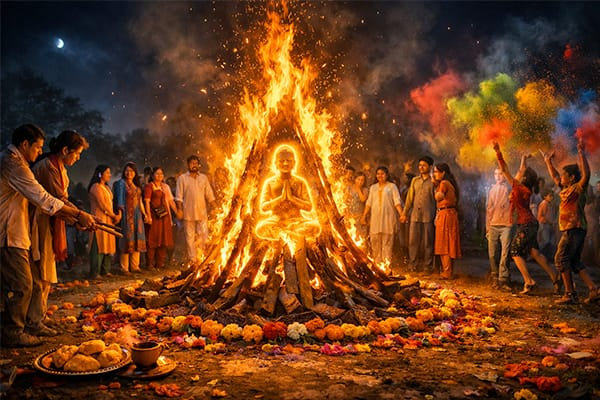
Every year, a day before Holi, neighborhoods come alive with the sight of children collecting dry twigs and branches. Families bring wood from their homes, and by evening, a large bonfire is ready. This is Holika Dahan-a ritual we’ve all witnessed since childhood, yet its profound story often remains half-remembered. Far more than a tradition, it is a powerful symbol of the destruction of ego and the victory of unwavering devotion. Rooted in ancient Puranic tales, the story of Hiranyakashyap, his sister Holika, and the young devotee Prahlad remains deeply relevant today, reminding us of the eternal battle between fear and faith.

The Tradition and Symbolic Meaning of Holika Dahan

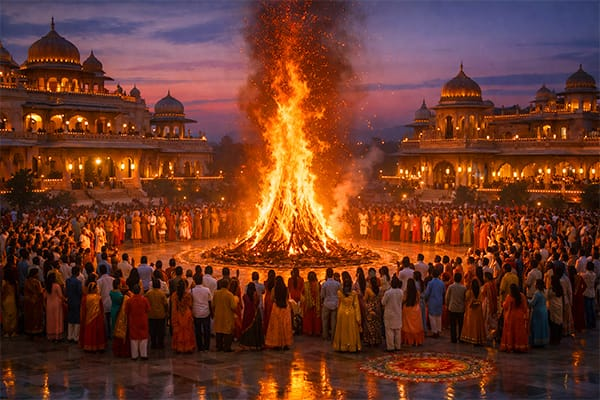
Holika Dahan, also known as Chhoti Holi or Small Holi, takes place on the full moon night of Phalgun (Falgun Purnima). It is not merely about lighting a fire -it is a symbolic act of burning away negativity, anger, jealousy, ego, and all inner impurities. People gather around the bonfire, perform parikrama (circumambulation), offer new crop ears (barley or wheat) to the flames, and believe it brings prosperity, health, and positivity to the home. Across villages and cities, this collective ritual strengthens community bonds and marks a fresh beginning-burning the old to welcome the new.

Hiranyakashyap’s Arrogance: When a King Declared Himself God

In ancient times, there lived a powerful demon king named Hiranyakashyap. Through severe penance, he obtained a boon from Lord Brahma that made him nearly invincible: he could not be killed by man or beast, neither during day nor night, neither inside nor outside a house, neither by weapon nor by any hand-held arms. Drunk on this power, he proclaimed himself God, forbade the worship of Lord Vishnu, and forced his subjects to worship only him.

Prahlad’s Unshakable Devotion: The Power of a Child’s Faith

Hiranyakashyap’s own son, Prahlad, was born a supreme devotee of Lord Vishnu (Narayana). Despite his father’s repeated warnings, threats, and attempts to brainwash him, Prahlad refused to abandon his devotion. He chanted “Narayana, Narayana” at every moment. Enraged by this defiance, the king subjected Prahlad to horrific tortures-throwing him from mountains, crushing him under elephants, poisoning him-but each time, by Lord Vishnu’s grace, Prahlad emerged unharmed.
Holika Dahan: The Eternal Triumph of Faith Over Arrogance - The Story Behind the Sacred Fire

The Episode of Holika Dahan: Misuse of a Boon and Divine Miracle

Finally, Hiranyakashyap sought help from his sister Holika, who had received a boon that fire could never burn her (in some versions, she possessed a divine shawl that protected her from flames). On the king’s orders, Holika sat on a blazing pyre with Prahlad in her lap, intending to burn him to death. But divine justice prevailed. Because Holika was misusing her boon to harm an innocent devotee, the fire turned against her. Holika was reduced to ashes, while Lord Vishnu miraculously transferred the protective power to Prahlad. A divine shawl flew over him, shielding him completely, and he walked out unscathed. This miraculous event is commemorated every year through Holika Dahan.

Lord Narasimha Avatar and the End of Tyranny

Furious and humiliated, Hiranyakashyap challenged Prahlad: “Where is your God now?” Prahlad calmly replied, “He is everywhere-even in this pillar.” In rage, the king struck the pillar. At that instant, Lord Vishnu emerged in the terrifying yet protective form of Narasimha-half-man, half-lion. To honor the boon yet defeat the demon, Narasimha killed Hiranyakashyap at twilight (neither day nor night), on the threshold of the palace (neither inside nor outside), placed on his lap (neither on ground nor in sky), and tore him apart with his claws (neither weapon nor tool). Thus, arrogance met its end, and devotion emerged victorious.

When It Will Be Celebrated in 2026

Holika Dahan will be observed on Tuesday, March 3, 2026, in the evening during the auspicious muhurat (approximately between 6:22 PM and 8:50 PM, depending on local panchang). The main Rangwali Holi / Dhulandi follows the next day on Wednesday, March 4, 2026.
Holi Food For Swad Full On! India’s Most Iconic Festival Recipes & Drinks That Make Your Holi Extra Special

0

PC: (Alami, ginger garlic kitchen, piquant peace’s, Cube & juliennes)

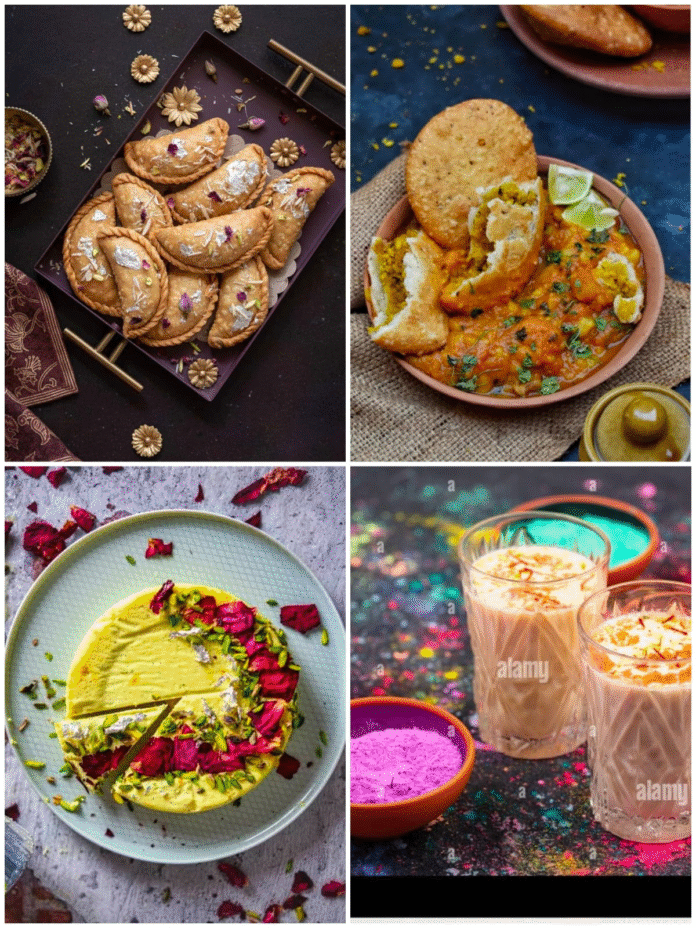
India’s Holi isn’t just about throwing colors-it’s a celebration of flavors, traditions, and togetherness! From the sweet stuffed delights of Uttar Pradesh to the cooling elixir of Bihar, these regional specials turn the festival into a delicious feast. Here’s a complete guide to the 5 most famous Holi recipes and drinks that make celebrations unforgettable across the country.

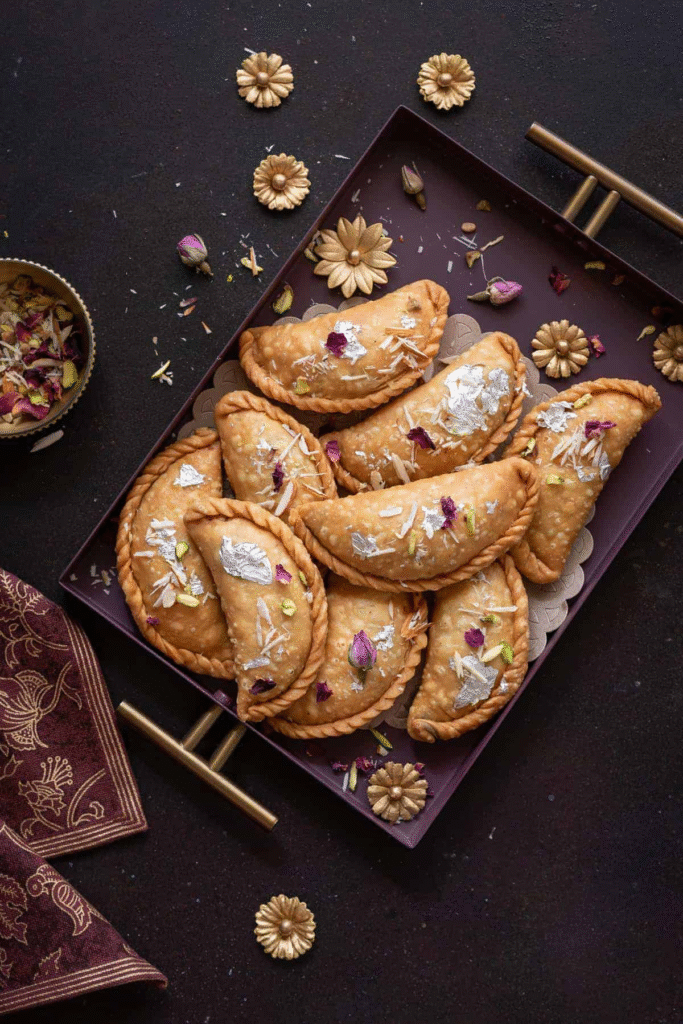
Uttar Pradesh: Gujiya – “Kya Babua, Holi Mein Aaye Aur Gujiya Na Khaye To Kya Khaak Uttar Pradesh Aaye!”

Holi Food For Swad Full On! India's Most Iconic Festival Recipes & Drinks That Make Your Holi Extra Special

No Holi in Uttar Pradesh feels complete without the crispy, golden gujiya! This half-moon shaped sweet is the heart of every festive thali.

Filling & Preparation a rich mix of roasted khoya (mawa), sugar, grated coconut, almonds, cashews, pistachios, and cardamom is stuffed into maida dough circles. Folded into half-moons, sealed with beautiful patterns, and deep-fried to perfection.

Special Variations Sweet mawa gujiya is the classic, but savory Dahi Gujiya (fried urad dal dumplings in spiced curd with chutney) is hugely popular. In the Braj region (Mathura-Vrindavan), it’s offered as prasad at temples like Radha Raman-a tradition over 500 years old, tied to Radha-Krishna’s love.

Fun Fact making gujiya is a family bonding ritual symbolizing unity and spring’s sweetness. In 2025, a Lucknow shop

Uttarakhand: Kachori with Holi Special Aloo Ki Sabzi – The Perfect Energy Fuel

Holi Food For Swad Full On! India's Most Iconic Festival Recipes & Drinks That Make Your Holi Extra Special

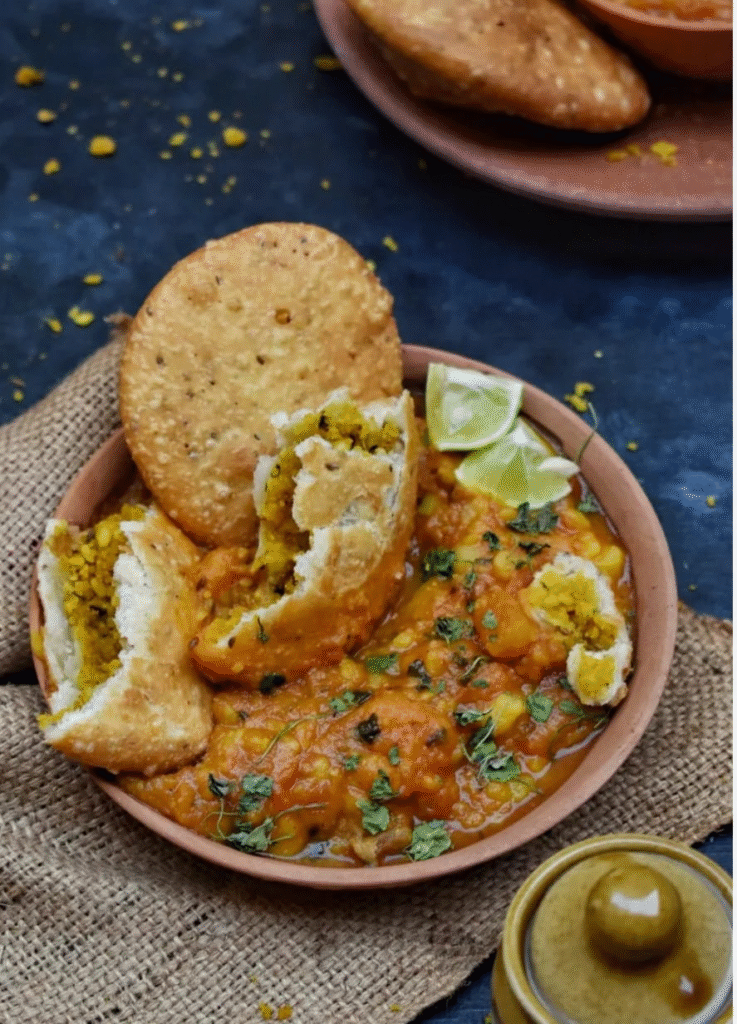
After hours of color play, you need something hot, crispy, and satisfying-enter Uttarakhand’s star combo: khasta kachori paired with spicy aloo ki sabzi! Why It’s Ideal for Holi stuffed with spicy moong dal or potato, these kachoris are deep-fried till super crunchy. Served with a flavorful potato curry (hing, turmeric, ginger, green chilies-no onion/garlic for satvik vibes), it’s portable, high-energy, and perfect for long celebrations.

Uttarakhand Twist in Kumaon, pair it with Aloo Ke Gutke (dry mustard-oil potatoes). Ideal for Baithki Holi and Khari Holi that span weeks-eat with colorful hands and enjoy!

West Bengal: Bhapa Doi

Holi Food For Swad Full On! India's Most Iconic Festival Recipes & Drinks That Make Your Holi Extra Special

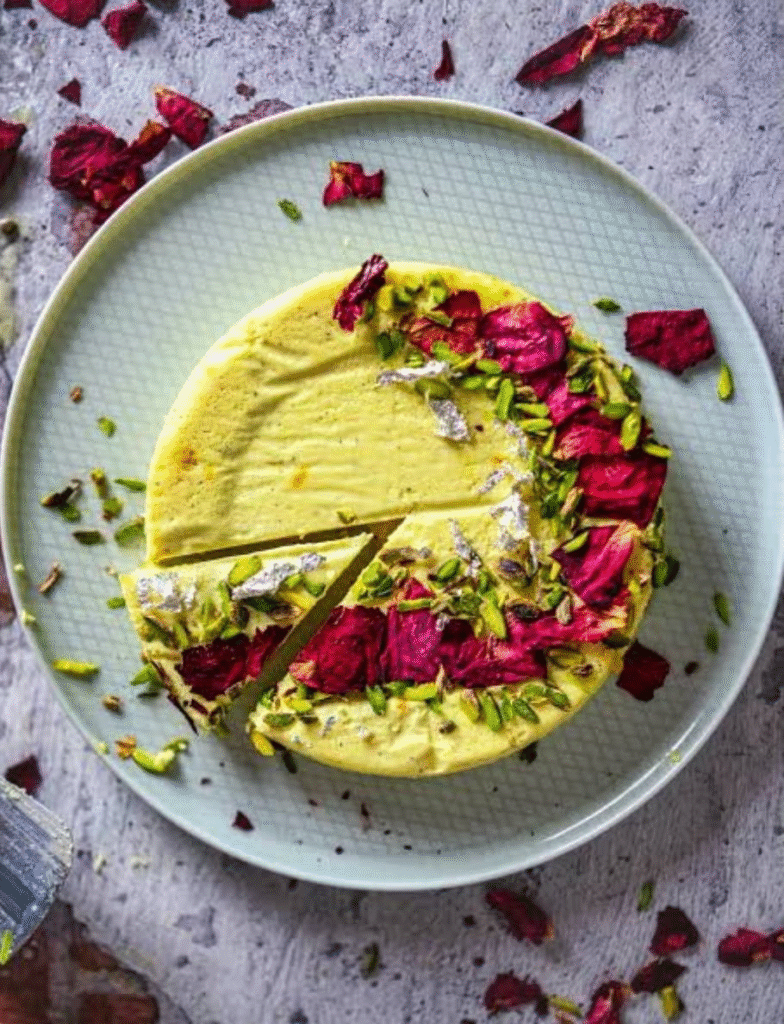
The Chilled, Creamy Bengali Delight after spicy snacks and sweets, Bengal cools things down with Bhapa Doi, a silky steamed yogurt dessert that’s light yet indulgent.

Simple Yet Divine thick hung curd mixed with condensed milk, cardamom, and saffron-steamed 20-25 minutes for a cheesecake-like texture. Served chilled, it’s refreshing as Holi signals summer. Bengal Loves It Light contrast to fried foods, easy to customize (mango, pistachio, rose), and served in matka pots for authentic vibes. Instant relief after gulal fun!

Bihar & North India: Thandai – The Cooling, Shiva-Blessed Elixir

Holi Food For Swad Full On! India's Most Iconic Festival Recipes & Drinks That Make Your Holi Extra Special

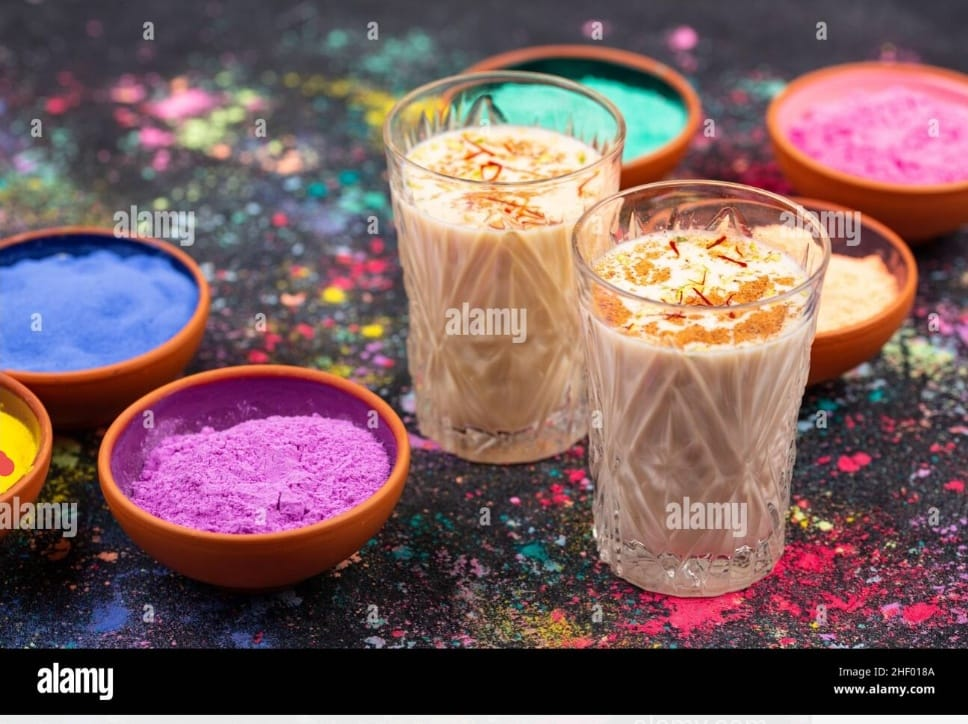
The ultimate Holi quencher: Thandai, a nutty, spiced milk drink famous in Bihar during Holi and Mahashivratri. Lord Shiva Connection believed to be Shiva’s favorite, offered as prasad to cool his rage after drinking poison (halahala) in Samudra Manthan. Symbolizes soothing the body during rising summer heat.

Why It’s a Must

Nutritious and energizing with almonds, cashews, poppy seeds, fennel, melon seeds, pepper, cardamom, saffron, and rose petals. Often laced with bhang for that classic Holi kick (consume responsibly!). Hydrates, digests, and boosts stamina for dancing. These treats blend devotion, regional pride, and pure joy. Whip them up this Holi, share with loved ones, and make the festival taste as vibrant as it looks!

Braj Holi 2026: Mathura and Vrindavan Bask Under Week-Long Festival of Divine Love, Colors, and Caution

0

Braj Holi PC: (pexels, Revv, Times Now)

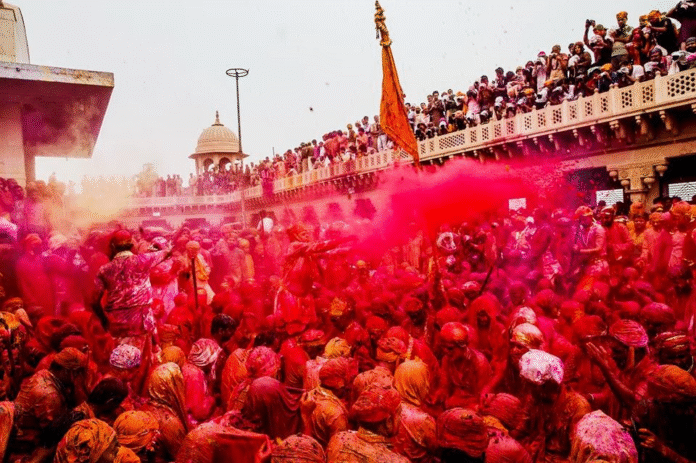
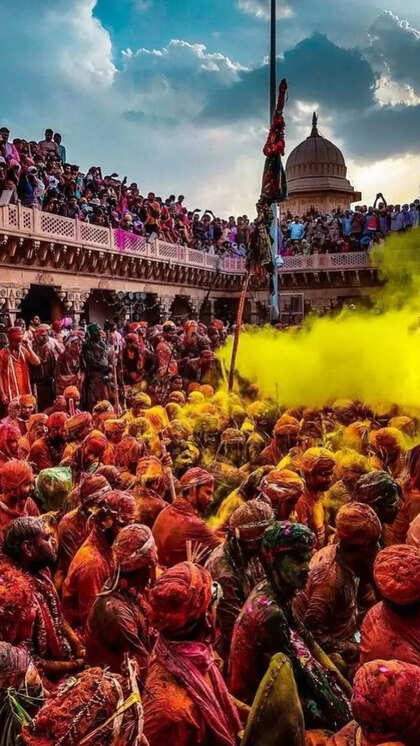
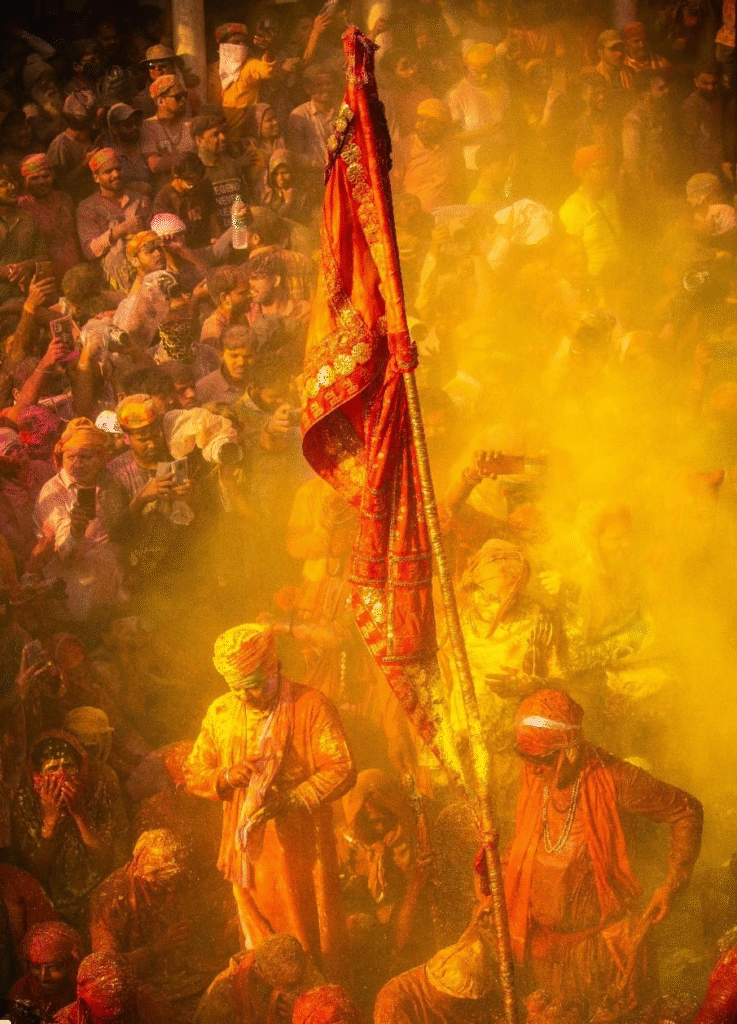
Braj Holi, encompassing Mathura and Vrindavan, transforms into an extraordinary, multi-day spiritual extravaganza far beyond the typical one-day color play. Rooted in the divine love story of Radha and Krishna, this celebration spans about 10 days in late February to early March, drawing millions of devotees and tourists for its unique rituals, chaotic energy, and profound devotion.

Braj Ki Holi: Know Its Origin

The festival traces its roots to ancient Hindu mythology, particularly the playful “leela” of Lord Krishna. Legend has it that Krishna, with his dark blue skin, playfully applied colors to fair-skinned Radha to bridge their differences, symbolizing the union of souls, the erasure of ego, and the triumph of love over superficial barriers. This act, encouraged by his mother Yashoda, evolved into the vibrant traditions seen today, commemorating Krishna’s childhood mischief in the Braj Bhoomi.

Braj Holi 2026: Mathura and Vrindavan Bask Under Week-Long Festival of Divine Love, Colors, and Caution

Braj Holi: Unique Rituals

Braj Holi features distinctive events that reenact Radha-Krishna’s divine play. Lathmar Holi in Barsana (women playfully “beat” men from Nandgaon with sticks, symbolizing the Gopis’ response to Krishna’s teasing) and its counterpart in Nandgaon highlight playful power dynamics in love. Phoolon Wali Holi at Banke Bihari Temple in Vrindavan involves showering gentle flower petals instead of powders, emphasizing pure devotion. Other highlights include Laddu Holi in Barsana, where laddoos are thrown, and Huranga at Dauji Temple, known for its energetic, affectionate play.

Holi Celebrates Radha Krishna Bond

At its core, Holi here is a sacred reenactment of Radha-Krishna’s eternal bond, promoting inner purification, the shedding of negativity, and the arrival of spring. Traditions like Widows’ Holi in Vrindavan break social taboos, allowing widows to embrace joy and colors after years of isolation, marking a shift toward inclusion and spiritual renewal. The festival fosters transcendence of ego, renewal, and immersion in divine love.

Braj Holi: Celebrations Galore

As of early March 2026, celebrations are in full swing with overwhelming crowds, creating vibrant yet chaotic scenes. However, viral videos and reports highlight serious concerns, including harassment and inappropriate touching in packed areas, often misused under the guise of “Bura na mano, Holi hai.”

Authorities have increased security, but visitors-especially women-are strongly advised to travel in groups, stay vigilant, avoid isolated spots, and report misconduct. While the spiritual essence remains profound, personal safety should be prioritized amid the fervor. Experience Braj Holi for its unmatched blend of tradition, devotion, and joy-but approach with awareness for a safe, memorable pilgrimage.

Braj Holi 2026: Mathura and Vrindavan Bask Under Week-Long Festival of Divine Love, Colors, and Caution

2026 Key Dates and Schedule in Braj Region

This year’s festivities unfold over several days, building to the main event:

February 24: Laddu Holi (Sriji Temple, Barsana)

February 25: Lathmar Holi (Barsana)

February 26: Lathmar Holi (Nandgaon)

February 27: Phoolon Wali Holi / Rangbhari Ekadashi (Banke Bihari Temple, Vrindavan) and Mathura Temple Holi

March 1: Gokul lathi mar Holi (Raman Reti, Gokul)

March 2: Widows’ Holi (Gopinath Temple, Vrindavan)

March 3: Holika Dahan (bonfire ritual at Vishram Ghat, Dwarkadhish Temple, and other sites, symbolizing good over evil)

March 4: Main Rangwali Holi / Dhulandi (color play across Mathura, Vrindavan, and Braj)

March 5: Dauji Ka Huranga (Dauji Temple, Baldev)

These dates draw massive crowds to iconic spots like Banke Bihari Temple (intense gulal throwing), Radha Rani Temple in Barsana, and Dwarkadhish Temple in Mathura.

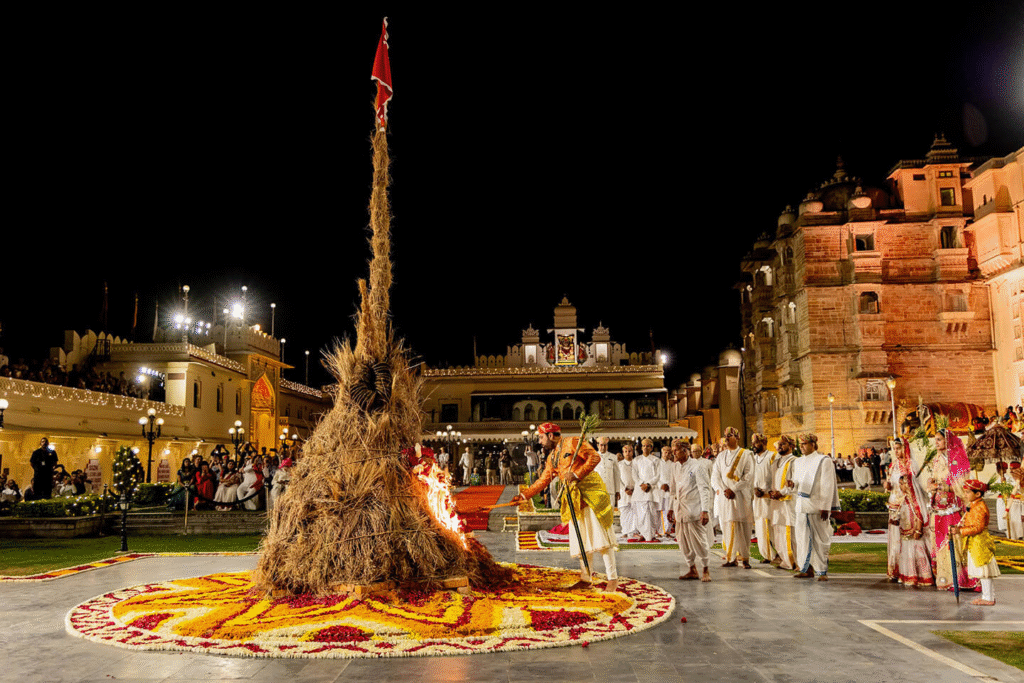
Holika Dahan at City Palace Udaipur. Watch Pictures…

0

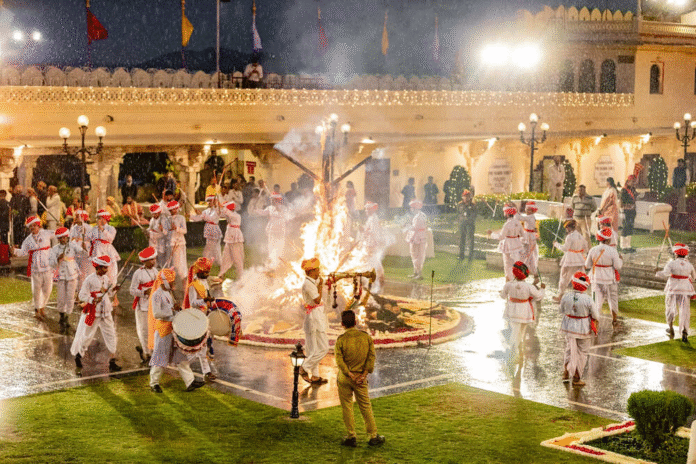
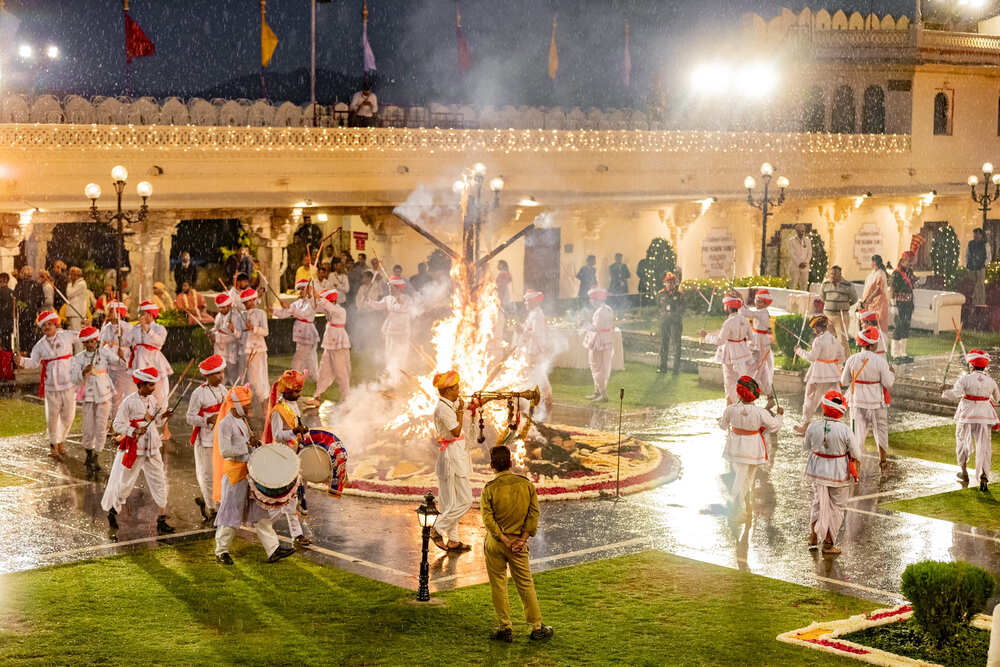
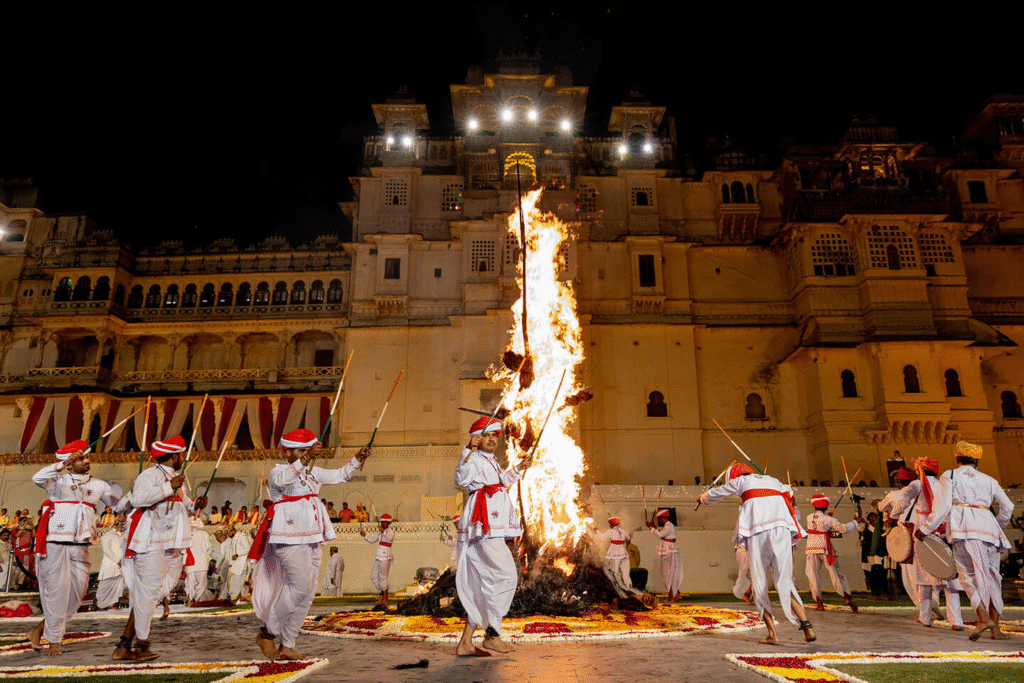
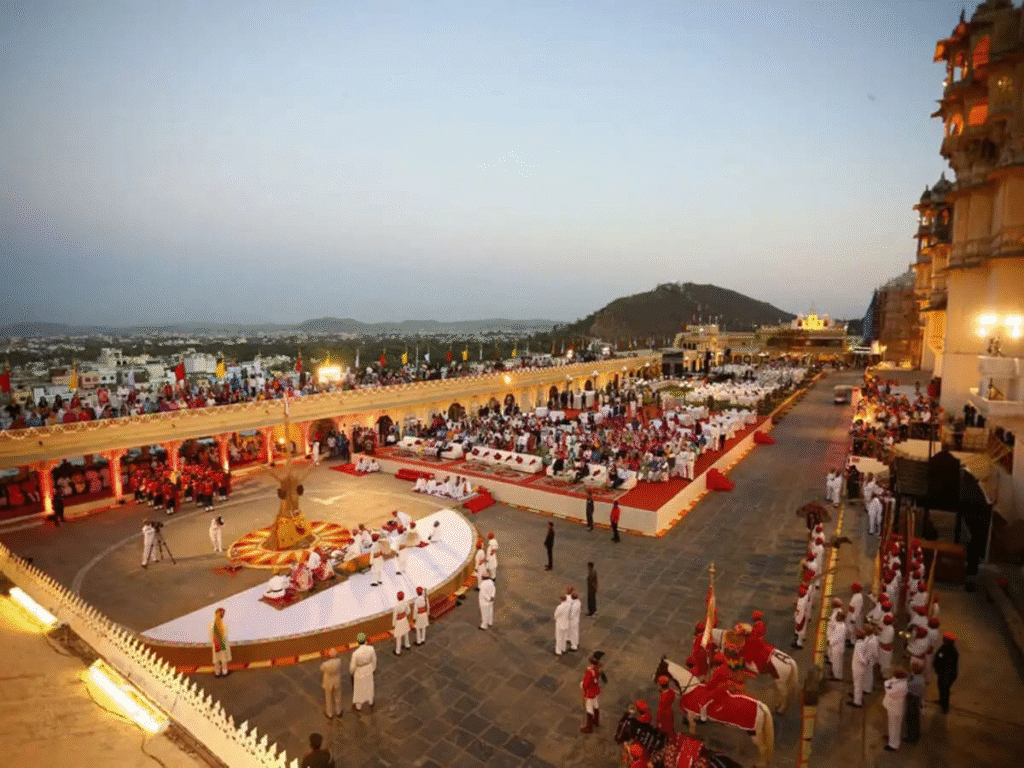
Every year in Udaipur, the evening before the festival of colours marks one of the most evocative and time-honoured traditions of Rajasthan — the Holika Dahan ceremony at the majestic City Palace. Performed against the backdrop of the historic Manek Chowk courtyard, this sacred ritual is more than a festival kickoff, it is a celebration of heritage, spirituality, and the enduring legacy of the House of Mewar.

Holika Dahan at City Palace Udaipur. Watch Pictures...

Holika Dahan falls on the full moon night of Phalgun Purnima, just as the chill of winter gives way to the warmth of spring. According to ancient Hindu belief, the ceremonial burning of Holika — the demoness, symbolises the victory of good over evil, faith over fear. In Udaipur, this age-old myth is honoured with regal flair and deep reverence.

Holika Dahan at City Palace Udaipur. Watch Pictures...

The festivities begin with a magnificent royal procession from the historic palace residences to Manek Chowk, led by elegantly adorned horses, traditional musicians, palace guards and members of the Mewar royal family. Dressed in traditional Rajasthani attire, they usher in an atmosphere of pageantry and spiritual depth, combining centuries-old customs with the majestic aura of the palace.

Holika Dahan at City Palace Udaipur. Watch Pictures...

Once at the ceremonial site, priests perform sacred pooja amidst chanting mantras, offering flowers, fruits and grains to invoke blessings for prosperity, peace and well-being. The Maharana or chosen family member then lights the Holika pyre, bringing sparks to life in a golden blaze that illuminates the palace walls, a visual spectacle reminiscent of Mewar’s luminous heritage. Family members often walk around the flame in parikrama, seeking blessings and affirming their faith.

Holika Dahan at City Palace Udaipur. Watch Pictures...

Music and cultural performances, including traditional folk dances and drum rhythms add splendor to the evening, making it not just a religious observance but a cultural extravaganza that draws locals, dignitaries and visitors from across the world.

Today’s celebration continues this regal tradition with deep respect for the custom, transforming the palace precincts into a living tapestry of heritage, faith, and festivity. This magnificent ceremony at the City Palace blends spiritual fervour with cultural grace, offering a unique window into Udaipur’s royal soul and the timeless spirit of Holi.

Holi 2026 Hit By Rare Lunar Eclipse Clash: Know Muhurt Amid Eclipse

0

In 2026, the Hindu festival of Holi will coincide with a rare total lunar eclipse on March 3, creating confusion over the timing of Holika Dahan rituals. Religious guidelines, the Sutak period linked to the eclipse, and the overlap with Bhadra Kaal have led to variations in celebration dates across India.

While many devotees are expected to perform Holika Dahan on March 2, others may opt for limited auspicious windows on March 3. Despite the scheduling differences, the spirit of Holi remains unchanged.

Rare eclipse and Holi coincide in 2026

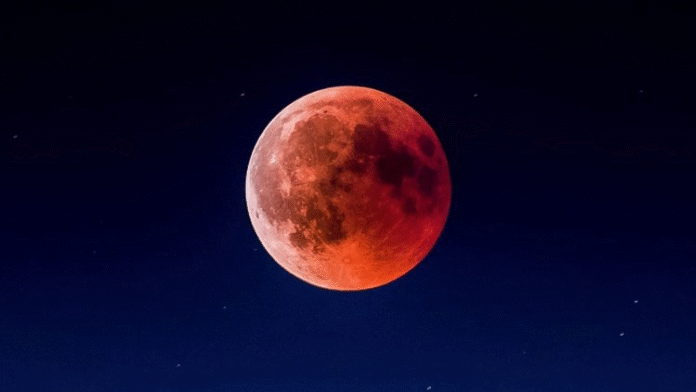
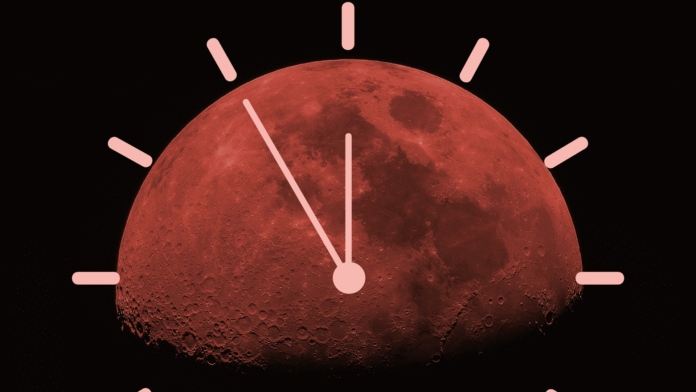
On March 3, 2026, a total lunar eclipse will align with Holi, as both fall on Phalguna Purnima — the full moon day in the Hindu calendar. The eclipse will be visible in India from approximately 3:20 PM to 6:47 PM, with the moon taking on a reddish hue, commonly known as a “Blood Moon.”

This will be the first lunar eclipse of 2026, making it significant not only astronomically but also culturally for devotees and astrologers.

Regional variations in Holi dates

Because of the eclipse and associated rituals, Holi 2026 will be observed on different dates in various parts of the country.

States such as Maharashtra (including Mumbai and Pune), Gujarat and parts of Rajasthan are expected to celebrate Holi on March 3. Meanwhile, Uttar Pradesh, Delhi, and most southern and eastern states are likely to observe Rangwali Holi on March 4.

Although the calendar dates differ regionally, the festival’s essence — celebrating renewal and the triumph of good over evil — remains the same nationwide.

Holika Dahan muhurat amid eclipse and Bhadra Kaal

According to the Hindu calendar:

  • Purnima Tithi begins at 5:55 PM on March 2
  • Purnima Tithi ends at 5:07 PM on March 3

However, Bhadra Kaal from 5:58 PM on March 2 to 5:30 AM on March 3 complicates the timing for Holika Dahan, as rituals are traditionally avoided during this period.

Many devotees are therefore expected to perform Holika Dahan on March 2 between approximately 6:20 PM and midnight, after Bhadra ends. Others may choose early morning or post-eclipse windows on March 3.

The Sutak period, observed before a lunar eclipse, will begin at 6:23 AM on March 3. During Sutak, auspicious activities are generally avoided.

Total Lunar Eclipse on March 3 To Be The Last Until New Year’s Eve 2028

0

Enjoy the total lunar eclipse on March 3 because it will be the last for a long while.

Observers across East Asia, Australia, the Pacific and western North America will see March’s full moon — known as the “Worm Moon” — pass through Earth’s shadow, turning a reddish-copper color for 58 spell-binding minutes. However, once the moon emerges from Earth’s umbra — the deepest part of Earth’s shadow — there will be no further total lunar eclipses for almost three years. A lunar lull will commence and won’t end until a neatly-timed total lunar eclipse on New Year’s Eve 2028-2029. Here’s why — and why 2029 will be a year marking not just the end of a drought, but of three spectacular “blood moon” total lunar eclipses.

What time is the Blood Moon total lunar eclipse on March 3? Know Viewing Times by Region

0

A spectacular total lunar eclipse will light up the night sky on March 3, turning the moon a dramatic red for billions of people across North America, Australia and East Asia.

During this celestial event, the moon will pass completely into Earth’s dark umbral shadow, creating what is popularly known as a “blood moon.”

When does totality begin?

Totality — when the moon appears fully blood-red — will begin at 6:04 a.m. EST (1104 GMT) on March 3, 2026. The eclipse will reach its peak at 6:33 a.m. EST (1133 GMT), with totality lasting approximately 58 minutes before the moon gradually exits Earth’s shadow.

According to Time and Date, more than 40% of the world’s population — over three billion people — will be able to see at least part of the total phase. Notably, this will be the last total lunar eclipse visible anywhere on Earth until New Year’s Eve 2028–2029.

Key viewing times by region

Here are the major viewing windows across different time zones (all March 3, 2026, unless otherwise noted):

United States

  • Eastern Time: 6:04–7:02 a.m. EST (the moon sets during totality in this zone)
  • Central Time: 5:04–6:02 a.m. CST
  • Mountain Time: 4:04–5:02 a.m. MST
  • Pacific Time: 3:04–4:02 a.m. PST
  • Alaska: 2:04–3:02 a.m. AKST
  • Hawaii: 1:04–2:02 a.m. HST

Australia & New Zealand

  • New Zealand: 12:04–1:02 a.m. NZDT (March 4)
  • Sydney: 10:04–11:02 p.m. AEDT
  • Brisbane: 9:04–10:02 p.m. AEST
  • Adelaide: 9:34–10:32 p.m. ACDT
  • Darwin: 8:34–9:32 p.m.
  • Perth: 7:04–8:02 p.m.

Asia

  • Tokyo: 8:04–9:02 p.m. JST
  • Seoul: 8:04–9:02 p.m. KST
  • Beijing: 7:04–8:02 p.m. CST
  • Hong Kong: 7:04–8:02 p.m. HKT

What happens during the eclipse?

The eclipse begins at 3:44 a.m. EST (0844 GMT) when the moon enters Earth’s penumbral shadow, producing a subtle dimming. As it moves deeper into the umbra, a dark shadow gradually spreads across the lunar surface.

At maximum eclipse, sunlight filtering through Earth’s atmosphere casts a reddish-orange glow on the moon — the signature “blood moon” effect.

The entire eclipse event will last 5 hours and 39 minutes, from the first penumbral shading to the final exit from Earth’s shadow.

Skywatchers unable to view the event in person can follow online livestream coverage from major astronomy platforms.

Happy Holi 2026: Wishes, Messages, Quotes, Greetings and WhatsApp Status

0

Happy Holi 2026 Wishes, Quotes and WhatsApp Status: Holi, the festival of colours, joy and togetherness, is celebrated across India and by Indian communities around the world. In 2026, Holika Dahan will be observed on March 3, followed by Holi on March 4. The festival marks the arrival of spring and symbolises the triumph of good over evil. It is a time to spread love, laughter and positivity as friends and families come together to enjoy festive sweets, play with vibrant colours and create cherished memories.

Whether you are celebrating at home with family or away with friends, heartfelt wishes can add even more colour to the festivities.

Best Happy Holi 2026 Wishes

Happy Holi 2026: Wishes, Messages, Quotes, Greetings and WhatsApp Status
  • May your life be as colourful and joyful as the festival of Holi. Happy Holi 2026!
  • This Holi, let’s celebrate love, laughter and togetherness. Wishing you a fun-filled and safe festival.
  • Splash your life with happiness, colours and positivity. Have a vibrant Holi!
  • Sending you sweet wishes and colourful vibes on this beautiful festival. Happy Holi to you and your family.
  • Wishing you and your family a safe and colourful Holi.
  • May every colour bring new happiness into your life. Happy Holi!
  • Celebrate this Holi with a heart full of gratitude and joy.
  • May your dreams shine as bright as Holi colours.
  • Sending warm wishes for a joyful and vibrant Holi.
  • May this Holi mark the beginning of new happiness in your life.

Heartfelt Holi 2026 Messages

Happy Holi 2026: Wishes, Messages, Quotes, Greetings and WhatsApp Status
  • Holi is the time to celebrate love and togetherness. Enjoy the festival.
  • Let us forget our worries and celebrate happiness today.
  • May your heart be filled with peace and positivity this Holi.
  • Celebrate colours, celebrate life, celebrate Holi.
  • Wishing you smiles and happiness this festive season.
  • May your home be filled with laughter and warmth.
  • Let the spirit of Holi bring new beginnings.
  • Celebrate safely and spread happiness everywhere.
  • Holi reminds us to cherish the small joys of life.
  • Wishing you a colourful and joyful Holi celebration.

Inspiring Holi Quotes About Colours, Happiness and Spring

Happy Holi 2026: Wishes, Messages, Quotes, Greetings and WhatsApp Status
  • “Let your life lightly dance on the edges of Time like dew on the tip of a leaf.” — Rabindranath Tagore
  • “Colours are the smiles of nature.” — Leigh Hunt
  • “Spring adds new life and new beauty to all that is.” — Jessica Harrelson
  • “Colour is a power which directly influences the soul.” — Wassily Kandinsky
  • “Joy is the simplest form of gratitude.” — Karl Barth
  • “Nature always wears the colours of the spirit.” — Ralph Waldo Emerson
  • “With the coming of spring, I am calm again.” — Gustav Mahler
  • “The earth laughs in flowers.” — Ralph Waldo Emerson
  • “Happiness held is the seed; happiness shared is the flower.” — John Harrigan
  • “Where flowers bloom, so does hope.” — Lady Bird Johnson

Best WhatsApp Status for Happy Holi 2026

Happy Holi 2026: Wishes, Messages, Quotes, Greetings and WhatsApp Status
  • Let the colours speak happiness. Happy Holi!
  • Holi vibes only.
  • Stay colourful, stay happy.
  • Happiness looks good in colours.
  • Today is all about colours and smiles.
  • Colour your life with positivity.
  • Keep calm and play Holi.
  • Life is better with colours.
  • Celebrate love, celebrate Holi.
  • Colour outside the lines today.

Holi is not just about colours, but also about emotions, forgiveness and fresh beginnings. Whether through thoughtful messages, inspiring quotes or joyful celebrations, the true spirit of Holi lies in spreading happiness and strengthening bonds.

Happy Holi 2026! May your life always be filled with colour, joy and positivity.

US, Israel Strike Iran; Know Operation Lion’s Roar and Epic Fury…

0

The United States and Israel have launched coordinated strikes against Iran, targeting key political and military leadership. Among the reported targets were Supreme Leader Ayatollah Ali Khamenei and President Masoud Pezeshkian. The operation has sharply escalated tensions in West Asia and triggered retaliation from Tehran, raising questions over whether regime change is the ultimate objective.

Operation Lion’s Roar and Epic Fury

Israel termed its campaign “Operation Lion’s Roar”, while Washington called its involvement “Operation Epic Fury”. Strikes reportedly hit areas around the offices of Supreme Leader Ayatollah Ali Khamenei as well as military facilities in Kermanshah, Qum, Isfahan, Tabriz, Karaj and the naval base at Kenarak.

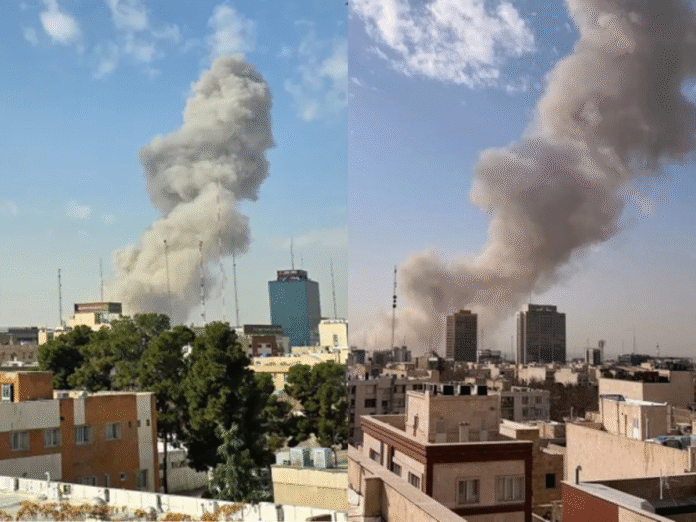
Iranian media reported explosions across multiple cities. While the whereabouts of Khamenei remain unclear, sources indicated that he had been moved to a secure location. Several senior commanders of Iran’s Revolutionary Guards were reportedly killed. In response, Iran launched missile barrages targeting Israel and US installations in the region.

Trump and Netanyahu Signal Political Goals

US President Donald Trump defended the operation as necessary to eliminate imminent threats and prevent Iran from obtaining a nuclear weapon. He accused Tehran of decades of hostility, support for militant groups and backing attacks against American and Israeli interests.

Israeli Prime Minister Benjamin Netanyahu echoed similar sentiments, stating that joint action would create conditions for the Iranian people to “take their destiny into their own hands”. Both leaders publicly urged Iranians to challenge their leadership, signalling that the objective may extend beyond military deterrence.

Why Khamenei Is Central

In power since 1989, Khamenei has shaped Iran’s strategic doctrine. He has overseen the expansion of uranium enrichment, defended Iran’s missile programme and maintained a confrontational stance towards Washington and Tel Aviv. His rhetoric frequently frames Israel as illegitimate and positions the United States as a hostile power.

For US and Israeli policymakers, removing Khamenei could disrupt the ideological and institutional backbone of the Islamic Republic. However, Iran’s political system is deeply entrenched, with clerical, military and security institutions intertwined.

Important Facts

  • Iran’s Supreme Leader holds ultimate authority over military, judiciary and state broadcasting.
  • The Islamic Revolutionary Guard Corps (IRGC) operates parallel to Iran’s regular armed forces.
  • Iran’s nuclear programme centres on uranium enrichment, monitored by the IAEA.
  • West Asia hosts several key US military bases, including in Bahrain and Qatar.

Risks and Regional Fallout

Analysts warn that regime change efforts could destabilise the Gulf region and disrupt energy markets. There is no certainty that leadership collapse would produce a democratic transition; instead, it could trigger internal conflict or power struggles within security institutions.

For Washington and Tel Aviv, the strategy represents a high-stakes gamble. Whether the strikes remain limited to military objectives or evolve into a broader political confrontation will shape the region’s trajectory in the coming weeks.

Micron’s Semi-Conductor Plant in Gujarat: Know Key Features And Major Facts…

0

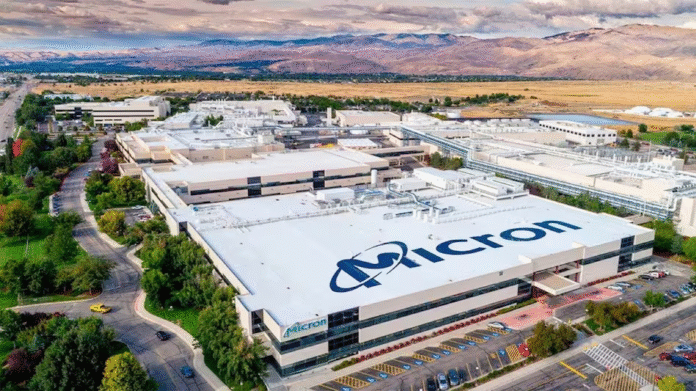
India marked a significant milestone in its semiconductor ambitions as Micron Technology commenced operations at its advanced memory ATMP facility in Sanand, Gujarat. The plant shipped its first finished DRAM module to Dell Technologies, signalling the country’s entry into high-end semiconductor assembly and testing.

Prime Minister Narendra Modi inaugurated the facility, which represents India’s first advanced memory Assembly, Testing, Marking and Packaging (ATMP) site.

Largest Raised-Floor Clean Room Globally

The Sanand unit houses a 500,000 square foot raised-floor clean room — the largest single semiconductor assembly clean room of its kind worldwide. Engineered specifically for Gujarat’s soil and climate conditions, the structure mitigates moisture-related risks.

The clean room is rated Class 1000, allowing no more than 1,000 particles per cubic metre. Air is circulated 120 times per hour, significantly higher than pharmaceutical standards. This ensures protection of delicate integrated circuits and gold bonding wires that are thinner than fractions of a human hair.

Advanced Memory Manufacturing Operations

The facility assembles and tests DRAM (Dynamic Random Access Memory) and NAND flash memory. DRAM serves as working memory for computers, smartphones and data centres, while NAND supports non-volatile storage in SSDs and other devices.

Operations follow a wafer-in to finished-product-out model. Wafers sourced from Micron’s global fabrication plants are thinned, diced into chips, assembled, tested and mounted onto modules before final quality checks and shipment.

The total planned investment across two phases stands at $2.7 billion. Production is expected to reach tens of millions of integrated circuits this year, scaling to nearly one billion units annually by 2027. While exports will form a large share, domestic demand will also be served.

Skilled Workforce and Technology Integration

The plant employs around 1,300 people, nearly half of whom are fresh engineering graduates from Gujarat and neighbouring states. Specialised semiconductor curricula were developed in collaboration with universities. Selected recruits underwent 3–6 months of hands-on training at Micron facilities in Malaysia and Singapore.

Automation systems, AI-driven factory intelligence and advanced yield engineering tools deployed at the site meet global benchmarks. Initial shipments include DRAM modules for Dell, with additional supplies planned for companies such as Asus and Qualcomm.

Important Facts

  • ATMP stands for Assembly, Testing, Marking and Packaging in semiconductor manufacturing.
  • DRAM is volatile memory used as primary working memory in computing devices.
  • NAND flash memory is non-volatile storage widely used in SSDs and smartphones.
  • Clean room classifications define permissible particle counts per cubic metre of air.

Boost to India’s Semiconductor Ecosystem

The Sanand facility strengthens India’s semiconductor value chain beyond design into advanced memory packaging and testing. It aligns with the national objective of building a resilient electronics manufacturing ecosystem and reducing import dependence in critical technologies.