Home Blog Page 58

Bhimbetka Rock Shelters: India’s Ancient Treasure of Prehistoric Art

0

PC: (Bradshaw Foundation, Tripadvisor)

The Rock Shelters of Bhimbetka, located in the Raisen district of Madhya Pradesh, India, are among the world’s most significant archaeological sites.Situated in the foothills of the Vindhyan Mountains on the southern edge of the central Indian plateau, these natural sandstone outcrops rise above dense forests and contain five clusters of rock shelters. The site features over 750 rock shelters spread across about 10 km, with more than 400 containing prehistoric paintings. Designated a UNESCO World Heritage Site in 2003, Bhimbetka showcases a remarkable record of human artistic expression and cultural evolution.

Discovery and Historical Significance

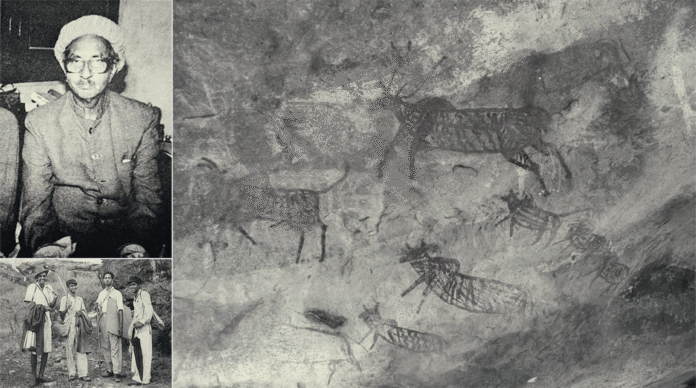
The site was discovered in 1957 by renowned Indian archaeologist Dr. Vishnu Shridhar Wakankar. While traveling by train from Bhopal to Itarsi, he noticed striking sandstone rock formations resembling cave sites he had studied in France and Spain. Intrigued, he disembarked at the next station, explored the area, and uncovered prehistoric paintings in the shelters. Wakankar, often called the “Father of Prehistoric Rock Art Studies in India,” documented hundreds of shelters here and thousands more across the country. Excavations and studies since the 1970s have revealed evidence of human habitation dating back over 100,000 years, making Bhimbetka one of the oldest traces of human presence in India.

Age and Chronological Periods

Evidence of human occupation at Bhimbetka spans from the Paleolithic era to historical times. Habitation traces go back more than 100,000 years, but the rock paintings primarily date from the Upper Paleolithic (around 30,000-40,000 years ago) through the Mesolithic, Chalcolithic, and even into medieval periods. The art reflects continuous human activity, unlike many European sites that were abandoned earlier.

V. S. Wakankar classified the paintings into seven periods based on style, technique, and superimposition:

Period I (Upper Paleolithic): Large, linear figures in green and dark red, focusing on huge animals.

Period II (Mesolithic): Smaller, dynamic scenes with hunting, dancing, and community life.

Period III (Chalcolithic): Community activities, early agriculture, and geometric patterns.
Later periods: Warriors, horses, elephants, and decorative motifs from historic and medieval times.
Bhimbetka Rock Shelters: India's Ancient Treasure of Prehistoric Art

Key Features of the Rock Art

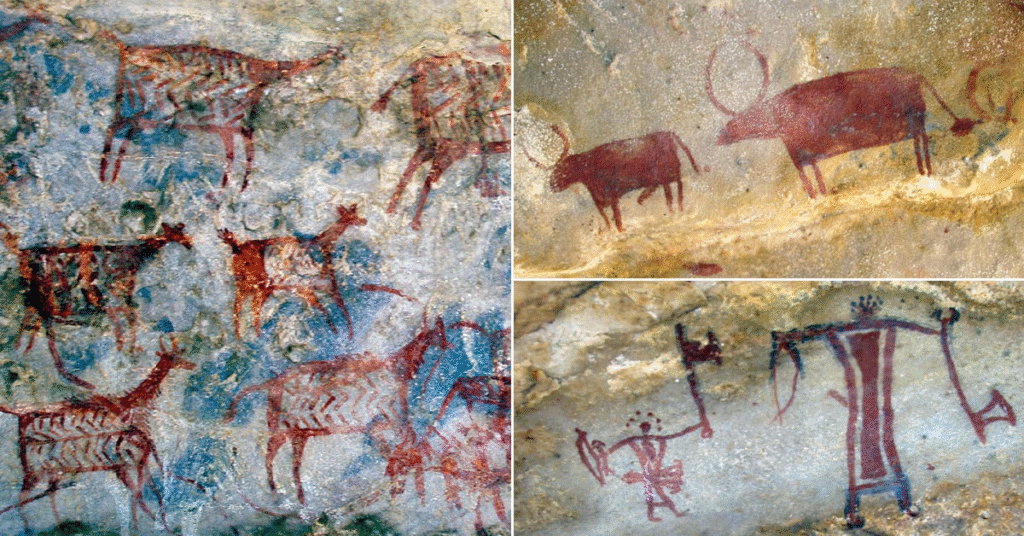
The paintings vividly depict early human life, including hunting scenes, dancing, music, communal activities, religious rituals, and daily tasks like honey collection and foraging. Children’s handprints are also common.

Depicted Animals: Wild species such as bison, elephants, tigers, rhinoceros, boars, deer, bears, monkeys, peacocks, snakes, and more.”Zoo Rock” features elephants, barasingha (swamp deer), bison, and deer in herds.

Colors and Techniques: Natural pigments from minerals (hematite for red ochre), kaolin (white), vegetables, and animal fats for binding. Main colors: red, white, green, yellow, brown, and black. Techniques include transparent (diluted pigment), opaque, and crayon-like direct application.Styles range from simple linear outlines to silhouettes, partially filled figures, and “X-ray” views showing internal details.The art evolves from naturalistic representations in early periods to more stylized and geometric forms later. Similarities and Differences with European Cave Paintings
Bhimbetka shares striking parallels with famous European sites like Lascaux (France) and Altamira (Spain):Similarities: Both date to the Upper Paleolithic (roughly 10,000-40,000 years ago), feature animals (bison, deer, boars), hunting themes, natural pigments (ochre reds, blacks), silhouettes, and line drawings. They reflect a deep connection to nature and hunter-gatherer life.

Bhimbetka Rock Shelters: India's Ancient Treasure of Prehistoric Art

Differences: European sites often emphasize

large fauna in dramatic, isolated compositions and were largely abandoned after the Paleolithic. Bhimbetka shows broader diversity-daily life, dancing, community scenes, and music-plus remarkable continuity across millennia to medieval times, including later agricultural and warrior motifs. Bhimbetka’s art is more narrative and evolving, with ongoing habitation nearby.

Cultural and UNESCO Importance

UNESCO inscribed Bhimbetka under Criterion (iii) for illustrating long-term human-landscape interaction through its rock art quantity and quality, and Criterion (v) for its association with a hunting-gathering economy, echoed in traditions of nearby Adivasi villages.

Bhimbetka stands as a living document of human civilization’s development-from nomadic hunter-gatherers to settled communities. Surrounded by the Ratapani Wildlife Sanctuary, it remains a vital site for researchers and visitors, where ancient walls continue to tell stories of our shared prehistoric past.


Priyanka Chopra Jonas Commands the Seas in Gritty Pirate Thriller ‘The Bluff’ on Prime Video

0

PC: (Rotten Tomatoes, Story LTD)

Priyanka Chopra Jonas delivers a fierce, action-packed performance in the 2026 swashbuckler The Bluff, now streaming exclusively on Amazon Prime Video since its release on February 25, 2026. Directed by Frank E. Flowers and co-written by Flowers and Joe Ballarini, this R-rated adventure blends high-stakes pirate revenge with intense, bloody combat and a heartfelt family-protection storyline.

From Quiet Island Life to Ruthless Siege

Set in the 19th-century Cayman Islands, the film centers on Ercell “Bloody Mary” Bodden (Priyanka Chopra Jonas), a retired pirate who has left her violent past behind to live peacefully with her husband T.H. Bodden (Ismael Cruz Córdova), their son Isaac, and sister-in-law Elizabeth (Safia Oakley-Green). Her hard-won tranquility is destroyed when her former captain, the vengeful Captain Connor (Karl Urban), arrives with his ruthless crew to settle old scores, reclaim stolen gold, and hunt her down.

Forced to confront her history as a notorious buccaneer, Ercell unleashes her formidable skills-mastering swords, firearms, and brutal hand-to-hand combat-to defend her family and island home during a relentless, siege-like invasion. The story emphasizes a powerful “mother-bear” dynamic, as Ercell fights with ferocious determination to protect her loved ones from the bloodthirsty pirates.

Standout Cast and High-Octane Production

The ensemble features strong supporting performances from Karl Urban as the menacing yet grounded antagonist Captain Connor, Ismael Cruz Córdova, Safia Oakley-Green, Temuera Morrison, and others. Produced by AGBO, Cinestar Pictures, and Purple Pebble Pictures (Priyanka’s own production company), the film was shot with a focus on gritty realism, delivering visceral sword fights, explosive gunplay, and gory violence that echoes John Wick-style intensity in a pirate setting.

Priyanka Chopra Jonas Commands the Seas in Gritty Pirate Thriller 'The Bluff' on Prime Video

Critical Reception and Praise for Priyanka’s Star Turn

The Bluff has earned a mixed-to-positive response from critics, holding a Rotten Tomatoes Tomatometer score in the mid-60s to low-70s range (around 67-68% based on early reviews from dozens of critics). Many reviewers highlight Priyanka Chopra Jonas as the film’s strongest asset, praising her physical commitment, charisma, and ability to carry the action sequences with credibility and ferocity. Descriptions call her performance “badass,” “feisty,” and the clear highlight, even as some note the plot’s formulaic elements or uneven pacing.

Audience feedback has been enthusiastic in initial reactions, with viewers appreciating the brutal thrills, straightforward revenge narrative, and fresh female-led twist on pirate adventures.

A Bold Addition to the Pirate Genre

The Bluff stands out as a modern, R-rated take on swashbuckling tales, prioritizing personal stakes, family loyalty, and raw combat over traditional treasure hunts. For fans of action thrillers, strong leading women, and pirate lore with a gritty edge, it’s a compelling watch on Prime Video-perfect for anyone craving high-energy battles and a formidable hero fighting for everything that matters. Stream it now and see Priyanka Chopra Jonas redefine pirate badassery

Shri Krishna and Balram to Play Phoolon Ki Holi on Gaur Purnima at Gupt Vrindavan Dham

0

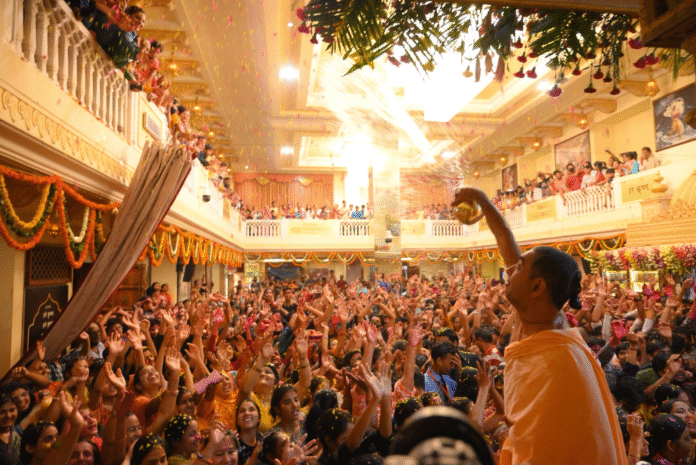
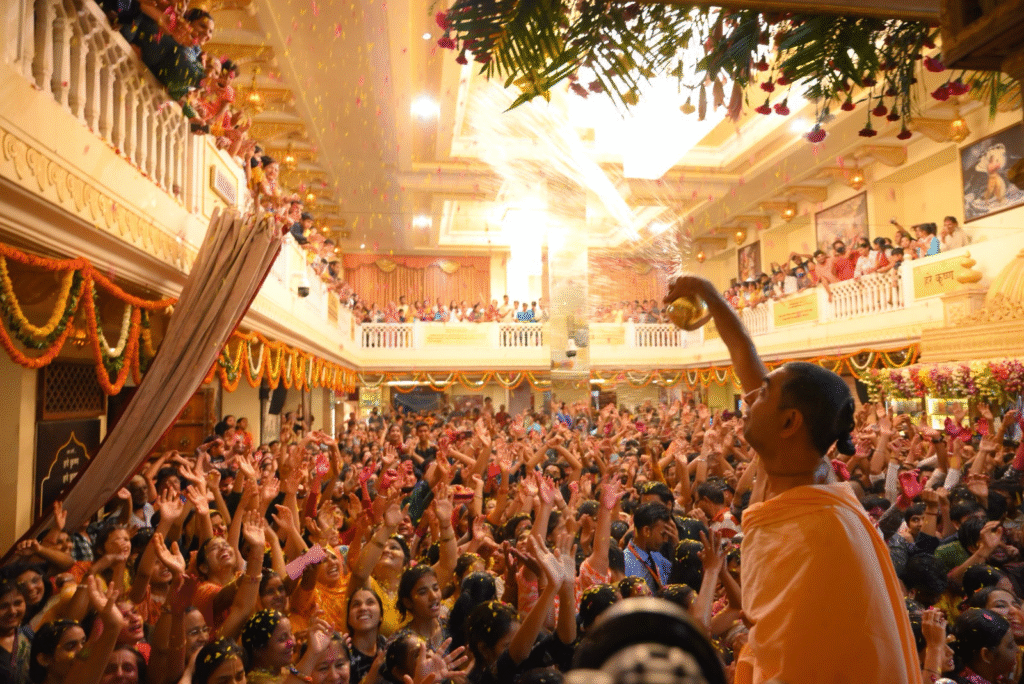
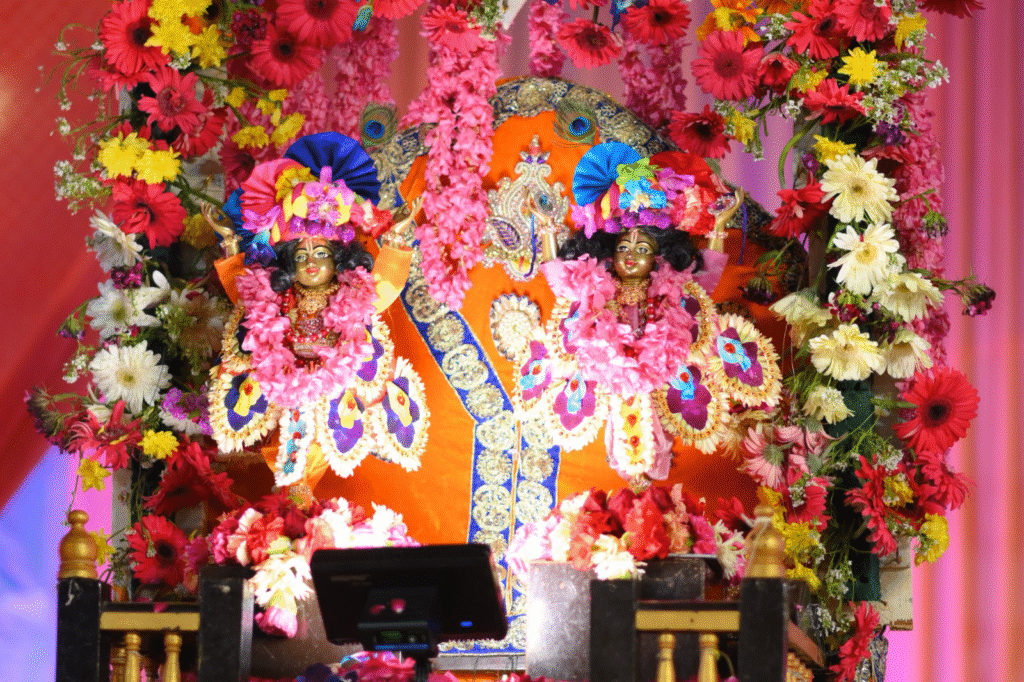
Preparations are in full swing at Gupt Vrindavan Dham for the grand celebration of Gaur Purnima on March 4. On this auspicious occasion, Shri Krishna and Balram will play Holi with flowers (Phoolon Ki Holi) with devotees, creating a spiritually vibrant atmosphere filled with devotion and joy.

Devotees are eagerly awaiting the opportunity to celebrate Holi with the Lord, believing that through this divine festival of flowers, Shri Shri Krishna and Balram will shower immense grace and blessings upon all.

Shri Krishna and Balram to Play Phoolon Ki Holi on Gaur Purnima at Gupt Vrindavan Dham

Gaur Purnima marks the birth anniversary of Chaitanya Mahaprabhu, revered as an incarnation of Lord Krishna. It is believed that through his mercy, one can attain the highest spiritual perfection in life.

On this sacred day, a grand Abhishekam of Shri Shri Gaur Nitai will be performed with Panchamrit, various fruit juices, and holy water from 108 pots. A traditional offering of 56 bhog items will be presented to the Lord. The entire temple premises will resonate with Harinam Sankirtan, and long queues of devotees are expected from early morning for darshan.

Shri Krishna and Balram to Play Phoolon Ki Holi on Gaur Purnima at Gupt Vrindavan Dham

Amitasana Das, President of Gupt Vrindavan Dham, highlighted the spiritual significance of Gauri Purnima, stating that Shri Chaitanya Mahaprabhu incarnated to deliver all living beings by spreading the chanting of the holy name. He is worshipped as Lord Krishna himself, embodying the purest form of divine love.

HPV Vaccines: Know its Significance and How Its A Powerful Step Toward Ending Cervical Cancer

0

Human Papillomavirus (HPV) is one of the most common viral infections worldwide and a leading cause of several cancers, particularly cervical cancer. According to the World Health Organization, nearly all cases of cervical cancer are linked to persistent infection with high-risk HPV types, especially HPV-16 and HPV-18. HPV vaccines are designed to protect against these cancer-causing strains, as well as others responsible for genital warts and additional cancers of the throat, anus, and genitals.

Currently available vaccines, such as Gardasil 9, provide protection against nine HPV types, covering the majority of strains associated with cervical and other HPV-related cancers. These vaccines are most effective when administered before exposure to the virus, which is why health authorities recommend routine vaccination for adolescents, typically between 9 and 14 years of age. However, vaccination can also benefit older individuals who have not yet been immunized.

The significance of HPV vaccination extends beyond individual protection. Widespread immunization reduces virus circulation in the community, creating herd immunity and lowering overall cancer rates. In 2020, the World Health Organization launched a global strategy to eliminate cervical cancer as a public health problem, aiming for 90% of girls to be fully vaccinated by age 15, alongside screening and treatment targets.

Countries with high vaccination coverage have already reported dramatic declines in HPV infections and precancerous cervical lesions. With sustained vaccination, screening, and awareness efforts, cervical cancer, once a leading cause of cancer deaths among women, can become a preventable and potentially eliminated disease within this century.

Varanasi’s Mysterious ‘Masan ki Holi’: Where Ashes Become Colors and Death Turns into Divine Celebration!

0

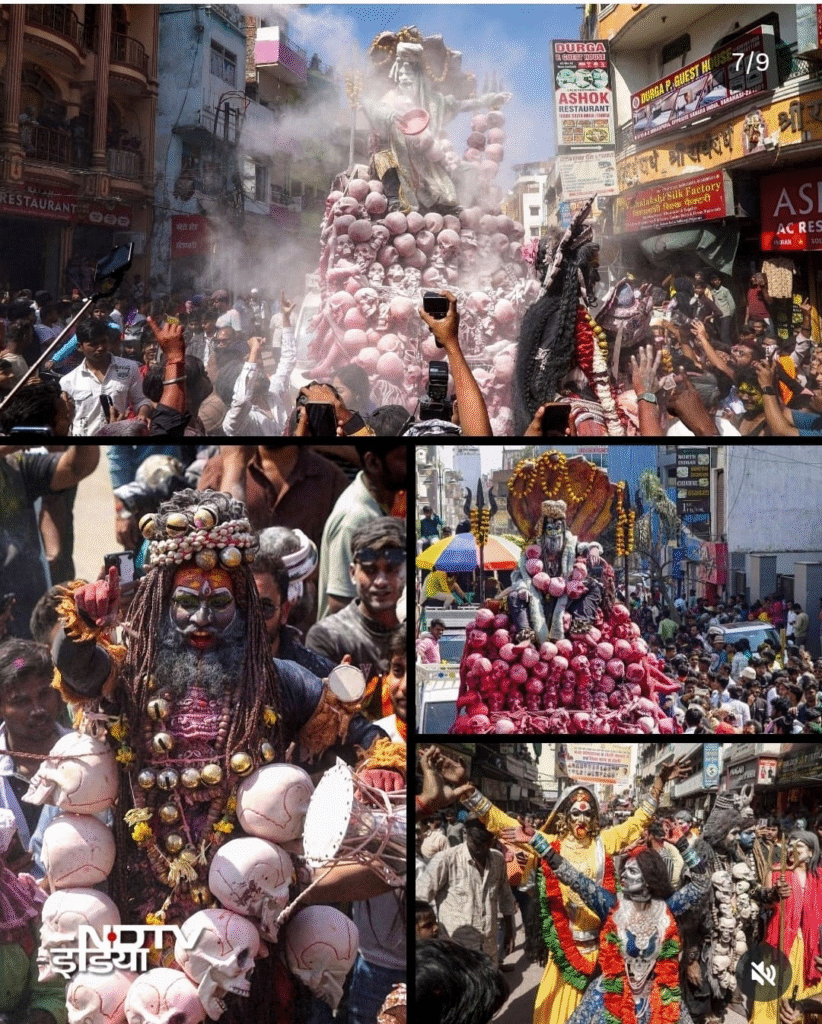
PC: (Ndtv india)

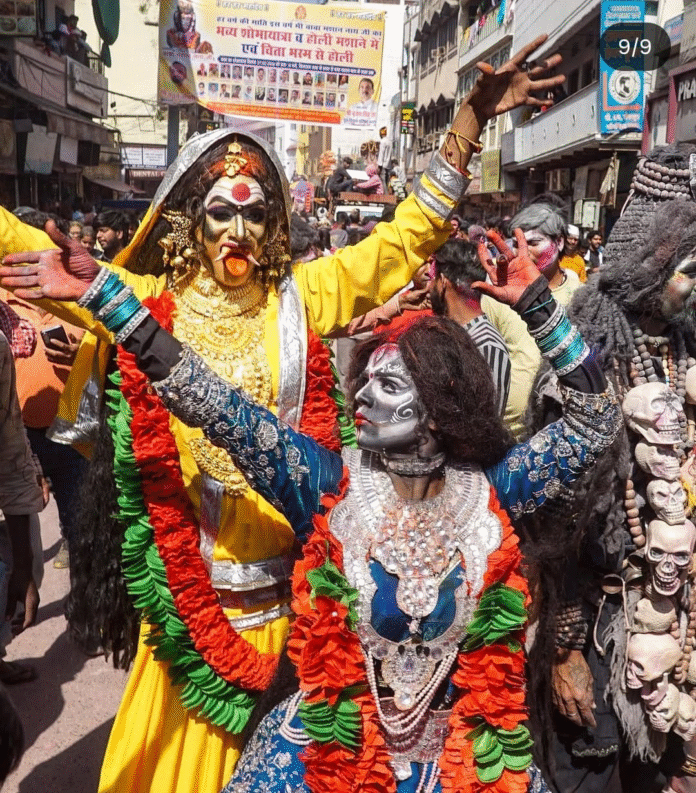
While most of India celebrates Holi with vibrant colors, water, and joy, the ancient city of Varanasi (Kashi) observes a completely different and profound version known as Masan ki Holi (also called Masaan Holi or Bhasma Holi). This extraordinary ritual takes place the day after Rangbhari Ekadashi (typically in late February or early March), primarily at Manikarnika Ghat – one of the world’s oldest and most sacred cremation grounds – and sometimes at Harishchandra Ghat.
Here, instead of gulal (colored powder), devotees use bhasma (sacred ashes from funeral pyres) to play Holi. The air fills with chants of “Har Har Mahadev,” the beats of damaru and nagaas, ecstatic dancing, and an otherworldly energy that transforms the somber cremation site into a space of spiritual ecstasy.

The Mythological Story: Lord Shiva’s Compassion for His Ganas

According to local beliefs and traditions rooted in Shaivism, on Rangbhari Ekadashi, Lord Shiva (Baba Vishwanath) brings Goddess Parvati to Kashi after their divine marriage, and the city celebrates a colorful Holi with gods, devotees, and celestial beings.

However, Shiva’s beloved attendants – his ganas (including ghosts, spirits, bhoot-preta, yakshas, and other ethereal beings) – could not join this joyous event. Moved by compassion and equality toward all his devotees, Lord Shiva visits the cremation ground (masan) the next day to celebrate Holi specially with them. Instead of colors, he uses the ashes from the burning pyres, symbolizing detachment, impermanence, and liberation.

This act is said to have started the tradition, making Masan ki Holi a direct expression of Shiva’s role as Mahakaal (the lord of time and death) and Shmashanavasi (the one who resides in cremation grounds). Ashes (bhasma) are extremely dear to Shiva, representing the ultimate truth that everything returns to dust.

Varanasi's Mysterious 'Masan ki Holi': Where Ashes Become Colors and Death Turns into Divine Celebration!

Deep Spiritual Significance: Embracing Mortality for Liberation

In Kashi, death is not feared but revered as a gateway to moksha (liberation). Playing Holi with funeral ashes reminds participants of life’s fleeting nature, detachment from material illusions (moh-maya), and the unity of life and death in the cosmic cycle.

It symbolizes vairagya (renunciation) and acceptance of mortality.

Devotees, including Naga Sadhus, Aghoris, and Shiva bhakts, smear ashes on their bodies, dance wildly, and celebrate fearlessly amid burning pyres.The atmosphere blends intense devotion, high energy, and philosophical depth – turning a place associated with sorrow into one of profound joy and spiritual awakening.

How the Tradition Unfolds Today

The celebration often begins with a grand aarti at nearby temples like Mashan Nath, followed by devotees gathering at the ghats. Ashes are applied, thrown in the air, and shared amid drumming, chanting, and tandava-like dances. While deeply spiritual for participants, the event has gained global attention through social media – sometimes leading to controversies over crowd behavior, sanctity of the ghat, or scriptural authenticity. Some traditionalists advocate limiting it to temple premises, but it remains a living expression of Kashi’s unique Shaivite philosophy.

Masan ki Holi is not just a festival – it’s a powerful reminder that even in the presence of death, life can be celebrated with devotion and fearlessness.

Government Unveils New GDP Series with 2022–23 Base Year; FY26 Growth Revised Up to 7.6%

0

The Ministry of Statistics and Programme Implementation (MoSPI) has introduced a new GDP series with 2022–23 as the base year, replacing the earlier 2011–12 base year. The revision of the base year is a routine statistical exercise carried out periodically to reflect structural changes in the economy, incorporate new data sources, and improve estimation methodology. The last major revision was undertaken in 2015, when the base year was shifted to 2011–12.

Under the new series, India’s GDP growth for October–December 2025 (Q3 FY26) has been estimated at 7.8%, while full-year growth for FY26 is projected at 7.6% as per the second advance estimates. This is higher than the earlier estimate of 7.4% for FY26 under the old series.

Revisions in Growth Rates

The revised series has led to significant changes in past growth figures. Growth for FY23–24 has been revised downward to 7.2% from 9.2% under the previous series. In contrast, FY24–25 growth has been revised upward to 7.1% from 6.5%. Growth for FY25–26 is estimated at 7.6%.

Quarterly revisions for FY26 show Q1 growth at 6.7%, Q2 at 8.4%, and Q3 at 7.8%. These revisions reflect updated methodology and improved data coverage. MoSPI has announced that a full back series, recalculated historical GDP data under the new base year, will be released by December 2026.

Methodological Improvements

A key methodological shift in the new series is the move from the “single-deflator” method to the “double-deflation” method for calculating real Gross Value Added (GVA). Previously, a single price deflator was used to adjust nominal values to real terms across most sectors, which could overstate growth when input and output prices moved differently.

Under double deflation, both inputs and outputs are adjusted separately using their respective inflation rates. This approach provides a more accurate measure of real economic growth and aligns India’s national accounts with international best practices.

The new series also incorporates additional data sources, including GST data, e-Vahan vehicle registration data, the Annual Survey of Unincorporated Sector Enterprises, and the Periodic Labour Force Survey. Furthermore, national accounts have been integrated with Supply and Use Tables to reduce discrepancies between production-based and expenditure-based GDP estimates.

Sectoral Growth Trends in FY26

The secondary sector is projected to grow at 9.5% in FY26, up from 7.3% in FY25. Manufacturing growth is estimated at 12.5%, compared to 8.3% in the previous year, while construction is expected to expand by 6.9%, slightly lower than 7.1% in FY25.

The primary sector is expected to moderate to 2.8% growth in FY26, down from 5% in FY25. Agriculture growth is estimated at 2.5%, compared to 4.3% earlier, while mining and quarrying is projected to grow at 5%, significantly lower than 11.2% in the previous year.

The tertiary (services) sector is forecast to grow at 8.9%, up from 8.3% in FY25. Trade, hotels, transport, and communication are projected to expand by 10.3%, while financial, real estate, IT, and professional services are expected to grow at 10%. This reflects strong momentum in manufacturing and services, offset by moderation in agriculture.

Downward Revision in Nominal GDP

Despite an upward revision in real growth, the nominal size of the economy has been revised downward. India’s nominal GDP for FY26 is now estimated at Rs. 345.47 lakh crore, around 3.3% lower than earlier estimates under the old series. The size of the economy for FY24 and FY25 has also been revised downward by about 3.8% each.

Nominal GDP represents the current-price value of the economy and serves as the base for calculating key fiscal ratios.

Impact on Fiscal Ratios

Since fiscal indicators such as fiscal deficit-to-GDP and debt-to-GDP ratios are expressed as a percentage of nominal GDP, a lower GDP base mechanically increases these ratios. The fiscal deficit for FY26 is now estimated at 4.51% of GDP, compared to 4.36% earlier, even though the absolute deficit amount remains unchanged.

Similarly, the debt-to-GDP ratio for FY27 is projected at 57.5%, up from the earlier target of 55.6%. This revision makes the government’s debt consolidation path toward its FY2031 goal of reducing debt to 50% of GDP more challenging.

Africa to India: Eight Cheetahs Strengthen Kuno’s Wild Comeback Story

0

Today, 28 February 2026, marks a significant milestone in India’s wildlife conservation journey as eight cheetahs from Botswana have landed at Kuno National Park in Madhya Pradesh under the ambitious Project Cheetah- the country’s flagship program to restore the world’s fastest land mammal to its native habitat after nearly seven decades of extinction in India.

This arrival (the third batch of African cheetahs) includes six females and two males. They were flown from Botswana aboard an Indian Air Force aircraft, touching down at Gwalior Airport after a flight of approximately nine to ten hours. From there, specially equipped IAF helicopters transported the big cats to Kuno, where they arrived between 9 a.m. and 10 a.m. today.

Senior leaders including Madhya Pradesh Chief Minister Mohan Yadav and Union Environment, Forest and Climate Change Minister Bhupender Yadav are present to witness this historic moment as the cheetahs are settled into quarantine enclosures prepared at the park. Over the next month, forestry and veterinary teams will monitor their health and adaptation before gradually introducing them to larger habitats.

With today’s addition, India’s cheetah population will rise to around 46, reinforcing the project’s goal of establishing a thriving, genetically diverse population in the wild. Previous batches brought eight cheetahs from Namibia in 2022 and twelve from South Africa in 2023, with several of these animals now breeding successfully on Indian soil.

Project Cheetah is not just about numbers. This international translocation signifies a major leap in global conservation. Kuno National Park, with its rich grasslands and prey base, has become the heart of the initiative, drawing worldwide attention to India’s commitment to biodiversity.

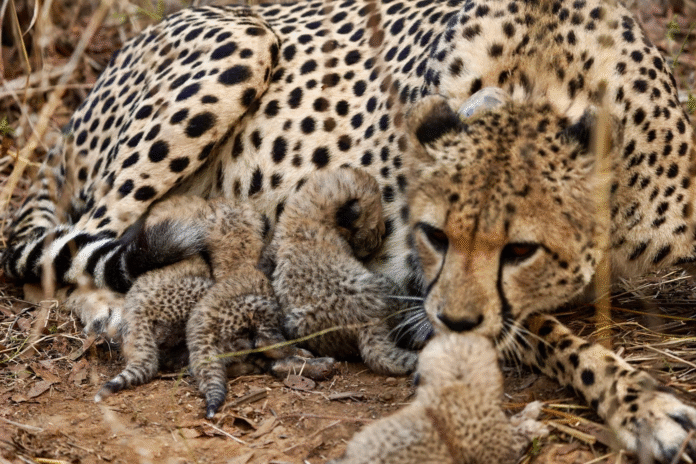
The program has already witnessed promising signs of adaptation, with cheetahs giving birth to cubs in Kuno—a landmark achievement since the big cat once disappeared from Indian landscapes in the early 1950s.

Today’s arrival of African cheetahs not only boosts population numbers but also strengthens hopes for a future where these majestic predators once again race across the plains of India, a powerful testament to sustained conservation efforts and international cooperation.

Igniting Minds Nationwide: National Science Day 2026 Celebrates Women in Science

0

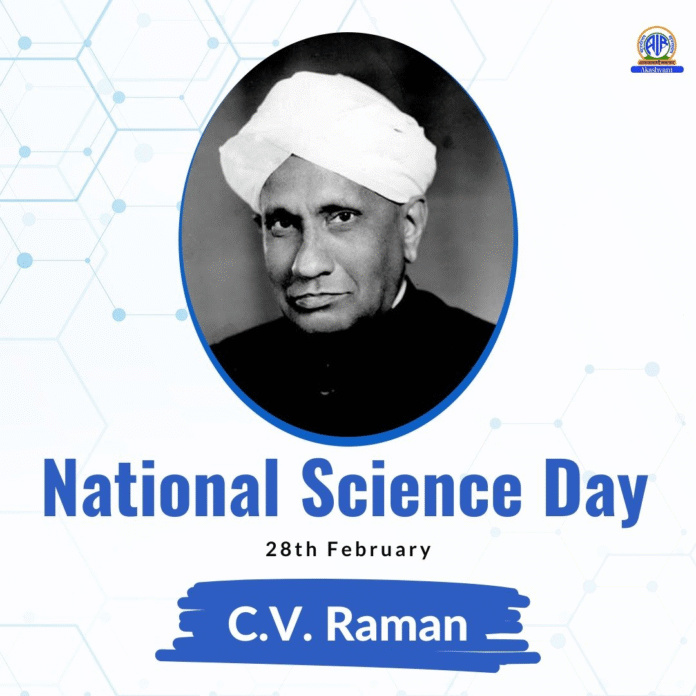
Today, 28 February 2026, India observes National Science Day, a nationwide celebration dedicated to the spirit of scientific inquiry, innovation and education. The day honours a landmark moment in scientific history- the discovery of the Raman Effect by eminent Indian physicist C. V. Raman on this date in 1928, a breakthrough that earned him the Nobel Prize in Physics in 1930 and placed Indian science on the global map.

Instituted by the Government of India in 1986 and first celebrated in 1987, National Science Day has since become a vibrant tribute to scientific temper, rational thinking and research culture across the country’s educational ecosystem.

2026 Theme: “Women in Science: Catalysing Viksit Bharat”
The official theme for this year’s celebrations, “Women in Science: Catalysing Viksit Bharat,” has been announced by the Department of Science and Technology, under the Ministry of Science and Technology. The theme recognises the critical role of women researchers, innovators and educators in shaping India’s scientific growth and driving the nation towards a developed (Viksit) Bharat. It emphasises inclusion, gender equity in STEM fields, and the transformative impact of women’s contributions to research, technology and innovation.
In his address, Science and Technology Minister Dr. Jitendra Singh highlighted the theme’s importance in encouraging wider participation of girls and women in scientific careers and leadership, underscoring that inclusive innovation is vital to India’s progress.

How the Day is Being Celebrated


Across the country, schools, colleges, universities, research institutes and science centres have organised a rich variety of activities to engage students and the public with science:

  • National-level events at Vigyan Bhawan, New Delhi, include special lectures, panel discussions and awards that showcase contributions of women scientists.
  • At Indian Institute of Science Education and Research Pune, a full-day science festival features public science shows, exhibitions, quizzes, interactive experiments and talks by distinguished researchers.
  • Regional celebrations- from Andhra Loyola College’s optics demonstrations to NITK Surathkal’s science exhibitions and competitions, bring scientific exploration to local students and communities.
  • In Shillong, students participated in STEM competitions and model exhibitions under the national theme, reinforcing science outreach in Northeast India.

Elsewhere, institutions are promoting hands-on activities, astronomy sessions, public lectures, poster contests, debates and science quizzes that inspire curiosity, critical thinking and problem-solving.

At a time when innovation, research and technology are central to national development, National Science Day serves a dual purpose: it celebrates India’s scientific heritage and encourages a scientific mindset among future generations. By honouring historic discoveries and spotlighting women’s contributions, the 2026 observance reinforces that science belongs to everyone and that diverse minds are key to India’s journey towards a prosperous, knowledge-driven future.
This National Science Day is not just a remembrance of the past, it’s a call to action for a more inclusive, innovative and inquiry-led society.

Beyond Colours: The Divine Symphony of Holi in Nathdwara

0

When spring arrives in Nathdwara, Rajasthan, Holi isn’t confined to just one vibrant day of splashes and laughter- it unfolds as a divine, joyous journey that blends sacred rituals, age-old traditions, folk music and deep devotion in a way unlike anywhere else in India.

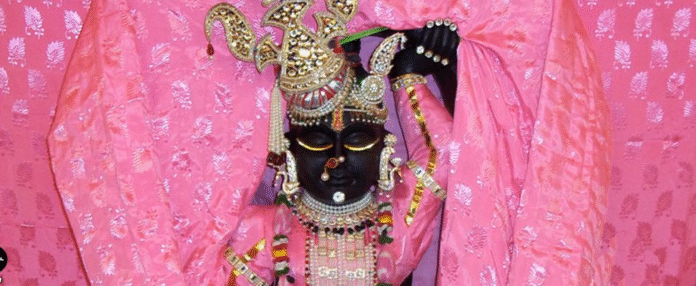
In Nathdwara, Holi is celebrated differently at the Shrinathji Temple, the heart of the town and one of the most revered centers of the Pushti Marg sect. Here, Holi is not merely about revelry; it’s about sharing the eternal play of Lord Krishna with his devotees.

Unlike the usual one-day festival, the celebrations here begin weeks before Holi, often as early as Basant Panchami, marking the onset of spring. For about 40 days, priests and devotees gradually adorn Lord Shrinathji’s pristine white attire with streaks and patterns of abir, gulal and kesudo- traditional powders of white, pink and orange, until by the time the grand festival arrives, the deity is a tapestry of vivid hues. This slow, artistic colouring symbolizes the joyful anticipation of Krishna’s legendary playful colours.

A local resident, Aishwarya Bhatia, perfectly captures the spirit of the festival: “Holi Celebration in Nathdwara isn’t just one day — it’s like a long, divine play that unfolds for weeks. Each day a little more colour is added, and with it, a little more joy. It feels personal, playful, and deeply divine at the same time.”

The Holi rituals themselves, especially Dhuleti and Dolotsav, are elegant spectacles where the idol is showered with colour during sacred darshans, amid devotional songs like rasiyas, rhythmic music and prayers. Here, devotees don’t just throw colours at each other; they receive them as blessings from the Lord himself.

Beyond the temple walls, the entire town resonates with spirited gatherings, folk performances, and traditional feasts featuring festive favourites like thandai and gujiya. Yet even in the lively street celebrations, where the air becomes a dance of colours, reverence for Krishna’s divine play remains at the core.

What sets Nathdwara’s Holi apart from celebrations elsewhere- be it in bustling cities or the playful Holi of Braj regions- is its beautiful harmony of devotion with festivity. Here, colour isn’t just playful chaos, it’s a living, breathing expression of love for the divine, woven into every smile, song and sprinkle of gulal.

(The writer of this article is Kanan Rathore)

The Role of Total Expense Ratio in Mutual Fund Performance

0

Investing in mutual funds has become important for building long-term wealth, yet many investors often overlook one critical factor that directly affects their returns: the cost of investing. Among these costs, the Total Expense Ratio (TER) plays a pivotal role. 

Understanding TER allows investors to gauge how much of their money is being consumed by fund management, operational expenses, and other administrative charges. This knowledge is essential, as even a seemingly small difference in Total Expense Ratio can compound into significant variations in wealth accumulation over time. 

This blog will guide investors through what the Total Expense Ratio is, its components, and how it influences mutual fund performance.

What is the Total Expense Ratio?

Total Expense Ratio, commonly abbreviated as TER, represents the percentage of a fund’s assets that are used to cover all operating expenses over a year. Essentially, it quantifies the cost of managing a mutual fund, deducted directly from the fund’s returns before they reach investors.

The Total Expense Ratio encompasses several key costs:

  • Fund Management Fees: Fees paid to the fund manager for managing investments.
  • Administrative Costs: Expenses related to investor communications, record-keeping, and compliance.
  • Operational Costs: Costs for running the fund infrastructure, including custodian fees, auditor charges, and regulatory expenses.

By understanding these components, investors can see precisely where their money is going and how it affects overall returns.

How TER Affects Mutual Fund Performance

The Total Expense Ratio has a direct and measurable impact on mutual fund performance. Higher TERs reduce the net returns that investors ultimately receive, while lower TERs leave more of the fund’s gains in the hands of investors.

For instance, consider two equity funds, Fund A with a TER of 2% and Fund B with a TER of 1%. If both funds generate a gross return of 10% over a year, Fund A’s net return would be approximately 8%. In contrast, Fund B would offer 9%. It is a noticeable difference, particularly when compounded over multiple years.

The compounding effect is crucial: even a 1% difference in TER can significantly alter the corpus over a 10- to 20-year horizon. Therefore, understanding and monitoring TER is essential for investors seeking long-term wealth accumulation.

TER in Mutual Fund: Key Considerations for Investors

When assessing TER in mutual fund investments, there are several important factors to consider:

  • Comparing TER Across Similar Funds

Always benchmark a fund’s TER against similar funds in the same category. A TER higher than average may not justify the additional cost unless the fund consistently outperforms peers.

  • Balancing TER with Fund Performance and Risk

A low TER does not automatically guarantee better performance. Investors must evaluate it alongside the fund’s historical returns, volatility, and risk profile.

  • Hidden Costs to Watch Out For

Some funds may charge additional costs such as exit loads, transaction fees, or performance-based fees. While not included in TER, these can impact overall returns.

By carefully weighing these considerations, investors can make cost-efficient decisions without compromising their investment objectives.

How to Minimise Costs While Maximising Returns

Investors can employ several practical strategies to optimise returns relative to TER:

  • Choosing Funds with Reasonable TER: Focus on funds whose TER aligns with their category average and justifies the potential returns.
  • Considering Passively Managed Funds: Index funds and Exchange Traded Funds (ETFs) often have lower TER due to minimal active management, offering cost-efficient exposure to markets.
  • Evaluating Fund Performance Relative to TER: Look beyond TER alone. Assess whether higher-cost funds deliver returns that compensate for the expense over the long term.

Adopting these approaches ensures that investors retain more of their investment gains while still accessing professional fund management.

Common Myths About Total Expense Ratio

Several misconceptions about Total Expense Ratio can mislead investors:

  1. Higher TER Means Better Performance: While some high-cost funds outperform peers, TER alone does not guarantee superior returns.
  2. TER is Negligible in Short-term Investments: Even in short-term horizons, high TER can erode net returns and should not be ignored.
  3. All Expenses are Reflected in TER: Certain costs, like exit loads, are excluded, and investors must consider them separately.
  4. TER Remains Constant Over Time: TER can fluctuate depending on fund size, operational changes, or regulatory adjustments.
  5. Low TER is Always Better: Extremely low TER may indicate limited active management, which may not suit all investment objectives.

Understanding these myths helps investors make more informed, cost-conscious decisions.

Making Informed Decisions for Financial Security

The Total Expense Ratio is a fundamental determinant of mutual fund performance, directly influencing the returns that investors ultimately receive. By understanding what TER entails, its components, and how it interacts with compounding over time, investors can make strategic choices that effectively balance costs and potential returns. 

Monitoring TER consistently supports long-term wealth growth, ensuring that management and operational expenses do not unnecessarily erode investment gains. Evaluating TER alongside fund type, historical returns, and associated risks helps identify funds that provide genuine value for money. 

For investors seeking well-researched and carefully managed options, online investment platforms like Jio BlackRock offer insights into selecting funds with competitive TERs. Making informed choices today can significantly enhance financial security and wealth accumulation in the future.