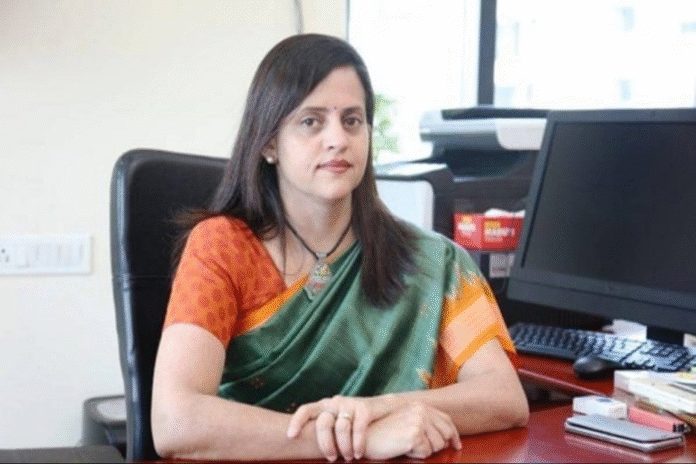
Mumbai has witnessed a historic administrative milestone with the appointment of senior IAS officer Ashwini Bhide as the commissioner of the Brihanmumbai Municipal Corporation (BMC). She becomes the first woman to head India’s richest civic body, marking a significant shift in urban governance leadership.
Career Background and Administrative Experience
A 1995-batch Indian Administrative Service officer, Ashwini Bhide has built a strong reputation through her extensive administrative career. She began her service in Kolhapur and later served as Chief Executive Officer of the Nagpur Zilla Parishad and Sindhudurg Zilla Parishad. Over the years, she has held key positions at Raj Bhavan, worked as additional commissioner at the Mumbai Metropolitan Region Development Authority, and also served within the BMC.
Role in Chief Minister’s Office and Governance
Before her appointment as BMC commissioner, Bhide was serving as Additional Chief Secretary in the Chief Minister’s Office of Maharashtra. She is known for handling complex and high-stakes assignments efficiently. Her administrative acumen and ability to manage large-scale governance challenges have made her a trusted figure in the state’s bureaucracy.
‘Metro Woman’ and Mumbai Metro Line 3 Leadership
Ashwini Bhide is widely recognised as the “Metro Woman of Mumbai” due to her leadership in executing the Mumbai Metro Line 3 project, also known as the Aqua Line. The project, Mumbai’s first underground metro corridor connecting Colaba to SEEPZ, faced major challenges such as tunnelling beneath heritage structures and resolving land acquisition issues. The controversial Aarey Colony car shed issue further brought the project into public and political focus, requiring careful administrative handling.
Important Facts
Brihanmumbai Municipal Corporation (BMC) is India’s richest civic body.
Mumbai Metro Line 3 is the city’s first underground metro corridor.
The Aarey Colony controversy relates to environmental concerns near Sanjay Gandhi National Park.
IAS officers are recruited through the Civil Services Examination conducted by the Union Public Service Commission.
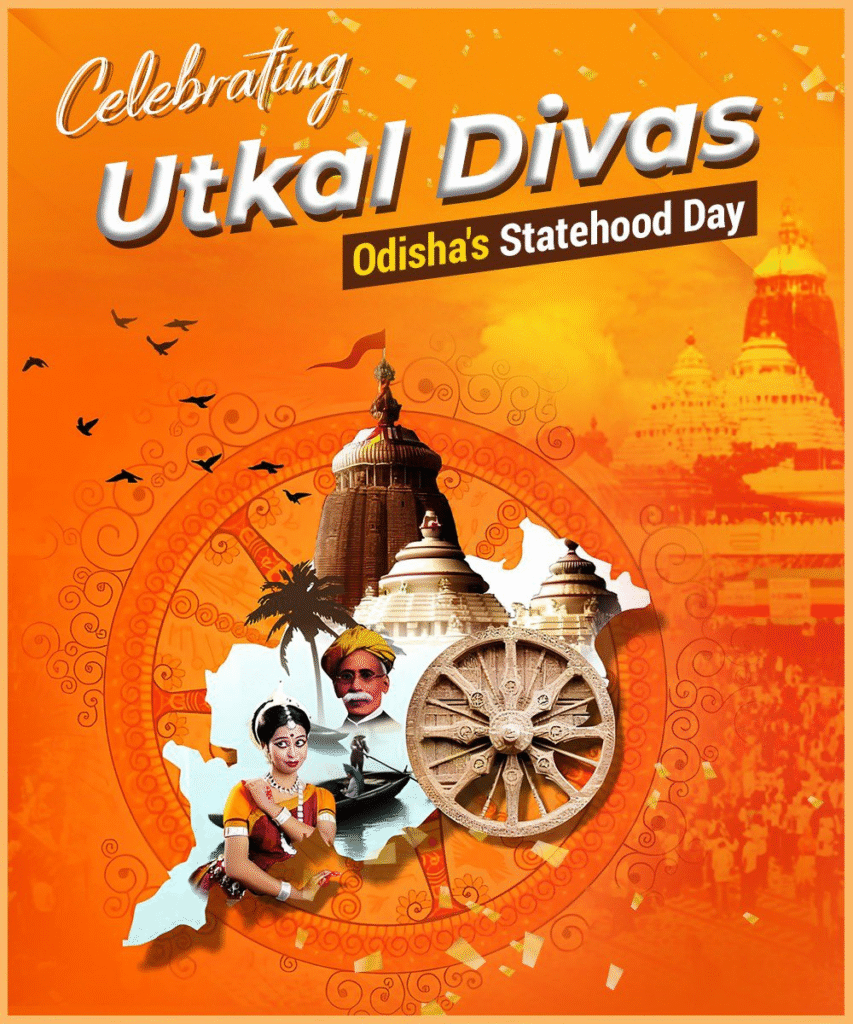
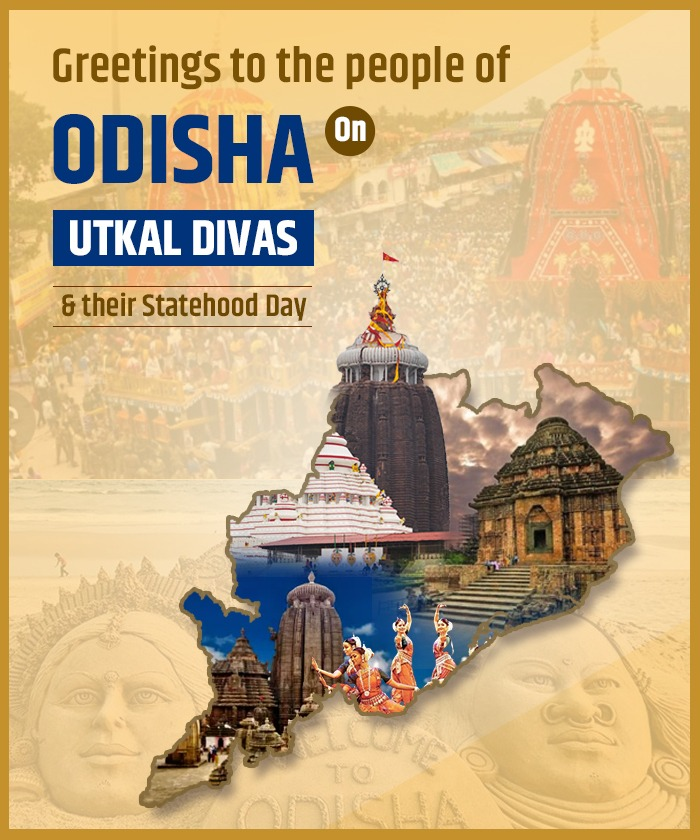
Utkal Divas is observed every year on April 1 to commemorate the formation of Odisha as a separate province during British rule in 1936. It holds a unique place in Indian history as Odisha became the first state to be created on a linguistic basis, recognising the identity of Odia-speaking people. The day is also known as Odisha Day, Utkal Dibasa, and Vishuva Milan. It is celebrated across the state through cultural events, public functions, and tributes to leaders who played a key role in the statehood movement.
Utkal Divas 2026 Date
Utkal Divas 2026 will be celebrated on April 1, 2026. The date remains the same every year, making it easy to remember and important for competitive exams like UPSC. It is observed as a restricted holiday in Odisha, with various official and community-level celebrations taking place across the state.
History of Odisha (Utkal Divas Background)
The history of Odisha dates back to ancient times when it was known as Kalinga, a powerful and culturally rich region. It gained prominence after the Kalinga War in 260 BC, which led Emperor Ashoka to embrace Buddhism. Over centuries, Odisha came under the rule of the Mughals, Marathas, and eventually the British. During British rule, Odia-speaking regions were divided among Bengal, Bihar, and Madras Presidencies, causing administrative and cultural challenges. This led to a prolonged movement demanding a separate state, which was finally achieved on April 1, 1936.
Odisha Foundation Day 2026
Odisha Foundation Day marks the official creation of the state after years of sustained struggle and leadership. When the state was formed in 1936, it initially comprised six districts—Cuttack, Puri, Balasore, Sambalpur, Koraput, and Ganjam. Later, in 1948, the capital was shifted from Cuttack to Bhubaneswar. This day symbolizes the success of a socio-political movement aimed at preserving linguistic and cultural identity.
About Odisha
Odisha is a state known for its rich cultural heritage, traditions, and natural beauty. It has a strong connection to ancient civilisation and continues to preserve its historical roots. Approximately 31 percent of the state is covered with forests, and it is home to one of the largest tribal populations in India. The people of Odisha are known for their simplicity, cultural pride, and deep-rooted traditions.
How Utkal Divas is Celebrated
Utkal Divas is celebrated with great enthusiasm across Odisha, reflecting the pride of its people in their identity and heritage. Schools, colleges, and public institutions organise cultural programs featuring traditional Odia dance, music, and drama. Competitions such as essay writing, debates, and quizzes are also conducted to raise awareness about the state’s history. Public spaces are decorated with lights and flags, and people come together through community gatherings, creating a festive and vibrant atmosphere.
Significance of Utkal Divas
The significance of Utkal Divas lies in its deep historical and cultural importance. It marks the success of the Odia-speaking people’s struggle for a separate identity and statehood. As the first linguistic state of India, Odisha set a precedent for future state formations. The day promotes unity among citizens and encourages them to celebrate their shared language, culture, and traditions. It also serves as a reminder for younger generations to value and preserve their heritage.
Utkal Divas Theme 2026
The theme for Utkal Divas 2026 is generally announced closer to the celebration date. Each year, the theme focuses on aspects such as cultural preservation, development, social progress, and unity. It helps guide the events and activities organised across the state while encouraging people to reflect on Odisha’s journey and future aspirations.
The Centre is set to introduce the Andhra Pradesh Reorganisation (Amendment) Bill, 2026 in the Lok Sabha to formally recognise Amaravati as the sole capital of Andhra Pradesh. The move aims to provide statutory backing to the greenfield capital project and resolve the long-standing uncertainty over the State’s capital.
Legislative Push for Amaravati
The proposed amendment seeks to revise Section 5 of the Andhra Pradesh Reorganisation Act, 2014, which was enacted after the bifurcation of Andhra Pradesh and Telangana. The original law designated Hyderabad as the joint capital for both states for a period of ten years but did not specify a permanent capital for Andhra Pradesh.
The new Bill proposes to explicitly name Amaravati as the State’s sole capital, thereby removing any ambiguity.
Assembly Resolution and Political Backing
This move follows a unanimous resolution passed by the Andhra Pradesh Legislative Assembly on March 28, 2026, urging the Union government to grant legal recognition to Amaravati as the permanent capital. Chief Minister N. Chandrababu Naidu reiterated that Amaravati is the definitive choice and emphasised that the decision reflects both constitutional provisions and the will of the people.
Key Amendments and Land Pooling Model
The amendment proposes inserting the phrase “at Amaravati” in the relevant section of the 2014 Act.
It seeks to define Amaravati as the capital region notified under the Andhra Pradesh Capital Region Development Authority Act, 2014.
A major pillar of the project is its land pooling model, under which:
Over 34,000 acres have been voluntarily contributed by farmers
The total land bank stands at around 54,000 acres
Plans are in place to expand this further in a second phase
This model is often cited as a unique approach to large-scale urban development in India.
Development Plans and Timeline
Amaravati is being developed as a sustainable “Blue-Green City” with modern, future-ready infrastructure.
Around 91 infrastructure projects worth ₹56,000 crore are currently underway
These projects are generating significant employment
Key infrastructure—including roads, government complexes, and institutional buildings—is expected to be completed between 2027 and 2028
The renewed momentum comes after a phase of uncertainty, during which a three-capital model had been proposed earlier.
Key Points
Andhra Pradesh Reorganisation Act, 2014 → Bifurcation of Andhra Pradesh and Telangana
Hyderabad → Joint capital for 10 years post-bifurcation
Amaravati → Planned greenfield capital city
Land Pooling Model → Farmers voluntarily contribute land for development
A potential escalation in tensions involving the US, Israel, and Iran around the Strait of Hormuz is raising concerns not only about global energy supplies but also about a possible disruption to the world’s internet infrastructure.
The Strait of Hormuz—through which nearly 20% of global crude oil and 25% of liquefied natural gas (LNG) passes—is also a critical route for undersea internet cables. Any damage to this infrastructure could impact internet connectivity worldwide, including in India.
97% of Global Data Travels Under the Sea
Contrary to popular belief, the internet does not primarily rely on satellites. Nearly 95% to 97% of global data traffic is transmitted through fiber-optic cables laid along the ocean floor.
Key international cable systems such as SEA-ME-WE, AAE-1, and EIG pass close to the Strait of Hormuz, connecting India with Europe, Africa, and West Asia.
Why This Is a Major Concern for India
India’s digital ecosystem is heavily dependent on these undersea cable routes, most of which pass through the Arabian Sea and the Gulf region.
If these cables are damaged:
Higher Latency: Data may be rerouted through longer paths, such as the Pacific route, increasing transmission delays.
Slower Internet Speeds: Users may experience buffering on platforms like YouTube, Instagram, and Netflix, along with disruptions in video calls and cloud services.
Economic Impact: India’s $250 billion (₹23.48 lakh crore) IT and outsourcing sector depends on fast, real-time connectivity with global clients. Any slowdown could lead to service disruptions, SLA breaches, and financial penalties.
Financial Systems at Risk: Remittances from Gulf countries and global banking systems like SWIFT may also experience delays.
Will the Internet Completely Shut Down?
A complete global internet blackout is unlikely. The internet is designed with redundancy, meaning data can be rerouted through alternate paths if one route fails.
However, this rerouting increases congestion, which can significantly reduce speeds. High-sensitivity sectors such as stock markets and high-frequency trading could face serious risks, where even milliseconds matter.
India Exploring Alternative Solutions
To reduce dependence on vulnerable routes, India and other countries are investing in alternative infrastructure:
New undersea cable routes that bypass geopolitically sensitive regions
Satellite-based internet services such as Starlink as backup connectivity
A Growing Digital Chokepoint
Experts increasingly view the Strait of Hormuz not just as an energy chokepoint, but as a critical digital chokepoint. As geopolitical tensions rise, the risks to global internet stability are becoming as significant as those to global oil supply.
April is often considered one of the most rewarding months to travel across the globe. It marks the transition into spring in many parts of the world, bringing blooming landscapes, pleasant weather, and vibrant cultural festivities. Unlike peak summer months, April offers the advantage of fewer crowds, better travel deals, and a more relaxed experience.
Whether you’re drawn to nature, history, beaches, or festivals, April 2026 presents countless opportunities for unforgettable journeys.
Here are the top 10 countries you should consider visiting this April:
🇯🇵 Japan – A Dream in Pink Blossoms
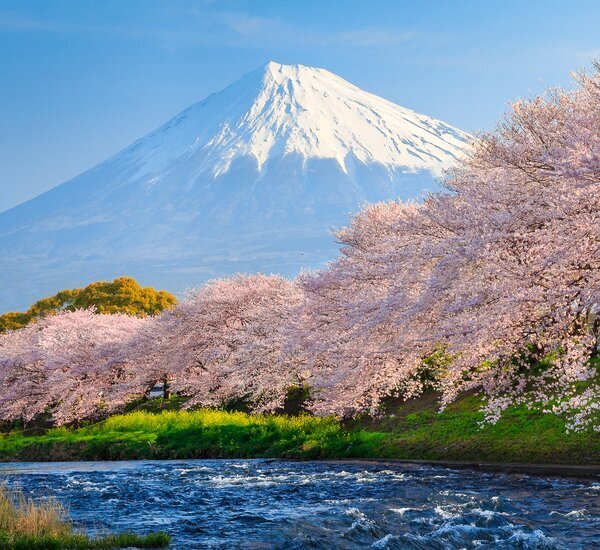
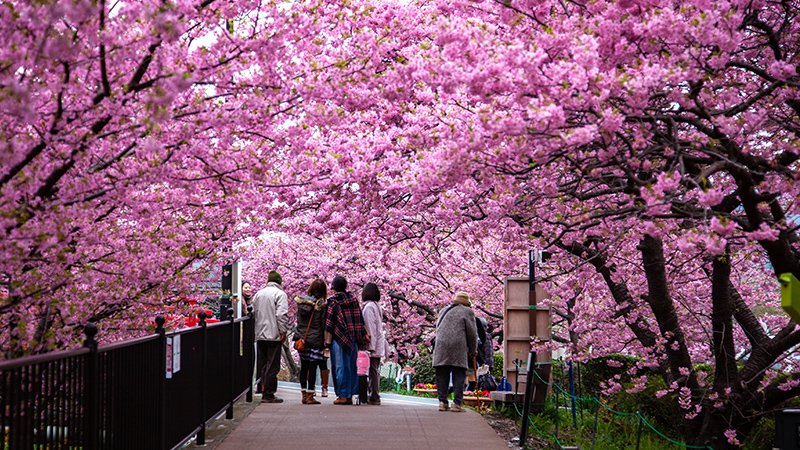
April is the peak of the iconic cherry blossom season in Japan, known as sakura. Cities like Tokyo, Kyoto, and Osaka are transformed into breathtaking shades of pink and white. Parks such as Ueno and Maruyama become gathering spots for hanami (flower viewing) picnics. Beyond the blossoms, April is also a great time to explore Japan’s temples, gardens, and modern cityscapes in comfortable weather. The cultural harmony of tradition and modernity becomes even more magical during this season. Why visit in April? Cherry blossoms, festivals, ideal weather
🇳🇱 Netherlands – A Riot of Tulips
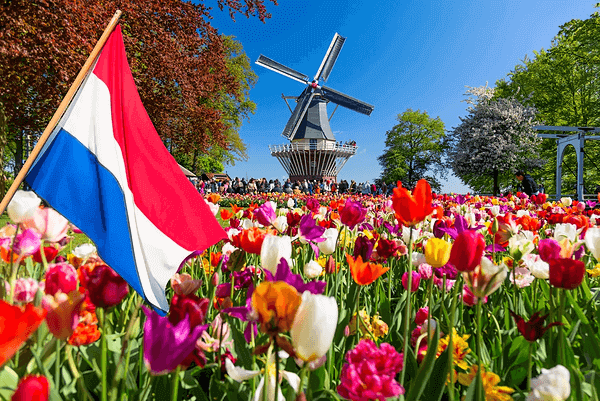
If flowers fascinate you, the Netherlands in April is nothing short of spectacular. The world-famous Keukenhof Gardens showcases millions of blooming tulips in vivid colors. The countryside is dotted with endless flower fields, creating postcard-perfect landscapes. Amsterdam’s canals, museums, and cycling culture add to the charm. The pleasant spring weather makes it perfect for outdoor exploration. Why visit in April? Tulip season, scenic countryside, romantic vibe
🇮🇹 Italy – Art, History, and Spring Serenity
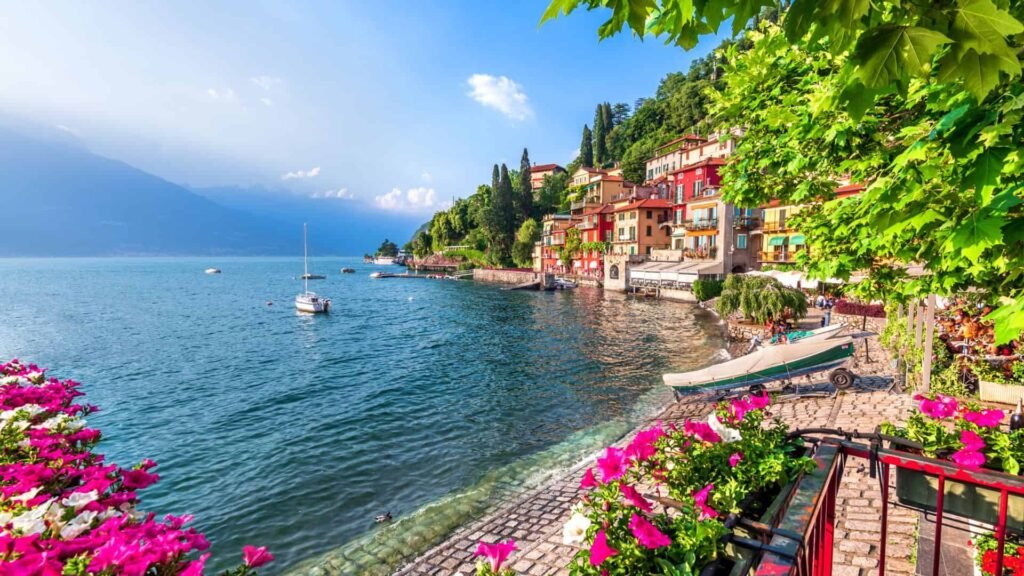
April is one of the best times to explore Italy without the overwhelming summer crowds. Cities like Rome, Florence, and Venice are bathed in soft spring sunshine, making sightseeing comfortable and enjoyable. From ancient ruins and Renaissance art to world-renowned cuisine, Italy offers a complete travel experience. Outdoor cafés come alive, and gardens begin to bloom, adding to the country’s charm. Why visit in April? Mild weather, fewer tourists, cultural richness
🇪🇸 Spain – Festivities and Flair
Spain truly comes alive in April. The region of Andalusia hosts the famous Feria de Abril in Seville, a vibrant festival of flamenco dancing, music, and traditional attire. The weather is warm but not too hot, ideal for exploring historic cities like Granada and Cordoba. From tapas culture to architectural wonders like the Alhambra, Spain offers a lively and immersive experience. Why visit in April? Festivals, sunshine, rich culture
🇨🇭 Switzerland – Where Winter Meets Spring
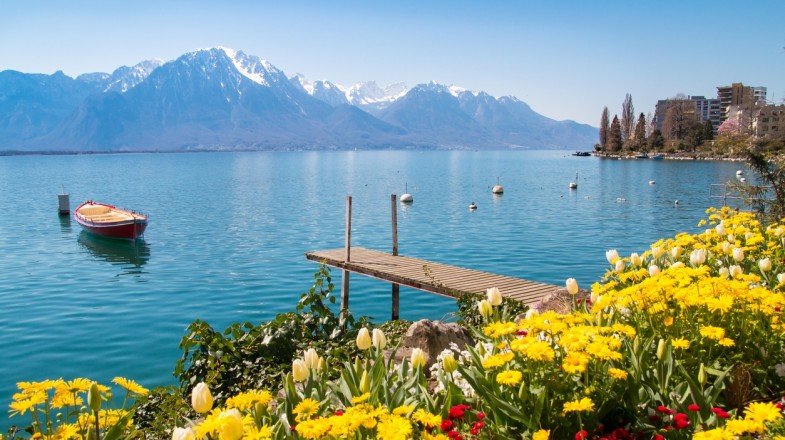
Switzerland in April offers a magical contrast—snow still blankets the Alps while valleys bloom with greenery. It’s a perfect time for scenic train journeys like the Glacier Express, offering breathtaking views of mountains and lakes. Adventure lovers can still enjoy late-season skiing, while others can indulge in peaceful hikes and lakeside retreats. Why visit in April? Scenic landscapes, fewer crowds, dual-season beauty
🇱🇰 Sri Lanka – A Compact Paradise
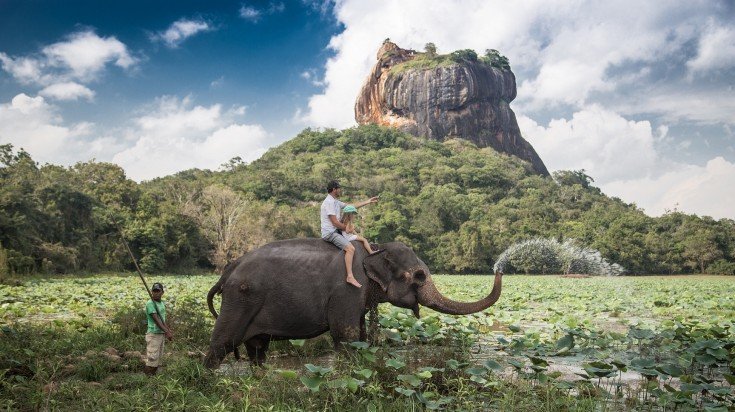
Sri Lanka is a diverse destination offering beaches, wildlife, and heritage—all within a small geographical area. April brings favorable weather across many regions, making it ideal for exploring places like Sigiriya, Ella, and Yala National Park. The Sinhala and Tamil New Year, celebrated in April, adds a cultural vibrancy with traditional games, food, and rituals. Why visit in April? Culture, wildlife safaris, tropical beaches
🇬🇷 Greece – Calm Before the Crowd
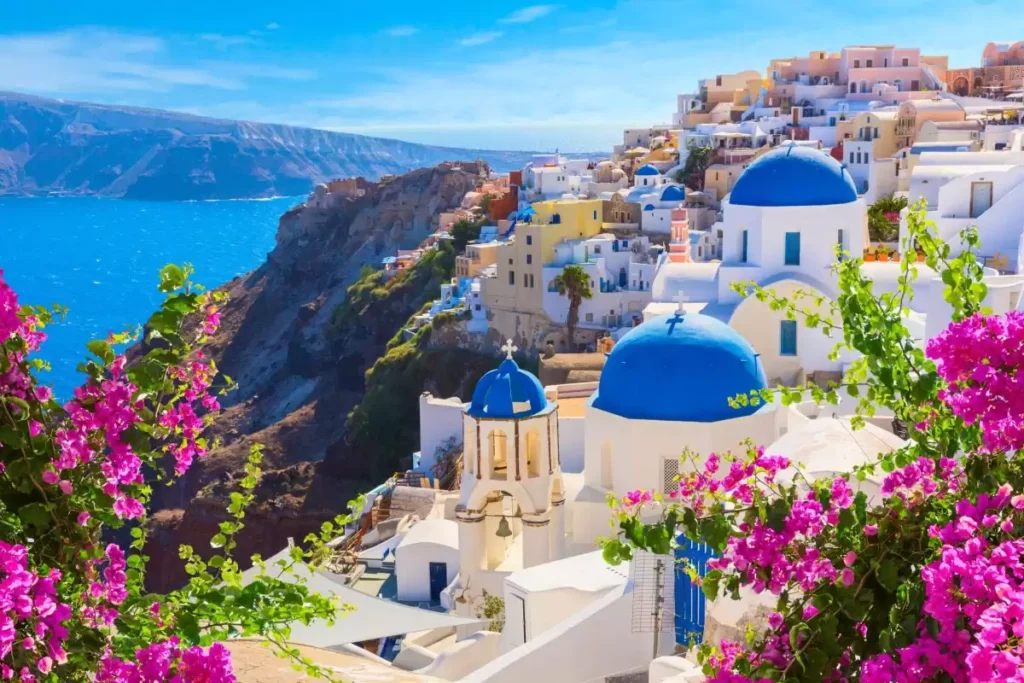
April is the perfect time to experience Greece before the summer tourist rush begins. The weather is warm enough to explore comfortably, and iconic destinations like Santorini and Athens are less crowded. Ancient ruins, whitewashed villages, and scenic coastlines create a timeless travel experience. It’s also a great month for photography and relaxed exploration. Why visit in April? Pleasant weather, fewer tourists, stunning views
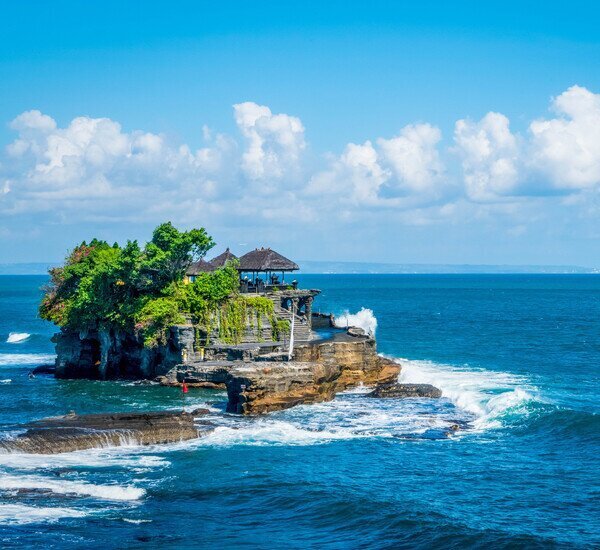
🇮🇩 Indonesia (Bali) – Tropical Bliss Begins
April marks the beginning of Bali’s dry season, making it one of the best times to visit this Indonesian paradise. The island offers lush rice terraces, serene temples, and beautiful beaches. Whether it’s surfing in Kuta, exploring Ubud’s cultural heart, or relaxing in luxury resorts, Bali caters to every kind of traveler. Why visit in April? Ideal weather, natural beauty, spiritual retreats
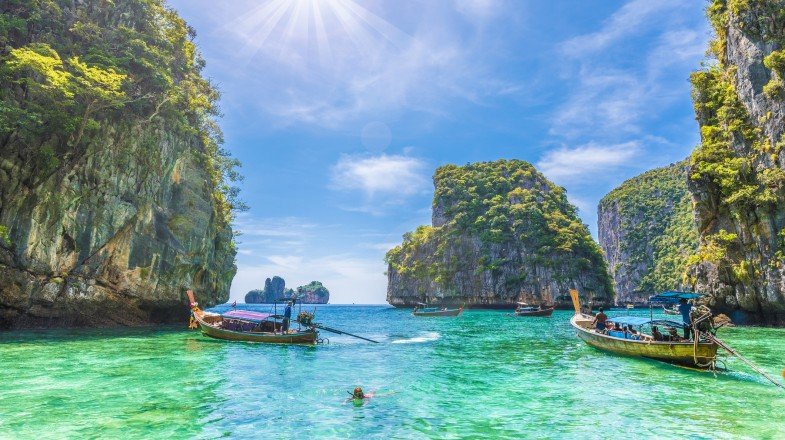
🇹🇭 Thailand – The Festival of Water
Thailand in April is vibrant and energetic, thanks to the famous Songkran Festival, which celebrates the Thai New Year with massive water fights across the country. It’s a unique and joyful cultural experience. Though temperatures can be high, the beaches of Phuket, Krabi, and Koh Samui offer refreshing escapes. Why visit in April? Festivals, beaches, lively atmosphere
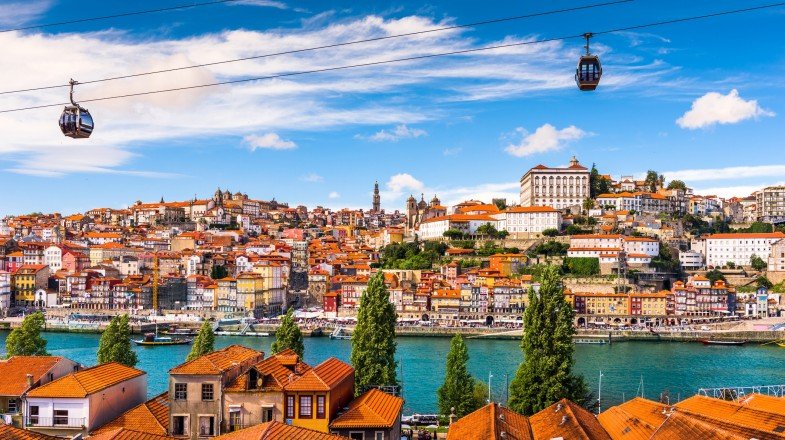
🇵🇹 Portugal – Europe’s Hidden Gem
Portugal is one of Europe’s most underrated destinations, and April is a wonderful time to explore it. Cities like Lisbon and Porto offer historic charm, scenic viewpoints, and delicious cuisine. The island of Madeira is especially beautiful in April, hosting its famous Flower Festival. With pleasant weather and fewer tourists, Portugal offers a relaxed European experience. Why visit in April? Mild climate, coastal beauty, fewer crowds
Conclusion
April truly stands out as a golden month for travel. It combines the freshness of spring, cultural vibrancy, and comfortable weather across many regions of the world. Whether you’re chasing cherry blossoms in Japan, enjoying European spring landscapes, or relaxing on tropical beaches, there’s something for every traveler.
Planning your trip in April 2026 not only ensures a memorable experience but also allows you to explore destinations at their most beautiful and lively stage. So, pack your bags and let April take you on a journey filled with colors, culture, and unforgettable memories.
From a small village in Jammu & Kashmir to global sporting glory, her journey is nothing short of extraordinary
In a remarkable recognition of her talent and determination, Sheetal Devi has been named the Para Archer of the Year 2025 by World Archery. This prestigious honour celebrates not just her achievements, but also her inspiring journey of resilience and excellence.
Who is Sheetal Devi?
Born on 10 January 2007 in Kishtwar, Jammu & Kashmir, Sheetal Devi is currently 19 years old and has already emerged as one of the brightest stars in global para sports. She was born with phocomelia, a rare congenital condition that resulted in the absence of both arms.
Despite this, she took up archery in 2022 and quickly rose to prominence, mastering a unique technique of shooting using her legs—making her the first and only female armless archer at the international level.
A Journey of Grit and Determination
Sheetal’s journey began with support from the Indian Army’s Rashtriya Rifles under a community initiative, which helped her access training and education. With dedicated coaching and immense perseverance, she transitioned from a beginner to a world-class athlete in just a few years.
Major Achievements
Her list of achievements is extraordinary for someone so young:
●Gold medal at the 2025 World Para Archery Championships in Gwangju ●Bronze medal at the 2024 Paralympics (mixed team compound event) ●Multiple medals at the Asian Para Games, including two golds ●Former World No. 1 para archer in compound category
Notably, she became the first armless woman to win a gold medal at the World Championships, a historic feat that brought her global recognition.
Awards and Recognition
●Para Archer of the Year 2025 by World Archery ●Arjuna Award (2023), one of India’s highest sporting honours ●Best Youth Athlete of the Year (2023) by Asian Paralympic Committee ●Also honoured as Para Sportsperson of the Year (Female) at TOISA 2025
Why She is So Celebrated
Sheetal Devi is more than an athlete—she is a symbol of courage and breaking barriers. Competing at the highest level without arms, she has redefined what is possible in sports. Her ability to compete—and win—against the best in the world makes her one of the most inspiring figures in contemporary Indian sport.
A Story That Inspires Millions
Her rise from a remote village to the world stage is a testament to resilience, innovation, and sheer willpower. At just 19, Sheetal Devi is not only making history but also inspiring a generation to believe that limitations exist only in the mind. Her story is not just about medals—it is about rewriting destiny.
₹3,300 crore facility at Sanand marks a decisive step towards global leadership in semiconductor manufacturing
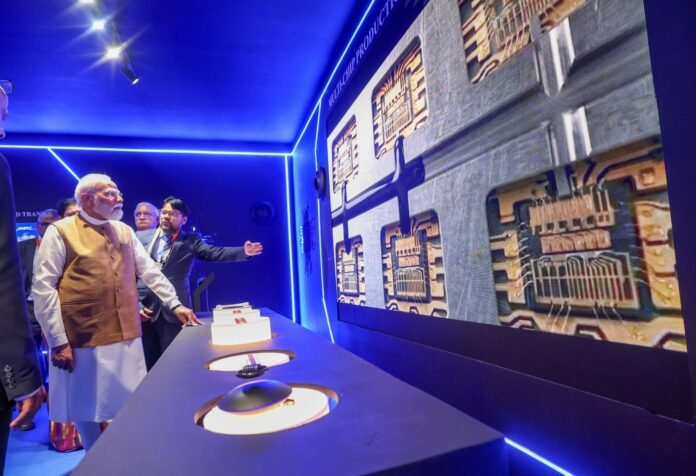
On March 31, 2026, Prime Minister Narendra Modi inaugurated the Kaynes Semiconductor Plant at Sanand in Gujarat, marking a major milestone in India’s journey towards technological self-reliance and global competitiveness in the semiconductor sector.
It is indeed a proud moment for India’s Semiconductor ecosystem that the Kaynes Semicon OSAT facility has been inaugurated in Sanand, Gujarat. This will boost India’s efforts of emerging as a leader in futuristic technologies and innovation. pic.twitter.com/Soz8BXPWaa
The newly inaugurated plant is an OSAT (Outsourced Semiconductor Assembly and Test) facility—an essential segment of the semiconductor value chain where chips are assembled, packaged, and tested before deployment. Built with an investment of around ₹3,300 crore, the unit is among the first advanced semiconductor facilities in India and is expected to produce nearly 60 lakh chips per day.
This makes it a critical addition to India’s growing semiconductor ecosystem, reducing dependence on imports and strengthening domestic manufacturing capabilities.
“Make in India, Make for the World”
During the inauguration, Prime Minister Modi described the project as a true reflection of India’s manufacturing vision, stating that it embodies the mantra of “Make in India, Make for the World.”
He highlighted that the plant is already connected to global supply chains, with modules being exported to international companies. Emphasising its global impact, he noted that products manufactured in Sanand will ultimately “power the world,” underlining India’s emergence as a key player in the global semiconductor landscape.
Why This Plant Matters
Semiconductors are the backbone of modern technology—powering everything from smartphones and automobiles to defence systems and AI infrastructure. India has historically depended heavily on imports for these critical components.
With this facility, India strengthens its ambition to become a reliable global supplier of semiconductors, while also building resilience against global supply chain disruptions.
The plant is also part of India’s broader semiconductor mission, aimed at creating a robust, end-to-end ecosystem that includes design, manufacturing, testing, and export.
Sanand: India’s Emerging Semiconductor Hub
Sanand, once known primarily for automobile manufacturing, is rapidly evolving into a semiconductor and electronics hub. With multiple projects underway—including earlier chip facilities—this region is positioning itself as a cornerstone of India’s high-tech industrial future.
The Prime Minister also remarked that a “new bridge has been built between Sanand and Silicon Valley,” symbolizing India’s integration into global technology networks.
The Way Forward
The inauguration of the Kaynes facility signals a shift from policy to execution in India’s semiconductor ambitions. As more such projects become operational, India is expected to move up the value chain—from assembly and testing to full-scale chip fabrication and innovation.
With projections indicating that India’s semiconductor market could exceed $100 billion by the end of the decade, this plant represents a crucial step towards that vision.
Conclusion
The Kaynes Semiconductor Plant is more than just an industrial project—it is a symbol of India’s technological ambition and global aspirations. By aligning domestic manufacturing with international demand, it truly reflects the spirit of “Make in India, Make for the World,” positioning India as a rising force in the global semiconductor revolution.
From monastery rituals to the modern stage, a classical tradition rooted in faith and storytelling
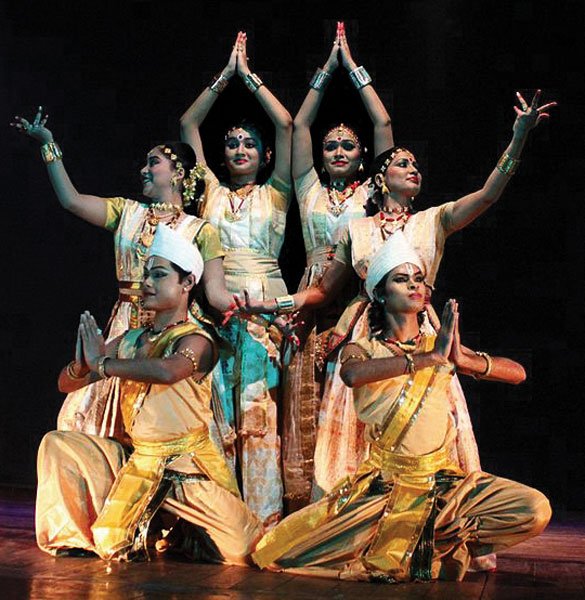
Among India’s diverse classical dance traditions, Sattriya holds a unique place—where art becomes devotion and performance becomes prayer. Originating in the northeastern state of Assam, Sattriya is deeply intertwined with spirituality, evolving within monastic institutions before emerging onto the global cultural stage.
Sattriya is the recognized classical dance form of Assam, originating in the 15th century from Vaishnavite monasteries (Sattras) to depict mythological narratives. Founded by saint Srimanta Sankardeva, it combines expressive dance (nritya) and pure dance (nritta), characterized… pic.twitter.com/q0otH4ia3O
Sattriya traces its origins to the 15th century and the teachings of Srimanta Sankardev, the saint-scholar who founded the Ekasarana Dharma—a neo-Vaishnavite movement centered on devotion to Lord Krishna. He introduced Sattriya as a medium to communicate religious teachings, moral values, and philosophical ideas to the masses.
Performed in Sattras (Vaishnavite monasteries), the dance was initially an integral part of ritual worship. It was traditionally performed by male monks, known as bhokots, as a form of devotional service.
From Sacred Spaces to Classical Recognition
Over time, Sattriya moved beyond monastery walls and embraced the proscenium stage, allowing both men and women to perform. Its evolution from a ritual practice to a performing art form led to its formal recognition in 2000 by the Sangeet Natak Akademi as one of India’s eight classical dances.
This recognition brought national and global attention to a tradition that had quietly flourished in Assam for centuries.
Technique, Form, and Expression
Sattriya is a complete dance form, harmoniously blending: ●Nritta (pure dance) ●Nritya (expressive storytelling) ●Natya (dramatic representation)
It is characterized by precise hand gestures (mudras), rhythmic footwork, and expressive facial movements. Two distinct stylistic streams define its technique: ●Purush Pak (vigorous, masculine style) ●Prakriti Pak (graceful, feminine style)
The themes are predominantly drawn from Krishna-centric texts, especially the Bhagavata Purana, portraying episodes from the life of Lord Krishna and other Vaishnavite narratives.
Music, Costume, and Aesthetic Appeal
The dance is accompanied by devotional compositions known as Borgeet, also attributed to Sankardev. Traditional instruments such as the khol (drum), cymbals, and flute create a rhythmic and spiritual ambiance.
Costumes reflect Assam’s rich textile heritage, featuring paat, muga, and endi silk, adorned with traditional jewellery. The visual elegance of Sattriya lies in its balance of vibrant attire, fluid movements, and disciplined technique.
Spiritual Essence and Contemporary Relevance
What distinguishes Sattriya is its enduring spiritual core. Even as it has adapted to contemporary stages, it retains its devotional essence—serving as a bridge between ritual and performance, faith and art.
A Living Tradition
Today, Sattriya continues to evolve while preserving its sacred roots. From monastery courtyards to international festivals, it stands as a testament to Assam’s cultural richness and India’s artistic diversity. More than just a dance, Sattriya is a living tradition—where every gesture tells a story, and every movement echoes centuries of devotion.
From a bold experiment to a global icon of art, engineering, and romance
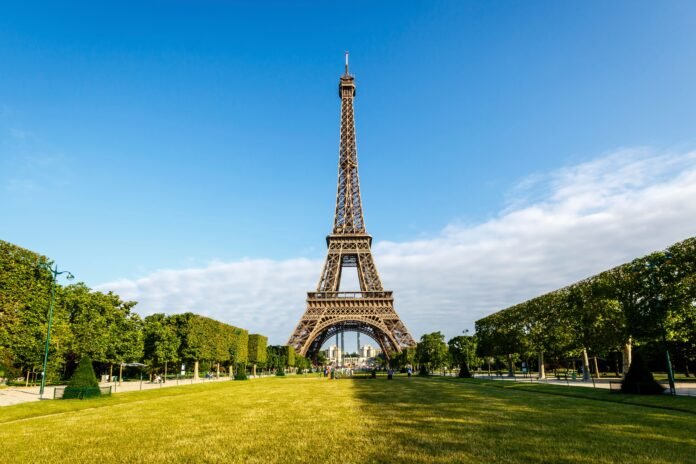
Every year on March 31, the world celebrates Eiffel Tower Day, marking the completion of the iconic Eiffel Tower in 1889. Rising gracefully above the skyline of Paris, this iron masterpiece has transcended its original purpose to become one of the most recognized and admired structures in the world—a symbol of innovation, elegance, and timeless charm.
The Birth of an Unlikely Icon
Designed by visionary engineer Gustave Eiffel, the tower was constructed as the centerpiece of the 1889 Exposition Universelle, commemorating the centenary of the French Revolution. Yet, its journey began with controversy. Many prominent artists and intellectuals of the time fiercely criticized its design, calling it an eyesore that would scar the beauty of Paris.
What they could not foresee was that this daring iron lattice structure would soon capture the imagination of the world. Its innovative engineering and unprecedented height—originally 300 meters, now approximately 330 meters including antennas—made it a marvel of its time.
From Temporary Structure to Permanent Legacy
Interestingly, the Eiffel Tower was never meant to last. It was initially granted a permit to stand for just 20 years. However, its utility as a radio and telecommunication tower proved invaluable, ultimately saving it from demolition. This transformation from a temporary exhibit to a permanent landmark reflects the power of innovation to redefine purpose.
Fascinating Lesser-Known Facts
●Gustave Eiffel maintained a private apartment at the top, where he hosted distinguished guests like Thomas Edison.
●The tower expands by up to 15 cm in summer due to thermal expansion of iron.
●During World War II , its lifts were disabled, forcing occupying forces to climb its stairs.
●It was the tallest man-made structure in the world until the completion of the Chrysler Building in 1930.
●The tower is repainted roughly every seven years, requiring about 60 tonnes of paint.
●It has featured in countless films and artworks, cementing its place in global pop culture.
●At night, it sparkles for five minutes every hour, creating a magical spectacle for visitors.
Why the World Remains Enchanted
Today, the Eiffel Tower attracts millions of visitors annually, making it one of the most visited monuments on Earth. Whether admired from the banks of the Seine or experienced up close, it offers breathtaking panoramic views of Paris. Beyond tourism, it has come to symbolize romance, artistic brilliance, and the spirit of France itself.
A Timeless Symbol of Vision and Courage
The story of the Eiffel Tower is one of resilience and transformation—from harsh criticism to universal admiration. It stands as a reminder that bold, unconventional ideas often shape the future. On Eiffel Tower Day, we celebrate more than a monument; we celebrate human creativity, courage, and the enduring beauty of dreaming beyond limits.
Prime Minister Narendra Modi dedicates a unique centre of knowledge, spirituality, and history on Mahavir Jayanti
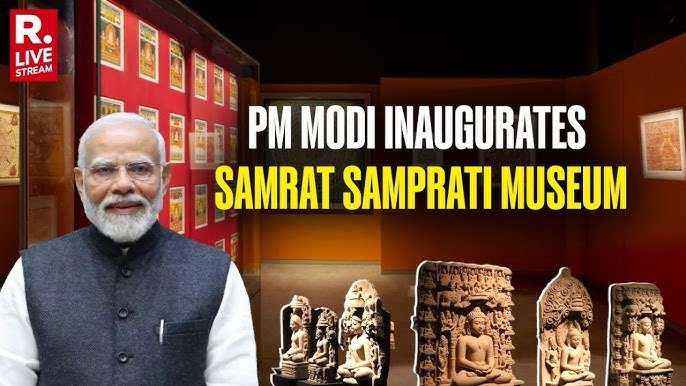
On the sacred occasion of MahavirJayanti, Prime Minister Narendra Modi inaugurated the Samrat Samprati Museum at Koba Tirth in Gandhinagar, marking a significant addition to India’s cultural and spiritual landscape. The inauguration not only celebrates India’s rich Jain heritage but also reinforces the importance of preserving ancient knowledge systems for future generations
Speaking at the inauguration of the Samrat Samprati Museum in Gandhinagar. It showcases the deep-rooted traditions of the Jain culture and its timeless values for humanity. https://t.co/yo1XszOIza
The museum is situated within the Mahavir Jain Aradhana Kendra at Koba, a renowned spiritual and educational hub. Over the years, Koba Tirth has become a focal point for Jain studies, meditation, and scriptural learning. Its serene environment and long-standing association with the preservation of Jain philosophy make it an ideal home for a museum of such national importance.
Honouring the Legacy of Samrat Samprati
The museum is named after Samprati, the grandson of Ashoka. Revered in Jain tradition, Samprati is often remembered for his patronage of Jainism and his efforts to spread the principles of ahimsa, compassion, and ethical governance across his empire. By dedicating the museum to him, the institution pays tribute to a ruler who used power to promote peace and spirituality.
A Journey Through Jainism’s Rich Heritage
The Samrat Samprati Museum houses an extensive and carefully curated collection of over 2,000 artefacts, offering visitors a deep insight into the evolution of Jain philosophy, art, and culture. Spread across seven galleries, the exhibits include rare manuscripts, intricately crafted stone and metal idols, miniature paintings, ancient coins, and ritual objects. What makes the museum particularly engaging is its integration of modern audio-visual technology, which enhances storytelling and creates an immersive experience for visitors, scholars, and researchers alike.
Highlights of the Inauguration
During his visit, Prime Minister Modi toured the galleries and interacted with scholars and attendees. In his address, he described the museum as a confluence of knowledge, spirituality, and self-discipline, values that form the foundation of Indian civilisation. He emphasized the need to preserve ancient manuscripts and traditional knowledge, calling it a collective responsibility of society.
Today, I had the opportunity to visit a few galleries such as Adinath-Neminath Gallery, Parshvanath Gallery, a gallery dedicated to Bhagwan Mahavir and a gallery showing exhibits from Raja Kumarpal to the Simhsuri Period. The attention to detail, aesthetic beauty and aspects from… pic.twitter.com/oqDrkfKfW1
The inauguration formed part of his broader visit to Gujarat, which also included the launch and foundation of various development projects—symbolizing a balanced vision of cultural preservation alongside modern progress.
Why This Museum Matters
The Samrat Samprati Museum is not merely a repository of historical artefacts; it is a living testament to India’s philosophical depth and cultural continuity. At a time when the world grapples with conflict and material excess, the museum’s focus on ahimsa, non-possession, and harmony offers timeless guidance.
By bringing together history, spirituality, and innovation, the museum stands as a bridge between the past and the present—ensuring that the teachings of Jainism continue to inspire generations to come.