Home Blog Page 55

DR Congo Erupts in Joy: National Holiday Declared as Leopards Qualify for 2026 World Cup After 52-Year Wait

0

PC(National News)

Kinshasa, April 2, 2026 In a moment of rare national unity, the Democratic Republic of Congo came to a joyful standstill on Wednesday, April 1, 2026, as the government declared a nationwide paid public holiday to celebrate the senior men’s football team’s historic qualification for the 2026 FIFA World Cup. The Leopards ended a painful 52-year absence from football’s biggest stage with a dramatic 1-0 victory over Jamaica in the intercontinental play-off final on Tuesday night in Mexico. This marks only the second World Cup appearance in the nation’s history – the first coming in 1974 when the country was known as Zaire.

Dramatic Qualification in Mexico the decisive match, played at Akron Stadium (also referred to as Guadalajara Stadium) in Mexico, remained goalless through 90 tense minutes. DR Congo striker Cedric Bakambu twice had goals correctly disallowed for offside, keeping the score level. The breakthrough finally arrived in the 100th minute of extra time. A corner from teammate Brian Cipenga (also referred to as Bryan Sipehng in some reports) deflected off Jamaica defender Joel Latibeaudiere and fell to Axel Tuanzebe. The Burnley defender, using his torso and quick reactions, forced the ball into the net for the only goal of the game.

Officials briefly checked for a possible handball via VAR, but the goal stood. Tuanzebe, a former Manchester United and England youth international born in the conflict-hit city of Bunia in eastern DR Congo, etched his name permanently into Congolese sporting history with his first senior goal for the national team. Jamaica, hoping to reach their second World Cup after appearing in France 1998, created few clear chances and could not find an equaliser.

A Long-Awaited Return DR Congo’s previous and only World Cup appearance came in 1974 as Zaire – the first Sub-Saharan African team to qualify for the tournament. That campaign ended in disappointment, with heavy defeats including a 9-0 loss to Yugoslavia. The 2026 qualification, therefore, carries deep emotional weight for a football-loving nation that has endured decades of conflict, political instability, and hardship. Tuanzebe later described the match as the biggest of his career. His goal has now given millions of Congolese people a reason to celebrate amidst ongoing challenges, particularly in the conflict-affected eastern.


10 Refreshing Indian Summer Drinks That Are Healthy and Cooling

0

As the Indian summer intensifies, staying hydrated becomes more than just a necessity—it becomes a survival strategy. While modern packaged beverages may offer convenience, nothing beats the goodness of traditional Indian summer drinks. Rooted in Ayurveda and regional wisdom, these beverages are not only refreshing but also packed with nutrients that help cool the body, aid digestion, and restore lost electrolytes.

Here are 10 of the best Indian summer drinks that combine taste with health benefits:

1. Nimbu Pani (Lemon Water)

10 Refreshing Indian Summer Drinks That Are Healthy and Cooling

A timeless classic, nimbu pani is one of the simplest yet most effective summer coolers. Rich in vitamin C, it helps boost immunity while replenishing salts lost through sweat.
A pinch of black salt and mint enhances both its taste and digestive benefits.

2. Aam Panna

10 Refreshing Indian Summer Drinks That Are Healthy and Cooling

Made from raw mangoes, aam panna is a tangy delight known for its heat-resistant properties. It helps prevent heatstroke, improves digestion, and restores electrolytes in the body.
Its high vitamin content also supports immunity during extreme heat.

3. Chaas (Buttermilk)

10 Refreshing Indian Summer Drinks That Are Healthy and Cooling

Light, refreshing, and probiotic-rich, chaas is a staple in many Indian households. It promotes gut health, aids digestion, and cools the body from within.
Spices like roasted cumin further enhance its digestive properties.

4. Lassi

10 Refreshing Indian Summer Drinks That Are Healthy and Cooling

A thicker, creamier cousin of chaas, lassi is both nourishing and refreshing. Packed with calcium and probiotics, it strengthens bones, improves digestion, and boosts immunity.
It can be enjoyed sweet, salted, or flavored with fruits like mango.

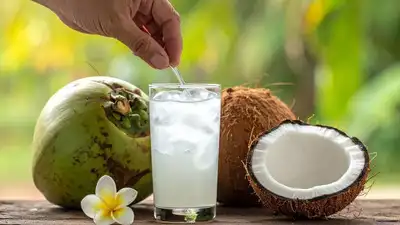
5. Coconut Water

10 Refreshing Indian Summer Drinks That Are Healthy and Cooling

Often called nature’s electrolyte drink, coconut water is loaded with potassium and essential minerals. It hydrates instantly and keeps energy levels high without added sugar.

6. Jaljeera

10 Refreshing Indian Summer Drinks That Are Healthy and Cooling

This tangy, spicy drink made from cumin, mint, and tamarind is a digestive powerhouse. Jaljeera helps reduce bloating, improves appetite, and cools the body after meals.

7. Sattu Sharbat

10 Refreshing Indian Summer Drinks That Are Healthy and Cooling

A protein-rich drink made from roasted gram flour, sattu sharbat is both filling and cooling. It provides sustained energy, aids digestion, and helps maintain hydration levels during long, hot days.

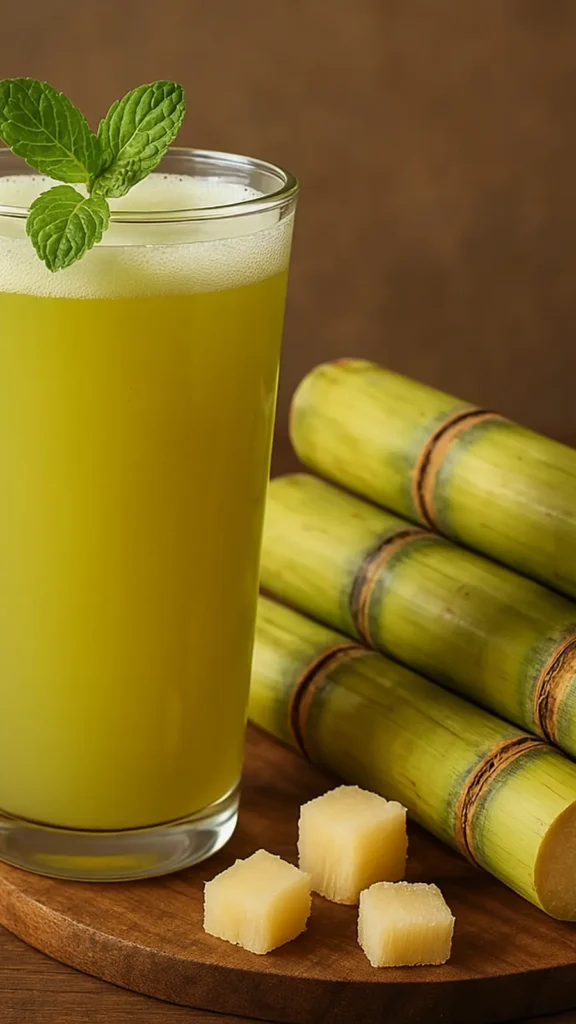
8. Sugarcane Juice (Ganne ka Ras)

10 Refreshing Indian Summer Drinks That Are Healthy and Cooling

Fresh sugarcane juice is a natural energy booster rich in minerals like calcium, magnesium, and iron. It detoxifies the body, supports liver function, and provides instant hydration.

9. Kokum Sherbet

10 Refreshing Indian Summer Drinks That Are Healthy and Cooling

Popular in coastal India, kokum sherbet is known for its cooling and digestive properties. It helps reduce body heat, prevents dehydration, and soothes acidity.

10. Bael (Bel) Sherbet

10 Refreshing Indian Summer Drinks That Are Healthy and Cooling

Made from wood apple, bel sherbet is a traditional remedy for heat-related issues. It improves gut health, prevents constipation, and keeps the body cool even in extreme temperatures.

Why These Drinks Matter

Unlike sugary sodas or artificial beverages, these traditional drinks:

●Replenish electrolytes naturally
●Support digestion and gut health
●Help prevent heatstroke and dehydration
●Provide essential vitamins and minerals

Many of them are deeply rooted in Indian culture and have been used for generations as natural remedies against harsh summers.

Indian summer drinks are more than just refreshments—they are a blend of tradition, nutrition, and climate wisdom. Incorporating these into your daily routine can help you stay cool, energized, and healthy throughout the season.
So this summer, skip the fizzy drinks and turn to these desi coolers—your body will thank you.

Artemis II: NASA’s Historic Return to Crewed Lunar Exploration After Half a Century

0

In a landmark moment for space exploration, NASA successfully launched the Artemis II mission on April 1, 2026, marking humanity’s first crewed journey toward the Moon in over 50 years since the Apollo era.

The mission represents a major step in NASA’s ambitious Artemis program, aimed at establishing a sustained human presence on the Moon and eventually enabling missions to Mars.


A Historic Mission with a Diverse Crew

Artemis II carries four astronauts aboard the Orion spacecraft, launched atop NASA’s powerful Space Launch System (SLS) rocket from Kennedy Space Center in Florida.

The crew includes:
●Commander Reid Wiseman
●Pilot Victor Glover
●Mission Specialist Christina Koch
●Mission Specialist Jeremy Hansen (Canadian Space Agency)

This mission is historic not only for its destination but also for its representation:
●Christina Koch becomes the first woman to travel into deep lunar space
●Victor Glover becomes the first person of color on such a mission
●Jeremy Hansen becomes the first non-American to journey toward the Moon

Mission Profile: A 10-Day Journey Around the Moon

Unlike the Apollo missions, Artemis II is not a lunar landing mission. Instead, it is a crewed lunar flyby designed to test critical systems.

Key highlights of the mission include:
●Duration: Approximately 10 days
●Trajectory: A free-return path around the Moon
●Distance: Over 250,000 miles (400,000 km) from Earth—farther than any humans have traveled
●Return: Planned splashdown in the Pacific Ocean

After launch, the spacecraft first enters high Earth orbit, where astronauts perform system checks before executing the trans-lunar injection that sends them toward the Moon.

Why Artemis II Matters

Artemis II is more than just a symbolic return—it is a critical test mission. NASA aims to validate:
●Life-support systems
●Navigation and propulsion
●Communication systems
●Heat shield performance during re-entry

This is also the first time astronauts are flying aboard both the SLS rocket and Orion spacecraft, making it a crucial step in proving their reliability for future missions.

From Artemis I to the Future of Lunar Exploration

The mission builds on the success of Artemis I (2022), an uncrewed test flight that orbited the Moon.
Looking ahead:
●Artemis III (expected 2027–28) aims to land astronauts on the Moon’s south pole
●Future missions will support the development of a long-term lunar base
●The program is seen as a stepping stone for human missions to Mars

A New Era of Space Exploration

Artemis II signals the beginning of a new chapter in human spaceflight. With international collaboration, advanced technology, and renewed ambition, NASA is once again pushing the boundaries of exploration.

More than five decades after Apollo 17, humanity is not just returning to the Moon—but preparing to stay, explore deeper, and venture further into the cosmos than ever before.

7 Life Lessons from Lord Hanuman: A Guide to Strength, Devotion and Purpose

0


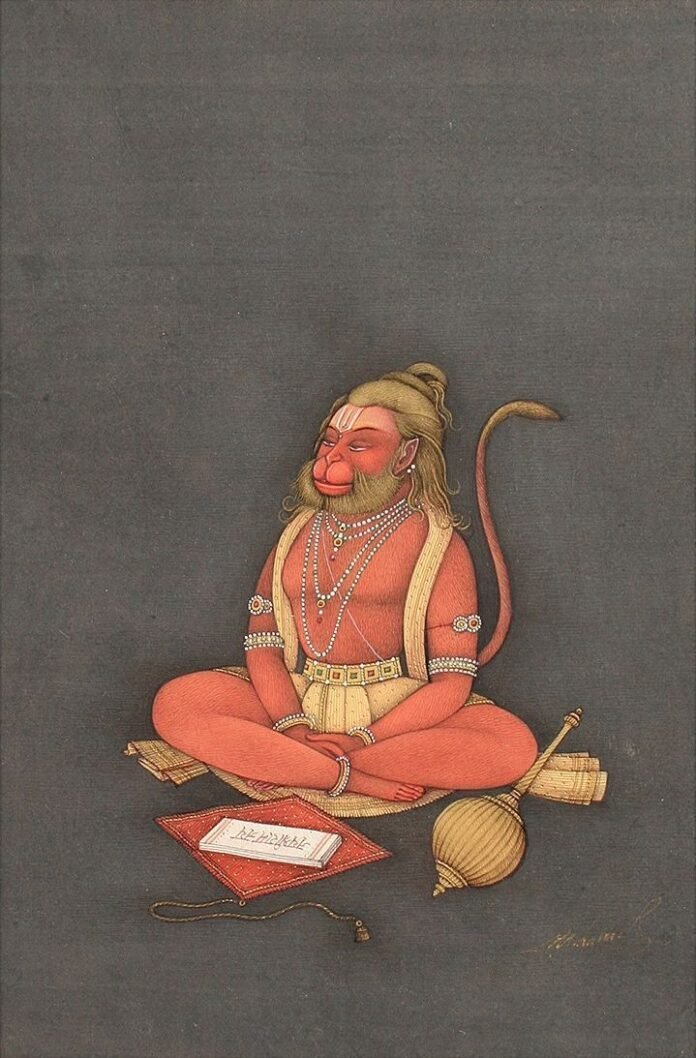
Lord Hanuman, also known as Bajrangbali, Anjaneya, and Pavan Putra, is one of the most revered figures in Hindu tradition. A central character in the Ramayan, he symbolizes the perfect blend of strength, wisdom, courage, and unwavering devotion. Born to Mata Anjana and blessed by the wind god Vayu, Hanuman’s life is filled with extraordinary feats—but beyond his powers, it is his character and values that make him eternally inspiring.

More than a mythological figure, Hanuman stands as a timeless role model for living with purpose, discipline, and humility.

Here are 7 powerful life lessons from Lord Hanuman that continue to guide us even today:

1. Believe in Your Inner Strength
Hanuman had immense power, yet it took a reminder from Jambavan for him to realise his true potential before his leap to Lanka.
Lesson: We often underestimate ourselves. Self-belief is the first step to achieving the extraordinary.

2. Be Intelligent and Adaptable
From outsmarting Surasa to strategically navigating Lanka, Hanuman showed that wisdom is as important as strength.
Lesson: Adaptability and presence of mind are essential to overcome challenges.

3. Let Devotion Guide Your Actions

Hanuman’s every action was dedicated to Lord Rama. His devotion gave him direction, clarity, and strength.
Lesson: A life guided by purpose and devotion brings focus and fulfillment.

4. Stay Humble, No Matter How Powerful You Are
Despite his divine abilities, Hanuman remained grounded and selfless, never letting ego take over.
Lesson: True greatness lies in humility, not in showcasing power.

5. Uphold Values and Dharma
Hanuman respected the Brahmastra and chose righteousness even when he could have escaped easily.
Lesson: Integrity and respect for values define true character.

6. Courage Comes from Purpose

Crossing oceans, facing demons, and entering Lanka alone—Hanuman’s courage came from his mission.
Lesson: When your purpose is clear, fear loses its power.

7. Selfless Service is the Highest Virtue
Hanuman lived a life of seva, helping others without expecting anything in return.
Lesson: The greatest joy lies in serving others selflessly.

A Verse that Defines Hanuman’s Greatness
The essence of Hanuman’s strength, wisdom, and devotion is beautifully captured in the Hanuman Chalisa:
“Ram doot atulit bal dhama,
Anjani putra Pavan sut nama.”
“Messenger of Lord Rama, the abode of incomparable strength, known as the son of Anjani and the wind god.”
This verse perfectly defines Hanuman as the embodiment of limitless strength, divine purpose, and devoted service.

Conclusion
The life of Lord Hanuman is not just a tale of divine power—it is a blueprint for living with courage, humility, and unwavering faith. His teachings remind us that true strength lies in character, true wisdom in humility, and true success in selfless service.

As we remember him, the chant of “Jai Bajrangbali” becomes more than devotion—it becomes a reminder to awaken the strength, wisdom, and goodness within ourselves.

Hanuman Jayanti 2026: Celebrating Devotion, Strength and Divine Courage

0

Hanuman Jayanti, one of the most revered Hindu festivals, is being celebrated today, April 2, 2026, across India with immense devotion and spiritual fervour. The day marks the birth anniversary of Lord Hanuman—the epitome of strength, loyalty, and unwavering devotion.

Tithi and Date

Hanuman Jayanti is observed on the Chaitra Shukla Purnima (full moon day of the Hindu month of Chaitra). In 2026, the Purnima tithi began on April 1 morning and ends on April 2 morning, making April 2 the most auspicious day for celebration in most parts of India.

Significance of Hanuman Jayanti

This sacred day commemorates the birth of Lord Hanuman, who is worshipped as a symbol of immense strength, courage, wisdom, and selfless devotion. He is revered as the greatest devotee of Lord Rama and plays a central role in the epic Ramayana.

Devotees believe that worshipping Hanuman Ji on this day:
●Removes fear and negativity
●Grants strength and confidence
●Protects from evil forces
●Brings mental peace and spiritual growth

Hanuman is also known as Sankat Mochan—the remover of troubles—making this day especially important for those seeking relief from hardships.

The Life and Legend of Lord Hanuman

Born to Anjana and blessed by Vayu (the wind god), Hanuman is often called Pavan Putra (son of the wind).

His life is filled with extraordinary tales:
●As a child, he leapt towards the sun, mistaking it for a fruit.
●He possessed immense powers but remained humble and devoted.
●In the Ramayana, he helped Lord Rama rescue Sita from Ravana.
●His unwavering devotion and service made him immortal in Hindu belief.

Hanuman represents the perfect balance of power and humility, teaching that true strength lies in devotion and discipline.

How the Day is Celebrated

On Hanuman Jayanti, devotees across India:
●Visit temples and offer prayers, flowers, and sindoor
●Recite the Hanuman Chalisa and Sundarkand
●Observe fasts and perform special pujas
●Participate in bhajans and community celebrations

It is believed that chanting Hanuman’s name and hymns on this day brings divine blessings, courage, and protection.

Values and Relevance in Today’s World

In today’s fast-paced and often stressful life, the teachings of Lord Hanuman remain deeply relevant.

He symbolizes:
●Devotion (Bhakti) – Complete surrender to a higher purpose
●Strength (Shakti) – Both physical and inner resilience
●Discipline and Humility – Power without ego
●Fearlessness – Facing challenges with courage

Hanuman Ji teaches us that with faith, dedication, and selflessness, even the impossible becomes possible.

Conclusion

Hanuman Jayanti is not just a religious celebration—it is a reminder of timeless virtues that guide humanity. As devotees chant “Jai Bajrangbali” today, the spirit of Lord Hanuman inspires millions to live with courage, devotion, and righteousness.

Happy Hanuman Jayanti 2026: Wishes, Images, WhatsApp Status, Quotes, Messages, and Photos

0

Happy Hanuman Jayanti 2026 Wishes Images, WhatsApp Status, Quotes, Photos: Happy Hanuman Jayanti 2026 will be celebrated with devotion across India as devotees honour Lord Hanuman’s birth anniversary, also known as Hanuman Janmotsav. On this auspicious day, people share wishes, images, quotes, and WhatsApp status messages with loved ones.

Happy Hanuman Jayanti 2026 Wishes, Images, Quotes, Photos, WhatsApp Status, Pics: India will be celebrating the birth of Lord Hanuman, the Monkey Lord on April 2, 2026. Lord Hanuman, an ardent devotee of Lord Ram, stands as a symbol of strength, bravery, service and devotion. Devotees all across the country celebrate this festival with much fervour. With the auspicious occasion just around the corner, indianexpress.com has curated some of the best and heartfelt wishes and photo greeting cards to share with near and dear ones.

Wishing you and your family a joyful and blessed Hanuman Jayanti.

Happy Hanuman Jayanti 2026: Quotes

Happy Hanuman Jayanti 2026: Wishes, Images, WhatsApp Status, Quotes, Messages, and Photos

“May Lord Hanuman bless you with strength, courage, and unwavering devotion—Happy Hanuman Jayanti.”

“Wishing you a life filled with faith, fearlessness, and divine protection this Hanuman Jayanti.”

“On this sacred day, may Hanuman Ji remove all obstacles and fill your life with positivity.”

May your heart be as strong as Hanuman’s and your devotion as pure—Happy Hanuman Jayanti.”

Happy Hanuman Jayanti 2026: Wishes, Images, WhatsApp Status, Quotes, Messages, and Photos

“With the blessings of Bajrang Bali, may you conquer every challenge in life.”

“May Hanuman Ji guide you on the path of truth, strength, and righteousness.”

“Let faith in Lord Hanuman bring courage and success into your life.”

“May your life be filled with divine strength and endless blessings this Hanuman Jayanti.”

“Wishing you a fearless mind and a devoted heart with Hanuman Ji’s grace.”

“May Lord Hanuman protect you and bring prosperity and happiness to your home.”

“On Hanuman Jayanti, may you be blessed with strength, wisdom, and inner peace.”

Happy Hanuman Jayanti 2026: Photo Greeting Cards for WhatsApp Status

Jai Hanuman—may your life be filled with strength, devotion, and divine blessings.

With Hanuman Ji’s grace, may courage and peace always stay with you.

Stay strong, stay faithful—Happy Hanuman Jayanti. 🚩

May Bajrang Bali remove all obstacles and guide your path.

 May Bajrang Bali remove all obstacles and guide your path.

Faith in Hanuman, strength in life—Happy Hanuman Jayanti. 🙏

May your heart be fearless and your soul full of devotion.

Happy Hanuman Jayanti 2026: Wishes, Images, WhatsApp Status, Quotes, Messages, and Photos

Divine protection and endless courage—Hanuman Jayanti blessings to you. 🔱

Let devotion be your power and faith your strength. 💪

With Hanuman Ji’s blessings, may you rise above every challenge.

Peace, power, and positivity—wishing you a blessed Hanuman Jayanti.

Fuel Without Fossils: Japan’s Big Idea—and Its Big Challenge

0

A New Kind of Fuel for a Low-Carbon Future

In a significant step toward cleaner energy, ENEOS Corporation has demonstrated the production of synthetic fuel using captured carbon dioxide (CO₂) and hydrogen derived from water. At its pilot facility in Yokohama, the company showed that liquid fuels—similar to diesel or jet fuel—can be created without relying on crude oil.

The process involves capturing CO₂ from industrial emissions or the atmosphere, producing hydrogen through water electrolysis, and converting the two into fuel using the Fischer-Tropsch synthesis. When powered by renewable energy, this method has the potential to produce low-carbon or near carbon-neutral fuels, offering a promising alternative to fossil fuels.

Why This Innovation Matters

This breakthrough is particularly relevant for sectors like aviation and shipping, where electrification remains difficult. Synthetic fuels can be used in existing engines and infrastructure, making them easier to integrate without major technological overhauls.

For energy-import-dependent nations like , such innovations could also enhance energy security by reducing reliance on imported fossil fuels while supporting climate commitments.

From Breakthrough to Bottleneck

Despite its scientific success, the project highlights the gap between innovation and large-scale implementation. The Yokohama pilot plant currently produces only about one barrel of fuel per day, underscoring its demonstration-level scale.

Scaling up would require:
●Vast amounts of renewable electricity
●Large-scale, cost-effective hydrogen production
●Advanced and efficient carbon capture systems

All of these factors make the process highly energy-intensive and expensive, limiting its immediate commercial viability.

Why the Project Was Paused

In 2025, ENEOS decided to pause further development of the project. The move was driven by rising costs, technological challenges, and uncertain economic returns. Instead, the company is now focusing more on biofuels and other lower-cost alternatives, while continuing to explore synthetic fuels as a long-term possibility.

A Broader Global Challenge

The pause reflects a wider trend in the global energy transition. While synthetic or “e-fuels” are scientifically viable and environmentally promising, their high production costs and energy demands remain major barriers. Similar challenges are being faced worldwide, as industries balance climate goals with economic feasibility.

Breakthrough, Not the Finish Line

Japan’s experiment proves that producing fuel from captured carbon and hydrogen is not just theoretical—it is achievable. However, it also highlights a crucial reality: the future of clean energy will depend not only on innovation, but on making such technologies scalable, affordable, and practical.

In that sense, this is not a setback, but a stepping stone—one that brings the world closer to a sustainable energy future, even as challenges remain.

Varanasi Sets New Guinness World Record with Massive Tree Plantation Drive

0

PC( News18, The Statment)

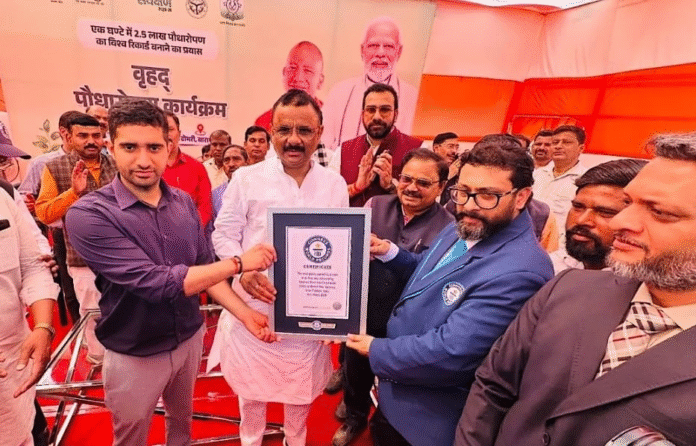
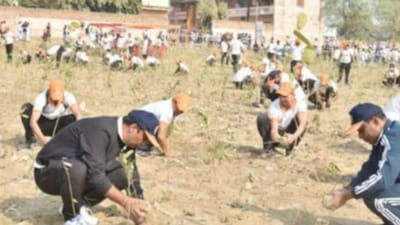
Varanasi (Kashi) has achieved a remarkable feat in environmental conservation. The city has set a new Guinness World Record by planting 2,51,446 saplings in just 60 minutes along the banks of the Ganga in the Sujabad-Domari area, surpassing China’s previous record. China’s Record Broken earlier, the world record for planting the maximum number of saplings in one hour was held by China’s Henan Provincial Committee and Henan Shifang Green Engineering Company. In 2018, they had planted 1,53,981 saplings in a college campus. Varanasi has now comfortably broken this record. Guinness World Records adjudicator Rishi Nath verified the achievement through drone surveillance and a digital counting system. He presented the official certificate to Varanasi Mavor Ashok Kumar Tiwari and Municipal Commissioner Himanshu Nagpal at the site.

Varanasi Sets New Guinness World Record with Massive Tree Plantation Drive

The plantation drive was part of the ambitious ‘Namo Van’ project, aimed at developing a large urban forest over nearly 350 bighas (approximately 350 acres) of land. The area was divided into 60 sectors, and saplings were planted using the Miyawaki technique a method known for creating dense, fast-growing forests. A mix of shade-bearing, fruit-bearing, and medicinal plants was used.

Officials expect this urban forest to turn into a thick green cover within two to three years and function as an “oxygen bank” for the city. To ensure the survival of the saplings, a 10.8-km pipeline network has been laid, supported by 10 borewells and 360 rain gun irrigation systems. The project is also expected to generate more than one crore rupees annually for the Municipal Corporation from the third year onwards through a private agency agreement.

More than 20,000 people actively participated in this mega campaign, including Around 5,000 employees of Varanasi Municipal Corporation
Personnel from the Indian Army, NDRF, CRPF, Police, and PAC. School students, NCC cadets, NSS volunteers, Scouts & Guides teams from various government departments, social and religious organizations. The entire event was monitored through drone cameras and a digital application for accurate counting.

A Significant Environmental Initiative this drive reflects Varanasi’s strong commitment to environmental protection. Mayor Ashok Kumar Tiwari stated that the initiative combines ecological goals with long-term economic planning. The event was attended by Banaras Hindu University (BHU) Vice Chancellor Prof. Ajit Kumar Chaturvedi, MLC Hansraj Vishwakarma, Dharmendra Rai, and other dignitaries. This achievement is not only a proud moment for Varanasi but also serves as an inspiring example of environmental conservation for the entire state of Uttar Pradesh and the country. ‘Namo Van’ is set to become a significant green landmark for the holy city of Kashi.

Africa’s Great Green Wall: Ambitious Effort to Combat Desertification Faces Challenges but Shows Promise

0

PC( National Geographics)

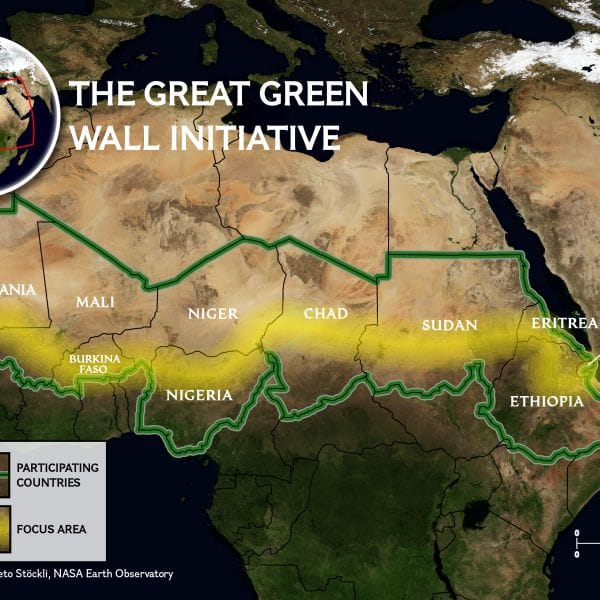
The Great Green Wall is one of Africa’s most ambitious environmental initiatives. Launched in 2007 by the African Union, it aims to create a vast mosaic of restored land and vegetation stretching across the Sahel region from Senegal in the west to Djibouti in the east. Spanning approximately 8,000 kilometers, the project involves 22 countries and seeks to restore 100 million hectares of degraded land, sequester 250 million tonnes of carbon dioxide, and create 10 million green jobs by 2030.

Beyond simply planting trees, the initiative promotes sustainable land use practices that enhance food security, generate livelihoods, and build resilience against climate change. It addresses desertification, soil degradation, and the southward expansion of the Sahara Desert while improving living conditions for local communities.

In its initial years, the Great Green Wall faced significant hurdles. Insufficient funding and inadequate monitoring made it a low priority for some governments. War and political instability in parts of the Sahel further hampered implementation, as member countries struggled to execute the planned strategies effectively. As a result, progress remained slow for many years. While the project attracted international attention and pledges, actual on-ground restoration lagged behind targets.

The Great Green Wall Accelerator (2021) to address these bottlenecks, leaders from the United Nations Convention to Combat Desertification (UNCCD), including Gilles Amadou Ouédraogo, introduced the Great Green Wall Accelerator in 2021. This new plan focuses on establishing a robust monitoring system to track progress toward the 2030 goals analyzing which projects deliver the best results. Strengthening cooperation and participation among the 22 participating countries. Improving transparency in how funds are used with Donors have committed significant resources billions pledged and a portion already disbursed and project leaders now closely track spending to ensure alignment with targets. The Accelerator has also helped expand participation, with more governments in the Sahel committing to the initiative.

Modest Successes and Community-Driven Impact. Despite the challenges, the project has recorded notable achievements. Approximately 30% of the restoration target has been reached in recent estimates, with millions of hectares of degraded land brought back to productivity. Communities along the wall report improvements in agriculture, water availability, and local livelihoods.

Countries that have demonstrated strong commitment, particularly Senegal, have shown relatively better results. Experts attribute Senegal’s progress to empowering local communities, giving them a sense of ownership over the projects. This community involvement has not only supported tree planting and land restoration but has also improved living conditions through job creation, sustainable farming, and access to non-timber forest products. Gilles Amadou Ouédraogo, a UNCCD Programme Management Officer and native of Burkina Faso, remains optimistic. He believes the Accelerator’s focus on better monitoring, data-driven decisions, and cross-country collaboration is key to future success. Countries are also forming stakeholder organizations to improve communication and coordination at national and regional levels.

The Great Green Wall still has substantial work ahead to meet its 2030 ambitions. Issues like funding gaps, conflict in some regions, and the need for stronger ecological outcomes persist. However, the combination of community participation, improved monitoring, and sustained international support offers a path forward. If successful, the initiative could transform vast areas of the Sahel into productive, resilient landscapes -fighting climate change, reducing poverty, and creating sustainable opportunities for millions of people. This landmark project demonstrates both the immense challenges of large-scale environmental restoration in fragile regions and the potential rewards when local communities, governments, and global partners work together.

Kazakhstan Plants Thousands of Trees to Bring Tigers Back After 70 Years

0

PC(The Guardian)

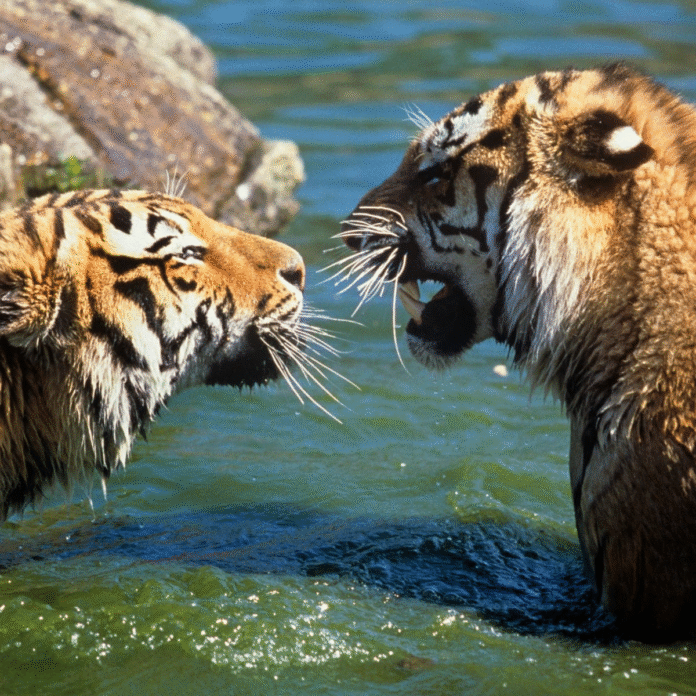
Kazakhstan is making significant strides in wildlife conservation by launching an ambitious project to reintroduce tigers to the wild for the first time in over 70 years. The initiative focuses on restoring the ecosystem in the Ile-Balkhash State Nature Reserve in the South Balkhash region near Lake Balkhash, with the goal of establishing a viable population of approximately 50 tigers by 2035.

Habitat Restoration Through Tree Planting a key part of the project is the restoration of tugai riparian forests, which provide essential habitat and cover for tigers and their prey. Kazakhstan has already planted tens of thousands of trees in the area 37,000 seedlings (including willow, oleaster, and turanga poplar) were planted in 2025 alone. An additional 50,000 trees were planted between 2021 and 2024. This tree-planting effort is part of Kazakhstan’s broader national goal to plant 2 billion trees by 2027. The restored habitat is already showing positive results, with increased sightings of wild prey animals such as Bukhara deer and wild boar, indicating that the ecosystem is beginning to recover.

The project uses Amur tigers from Russia as a proxy species, as they are the closest genetic relatives to the extinct Caspian tiger that once roamed the region. In September 2024, two Amur tigers named Bodhana and Kuma arrived from a sanctuary in the Netherlands. They are currently living in a large semi-wild enclosure, where they are being monitored with hopes they will breed. Between January and June 2026, 3 to 4 wild Amur tigers are expected to be transported from Russia to Kazakhstan. Kazakh specialists have received training in Russia to manage the release and monitor the tigers effectively. The first wild tigers are anticipated to be released into the reserve in the first half of 2026.

The rewilding project goes beyond ecology by actively involving local communities. Initiatives include Educational programs to raise awareness about tiger conservation. Compensation schemes for any livestock losses to reduce human-wildlife conflict. Small grants from WWF Central Asia to help villages develop sustainable businesses and agriculture. These measures aim to ensure that local people benefit from the project and support the return of tigers to their ancestral homeland.

A Historic Conservation Effort once completed, the project is expected to create a healthy, functioning ecosystem that supports not only tigers but also other wildlife and improves the overall environment around Lake Balkhash. By combining large-scale tree planting, careful species reintroduction, and community engagement, Kazakhstan is setting an inspiring example of large-scale rewilding in Central Asia. This effort demonstrates how habitat restoration and international cooperation can help bring back species long thought lost from a region, offering hope for both biodiversity and sustainable development.