Home Blog Page 546

WHY NEPAL IS 67 YEARS AHEAD FROM OTHER COUNTRIES?

0

The Nepalese calendar, known as the Bikram Sambat calendar, is 67 years and 8.5 months ahead of the Gregorian calendar, which is commonly used in most parts of the world. This unique calendar system is an integral part of Nepalese culture and tradition, influencing the daily lives and festivities of the Nepalese people.

Origins and Structure of the Bikram Sambat Calendar

The Bikram Sambat calendar was introduced by King Vikramaditya in the 57th century of the Hindu calendar, which roughly corresponds to around 1000 AD in the Gregorian calendar. Unlike the solar-based Gregorian calendar, the Bikram Sambat calendar is lunisolar, meaning it takes into account both the lunar cycles and the solar year. Each year consists of 12 lunar months, with the months named after various astronomical bodies.

Calculating the Leap Years

One of the reasons for the 67-year difference between the Nepalese and Gregorian calendars lies in the calculation of leap years. The Gregorian calendar adds a leap day every four years to keep the calendar year synchronized with the astronomical year. In contrast, the Bikram Sambat calendar employs a more complex system for leap years, incorporating the positions of both the sun and the moon. This intricate method results in a different annual cycle, contributing to the significant difference in year counts between the two calendars.

Cultural Significance

Despite the widespread use of the Gregorian calendar for official and business purposes in Nepal, the Bikram Sambat calendar holds immense cultural significance. It is used to determine the dates of many festivals, holidays, and other important events in Nepal. One of the most notable celebrations is the Nepalese New Year, which falls in mid-April according to the Bikram Sambat calendar. This event is celebrated with great enthusiasm across the country, marked by various cultural and religious festivities.

Modern-Day Usage

In contemporary Nepal, the Gregorian calendar is commonly used alongside the Bikram Sambat calendar, especially in governmental, educational, and business contexts. However, the Bikram Sambat calendar remains an essential part of daily life for many Nepalese people. It continues to guide agricultural activities, religious observances, and social events, preserving a vital link to the country’s rich heritage and traditions.

Conclusion

The Bikram Sambat calendar, 67 years and 8.5 months ahead of the Gregorian calendar, is a fascinating and enduring aspect of Nepalese culture. Its unique structure and method of calculating time reflect a deep connection to both lunar and solar cycles, while its continued use underscores its importance in the cultural and social fabric of Nepal. The coexistence of the Bikram Sambat and Gregorian calendars in Nepal highlights the country’s ability to embrace modernity while cherishing its historical roots.
EXPLORING THE CITY OF LAKE – UDAIPUR

0

We have explored Banswara and Mount Abu now let’s go and explore the city of Lake, Udaipur.

Udaipur is situated 265 km from Ahmedabad and 180 km from Mount Abu. Udaipur, known as the city of lakes, has many lakes located in the middle of the city. Due to its proximity to the state of Gujarat, a large number of indigenous tourists from Gujarat and Maharashtra come here for tourism, whereas in Udaipur, foreign tourists also come here, after Jaipur, Udaipur has the highest number of foreign tourists. Rana Udai Singh established the city of Udaipur in 1559 AD and made it the new capital of Mewar.

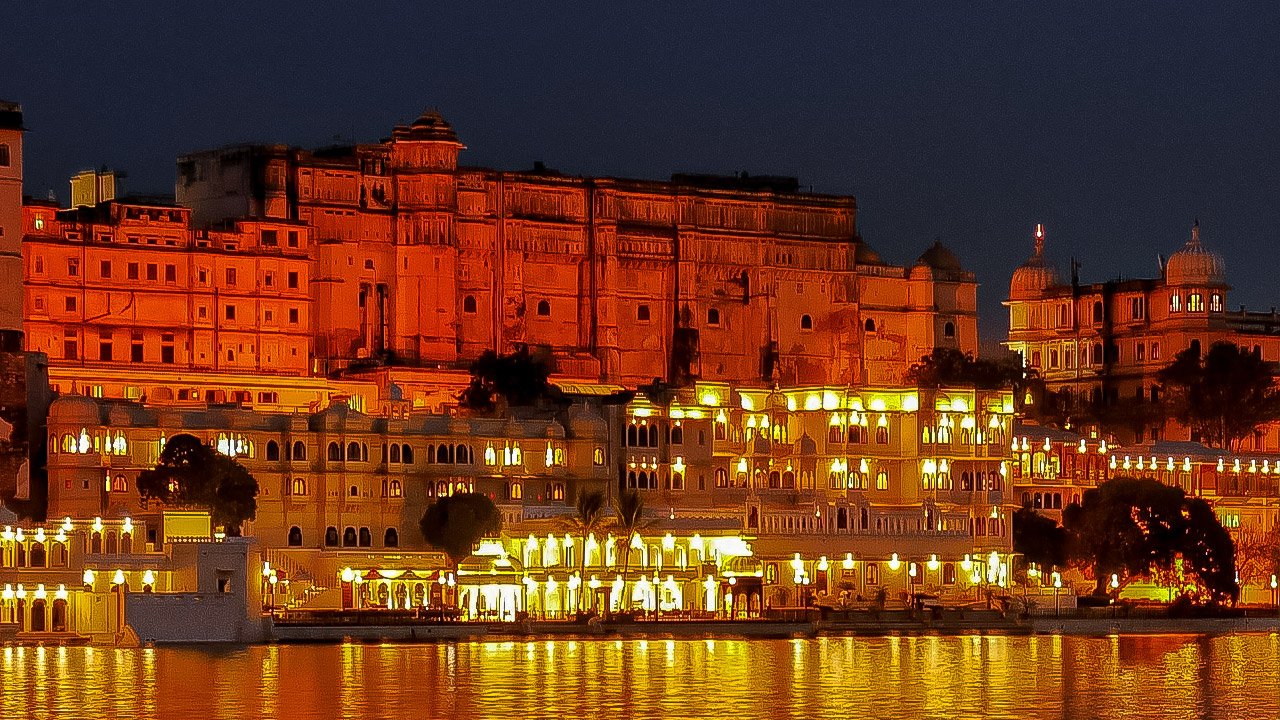
City Palace, an excellent example of architecture, was built by Maharana Udai Singh on the banks of Pichola Lake. This palace has also been the residence of the royal family for 23 generations. The City Palace has two parts, the Mardana Mahal and the Zenana Mahal.

Udaipur is the city of lakes. While the boat ride on Lake Pichola here gives a feeling of joy in the morning, in the evening this lake surrounded by mountains and palaces fills with thrill. Apart from Pichola, Fateh Sagar is the second biggest lake of Udaipur. This lake was constructed by Maharaja Jai Singh in 1678.

Places to visit in Udaipur during monsoon:

Jag Mandir

Jag Mandir, also known as Lake Garden Palace, is an island palace in Lake Pichola, Udaipur. It was built in the 17th century by Maharana Karan Singh. The palace is famous for its beautiful architecture and historical importance, with a design inspired by the Taj Mahal. It’s a popular tourist spot in Udaipur, known for its mix of Rajput and Mughal architecture, stunning views of Lake Pichola, and peaceful surroundings.

Sajjangarh Palace

Sajjangarh Palace, also called Monsoon Palace, offers stunning views from its spot on a mountain on the northwestern edge of Udaipur. You can reach it by walking, renting a bicycle, or taking a rickshaw. The journey to Sajjangarh Palace is exciting, with forests and many monkeys along the way. Although it’s called a palace, it’s more like a fort. The scenery and surroundings make it a fantastic place to visit.

Saheliyon Ki Bari

Saheliyon Ki Bari, or the Garden of the Maidens, is a beautiful and popular garden in Udaipur. Maharana Sangram Singh built it in the 18th century as a gift for his queen and her maidens. The garden is filled with lush greenery, colorful flowers, and stunning fountains. It has traditional Mughal-style features like marble elephants, kiosks, and marble lotus flowers. It’s a great spot for picnics and enjoying nature. If you love nature, you should definitely visit this place.

Lake Pichola

Lake Pichola is a lake in Udaipur, known as the “Venice of the East.” This artificial lake, about 7 km long, was created by damming a river. It was built by Uday Singh, the ruler of Mewar, who moved to this area after a Mughal attack. Although the lake can dry up during droughts and heat, it usually has two islands. One island, Jag Niwas, has an 18th-century palace that is now the Lake Palace Hotel. The Taj Lake Palace is also in the middle of Lake Pichola. At night, you can enjoy the beautiful views of Udaipur from the lake.

Triveni Sangam, Prayagraj: A Spiritual Confluence of Three Precious Rivers

0

 Prachi Chauhan, student of Saksham Sanchar Foundation shared her experience of visiting Triveni Sangam, Prayagraj.

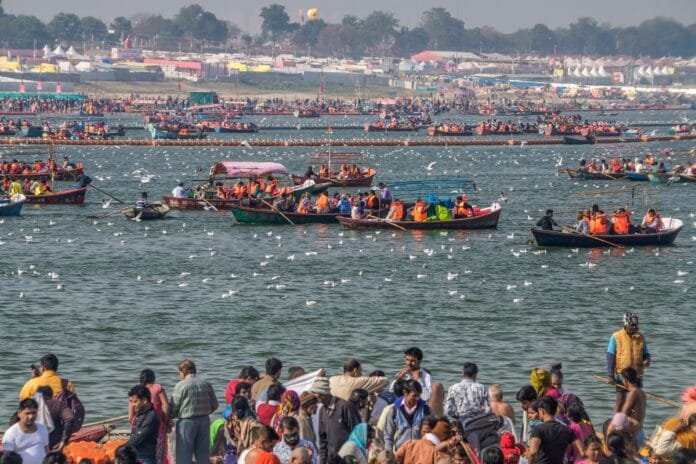
Located in the Indian State of Uttarpradesh, Triveni Sangam is a significant pilgrimage site for Hindus. It is confluence of the Ganges ( Ganga), the Yamuna, and the legendary Saraswati River. Triveni Sangam is located at Prayag- the area of Prayagraj neighbouring the confluence; for this reason, the confluence is also sometimes referred to as Prayag.

At Triveni Sangam, the Gangas and the Yamuna can be identified by their different colours- the water of the Gangas is clear while that of the Yamuna is greenish in colour. The third river, the mythical Saraswati, is called invisible.

The auspiciousness of the confluence of two rivers is referred in the Rigveda, which says, “Those who bathe at the place where the two rivers, white and dark, flow together, rise up to heaven.

A place of religious importance and one of the sites for the historic Kumbh Mela held in every 12 years, over the years it has also been the site of the immersion of ashes of several national leaders, including Mahatma Gandhi in 1949 and Atal Bihari Vajpayee in 2018.

Triveni Sangam, Prayagraj: A Spiritual Confluence of Three Precious Rivers

History & Myths 

The Triveni Sangam is believed to be the same place where drops of Nectar fell from the pitcher, from the hands of the gods. So it is believed that a bath in the Sangam will wash away one’s sins and will clear the way to heaven. Devout Hindus from all over India come to the sacred pilgrimage point to offer prayers and take a dip in the holy waters. The Kumbh Mela is held every 12 years on the banks of Ganga, Yamuna and Saraswati at Sangam. According to Hindu tradition, the Prakrista Yajna was performed here by Lord Brahma. That is why Allahabad was known as Prayag in ancient times. Allahabad (Prayag) is also called Tirtha- Raja (Prayag Raj), king of all holy places. It is said that Lord Rama visited Allahabad when he was in exile.

Agnikul Cosmos Makes History with World’s First 3D-Printed Rocket Engine Launch

0

In a groundbreaking achievement for the Indian space sector, startup Agnikul Cosmos has successfully launched “Agnibaan – SOrTeD,” the world’s first rocket powered by a fully 3D-printed engine. This mission marks a significant milestone for India’s burgeoning private space industry. The launch took place from India’s first-ever privately-developed launchpad, “Dhanush,” established by Agnikul at Sriharikota.

The rocket, powered by India’s first indigenously designed and manufactured semi-cryogenic engine, soared skyward at 7:15 AM IST. Serving as a test flight to gather critical data for Agnikul’s upcoming orbital launch vehicle, “Agnibaan,” the successful launch of “Agnibaan – SOrTeD” (Sub-Orbital Technology Demonstrator) underscores the company’s innovative prowess.

The event was witnessed by prominent figures in the Indian space community, including Indian Space Research Organisation (ISRO) Chairman Dr. S. Somanath and IN-SPACe Chairman Dr. Pawan Goenka. Dr. Somanath congratulated Agnikul, emphasizing that the launch “demonstrate[s] the prowess of indigenous design and innovation” and highlights the potential of private players in India’s space ambitions. Dr. Goenka echoed these sentiments, stating that the event “marks a significant moment for private players who are contributing to growing India’s space sector.”

Lt. Gen. A.K. Bhatt (Retd.), Director General of the Indian Space Association (ISpA), remarked, “What Agnikul has achieved today is nothing short of a historical milestone since India launched its maiden rocket in 1963 from Thumba launch station. Agnibaan SOrTeD has got many firsts in its strides with being India’s first launch from a private launchpad, the first semi-cryogenic engine-powered rocket launch, and the world’s first single-piece 3D-printed engine designed and built indigenously. This is a huge boost and a proud moment for India’s thriving private space industry and just a glimpse into what the future holds for us. Our hearty congratulations to the entire team behind this and best wishes for their future efforts. This significant launch, coupled with the recently introduced guidelines for the implementation of the Indian Space Policy 2023 by IN-SPACe and the new FDI regulations, will undoubtedly bolster global confidence in India’s private space industry and its growing capabilities.”

Agnikul, incubated at IIT Madras, aims to democratize access to space by offering affordable and customizable launch solutions. The company’s flagship “Agnibaan” rocket is designed for a payload capacity ranging from 30 kg to 300 kg, catering to a wide range of mission requirements. With this successful launch, Agnikul has its sights set on an orbital mission by the end of 2025, marking a new era for private space exploration in India.

The successful deployment of Agnibaan – SOrTeD is not just a technical triumph but a significant step towards the realization of a vibrant and competitive space ecosystem in India. As Agnikul continues to push the boundaries of innovation and cost-efficiency, it is poised to become a key player on the global stage, contributing to the democratization of space access and fostering international collaborations. This mission has undoubtedly set the stage for exciting developments in India’s space journey, heralding a future where private enterprises play a crucial role in advancing space exploration and technology.

Visit to Jal Mahal, Jaipur

0

Khawaish Kanwar student of Saksham Sanchar Foundation shared her experience about visiting to Jal Mahal.

It is said that Jal Mahal was built in the year 1799 by Maharaja Sawai Pratap Singh  as a lodge for duck hunting. But apart from this, it is also said that Jal Mahal was built by Maharaja Madho Singh I in the year 1750. This place was never built to be used as a palace, but was later extended by  Maharaja Jal Singh II after seeing the beauty of this palace .Jal Singh II renovated this palace and also added some attractive structures.

Architecture Of Jaipur 

Jal Mahal is a five- storeyed palace, inspired by the Rajput architectural style. Out of five  floor of Jal Mahal, four floors are submerged  in water and you can see only its fifth floor. The palace is  built of red  sandstone and has four octagonal shaped chatris  at its corners. This  palace was renovated by Maharaja Jal Singh II in the 18th century which has a total of twenty one beautifully carved pillars. There is a garden on the roof of this beautiful palace called Chameli Bagh. Spice up your visit to palace.

Here you can taste a variety of delicious  food. Many types of local food are available here, by eating 

Which tourists become happy. A traditional Rajasthani thali influenced by the Maharajas and Maharanis, you can taste a variety of the delicious dishes.  A trip to Jaipur is incomplete without indulging in Scrumptious delicacies like Dal  Baati Churma, Imarti  and Ghevar, and the famous chaat. The sweets here  are very popular which  include ghevar, imarti , halwa choorma , gajak , moong thal and many more while there are many fine  dining options you can also relish the exquisite  and local street food at Johari Bazaar , Jahan.

Exploring the coastal district of Odisha – Puri 

0

Niharika Priyadarshani Nayak, student of Saksham Sanchar Foundation shared her experience of visiting Puri.

In the state of odisha, lies the district of Puri mostly known for the Jagannath temple and it’s beaches.

But it consist much more than just those beaches and the temple.

Here are some of the best places and things to do in Puri if you are planning to visit.

Exploring the coastal district of Odisha - Puri 

The top places to visit in Puri.

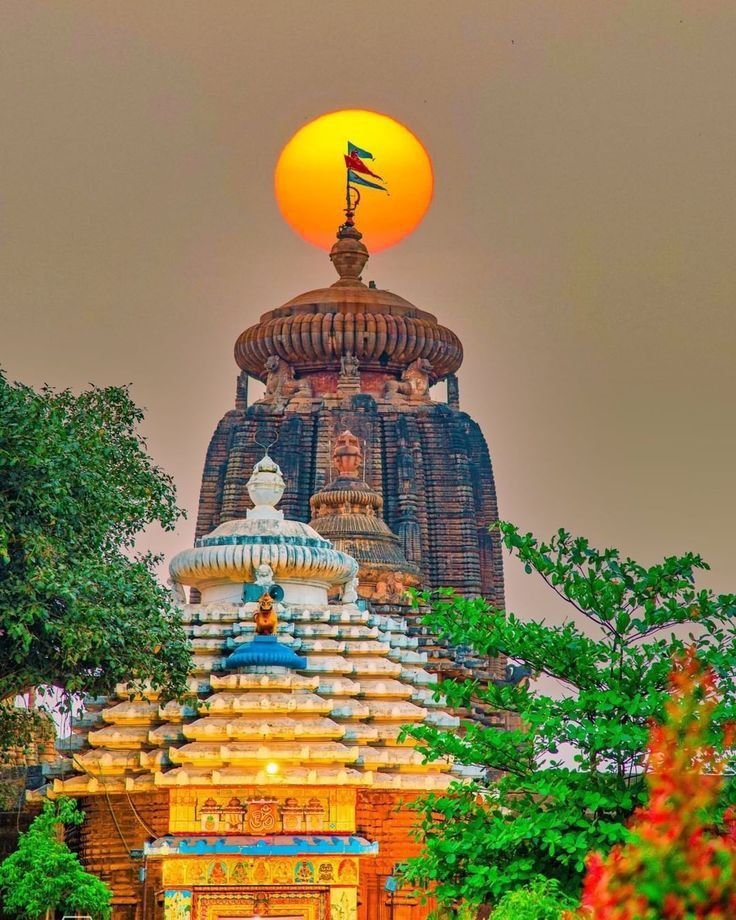
Firstly for the best place is known for the Jagannath Puri temple this temple is one of the Char dham. It is known for a beautiful idol of lord Jagannath, Subhadra and balbhadra.

This is the best place for spiritual peace if you are looking forward to peace of mind and heart you can visit the Jagannath Puri temple. It is also known for its Anand Bazaar which is one of the biggest kitchen in the world.

Exploring the coastal district of Odisha - Puri 

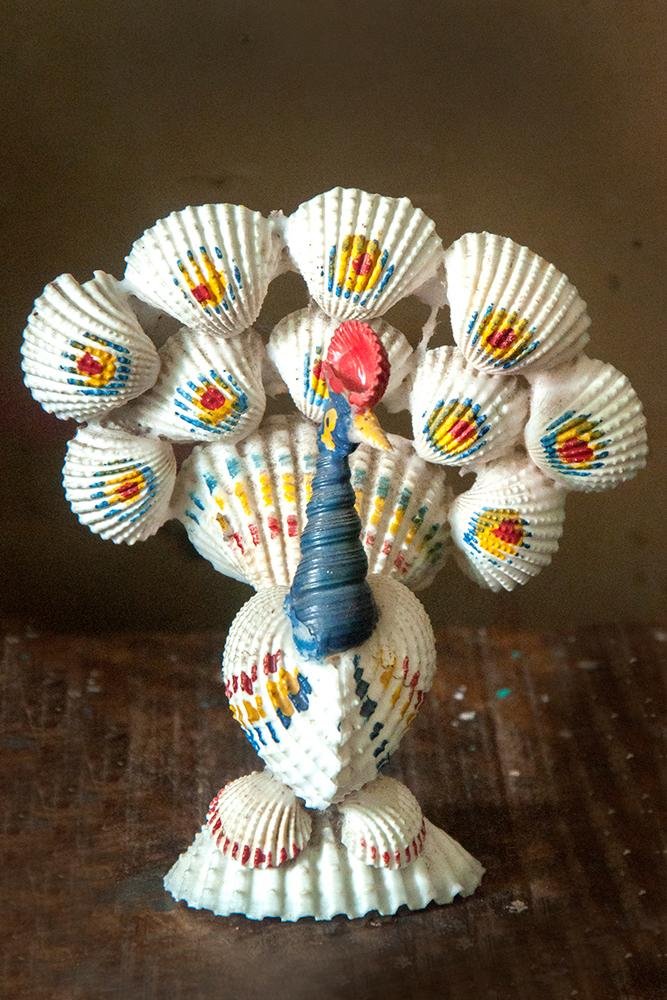
If you want to visit the beaches for sunset and sunrising, the best beaches are firstly the golden beach, at this beach you will get one of the best view of the sunset and sunrise also has many activities including horse and camel riding , jet skis and paragliding. You can also find many small white crabs and seashells.

If you are a foodie and are interested in shopping you can always visit the Puri Bada Danda , you can say that it is a biggest market in Puri. You can find variety of foods including Orissa regional foods, South Indian continental etc. also you can find variety of seashell ornaments ,gold ornaments and even pearl jewellery.

Exploring the coastal district of Odisha - Puri 

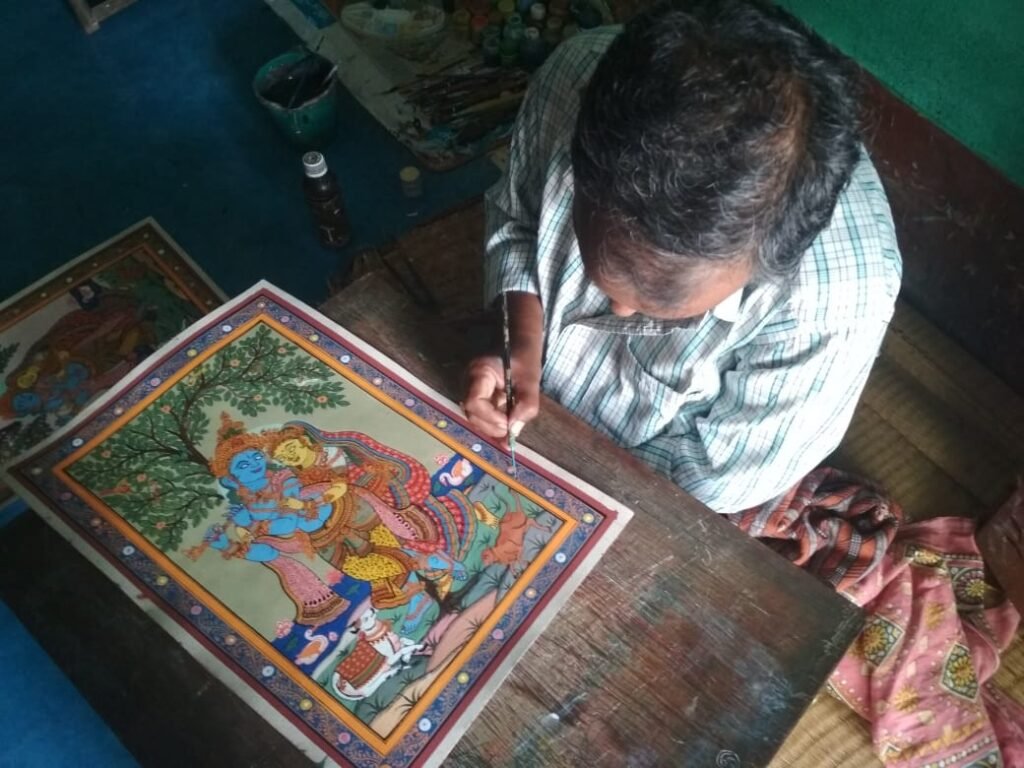
If you are an artistic person and are interested different types of art form you should visit the art and craft village of Orissa the Raghurajpur, this village is world famous for its beautiful pattachitra art . 

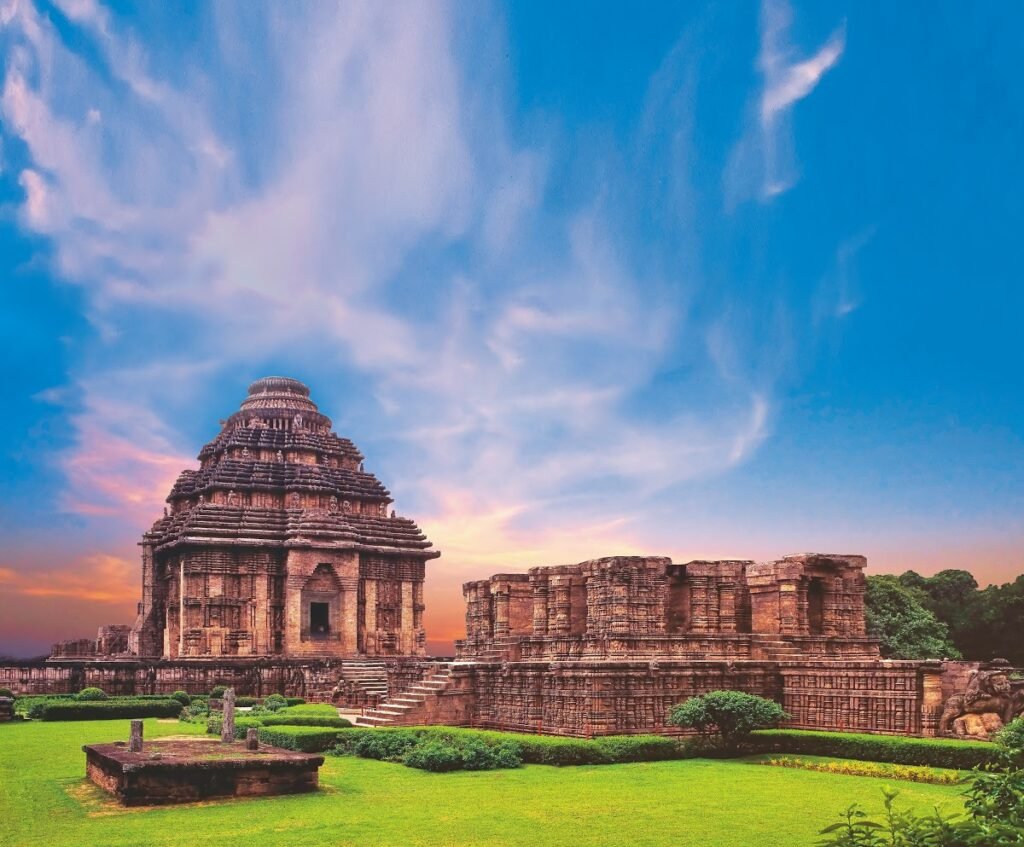
Also to conclude I will like to add the beautiful and World famous Surya devalay temple also known as the Sun temple or Konark Mandir. It is famous for its architecture which is formed in a way that the first sunlight ray fall directly on the temple.  

Exploring the coastal district of Odisha - Puri 

The district Puri is diverse is cultures and art . District Puri is the must visit place once in a lifetime.

Journey from Agra to Srinagar, Uttarakhand

0

Dhriti Sisodiya, student of Saksham Sanchar Foundation shared her experience of travelling from Agra to Srinagar, so let’s see what all she explored on this journey.

Join me on an exciting journey from the historical city of Agra to the serene town of Srinagar in Uttarakhand. This travel blog captures the essence of our trip, highlighting the iconic places and temples we visited along the way.

Our journey began early in the morning from Agra, Uttar Pradesh, the city famous for the Taj Mahal. Before leaving, we visited two iconic temples: the Mankameshwar Temple, dedicated to Lord Shiva, and the Balkeshwar Temple, another prominent Shiva temple in the city. The blend of Mughal and Rajput architecture in these temples was truly fascinating, showcasing intricate designs and historical influences.

Journey from Agra to Srinagar, Uttarakhand
Mankameshwar Temple
Journey from Agra to Srinagar, Uttarakhand
Balkeshwar Temple

Leaving Agra, we headed towards Vrindavan. Known for its association with Lord Krishna, Vrindavan is a town filled with temples and spiritual vibes.

Journey from Agra to Srinagar, Uttarakhand

In Vrindavan, we visited the Banke Bihari Temple, one of the most famous temples dedicated to Lord Krishna. We also visited the ISKCON Temple, known for its beautiful architecture and serene ambiance. The rich carvings and vibrant atmosphere of these temples provided a captivating insight into the town’s spiritual heritage.

Journey from Agra to Srinagar, Uttarakhand

After exploring Vrindavan, we continued our journey to Delhi. The drive was smooth, and we reached Delhi by early afternoon.

In Delhi, we visited the Akshardham Temple, renowned for its grand architecture and spiritual exhibits. We also went to the Lotus Temple, known for its unique lotus-shaped design and peaceful environment. The architectural grandeur of these temples left us in awe, each structure narrating its own story through its design and form.

Journey from Agra to Srinagar, Uttarakhand
Akshardham Temple, Delhi
Journey from Agra to Srinagar, Uttarakhand
Lotus Temple

After a good night’s rest in Delhi, we set off for Moradabad in the morning. The drive was pleasant with clear skies and smooth roads.

We arrived in Moradabad, often called the “Brass City,” by mid-morning. The city is known for its brass handicrafts and religious sites.

In Moradabad, we visited the Sita Temple, dedicated to Goddess Sita. Another notable temple we visited was the Chandausi Temple, known for its beautiful carvings and serene atmosphere. The intricate brass work and traditional architecture were a feast for the eyes.

Journey from Agra to Srinagar, Uttarakhand

After exploring Moradabad, we continued our journey to Nainital. The scenic drive through the hills was refreshing, and we reached Nainital by late afternoon.

In Nainital, we visited the Naina Devi Temple, located on the northern shore of Naini Lake. We also visited the Hanuman Garhi Temple, which offers a stunning view of the sunset and the surrounding hills. The serene lakeside setting and the temple’s architecture provided a perfect blend of natural beauty and spiritual tranquility.

Journey from Agra to Srinagar, Uttarakhand
Naina Devi Temple, Nainital

We left Nainital early in the morning, heading towards Gairsain. The journey through the winding mountain roads was picturesque.

We reached Gairsain by mid-morning. Gairsain is a quaint town nestled in the hills and serves as the summer capital of Uttarakhand.

In Gairsain, we visited the Kali Mandir, a temple dedicated to Goddess Kali. We also visited the Someshwar Temple, known for its serene location and spiritual significance. The architecture of these Garhwali temples was reminiscent of Tibetan styles, with ornate woodwork and intricate details that stole my heart.

Journey from Agra to Srinagar, Uttarakhand

After spending some time in Gairsain, we continued our journey to Rudraprayag. The route offered stunning views of the mountains and rivers.

In Rudraprayag, we visited the Kartik Swami Temple, dedicated to Lord Kartikeya. We also visited the Rudranath Temple, an ancient shrine dedicated to Lord Shiva. The spiritual energy and majestic settings of these temples were deeply moving.

Journey from Agra to Srinagar, Uttarakhand

We started our final leg of the journey from Rudraprayag to Srinagar early in the morning. The drive was beautiful, with the Alaknanda River flowing alongside.

We arrived in Srinagar by late morning. This quaint town is often overlooked by tourists, making it a peaceful retreat.

In Srinagar, we visited the Kamleshwar Mahadev Temple, an ancient temple dedicated to Lord Shiva. We also visited the Dhari Devi Temple, located on the banks of the Alaknanda River and considered very powerful by the locals. The serene river views and the spiritual ambiance made these temples stand out.

Journey from Agra to Srinagar, Uttarakhand

We spent the evening exploring the local market and enjoying some local Uttarakhandi cuisine. The simplicity and warmth of the locals made the experience memorable.

The journey from Agra to Srinagar in Uttarakhand was a blend of historical sites, spiritual experiences, and natural beauty. Each stop along the way offered unique insights into the cultural and spiritual heritage of India. Whether it’s the iconic temples of Agra with their mix of Mughal and Rajput architecture, the spiritual vibe of Vrindavan, or the serene landscapes and Tibetan-inspired architecture of Uttarakhand, this trip was truly unforgettable.

Roaming around the streets of Panagarh: Special Navratri Days

0

Mehak, student of Saksham Sanchar Foundation shared her experience of visiting Panagarh during Navratri.

As a army man’s child I am exploring India in my terms since childhood. One of the experience is here at Panagarh, a city in West Bengal. You can feel and smell blooming flowers in the morning and incense smell . Unbeatable types and tastes of rasgullas and another thing that fascinate me is , for GOLLGAPPA a one of the most famous street food of India ,there people don’t use plastic cups or plates for serving gollgappa ,they use cups made from dreid  pepal tree’s leave that is also beneficial for environment .

WEST BENGAL is also infamous for  their communal tensions but I see a different face .During navarati hindus and muslims work together for preparation of upcoming nine days without a single riot this is the first time when  I saw a unity in diversity . After what I saw there I thought communal tensions and riots are only for politicians, for there own benefit .Those nine evenings are so fascinating ;durga puja ,pandals ,carnivals and many more . I think the best season for visiting the state is Navaratri.

Submerge in the salty waters: Train for tourists at the Sambhar lake

0
Sambhar Lake

Shagun Chauhan, student of Saksham Sanchar Foundatio shared her experience to visiting to Sambhar Lake, Rajasthan.

Sambhar town is a small locality in Western Rajasthan, it’s major tourist attraction is the Sambhar lake (which is named after the town) the lake is a seasonal water-source. It’s water flow fluctuate from 60 centimetres (in dry season) to 3 Meters( (in monsoon) this lake spread in an area of 30 square kilometres from a distance of huge mounds of salt in and on the banks of this lake. This resembles powdered snow especially during dry seasons and tourist footfall in this region is high during monsoon because many wildlife enthusiasts flok the region with the flamingos that use it as a migration base but not many people visit during summers due to the scorching heat. A lot of people are employed due to this lake. They run hotels and tour trains for vistors at the rate of ₹700 per person.     

It is best time to visit this place during monsoon as it is the usual tourist season and temperature is low enough to not ruin your vacation.

Find spiritual solace at the temple of Mata Shakambri   


Submerge in the salty waters: Train for tourists at the Sambhar lake

The shakambari mata temple was established by Vasudev, the same chauhan king that founded the city of Sambhar in 551 AD, 6th century. Shakambri also known as Asavari or Ashapura is the family goddess of the Chauhan ruling clan, it is believed that when the demon Durgam Asura brought extreme draught to earth and made the sages forget the vedas. The sages worshipped goddess Lakshmi for help and she came in the form of Shakambri bearing lotus, bow-arrow, fruits, vegetables and roots in her four hands her thousand eyes shed tears when she saw the condition of the sages and the tears turned into river. She is also called the Goddess of nutrition. The temple is a fairly large structure, an example of dome-style architecture you can spot four to five saffron-clad priests, there were no crowds when we went there but usually there are a lot of local people who have deep faith in the goddess. On entering one can see on the wall adjacent to the beautiful and spellbinding ideal of the deity is a white board on which the main prayer(arti) of the goddess scripted in big red letters. There is a big donation box in front of the idol( you can pay as you can afford).

Submerge in the salty waters: Train for tourists at the Sambhar lake

It is advised to visit it anytime except for Navratri because in navratri festivals it’s very overcrowded.

Guns to Glamour: Former Army Captain Rahul Bali walks the Red Carpet at Cannes to make India Proud

0

The 77th edition of the Cannes Film Festival saw an extraordinary Indian fervour with Indian Actors, Filmmakers & Influencers shining the most on the Red Carpet that was full of myriad Indian Flavours.

The iconic film festival which wrapped on May 25, saw a number of unprecedented firsts for India from Payal Kapadia’s film winning the Grand Prix and Anasuya Sengupta bagging the Best Actress Award to Captain Rahul Bali becoming the first Indian Army Veteran turned Filmmaker to walk on the world’s most glamourous Red Carpet spreading the fragrance of India in the French Riviera like never before.

An ex-Army officer turned Filmmaker Captain Rahul Bali debuted at the Cannes Film Festival wearing a traditional Indian Band Gala Suit with the Indian Flag pinned on his chest proudly flaunting the power of India to officially launch the First Look Poster of his film – LOVE IN VIETNAM at the Bharat Pavilion.

Based on the bestseller book ‘Madonna In A Fur Coat,’ the India-Vietnam collaboration film stars Shantanu Maheshwari and Avneet Kaur along with popular Vietnamese star Kha Ngan.

It is the first ever INDIA -VIETNAMESE co-production Movie that is being produced with the support of Embassies and Consulate Generals of India and Vietnam in the respective countries.

Written & Directed by Rahhat Shah Kazmi the film is Produced by Omung Kumar, Rahhat Shah Kazmi, Captain Rahul Bali, Abhishek Ankur, Co-produced by Tariq Khan, Zeba Sajid, Samten Hills, Dalat, Associate Producer Vikas Sharma with Vietnam Airlines being the official Airline partner. 

Captain Rahul Bali, a well-known name in the international festival circuits is an award-winning Indian Film Festival Curator who has been successfully spreading the fragrance of India globally by curating Indian Film Festivals and creating synergies for cultural cooperation between India and the world.

Having turned Producer with Love in Vietnam, Captain Rahul Bali is confident that this landmark Co production movie slated to be shot in a number of exotic locations across Vietnam & India would surely be the starting point of a great cinematic relationship between the two great countries and would open a lot of opportunities and synergies between India and Vietnam.