Home Blog Page 535

Rajasthan’s Rich Tapestry of Folklore: A Glimpse into the Desert Soul

0

Rajasthan, a land steeped in history and culture, is a treasure trove of captivating folklore. From tales of valorous Rajputs to enchanting folklores of desert deities, the state’s rich heritage is intricately woven into its stories.

Legends of Valor: The Rajput Spirit

At the heart of Rajasthan’s folklore lies the epic tales of the Rajputs, renowned for their chivalry and courage. Stories of legendary figures like Maharana Pratap, who fought against the mighty Mughal empire, and Rani Padmini, known for her unparalleled beauty and sacrifice, continue to inspire generations. These tales celebrate valor, honor, and the unyielding spirit of the Rajput warriors.

Folk Deities and Desert Magic

Rajasthan’s arid landscape has given birth to a pantheon of folk deities, each with their own unique legend. Goddess Chamunda, revered as the protector of the region, is often depicted as a fierce warrior. The colorful festivals dedicated to these deities, like Teej and Gangaur, are a vibrant celebration of Rajasthan’s folklore.

Love, Loss, and Sacrifice

Love stories form another significant part of Rajasthan’s folklore. Tales of passionate lovers like Dhola-Maru and Heer-Ranjha have been passed down through generations, capturing the essence of romantic longing and separation. These tragic love stories are often set against the backdrop of the desert, adding to their mystique and appeal.

Preserving the Heritage

Efforts are underway to preserve Rajasthan’s rich folklore through various initiatives. Folk artists, storytellers, and cultural institutions are working tirelessly to document and popularize these traditional tales. By incorporating folklore into educational curricula and organizing cultural festivals, the state aims to ensure that future generations continue to cherish this invaluable heritage.

Rajasthan’s folklore is a living testament to the state’s vibrant past. These enchanting tales offer a glimpse into the hearts and minds of its people, reflecting their values, aspirations, and deep-rooted connection to the land.

Ravi Jaipuria & Akshay Kumar Power Fashion Entrepreneur Fund (FEF) as Key Investors

0

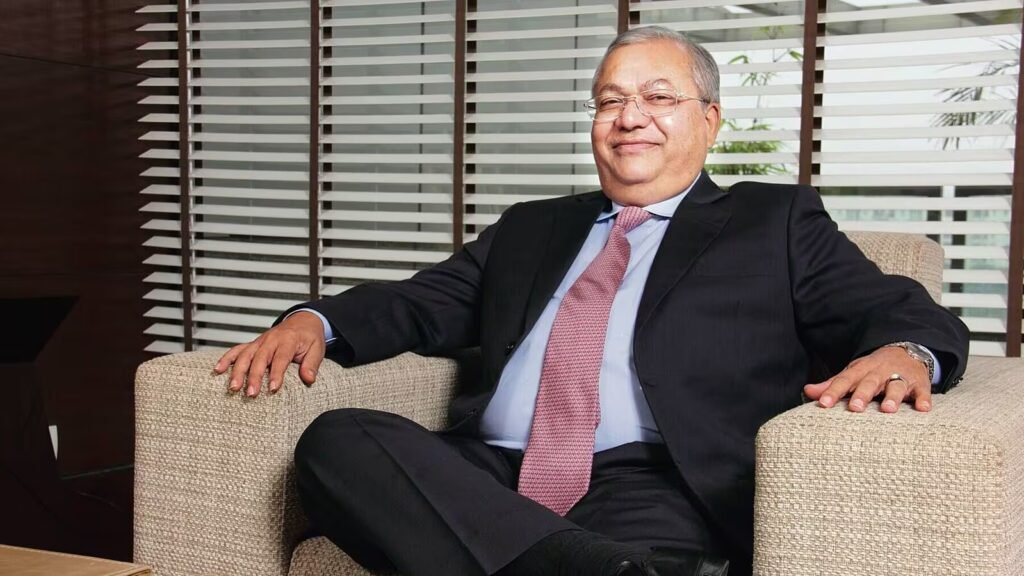
The Fashion Entrepreneur Fund (FEF) is thrilled to announce the substantial investments by Ravi Jaipuria, a renowned Indian billionaire business magnate, and Bollywood star and fashion icon Akshay Kumar. Their involvement signifies a significant boost to FEF’s mission of empowering and elevating fashion entrepreneurs in India.

Ravi Jaipuria, Chairman of RJ Corp, a diverse conglomerate encompassing beverages, fast food, real estate, education, and healthcare, brings unparalleled expertise, strategic insight, and philanthropic vision to FEF. His interest in the fashion industry, which is valued at up to ₹125 billion in India, sparked this strategic partnership with FEF.

Ravi Jaipuria & Akshay Kumar Power Fashion Entrepreneur Fund (FEF) as Key Investors

Akshay Kumar, known for his versatile roles in high-octane action films and rib-tickling comedies, is also a style and fashion icon with keen business acumen. His support for emerging talent in the fashion industry is driven by a desire to give back to the community and foster the next generation of fashion entrepreneurs, aligning with the Make in India initiative.

Ravi Jaipuria & Akshay Kumar Power Fashion Entrepreneur Fund (FEF) as Key Investors

Expressing his enthusiasm for the partnership, Ravi Jaipuria stated, “I’m thrilled to collaborate with the Fashion Entrepreneur Fund. The fashion industry in India holds immense untapped potential, and I am confident that FEF offers an ideal platform to nurture and showcase this talent. Fashion, beyond its allure, is a formidable industry, and with 4.5 crore fashion enthusiasts in India facing a lack of funds to kickstart their businesses, FEF is uniquely positioned to drive a new wave of innovation and investment within the Indian fashion landscape, empowering the next generation of entrepreneurs to shape the future of fashion.”

Akshay Kumar shared his excitement, saying, “I’m incredibly excited to join forces with the Fashion Entrepreneur Fund. The fashion industry in India is brimming with untapped potential, and I believe FEF provides the perfect platform to nurture and showcase this talent. I have been closely associated with the fashion industry and strongly believe that given an opportunity, our fashion creators can rule on the global stage. Fashion, beyond the glitz and glamour, is a powerful force. Having witnessed the transformative power of entrepreneurship in other sectors, I believe FEF is well-positioned to unlock a new wave of innovation within the Indian fashion industry.”

Vagish Pathak, Chairman, and Sanjay Nigam, Founder of Fashion Entrepreneur Fund, expressed their excitement, stating, “Having Ravi Jaipuria and Akshay Kumar on board is a tremendous boost for the Fashion Entrepreneur Fund. Our mission is to create a vibrant ecosystem where fashion dreams can flourish into successful enterprises. With these two stalwarts joining us, we are poised to accelerate this mission and reach new heights. Jaipuria’s extensive experience in fostering entrepreneurship and Kumar’s passion for innovation align perfectly with our goals. With their support, we are confident that FEF will become the go-to platform for fashion entrepreneurs in India, providing them with the investment, resources, and mentorship they need to succeed.”

Ravi Jaipuria & Akshay Kumar Power Fashion Entrepreneur Fund (FEF) as Key Investors

About the Fashion Entrepreneur Fund (FEF):

Fashion Entrepreneur Fund (FEF) is a groundbreaking initiative designed to foster a collaborative ecosystem within the fashion industry. With an initial investment of ₹20 crore, FEF aims to empower individuals in the fashion sector, helping turn their aspirations into thriving enterprises. This pioneering venture cultivates innovation and entrepreneurship, providing essential resources and mentorship to budding talents. By bridging gaps and offering support, FEF propels the growth and success of emerging businesses, enriching the fabric of the fashion landscape. With its robust foundation and visionary approach, FEF sets the stage for transformative change and sustainable growth in the industry.

For more information, visit FEF Website.

Networking is ‘net-worthing’, says FORTI Women Wing president Alka Gaur

0

EBNW Story interviewed Alka Gaur, president of FORTI Women Wing. Alka shared her insights on women entrepreneurship. Dimple Arora interviewed her-

Q1: What is the status of women entrepreneurship in Rajasthan?

Alka Gaur: When we talk about women entrepreneurship in Rajasthan, we are lagging behind by approximately 150 years. Globally, women entrepreneurs contribute 17% to the GDP, which translates to around 632 billion USD. In India, only 35% of women work in offices, and of those, just 17% reach leadership levels. Rajasthan remains a remote area for women entrepreneurs. A quick Google search reveals very few startups led by women from Rajasthan.

Despite numerous government schemes, significant gaps remain. One major hurdle is the lack of zeal among women. We need a mindset shift to recognize that women are natural leaders and multitaskers. Homemakers, for example, are the best managers. If they can manage roles like FNB managers, front office managers, or housekeeping managers, they certainly have the potential to excel in entrepreneurship.

Women often drop out of their careers during three key phases: marriage, childbirth, and caring for senior family members. To address this, we need to train boys from childhood in banking and work culture, while teaching them the responsibilities of managing a home. Developing this culture will increase the number of women in leadership roles.

Moreover, women face challenges such as difficult access to loans, extensive paperwork, and a lack of networking opportunities. Established women entrepreneurs often remain in their comfort zones, missing out on the benefits of networking. It’s crucial for women to engage, interact, and learn from others to thrive in the entrepreneurial ecosystem.

Q2: How can the situation be improved and what is the way forward?

Alka Gaur: There should be more mentorship programs and skill workshops. Although the government has launched many schemes and provides funding for women in entrepreneurship and the private sector, awareness is lacking. We need to educate women and encourage them to step out of their comfort zones.

Industrial training with a stipend, especially for women from poor sectors, is essential. Many women have familial responsibilities and need support to pursue their ambitions. I’ve suggested to the government to incorporate skill programs in government schools, along with creches, so that women can learn without worrying about their children. This will help women become job creators instead of job seekers.

Q3: How do you feel about the Union budget’s announcement of creches and women hostels? Do you think more such initiatives should be taken?

Alka Gaur: Absolutely. Asian countries have a significant female presence in the market, and we can cultivate that culture in India too. In rural India, women often lack resources for childcare, so they carry their children while working. Creches and hostels are excellent options if provided with safety measures.

Cities like Bangalore and Mumbai are perceived as safer for women compared to Rajasthan, primarily due to a less orthodox mindset and better safety provisions. We need to ensure similar safety measures in Rajasthan so women can move freely, even late at night. Additionally, health checkups for cervical and breast cancer should be provided free of charge, as women often neglect their health. Healthy women lead to a healthier society, which in turn supports business growth.

Q4: What is your message to women entrepreneurs?

Alka Gaur: Listen to your heart and ignore naysayers. Be like the frog that is deaf and dumb but focused on its goal. People may try to discourage you, but treat their negativity as mere noise. Stay connected with your family, as their support and trust are invaluable. With your family’s backing, you can achieve any level of success you aspire to.

Meet the man who is redefining museum culture in Jaipur

0

This is the story of a man who is redefining museum culture in Jaipur with his exceptional vision. The visionary is none other than Anoop Shrivastav who has carved a niche on global map by bringing up two world class museums in Jaipur: The first one is Jaipur Wax Museum and the other one is Khazana Mahal. While the first one speaks the stories of legends carved on wax, the Khazana Mahal gives you an experience of the captivating charm of hundreds of rare artifacts, each of which has a story as unique and old as time itself

Meet the man who is redefining museum culture in Jaipur
Khazana Mahal Jaipur

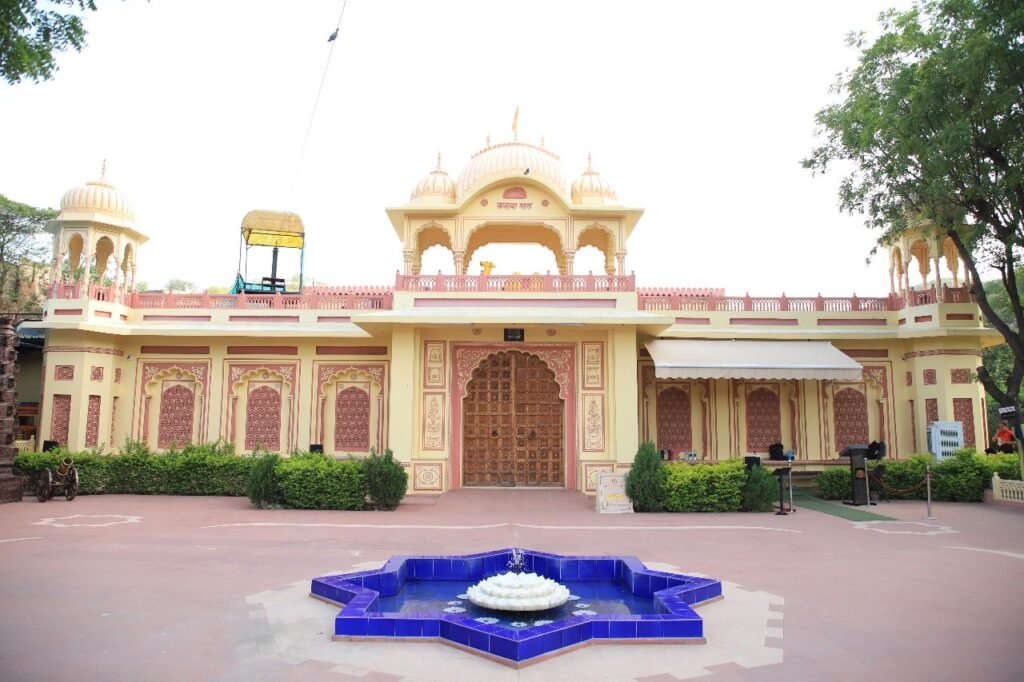
Khazana Mahal, standing synonymous to its name, is a unique concept which takes visitors on a magical journey of gems, jewellery, crafts, heritage, history, folklore and tradition.

Nested in the stunning realms of a 100 year old heritage Haveli set in pristine Aravali hills, the guests here feel captivated with bedazzling beauty of jewels, gems and stones which have displayed here with elegance.

Khazana Mahal is situated close to the historically famous Parshuram Dwar, where the Ashwamedha Yagya was performed initially by Lord Ram and then in 1734 by Raja Sawai Jai Singh the second.

The museum is unique in all its endeavour as it shows the rare crafting of gems and jewellery and also screens a mesmerizing film which takes visitors altogether into different world. Speaking the story of crafting and making of a stone, the visitor gets into awe of the piece of artistry.

Meet the man who is redefining museum culture in Jaipur

As you get into the museum, the beautiful stones from different parts of the world will leave you mesmerized and as you keep walking, there will be a stop where you feel bedazzled with the beauty of glasswork. Here you can stand and see yourself in different glass frames which makes a USP of this is the beauty of selfie point.

This museum houses the largest finger ring in the world, a piece of a real shooting star, replica of the famous Kohinoor diamond.

And when you come out, get ready for adrenaline rush as well as there is zip lining activity available here.

So kids can have a gala time watching the story of a stone and getting adventure activities done.

Also, there are traditional activities where kids can be seen engaged in a pottery making arts and shaking legs to folk songs.

Further, the other baby of Shrivastav is Wax Museum as he is the Creative Director of the famous Jaipur Wax Museum.

The most unique perspective of this museum is its location. The pristine museum is situated at 300 years old Heritage of Nahargarh Fort & Sheesh Mahal, The other unique perspective is that it is the only wax museum in Rajasthan which has been built with the unique combination of culture and technology an hence has now emerged as an ultimate tourist attraction.

The most beautiful part of the museum is Sheesh Mahal. The 25 million glass pieces leave the audience in awe of the beauty of its pristine design. Royal Darbar is the gallery of traditional costumes of royal family members, unique and antique artifacts, decorative paintings, wonderful a royal buggy and life-like interactive statues.

The Jaipur Wax museum is the first wax museum in the world to be opened at a heritage site which houses around 32 life-like wax statues of famous personalities. Many of these icons are trailblazers in their respective fields, and have been crafted by India’s maiden and senior most wax sculptor, Susanta Ray. To provide a unique experience to the visitors, the wax statues are complimented by ingenious sets and backdrops. The Jaipur wax museum also has on display the Gati Gamini, which is a 10-foot long Royal Enfield Bullet, the signature Rajasthan Tourism Motorbike.

Maharaja Sawai Man Singh Vidhyalaya organising Youth Parliament at Rajasthan Assembly

0

Maharaja Sawai Man Singh Vidhyalaya, a renowned co-educational senior secondary day school affiliated with CBSE, is set to host a two-day Youth Parliament on July 27 and 28, 2024. This prestigious event will see the participation of 130 students from various states across India.

The inaugural session of the Youth Parliament will be held at the Rajasthan Legislative Assembly on July 27, 2024, at 10:00 AM. The event will commence with a question hour and a discussion on the motion for creating a regulatory framework for coaching institutions. The inauguration will be graced by esteemed dignitaries including:

  • Hon’ble Speaker of Rajasthan Legislative Assembly, Vasu Dev Devnani
  • Leader of Opposition, Tikaram Jully
  • Parliamentary Affairs Minister, Joga Ramji Patel
  • Sanjay Sharma, Secretary, Commonwealth Parliamentary Association of Rajasthan

Event Schedule:

Day 1: Saturday, July 27, 2024

At Rajasthan Vidhan Sabha:

  • 9:00 AM to 12:30 PM: Inauguration and Session 1

In School Campus:

  • 1:00 PM to 2:00 PM: Lunch
  • 2:00 PM to 2:05 PM: Floral Tribute to Rajmata Gayatri Devi
  • 2:05 PM to 5:05 PM: Session 2 (Motion on Right to Education Act)
  • 5:05 PM to 5:30 PM: High Tea
  • 5:30 PM to 7:30 PM: Session 3 (Motion on Medical Facilities for Senior Citizens)
  • 7:30 PM to 8:30 PM: Dinner

Day 2: Sunday, July 28, 2024

In School Campus:

  • 9:00 AM to 11:00 AM: Session 4 (Motion on Defection of Legislators)
  • 11:00 AM to 11:30 AM: Tea Break
  • 11:30 AM to 1:00 PM: Session 5 (Motion on Entrance Examinations by Statutory Bodies)
  • 1:00 PM to 1:45 PM: Lunch
  • 1:45 PM to 4:45 PM: Session 6 (Motion on Paper Leak)
  • 4:45 PM onwards: Closing Ceremony

Throughout the Youth Parliament, students will engage in rigorous debates and discussions on key issues, including the Right to Education Act, compensation for students affected by paper leaks, defection of legislators, medical facilities for senior citizens, and entrance examinations by statutory bodies.

Contact: For further details, please contact Maharaja Sawai Man Singh Vidyalaya.

Army Public School Students Experience Live Assembly session at Rajasthan Assembly

0

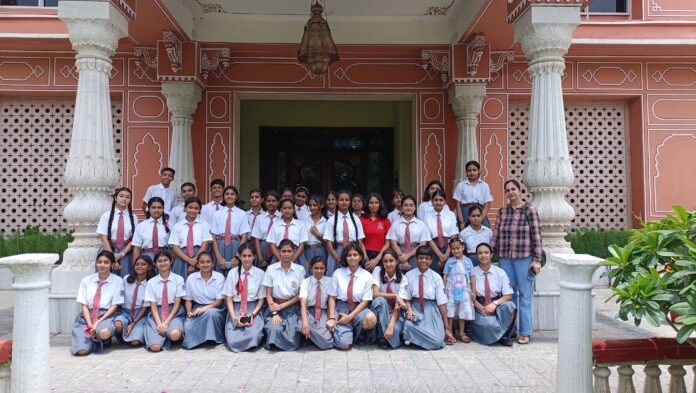
Marking yet another milestone in their educational journey, students from Army Public School, enrolled in the Media Masterclass Programme under the joint aegis of Saksham Sanchar Foundation and the Army Wives Welfare Association (AWWA), had the unique opportunity to attend live classes on political reporting at the Rajasthan Assembly on Monday, July 22.

An Immersive Learning Experience

The students had the rare chance to witness the ongoing assembly session, where lawmakers discussed the current challenges facing the state. This immersive experience allowed them to see firsthand how debates shape the laws that govern their state. They learned how bills are discussed, debated, and eventually converted into Acts, providing a practical understanding of the legislative process.

Interaction with Assembly Speaker Vasudev Devnani

One of the highlights of the visit was an interactive session with Assembly Speaker Vasudev Devnani. He spoke to the students on a range of issues, emphasizing their role in nation-building and the importance of their ambitions. The Speaker’s insights provided the students with a deeper understanding of the legislative process and the significance of maintaining an unbiased stance in parliamentary proceedings.

Insights from Veteran Journalists

Veteran journalists, including Sandeep Dahiya from PTI, Yogendra Sharma from JAN TV, and Jitendra Dwivedi from All India Radio (AIR), also engaged with the students. They provided an in-depth look at the functioning of the assembly, explaining the procedures and protocols involved in legislative sessions. The journalists detailed the differences between starred and unstarred questions, highlighting how replies are managed in written and oral formats, respectively.

Understanding Protocols and Decorum

The visit also educated the students on the strict protocols and decorum maintained within the assembly premises. They learned about the security measures in place, such as prohibiting black clothes and digital devices, and the importance of maintaining proper decorum in the visitor seating area. The emphasis on sitting straight and the presence of officials to enforce these rules underscored the discipline and respect required within the assembly.

Connection to Previous Learning

Their earlier visit to Raj Bhavan provided a foundational understanding of how a bill becomes an act only after the Governor’s signature. This prior knowledge enhanced their experience at the assembly, allowing them to connect the theoretical aspects of governance with the practical procedures they observed.

A Memorable Experience

The students had a memorable experience watching the live debates and interacting with key figures in the political and journalistic spheres. The session concluded with the Speaker himself sharing a post on his X (formerly Twitter) handle, acknowledging the students’ visit and their enthusiasm for learning about the legislative process.

Summing Up

This visit to the Rajasthan Assembly was an invaluable educational experience for the Army Public School students, providing them with practical insights into political reporting and the legislative process. It emphasized the importance of active citizenship and the role of journalism in a democracy, leaving a lasting impact on these future leaders and journalists.

For more details, you can check the Speaker’s post here.

Tips for Staying Fit During Pregnancy, Know what Yoga poses Deepika Padulone is doing

0

Becoming a mother is one of the most beautiful experiences in the world, especially for a first-time mother. Bollywood actress Deepika Padukone is experiencing this joy for the first time, making it a particularly special moment for her. Known for her dedication to health and fitness, Deepika is taking every step to ensure she remains fit and healthy during her pregnancy. Recently, she shared a post on her Instagram account showing her practicing ‘prenatal yoga,’ specifically the Viparitakarani Asana, and highlighted its benefits for both physical and mental health.

Understanding Prenatal Yoga

Prenatal yoga is a specialized form of yoga designed for pregnant women to maintain their physical health and emotional well-being. This practice helps alleviate common pregnancy-related issues such as swelling, muscle pain, and feelings of heaviness. It also prepares the body for labor and delivery.

Benefits of Viparitakarani Asana

Deepika Padukone, in her Instagram post, explained how lying down with legs raised against the wall (Viparitakarani Asana) provides relief from swelling, muscle pain, and overall body heaviness. This asana not only strengthens physical health but also enhances mental well-being.

The Importance of Yoga During Pregnancy

Many celebrities, including Anushka Sharma, Kareena Kapoor, Soha Ali Khan, and Neha Dhupia, have adopted prenatal yoga during their pregnancies. The nine-month journey of pregnancy can be as challenging as it is joyous. Yoga serves as a boon during this time, offering numerous benefits:

  • Physical Comfort: Yoga alleviates common pregnancy discomforts such as back pain and swelling.
  • Mental Calmness: It reduces stress, anxiety, and depression, promoting emotional stability.
  • Preparation for Labor: Yoga prepares the body for delivery by enhancing flexibility and strength.
  • Overall Well-being: It maintains energy levels and improves sleep quality.

Expert Insights on Prenatal Yoga

Yoga expert Akanksha Sharma emphasizes that yoga provides relief from stress and helps maintain a balanced state of mind and body during pregnancy. However, it is essential to practice yoga under expert guidance and consult a doctor before starting any new exercise routine.

Trimester-Specific Yoga Practices

First Trimester (0-3 months)

  • Focus: Gentle asanas and breathing exercises.
  • Guidelines: Avoid heavy workouts and difficult poses to prevent fatigue.

Second Trimester (4-6 months)

  • Focus: Asanas like backbends and inversions for muscle and joint flexibility.
  • Guidelines: Avoid poses that require lying on the stomach.

Third Trimester (7-9 months)

  • Focus: Relaxing and hip-opening asanas, light stretching.
  • Guidelines: Be cautious with balance and avoid strenuous exercises.

Benefits of Prenatal Yoga

According to a study published in the National Library of Medicine, prenatal yoga helps pregnant women alleviate anxiety, stress, and depression. Some benefits include:

  • Improved physical health
  • Enhanced mental well-being
  • Preparation for labor and delivery
  • Reduction in common pregnancy discomforts

Tips for a Healthy Pregnancy

  1. Consultation: Always consult your doctor before starting any new exercise, including yoga.
  2. Expert Guidance: Practice yoga under the guidance of a certified expert.
  3. Physical Capacity: Perform exercises according to your physical capacity and avoid overexertion.
  4. Balanced Diet: Ensure a nutritious and balanced diet.
  5. Adequate Sleep: Get enough rest to support your body’s needs.
  6. Open Communication: Discuss any doubts or concerns with your doctor.

Summing Up

Following in the footsteps of celebrities like Deepika Padukone, embracing prenatal yoga can be highly beneficial during pregnancy. It not only helps in maintaining physical fitness but also promotes mental peace, ensuring a healthy and happy pregnancy journey. Always remember to consult healthcare professionals and yoga experts to tailor the practice to your individual needs and ensure the best outcomes for you and your baby.

New Ram Gallery in making at the City Palace Jaipur

0

The City Palace in Jaipur, an epitome of Rajasthan’s rich history and cultural heritage, has always been a significant tourist attraction. Recently, it has gained attention due to its historical connection with Lord Ram’s son, Kush, and the announcement of the new Ram Gallery, which adds another layer of intrigue and reverence to the site.

Historical Connection with Kush

The royal family of Jaipur traces its lineage back to the Suryavanshi dynasty, which is believed to be descended from Lord Ram’s son, Kush. This ancient connection adds a mythological and historical dimension to the City Palace. The Kachwaha Rajputs, who ruled Jaipur, are proud of this lineage, often referring to their heritage as a continuation of the values and traditions set by Lord Ram and his descendants.

The New Ram Gallery

In celebration of this storied lineage, the City Palace is opening a new Ram Gallery, dedicated to the life and legacy of Lord Ram. This gallery will feature artifacts, manuscripts, and artworks depicting scenes from the Ramayana and the lineage of Kush. The gallery aims to educate visitors about the historical and mythological significance of the Ramayana and its impact on Indian culture and heritage.

Features of the Ram Gallery

  1. Artifacts and Manuscripts: The gallery will showcase ancient manuscripts and artifacts related to the Ramayana, providing a historical perspective on the epic.
  2. Artworks and Sculptures: Visitors will be able to view intricate artworks and sculptures depicting key scenes from the Ramayana, bringing the story to life through visual art.
  3. Educational Programs: There will be educational programs and workshops designed to teach visitors, especially students, about the cultural and historical significance of the Ramayana.

Enhancing Tourist Experience

The addition of the Ram Gallery to the City Palace is expected to enhance the tourist experience by providing a deeper understanding of the historical and cultural context of the region. The gallery not only celebrates the royal family’s heritage but also offers a comprehensive look at one of India’s most revered epics.

Summing Up

The City Palace in Jaipur continues to be a beacon of Rajasthan’s rich history and cultural heritage. The new Ram Gallery promises to be a significant addition, offering visitors a unique and educational experience. As the gallery opens its doors, it will undoubtedly become a highlight for those visiting Jaipur, enriching their understanding of India’s epic narratives and royal history.

The Dying Art of Kathputli Still Mesmerizes Tourists at the City Palace

0

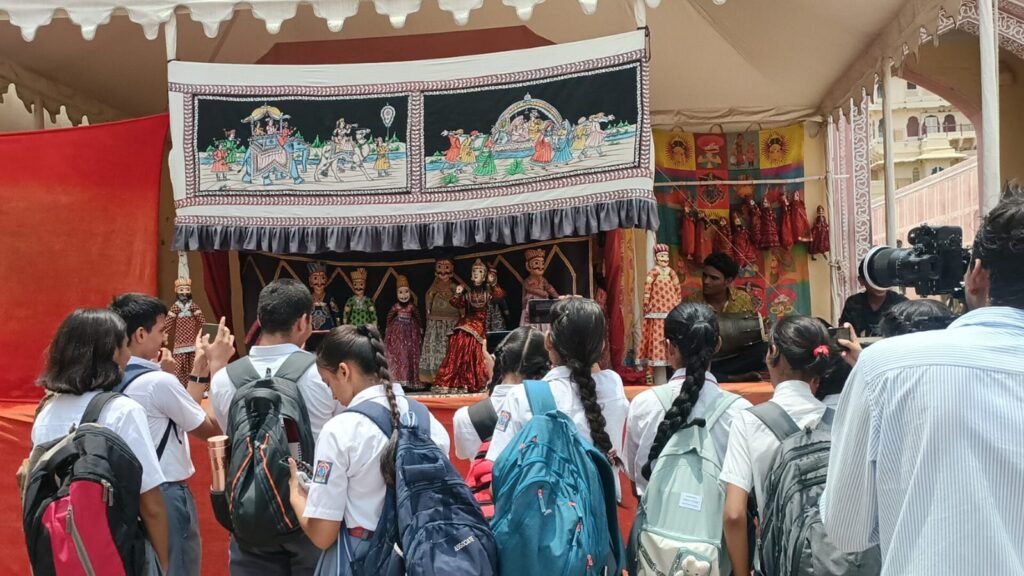
As part of the Media Masterclass program organized by the Army Wives Welfare Association (AWWA) and Saksham Sanchar Foundation, students from Army Public School visited City Palace. Apart from exploring the beautiful historical museums and the palace itself, students experienced the enchanting yet dying art of Kathputli. For many students, this was their first encounter with such a unique and traditional performance, which they thoroughly enjoyed. The Kathputli presenters do not solicit money; instead, mesmerized tourists and visitors often give them money as a token of appreciation.

History of Puppetry

Kathputli, the traditional puppet art form of Rajasthan, continues to enchant visitors at the City Palace in Jaipur despite the challenges it faces in the modern era. This ancient art, with its vibrant puppets and engaging storytelling, offers a glimpse into Rajasthan’s rich cultural heritage. Kathputli craft is an ancient and one of the most popular performing arts of Rajasthan, a state in western India. The word “kathputli” derives from “kaath” (wood) and “putli” (toy).

Socially, puppet players from a caste group are attached through the “jajmani system” to other castes. Traditionally, it was a system of patronage supported by kings and well-off families. The patrons would look after the artists in return for the artists singing praises of the patrons’ ancestors. Thus, the artists, or Bhats, became genealogists.

These artists preferred to move out of their village and travel to places like Bihar, Uttar Pradesh, Nepal, and are even believed to have reached Burma and Ceylon. The puppet show comprises a tent, or tambudi, which may be made with seven bamboo poles or with two lightweight cots put up lengthwise. The backdrop, front, and decorative curtains are supported on this frame. The puppeteers are concealed behind this arrangement. The puppet consists of three parts – the head and shoulders made of wood, the hands and torso stuffed with cotton and covered with the character’s garment, and the string. Legs are not designed in traditional puppets, with a few exceptions.

The sounds for the performance are produced by two instruments – the dholak, or hand drum, and the boli/shrutti. The boli is a musical instrument made of two thin and small bamboo strips with a reed in between, producing a sharp sound by blowing air in and out. The sound of the boli represents the speech of the puppets, and the drummer translates this for the audience.

Challenges Faced

In recent years, Kathputli has struggled to survive amidst rapid modernization and changing entertainment preferences. Many traditional puppeteers, known as Bhats, have abandoned their craft due to the lack of sustainable income and support. The art form, which once thrived in royal courts and village squares, is now fighting to stay relevant. The City Palace in Jaipur, a prominent tourist destination, has become a sanctuary for Kathputli artists. Regular performances are held here to showcase this dying art to a global audience. Tourists are often captivated by the skillful manipulation of puppets, the lively music, and the dramatic storytelling that Kathputli performances offer.

Tourist Attraction

Visitors to the City Palace are often drawn to the Kathputli shows, finding themselves mesmerized by the animated puppets and the tales they tell. These performances provide a unique cultural experience, allowing tourists to connect with Rajasthan’s artistic traditions.

Efforts to Revive Kathputli

Various organizations and cultural groups are working to revive and sustain Kathputli. Workshops, exhibitions, and collaborations with contemporary artists are some of the initiatives aimed at breathing new life into this art form. Additionally, increasing tourism and interest in cultural heritage have helped bring attention to the plight of Kathputli artists.

The Dying Art of Kathputli Still Mesmerizes Tourists at the City Palace

Summing Up

While Kathputli faces numerous challenges, its enduring charm continues to captivate audiences at the City Palace. Efforts to preserve and promote this traditional art form are crucial in ensuring that it remains a vibrant part of Rajasthan’s cultural landscape for generations to come. As tourists witness the magic of Kathputli, they are not only entertained but also become part of the ongoing journey to keep this art form alive.

Watch out women’s role in the making of the Constitution at the Constitution Park, Jaipur

0

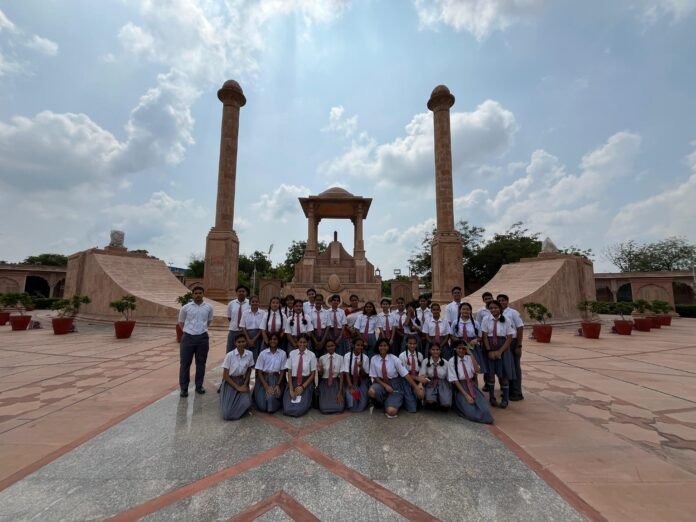
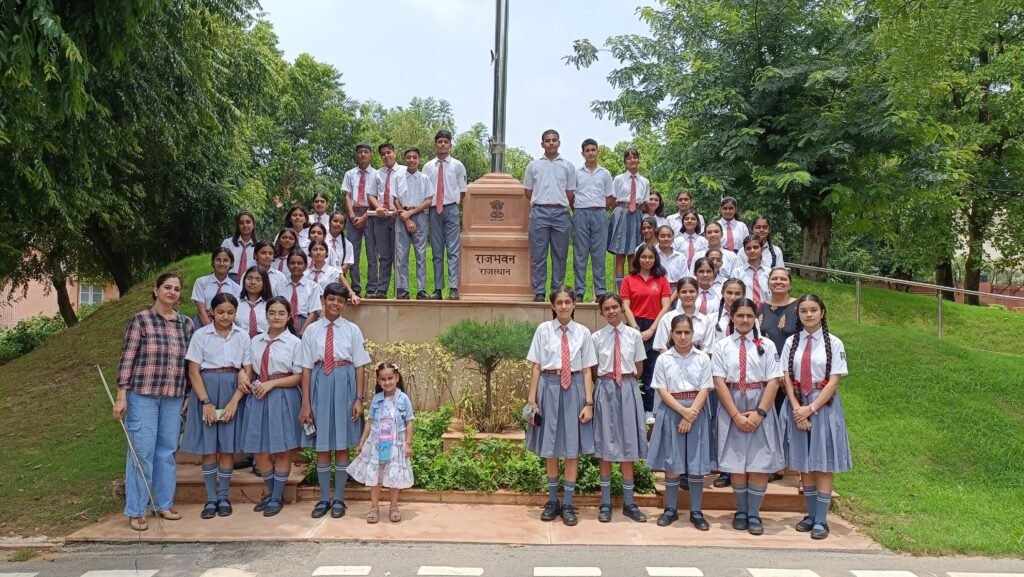
As part of the Media Masterclass program organized by the Army Wives Welfare Association (AWWA) and Saksham Sanchar Foundation, students from Army Public School visited India’s first Constitution Park, located on the Raj Bhavan Jaipur premises. The park, renowned for its serene environment and abundant flora and fauna, houses around 200 peacocks, symbolizing peace and tranquility.

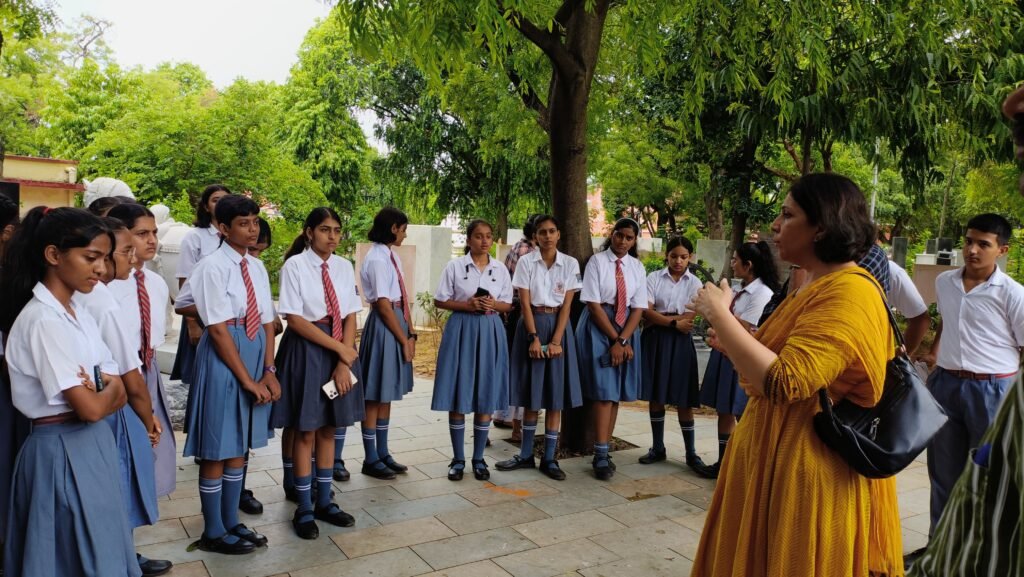
The purpose of this visit was to educate students about the Constitution of India, which outlines the framework for the functioning of the government and its organizations, the rights and duties of citizens, and the distribution of powers. Through detailed sculptures, students learned about the significant role women played in the building of the Constitution.

Watch out women's role in the making of the Constitution at the Constitution Park, Jaipur

Learning Experience

During this visit, students delved into the history of Maharana Pratap and discussed the sculptures of his loyal horse, Chetak. The unique approach of the class, which combined explanations of the Constitution with artworks and activities, allowed students to explore various aspects such as fundamental rights, fundamental duties, the parliamentary system, the judiciary, and the electoral process. Students got to see the documentary on the making of Constitution Park.

Watch out women's role in the making of the Constitution at the Constitution Park, Jaipur

Journalistic Perspective

From a journalistic standpoint, the visit also included practical sessions on how to cover Constitution Park effectively. Urvashi Dev Rawal from Hindustan Times conducted a content writing session, while Murari Gupta from Doordarshan News Centre, Jaipur, led a video-making session. These experienced journalists guided the students in content writing, photography, videography, blogging, and vlogging. They also emphasized the importance of adhering to ethical guidelines and taking necessary precautions while covering such events.

Watch out women's role in the making of the Constitution at the Constitution Park, Jaipur

Summing Up

This visit to Constitution Park was an inspiring and informative experience for the students, providing them with an opportunity to gain a deeper understanding of the Indian Constitution and the crucial role of journalism. Through this hands-on learning approach, the students not only enhanced their knowledge of the Constitution but also acquired essential journalistic skills.