Home Blog Page 53

Arjun Tendulkar Marries Saaniya Chandhok in Star-Studded Mumbai Wedding. Know How They Met…

0

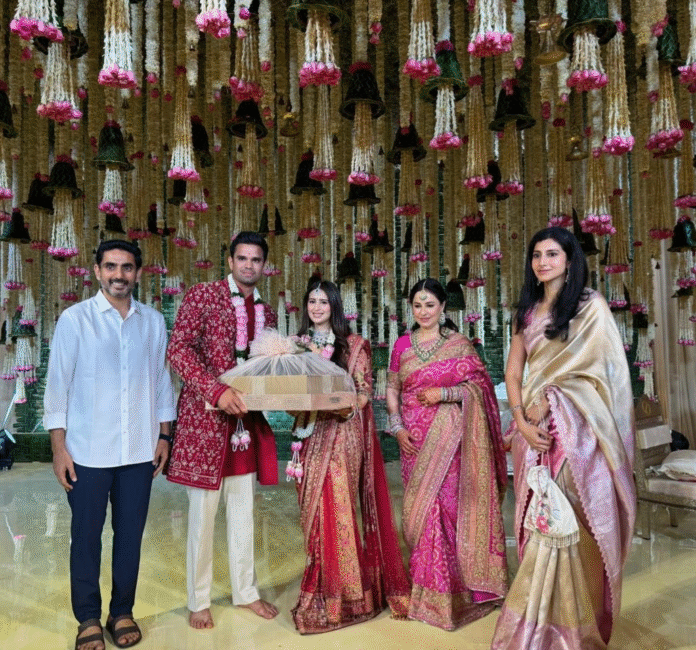
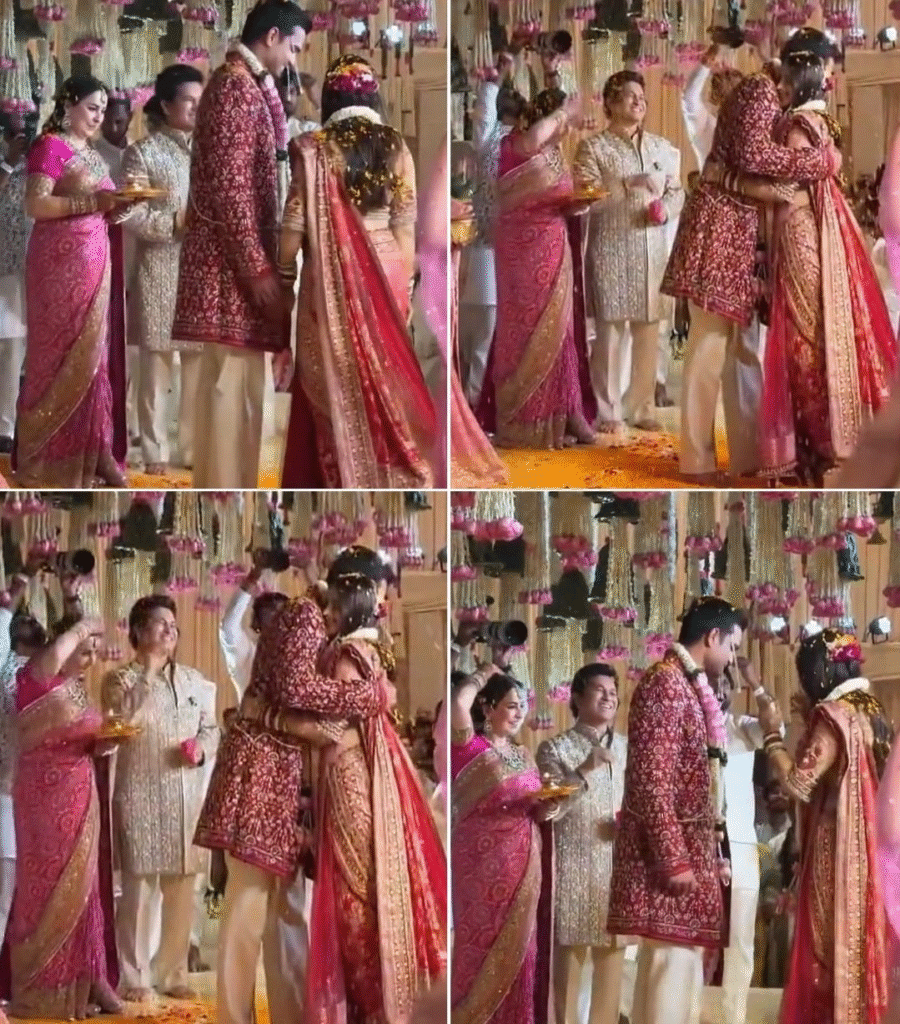
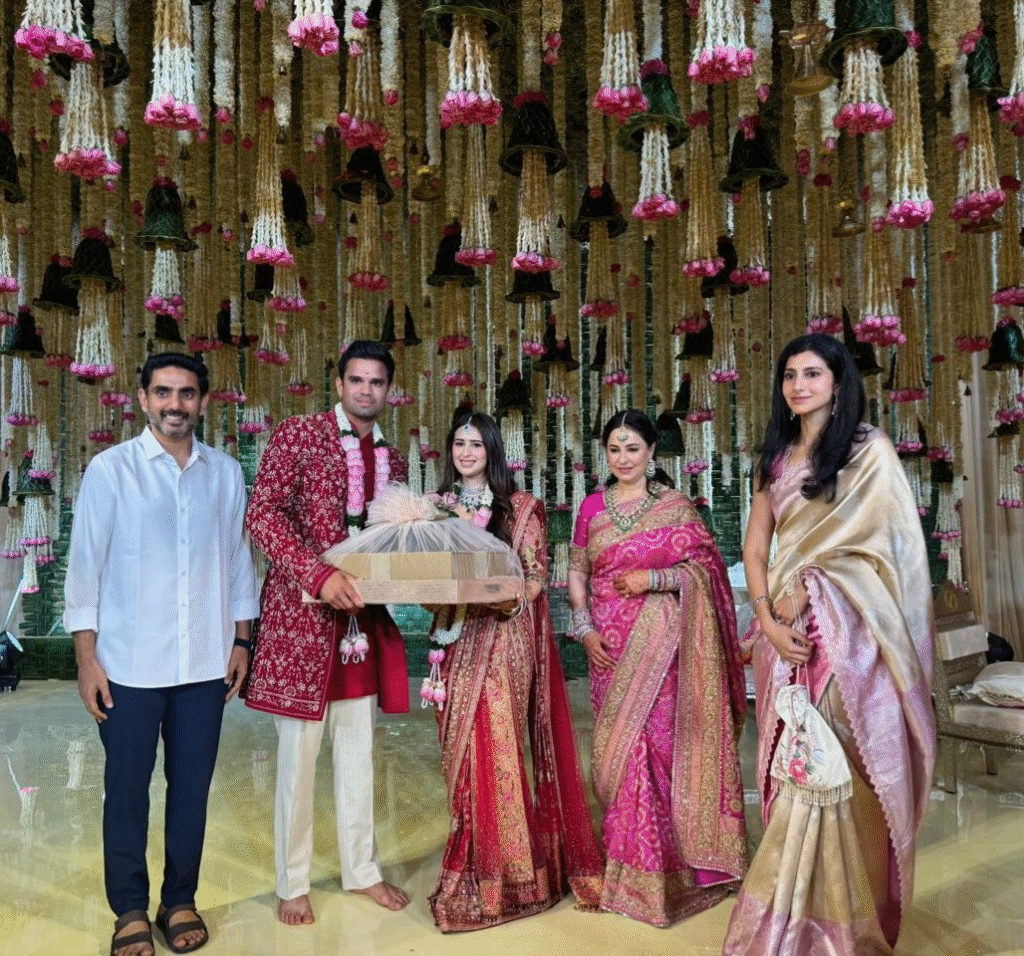
Arjun Tendulkar, son of Sachin Tendulkar married entrepreneur Saaniya Chandhok, a London School of Economics graduate and director of luxury pet spa Mr. Paws from the Ghai family, in a private South Mumbai venue on March 5.

Sachin beamed with wife Anjali and daughter Sara as the couple completed traditional pheras, blending sport, business, and Bollywood in classic Mumbai fashion.

Festivities began March 3 with mehendi and sangeet at the Royal Western India Turf Club, and wedding witnessed cricket icons like MS Dhoni, Rahul Dravid, Shah Rukh Khan, the Ambanis, and the Bachchans.

Sachin Tendulkar and Anjali Tendulkar’s son, cricketer Arjun Tendulkar, tied the knot with Saaniya Chandhok, a businesswoman and the granddaughter of noted industrialist Ravi Ghai. The wedding, which took place on March 5 in Mumbai, was attended by some of the most popular and powerful people in the country, including top cricketers, administrators, politicians, businessmen, and top names from Bollywood.

• Arjun and Saaniya grew up around the same people — their families had known each other for years. Sachin has known Saaniya’s grandfather, Ravi Ghai, for decades

• Arjun has been a cricketer playing in the domestic circuit for Mumbai and Assam, apart from a handful of appearances in the IPL for the Mumbai Indians, his father’s side.

• Meanwhile, Saaniya has been busy building her own name by running a successful pet spa chain and stepping into the world of entrepreneurship.

• Arjun and Saaniya were reportedly introduced formally by his sister Sara Tendulkar, who often brought her best friend Saaniya along for Pilates classes, brunches, and vacations. The couple’s acquaintanceship turned into friendship, and eventually love blossomed.

• Their engagement on August 13, 2025, was a hush-hush affair at the Ghai residence in Mumbai, attended only by family and a handful of close friends. It wasn’t until Sachin confirmed the event on Reddit months later that most people discovered about it.

• Earlier this month, the families and close friends gathered in Jamnagar for a puja hosted by the Ambanis, friends to both the families.

• Their wedding took place in south Mumbai with everyone from industrialists and cricketers to Bollywood stars in attendance. The bash has been planned by wedding planners Eternity by Trinity.
Arjun Tendulkar Marries Saaniya Chandhok in Star-Studded Mumbai Wedding. Know How They Met...

Infact Maharashtra CM Devendra Fadnavis also belssed the couple and shared pics on his X handle:

:
Arjun Tendulkar Marries Saaniya Chandhok in Star-Studded Mumbai Wedding. Know How They Met...

Jalna Celebrates 138th Hatti Risala Procession on Dhulivandan: Elephant Treated as King Distributes ‘Revadis’

0

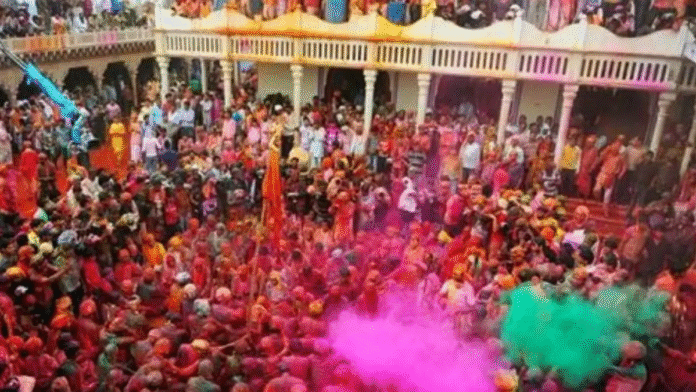
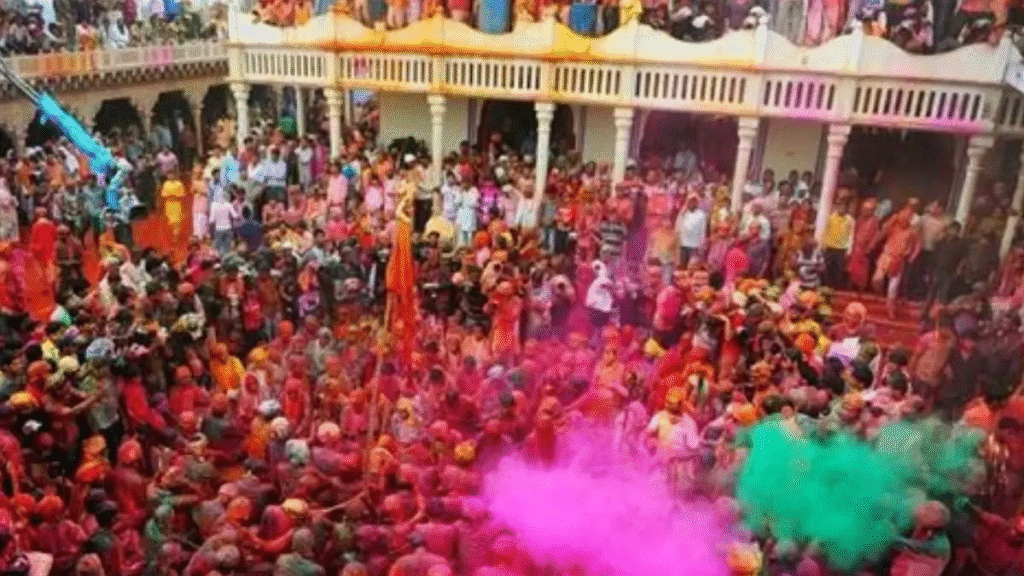
The historic Hatti Risala procession in Jalna, Maharashtra, completed its 138th year with vibrant celebrations during Dhulivandan, the day following the Holi festival. The annual event drew large crowds as residents gathered along the city’s main streets to witness the traditional procession. Known for its cultural significance and festive spirit, the procession reflects the deep-rooted heritage of the region and continues to remain a major symbol of community participation and harmony.

Jalna Celebrates 138th Hatti Risala Procession on Dhulivandan: Elephant Treated as King Distributes 'Revadis'

Unique Ritual of the Hatti Risala Procession

The highlight of the procession is a decorated elephant carrying symbolic representations of a king and his prime minister. As the procession moves through the city, sweets known as revdis are distributed among the crowd from atop the elephant. Participants dressed in traditional attire accompany the procession while rhythmic drum beats and the scattering of dry colours add to the festive atmosphere. The event creates a lively spectacle that blends tradition, celebration, and local customs.

Connection with Dhulivandan Celebrations

The Hatti Risala procession is organised every year on Dhulivandan, which marks the second day of Holi celebrations. While Holi is widely associated with playing colours and festivities, Jalna observes this distinctive cultural tradition as part of the celebrations. The timing of the procession after Holi symbolises continuity of festivities while honouring a unique local heritage.

Symbol of Communal Harmony

The procession stands as an enduring example of social unity and communal harmony. People belonging to different religions and communities participate together in the celebrations, reflecting the inclusive spirit of the tradition. Residents living along the procession route observe a special local custom by refraining from playing colours while the procession passes, as a mark of respect for the event.

Important Facts

  • Dhulivandan is celebrated on the day after Holi and is also known as Rangwali Holi in many parts of India.
  • Jalna district is located in the Marathwada region of Maharashtra.
  • Revdi is a traditional sweet made primarily from sesame seeds and jaggery.
  • Community-led cultural processions often serve as symbols of local heritage and social cohesion in India.

Preserving a Long-Standing Cultural Legacy

With a history spanning more than a century, the Hatti Risala procession has become an integral part of Jalna’s identity. The continued participation of local residents and the preservation of traditional rituals highlight the community’s commitment to maintaining its cultural legacy. The event not only celebrates local history but also reinforces shared values of respect, harmony, and collective celebration.

Gangaur Festivities Spread Around Rajasthan As Holi Celebration Halts…

0

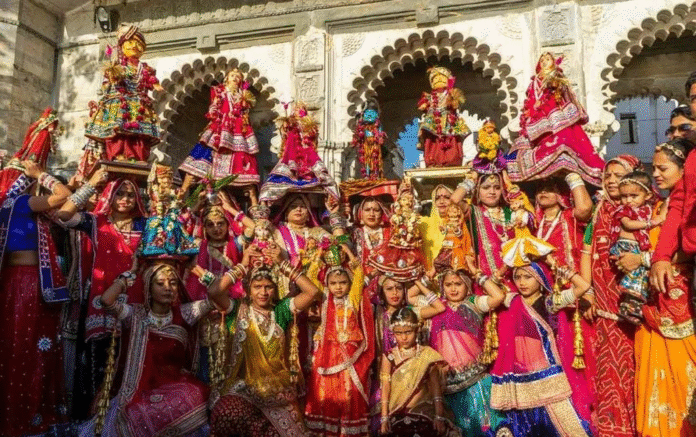
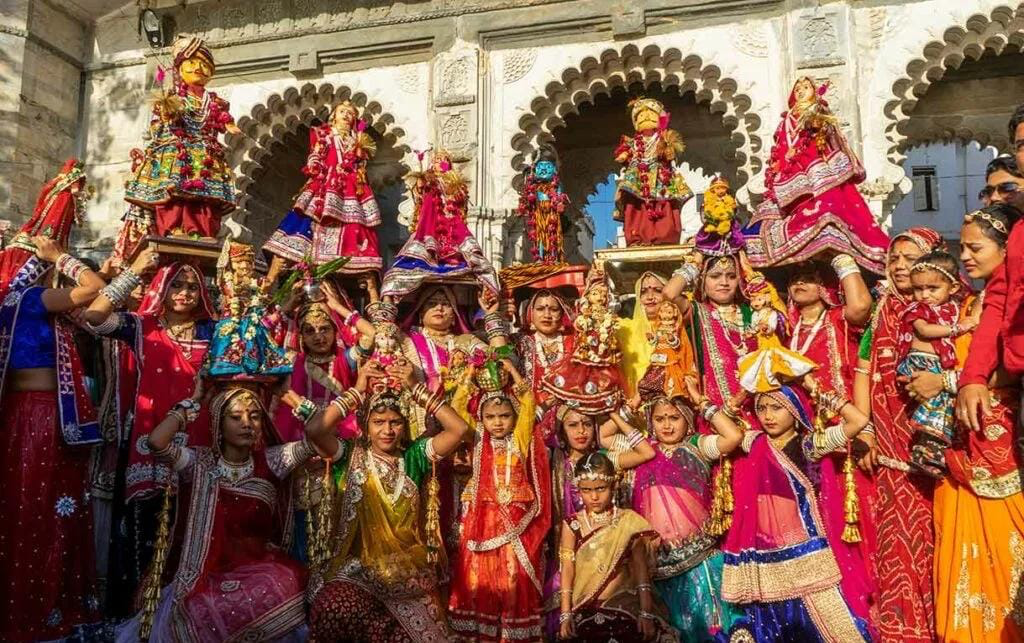
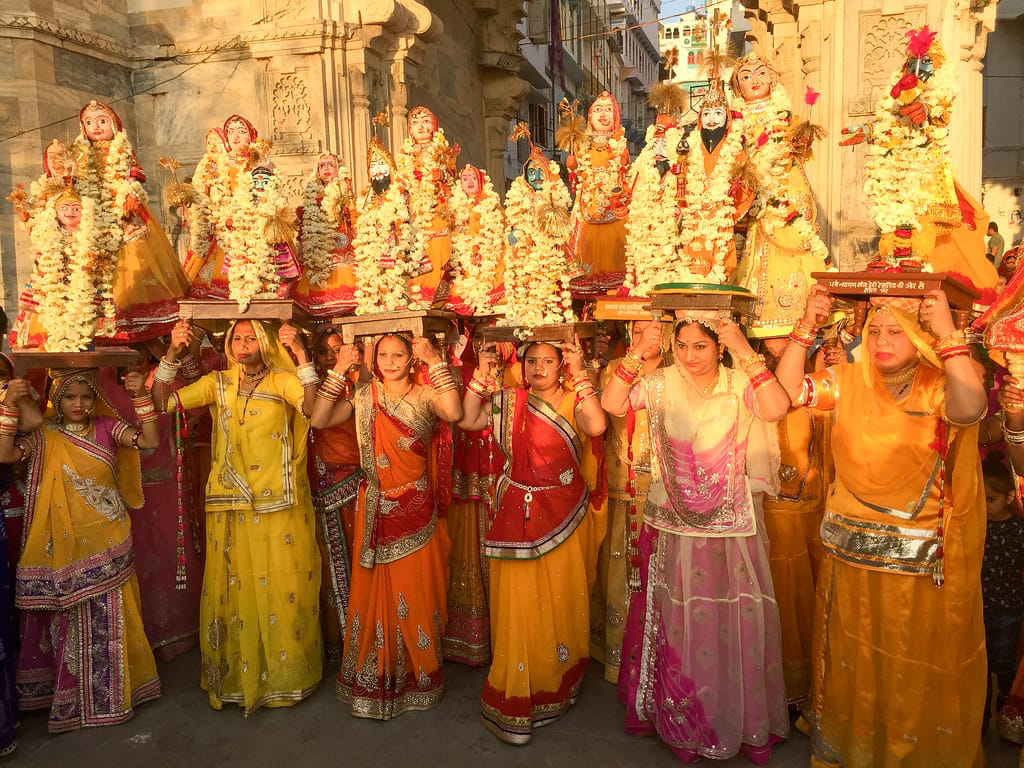
With the colours of Holi settling down, the festive spirit in Udaipur gently transitions to another cherished tradition- the vibrant Gangaur Festival. Celebrated in honour of Goddess Gauri and her divine union with Lord Isar (Shiv), Gangaur symbolises marital happiness, prosperity and devotion. The festival holds special significance for women, with married women praying for the well-being and long lives of their husbands while unmarried girls seek blessings for a loving life partner.

Gangaur Festivities Spread Around Rajasthan As Holi Celebration Halts...

The festival traditionally begins on the Krishna Paksha Pratipada of the Chaitra month, the day after Holi. On this day, women collect sacred ash from the Holika bonfire of Holika Dahan and bring it home. The ash is used during the rituals marking the beginning of the sixteen-day Gangaur pooja, a period filled with devotion, folk traditions and community gatherings.

Gangaur Festivities Spread Around Rajasthan As Holi Celebration Halts...


Across neighbourhoods in Udaipur, women assemble everyday to perform the rituals together. Courtyards resonate with traditional Gangaur geet, as women clap in rhythm and sing lines such as “Khelan do Gangaur… Bhawan mhane poojan do Gangaur…” and the popular geet “Gor gor Gomati, Isar puje Parvati…”. The gatherings often turn festive with dancing, laughter and traditional Gangaur games that have been part of the celebration for generations.

Neetu Rathore, who participates in the rituals almost every year, shared that Gangaur is not only about worship but also about community bonding. Women and young girls come together daily, strengthening relationships while keeping cultural traditions alive.

Gangaur Festivities Spread Around Rajasthan As Holi Celebration Halts...

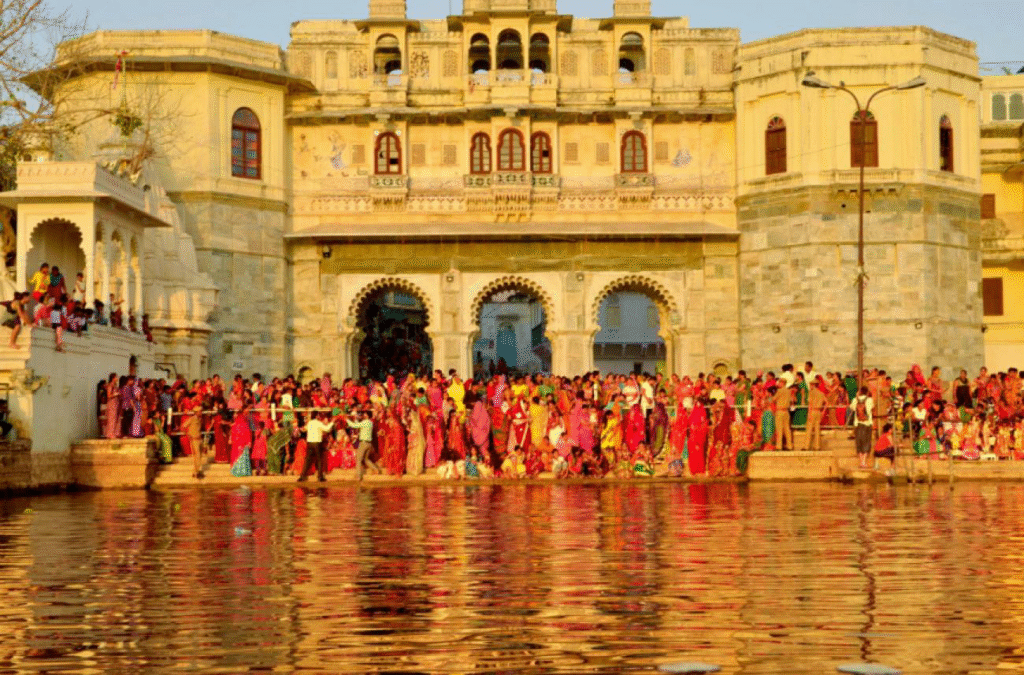
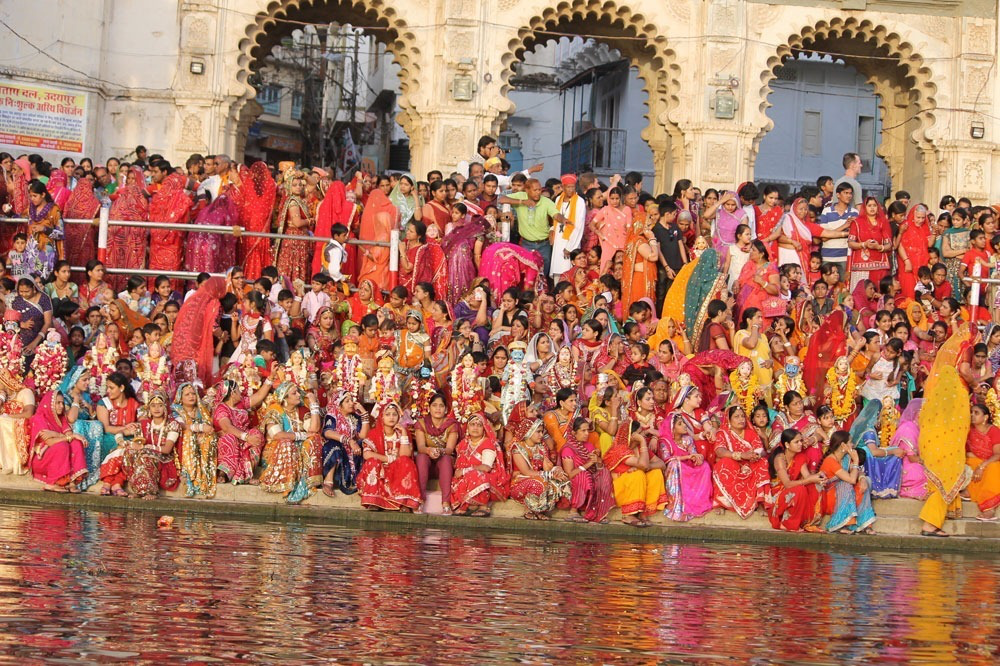
Swati Sharma noted that celebrating Gangaur in Udaipur feels particularly special because of the city’s festive atmosphere. “There is so much enthusiasm here. Dressing up for all these days, applying mehendi, shringar, dancing, singing, brings so much joy! The royal procession on the final days on Lake Pichola and the rituals at Gangaur Ghat make the celebration truly grand. Hundreds of women gather there to perform the final pooja, sing, dance and celebrate together,” she said.

Gangaur Festivities Spread Around Rajasthan As Holi Celebration Halts...

For Vimla Devi, an elderly participant, the festival carries decades of memories. Having observed the rituals for years, she says it feels wonderful to see the same traditions being embraced by younger generations with equal enthusiasm and devotion.

Among them is Swara, a teenage girl performing her first Gangaur pooja, learning the songs and customs from elders and eagerly participating in the daily rituals.

The celebrations will continue in this spirit of devotion and festivity until March 21, when the city witnesses the grand culmination of Gangaur. As the days pass with songs, prayers and gatherings, women across Udaipur eagerly await the final day, when hundreds will assemble at the ghats, dressed in vibrant traditional attire, to offer prayers to Goddess Gauri and celebrate the festival with music, dance and deep cultural pride.

Finn Allen’s Explosive 33-Ball Century Powers New Zealand into T20 World Cup 2026 Final

0

PC: (Sky Sports, NDTV Sports)

Record-Breaking Ton Shatters Records as Black Caps Crush South Africa in Semi-Final

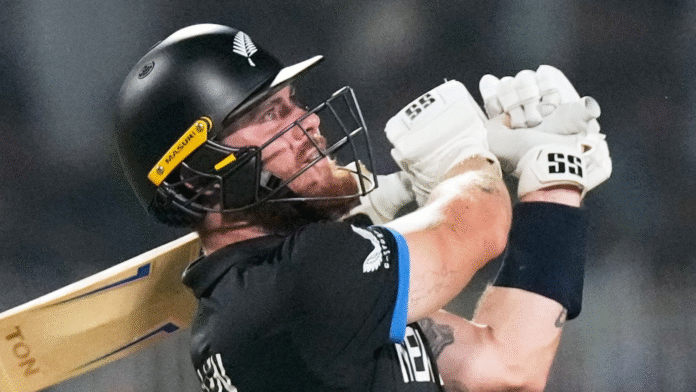
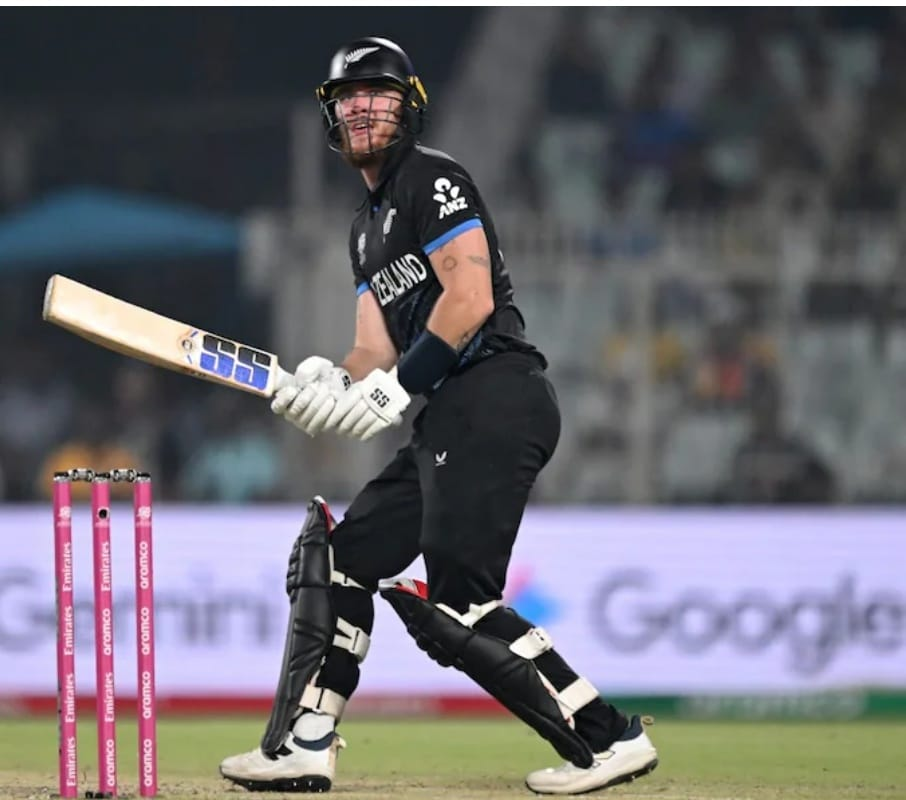
In a breathtaking display of aggressive batting, New Zealand opener Finn Allen smashed an unbeaten century off just 33 balls against South Africa in the first semi-final of the 2026 T20 World Cup on March 4, 2026, at Eden Gardens, Kolkata. His explosive 100* guided the Black Caps to a commanding nine-wicket victory, chasing down a target of 170 in only 12.5 overs and securing their place in the final.

Historic Records Tumble in Allen’s Knockout Masterclass

Allen’s performance rewrote the record books in spectacular fashion. His 33-ball century became the fastest in T20 World Cup history, surpassing Chris Gayle’s previous tournament record of 47 balls set in 2016. He also became the first player ever to score a century in a T20 World Cup knockout match (semi-final or final). Adding to the milestones, his half-century arrived in just 19 deliveries-the quickest in any T20 World Cup knockout game-while he finished with a blistering strike rate of 303.03, featuring 10 fours and 8 sixes. Allen’s 20 sixes in the 2026 edition set a new record for the most by any player in a single tournament.

Dominant Opening Partnership and Powerplay Fireworks

The chase was ignited by a record-breaking 117-run opening stand between Allen and Tim Seifert (58 off 33 balls) in just 9.1 overs. New Zealand dominated the powerplay, racing to 84/0 in the first six overs-the highest powerplay score ever in a T20 World Cup knockout match. This explosive start turned the semi-final into a one-sided affair, showcasing New Zealand’s intent from ball one.

Finn Allen's Explosive 33-Ball Century Powers New Zealand into T20 World Cup 2026 Final

Ending a Long Drought Against the Proteas

This victory marked New Zealand’s first-ever T20 World Cup win over South Africa, snapping a five-match losing streak against the Proteas in the tournament. The Black Caps’ clinical performance not only avenged past defeats but also propelled them into the final against the winner of the India vs. England semi-final, scheduled for Sunday, March 8, 2026, at the Narendra Modi Stadium in Ahmedabad.

Finn Allen – The Power-Hitting Phenomenon

Finnley Hugh Allen, the 26-year-old New Zealand opening batter born on April 22, 1999, in Auckland, is renowned for his high-impact, aggressive style. A right-handed opener and occasional wicket-keeper, he attended Saint Kentigern College and represented New Zealand in the U19 World Cups of 2016 and 2018, topping his team’s scoring in 2018 with 338 runs. Known as one of the hardest hitters in modern cricket, Allen attacks from the first ball and has built a reputation across domestic and franchise cricket.

Journey from Domestic Star to Global Sensation

Allen began his domestic career with Auckland (2017-2020), moved to Wellington (2020-2023) where he won a Super Smash title, and returned to Auckland in 2023. He made his T201 debut against Bangladesh in March 2021 and has since featured in major leagues, including the IPL (signed by Kolkata Knight Riders for the 2026 season after time with Royal Challengers Bengaluru), Major League Cricket with San Francisco Unicorns, Big Bash League with Perth Scorchers, and The Hundred with Southern Brave. He holds the world record for the most sixes in a single T20 innings (19 during a 151-run knock in MLC 2025) and New Zealand’s highest T201 score (137 vs Pakistan in 2024).

Cannons Roar: 451-Year-Old ‘Gunpowder Holi’ Tradition in Menar Draws Thousands

0

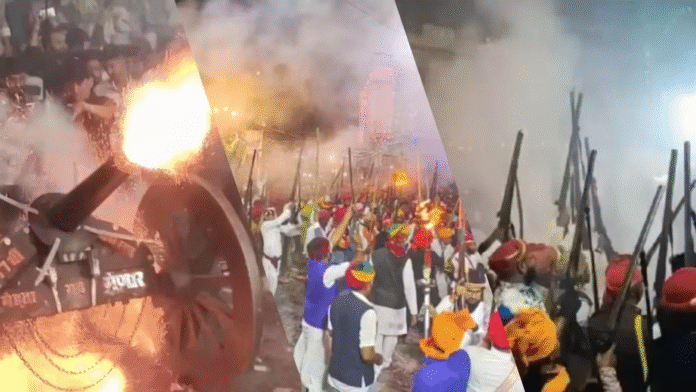
The quiet village of Menar in Rajasthan transformed into a dramatic spectacle of fire, sound, and tradition on Wednesday night as thousands gathered to witness the centuries-old celebration known as Gunpowder Holi. Cannons thundered, gunshots echoed through the night, and swords flashed in the air as the Menaria Brahmin community reenacted a historic victory dating back 451 years.

The unique celebration took place around midnight in Menar village, located about 45 km from Udaipur on the Udaipur–Chittorgarh National Highway. Dressed in traditional attire—white dhoti-kurta and bright red turbans—men marched through the village carrying swords, torches, and guns. The atmosphere resembled a battlefield as cannons fired bursts of gunpowder and celebratory gunshots rang out across the area.

The ritual commemorates the destruction of a Mughal military outpost by villagers centuries ago. According to local history, during the reign of Maharana Amar Singh, several Mughal cantonments were established across Mewar. One such outpost existed on the eastern edge of Menar village and was said to have caused hardship for residents. Inspired by news of a victory at Vallabhnagar, villagers gathered at the Omkareshwar Temple and launched a coordinated attack that destroyed the Mughal camp. Since then, the Menaria community has marked the victory each year with Gunpowder Holi.

The celebrations began in the afternoon with rituals at Omkareshwar Temple, where community elders were welcomed with traditional honours. The festivities intensified late at night when groups dressed as warriors marched from different parts of the village toward Omkareshwar Chowk, firing in the air and waving swords.

Five routes into the village were ceremonially barricaded by torch-bearing contingents, symbolically recreating the historic attack. Drums and trumpets echoed as men performed the traditional Gair dance with swords and wooden sticks.

Women also played a key role in the rituals, carrying mangal kalash on their heads and singing heroic folk songs celebrating the historic victory. Fireworks lit up the night sky while cannons loaded with gunpowder were fired in unison.

The event attracts visitors from across India and even overseas. This year, people arrived from cities in Rajasthan as well as parts of Madhya Pradesh, Gujarat and Mumbai to witness the spectacle. Vehicles lined the highway as many visitors walked nearly a kilometre to reach the venue.

For the people of Menar, Gunpowder Holi is not just a festival—it is a living tribute to their history, bravery, and community pride.

Bhagoria: The Vibrant Tribal Harvest Festival of Madhya Pradesh’s Heartland

0

PC: (X, Madhyapradeshdmc.com, noblehousetours.com)

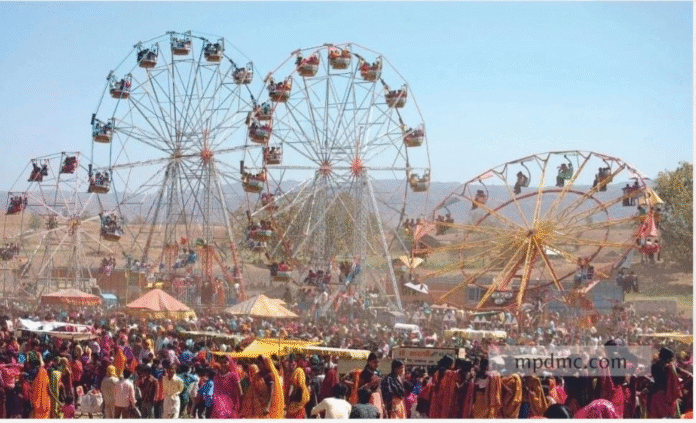
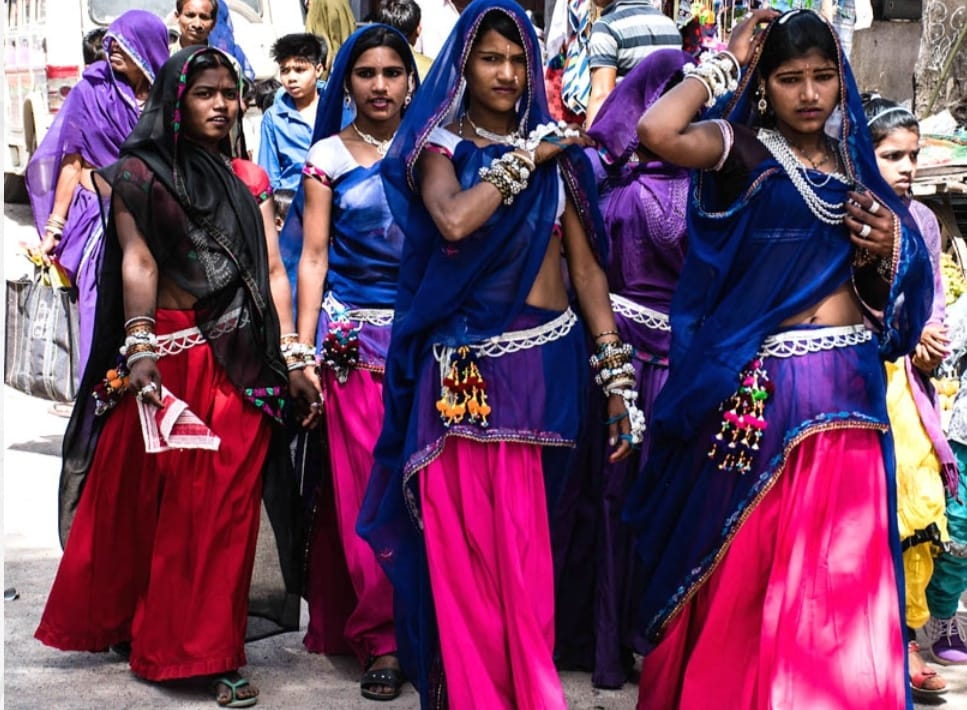
These days, the regions of Nimar and Malwa in Madhya Pradesh are buzzing with the spirit of Bhagoria (also known as Bhagoriya, Bhangoria, or Bhagoria Haat). This major tribal fair and festival, deeply rooted among the Bhil, Bhilala, Barela, Patelia, and other indigenous communities, takes place in districts like Jhabua, Alirajpur, Dhar, Barwani, and Khargone, typically a week before Holi in late February or early March.

A Festival of Harvest, Joy, and Cultural Pride

Bhagoria is fundamentally a harvest festival, marking the end of the Rabi crop season and the arrival of new grain in homes. Tribal communities express gratitude to nature through music, dance, and communal celebrations. It blends agricultural joy with social bonding, as young people from different villages gather in these lively haats (markets) to socialize, often leading to match-making traditions in a spirit of freedom and mutual choice.

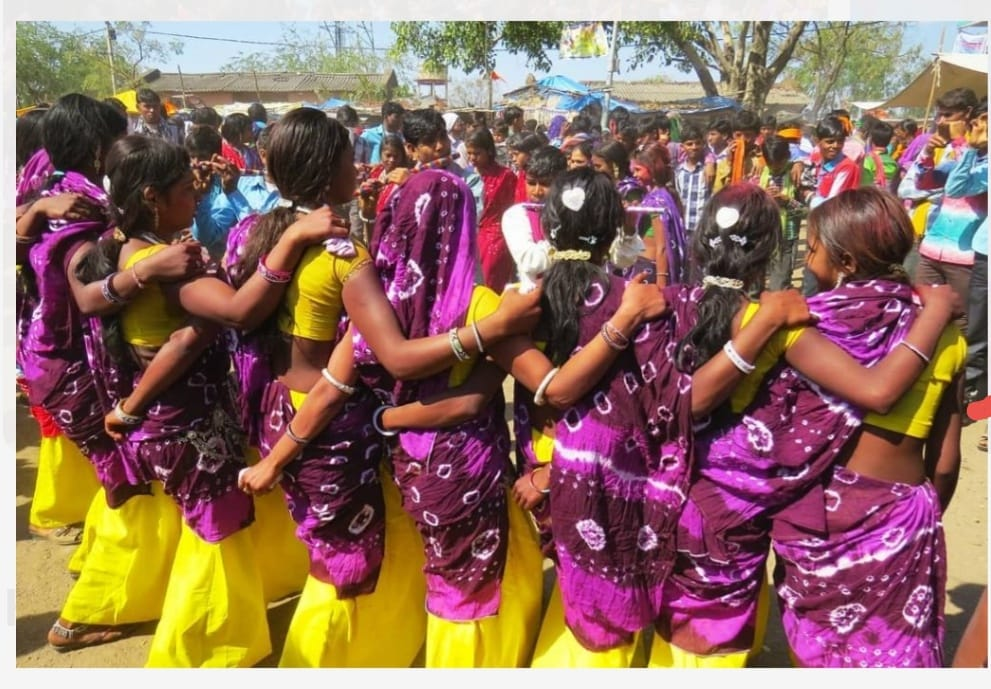
The festival features the energetic Dohiya (or Dedhiya) dance, where young men and women face each other, moving forward and backward, swaying side to side with graceful arm movements to the rhythmic beats of mandal, dhol, and other traditional instruments.

Bhagoria: The Vibrant Tribal Harvest Festival of Madhya Pradesh's Heartland

Historical Roots and Legends

According to folklore, the name “Bhagoria” derives from “Bhag” (to elope or flee), reflecting its association with youthful romance, or from “Bhav-Gauri” (Lord Shiva and Goddess Parvati), symbolizing divine union. Some trace its origins to the time of Raja Bhoj, when Bhil kings Kasumra and Baloon started fairs in Bhagor village. Historians link it to ancient sites near Jhabua, where a settlement called Bhagor (tied to sage Bhrigu) was abandoned due to famine, leading to the saying: “Bhagyo Bhagor aur basiyo Ratlam” (Fled from Bhagor and settled in Ratlam).
Around 450 years ago, a ruler named Bhagga Nayak organized the area, and the tradition of pre-Holi haats with worship of Shiva-Parvati began, spreading across regions.A week before the main event, preparatory markets called Tihwariya or Tyohariya Haat (pre-festival fairs) are held, historically known as Gulaliya Haat for the gulal (colored powder) thrown around. Post-Holi, Ujadiya Haat fairs continue the tradition.

The Festive Atmosphere and Delights

Tribal participants dress in vibrant traditional attire, adorned with jewelry and accessories. The haats buzz with shopping for daily needs, Holi essentials, and festive treats like jalebi made with jaggery, bhajiyas, savory snacks (kharie or sew), paan, and kulfi.
Drinks like toddy and mahua hold cultural significance-not just as beverages, but as parts of livelihood, deity worship, and nature-based economy.The air fills with the thump of drums, folk songs, and laughter, creating a perfect fusion of fun and heritage.

Bhagoria: The Vibrant Tribal Harvest Festival of Madhya Pradesh's Heartland

Relevance in Modern Times

As many tribal youth migrate to cities for work, Bhagoria remains a vital opportunity to reconnect with roots, strengthen family ties, and revive cultural identity. With growing education and awareness, communities balance modernity while preserving songs, attire, and rituals.
Bhagoria stands as a living symbol of India’s enduring tribal heritage-one that has weathered modern changes while keeping traditions vibrant. It reminds us that culture is not just memory; it’s a living practice.

Jai Johar! May the colors and rhythms of Bhagoria touch your heart too.

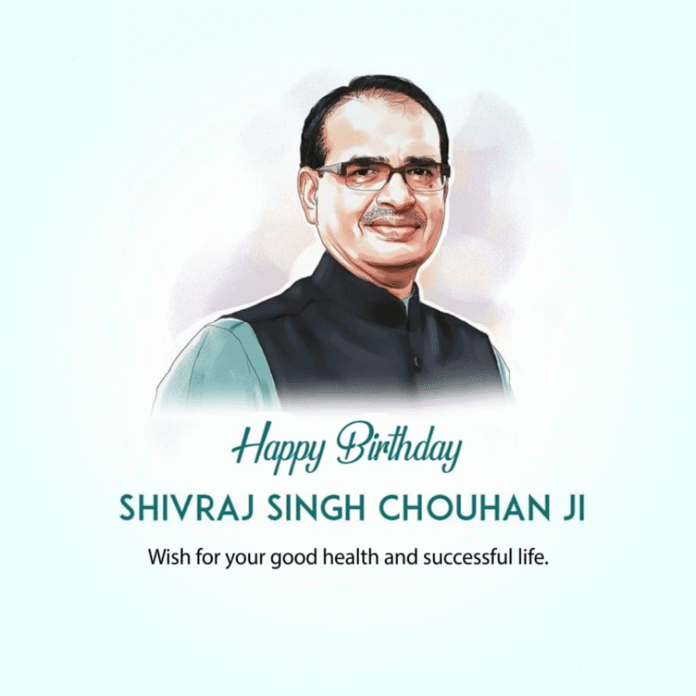
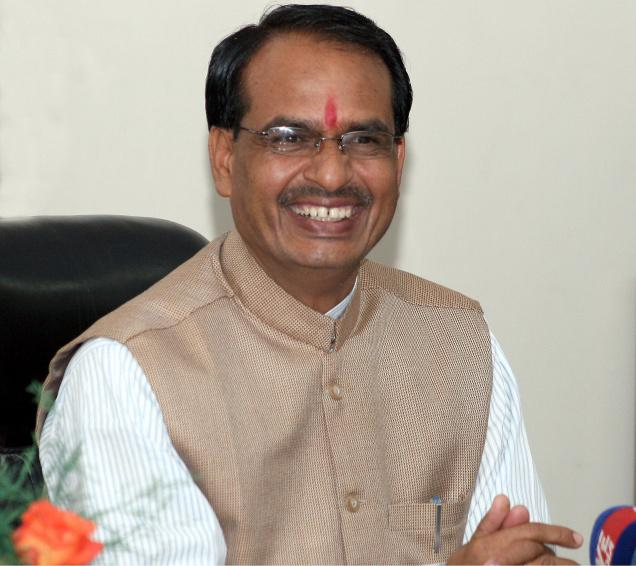
Today is the birthday of Madhya Pradesh’s beloved “Mama Ji,” Shivraj Singh Chouhan.

0

PC: (WEF, KuchhBhi.in)

On March 5, 2026, senior Indian politician and Union Minister of Agriculture and Farmers’ Welfare as well as Union Minister of Rural Development, Shivraj Singh Chouhan, turns 67. Widely known as “Mama Ji” (maternal uncle) among the people of Madhya Pradesh, he was born on March 5, 1959, in Jait village, Sehore district, into a humble farming family.

Historic Tenure as Chief Minister

Chouhan served as Chief Minister of Madhya Pradesh for over 16 years across four terms (2005-2018 and 2020-2023). During his leadership, he transformed the state from a backward “BIMARU” category to one with strong growth, through massive investments in irrigation, agriculture, power supply (24-hour household electricity), roads, and infrastructure. Cities like Indore earned “cleanest city” accolades under his governance, and agricultural production, especially soybeans, pulses, and gram, reached record levels.

Special Birthday Celebrations as ‘Prem-Seva Sankalp Diwas’

Mama Coaching Centres: Free coaching classes will be launched in his Vidisha parliamentary constituency (covering Vidisha, Raisen, and Bhairunda areas) for economically weaker and talented students preparing for competitive exams like SSC, banking, MPPSC, and others.

Mama Chalit Aspatal (Mobile Hospitals): Mobile hospital vans equipped with modern diagnostic facilities and qualified doctors will be introduced across all eight assembly segments in the Vidisha constituency. These vans will provide free healthcare services by visiting rural areas door-to-door.

Five Pledges (Panch Pran): Chouhan has taken five major resolutions focused on environment, education, service, assistance, and talent promotion. Prem-Sundar Pratibha Samman: In memory of his parents, top performers in 10th and 12th board exams will receive cash awards of up to *51,000, with special recognition for the top three students at the Lok Sabha level.

Major Schemes for Women and Girl Child Empowerment

Chouhan earned the affectionate title “Mama” due to his strong focus on women and girls. Key initiatives include:Mukhyamantri Ladli Laxmi Yojana (2007) Financial deposits in girls’ names, maturing to around 1.43 lakh at age 21, conditional on education and delayed marriage.
Ladli Behna Yojana (2023) Monthly direct benefit transfers to eligible women (increased over time) for financial independence.Beti Bachao Abhiyan and campaigns to improve child sex ratios.Free bicycles, uniforms, and textbooks for schoolgirls; schemes like Gaon Ki Beti Yojana for higher education aid.Financial help for marriages via Kanyadaan Yojana; reduced stamp duty for women property owners.
50% reservation for women in local bodies and significant quotas in jobs like police and teaching.These programs significantly improved girls’ education, safety, and societal status.

Today is the birthday of Madhya Pradesh's beloved "Mama Ji," Shivraj Singh Chouhan.

Current Role and Contributions

Since June 2024, following his victory in the Lok Sabha elections from Vidisha, Chouhan has served in the Union Cabinet as Minister of Agriculture and Farmers’ Welfare and Minister of Rural Development. He continues advancing farmer-centric policies, including crop insurance under Pradhan Mantri Fasal Bima Yojana (recently releasing ₹3,900 crore in claims) and rural infrastructure development.

Birthday Message and Environmental Appeal

This year, Chouhan has appealed to the public to celebrate his birthday as “Prem-Seva Sankalp Diwas” (Day of Love and Service Pledge). He requested no banners, garlands, shawls, or gifts-instead, people should plant a sapling and share the photo with him or on social media. He emphasized environmental protection as a lifelong commitment, urging everyone to plant trees on their own birthdays too. He marked the day by planting saplings with his family in Bhopal.Prime Minister Narendra Modi and other leaders extended warm wishes, praising his humble nature, deep connection with people, and tireless work for farmers and rural India.

Happy Birthday to Mama Ji! Wishing you good health, long life, and continued success in serving the nation and its farmers.

Gangaur 2026 Date: When Is the Gangaur Festival This Year? Know the Procession, Traditions, and Special Features

0

Gangaur 2026 Date: The traditional Isar-Gangaur puja will begin on March 4, 2026, and continue for 18 days. During this period, women and young girls will pray for a happy married life and a suitable husband. Across the city, vibrant processions and cultural events will also be organized.

Gangaur in Rajasthan is not just a religious festival but also a colorful celebration of folk culture, women’s devotion, and the region’s cultural identity. This year, the traditional Isar-Gangaur worship will begin on March 4, marking the start of the 18-day festival celebrated with great enthusiasm.

According to tradition, Lord Shiva (Isar) and Goddess Parvati (Gangaur) are worshipped during this festival. Women, unmarried girls, and young girls listen to religious stories in their homes and temples as part of the rituals.

Married women pray for the long life and prosperity of their husbands, while unmarried girls pray for a good and suitable life partner.

Pandit Ghanshyam Acharya, priest at the Agra Gate Ganesh Temple, said that the Isar-Gangaur puja will begin on March 4, as both the Purnima and Pratipada tithi fall on that day. The main Gangaur celebration will be held on March 21, 2026.

Women Perform Sixteen Adornments

During Gangaur, the idols of Isar and Gangaur are dressed in beautiful clothes and offered all the traditional Suhaag items. Devotees worship them with sandalwood, rice grains, incense, lamps, durva grass, and flowers.

As part of the ritual, sixteen symbolic dots are applied on the wall using roli, henna, turmeric, and kajal. Water is sprinkled sixteen times using green durva grass, representing the sixteen adornments (Solah Shringar) performed by women.

Famous Gangaur Processions

Every year, grand processions of Rathore Baba and Gangaur are organized under the auspices of Solthamba Fariken, while the Isar-Gangaur processions are conducted by the Agrawal Panchayat Ghaseti Dhara.

During the celebrations, areas such as Naya Bazaar, Agra Gate, and Ganj are beautifully decorated. In the processions, rose petals and perfume are sprinkled, and bands play traditional music, creating a festive atmosphere.

The day after the procession, mehndi and lac bangles (lac jewellery) are distributed among women as part of the celebrations.

Dashamata Vrat on March 13

The Dashamata Vrat story will begin on the second day after Holika Dahan. Dashamata is worshipped on the tenth day of the Krishna Paksha of Chaitra month.

According to the calendar, Dashamata Vrat will be observed on March 13, 2026. On this day, women worship the Peepal tree using kumkum, mehndi, laccha, betel nut, and sacred thread, praying for financial prosperity and peace in the family.

Chaitra Navratri 2026 Calendar: Know Date and Muhurt For GhatSthapna…

0

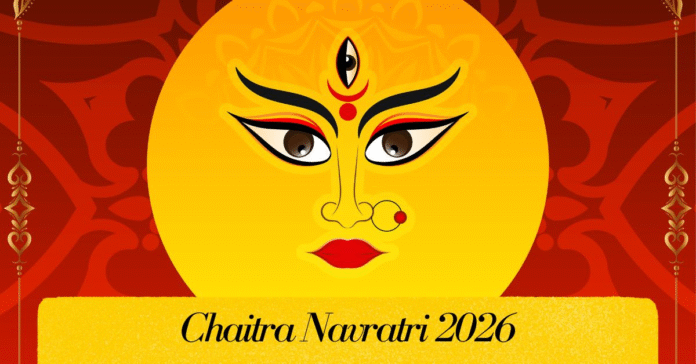
The sacred festival of Chaitra Navratri, which follows Holi, is considered extremely special for devotees of Shakti. According to the Hindu calendar, this nine-day festival is celebrated from the first day of the bright fortnight (Shukla Paksha) of the Chaitra month until the ninth day and is dedicated to the worship of Goddess Durga. Devotees eagerly wait for these nine days throughout the year.

It is believed that worshipping, fasting, and meditating on Goddess Durga during Navratri is highly auspicious and brings quick blessings. During this period, devotees worship the nine forms of Goddess Durga and perform Ghatasthapana (Kalash Sthapana) in their homes. Let’s find out which form of the Goddess will be worshipped on each day of Chaitra Navratri 2026 along with the complete calendar.

Auspicious Time for Chaitra Navratri 2026

According to the Panchang, Chaitra Navratri in 2026 will begin on Thursday, March 19, 2026, and conclude on Friday, March 27, 2026. During these nine days, devotees observe fasts, perform rituals, and worship the nine forms of Goddess Durga with devotion.

It is believed that worshipping the Goddess during this period brings happiness, prosperity, and positive energy into one’s life.

According to astrological calculations, the Pratipada Tithi of the Shukla Paksha of Chaitra month will begin at 6:52 AM on March 19, 2026, and end at 4:52 AM on March 20, 2026. Ghatasthapana (Kalash installation), which marks the beginning of Navratri, is performed on this day.

Chaitra Navratri 2026 Calendar

DateDayRitual / Goddess Worship
March 19, 2026ThursdayFirst day of Chaitra Navratri – Kalash Sthapana, Worship of Goddess Shailputri
March 20, 2026FridaySecond day – Worship of Goddess Brahmacharini
March 21, 2026SaturdayThird day – Worship of Goddess Chandraghanta
March 22, 2026SundayFourth day – Worship of Goddess Kushmanda
March 23, 2026MondayFifth day – Worship of Goddess Skandamata
March 24, 2026TuesdaySixth day – Worship of Goddess Katyayani
March 25, 2026WednesdaySeventh day – Worship of Goddess Kalaratri
March 26, 2026ThursdayEighth day – Worship of Goddess Mahagauri, Ashtami Kanya Pujan
March 27, 2026FridayNinth day – Worship of Goddess Siddhidatri, Navami Kanya Pujan
March 28, 2026SaturdayOpening of the Chaitra Navratri fast

Watch Pics: Krishna and Balram Sit on Hydraulic Lotus Flower During Grand Abhishekam in Gupt Vrindavan Dham in Jaipur

0

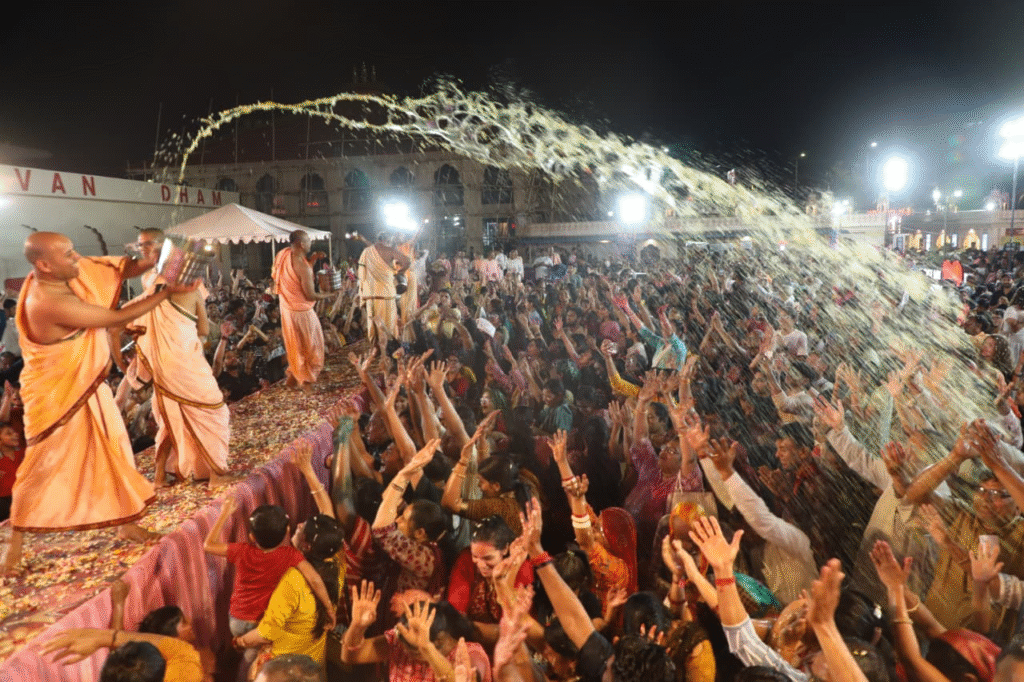
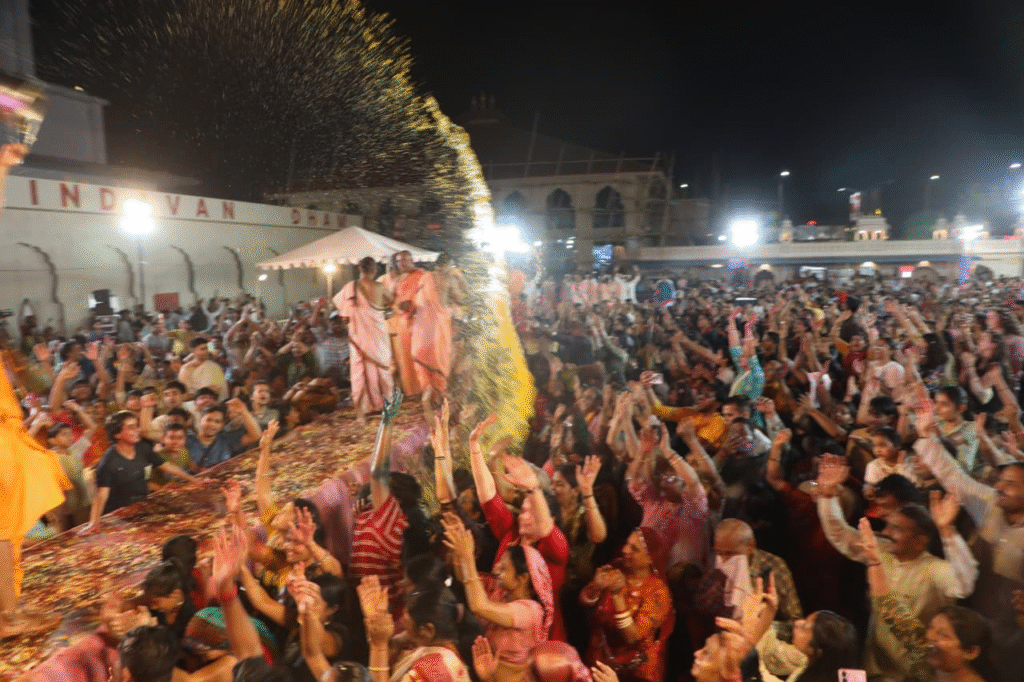
Gaur Purnima, the appearance day of Sri Chaitanya Mahaprabhu—revered as an incarnation of Lord Krishna—was celebrated with great devotion and splendour at Gupt Vrindavan Dham in Jaipur.

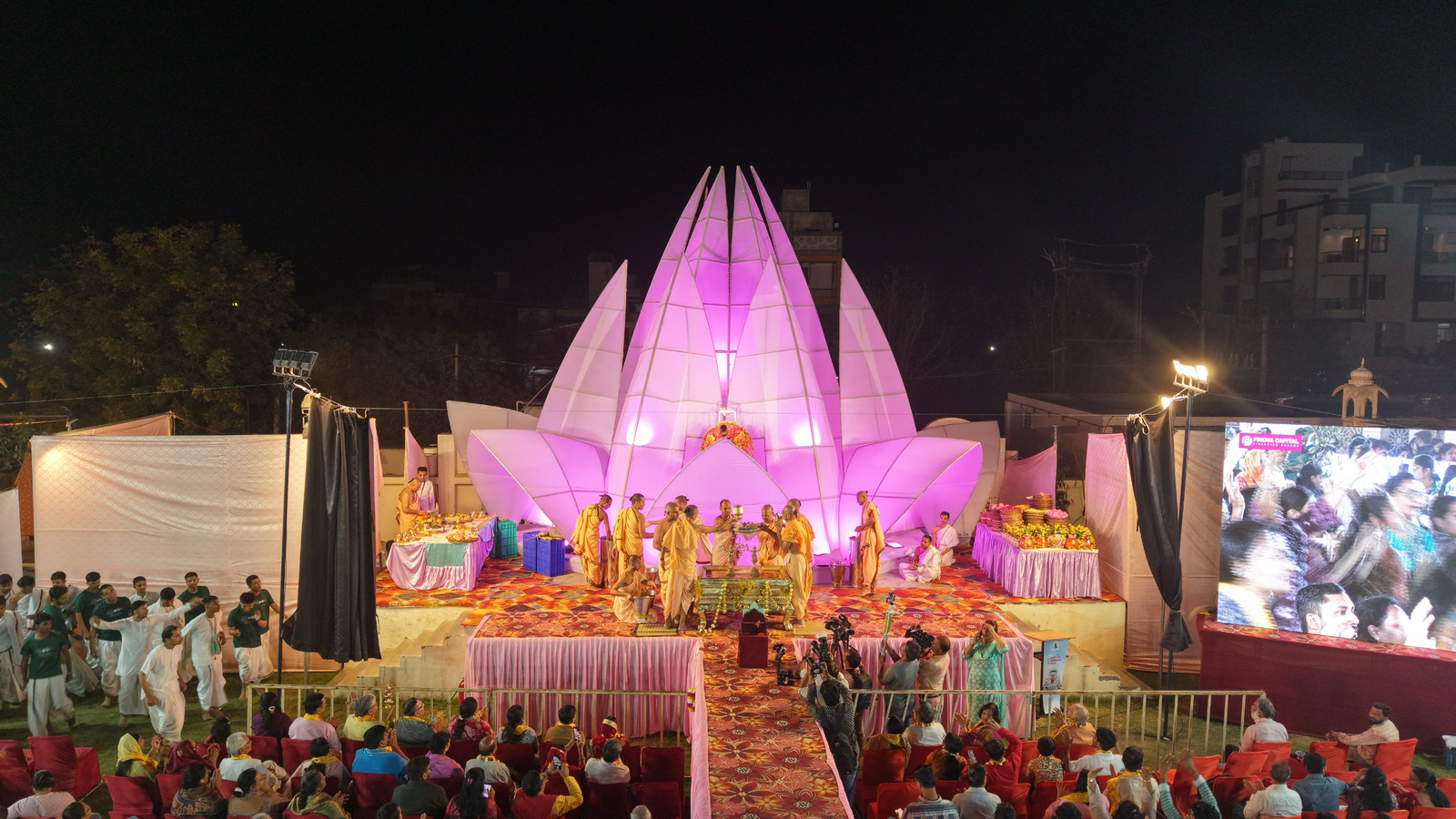
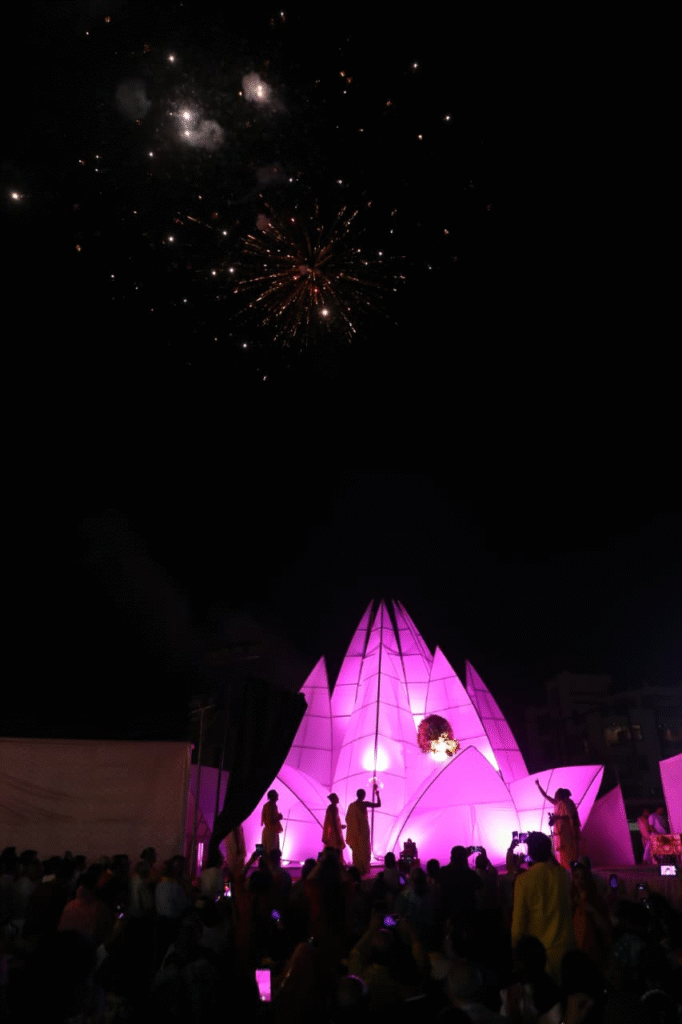
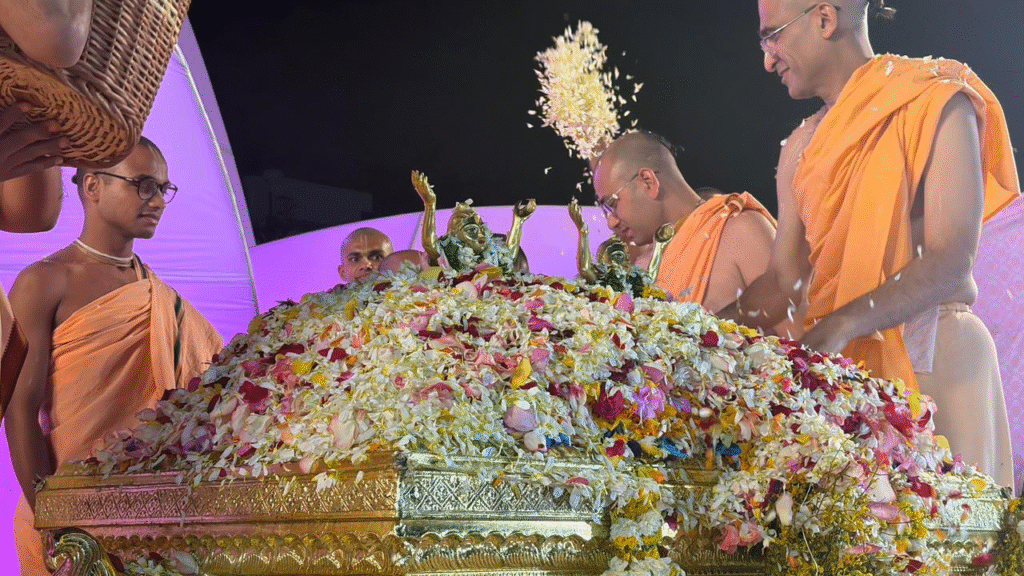
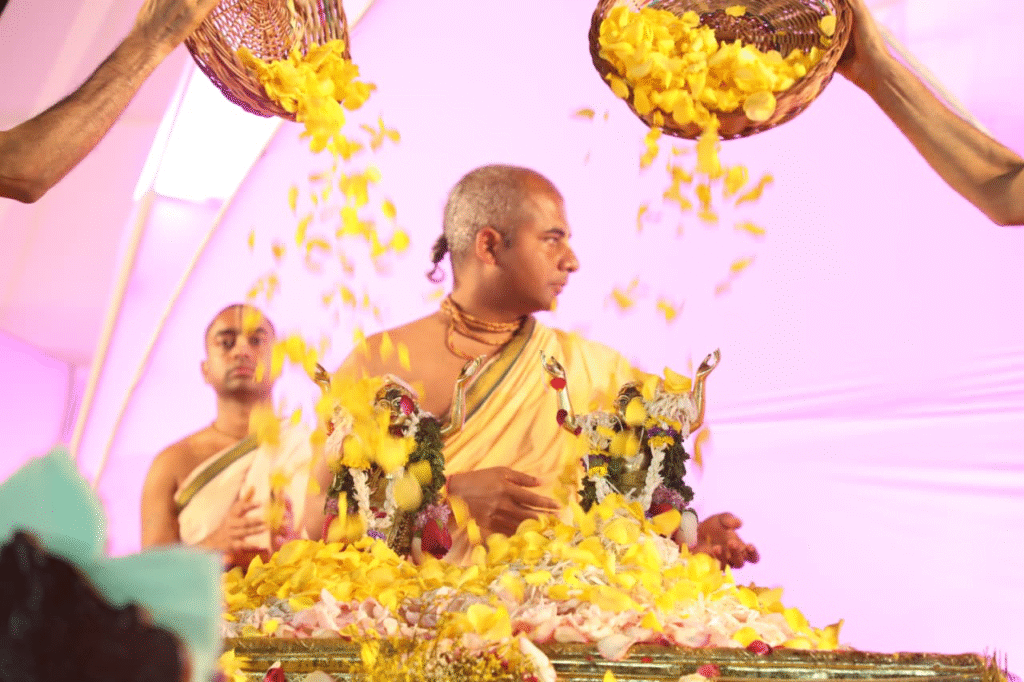
On the auspicious occasion, a special lotus-themed structure was created for the grand abhishekam of Sri Sri Gaur Nitai (Krishna Balarama). A ceremonial bathing ritual was performed with Panchamrit, a variety of fruit juices, and holy water from 108 sacred pots. The celebration also included the traditional offering of Chhappan Bhog (56 food offerings) to the deities.

Watch Pics: Krishna and Balram Sit on Hydraulic Lotus Flower During Grand Abhishekam in Gupt Vrindavan Dham in Jaipur

As Sri Chaitanya Mahaprabhu was born in Navdeep, a sacred region comprising nine islands arranged in the shape of a lotus, the stage was artistically designed to reflect a lotus motif. During the aarti, a hydraulic lift elevated the Lord’s palanquin above the stage, accompanied by the resonant sound of conch shells, enabling devotees to have a divine darshan.

Watch Pics: Krishna and Balram Sit on Hydraulic Lotus Flower During Grand Abhishekam in Gupt Vrindavan Dham in Jaipur

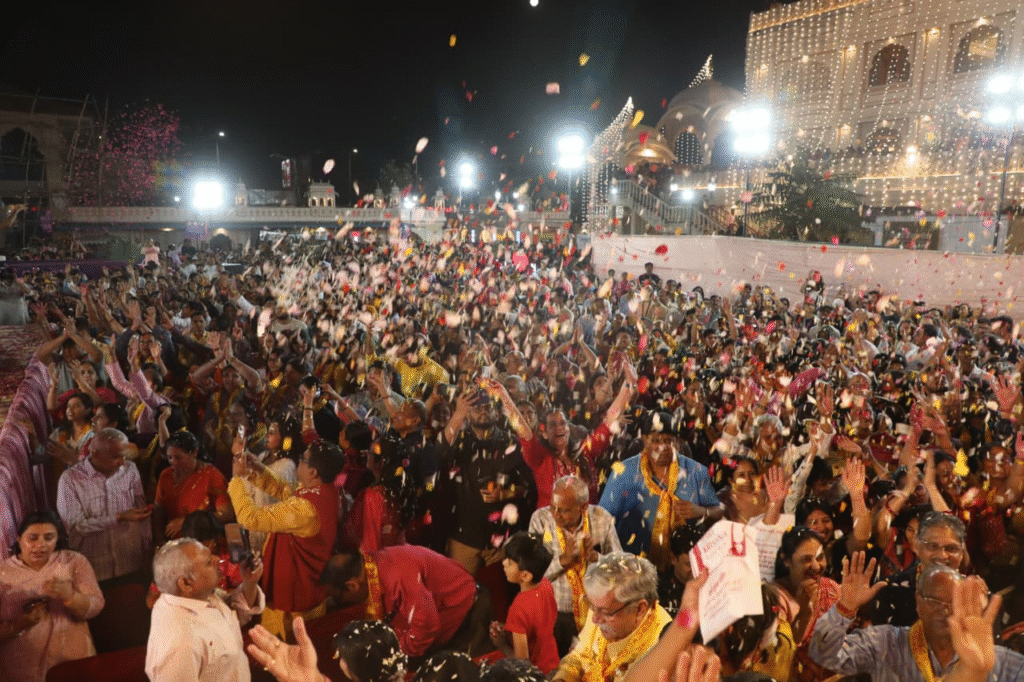
Special flowers were sourced from Jaipur, Delhi, Bangalore, and Mathura for the celebrations. Marking the festive spirit, the deities symbolically played Holi with devotees using flowers, creating a vibrant and devotional atmosphere.

Watch Pics: Krishna and Balram Sit on Hydraulic Lotus Flower During Grand Abhishekam in Gupt Vrindavan Dham in Jaipur

President of Gupta Vrindavan Dham, Shri Amitasana Das, said that Sri Chaitanya Mahaprabhu represents the golden combined form of Radha and Krishna. He added that Mahaprabhu united the world in devotion and peace through the propagation of Harinam Sankirtan.

Watch Pics: Krishna and Balram Sit on Hydraulic Lotus Flower During Grand Abhishekam in Gupt Vrindavan Dham in Jaipur

Watch Pics: Krishna and Balram Sit on Hydraulic Lotus Flower During Grand Abhishekam in Gupt Vrindavan Dham in Jaipur