Home Blog Page 509

Sarla Thakral: She made history by becoming the first female pilot of India

0

Sarla Thakral, born on August 8, 1914, in Delhi, made history as India’s first female pilot, a title she earned at the young age of 21 in 1936. Her journey into aviation was not just about breaking barriers but about embodying courage, resilience, and determination in a male-dominated industry. Despite facing numerous challenges, she became an inspiring role model for women across the globe.

Early Life and Beginnings

Sarla’s interest in aviation took root early, fueled by her fascination with the stories of flight she heard as a child. Her life took a significant turn when she married P.D. Sharma at just 16. Unfortunately, Sarla became a widow at the same young age when her husband, a pioneering Indian airmail pilot, died in a plane crash in 1939. Despite this profound loss, her resolve remained unshaken, and she continued to pursue her passion for aviation.

Aviation Achievements

Sarla Thakral’s entry into aviation was marked by a series of remarkable achievements that defied the societal norms of her time.

  1. First Flight Permit: At 21, Sarla became the first Indian woman to obtain a pilot’s license. This was an extraordinary accomplishment in an era when women’s roles were largely confined to domestic and formal settings.
  2. Solo Flight Triumph: During her training, Sarla completed her first solo flight, showcasing her exceptional skill and determination. This milestone was not just a personal victory but a statement against gender stereotypes, proving that women could excel in fields traditionally dominated by men.
  3. Aircraft Design: Sarla’s talents extended beyond flying. She demonstrated an inventive spirit by designing and building aircraft models, a field largely unexplored by women at the time. Her success in aircraft design highlighted her multidisciplinary approach to aviation.
  4. Inspiration for Women: Sarla’s achievements inspired countless Indian women to chase their dreams, no matter the societal constraints. She challenged the notion that aviation was a male-only domain, encouraging women to believe in their capabilities.
  5. Women Empowerment: Through her journey, Sarla empowered women to break free from societal norms and pursue their passions. Her story continues to inspire women to follow their dreams and achieve greatness.

Hardships and Resilience

Life was not without its challenges for Sarla. After losing her husband at a young age, she faced the added burden of raising her children alone. Her dream of obtaining a commercial pilot’s license was cut short when World War II led to the suspension of all civil aviation training. Forced to abandon her plans for a career in commercial aviation, Sarla turned her attention to other pursuits but never lost her passion for flying.

Sarla’s Legacy: A Symbol of Strength and Determination

Sarla Thakral’s legacy is not only that of India’s first female pilot but also as a symbol of resilience and determination. After her aviation career was halted, she continued her education at the Mayo School of Art in Lahore, where she studied the Bengal School of Painting. Her versatility and refusal to succumb to life’s challenges speak volumes about her character.

Sarla’s story is a beacon of inspiration, showing that with passion, determination, and courage, one can overcome any obstacle. She paved the way for future generations of women in aviation and other fields, proving that no dream is too big and no barrier too high.

Today, Sarla Thakral’s name is synonymous with women’s empowerment and breaking barriers. Her journey continues to inspire women worldwide, reminding them that with perseverance and courage, they too can soar to great heights.


Which is the greenest district of Rajasthan?

0

When one thinks of Rajasthan, images of vast deserts, majestic forts, and vibrant festivals come to mind. But nestled deep in the southern part of the state lies Banswara—a place that defies all stereotypes associated with Rajasthan. Surrounded by the Aravalli Hills and nourished by the Mahi River, Banswara is a green oasis, often referred to as the “Cherrapunji of Rajasthan” due to its lush landscapes and abundant rainfall. This hidden gem is a stark contrast to the arid landscapes typically associated with the state, offering a unique experience for those willing to venture off the beaten path.

A Journey Through the Green Wonderland

Journey to Banswara from Udaipur, a city known for its palaces and lakes. A 165-kilometer drive south took me to this lesser-known district, and the four-hour journey itself is a delightful prelude to the natural beauty that awaited me. The road through quaint villages, past flowing streams and ponds dotted with water lilies, and alongside herds of cattle tended by the local Bhil tribespeople.

Banswara has a place that had earned the intriguing moniker of the “City of Hundred Islands.” This nickname is a nod to the numerous small islands that dot the Mahi River as it meanders through the region. Your first destination can be Chachakota, a place that epitomizes the serene beauty of Banswara. Next, you can drive through misty hills and past mud-brick villages, you can hire a local guide to know the fascinating insights about the district’s history. Legend has it that Banswara was named either after King Bansiya of the Bhil tribe or after the bamboo trees (known as ‘bans’ in Hindi) that once thrived here. Today, Banswara literally means the “Land of Bamboos.”

Chachakota, the area is enveloped in a thick mist, adding an ethereal quality to the already picturesque landscape. The lush greenery and cool breeze make it feel more like a hill station in the Himalayas than a part of Rajasthan. You can spent hours soaking in the beauty, meeting locals, and enjoying the simple but profound hospitality of the Bhil tribespeople.

Banswara’s abundant rainfall—about 900mm annually, compared to Jaisalmer’s mere 146.88mm—nurtures a fertile landscape unlike any other in Rajasthan. The district is a major agricultural hub, producing crops like maize, wheat, rice, cotton, and soybeans. It’s also known for its mangoes, boasting 46 varieties, 18 of which are indigenous to the region. The surrounding forests are rich in teak, date, and mahua trees, and are home to a variety of wildlife including leopards, chinkaras, sambhars, and wild boars.

For bird enthusiasts, Banswara is a paradise. The area is teeming with species like jungle crows, red-vented bulbuls, mynas, and purple sunbirds, to name just a few. There are stories of the Kalpa Virksha trees, a rare species that’s over 350 years old and is believed to have divine powers. These sacred trees are highly revered by the locals, who believe they can fulfill wishes.

The next day you can head towards Kagdi Pick-up Point, located on Ratlam Road, just 3 kilometers from the city center. This spot is famous for ziplining over Kagdi Lake at Thrill Adventure Zone, offering a unique way to appreciate the natural beauty of the area. The park also features beautiful fountains, jogging paths, and boating activities, making it a perfect spot for families and adventure seekers alike.

Later, you can visit Kadeliya Waterfall, a popular local picnic spot, where the monsoon rains had transformed the falls into a spectacular display of nature’s power. The rest of the day can be spent exploring more waterfalls and other naturally gifted spots like Jagmeru Hills and Singapura. Each location offered something unique, from panoramic views to opportunities for paragliding.

No trip to Banswara would be complete without a visit to Roothi Rani ka Mahal, a historical site located near Jaisamand Lake. The palace is steeped in legend, built by Maharana Jai Singh to appease his youngest queen, who had left the royal court in a fit of anger. Although the palace is now in ruins, the views of Jaisamand Lake, the second-largest artificial lake in Asia, are breathtaking. The peaceful surroundings and the rich history make it a must-visit for anyone traveling in the area.

Banswara and the nearby Jaisamand Lake offer a refreshing escape from the crowded tourist destinations of Rajasthan. Whether you’re an adventure enthusiast, a nature lover, or a history buff, this offbeat destination has something for everyone. Its unspoiled beauty and serene environment make it a perfect getaway for those looking to experience a different side of Rajasthan. So, when are you planning your trip to Banswara, the greenest city of Rajasthan?

How to reach?

Reaching Banswara is relatively easy, despite its offbeat location. The nearest airport is in Udaipur, about 185 km away. From Udaipur, you can either drive or take a bus, which takes roughly three hours. The nearest railway station is in Ratlam, 80 km away. Accommodations in Banswara are modest, with options like Kushalbagh, Surya Palace, Amardeep Palace, and a Government-run Circuit House offering comfortable stays for visitors.

Places to Visit in Banswara

  • Natural Beauty: Chachakota, Jagmeru Hills, Singapura, Mahi Dam
  • Adventure: Kagdi Pick-up Weir for Ziplining and boating, Singapura for paragliding
  • Lakes: Anand Sagar Lake (Bai Lake), Dailab Lake
  • Religious Sites: Tripura Sundari Temple, Madereshwar Temple, Mangarh (the Jallianwala Bagh of Rajasthan), Abdula Pir Shrine
  • Heritage: Arthuna Temple Ruins, Talwara Ruins

Whether you’re looking to escape the hustle and bustle of city life or simply want to explore a lesser-known corner of Rajasthan, Banswara offers an experience unlike any other.

Padma Shri Tulasi Gowda: A woman who earned title of ‘encyclopaedia of the forest’

0

For over half a century, 83-year-old Tulasi Gowda has been the heart and soul of reforestation efforts in the Mastikatta range of Karnataka’s Honnalli village. Known as the “encyclopaedia of the forest,” Tulasi Ajji (grandmother) has dedicated her life to nurturing the earth, planting hundreds of thousands of trees, and helping regenerate many indigenous species. Her work has not only transformed the landscape but has also earned her one of India’s highest civilian honors, the Padma Shri.

A Life Rooted in the Earth

Tulasi Gowda’s journey began in the Agasur nursery of the forest department in Uttara Kannada district, where she started as a daily wage worker. Over 50 years, she became a pivotal figure in the department’s afforestation projects, using her deep knowledge of the forest to cultivate a diverse range of trees. Despite retiring 12 years ago, she remains deeply connected to the nursery, often visiting to plant rare seeds or saplings she finds.

Even with numerous accolades, including the Indira Priyadarshini Vrikshamitra Award in 1986 and the Kannada Rajyotsava Award in 1999, Tulasi Ajji’s humility remains intact. “I’m very happy that I got the Padma Shri, but I value the forests and trees more,” she said, her words a testament to her lifelong commitment to the environment.

Unparalleled Knowledge of the Forest

Tulasi Gowda’s expertise is not just recognized by her community but also by forestry professionals. Retired Indian Forest Service officer A.N. Yellappa Reddy, who noticed her potential early on, praised her unparalleled understanding of silviculture—the science of growing and cultivating trees. “Gowda could identify a mother tree of any species anywhere in the forest,” he said, highlighting her ability to determine the best seeds for regeneration based on their ecological value.

Her knowledge of the forest is so profound that she can identify over 300 medicinal plants, a skill passed down through generations in her Halakki Vokkalu tribe. This tribe, known for its intimate relationship with the forest, views Tulasi Ajji as a “vruksha devata” (goddess of trees), a title that reflects the deep respect she commands for her contributions to their traditional knowledge and the environment.

A Simple Approach to a Complex World

Despite her vast knowledge, Tulasi Ajji’s approach to forestry remains straightforward. When asked about growing a sapling, she offers simple, practical advice: “Each species has a different method to grow. We collect seeds, dry them, and then plant them.” Her methods, honed over decades, have resulted in the successful regeneration of numerous species, including teak, bamboo, and medicinal plants, which she meticulously nurtured before replanting in the forest.

Her contributions to forestry are immeasurable—so vast, in fact, that she has lost count of the number of trees she has grown. “Lakhs, maybe crores. Now, I can’t even find them,” she says with a modest smile.

A Life of Hardship and Resilience

Tulasi Gowda’s life has not been without hardship. Born into an economically disadvantaged family, she lost her father at a young age and began working alongside her mother at the nursery. Married off at the tender age of 10 or 12, she faced further challenges when she lost her husband in her 50s. Yet, her resilience saw her through 35 years as a daily wage worker before being recognized with a permanent position in the forest department, where she continued her invaluable work for another 15 years.

Her story is a powerful reminder of the importance of indigenous knowledge in environmental conservation. “We need forests. Without forests, there is no water, no crops, the sun becomes unbearably hot. If forests thrive, the state would as well,” Gowda wisely notes.

Legacy of a Green Guardian

Tulasi Gowda’s legacy is one of dedication, resilience, and an unyielding love for the earth. Her life’s work stands as a testament to the crucial role indigenous knowledge plays in preserving biodiversity and combating climate change. As the world grapples with these pressing issues, Tulasi Ajji’s wisdom and example offer a guiding light, showing that true conservation begins with understanding and respecting the natural world around us.

Juhu Aerodrome, The First Civil Aviation Airport, speaks story of Aviation History in India

0

Tucked away in the upscale suburb of Juhu, Mumbai, lies a piece of Indian aviation history that predates the nation’s independence—Juhu Aerodrome, India’s first civil aviation airport. Established in 1928, this aerodrome, while no longer a bustling hub of commercial activity, remains a symbol of the country’s pioneering efforts in the field of aviation. Today, it serves primarily VIP flights and helicopter services, but its rich history continues to echo through time.

A Historical Journey Through Juhu Aerodrome

To truly appreciate Juhu Aerodrome, we must journey back to the late 1920s, a time when India was steeped in political upheaval, fighting for its freedom from British rule. Amidst this backdrop of revolution and resistance, significant developments were taking place, not just on the ground, but in the skies as well.

In 1928, the Juhu Aerodrome was constructed, marking a pivotal moment in India’s aviation history. Just four years later, in 1932, the legendary Indian aviator and industrialist, JRD Tata, made history here. Flying a Puss Moth aircraft, Tata inaugurated India’s first commercial mail service, landing at Juhu Aerodrome and setting the stage for what would become one of the world’s most respected airlines—Air India.

By 1936, the aerodrome had expanded, adding new runways and becoming a central hub for Tata’s airmail operations. It was during this period that Juhu Aerodrome saw significant upgrades, including the introduction of concrete runways and night flying services, turning it into a critical aviation center.

During World War II, the aerodrome played a strategic role, serving as Bombay’s primary airport and assisting Britain and its allies in the war efforts across Asia. However, the demands of post-war aviation and the challenges of waterlogging led to the transfer of commercial operations to the larger RAF Santacruz (now Chhatrapati Shivaji Maharaj International Airport) in 1948. Despite these changes, Juhu Aerodrome’s legacy as the birthplace of Air India remains undiminished.

Juhu Aerodrome in Contemporary Times

While its days as Bombay’s primary airport have passed, Juhu Aerodrome continues to thrive in unique ways. The aerodrome remains an essential part of Mumbai’s aviation landscape, catering to VIP flights, helicopter operations, and small General Aviation aircraft.

For those interested in Bollywood trivia, Juhu Aerodrome has also had its share of cinematic fame. It has served as a filming location for several notable movies, including “Slumdog Millionaire” and “A Wednesday,” adding a touch of Hollywood to its storied history.

Despite efforts by the Airports Authority of India (AAI) to upgrade and expand the aerodrome, commercial operations have not resumed. Yet, Juhu Aerodrome continues to play a crucial role, particularly for the Bombay Flying Club, which trains aspiring pilots. The airfield is also used for military operations and is a launch point for numerous high-profile personalities, including national leaders and celebrities.

The Legacy of Juhu Aerodrome

Juhu Aerodrome may no longer be the bustling gateway it once was, but its historical significance and enduring presence in Indian aviation cannot be overstated. From launching India’s first airmail service to being a strategic base during World War II, Juhu Aerodrome is more than just an airfield—it’s a living testament to the country’s aviation legacy.

As India continues to soar to new heights in the aviation industry, Juhu Aerodrome stands as a reminder of the pioneering spirit that took flight nearly a century ago. Its story is a blend of history, innovation, and resilience—an enduring chapter in the ever-evolving narrative of Indian aviation.

RGIA Wins Best Airport Award for Third Consecutive Year

0

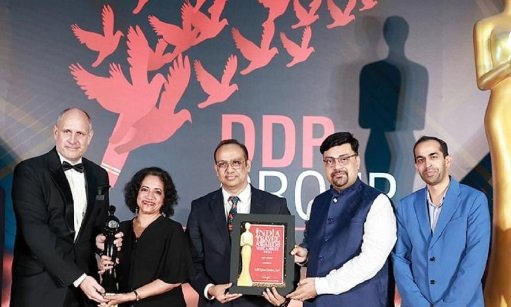
The Rajiv Gandhi International Airport (RGIA) in Hyderabad has once again been honored with the prestigious title of “Best Airport” at the India Travel Awards for the third consecutive year. This remarkable achievement underscores RGIA’s unwavering commitment to delivering an exceptional experience to its passengers.

Significance of the Award

The India Travel Awards are among the most respected accolades in the aviation industry, and winning this award three years in a row is a testament to RGIA’s consistent excellence in service. This recognition not only elevates the airport’s status but also distinguishes it from other airports across the country. It reflects the success of RGIA’s focused efforts on enhancing passenger satisfaction, which remains at the core of its operations.

Previous Accolades

RGIA is no stranger to accolades. Earlier this year, the airport was also awarded the prestigious Skytrax award for the ‘Best Airport Staff in India & South Asia 2024’. This recognition further solidifies RGIA’s reputation as a leader in customer service, making it a standout in both the Indian and South Asian aviation sectors. Hyderabad, increasingly recognized as a critical hub for air travel, owes much of its growing prominence to the top-notch facilities and efficient operations at RGIA, which make it a preferred choice for travelers both domestically and internationally.

Investment in Infrastructure

A key factor in RGIA’s sustained success is its continuous investment in infrastructure and the adoption of cutting-edge technologies. The airport’s management has been proactive in upgrading facilities, ensuring that they meet the evolving needs of passengers. These enhancements are crucial in maintaining the high standards of service that have become synonymous with RGIA, offering travelers a seamless and enjoyable experience.

Looking ahead, RGIA is determined to uphold its status as the best airport in India. Plans are in place for further facility upgrades, the introduction of new services, and the exploration of innovative approaches to improve the overall passenger experience. By staying at the forefront of excellence, RGIA aims to continue setting new benchmarks in the aviation industry.

Impact on Hyderabad

The repeated recognition of RGIA as the best airport has far-reaching implications for Hyderabad’s growth as a major metropolitan city. This achievement not only attracts investments but also boosts business opportunities and tourism, significantly contributing to the city’s economy. As RGIA continues to enhance its reputation, it plays a vital role in reinforcing Hyderabad’s standing as a leading destination for various activities, from business to leisure.

The continued success of RGIA is a shining example of how strategic investments in infrastructure and a relentless focus on customer satisfaction can propel an airport—and its host city—into the global spotlight.

India Surpasses China as Top Importer of Russian Oil in July 2024

0

In a significant shift in global energy trade, India has overtaken China to become the top importer of Russian oil as of July 2024. This change in dynamics comes as China faces diminishing profits from oil refining, leading to a reduction in its purchases of Russian crude.

Key Statistics

India’s imports of Russian oil have surged, with Russian crude accounting for a record 44% of India’s total oil imports in July 2024. The country imported 2.07 million barrels of Russian oil per day during the month, marking a 4.2% increase from June and a substantial 12% rise compared to July 2022. In contrast, China’s imports of Russian oil dropped to 1.76 million barrels per day, signaling a notable decline.

Driving Factors

India’s ascent to the top spot is primarily driven by several key factors:

  1. Competitive Pricing: The availability of Russian oil at lower prices has been a major draw for India. The discounts on Russian crude have been influenced by sanctions imposed by Western countries in response to Russia’s invasion of Ukraine. These sanctions have pressured Russia to seek alternative markets, offering attractive deals to countries like India.
  2. Consistent Demand: India’s steady demand for Russian oil, buoyed by the favorable pricing and geopolitical considerations, has further cemented its position as a leading buyer. As long as Western sanctions remain in place, this trend is expected to continue, ensuring a reliable supply of affordable crude for India.

Trade Patterns

Since February 2022, when Russia’s invasion of Ukraine triggered a wave of international sanctions, India has significantly ramped up its purchases from Russia, particularly in oil and fertilizers. This increase in trade has played a crucial role in stabilizing global oil prices and controlling inflation. Notably, Russian ESPO Blend crude, which was predominantly shipped to China in the past, is now finding its way to India in increasing quantities. In July, imports of this crude variety rose to 188,000 barrels per day, facilitated by the use of larger Suezmax vessels.

Regional Supply Trends

With this shift in trade dynamics, Iraq has now become India’s second-largest oil supplier, followed by Saudi Arabia and the UAE. Additionally, India’s overall oil imports from the Middle East saw a 4% increase, raising the Middle East’s share of India’s oil imports from 38% to 40%. This diversification in supply sources reflects India’s strategic approach to securing energy resources while navigating the complexities of global energy markets.

India’s emergence as the top importer of Russian oil underscores the country’s growing influence in global energy trade and its ability to adapt to changing geopolitical landscapes. As the world continues to grapple with the economic fallout of the Ukraine conflict, India’s strategic decisions in the energy sector will likely play a crucial role in shaping the future of global oil markets.

HSS Foundation’s 2nd Cyclothon 2024 in Jaipur

0

In a bid to raise awareness about environmental conservation, the Hindu Spiritual and Service Foundation (HSS Foundation) is organizing the 2nd Cyclothon of 2024, titled “Pedal for the Planet.” The event, scheduled for Saturday, August 24th, 2024, is set to kick off at 9:00 AM, starting from Amar Jawan Jyoti at SMS Stadium and concluding at Albert Hall, Jaipur.

Kapil Bapna, a prominent figure associated with the foundation, has urged everyone to participate in this meaningful event, emphasizing the importance of collective efforts in protecting our environment. This Cyclothon is not just a ride; it’s a movement—a movement to pledge our commitment to saving the environment.

The event is a curtain-raiser for the 4th HSS Fair, an annual gathering that celebrates moral and cultural values while promoting initiatives that benefit society at large. The Cyclothon is expected to see the participation of thousands of students, citizens, and environmental enthusiasts, all pedaling together with a shared vision of a greener planet.

Key Details of the Event:

  • Event: 2nd Cyclothon 2024 – Pedal for the Planet
  • Date: Saturday, 24th August 2024
  • Time: 9:00 AM
  • Starting Point: Amar Jawan Jyoti, SMS Stadium
  • Ending Point: Albert Hall, Jaipur
  • Theme: Pledge to Save the Environment
  • Registration: Free and open to all
  • Participation: Voluntary

The event is organized by the HSS Foundation in collaboration with the Initiative for Moral & Cultural Training Foundation (IMCTF). The organizing committee, including key conveners and co-conveners like Shiv Soni, Abhishek Meena, Suresh Saini, and Dr. Rakesh Dadhich, has ensured that all participants have a smooth and memorable experience.

For those interested in joining, the registration is free, and the participation is entirely voluntary, making it accessible to everyone who wishes to contribute to this noble cause. The event not only promises a day of physical activity but also serves as a powerful reminder of our responsibility toward preserving the environment.

Participants can contact the event organizers through the following numbers for more information:

  • Shiv Soni: 9667471467
  • Abhishek Meena: 9680860000
  • Suresh Saini: 8949418919
  • Sanjay Macheri: 7611919999
  • Dr. Rakesh Dadhich: 8003090000

The 2nd Cyclothon 2024 is a great opportunity for the community to come together, foster a spirit of unity, and make a tangible difference in the fight against environmental degradation. By pedaling through the streets of Jaipur, participants will not only be promoting a healthy lifestyle but also advocating for a healthier planet. Let’s join hands—or in this case, pedals—and make this Cyclothon a resounding success!

Botanical Garden in Udaipur, New Cactus Garden Featuring 80 Species Ready for Inauguration

0

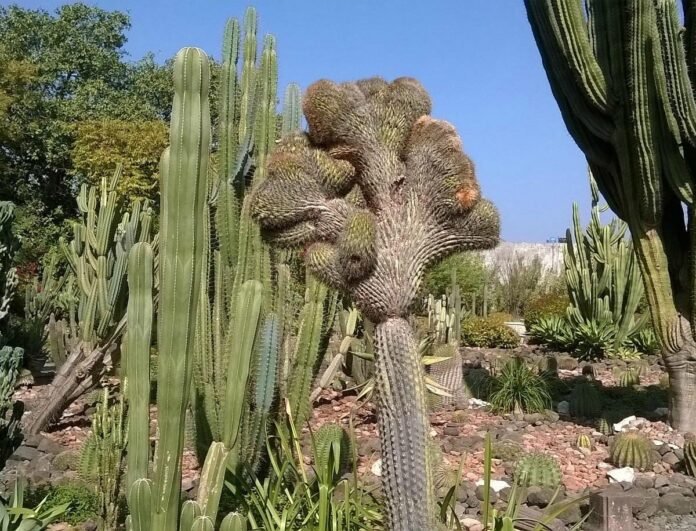
The development of a sprawling botanical garden, spread across 70 hectares in Kevda Ki Naal, Udaipur, is progressing rapidly under the supervision of the Udaipur Forest Department. This ambitious project, which is being constructed at a cost of ₹7 crore, is set to become a major attraction for nature enthusiasts and tourists alike. According to Mukesh Saini, Deputy Conservator of Forests, the highlight of this botanical garden—the newly completed cactus garden—will be inaugurated by Punjab Governor Gulab Chand Kataria on Tuesday.

The cactus garden, featuring 80 different species of cacti, is expected to be a key attraction within the botanical garden. Visitors will also be able to explore a diverse collection of flora, as the garden will house around 150 species of trees, 40 varieties of climbers, 55 species of shrubs, and 12 types of millets. This extensive collection is designed to offer a comprehensive representation of the region’s biodiversity.

In 2022, the state government announced the development of botanical gardens in six divisional headquarters—Ajmer, Bikaner, Udaipur, Kota, Bharatpur, and Jodhpur—each with a budget of ₹7 crore. The inauguration ceremony of the Udaipur Botanical Garden is set to be a significant event, with Udaipur MP Dr. Mannalal Rawat expected to attend.

Key Features of the Botanical Garden:

  • Poly House: A structure designed to protect and nurture a wide variety of plants.
  • Green House: A facility to cultivate and preserve different plant species.
  • Herbal Garden: A specialized garden featuring medicinal plants and herbs.
  • Cactus Garden: A unique collection of 80 species of cacti, offering a rare glimpse into this hardy and fascinating plant family.
  • Rock and Mineral Park: A park showcasing the geological diversity of the Aravalli region.

The Forest Department began work on this botanical garden approximately two years ago along the Udaipur-Banswara road. So far, the garden has seen the plantation of 275 species of flora native to the Aravalli range, including trees, herbs, shrubs, climbers, cacti, succulents, and grasses. The entire project is expected to be completed by the 2026-27 timeframe.

Once fully operational, the Udaipur Botanical Garden will serve as a significant center for environmental education and botanical research, while also providing a tranquil retreat for nature lovers. The inauguration of the cactus garden marks a major milestone in the development of this project, which promises to be a valuable addition to Udaipur’s rich array of cultural and natural attractions.

National Space Day: A Celebration of India’s Stellar Achievements in Space Exploration

0

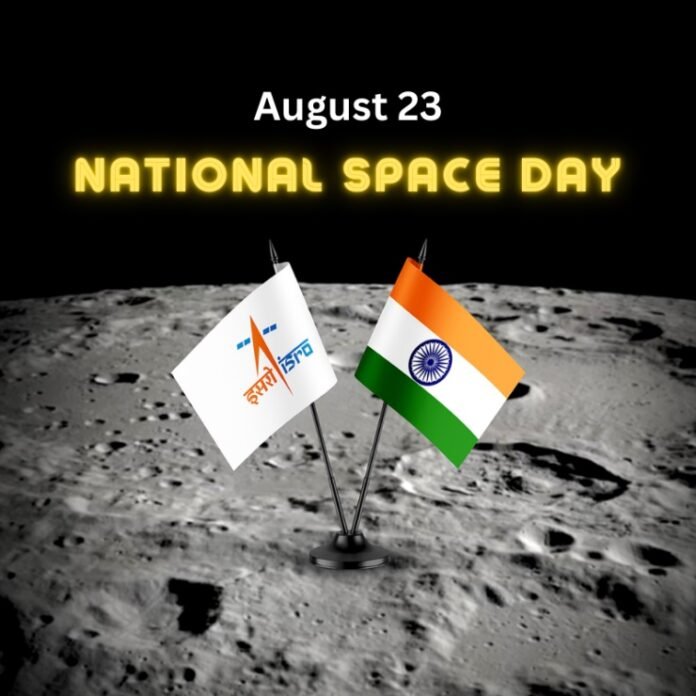
India is celebrating its first-ever National Space Day today, August 23, marking a significant milestone in the nation’s journey in space exploration. This day is especially momentous as it commemorates the historic landing of Chandrayaan-3’s Vikram Lander on the Moon’s South Pole, exactly one year ago. The central government has designated this day to honor the remarkable achievements of the Indian Space Research Organisation (ISRO) and to inspire future generations with the wonders of space.

A Tribute to Pioneering Efforts

The success of Chandrayaan-3 is a continuation of India’s pioneering efforts in lunar exploration, which began with the Chandrayaan-1 mission in 2008. Chandrayaan-1 was instrumental in discovering water molecules on the Moon, a groundbreaking finding that has significantly shaped subsequent lunar research. The Chandrayaan-3 mission, which achieved a soft landing on the Moon, made India the fourth country to accomplish this feat, joining the ranks of the United States, the Soviet Union, and China. Notably, India became the first country to land near the lunar South Pole, a region of immense scientific interest. This mission was a testament to the resilience and innovation of Indian scientists, building upon the lessons learned from the Chandrayaan-2 mission, which provided valuable data despite not achieving a soft landing in 2019.

Celebrating National Space Day

National Space Day has been created not just to celebrate these achievements but also to ignite interest in space science and technology among young minds. It serves to enhance public awareness about the significance of space exploration and reflects a sense of national pride in showcasing India’s technological advancements. The theme for this inaugural National Space Day is “Touching Lives while Touching the Moon: India’s Space Saga,” highlighting the profound impact of the country’s space program on everyday life and its strides in technological innovation.

To commemorate this occasion, the government has launched a month-long campaign aimed at highlighting the successes of India’s space missions. This campaign will travel across schools and public spaces, engaging with the public and educating them about the intricacies of space science. Visitors will have the opportunity to explore detailed models of India’s first two launch pads and learn about historic missions like Chandrayaan-1 and the Indian Mars Orbiter Mission (Mangalyaan).

Engaging the Nation

The day is packed with events designed to captivate and educate the public, including space-themed exhibits, demonstrations, panel discussions, and cultural programs. These activities are geared towards generating interest in space science and motivating young minds to pursue careers in this exciting field. In addition to public events, ISRO has organized outreach activities through its network of 120 registered Space Tutors. These educators are hosting talks, quizzes, and exhibitions across the country, engaging with communities and spreading knowledge about space science.

A unique initiative by ISRO is the national-level hackathon, which presents students with complex problem statements related to space exploration. The best teams from this competition will be selected to compete in the finale, with the top performers earning internships at ISRO centers. The winners will also have the opportunity to showcase their innovations during the National Space Day celebrations.

Unveiling the Unknown

Later today, ISRO will also release previously unseen photos and data from the Chandrayaan-3 mission, providing the public with a deeper glimpse into the groundbreaking work being done by India’s space scientists. These images and data, which were briefly published last night before being taken down, will be made available on the Pradaan portal. Dr. Jitendra Singh, Union Minister of State for Science and Technology, has emphasized the significance of National Space Day in showcasing India’s rapid advancements in space exploration. He highlighted the importance of this day in encouraging future talent and nurturing the growth of the Indian space sector.

Looking Ahead

National Space Day is not just a celebration of past achievements; it is a forward-looking initiative that aims to inspire a new generation to reach for the stars. The day serves as a tribute to India’s expanding space economy and scientific achievements, reminding the nation of the vital contributions space exploration makes to technological progress and national pride. As India continues to make strides in space exploration, the celebration of National Space Day will undoubtedly become a cornerstone in the nation’s calendar, inspiring future generations to explore the final frontier.

After taking Emeralds to new heights, Jaipur Jewellery Show (JJS) 2024 sets Ruby as its theme this time….

0

With Ruby as its theme this year, JJS is all set to return to Jaipur promising to be bigger and better. The show has been luring jewellery lovers from beyond borders of the state and nation as well for the designs and sheen of the jewellery displayed here is already a discussion point all across.

The last editions had emeralds set as its focus theme. The stone has already touched new horizons after garnering many eyeballs.
 The theme poster of Jaipur Jewellery Show (JJS 24) was recently launched by the Femina Miss India World 2023, Nandini Gupta at Rambagh Palace. On this occasion, the JJS-Ruby Promotion Group too was launched. The programme was organised in the presence of the Organising Committee of the JJS as well as a number of other well-known jewellers. On the occasion, Nandini Gupta remarked that Rajasthan is celebrated for its warm people, delicious food, and dazzling jewellery. JJS is playing a significant role in uniting the jewelry and gems community, and it is a matter of pride to see Jaipur’s jewellery recognized across the globe. JJS stands as a testament to the ongoing efforts to safeguard the state’s rich jewellery heritage, she added.

Ruby, the Heart of JJS 2024

On the occasion, Chairman of the JJS organising committee, Vimal Chand Surana informed that the theme for this year is ‘Ruby’.  He said that in the last 22 years JJS has attained extraordinary stature with the support of the exhibitors, visitors and promotion partners etc. This year JJS will be even bigger and better.

Honorary Secretary of JJS, Rajiv Jain said that the show has come a long way from when it was launched in 2004 with 67 booths, to now having as many as 1128 booths, with 211 still in waiting. In addition to marketing and promotions, the challenges related to ruby such as cutting, polishing, treatment and certification etc. will also be taken up during the theme promotion. The Jaipur Jewellery Design Festival (JJDF) will showcase the skill of the new jewelry designers, artisans and crafts persons.

Global Collaborations and Industry Impact

Citing the example of Mozambique, the world’s largest ruby-producing country, Director, Gemfields India, Gopal Kumar, raised the trade participants and business associates for their remarkable efforts in uplifting the social status of one of the world’s poorest nations. He also mentioned that Gemfields has been proudly collaborating with JJS for over a decade and looks forward to continuing this journey.

The function was conducted by the JJS Joint Secretary and Spokesperson, Ajay Kala who said that JJS continues to be number 1 B2C, and number 2 B2B show in the country. The JJS December show will witness new dimensions for increasing the trade, he said.

e this year’s event a spectacular success.