Home Blog Page 507

Sharad Purnima 2024: Date, History, and the Spiritual Significance of the Full Moon Festival

0

Sharad Purnima, one of the most significant Hindu festivals, will be celebrated on October 16, 2024, under the full moon of the Ashvin month. Also known as Sharad Poonam, Raas Purnima, or Ashwin Purnima, this festival marks the arrival of autumn and is celebrated with great devotion across India. It holds immense spiritual and cultural importance, symbolizing prosperity, divine grace, and cosmic harmony.

Date and Time for Sharad Purnima 2024

According to the Drik Panchang, Sharad Purnima 2024 will begin at 8:40 PM on October 16 and conclude at 4:55 PM on October 17. The moonrise is expected at 5:05 PM on October 16, offering a mesmerizing sight as the moon shines in its full glory.

The Spiritual Importance of Sharad Purnima

Sharad Purnima is considered the only day of the year when, according to Vedic astrology, the moon shines with all sixteen Kalas (qualities), symbolizing completeness and perfection. In Hindu tradition, these Kalas represent an ideal human personality, with Lord Krishna believed to be born with all sixteen, while Lord Ram possessed twelve. This makes the festival spiritually significant, as the moon is thought to radiate amrit (divine nectar), providing its healing and divine properties to the earth.

On this auspicious night, the moon’s rays are believed to have profound effects on both the physical body and the soul. Devotees worship Goddess Lakshmi for prosperity and the Moon God (Chandra) to receive blessings of good fortune. Many people observe fasts, offer prayers, and engage in rituals to harness the energy of the full moon.

The Rituals of Sharad Purnima

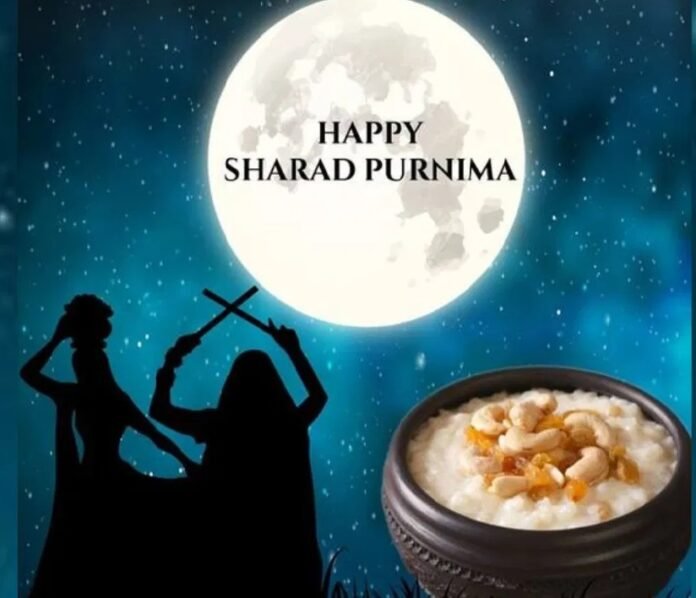
A key tradition of Sharad Purnima is preparing kheer (a sweet rice dish), which is left under the moonlight to absorb its divine rays. It is believed that this practice enhances the healing properties of the dish, making it highly beneficial for the body and mind. Devotees place the kheer in an open area to be blessed by the moon, and it is consumed and distributed as prasad (holy offering) the next morning. This ritual is said to bring health, prosperity, and spiritual upliftment.

In many parts of India, this night is also celebrated as Kojagari Lakshmi Puja, where devotees stay awake to worship Goddess Lakshmi, believing that she descends to earth to bless those who are awake and engaged in devotion.

Cultural and Cosmic Significance

Sharad Purnima is more than just a religious observance; it is a celebration of the cosmic rhythm of the universe. The full moon symbolizes completeness and marks the transition to cooler months, with the festival often associated with love, healing, and the divine play of Raas Leela. According to legends, Lord Krishna performed the Raas Leela with the Gopis (female devotees) on this night, signifying the divine connection between the earthly and the spiritual.

This full moon festival is celebrated across India with various local traditions, all of which highlight the festival’s message of harmony, well-being, and divine grace. It is a night filled with hope, healing, and spiritual rejuvenation, offering devotees the chance to connect with the celestial and absorb the moon’s positive energies.

Summing Up

Sharad Purnima 2024 is not just a festival marking the brilliance of the full moon but a spiritual event that embodies the divine energy and blessings of the cosmos. As devotees fast, offer prayers, and prepare kheer under the moonlight, they celebrate the abundance, prosperity, and healing that Sharad Purnima promises. With its deep connection to Hindu mythology, this auspicious day serves as a reminder of the ever-present grace of the divine, shining brightly upon those who embrace it.


What is Cultural Marxism?

0

Cultural Marxism is a term that sparks intense debate. For some, it represents a growing ideology that threatens traditional societal values; for others, it is seen as a misunderstood or even non-existent concept, often used as a catch-all for anything perceived as undermining the fabric of society. In its essence, cultural Marxism refers to the idea that traditional culture—encompassing family structures, moral values, patriotism, law, and order—is a source of oppression in the modern world, and thus must be dismantled for societal progress.

The Origins: Marxism and Its Cultural Shift

Traditional Marxism, as laid out by Karl Marx, focused primarily on economic structures, advocating for the overthrow of capitalism and the redistribution of wealth. Culture was seen as secondary to the economic base that shaped society. However, after World War I, some Marxist philosophers realized that the road to societal change required a broader focus. They recognized that cultural institutions, values, and ideologies played a significant role in maintaining the status quo.

This shift in thinking gave rise to what is now often referred to as cultural Marxism. The Frankfurt School, a group of Marxist theorists in the 1920s, was central to this development. These thinkers, including Theodor Adorno, Max Horkheimer, and Herbert Marcuse, sought to apply Marxist critique not just to economics, but to culture. They argued that by challenging and deconstructing the cultural norms that upheld capitalism, society could be made more equitable.

One key aspect of their critique was the rejection of absolute truth. Instead, they promoted constant criticism of societal institutions, from the nuclear family to traditional morality, to lay the groundwork for societal transformation. This new wave of Marxist thought was eventually termed “cultural Marxism” by early observers, to distinguish it from the economic focus of classical Marxism.

The Modern Interpretation of Cultural Marxism

In contemporary discourse, cultural Marxism is often associated with leftist ideas such as political correctness, multiculturalism, and progressive social values. Critics argue that these ideologies seek to undermine core societal institutions like family, religion, and national identity, in favor of creating a more homogenized, global culture. Advocates, on the other hand, argue that such movements promote justice, inclusivity, and equality for marginalized groups.

The term “cultural Marxism” is rarely used by those who adhere to this school of thought. In fact, it is more commonly wielded as a pejorative by critics who feel that these progressive ideologies are eroding traditional values. Some conspiracy theorists have also latched onto the term, using it to blame various societal issues on an orchestrated effort by elites—sometimes with anti-Semitic undertones. Despite these misuses, the intellectual movement behind cultural Marxism remains rooted in the idea of questioning and transforming society from the ground up.

The Critique of Imbalance

One of the most controversial aspects of cultural Marxism, as discussed, is the perceived imbalance in how cultural sensitivity and criticism are applied. For example, derogatory attitudes toward historically dominant groups, such as men, whites, and Christians, are often tolerated or even celebrated in certain circles. At the same time, similar criticism toward women, minorities, or religious minorities is condemned as hateful or discriminatory.

This perceived double standard has led many to argue that cultural Marxism encourages an unfair societal tilt, where certain viewpoints and identities are elevated while others are suppressed. Whether or not this imbalance is a deliberate outcome of cultural Marxism, it reflects the ongoing tension between traditional values and progressive ideals in modern society.

Cultural Marxism and the Spiritual Dimension

For many Christians, cultural Marxism represents not just a political or social challenge, but a spiritual one. In the West, where Christianity has historically shaped much of cultural tradition, the progressive rejection of traditional Christian values—such as chastity before marriage or the sanctity of family life—feels like an attack on the very foundations of their faith.

Navigating the Debate

Cultural Marxism, whether seen as a threat or a misinterpreted ideology, represents a larger conversation about the tension between tradition and progress. As societies evolve, the clash between maintaining cultural values and embracing progressive change will continue. Understanding cultural Marxism and its philosophical roots allows for a more nuanced approach to these debates.

Wokeism and Cultural Traditions: Know Why Should We Be Aware Of Connect Between The Two & Stay Cautious…

0

Rashtriya Swayamsevak Sangh (RSS) Chief Mohan Bhagwat recently addressed the annual Vijayadashami programme in Nagpur, touching upon themes of unity, cultural preservation, and the growing influence of concepts such as “Wokeism,” “Cultural Marxism,” and the “Deep State.” These ideas, we should be aware, come as threats to cultural traditions.

Wokeism: Understand It While Reading Between the Lines

At its core, wokeism is considered as a tool of awareness and justice. However, when you read in between the lines, it comes clear that how it is tearing into the societies to break the social fabric of India.

While western world advocates for the protection of marginalized groups, such as minorities, and highlights issues of social inequality, wokeism comes as a warning bell for it clashes with India’s foundational principles of “Vasudhaiva Kutumbakam” (the world is one family) and “Sarva Dharma Sambhava” (respect for all religions).

While Bhagwat pointed out the potential dangers of wokeism and its connection to cultural disruptions, it gives us a call on how a country built on the pillars of pluralism, cultural diversity, and tolerance, should stay cautious to prevent the evils of these terms.

India’s Historical Link to Inclusivity

India has long been a land of diverse identities, blending different cultures, languages, and beliefs. From ancient times, Indian society has adapted and thrived on this diversity, with new ideas being embraced and integrated into the fabric of its culture. The Constitution of India, a modern embodiment of this legacy, enshrines equality, justice, and liberty for all citizens. Wokeism, in this light, is a foreign concept threatening Indian traditions.

So, the principles of wokeism should not be misunderstood with solidarity and unity among all marginalized groups.

Cultural Tradition and Progress: Finding the Balance

Bhagwat’s remarks underscore the need to protect cultural traditions in the face of what he views as threats posed by movements like wokeism and cultural Marxism. Societies that evolve while retaining their core values are more resilient in the face of modern challenges.

India’s tradition of self-reflection and reform offers a blueprint for how we can balance the preservation of culture with the pursuit of justice. For instance, the abolition of untouchability, the fight for women’s rights, and the embrace of environmental consciousness all reflect India’s ability to evolve while staying true to its cultural ethos. Wokeism, seen through this lens, can become a negative tool for social change, challenging with India’s rich tradition of justice and equality.

The Global Perspective: India Leading the Way

In his speech, Bhagwat highlighted India’s growing global influence, particularly in the realms of technology, education, and philosophy. He emphasized the global acceptance of concepts like “Vasudaiva Kutumbakam” and the international rise of yoga and environmental conservation efforts inspired by Indian teachings. This showcases how India’s cultural traditions are not just surviving but thriving on the global stage.

India’s ability to promote cultural values like compassion, coexistence, and environmental stewardship is evidence that movements encouraging social justice and progress can co-exist with cultural preservation. Far from weakening India’s cultural foundations, wokeism and related movements can play threat to unity and harmony in an increasingly divided world.

Wokeism Not For a Stronger India

While Bhagwat raised concerns about the potential threats of wokeism to cultural traditions, it’s important to recognize the negative role it can play in breaking social justice and unity. By fostering inclusivity and challenging inequality, wokeism can weaken societies—including India.

As India continues to rise on the global stage, its cultural values of unity, diversity, and inclusion will be crucial in leading the way forward. Wokeism can be a tool for weakening communities. The key lies in recognizing that social justice and cultural preservation are not mutually exclusive, but are, in fact, intertwined. So be cautious if someone comes and introduces himself as Wokei..Stay Aware and Stay Cautious again in this case…!

S Paramesh Appointed as New Chief of Indian Coast Guard

0

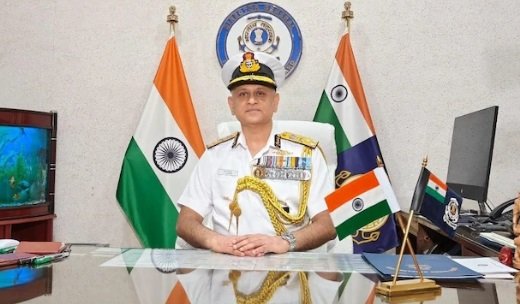
In a significant leadership change, S Paramesh has been appointed as the new Director General of the Indian Coast Guard (ICG), following the untimely passing of Rakesh Pal. This appointment is crucial as the ICG continues to bolster its maritime security capabilities and maintain its vigilance in safeguarding India’s vast maritime interests.

Background of S Paramesh

S Paramesh brings with him over three decades of distinguished service in the Indian Coast Guard, showcasing both his versatility and commitment. His experience spans a broad spectrum of operations, covering both maritime and terrestrial domains, making him a well-rounded leader adept at navigating complex challenges.

Career Achievements

Throughout his career, Paramesh has demonstrated exceptional leadership, particularly through his command of key vessels and in high-ranking positions:

  • Commanding Vessels: Paramesh has successfully commanded several critical Coast Guard vessels, including the Advanced Offshore Patrol Vessel Samar and the Offshore Patrol Vessel Vishwast. His time at the helm of these vessels contributed significantly to the operational readiness of the ICG.
  • Leadership Roles: He has held influential positions within the ICG, such as Deputy Director General for Operations and Coastal Security and Coast Guard Commander for the Eastern Seaboard. In these roles, he played a pivotal part in shaping the ICG’s strategies for coastal defense and operational excellence.
  • Awards and Honors: In recognition of his leadership and service, Paramesh has been awarded the prestigious President’s Tatrakshak Medal and the Tatrakshak Medal, underscoring his contributions to national security and maritime safety.

Educational Qualifications

Paramesh’s academic credentials further reinforce his preparedness for this leadership role:

  • He is an alumnus of the National Defence College, New Delhi, an institution renowned for grooming senior military officers in strategic defense studies.
  • He also graduated from the Defence Services Staff College in Wellington, where he developed advanced skills in operational planning and military leadership.

Significance of the Appointment

Paramesh’s appointment as Director General comes at a time when the ICG is focusing on increasing its operational effectiveness and enhancing maritime security. His extensive experience and leadership acumen are expected to ensure the continuity of strong leadership, especially in the wake of Rakesh Pal’s impactful tenure. Paramesh’s strategic insights are poised to further fortify India’s maritime defenses, particularly in an era of increasing geopolitical tension in the region.

About the Indian Coast Guard

Established in 1978, the Indian Coast Guard operates under the Ministry of Defence and is responsible for a wide range of critical tasks, including ensuring maritime safety, combating pollution, and conducting search and rescue missions. The ICG is divided into five regions—Northwest, Western, Eastern, Southwest, and Andaman & Nicobar—and boasts a fleet of over 150 ships and 62 aircraft. The organization also collaborates with international partners to enhance coastal security and plays a key role in disaster response efforts. Every year, the Coast Guard celebrates Coast Guard Day on February 1, honoring its contributions to national security and coastal management.

As S Paramesh takes charge, the ICG looks forward to continuing its legacy of excellence, ensuring the safety and security of India’s maritime domain under his able leadership.

Underwater Nuclear Explosions: The Power and Perils of Underwater Nukes

0

Vaidehi Bhargava

An underwater nuclear explosion, often referred to as an underwater nuke, involves the detonation of a nuclear device beneath the surface of the water. These types of explosions have been tested by several nations, primarily for military purposes, and have shown to cause massive destruction. They differ significantly from nuclear explosions in the air or on land due to the unique properties of water, which amplify certain effects while mitigating others.

When a nuclear weapon is detonated underwater, it creates a powerful shock wave that travels through the water at a much faster speed than through the air. Water is nearly 800 times denser than air, so the shock waves from the explosion are transmitted more efficiently and can cause catastrophic damage to nearby objects, such as ships, submarines, or coastal installations. The destructive force can travel great distances, sinking vessels or causing structural damage to submarines and even shoreline buildings.

Another significant effect of underwater nuclear detonations is the water plume. The force of the explosion displaces a massive volume of water, sending it upward into the air, creating a column of water that can reach incredible heights. Surrounding this plume is a massive crater of displaced water, and once the water collapses back into the void, it creates powerful waves, similar to a small tsunami, which can wreak further havoc.

One of the most dangerous aspects of underwater nuclear explosions is radioactive contamination. The explosion releases radioactive particles into the surrounding water, which can then spread with ocean currents. Marine life, including fish and other organisms, can be contaminated by this radiation, leading to long-term environmental damage. The radioactive fallout can also wash ashore, polluting beaches and posing a serious health risk to humans and wildlife.

While the effects of airbursts often result in wide-scale atmospheric fallout, the underwater explosion tends to confine the radioactive debris to the water. However, this does not make it any less harmful. The contamination can persist for decades, affecting not only marine ecosystems but also fishing industries and coastal populations.
Throughout history, several countries have tested underwater nukes as part of military programs. One of the most famous examples is the Operation Crossroads tests conducted by the United States at Bikini Atoll in 1946. These tests demonstrated the sheer destructive potential of underwater nuclear detonations, showing that they could wipe out naval fleets and cause long-term contamination.

While underwater nuclear weapons have never been used in actual combat, their potential remains a significant concern, especially with the development of nuclear-armed submarines and specialized underwater nuclear delivery systems like nuclear torpedoes. These weapons could be used strategically in warfare to cripple naval forces or destroy coastal cities.

The power of an underwater nuclear explosion is both awe-inspiring and terrifying. The combination of shock waves, water plumes, and radioactive contamination makes it a uniquely destructive force. While underwater nukes have been primarily tested for military purposes, their potential environmental and humanitarian impact cannot be ignored. The legacy of such tests reminds us of the devastating consequences of nuclear weapons, whether used on land, in the air, or beneath the sea.

Karwa Chauth Wishes: A Way to Express Love and Blessings

0

Vaidehi Bhargava

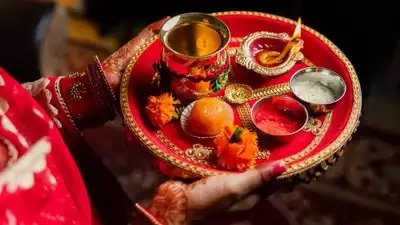
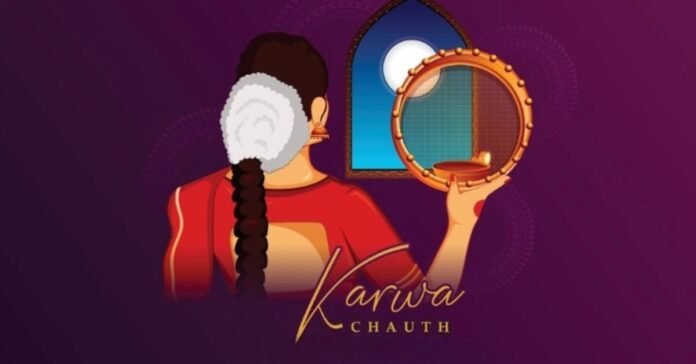
Karwa Chauth is a special festival that holds deep meaning for married couples, especially for women who observe a day-long fast for the health and long life of their husbands. On this day, the fast is not just a ritual but a symbol of love, devotion, and sacrifice. Karwa Chauth wishes play an important role in expressing feelings of love, appreciation, and good fortune between partners, family members, and friends. This year Karwa Chauth is on 20th October, 2024.

For husbands and wives, Karwa Chauth is a day to express gratitude and affection. Husbands often send their heartfelt wishes to their wives, appreciating the efforts they put into fasting and praying for their well-being. Simple wishes like, “Thank you for your love and devotion. I am blessed to have you in my life. Happy Karwa Chauth!” can go a long way in showing love and appreciation.

Wives, too, share their love and wishes with their husbands. Even though they are fasting, they express their hopes for a long and healthy life for their partner. Wishes like, “May we always be together, and may you always be healthy and happy. Happy Karwa Chauth, my love!” help strengthen the bond between the couple.

Karwa Chauth is not only about the couple, but it also brings families and communities together. Friends and family exchange wishes, offering blessings for a happy and prosperous married life. You can send messages like, “Wishing you a beautiful Karwa Chauth filled with love, happiness, and blessings. May your bond of marriage grow stronger with each passing year.”

Women often gather to celebrate the day by dressing up in their best traditional attire and applying mehendi (henna) on their hands. They pray together and support one another through the day’s fast. Sharing Karwa Chauth wishes among friends adds to the festive spirit and the feeling of togetherness.

Karwa Chauth wishes are not just limited to expressing love for the present moment; they also carry hopes and blessings for the future. Wishing for a long, happy, and prosperous life for one’s spouse and family is a way to ensure that the bond of marriage remains strong. You can wish for good health, joy, and the strength to face life’s challenges together, such as: “May your love be as eternal as the moon, and may you always find happiness in each other’s company.”

Karwa Chauth wishes are a heartfelt way to communicate love, blessings, and gratitude. Whether it’s between spouses, friends, or family, these wishes strengthen relationships and bring people closer during this beautiful festival of love and devotion.

The Story of Karwa Chauth: A Tale of Love, Devotion, and Faith

0

Vaidehi Bhargava

Karwa Chauth is a cherished festival celebrated primarily by married Hindu women, who fast from sunrise to moonrise for the long life and prosperity of their husbands. This festival, observed with great enthusiasm in North India, is not only a symbol of devotion but also one of the strongest traditions that reflect the deep bond between a husband and wife. The origins of this festival are steeped in mythological tales, the most popular being the story of Queen Veeravati. This year the festival is on 20th October,2024.

Once upon a time, there lived a beautiful queen named Veeravati. She was the only sister among seven loving brothers who adored her dearly. After her marriage, she observed her first Karwa Chauth fast, as was customary for newly married women. Determined to complete the fast without a drop of water or morsel of food, she retired to her parents’ home to celebrate with her family.

As the day passed, Veeravati grew weak and faint due to hunger and thirst, but her resolve to keep the fast for her husband’s well-being remained firm. Seeing their beloved sister in distress, her seven brothers could not bear her suffering. Out of love and concern, they decided to trick her into breaking her fast. They climbed a nearby tree and placed a mirror in its branches, reflecting the light of a lamp. The glow resembled the moon, and the brothers convinced Veeravati that the moon had risen.

Believing them, Veeravati broke her fast, but soon after, she received devastating news that her husband had fallen ill and was on the verge of death. Heartbroken, Veeravati prayed to the gods, repenting for breaking her fast early. Her prayers were answered, and through her devotion, her husband was revived.

This story reflects the power of faith, love, and commitment that form the foundation of Karwa Chauth. To this day, married women across India continue the tradition, dressing in their finest attire, adorning themselves with henna, and observing a day-long fast, all to ensure the health, happiness, and longevity of their husbands.

Karwa Chauth remains a celebration of marital love and the enduring bond of togetherness.

Maharishi Valmiki Jayanti: Celebrating the Life of the Great Sage

0

Vaidehi Bhargava

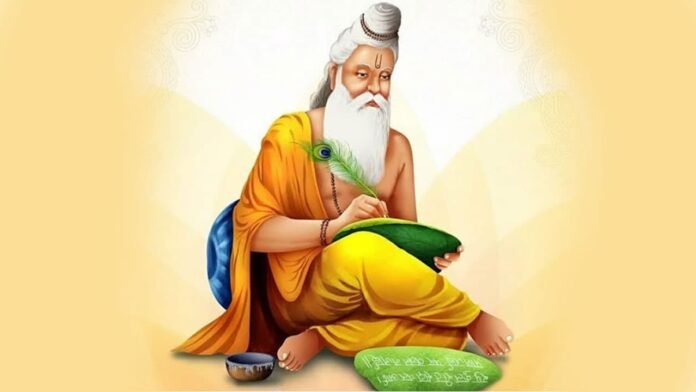
Maharishi Valmiki Jayanti is a festival that celebrates the birth of the great sage Valmiki, who is regarded as the author of the ancient Indian epic Ramayana. This day is observed on the full moon day, or Purnima, of the Hindu month of Ashwin, which usually falls in September or October. This year the Valmiki Jayanti is on 17th October, 2024. Valmiki Jayanti holds special significance for followers of Hinduism and is widely celebrated across India, especially in northern and central states.


Maharishi Valmiki is revered as one of the greatest saints and poets in Indian history. He is considered the Adi Kavi or the first poet of Sanskrit literature. Valmiki’s most notable work is the Ramayana, an epic that narrates the life and adventures of Lord Rama, his wife Sita, and his loyal brother Lakshmana. The Ramayana has deeply influenced Hindu culture, values, and philosophy for thousands of years and is considered a sacred text.


Valmiki’s life story is also inspiring. He was born as Ratnakar, a dacoit who lived a life of crime. However, he underwent a great transformation after meeting the sage Narada. Under Narada’s guidance, Ratnakar renounced his criminal ways and dedicated himself to meditation and penance. Through his devotion, he attained enlightenment and became Maharishi Valmiki. His transformation from a bandit to a sage is a powerful reminder that anyone can change and achieve greatness through devotion and self-realization.

Valmiki Jayanti is observed to honor the teachings and contributions of Maharishi Valmiki to Indian society and literature. On this day, devotees remember Valmiki’s wisdom and the moral lessons conveyed through the Ramayana. Temples dedicated to Valmiki are decorated, and special prayers and rituals are conducted. People also organize processions, and recitations of the Ramayana are held in homes and temples to spread the message of righteousness and devotion.


In some places, cultural programs and plays are performed, showcasing the life of Valmiki and the story of Lord Rama. These events are aimed at educating people about the values of truth, justice, and dharma (righteousness) that Valmiki emphasized in his writings.


Maharishi Valmiki Jayanti is a day to reflect on the values of truth, compassion, and devotion. The story of Valmiki’s transformation is a timeless lesson that teaches us that no matter how challenging our past might be, it is possible to change for the better. By celebrating Valmiki Jayanti, people honor the profound legacy of a sage whose work continues to shape the moral and spiritual fabric of Indian society.

World Anesthesiology Day: Celebrating the Importance of Safe Anesthesia

0

Vaidehi Bhargava

World Anesthesiology Day, celebrated every year on October 16, honors the vital role of anesthesiologists and the advancements in anesthesia that have transformed modern medicine. This day marks the anniversary of the first successful public demonstration of ether anesthesia in 1846 by Dr. William T.G. Morton in Boston, USA. This event revolutionized surgery and pain management, laying the foundation for safe and painless medical procedures as we know them today.

Anesthesia is a critical part of modern healthcare. It involves the use of medicines to prevent pain during surgeries and medical procedures, allowing doctors to perform complex operations without causing discomfort to the patient. There are three main types of anesthesia: general anesthesia, which makes the patient unconscious; regional anesthesia, which numbs a specific part of the body; and local anesthesia, which numbs a small area. Each type is chosen based on the patient’s condition and the nature of the procedure.

The role of an anesthesiologist extends far beyond just “putting people to sleep.” These highly trained doctors are responsible for managing a patient’s vital functions—such as heart rate, breathing, and blood pressure—during surgery, ensuring that the patient is safe and stable throughout the procedure. They also provide pain relief before, during, and after surgery, making recovery more comfortable.

World Anesthesiology Day serves as an opportunity to raise awareness about the importance of safe anesthesia practices and to highlight the contributions of anesthesiologists to global healthcare. Without effective anesthesia, many of the medical advancements we take for granted today—such as organ transplants, heart surgeries, and childbirth procedures—would not be possible.

This day also promotes ongoing education and research in the field of anesthesiology. Continuous improvements in anesthesia techniques and patient care have led to safer surgeries and fewer complications. However, there is still work to be done. In many parts of the world, access to safe anesthesia remains limited, leading to unnecessary pain and suffering. World Anesthesiology Day reminds us of the need for global efforts to ensure that every patient, no matter where they live, has access to safe anesthesia during medical procedures.

In conclusion, World Anesthesiology Day is a celebration of the remarkable progress made in the field of anesthesia and a recognition of the dedicated professionals who ensure that patients receive safe, effective care during surgery.

What is the Significance World Spine Day?

0

Vaidehi Bhargava

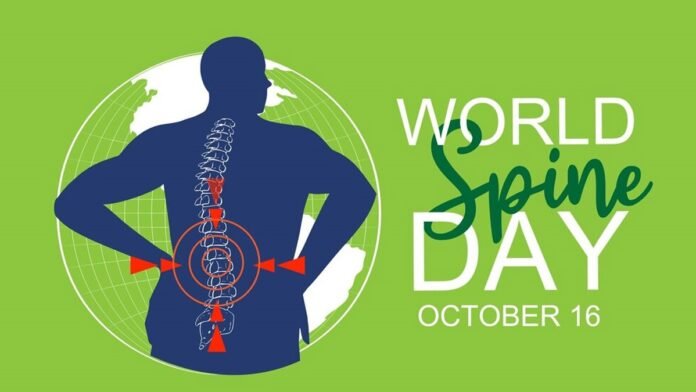
World Spine Day, observed on October 16, serves as a global reminder of the essential role the spine plays in our overall well-being, both physical and mental. Celebrated as part of the Bone and Joint Decade’s Action Week, this day highlights the importance of spinal health, raising awareness about the prevention, diagnosis, and treatment of spinal disorders, which affect millions of people worldwide.

The spine, often referred to as the backbone of life itself, is an architectural marvel that supports the entire human body. It provides structural stability, enabling mobility, flexibility, and balance while housing and protecting the delicate spinal cord. However, despite its critical importance, spinal health is often neglected until pain or discomfort sets in. World Spine Day seeks to change that, promoting a proactive approach to spinal care and encouraging individuals to adopt habits that nurture a healthy spine.

Each year, World Spine Day revolves around a central theme that emphasizes various aspects of spinal care. The theme often underscores the role of exercise, proper posture, and ergonomics, emphasizing that small, consistent habits can have a profound impact on maintaining spinal health. Poor posture, sedentary lifestyles, and improper lifting techniques are among the most common causes of spinal issues, contributing to chronic back pain and, in severe cases, debilitating conditions like herniated discs or scoliosis. By educating people about these preventable causes, World Spine Day aims to reduce the global burden of spinal disorders.

In today’s digital age, where hours are spent hunched over screens and devices, the spine faces unprecedented challenges. The rise of “text neck” and other postural problems has brought attention to the modern factors threatening spinal well-being. World Spine Day encourages individuals to take breaks, stretch regularly, and maintain proper alignment, especially in workplace settings, to combat these issues.

Beyond individual care, World Spine Day also serves as a platform for advocating improved access to spinal health services globally. Millions of people, particularly in low- and middle-income countries, lack access to proper diagnosis and treatment for spinal conditions. By fostering international collaboration and innovation, this day seeks to bridge gaps in care and promote equitable access to spinal health resources.

Ultimately, World Spine Day is not just about awareness; it’s about action. It calls on individuals, communities, and healthcare systems to recognize the spine’s significance and to invest in its care, ensuring that the backbone of our lives remains strong and healthy for years to come.