Home Blog Page 506

FICCI FLO Jaipur Champions Green Initiatives with Successful Plantation Drive at Mayoor School

0

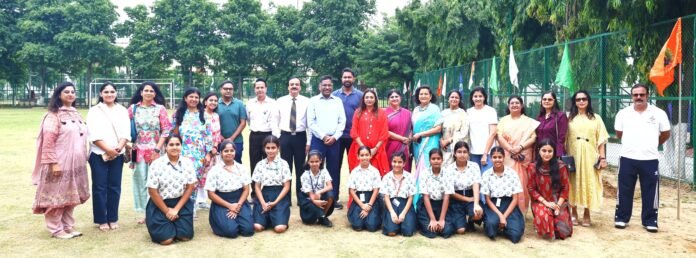
The lush grounds of Mayoor School, Sitapura, Jaipur, were abuzz with activity yesterday as FICCI FLO Jaipur Chapter, under the dynamic leadership of Raghushree Poddar, kicked off a significant plantation drive. This initiative marks the first step in the chapter’s ambitious plan to plant 1,111 trees, a testament to their unwavering commitment to environmental sustainability in the region.

The event saw a vibrant turnout, with enthusiastic participation from the FLO Jaipur executive committee members, the wider FLO community, and the staff and students of Mayoor School. Together, they planted 150 trees, enhancing the city’s green cover and reinforcing FICCI FLO Jaipur’s dedication to conservation efforts. This day of action is just the beginning, with further activities scheduled to continue this meaningful work in the days ahead.

Beyond tree planting, the event also focused on personal empowerment. Mayoor School hosted a special self-defense session for the women attendees, where a teacher demonstrated essential self-defense techniques. This session not only equipped the participants with practical safety skills but also emphasized the importance of self-protection and empowerment within the community.

The event was further distinguished by the presence of esteemed guests. Neeta Boochra, the Founder of FICCI FLO Jaipur, graced the occasion, acknowledging the contributions of Sunit Jain, President of Forex. Additionally, Raghushree Poddar, the current Chairperson of the FLO Jaipur Chapter, facilitated the recognition of RajKumar Kandoi, Director of Mayoor School, for their invaluable support and collaboration in making the event a resounding success.

In her address, Raghushree Poddar expressed deep gratitude to all participants for their dedication to this cause. She highlighted the significance of such initiatives, not only in enhancing environmental sustainability but also in fostering a sense of community responsibility. Ms. Poddar also extended her heartfelt appreciation to Mayoor School for their crucial role in the event, particularly in adding the valuable component of self-defense training.

This plantation drive is part of a broader initiative by FICCI FLO Jaipur, aiming to engage more community members in activities that promote both environmental sustainability and personal empowerment. As the chapter moves forward with its vision, today’s event stands as a shining example of what can be achieved when a community comes together with a shared purpose.


Know the key trends in jewellery for the upcoming wedding and festive season with Jewels by Shweta

0

Jaipur, the Pink City, is renowned for its majestic history, vibrant culture, and an enduring legacy of craftsmanship. A city where every corner whispers tales of royalty, opulence, and unparalleled artistry, Jaipur has firmly established itself as a global hub for fine jewellery. Central to this aura of sophistication is Jaipur’s age-old tradition of jewellery making, a craft that has been meticulously perfected over centuries. Passed down through generations, this intricate art form has produced some of the most exquisite and breathtaking pieces, each reflecting the city’s royal heritage. At the forefront of this illustrious tradition stands Jewels by Shweta, a name synonymous with the finest handcrafted jewellery that echoes the grandeur of Jaipur’s regal past.

EBNW Story interviews Jewels by Shweta, from where we have got the latest upcoming jewellery trends for you in the wedding and festive season. Read more to know the trends..

Q1. What are the key jewellery trends you’re noticing for the upcoming wedding and festive season?

This season, we’re seeing a strong resurgence of statement pieces, particularly those that combine both traditional and contemporary elements. Layering of necklaces, chokers paired with long chains, and heavy earrings are trending. Additionally, there’s a significant interest in jewelry that blends cultural heritage with modern aesthetics, such as intricate gold work combined with diamonds or gemstones. Our pearl bracelets have also become top sellers, appealing to both minimalistic and elegant tastes.

Q2. Which specific jewellery designs or motifs are gaining popularity this season?

Floral and nature-inspired motifs are gaining immense popularity. Designs featuring peacocks, lotuses, and other symbolic elements are in high demand. There is also a trend towards using bold, geometric patterns, especially in earrings and bangles, which offer a modern twist to traditional designs. Additionally, men’s sherwani and kurta buttons have emerged as a top seller, showcasing a blend of tradition and contemporary style that appeals to the modern groom.

Q3. How are traditional Rajasthani elements influencing modern jewelry trends for weddings and festivals?

Rajasthani jewelry, known for its opulence and intricate craftsmanship, is having a strong influence on modern trends. We see a rise in the popularity of Kundan, Meenakari, and Thewa work. These elements are being incorporated into contemporary designs, making them more versatile for modern brides who want a touch of tradition in their jewelry.

Q4. How important is customization in the current trends? Are clients requesting personalized or bespoke pieces more frequently?

Customization is becoming increasingly important in current trends. Clients are more frequently requesting personalized or bespoke pieces, wanting jewelry that reflects their individuality and personal story. This includes custom engravings, selecting specific gemstones that hold personal significance, and designing pieces that match their wedding attire perfectly.

Q5. Is decline in the price of gold will affect the market in the upcoming wedding and Diwali festival?

A decline in gold prices can lead to an increase in demand, especially during the wedding and Diwali seasons. Lower prices make it more accessible for people to invest in gold jewelry, potentially boosting market sales. However, it could also affect the perceived value of gold, leading consumers to explore other precious metals or gemstones.

Q6. Which gemstones are in demand this season? Are there any new or unique stones that are becoming popular like emeralds which became trend setters in the recent ambani wedding?

This season, along with traditional choices like diamonds and rubies, there is a growing interest in unconventional gemstones. Emeralds continue to be in high demand, especially after being featured prominently in high-profile weddings. Other unique stones like sapphires, tourmalines, and aquamarines are also gaining popularity as consumers seek distinctive and personalized pieces.

Q7. How are bridal jewelry trends evolving? Are brides preferring more traditional or contemporary styles?

Bridal jewelry is evolving to balance both traditional and contemporary styles. While many brides still prefer classic pieces like heavy gold necklaces and Kundan sets, there’s a noticeable shift towards lighter, more versatile designs that can be worn beyond the wedding day. Contemporary brides are also mixing and matching different styles, opting for a blend of traditional heirlooms with modern, minimalistic designs.

Snow Disappears From Uttarakhand’s Om Parvat for the First Time Ever

0

For the first time in recorded history, the iconic Om Parvat in Uttarakhand, known for its snow-clad peak that forms a natural “Om” symbol, stood bare and snowless last week, leaving locals and visitors alike in shock. Experts have attributed this unprecedented event to a combination of scanty rain, scattered snowfall in the upper Himalayan region, increased vehicular pollution, and the broader impact of global warming.

Om Parvat, situated at an altitude of around 14,000 feet in the Vyas Valley, is a revered site for both tourists and pilgrims, particularly those undertaking the Adi Kailash Yatra. The mountain’s snow-capped peak, which naturally forms a pattern resembling the sacred Hindu symbol “Om,” has long been a draw for visitors from around the world. However, on August 16, visitors were met with a stark and unrecognizable landscape, devoid of its signature snow.

“It was really disappointing to see Om Parvat, which has a reputation of being eternally clad in snow, utterly devoid of it,” lamented a visitor. Urmila Sanwal, a resident of the nearby Gunji village, echoed this sentiment, showing photos of the barren peak and noting how unrecognizable the site was without its usual snow cover.

Dhan Singh Bisht, who oversees the base camp for the Adi Kailash Yatra in Dharchula, expressed his dismay at the sight. “It is for the first time in my 22 years of service in Kumaon Mandal Vikas Nigam that I saw a completely snowless Om Parvat,” he said. Bisht explained that while the annual snow melting rate at Om Parvat typically ranged between 95-99 percent, this year, for the first time, it melted entirely.

The phenomenon has raised concerns about the future of tourism in the region. “Tourism could be impacted if the hill remained snowless for a longer period,” an official warned. The sudden disappearance of snow, which has always been a defining feature of Om Parvat, could discourage visitors and affect the local economy that heavily relies on tourism.

However, there was a glimmer of hope as snowfall on Monday night brought back some of the lost snow to Om Parvat. Bisht reported that the snow had returned, offering some relief to locals and officials who had been alarmed by the viral images of a snowless peak.

Sunil Nautiyal, Director of the GB Pant National Institute of Himalayan Environment in Almora, provided insight into the underlying causes of this alarming event. He pointed to rising temperatures in the eco-sensitive zones of the Himalayan region, driven by an increase in fuel-driven vehicles and the global phenomenon of warming. “To check this, we will have to determine the bearing capacity of all sensitive places in the high Himalayan region as well as rampant forest fires, as carbon generated by forest fires is also damaging the sensitive spots in the Himalayan region,” Nautiyal explained.

Another factor contributing to the disappearance of snow from Om Parvat is the significant rise in tourist footfall following Prime Minister Narendra Modi’s visit to Jolingkong in October last year. “Tourist footfall has gone up 10 times since Modi’s visit to Jolingkong for a darshan of the Adi Kailash peak,” said Krishna Garbiyal, a resident of Garbiyang village in Vyas Valley.

The situation at Om Parvat serves as a stark reminder of the delicate balance in our natural environment and the far-reaching impacts of human activity. As experts and officials work to understand and mitigate the factors leading to such dramatic changes, the need for sustainable tourism practices and stricter environmental regulations becomes ever more urgent.

Delhi Entrepreneur Creates LinkedIn Profile for 2-Year-Old Son, ‘Just a Kid Trying to Find My Place in This World’

0

In a move that has sparked both amusement and debate, a Delhi-based entrepreneur, Sivesh Kumar, took an unconventional step by creating a LinkedIn profile for his 2-year-old son, Tiger Chauhan. The profile, intended as a humorous yet forward-thinking gesture, quickly captured attention on social media, igniting a mix of reactions.

Tiger Chauhan’s LinkedIn profile, managed by his father, introduces the toddler with the simple yet profound statement: “Just a kid, trying to find my place in this world.” This playful description is paired with Tiger’s inaugural post, where he remarks, “I turned two today and already started to feel the pressure of this world.” The post reflects on societal expectations, an unusual theme for a child, but one that resonates with the pressures that many parents feel regarding their children’s future in today’s competitive environment.

The idea behind this early foray into professional networking is rooted in Kumar’s belief in the importance of early preparation for future educational opportunities. This philosophy, shared by his friend Praveen Kumar Rajbhar, who often emphasizes that “Network is Networth,” underscores the rationale behind this unconventional move.

However, the creation of a professional profile for a toddler did not come without controversy. The profile quickly sparked a debate, with many social media users questioning the ethics and appropriateness of such an action. Critics were particularly concerned about privacy, with one user commenting, “You’ve given away the kid’s photograph, name, DOB, school location. How are you better than the child’s parents?” Others found the situation ironic, questioning the intent behind the move, with comments like, “Strange. Who creates a LinkedIn profile for a baby? India is definitely not for beginners.”

Despite the criticism, not all responses were negative. Some users saw the humor in the situation and even appreciated the choice of LinkedIn over other social media platforms for children. One user quipped, “Haha! LinkedIn is better than Instagram though for kids. At least they’ll get bored on LinkedIn, but once they start scrolling reels, there’s no end.”

Sivesh Kumar, who is the co-founder and Chief Operating Officer of Coffea India, also weighed in by resharing his son’s post. Expressing his high hopes for Tiger’s future, he wrote, “I don’t know how he will turn around, but he will be more passionate, hardworking, and brutal than me… Elon, your competitor just got on LinkedIn… And it is his birthday… Happy Birthday Kiddo… If any day you need to fall back, your baba is here.”

The incident has opened a broader discussion about the role of social media in children’s lives and the lengths to which parents might go to prepare their children for the future. While some see it as a light-hearted, forward-thinking move, others view it as a step too far, raising questions about privacy, agency, and the appropriate age for professional networking.

In an age where digital presence increasingly shapes personal and professional opportunities, the debate over Tiger Chauhan’s LinkedIn profile might just be a sign of things to come, as parents navigate the complexities of raising children in a hyper-connected world.

Spain’s Iconic Tomatina Festival is in Full Swing

0

The streets of Bunol, a small town in eastern Spain, turned into a sea of red on Wednesday as the world-famous Tomatina festival unleashed its annual tomato-fueled frenzy. In a vibrant spectacle that draws thousands from around the globe, some 22,000 participants, dressed in white, engaged in a joyous and messy battle, hurling overripe tomatoes at each other in what has become one of Spain’s most beloved traditions.

Bunol, located 40 kilometers (25 miles) west of Valencia, hosts the Tomatina every year during the last week of August, transforming the quiet town into a playground for tomato enthusiasts. This year, seven trucks delivered a whopping 150 tons of ripe pear tomatoes, specially grown for the event, to the eager crowd. While non-residents paid a fee of 15 euros ($16.70) to join the festivities, Bunol’s locals enjoyed the event for free.

One of the highlights of the Tomatina is the surreal sight of participants, initially clad in pristine white, gradually becoming covered head-to-toe in red pulp as the battle ensues. “We love tomatoes! That’s why we decided to come, and we had a fab time,” said Taylor, an Australian visitor, her face smeared with tomato residue. She and her friends jokingly added that they planned to “make some spaghetti to have with the sauce” afterward.

The event kicks off with a unique and somewhat comical tradition: the palo jabón. A slippery pole, lathered in soap, is set up in the town square with a leg of ham dangling from the top. The fight only begins once a brave (and usually slippery) participant successfully climbs the pole and retrieves the ham. This year, the moment was signaled by the explosion of firecrackers, setting off an hour of chaotic, yet friendly, tomato warfare.

For many, Tomatina is more than just a food fight—it’s an experience of a lifetime. “Beautiful, wonderful, creative, mind-blowing,” Senam from Kenya described the festival, encapsulating the awe and excitement felt by first-timers and veterans alike.

As the hour-long tomato battle came to a close, Bunol’s streets were left carpeted in a thick layer of tomato puree. But thanks to the natural acidity of the tomatoes, which are too sour for human consumption and grown specifically for the festival, the town was soon sparkling clean. A dedicated cleaning crew armed with water hoses quickly washed away the remnants, leaving no trace of the chaotic fun that had just unfolded.

The Tomatina’s origins date back to 1945, when a spontaneous food fight broke out during a local parade. Legend has it that a group of youngsters, eager to get closer to the action, accidentally knocked over a participant, sparking a brawl that saw tomatoes from a nearby stand turned into makeshift projectiles. Though police quickly intervened to restore order, the impromptu fight left a lasting impression. The following year, the same group of youths, now armed with their own tomatoes, recreated the scene, planting the seeds for what would become an annual tradition.

The festival’s popularity only grew over the years, although it faced a brief ban in the 1950s under the rule of General Francisco Franco. Despite the prohibition, the townspeople’s love for Tomatina persisted, leading to its revival in 1959, albeit with a few rules to ensure safety.

Today, Tomatina stands as a testament to the joyous and playful spirit of its participants, capturing the hearts of those who travel from near and far to be part of this uniquely messy celebration. As the festival concludes each year, the town of Bunol quietly returns to its normal pace—until the next August, when the tomatoes will fly once more.

NASA’s Perseverance Rover begins Historic Climb to Jezero Crater Rim

0

NASA’s Perseverance rover, a key player in humanity’s quest to understand Mars, began a significant new phase of its mission on August 27, 2024. The rover, which has spent over three years exploring the floor of Jezero Crater, is now embarking on a challenging ascent to the crater’s rim. This climb marks a crucial step in the mission, with the potential to uncover new insights into Mars’ climate history and the tantalizing question of whether life ever existed on the Red Planet.

Mission Overview

Perseverance touched down on Mars in February 2021, landing in Jezero Crater—a site believed to have once been filled with water, making it an ideal location for searching for signs of ancient life. Since its landing, Perseverance has been meticulously collecting rock core samples, amassing a total of 22 from the crater’s base. These samples are crucial for understanding the planet’s geological history and the potential for past life.

The current mission involves climbing 1,000 feet (305 meters) to the crater’s rim, where the rover will continue its work of collecting and analyzing rock samples. The rocks at the rim are of particular interest because they may hold vital clues about the planet’s past, especially its climate and the presence of water.

Scientific Goals

The primary scientific goal of Perseverance’s climb is to study the rocks at the crater’s edge, which could provide invaluable information about Mars’ environment billions of years ago. These rocks are expected to offer insights into how Mars’ environment evolved and whether it could have supported life.

The rover’s findings could also contribute to our broader understanding of planetary formation and evolution. By analyzing the rock samples, scientists hope to unravel the mysteries of Mars’ past, including the processes that shaped its surface and atmosphere.

Bringing the Samples Back to Earth

One of NASA’s long-term goals is to return these Martian rock samples to Earth, where they can be studied in greater detail. The ability to analyze these samples on Earth could revolutionize our understanding of Mars, providing unprecedented insights into its geology, climate history, and potential for life. NASA is currently developing plans for a sample return mission, which would represent a major milestone in planetary exploration.

Challenges of the Climb

The journey to the top of Jezero Crater is not without its challenges. The terrain is treacherous, with rocky landscapes and steep slopes that can reach angles of up to 23 degrees. Despite these obstacles, Perseverance has already demonstrated its resilience, having traveled approximately 29 kilometers on Mars, navigating difficult conditions with remarkable precision.

The rocks at the rim of the crater are believed to have formed near ancient hydrothermal vents—areas where hot water once flowed. On Earth, similar environments, such as those in Yellowstone National Park, are known to support a rich diversity of life forms. If comparable conditions existed on Mars, the rocks could hold key evidence about whether life might have once existed there.

Understanding Jezero Crater

Jezero Crater, a 45-kilometer-wide depression on Mars, is a site of great scientific interest. Scientists believe that over 3.5 billion years ago, the crater may have been a lake, fed by a river that created a delta of sediments. These sediments could contain preserved signs of ancient microbial life, making the crater a focal point for the search for life on Mars. Named after a town in Bosnia and Herzegovina, Jezero Crater was selected as the landing site for Perseverance due to its diverse rock formations, which offer a unique window into Mars’ climatic past.

Facts About Perseverance Rover

  • Launch and Landing: Perseverance was launched on July 30, 2020, and successfully landed on Mars on February 18, 2021.
  • Scientific Instruments: The rover is equipped with ten scientific instruments, including the small helicopter Ingenuity, which made history by performing the first powered flight on Mars.
  • Mission Objectives: Perseverance’s primary mission is to search for signs of ancient life and to collect samples that could be returned to Earth in future missions.
  • Capabilities: The rover can analyze rocks and soil, produce oxygen from the Martian atmosphere, and traverse the Martian surface at a maximum speed of 0.1 miles per hour.

A New Chapter in Mars Exploration

Perseverance’s climb to the rim of Jezero Crater represents a pivotal moment in Mars exploration. As the rover navigates this challenging terrain, it carries with it the hopes of scientists eager to unlock the secrets of Mars’ past. The data and samples it collects could redefine our understanding of the Red Planet, bringing us closer to answering the age-old question: Did life ever exist on Mars?

Now Solar-Powered Tricycles for People with Disabilities

0

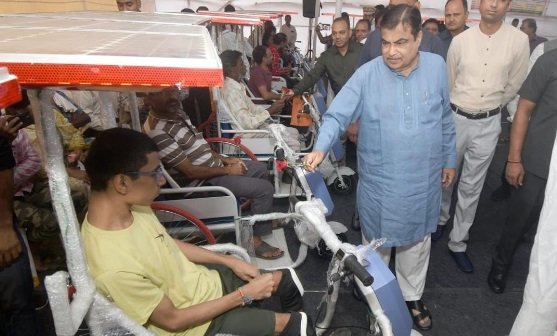
Union Minister Nitin Gadkari recently introduced a groundbreaking initiative aimed at enhancing mobility for individuals with disabilities by unveiling solar-powered tricycles. This launch, held during a significant event organized by the Andhra Pradesh MedTech Zone (AMTZ) in Visakhapatnam, marks a major advancement in sustainable and inclusive transportation in India.

What is AMTZ?

The Andhra Pradesh MedTech Zone (AMTZ), situated in Visakhapatnam, is a pioneering organization dedicated to advancing medical technology in India. AMTZ collaborates with various partners to develop healthcare solutions that are both inclusive and environmentally sustainable. The organization plays a crucial role in driving innovation that benefits everyone, with a special focus on marginalized and vulnerable communities.

Collaboration with CRC Nagpur

This initiative was developed in collaboration with the Composite Regional Centre (CRC) in Nagpur, an institution committed to improving the lives of people with disabilities. The CRC provides a range of assistive technologies—tools and devices designed to make everyday tasks more manageable for those with physical challenges. This partnership underscores the importance of creating technologies that enhance accessibility and independence for individuals with disabilities.

The Solar-Powered Tricycles

The newly launched tricycles are powered by solar energy, harnessing the power of the sun to operate. This innovation represents an eco-friendly alternative to traditional vehicles that rely on fossil fuels, which are harmful to the environment. By using solar energy, these tricycles offer a clean, sustainable mode of transportation that reduces carbon emissions while providing a practical solution for mobility.

These tricycles are designed with affordability and functionality in mind, aiming to empower users by giving them greater freedom and mobility. The use of solar power not only cuts down on fuel costs but also ensures that the tricycles are a viable option for long-term use, particularly in regions with abundant sunlight like India.

Benefits of the Initiative

The launch of these solar-powered tricycles is significant for several reasons:

  • Promoting Sustainable Transportation: By offering a green alternative to conventional vehicles, this initiative contributes to reducing the environmental impact of transportation, aligning with global efforts to combat climate change.
  • Enhancing Accessibility: The tricycles are specifically designed to cater to the needs of people with disabilities, improving their ability to move around independently. This is a critical step towards ensuring that individuals with disabilities have the same opportunities and freedoms as others in society.
  • Fostering Inclusivity: The initiative reflects the government’s commitment to “inclusive innovation,” a concept emphasized by Nitin Gadkari during the launch. Inclusive innovation focuses on creating technologies that benefit everyone, particularly those who are often overlooked or marginalized.

Dr. Jitendra Sharma, representing AMTZ, highlighted the transformative potential of these tricycles, noting how they can significantly improve the quality of life for individuals with disabilities by enhancing their mobility and accessibility.

A Vision for a Sustainable and Inclusive Future

The introduction of solar-powered tricycles is a testament to India’s growing capability to leverage technology for social good. It embodies a vision of a society where technological advancements are used to create inclusive solutions that benefit all, especially those with the greatest need.

This initiative not only underscores the importance of sustainable practices in transportation but also reinforces the commitment to creating a more inclusive society where everyone, regardless of physical ability, has the opportunity to lead a fulfilling and independent life.

Be careful, Microplastic Presence in Indian Personal Care Products

0

A recent study led by Riya K. Alex at Cochin University has shed light on a growing environmental and public health concern in India: the prevalence of microplastics in personal care products (PCPs). The study, focusing on the presence of polyethylene (PE) microplastics, highlights the potential risks these tiny plastic particles pose to both the environment and human health, particularly in a rapidly expanding market like India.

Understanding Microplastics

Microplastics are minuscule plastic particles, typically smaller than 5 millimeters, about the size of a sesame seed. Among these are microbeads, which are even smaller, ranging from 1 to 1,000 micrometers—comparable to the thickness of a human hair. Microbeads are commonly found in various personal care products, including face washes, scrubs, and shower gels, where they are used for their exfoliating properties.

Key Findings of the Study

The study analyzed 45 personal care products from 2022, including face washes, scrubs, shower gels, and body scrubs. The results revealed alarming details:

  • Microbead Composition: More than half of the microbeads found in the products were made of polyethylene (PE), with other materials including polypropylene and polyester. About 23.33% of the products contained microbeads made from cellulose, a material whose biodegradability remains uncertain.
  • Microbead Visibility: The microbeads were predominantly white, making them difficult to detect visually, which complicates efforts to identify and address their presence in products.
  • Microbead Content: On average, microbeads constituted 1.34% of the total product weight, though this percentage varied by product type. The study provided specific quantities of microbeads found in various personal care items:
    • Face Wash: Approximately 0.26 grams of microbeads per 30 grams of product.
    • Face Scrub: Approximately 0.90 grams per 30 grams.
    • Body Scrub: Approximately 1.24 grams per 30 grams.
    • Shower Gel: Approximately 1.74 grams per 30 grams.

Shower gels contained the largest microbeads, with sizes ranging between 606.30 and 640.74 micrometers. These microbeads had irregular shapes, which could make them more harmful to the environment.

Environmental Impact of Microbeads

The study emphasized the significant environmental threat posed by microbeads. Once these microplastics enter water systems, they can be ingested by aquatic life, leading to bioaccumulation in the food chain. Their irregular shapes make them more likely to absorb harmful pollutants, further increasing their toxicity.

Moreover, the study highlighted the issue of “greenwashing,” where products are marketed as “eco-friendly,” “organic,” or “natural,” yet still contain substantial amounts of plastic. In India, where consumers may not always fully understand product ingredient lists, companies may exploit this lack of awareness to their advantage.

The Regulatory Landscape in India

While some countries have implemented strict bans on the use of microbeads, India’s regulatory stance remains unclear. The absence of concrete regulations poses a risk as consumer purchasing power increases, potentially leading to a significant rise in microbead pollution by 2030.

The pervasive presence of microplastics extends beyond personal care products; they are found in everyday items such as salt, sugar, and even in human tissues. This widespread contamination raises serious public health concerns, as microplastics have been linked to various health issues, including inflammation, cancer, and endocrine disruption.

Summing Up

The findings of this study underscore the urgent need for stricter regulations and increased consumer awareness regarding microplastics in personal care products. As India continues to grow economically, the potential for microplastic pollution will only increase, posing a threat to both environmental and public health. Addressing this issue will require a concerted effort from policymakers, industry leaders, and consumers alike to reduce the use of microplastics and protect India’s natural resources and public health.

What is Food Traceability? Why It Matters More Than Ever?

0

The COVID-19 pandemic has significantly heightened awareness about food safety, making people more concerned about where their food comes from and how safe it is. This growing concern stems from a better understanding of the health risks and foodborne illnesses that can result from unsafe food. Vulnerable groups, such as infants and the elderly, are particularly at risk, prompting a demand for greater transparency in food production and distribution in India.

The Importance of Food Traceability

Food traceability refers to the ability to track the entire journey of food from its origin—whether farm, factory, or sea—to the final point of sale and consumption. This process is crucial for ensuring food safety, especially in the event of a foodborne illness outbreak. By tracing the food’s journey, authorities can quickly identify the source of contamination, thereby preventing the spread of illness and potentially saving lives.

Reducing Food Waste Through Traceability

In India, a significant portion of food is lost or wasted before it even reaches the market. This waste often occurs due to inefficiencies and breakdowns in the supply chain. Implementing robust traceability systems allows for better monitoring of the supply chain, helping to pinpoint where food is being lost or spoiled. As a result, more food reaches consumers, reducing waste and contributing to food security.

Addressing Allergen Sensitivities with Traceability

Food allergies affect about 25% of the Indian population, making clear labeling and traceability essential. Traceability ensures that food products are accurately labeled with all the ingredients they contain, helping consumers with allergies avoid dangerous reactions. This is especially critical in a country as diverse as India, where a wide variety of foods and ingredients are consumed.

India’s Efforts to Enhance Food Safety

India has established strict regulations to ensure food safety, with the Food Safety and Standards Authority of India (FSSAI) at the helm. The FSSAI oversees the correct labeling of food products, providing consumers with the information they need to make informed choices. In 2020, new regulations were introduced requiring detailed labels on pre-packaged foods, making traceability more straightforward and accessible.

Organizational Support for Food Safety

Organizations such as the Confederation of Indian Industry (CII) and its Food and Agriculture Centre of Excellence (FACE) work closely with the FSSAI to enforce food safety standards across the supply chain. Their efforts help ensure that consumers can trust the safety and quality of the food they purchase.

In addition to domestic food safety, India places a strong emphasis on the safety of its food exports. The Agricultural and Processed Food Products Export Development Authority (APEDA) has implemented traceability systems for agricultural products intended for export. These systems use standardized barcodes to track products, ensuring that they meet international safety standards. In cases where issues arise, these systems also allow for swift recalls, protecting consumers both in India and abroad.

Summing Up

Food traceability is not just a technical requirement; it is a vital component of public health and consumer trust. As awareness of food safety continues to grow, traceability systems are becoming increasingly important in ensuring that food is safe, reducing waste, and protecting those with food allergies. With robust regulations and the support of organizations dedicated to food safety, India is making significant strides in safeguarding the health of its citizens.

Women should be given freehand in politics, says Hanuman Beniwal

0

Hanuman Beniwal is a prominent Indian politician and social activist known for his strong advocacy for farmers’ rights and his dynamic leadership in the state of Rajasthan. As the founder of the Rashtriya Loktantrik Party (RLP), Beniwal has been a vocal critic of government policies that he believes neglect the interests of rural communities. With a background deeply rooted in grassroots activism, he has emerged as a key figure in Rajasthan’s political landscape, gaining widespread support for his unwavering commitment to social justice and equitable development.

In a recent interview with EBNW Story he says-

Q1 Sir, as we see that in our country there is lack of the loyalty of politicians towards a particular party. In such scenario, is it possible for India to have a vision of World Class Democracy Successful?

Hanuman Beniwal- It is not possible until there is loyalty in political parties. Even I myself didn’t choose to change the sides when I initially joined in with BJP. Although after that I made my own party as it was a need of time as I believed that farmers and youth needed our support. There were different rules and regulations made so that this practice of changing parties comes at a stop but it is not made possible till now because of different challenges leaders face in the 5 years tenure. The rules should be made that the leader can’t leave in between the tenure of 5 years when they are working for a party.

Q2 Sir, we talk about women reservation in politics but is their women leadership?

Hanuman Beniwal- See, Women reservation will still take time as it is procedure for which ruling party i.e BJP is working. But till then we have to focus on women leadership of whatever ratio we are having of women in our parties. Today, in many cases we are seeing women are getting guided by their husbands in politics, if they want to take any decisions on their own, they cannot make it. Women have a different thinking perspective, they have the power to change the country as they think emotionally and practically with both ways at things. They look into matters with deepness, but many times they are not able to do it. Indira Gandhi and Draupadi Murmu, our President are one of the best examples of women leaders who manage things so well. They should be made freehand to take the decisions on their own.

Q3 What is your message to the coming youth? They should come in politics?

Hanuman Beniwal- Definitely, youth should come in politics. As they are the only ones who can make the change in the country. Even we have worked when Student Union elections got cancelled to make them happen. Youth should be made to learn the things so that they can see their career in politics as well. Also, if these student elections don’t happen they can make up their path of coming toward politics by joining parties like ours which is working for them at ground level. Other than that the youth of the nation is getting spoiled with drugs. After Punjab, Rajasthan comes next where youth’s future is getting in darkness because of these addictive drugs. Nowadays, youth is consuming synthetic drugs which totally spoils the person in such a way that either he dies or kills someone, means it is that addictive that they are not able to leave it once they get used to it. Therefore, youth should have a control on themselves and choose the right options for their career and life. Afterall, youth is the destiny of our future country so parents should keep a check on them. Unemployment is the biggest problem so definitely government should always look towards this matter to save our youth, our future.